Key Takeaways
Table of Contents
I. What Do PMP Training Payment Plans Usually Cover?
A PMP training payment plan is an agreed schedule for paying course tuition over time, with dates, amounts, and conditions set by the course provider. It generally applies to the training itself, not every expense connected with earning the certification.
That distinction matters when budgeting for Project Management Professional (PMP) preparation. Course tuition, PMI membership, exam fees, and optional study resources are separate budget categories. A course payment arrangement does not automatically include those other costs.
For an overview of the broader certification journey, watch this PMP guide:
For current certification and exam details, refer to PMI’s official information. Keep those expenses separate from the course price as you plan, because their timing and payment process may differ from your training arrangement.
A.Course fees and certification-related expenses are different
B. What instalment language can mean
II. How PMP Training Payment Plans and Financing Options Differ
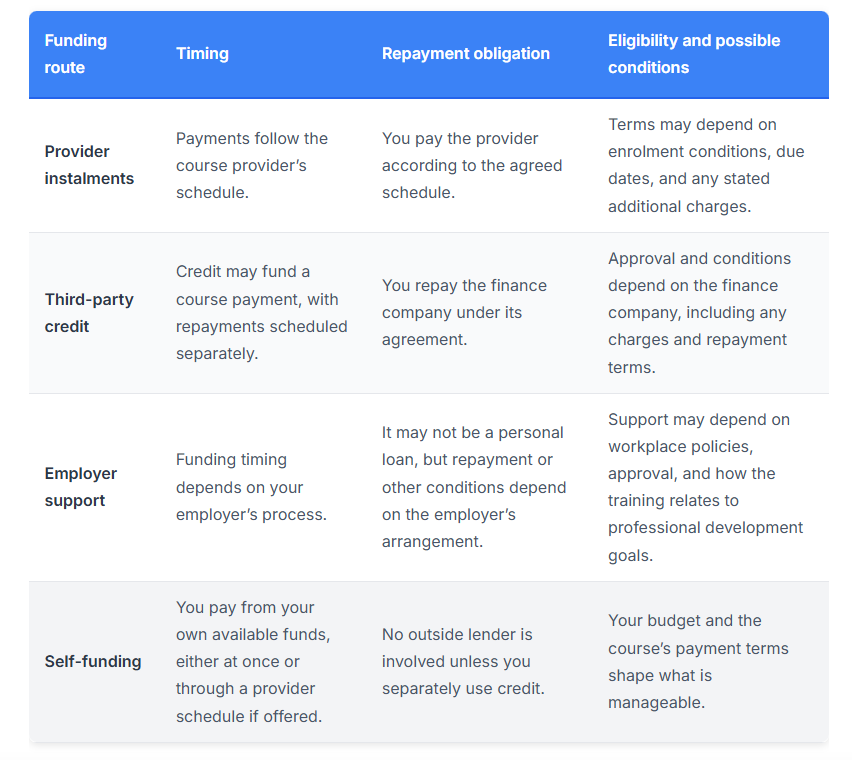
A provider payment schedule splits course payments under the provider’s terms. Third-party financing involves borrowing from an outside finance company, which sets separate repayment terms. Employer support and self-funding work differently: they rely on workplace funding or your own budget rather than a course instalment arrangement.
Compare the routes by who receives payment, when funds are due, whether repayment is required, and what conditions apply. Terms depend on the provider or funding source, so use this table to understand the differences, not as a promise that every route will be available.
A. Provider instalments versus third-party financing
With provider instalments, the training provider receives payments and sets the applicable course-payment terms. With third-party financing, an outside finance company provides credit and sets the repayment agreement. The provider may receive payment through that arrangement. Before committing, identify who you owe, when each payment is due, and whether the written terms list interest, fees, or other extra charges. Don’t assume a split payment is interest-free or that missed-payment conditions are the same across arrangements.
B. Employer sponsorship and self-funding
Employer sponsorship can be worth exploring, but it depends on workplace policy and approval. If you raise it at work, explain how PMP preparation connects to your responsibilities, development goals, or planned project work. Self-funding gives you direct control over the decision, but the full payment still needs to fit your cash flow. Explore the free PMP demo to assess the training format as well as the funding route.
Financing and course suitability are separate decisions. For a broader perspective on certification value, see Forbes’ PMP certification overview. Whatever route you consider, read the actual terms rather than assuming conditions from another provider or course apply.
III. How to Compare PMP Training Payment Plans Before Enrolling
Compare the full written commitment, not just the first payment. The most manageable plan is not automatically the one with the smallest upfront amount. Check what you’ll pay in total, when payments are due, what happens if plans change, and whether the training format gives you the support and study time you need.
Use this five-step checklist to compare pmp training payment plans consistently:
A. Read the payment schedule and conditions together
A schedule shows when money is due; the conditions explain what those payments mean. Put each due date, amount, outstanding-balance requirement, cancellation provision, and stated extra charge in one comparison. Note any term that could affect access to course content or support if a payment is late or a booking changes. Compare the written details, not promotional descriptions such as “flexible” or “easy payments.”
For example, a plan with several smaller payments may still require the remaining balance by a date that conflicts with your cash flow. Reviewing the schedule alongside cancellation and access terms helps reveal the full commitment before you enrol.
B. Match the payment commitment to your study plan
Choose a format that fits your actual routine. A bootcamp may suit someone who can set aside focused time for structured learning, while a masterclass may suit a learner looking for a different learning format. Neither is automatically right for everyone. Consider work and family commitments, how much independent study you can sustain, and where you expect to need guidance.
Review a PMP preparation bootcamp as one format to compare. Evaluate its learning approach and schedule alongside the payment commitment, rather than letting the payment structure decide for you. If the course demands study time you can’t realistically protect, spreading its payments won’t resolve that mismatch.
IV. Is a PMP Training Payment Plan Worth It? Risks and Decision Checks
A payment plan may be worthwhile if scheduled payments make course fees easier to manage without creating obligations you can’t meet. Its value depends on the written terms and whether the training suits your preparation needs. Instalments can spread payments over time, but they don’t automatically reduce the total amount payable or make an unsuitable course a better fit.
Make two checks: can you manage the payment commitment, and will the training help you prepare in a way that fits your circumstances? If either answer is uncertain, pause before enrolling. A lower first payment may still lead to due dates or conditions that don’t work for your budget or schedule.
A. Potential benefits and trade-offs
Predictable scheduled payments can make cash flow easier to plan than paying the full tuition at once. That flexibility comes with obligations: each instalment has a due date, and the agreement may include conditions for missed payments, cancellation, deferral, or access to training. Read the written terms to understand the full commitment. Don’t assume that paying in instalments lowers the total cost; compare the total payable with the amount due upfront.
The same principle applies to all pmp training payment plans: affordability is more than the first amount due. Consider whether each scheduled payment remains manageable alongside your other expected expenses, without relying on assumptions about future income or reimbursement.
B. Questions to resolve before making a commitment
Before enrolling, use this short decision check. Resolve unclear terms with the relevant funding source before agreeing to them.
A payment plan should support a sound training choice, not drive it. For example, a learner with limited time for independent study may need a different level or style of support from someone comfortable following a structured course independently. Compare the learning format with your work and personal commitments before deciding.
Explore the learning experience through the free PMP demo, then weigh the preparation approach against the written payment terms. Choose a plan only when both the course and its schedule make sense for you.
V. Choose PMP Training That Fits Your Plan and Take the Next Step
Make the enrollment decision in three stages: set a realistic budget, compare the written payment conditions, then choose a preparation format that fits your learning needs and schedule. A payment structure can make course tuition easier to plan, but it shouldn’t determine which training you choose. Keep course tuition separate from PMI membership, exam fees, and optional study resources when reviewing your full budget.
A. Compare preparation formats against your needs
A structured bootcamp may suit learners who prefer a focused course framework. A masterclass offers another format to consider when comparing learning approaches. Review the learning method, available support, and how each option fits around work, family, and study time. Neither format is the right choice for everyone. Compare Woloyem’s PMP bootcamp and masterclass options against your needs before deciding.
Use this final check before enrolling:
B. Make the enrollment decision with clear information
Review the course fit and payment terms together. A schedule may look manageable on its own, but the training still needs to match your preparation goals. Likewise, an appealing course format doesn’t make unclear payment conditions easier to manage. If you’re still weighing the learning experience, explore the free PMP training demo to get a better sense of the approach before deciding.
Once you’ve set your budget, understood the written terms, and identified the format that fits your schedule, you can take the next step with greater clarity. Explore PMP training with Woloyem to build your project management knowledge and prepare for certification.
VI. Make Your PMP Preparation Decision with Confidence
VII. Frequently Asked Questions
Does PMI offer a payment plan for the PMP exam fee?
Can I pay for PMP training in instalments?
What should a PMP training payment plan include?
Can my employer pay for PMP training?
Is a PMP payment plan the same as a loan?
How do I choose between a PMP bootcamp and coaching if I need payment flexibility?
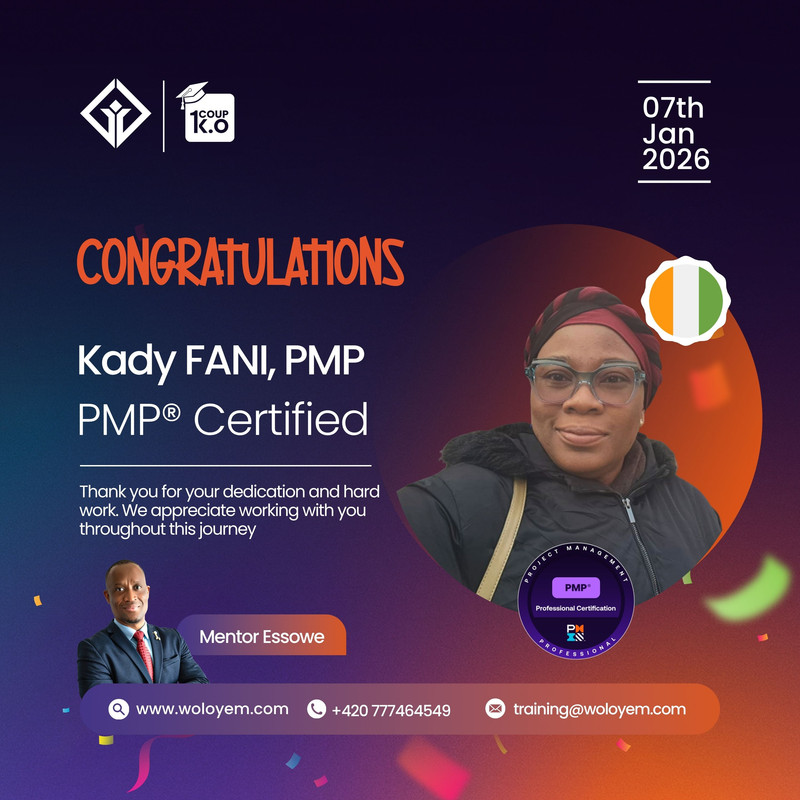
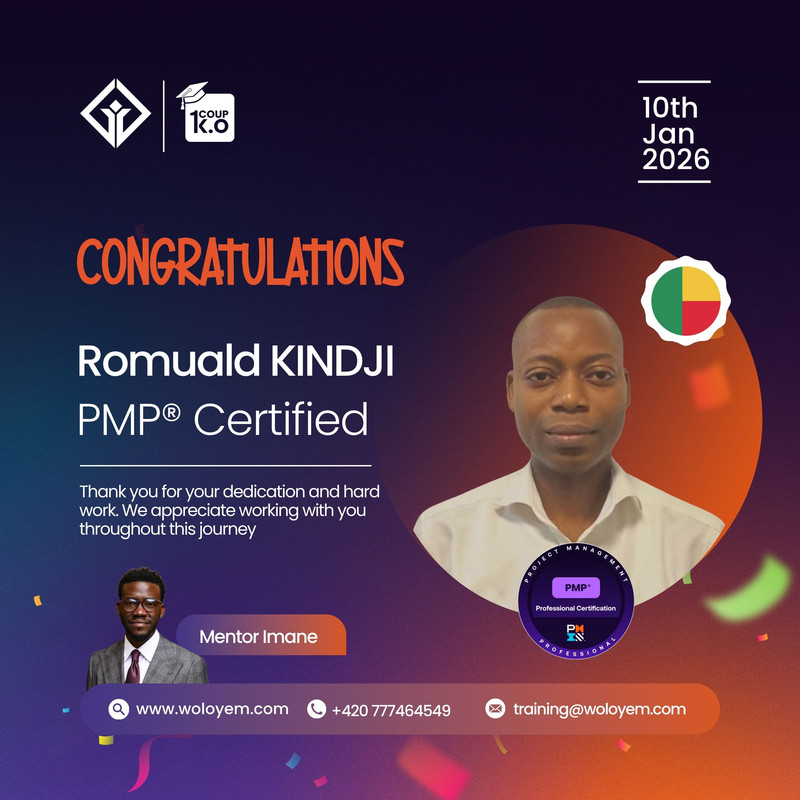
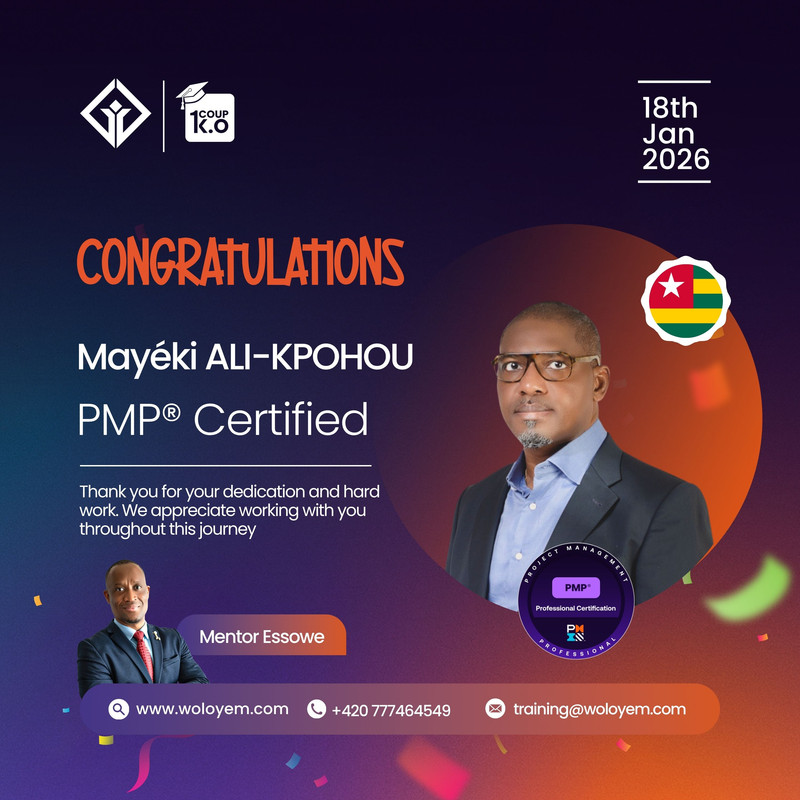
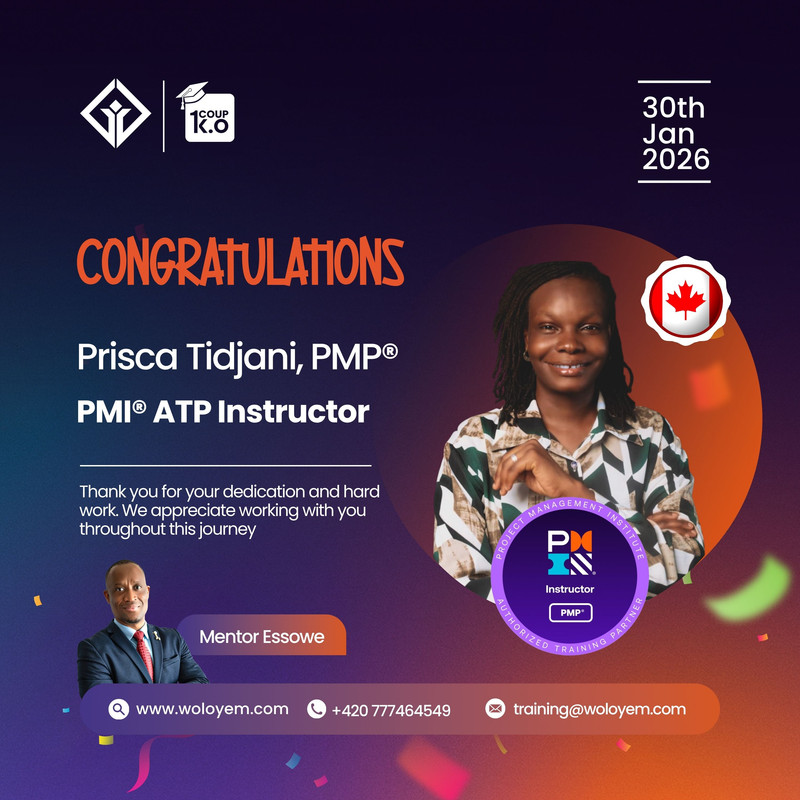
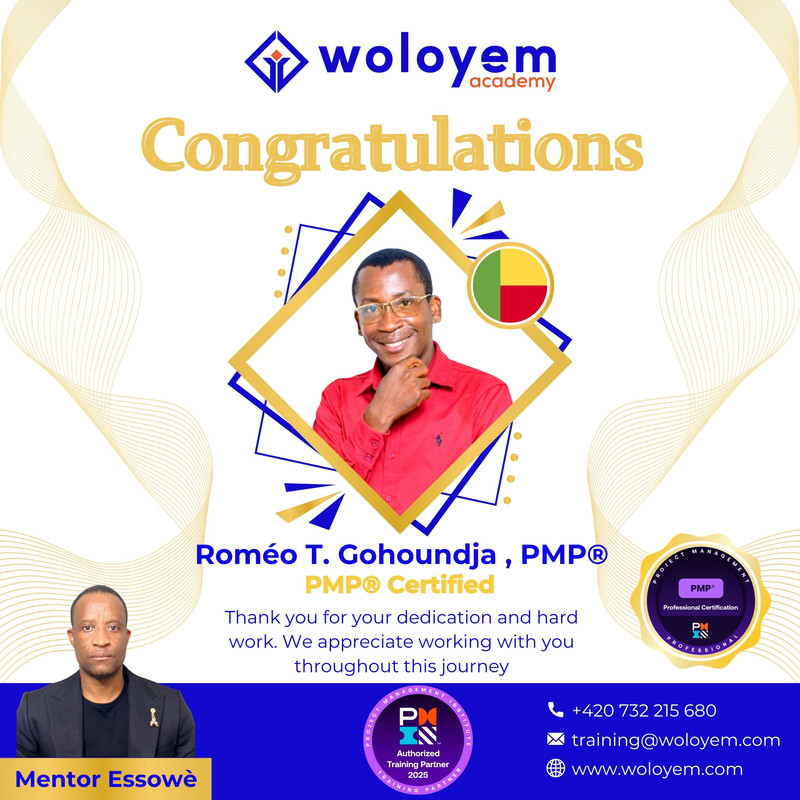
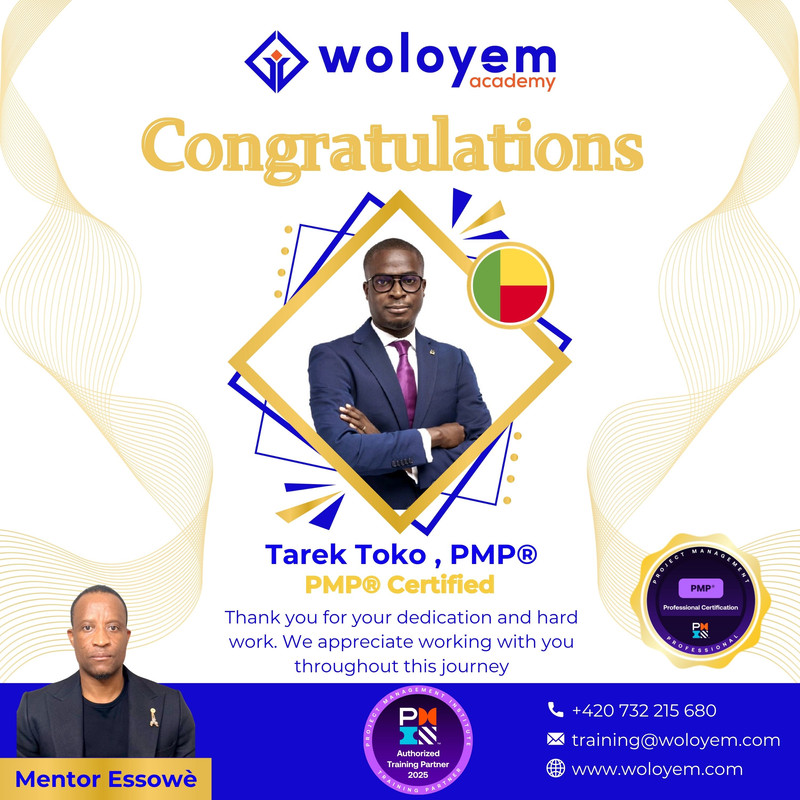
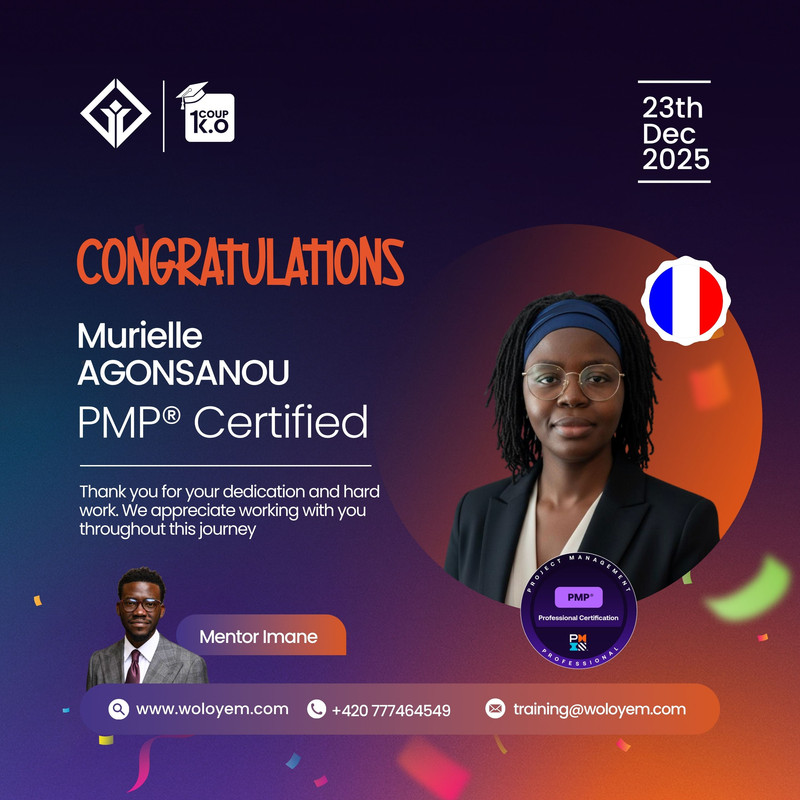
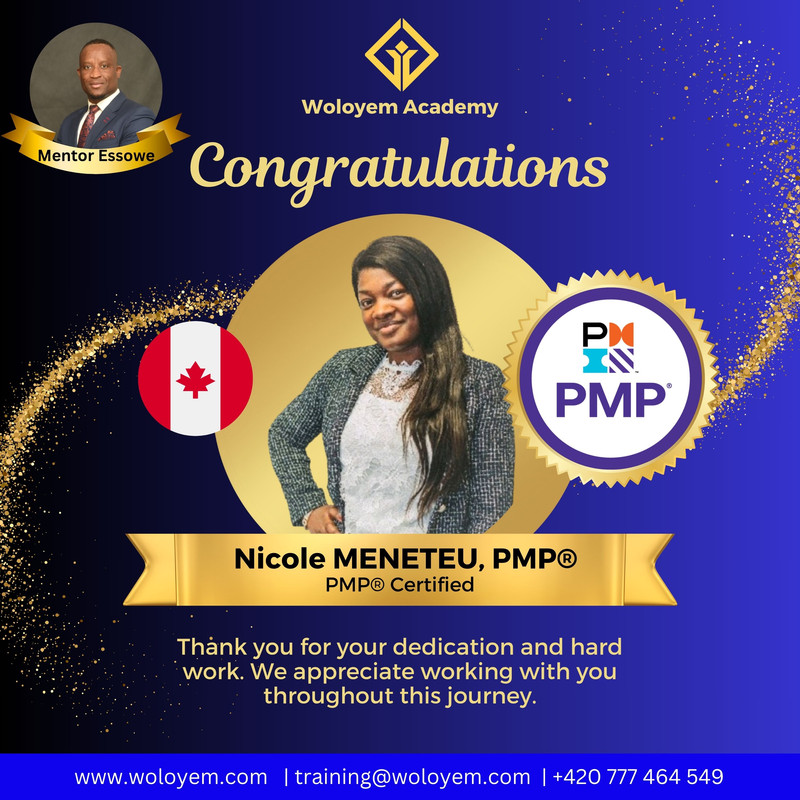
Our successes

.jpg)
.jpg)
.jpg)
.jpg)


.jpg)
.jpg)
.jpg)

.jpg)
.jpg)
.jpg)
.jpg)
.jpg)











.jpg)





































































.jpg)























Latest news from our blog
Courses
PREPARE EFFECTIVELY
Open PMP® Bootcamp
Pass your PMP certification in the upcoming session
ENROLL NOW