Key Takeaways
Table of Contents
I. The Project Management Certification Dilemma: PMP vs PRINCE2 in 2026
The 2026 "Project Economy" has transformed project management from a back-office function into a primary driver of corporate strategy. Organizations now realize that a staggering 67% of strategic initiatives fail due to poor execution, making high-level certification a non-negotiable requirement for leadership roles. This reality forces a critical choice: pmp vs prince2. While the PMP (Project Management Professional) validates your individual competency and leadership agility, the PRINCE2 methodology serves as the gold standard for organizational governance and controlled project environments.
The core dilemma isn't just about which acronym looks better on a resume. It's a strategic decision based on your geographic target, industry standards, and whether you need to prove how you lead or how the project should be run. Choosing the wrong path can result in missed opportunities in markets that favor one standard over the other.
A. The Evolving Role of the Project Manager
B. PMI vs. Axelos: Understanding the Governing Bodies
II. Methodology vs. Framework: A Technical Deep Dive
Understanding the technical architecture of pmp vs prince2 is essential for choosing the right toolset for 2026's hybrid project environments. While most comparisons treat these as interchangeable, their structural DNA is fundamentally different. PMP is a descriptive body of knowledge. It outlines what a professional should know across three core domains: People (42%), Process (50%), and Business Environment (8%). Conversely, PRINCE2 is a prescriptive framework. It provides a step-by-step manual on how to run a project through its 7 Principles, 7 Themes, and 7 Processes.
Both standards emphasize "tailoring," but they approach it from opposite ends. In PMP, you select the tools that fit your project's unique life cycle. In PRINCE2, tailoring is a mandatory principle; you must justify the inclusion or exclusion of specific elements to prevent the project from becoming bogged down in bureaucracy. If you're struggling to apply these high-level concepts to your daily workflow, our Practical Project Management Masterclass helps you bridge the gap between theory and execution.
A. Governance and Accountability in PRINCE2
PRINCE2 excels in high-stakes environments because it separates project management from project ownership. The Project Board, consisting of the Executive, Senior User, and Senior Supplier, holds ultimate accountability while the Project Manager handles daily operations. This structure makes it a "CEO’s favorite" for risk management. It utilizes "Management by Exception," where the PM only escalates issues if pre-defined tolerances for time, cost, or quality are breached. This allows executives to focus on strategy rather than micromanagement. Researching career development with PRINCE2 vs. PMP highlights how this governance focus is highly prized in government and heavy industry sectors.
B. Leadership and Soft Skills in PMP
While PRINCE2 focuses on the "project," PMP prioritizes the "person." The "People" domain covers everything from managing conflict to supporting virtual teams. In the 2026 landscape, PMP mastery means understanding how to engage stakeholders in a world where 73% of teams operate in distributed models. The 2026 PMP standard defines the project manager as a servant leader who prioritizes team empowerment and the removal of organizational impediments to maximize throughput. This shift from "command and control" to facilitation is what makes PMP-certified leads indispensable in tech and finance sectors.
III. Global Market Demand and Salary ROI
Choosing between pmp vs prince2 is a financial decision as much as a tactical one. As of May 2026, the Project Management Professional (PMP) remains the dominant force in North America and Australia. In the United States, PMP-certified leads command a median salary between $125,000 and $135,000, which is a 25% premium over their non-certified colleagues. Conversely, the United Kingdom and Europe prioritize the PRINCE2 methodology, especially within government sectors and public infrastructure. In the UK, a PRINCE2 Practitioner typically earns between £50,000 and £68,000. These figures prove that your geographic target should dictate your certification path to maximize immediate ROI.
Industry preference also plays a critical role. Technology, construction, and finance sectors heavily favor the PMP due to its focus on individual leadership and hybrid delivery. However, if you're targeting NGOs or large-scale government contracts in former British Commonwealth countries, PRINCE2 is often a mandatory requirement. Organizations in these sectors value the structured governance and risk mitigation that the framework provides. If you're looking to enter these high-stakes environments, our PRINCE2 7 Certification Training ensures you meet these rigid organizational standards.
A. The Bilingual Advantage in International Projects
The 2026 job market in the EMEA region (Europe, Middle East, and Africa) has created a massive demand for bilingual project managers. Professionals who can navigate complex projects in both English and French while holding global certifications are currently in the highest earning bracket. We've seen a 30% increase in recruitment for PMs who can bridge the gap between US-based corporate standards and European governance models. To support this growing market, Woloyem offers specialized PMP training in French alongside our English bootcamps. This dual-language capability, combined with a recognized credential, makes you an elite candidate for international transformation roles.
B. Recruiter Perspectives: What HR Looks for in 2026
IV. The Decision Matrix: Which Certification Should You Choose?
Selecting the right path in the pmp vs prince2 debate requires a clinical assessment of your professional trajectory. It's not about which certification is "better" in a vacuum; it's about which framework aligns with your current market and your organization's delivery model. To make a high-ROI choice, follow this five-step strategic matrix:
Ready to execute? Start your journey by auditing your career path with our comprehensive certification catalogue.
A. When to Prioritize PMP
You should prioritize PMP if you need a versatile, globally recognized toolkit that adapts to any industry. It's the gold standard for professionals targeting US-based companies or roles that demand high agility and stakeholder management. Because the 2026 standard integrates 50% Agile content, it's the superior choice for software development and innovation-heavy sectors. You can Get PMP Certified with Woloyem to master these leadership competencies through our execution-focused bootcamps.
B. When PRINCE2 is the Better First Step
PRINCE2 is the superior first step for beginners or those working in highly regulated, process-driven environments. It provides a clear manual for project governance that protects both the manager and the organization from risk. If your company uses a rigid project board structure, this framework is non-negotiable. You can Master PRINCE2 with Woloyem to gain the structured governance skills that CEOs and public sector leads value most.
V. Strategic Execution: How Woloyem Transforms PM Training
A. The Woloyem Method: Why Our Bootcamps Work
B. Your 2026 Roadmap to Project Leadership
VI. Secure Your Position in the 2026 Project Economy
VII. Frequently Asked Questions
Is PMP harder than PRINCE2?
Can I take the PMP exam without a PRINCE2 certification?
Does PRINCE2 expire in 2026?
Which certification is better for Agile projects?
What is the cost difference between PMP and PRINCE2 training?
Can I get certified in both PMP and PRINCE2 at Woloyem?
How much does a PMP certified manager earn in 2026?
What happens if I fail the PMP exam on my first try?
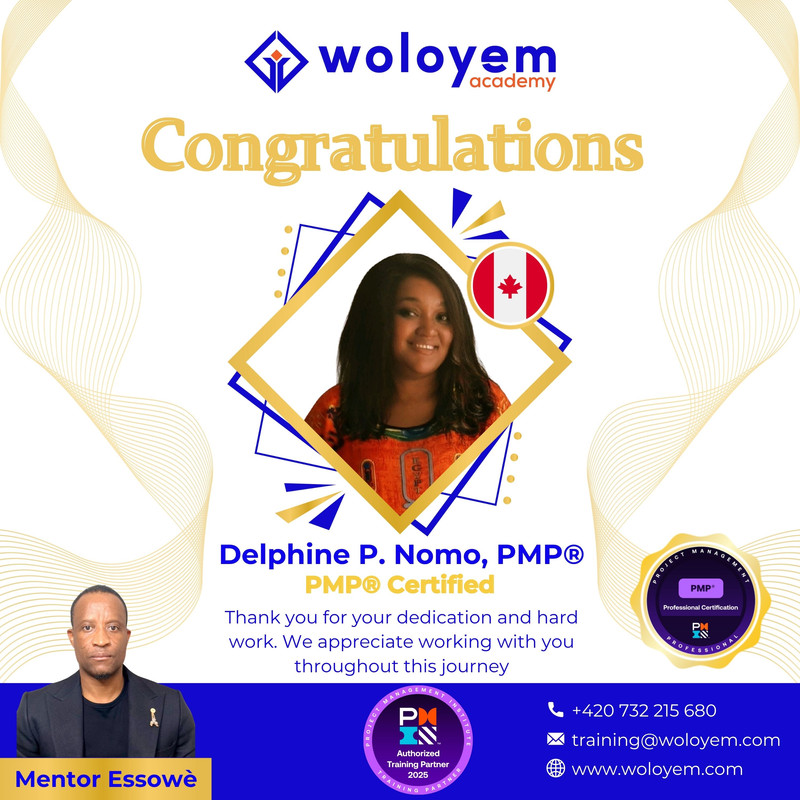
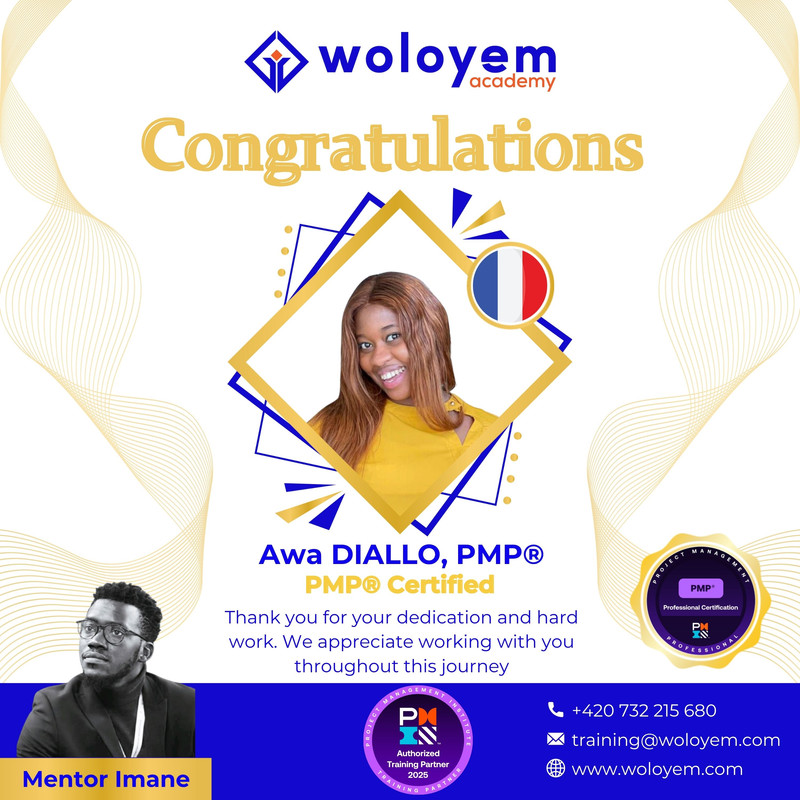
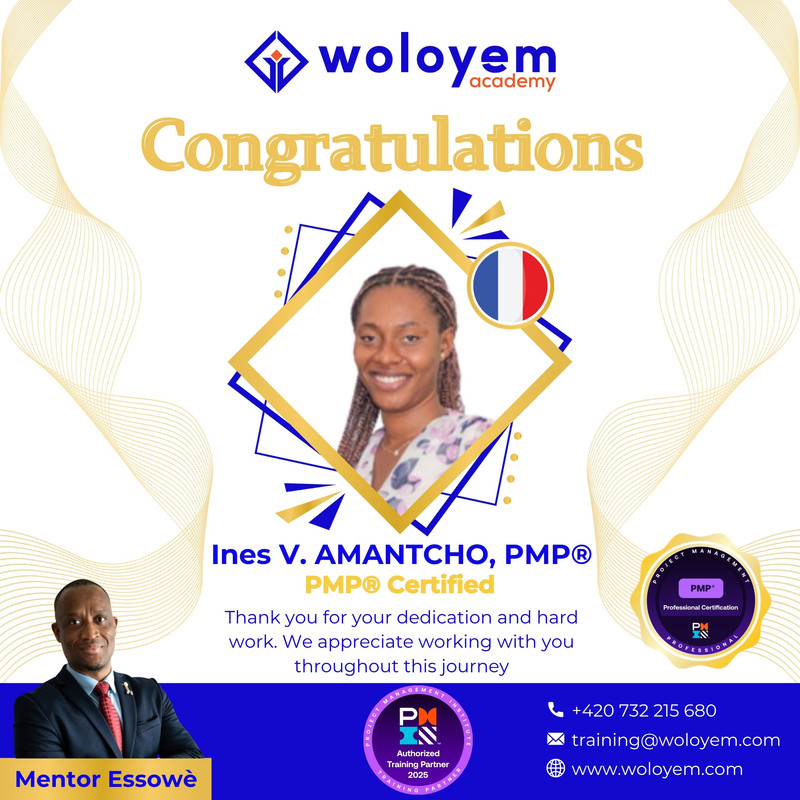
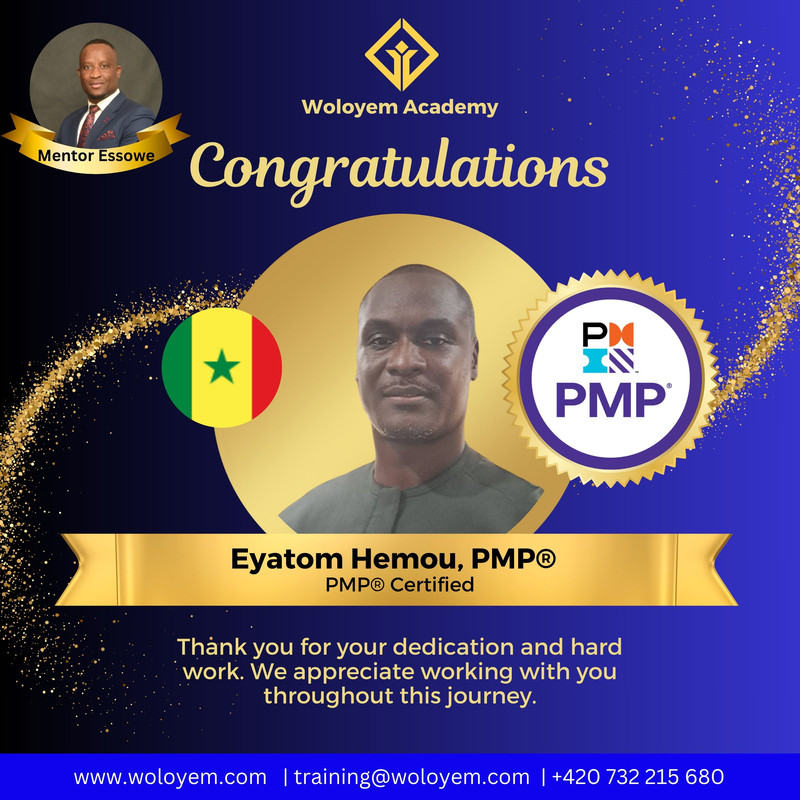
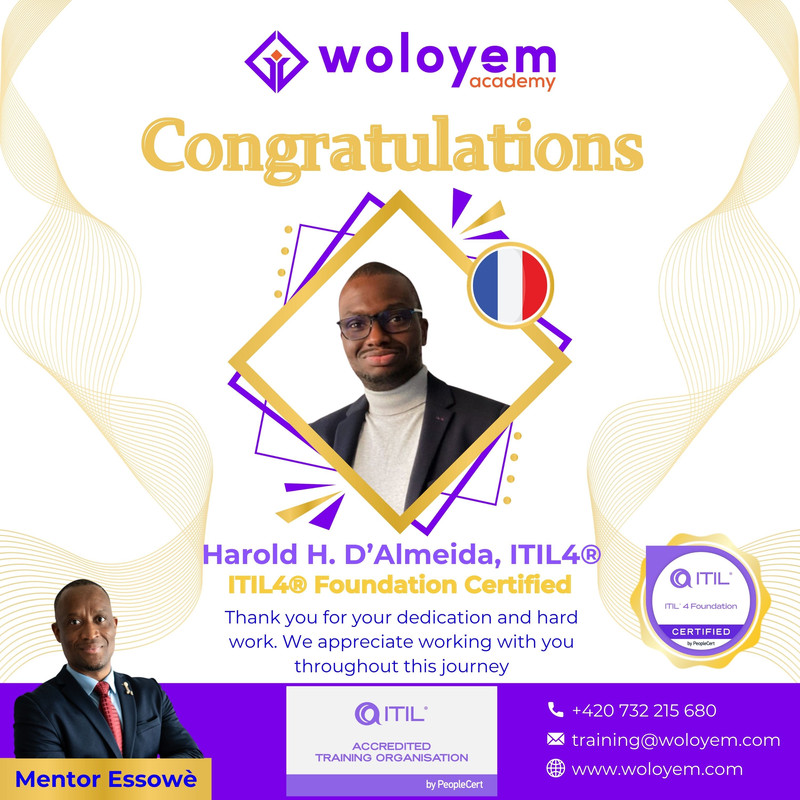
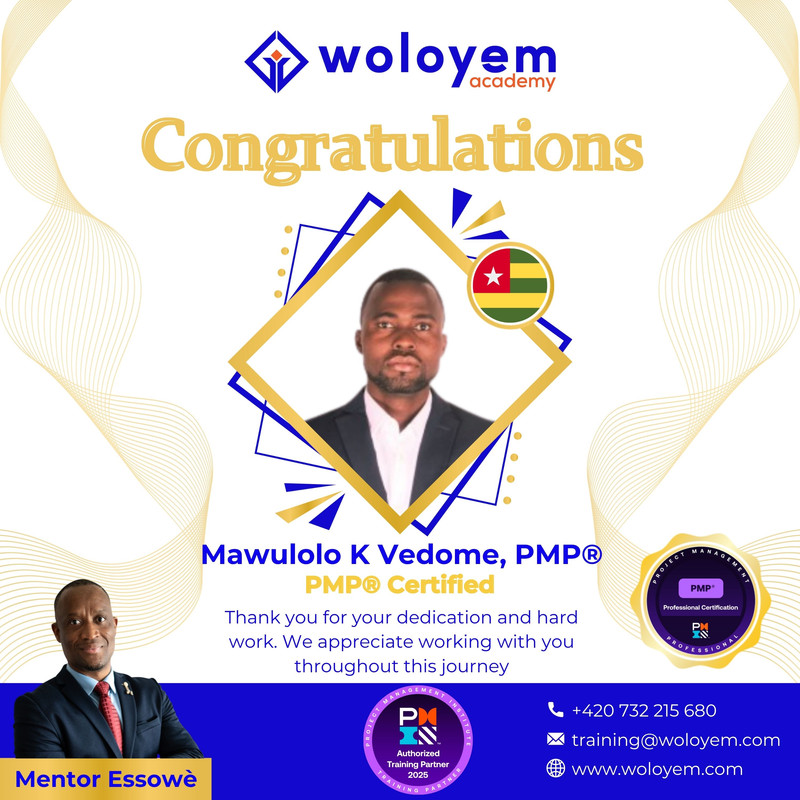
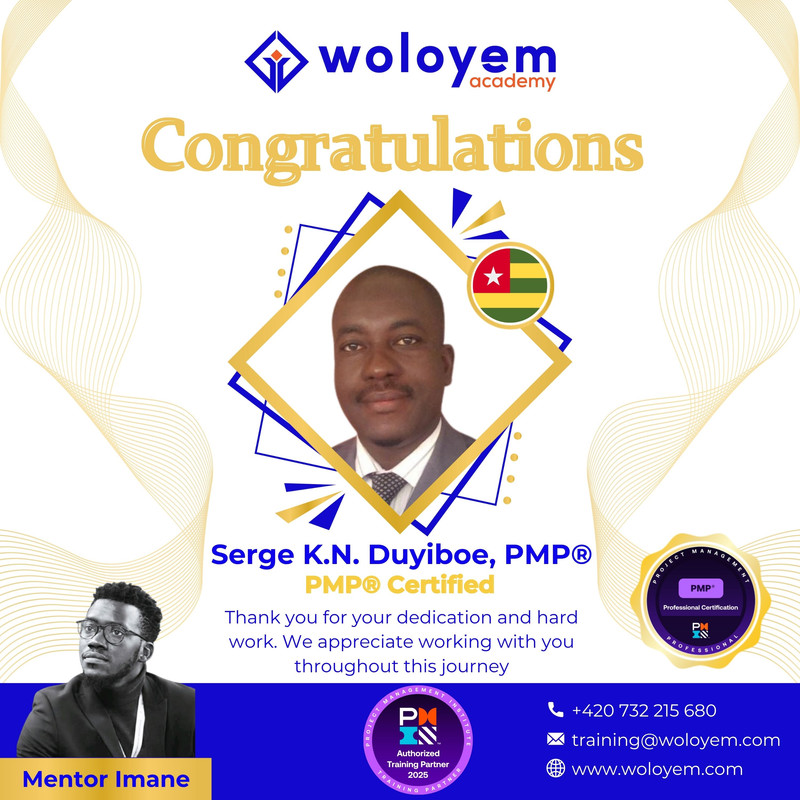
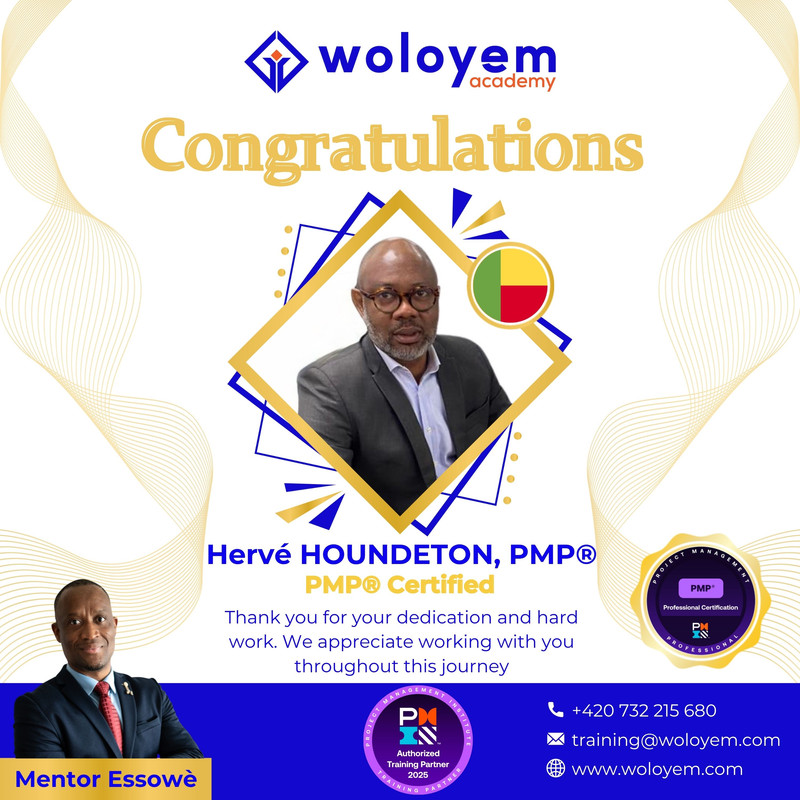
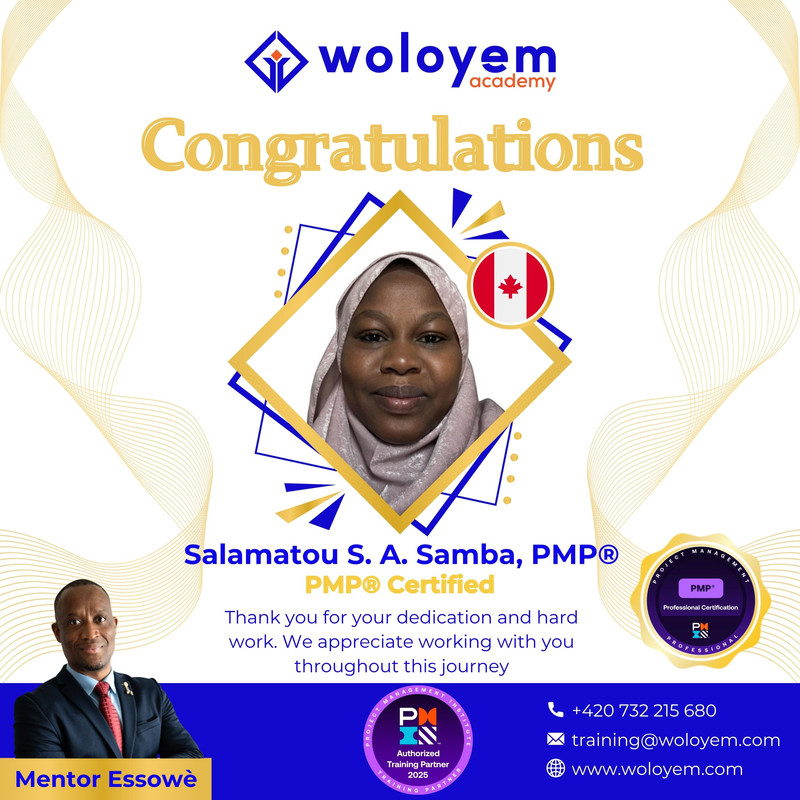
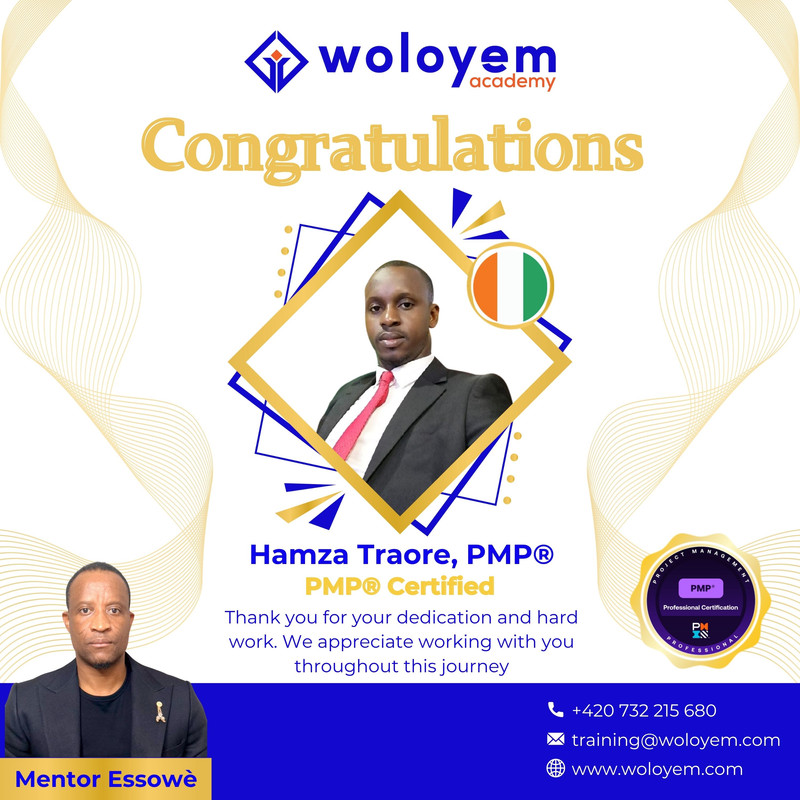
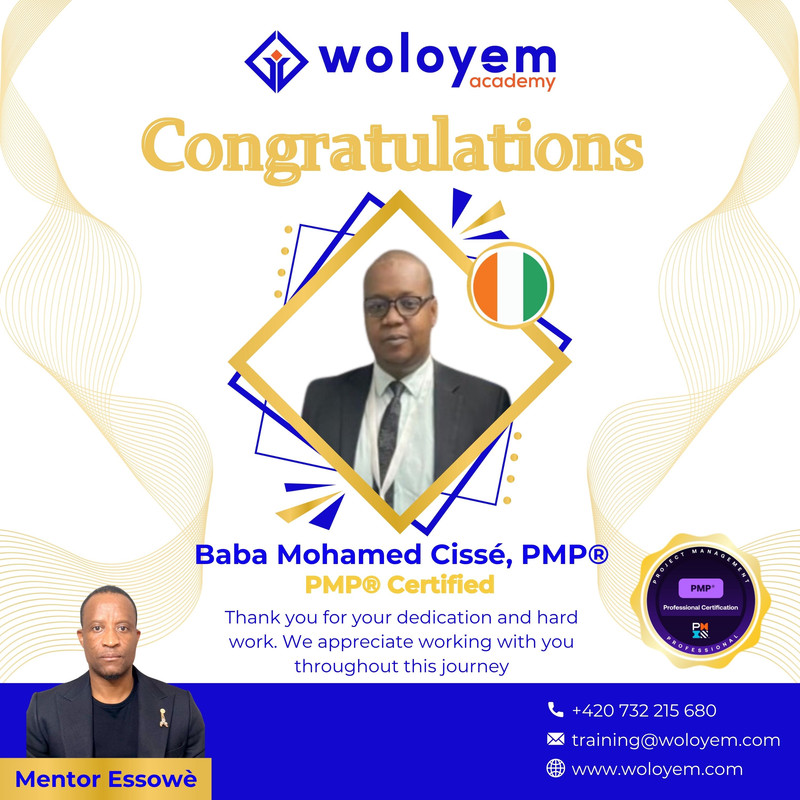
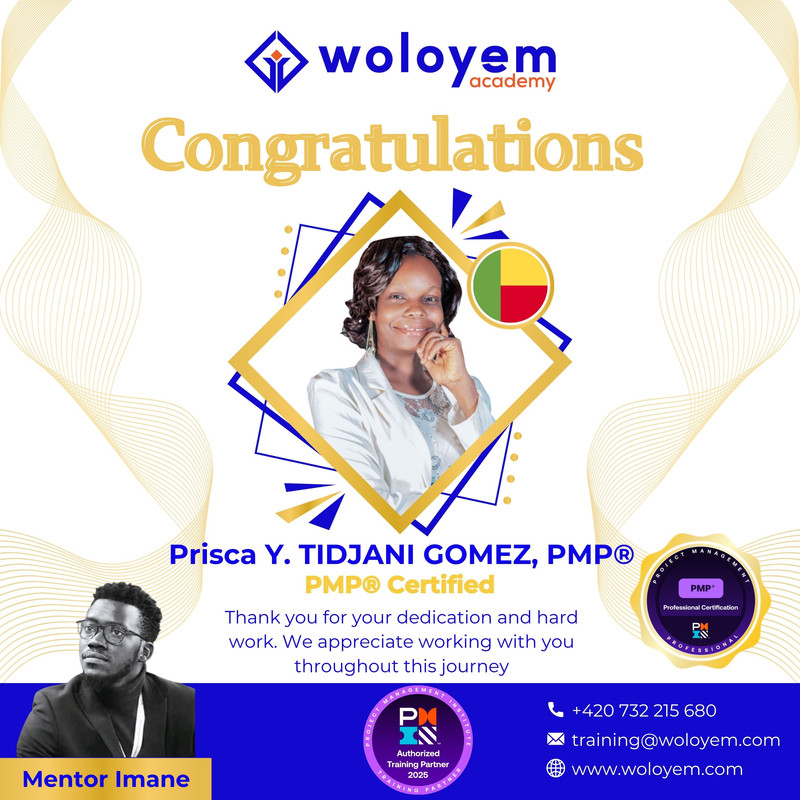
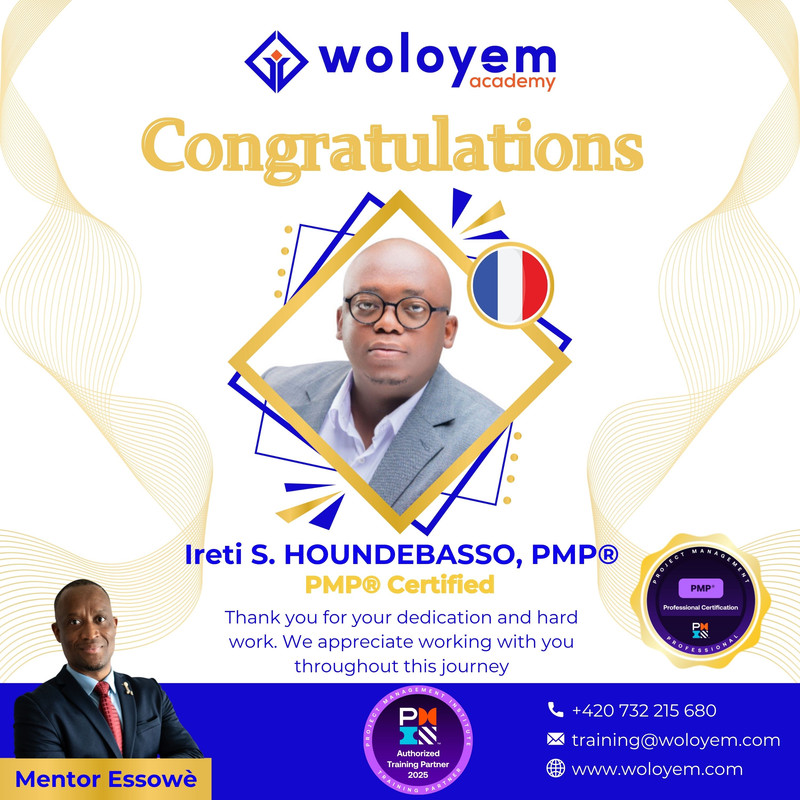
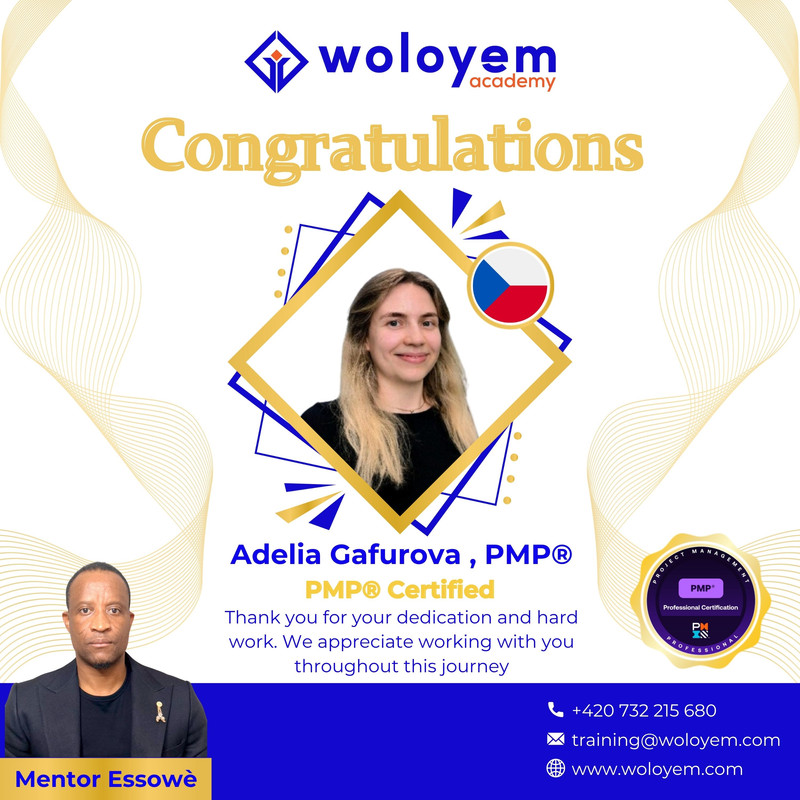
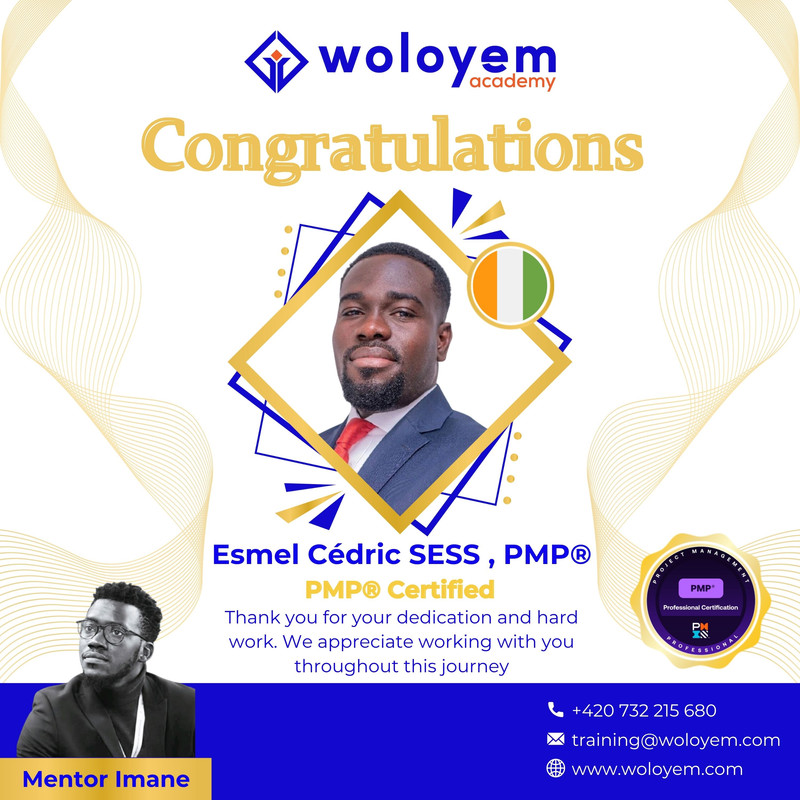
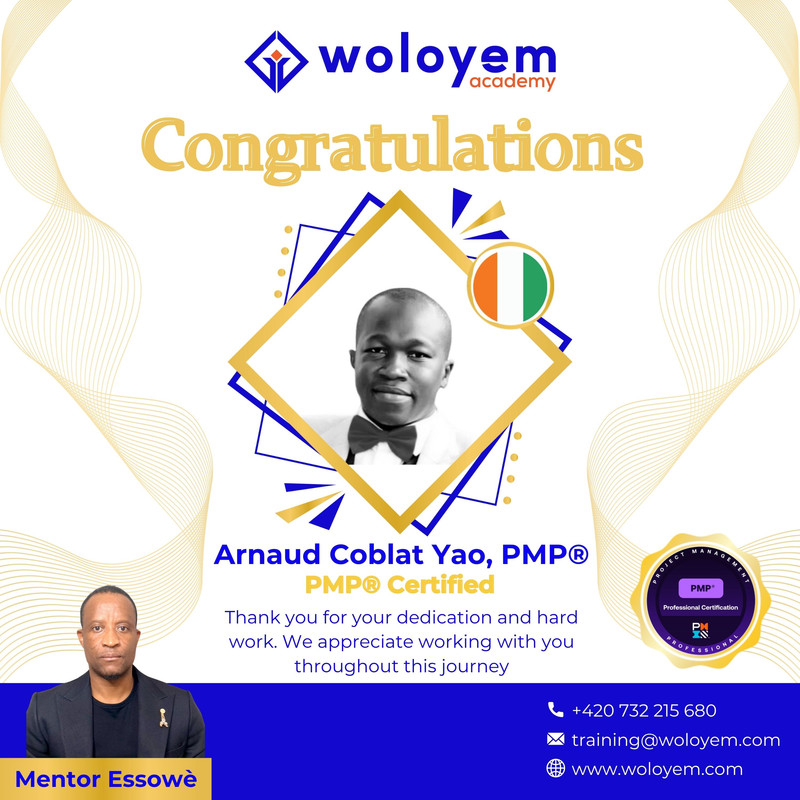
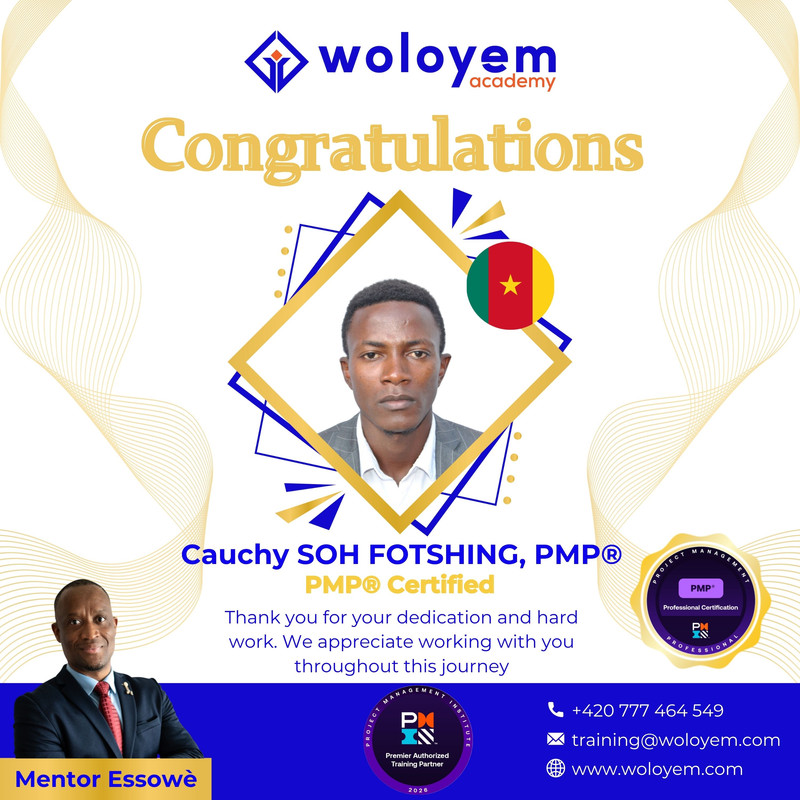
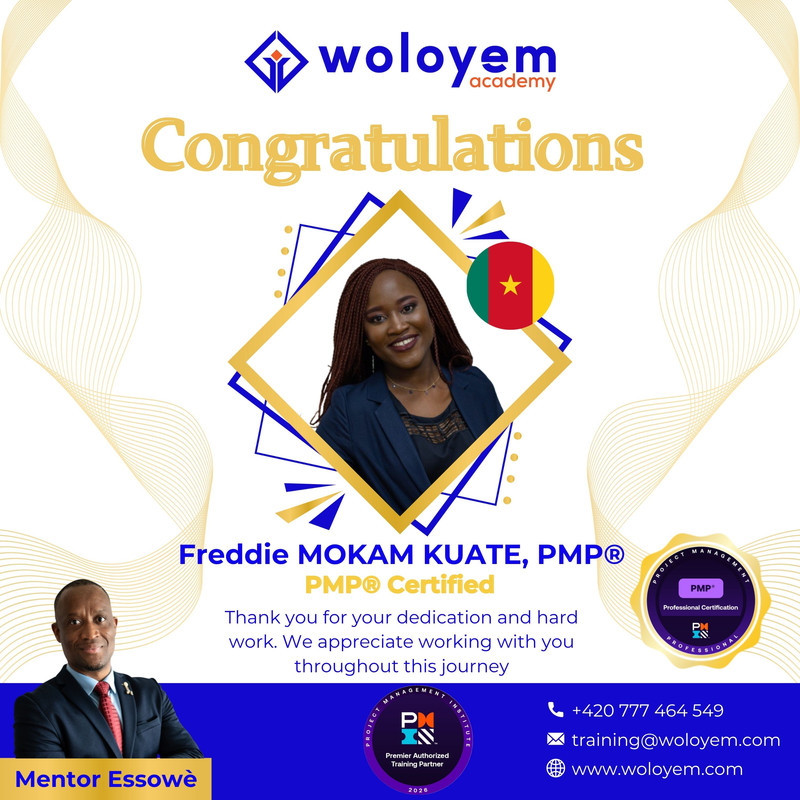
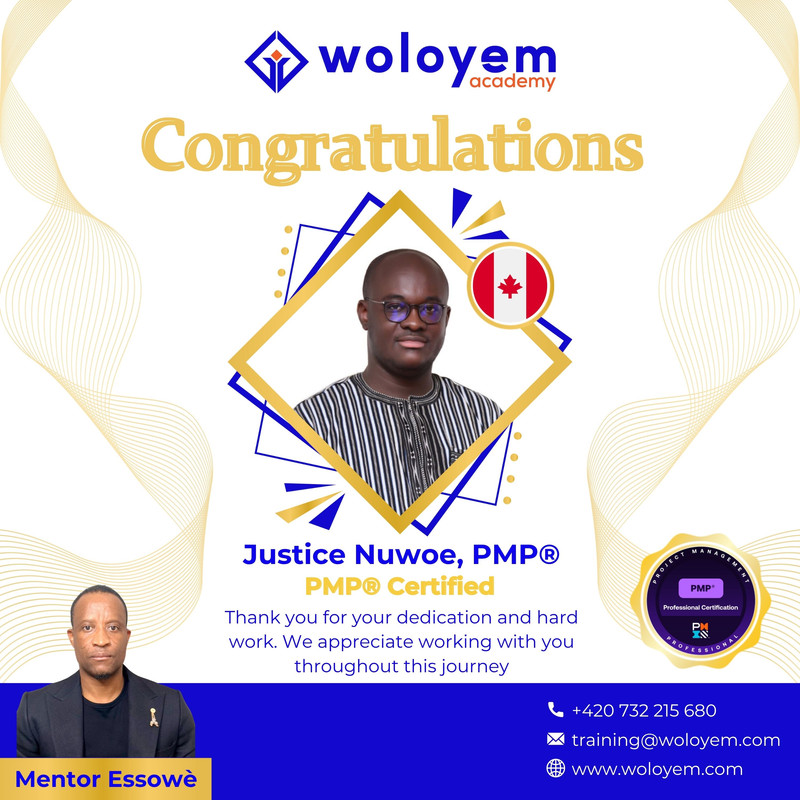
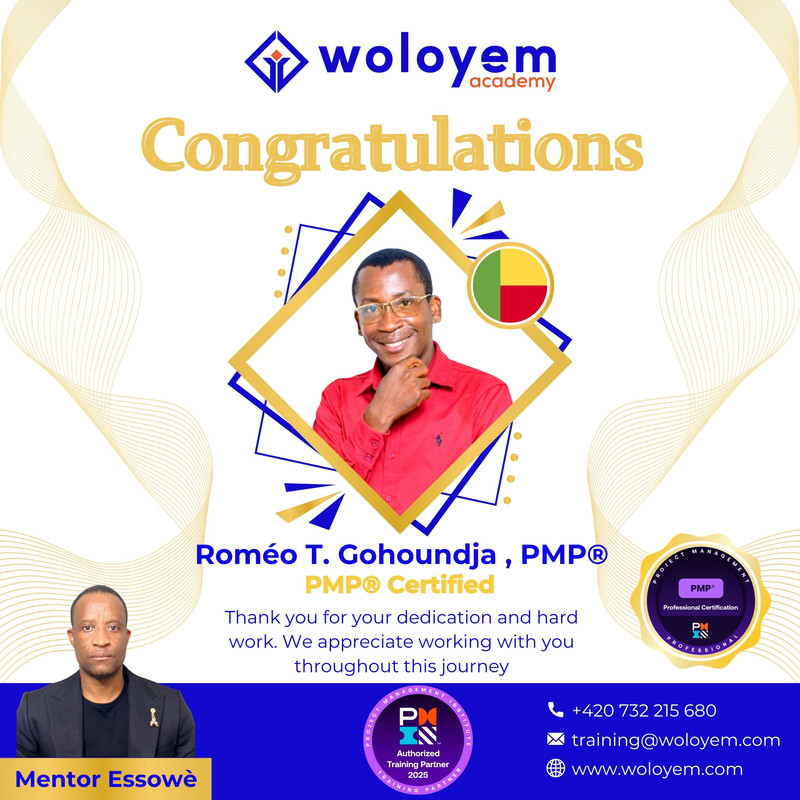
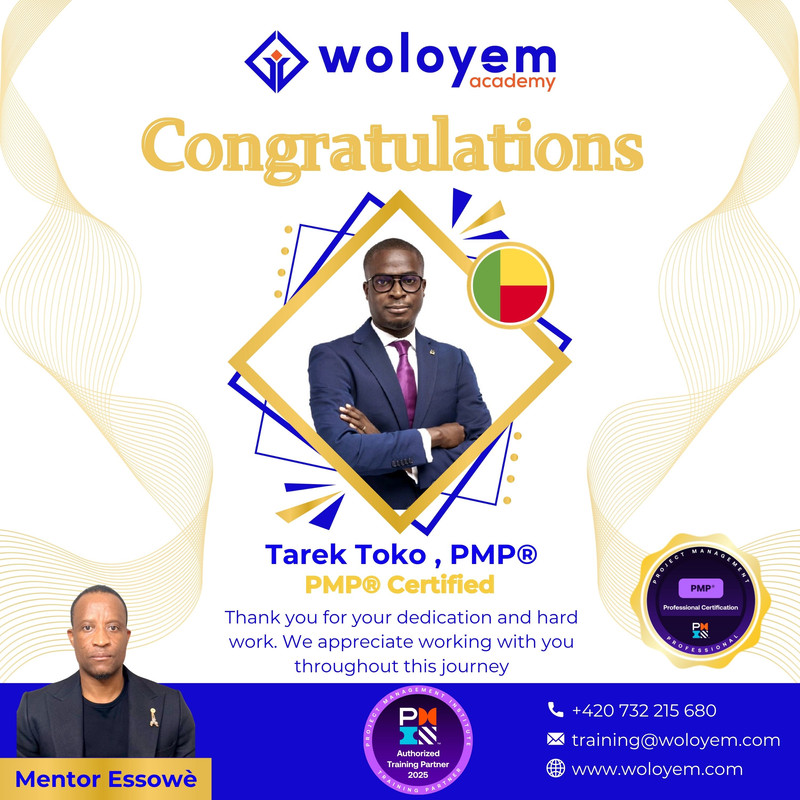
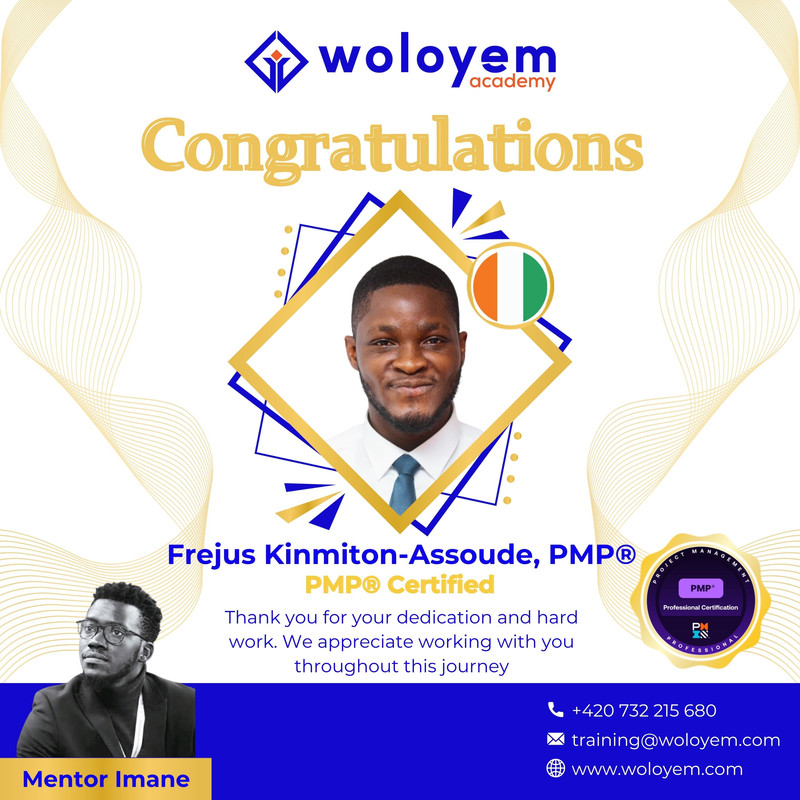
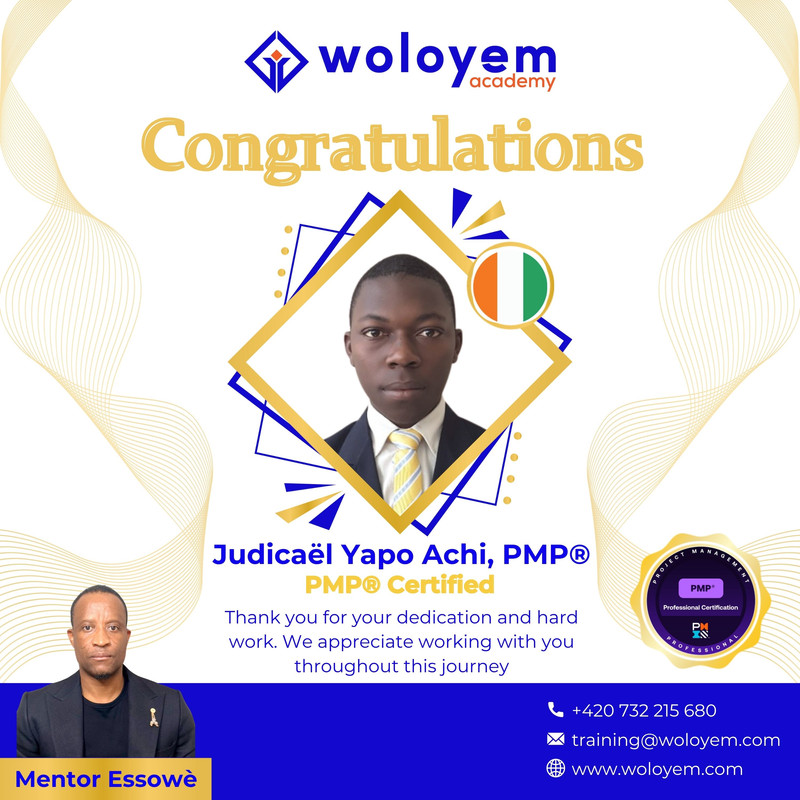
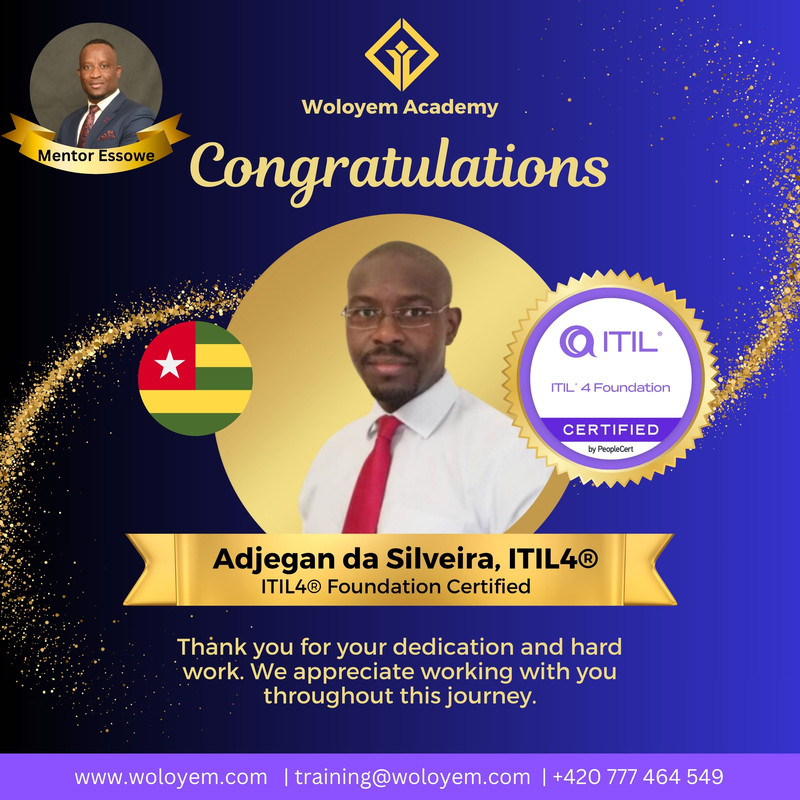
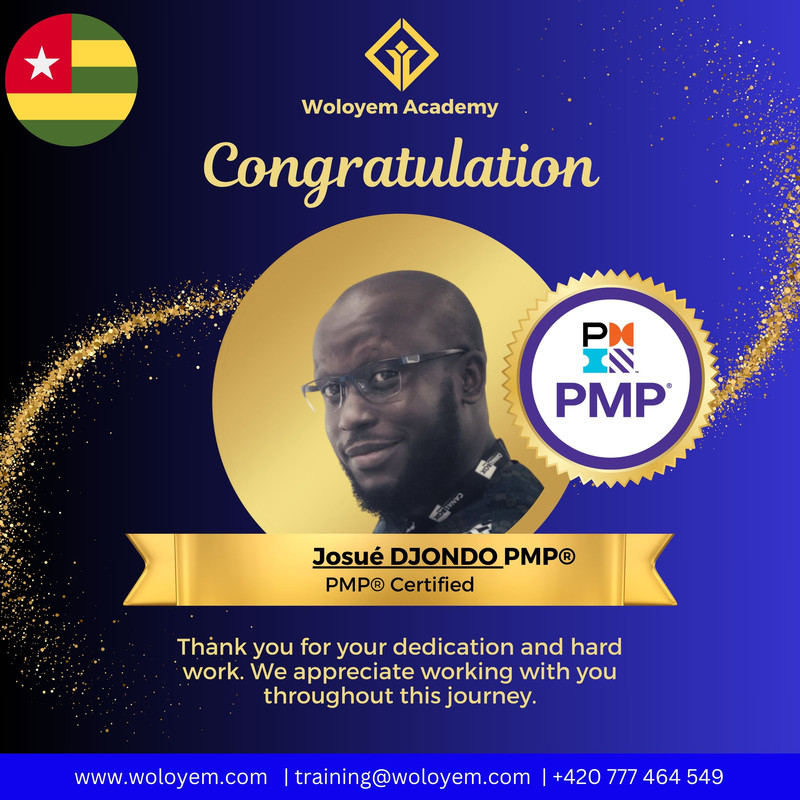
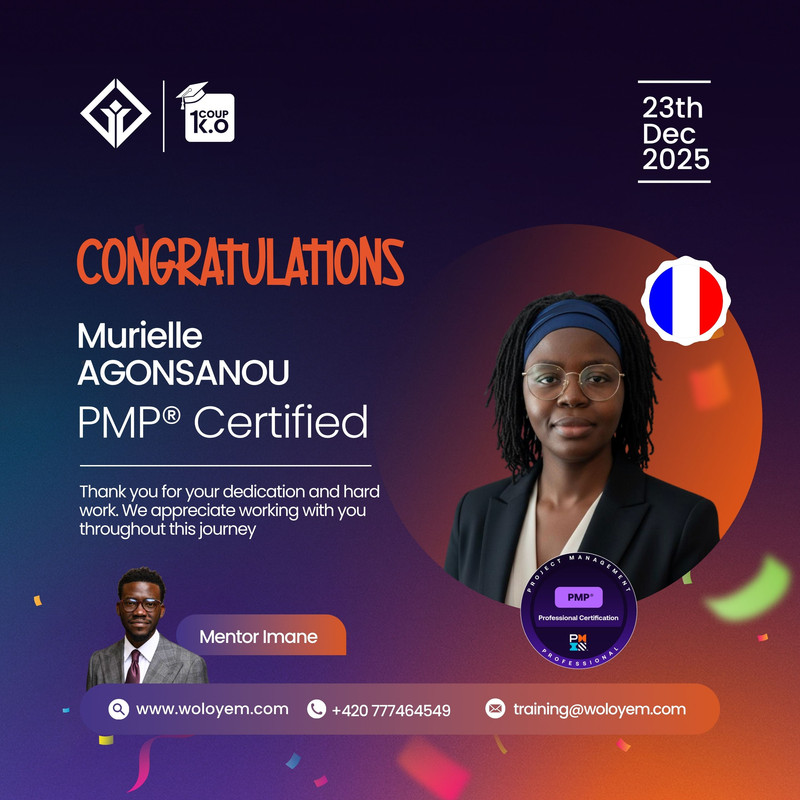
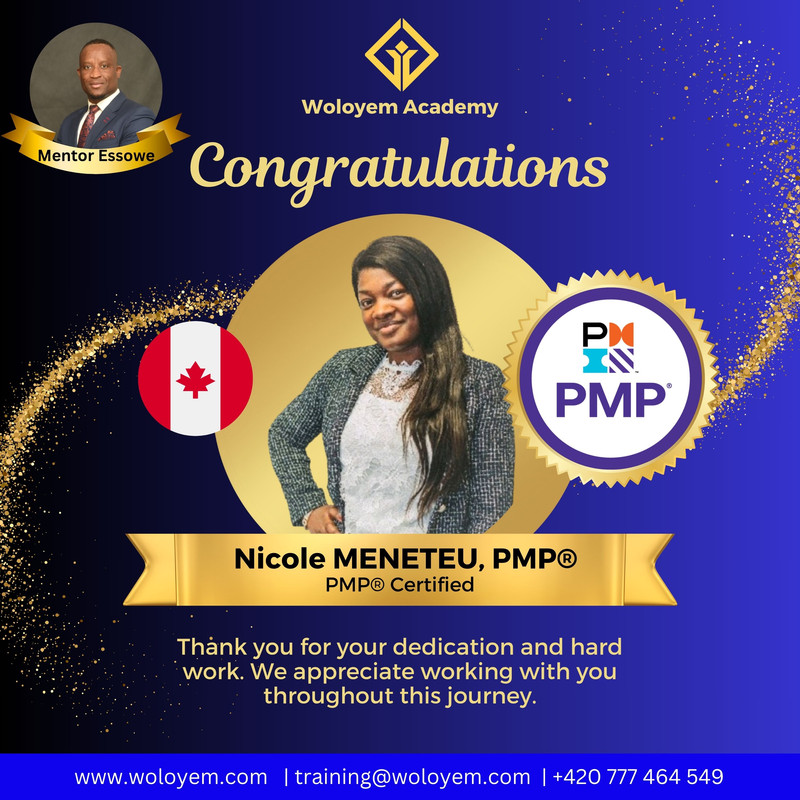
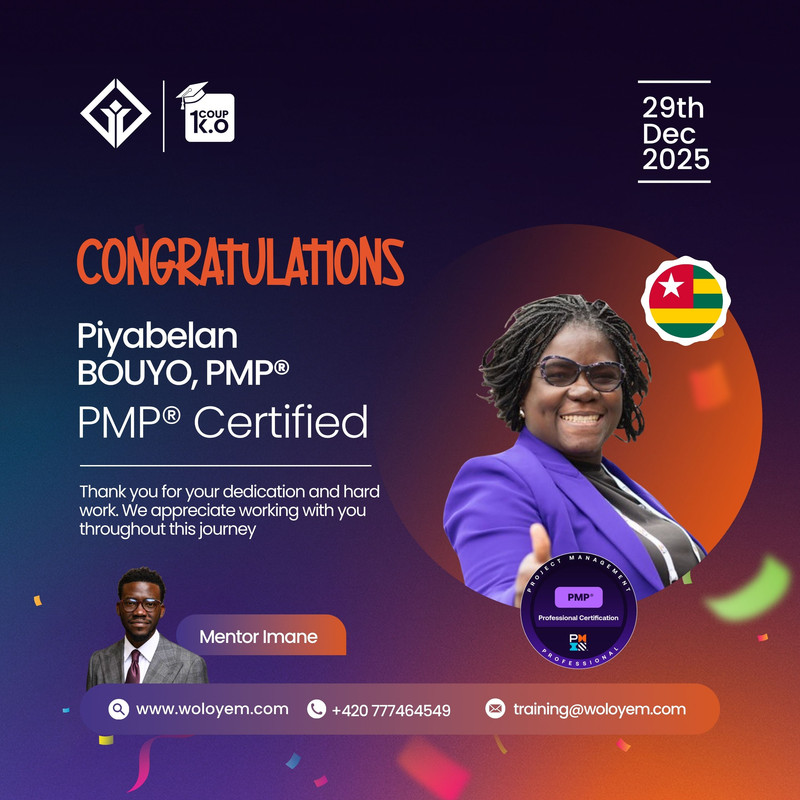
Our successes
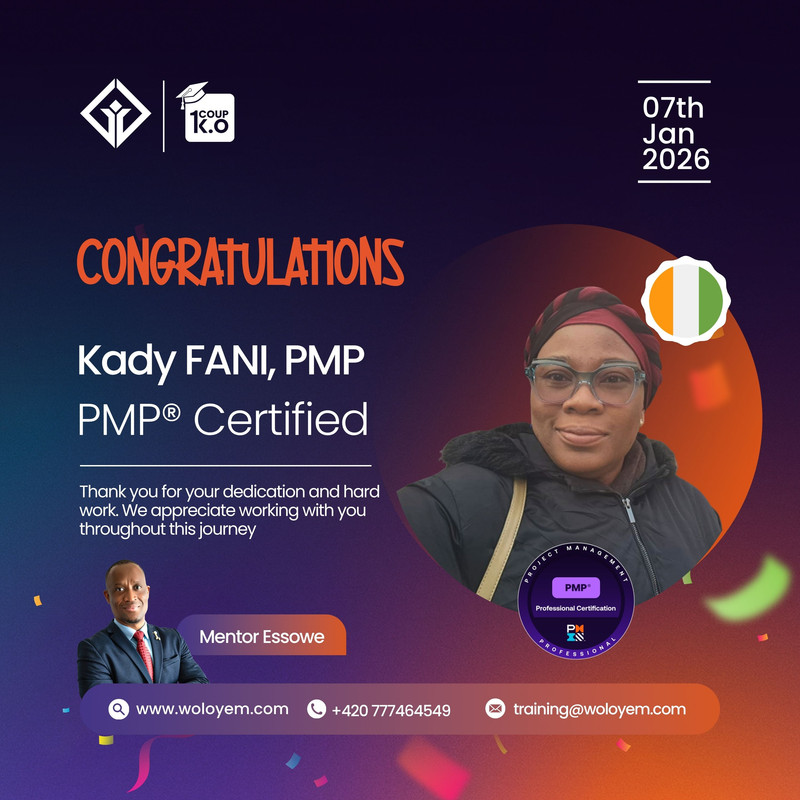
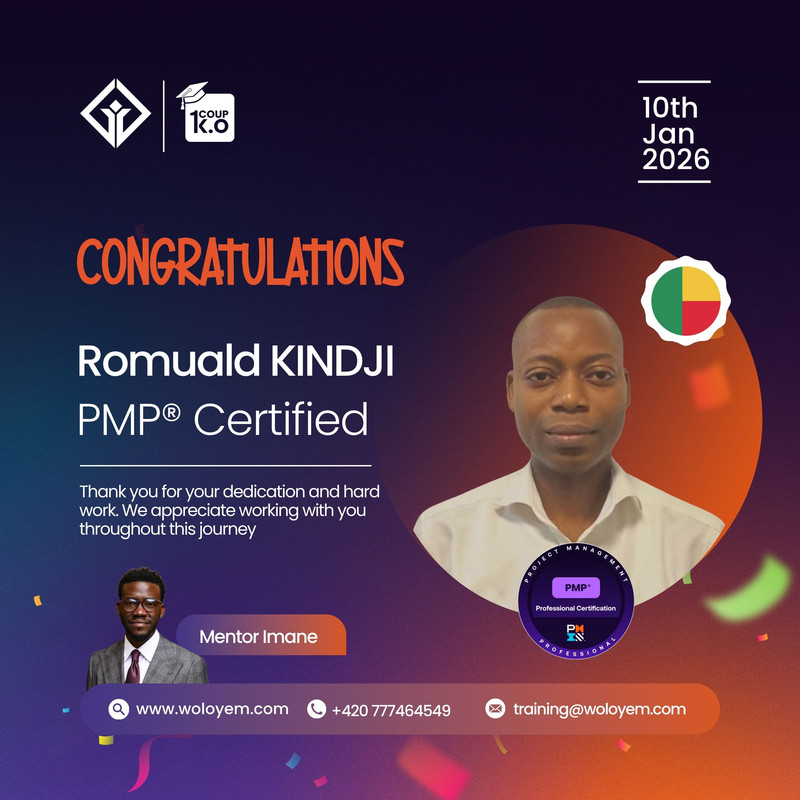
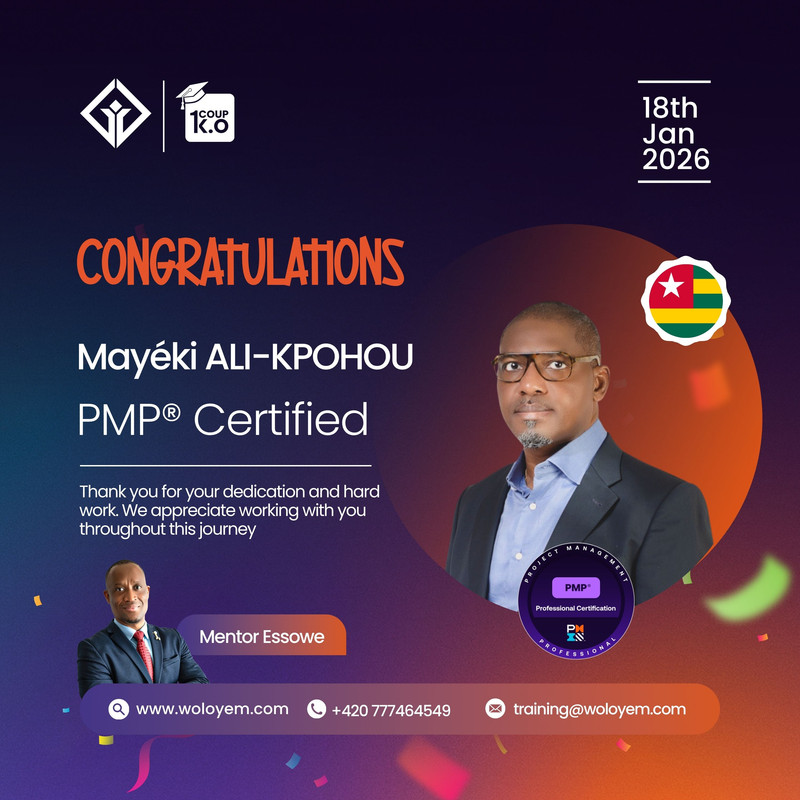
.jpg)
.jpg)


.jpg)


Latest news from our blog
Courses
PREPARE EFFECTIVELY
Open PMP® Bootcamp
Pass your PMP certification in the upcoming session
ENROLL NOW