PMBOK 8 Guide: Mastering New Project Management Techniques

Essowè Abalo
Did you know that by 2027, employers will need 87.7 million individuals working in project management roles? It's a massive opportunity, but the release of PMBOK 8 has many professionals feeling more anxious than excited. I understand the confusion. You've likely spent years mastering process-based workflows, only to see standards shift toward principles and then evolve into a web of 48,000 data points. It's natural to fear your certification might be sliding toward obsolescence as the July 9, 2026, exam update approaches. While I cannot simplify the entire guide in a single breath, I can provide a transparent roadmap to navigate these changes.

I'm here to help you turn that overwhelm into a competitive advantage. This guide will help you master the PMBOK 8 changes and leverage these global standards for career growth and organizational excellence. We'll break down the 6 core principles and 7 performance domains so you can apply them immediately. You'll also find actionable steps to integrate AI and PMO guidance into your daily work. By the end, you'll have the clarity needed to face the 2026 PMP exam with total confidence.

Key Takeaways

  • Understand the structural shift in PMBOK 8 toward a hybrid model that reintroduces evolved process guidance for better project control.

  • Identify how the 6 core principles influence team behavior and drive successful outcomes across the 7 performance domains.

  • Gain insights into leveraging AI tools for resource optimization and predictive forecasting within your project management office.

  • Learn why senior project roles are shifting toward data-literate candidates and how to position yourself for these leadership opportunities.

  • Access strategies for navigating the updated PMP exam content outline, focusing on the expanded Business Environment requirements.

Table of Contents

I. Understanding the PMBOK 8 Guide: A New Era of Project Excellence

PMBOK 8 is the latest global standard for project management, released digitally in November 2025 and in print in January 2026. It marks a pivotal moment for the profession. I've observed that many practitioners felt previous editions lacked the practical "how-to" depth required for complex environments. To address this, the new guide simplifies the principles-based approach while reintroducing evolved process guidance. It doesn't return to the rigid checklists of the past. Instead, it provides a flexible framework that integrates input from thousands of global practitioners to reflect how we actually deliver projects today. The focus remains on value delivery, adaptability, and high levels of professional accountability.

A. The Evolution from PMBOK 7 to PMBOK 8

The transition to the 8th edition is about refinement and focus. We've seen the 12 principles from the previous guide distilled into 6 core principles. This change offers better clarity for teams navigating high-stakes decisions. Similarly, the 8 performance domains have been consolidated into 7 key areas of practice. This ensures that project managers spend their energy where it impacts the bottom line most.

Perhaps the most welcomed change is the reintroduction of technical process guidance. While the 7th edition was sometimes viewed as too abstract, PMBOK 8 provides the technical scaffolding needed for execution without being overly prescriptive. It allows you to tailor your approach while still following a proven path to success. If you're looking to master these nuances, our  PMBOK 8 Bootcamp provides a deep dive into these technical shifts.

B. Why Data-Driven Project Management Matters in 2026

I cannot overstate how much data influenced this update. The guide was shaped by 48,000 data points gathered from practitioners across every major industry. This isn't just a manual; it's a reflection of evidence-based project delivery. We're moving away from "gut-feeling" management toward a model where every decision is backed by global trends and performance metrics.

This data-driven approach allows for a more standardized version of agility. By collaborating with a global community, the standards now account for the realities of remote work, AI integration, and rapid market shifts. This evolution ensures that your projects aren't just finished on time but are actually delivering the strategic value your stakeholders expect. Moving toward evidence-based delivery helps you maintain professional standards while staying flexible enough to handle the unexpected disruptions common in today's economy.

II. The Structural Framework: Principles and Performance Domains

PMBOK 8 represents a structural tightening that I believe many practitioners have been waiting for. In the previous edition, the framework felt broad and sometimes difficult to apply to daily tasks. Now, the Eighth Edition creates a tighter synergy between your mindset and your technical execution. It balances traditional waterfall predictability with agile flexibility by focusing on what actually drives results: behavior and practice. This isn't just about following a manual. It's about understanding how your choices impact project health.

A. The 6 Core Principles of PMBOK 8

The shift from 12 principles down to 6 isn't just about cutting words. It's about clarity. These principles focus on ethical leadership and effective behavior. They serve as the "why" behind every action you take. I've found that when senior management aligns these principles with modern leadership techniques, the team's ability to handle ambiguity improves significantly. You're no longer memorizing a long list. You're leading with a focused set of values that prioritize professional accountability and stakeholder trust.

B. The 7 Performance Domains Explained

If principles are the "why," the 7 performance domains are the "how." These represent the key practice areas where project work actually happens. PMBOK 8 consolidates these from the previous 8 domains to reduce overlap and sharpen the focus on value delivery. In 2026, we're no longer just measuring success by whether a task is "done." Success is measured by the value it provides to the organization. This evolution is critical for achieving corporate project management excellence.


To help you visualize the shift, here is how the structure has evolved to meet modern demands:

  • Principles: Reduced from 12 to 6 to simplify high-stakes decision-making and ethical leadership.

  • Domains: Consolidated from 8 to 7 to eliminate redundant practice areas and prioritize outcomes.

  • Focus: A move from broad philosophical guidance to actionable, data-backed execution.

I've seen organizations struggle when they treat these domains as separate silos. The Eighth Edition emphasizes that these areas must work in harmony. For teams looking to implement these changes effectively, our  corporate consulting services can help align your internal governance with these new global standards. By focusing on the synergy between principles and domains, you can ensure your projects are both predictable and adaptable.

III. AI Integration and Modernized PMO Governance

I've seen many project managers struggle with the sheer volume of data in modern environments. PMBOK 8 addresses this head-on by integrating Artificial Intelligence into our standard workflows. It's no longer a futuristic concept. It's a current necessity for anyone managing complex delivery. While I cannot offer a complete directory of specific AI software tools in this section, I can provide a transparent look at how these standards facilitate their use. This edition provides a framework for balancing these automated tools with human-centric leadership, ensuring that while the machines handle the data, you lead the people. It also modernizes procurement strategies to support flexible supply chains that can withstand global disruptions.

A. Leveraging AI for Project Predictive Analytics

AI is being increasingly integrated into project management tools for predictive analytics and risk management. With the guidance in PMBOK 8, you can move beyond simple tracking to advanced forecasting. These tools help in predicting project outcomes and identifying potential risks before they derail your schedule. By automating routine tasks like resource optimization and status reporting, you're free to focus on strategic value delivery. I always emphasize that ethical AI use is paramount. You must ensure that data-driven insights are used transparently and within the PMI standards framework to maintain stakeholder trust and data integrity.

B. The Modern PMO: From Administrative to Strategic

The role of the Project Management Office (PMO) has undergone a significant transformation. It's moving away from being a "process police" toward becoming a strategic partner. In this new era, the PMO facilitates organizational agility and digital transformation. I believe this is where the real value lies for senior leadership. A modernized PMO uses governance models that support non-prescriptive process execution, allowing teams to choose the best methodology for their specific context. This flexibility is key to maintaining a competitive edge in 2026.

This shift bridges the gap between executive strategy and tactical delivery. To help your organization adapt, I recommend a structured approach to these governance changes. Here is a quick checklist for PMO leaders looking to modernize:

  • Shift to Value: Measure PMO success by strategic alignment and business outcomes rather than just compliance.

  • Support Agility: Provide frameworks that allow for hybrid, agile, and waterfall delivery models simultaneously.

  • Data Literacy: Invest in tools and training that enable predictive analytics and evidence-based decision making.

  • Continuous Improvement: Use practitioner feedback and real-time data to refine governance processes regularly.

If your organization is navigating this transition, our  corporate consulting experts can help you design a PMO structure that aligns with these 2026 standards. We focus on practical project management techniques that turn your PMO into an engine for growth and organizational excellence.


Navigating the Shift to PMBOK® 8

Understanding the evolution from abstract principles to a data-driven, hybrid framework for modern project delivery.

87.7 Million

Project management roles will be needed by employers by 2027.

48,000

Data points from global practitioners shaped the new PMBOK® 8 standard.

The Core Shift: From Abstract to Actionable

PMBOK® 8 marks a significant evolution, creating a hybrid model that blends flexible, principles-based leadership with the practical, process-oriented guidance needed for execution in complex environments.

Structural Refinement for a Sharper Focus

PMBOK® 7
12

Principles

A broad set of guidelines for project management behavior.

8

Performance Domains

A wide view of interrelated project practice areas.

PMBOK® 8
6

Core Principles

Distilled for clarity, focusing on ethical leadership and high-stakes decisions.

7

Performance Domains

Consolidated to reduce overlap and sharpen focus on value delivery.

Key Drivers of the New Standard

Data-Driven Project Management

The standard shifts from intuition-based management to an evidence-based model. Decisions are now backed by global trends and performance metrics, enabling a more standardized yet flexible version of agility.

AI Integration and Modernized PMO

PMBOK® 8 acknowledges the growing role of AI tools for resource optimization, predictive forecasting, and enhancing PMO governance. It provides a framework for integrating modern technology responsibly.

What This Means For Your Career & PMP® Certification

  • Updated PMP® Exam The PMP® exam content outline is updated to reflect these new standards, with changes taking effect on July 9, 2026. Preparation must now focus on the hybrid model and expanded business environment requirements.
  • Demand for Data Literacy Senior project roles are increasingly shifting toward data-literate candidates. The ability to interpret data and leverage analytics for forecasting and decision-making is now a core leadership competency.
  • Strategic Advantage Mastering the PMBOK® 8 framework provides a competitive advantage. It demonstrates your ability to lead with adaptability, deliver strategic value, and maintain high levels of professional accountability in any project environment.
woloyem.com

IV. Career Impact: Leveraging PMBOK 8 for Professional Growth

I've watched the project management landscape shift from simple task tracking to high-level strategic leadership. Staying current with PMBOK 8 isn't just a matter of keeping your certification active; it's about remaining relevant in a market that increasingly values data literacy. Research indicates that PMP certification holders report a median salary 33% higher than those without the certification. With employers needing 87.7 million project-related roles by 2027, the demand is clear. However, they aren't looking for people who just check boxes. They want leaders who can navigate the complex business environment, which now accounts for 26% of the updated PMP exam. By mastering these standards, you enhance your credibility in global consulting and position yourself as a high-value asset.

A. Developing a Premium Brand Position as a PM

Transitioning from a tactical manager to a strategic business leader requires a change in how you communicate. When you use the PMBOK 8 framework to drive digital transformation initiatives, you're speaking the language of the C-suite. Instead of reporting on individual task completion, you're communicating project value and strategic alignment. This premium brand position allows you to lead larger, more complex programs. It helps you demonstrate how your leadership directly impacts organizational excellence through the 6 core principles we've discussed.

B. Implementation Checklist for Project Teams

If you're leading a team, you need a clear path to integrate these standards into your daily operations. I recommend starting with a transparent audit of your current workflows to see where you stand. Follow these steps to begin your transition:

  • Step 1: Audit current processes against the 6 core principles to identify gaps in ethical leadership or team behavior.

  • Step 2: Update your PMO governance to reflect the 7 domains, ensuring every practice area is optimized for value delivery.

  • Step 3: Integrate AI-driven reporting for performance tracking to move toward a predictive analytics model.

I understand that these changes can feel overwhelming while you're managing active projects. To bridge this gap, I invite you to join our  PMBOK 8 Bootcamp to master these implementation steps and secure your professional future. We focus on practical project management techniques that you can apply the very next day, ensuring your career growth keeps pace with global standards.

V. Career Impact: Leveraging PMBOK 8 for Professional Growth

I've watched the project management landscape shift from simple task tracking to high-level strategic leadership. Staying current with PMBOK 8 isn't just a matter of keeping your certification active; it's about remaining relevant in a market that increasingly values data literacy. Research indicates that PMP certification holders report a median salary 33% higher than those without the certification. With employers needing 87.7 million project-related roles by 2027, the demand is clear. However, they aren't looking for people who just check boxes. They want leaders who can navigate the complex business environment, which now accounts for 26% of the updated PMP exam. By mastering these standards, you enhance your credibility in global consulting and position yourself as a high-value asset.

A. Developing a Premium Brand Position as a PM

Transitioning from a tactical manager to a strategic business leader requires a change in how you communicate. When you use the PMBOK 8 framework to drive digital transformation initiatives, you're speaking the language of the C-suite. Instead of reporting on individual task completion, you're communicating project value and strategic alignment. This premium brand position allows you to lead larger, more complex programs. It helps you demonstrate how your leadership directly impacts organizational excellence through the 6 core principles we've discussed.

B. Implementation Checklist for Project Teams

If you're leading a team, you need a clear path to integrate these standards into your daily operations. I recommend starting with a transparent audit of your current workflows to see where you stand. Follow these steps to begin your transition:
  • Step 1: Audit current processes against the 6 core principles to identify gaps in ethical leadership or team behavior.

  • Step 2: Update your PMO governance to reflect the 7 domains, ensuring every practice area is optimized for value delivery.

  • Step 3: Integrate AI-driven reporting for performance tracking to move toward a predictive analytics model.

I understand that these changes can feel overwhelming while you're managing active projects. To bridge this gap, I invite you to join our  PMBOK 8 Bootcamp to master these implementation steps and secure your professional future. We focus on practical project management techniques that you can apply the very next day, ensuring your career growth keeps pace with global standards.

VI. Preparing for the PMP Exam with PMBOK 8 Standards

The clock is ticking toward the July 9, 2026, launch of the updated PMP exam. If you're planning to certify after this date, your preparation must align with the PMBOK 8 standards. I've seen many candidates struggle because they rely on outdated materials that don't account for the new exam content outline (ECO). The most significant shift is the increased weight of the Business Environment domain, which now accounts for 26% of your score. This isn't just about passing a test. It's about proving you can lead in a data-driven, AI-integrated project economy. While I cannot manage your study schedule for you, I can provide a transparent roadmap to ensure your efforts result in success.

A. PMP Exam Study Strategy for 2026

Success in the new format requires a shift in how you study. You must prioritize the 7 performance domains within your plan, but don't stop at theory. The exam now includes interactive question formats that test your ability to apply the 6 core principles in real-world scenarios. I recommend focusing on practice questions that challenge you to navigate evolved processes without being prescriptive. You'll need to understand how to deliver value even when the path isn't strictly defined in a checklist.

Mindset-based answering is your best tool here. Instead of looking for a "correct" process, look for the principle that drives the best outcome for stakeholders. Our PMP Bootcamp for PMBOK 8 provides the expert guidance needed to master this mindset. We help you decode the 41% Process and 33% People domains so you aren't surprised by the complexity of the 2026 questions. This focused approach saves you from getting lost in the thousands of data points within the guide.

B. Next Steps for Certification Success

Before you book your seat, you need an honest assessment of your readiness. I suggest using high-quality mock exams that mimic the new interactive formats. If you find yourself hesitating on questions about sustainability or value delivery, it's a sign you need more focused preparation. Accessing official PMP certification training is the most reliable way to ensure first-time success. I'm here to help you bridge those knowledge gaps with practical, bilingual instruction.

Once you achieve your certification, the journey continues. You'll need to maintain your credentials through the talent triangle standards, which now emphasize power skills and business acumen. Whether you're a PMI member paying $425 for the exam or a non-member at $675, the investment in these standards is what sets you apart as a leader. By following a structured roadmap, you'll gain the confidence to not only pass the exam but to excel in your next senior role.

VII. Secure Your Leadership in the New Era of Standards

Mastering the PMBOK 8 standards is no longer optional for those who want to lead in a data-rich environment. I've shown you how the shift to 6 core principles and 7 performance domains creates a leaner, more effective framework for delivery. By embracing AI integration and strategic PMO governance, you move beyond tactical management to become a vital business partner. Success in 2026 requires more than just knowing the rules; it requires the agility to apply them in complex, real-world scenarios.

I'm committed to helping you navigate this transition with transparency and expert support. My focus is on practical project management techniques that deliver measurable results for you and your organization. With our expert mentorship in PMP, PRINCE2, and ITIL certifications, we maintain proven first-time pass rates and provide strategic corporate consulting expertise. I'm here to ensure you stay ahead of the curve as global standards evolve.

Don't let the complexity of the new guide slow your professional progress. You can master PMBOK 8 and pass your PMP exam with our intensive Bootcamp today. I look forward to helping you achieve your goals and driving excellence in your next project.

VII. Frequently Asked Questions

Is PMBOK 8 already required for the PMP exam in 2026?

Yes, the updated PMP exam aligned with the PMBOK 8 Guide will launch on July 9, 2026. If you take the exam before July 8, 2026, you'll be tested on the previous standards. I recommend checking your scheduled date carefully to ensure you're studying the correct version. Preparing for the 2026 update requires a clear understanding of how the new principles influence the exam content outline.

What are the biggest differences between PMBOK 7 and PMBOK 8?

The most significant change is the shift from 12 principles down to 6 core principles and the consolidation of 8 performance domains into 7 practice areas. While the previous edition was more abstract, this version reintroduces evolved process guidance to provide more technical depth. It also places a much heavier emphasis on AI integration and data-driven decision making to reflect modern project delivery needs.

Does PMBOK 8 still support Waterfall project management?

Yes, the guide continues to support Waterfall, Agile, and hybrid delivery models through its non-prescriptive framework. It provides the technical scaffolding needed for predictive environments while allowing for the flexibility required in more iterative projects. I've found this hybrid approach essential for organizations that need both structure and speed. It ensures you can apply the right technique for the right project context without being restricted.

How does the PMBOK 8 Guide handle Agile transformations?

The 8th edition treats Agile as a core component of modern delivery rather than a separate methodology. It focuses on organizational agility and the PMO's role in facilitating transformation across all domains. By focusing on value delivery rather than rigid adherence to a specific process, it helps teams adapt to change more effectively. I believe this shift is vital for practitioners working in rapidly evolving digital industries.

Can I still use PMBOK 7 study materials for the current exam?

You can use older materials if your exam date is before July 8, 2026, but I strongly advise against it for exams scheduled after July 9. The new exam content outline increases the weight of the Business Environment domain from 8% to 26%. Using outdated resources could leave you unprepared for nearly a quarter of the exam questions. It's better to invest in updated materials to ensure success.

What is the 'evolved process guidance' mentioned in the 8th edition?

Evolved process guidance refers to the reintroduction of technical workflows that were simplified in the previous edition. It provides specific, data-backed methods for managing project tasks without returning to the rigid, one-size-fits-all approach of earlier years. This ensures practitioners have clear execution paths while maintaining the flexibility to tailor their approach to specific project needs. It bridges the gap between high-level principles and daily task execution.

How much does the PMBOK 8 Guide cost for PMI members?

Digital access to the guide is included for free as part of the PMI membership fee, which is $139 for initial signup and $129 for annual renewal. If you prefer a physical copy, members typically receive a significant discount on the retail price. I recommend checking the official PMI marketplace for current shipping rates and local availability. It's often the most cost-effective way to get the latest standards.

Is there a PDF version of the PMBOK 8 Guide available?

Yes, a digital PDF version of the PMBOK 8 Guide is available for download through the official PMI website for members. This digital release occurred in November 2025, followed by the physical release in January 2026. Having the PDF allows you to easily search for specific data points and study the 7 performance domains on multiple devices. It's an essential resource for those balancing study with a full-time career.

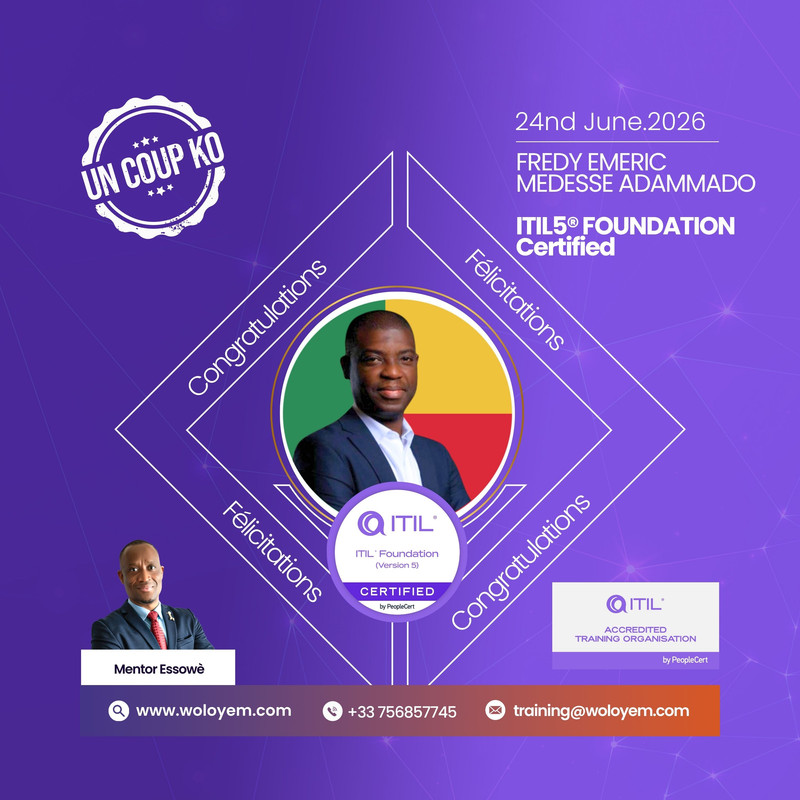
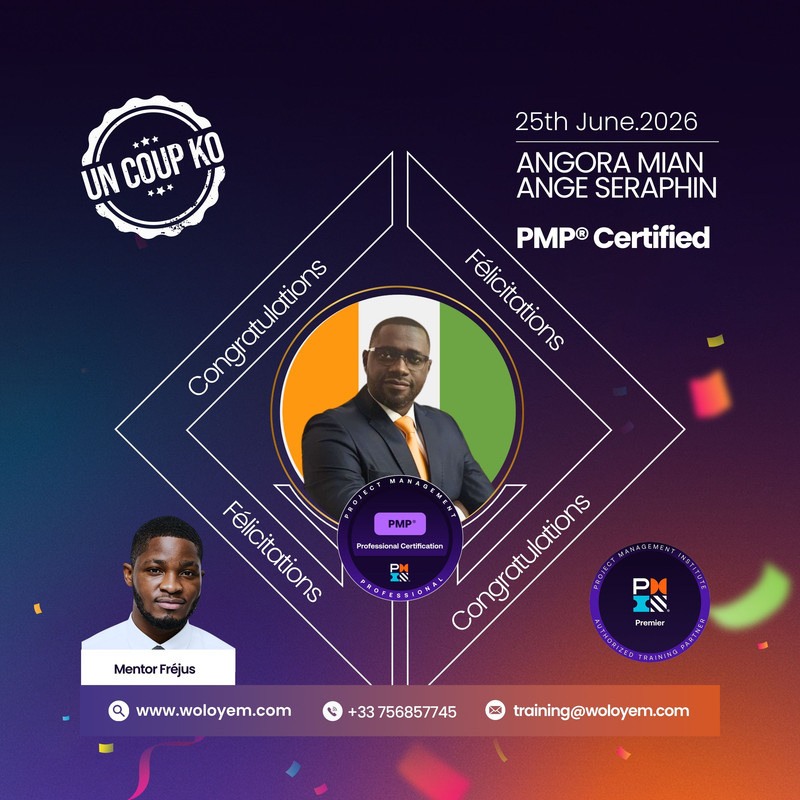
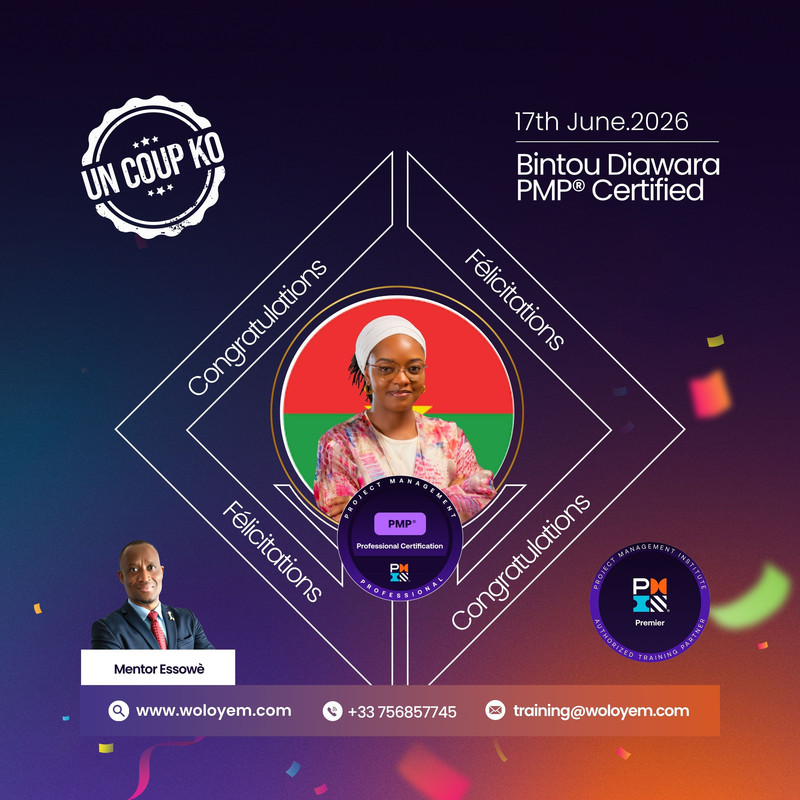
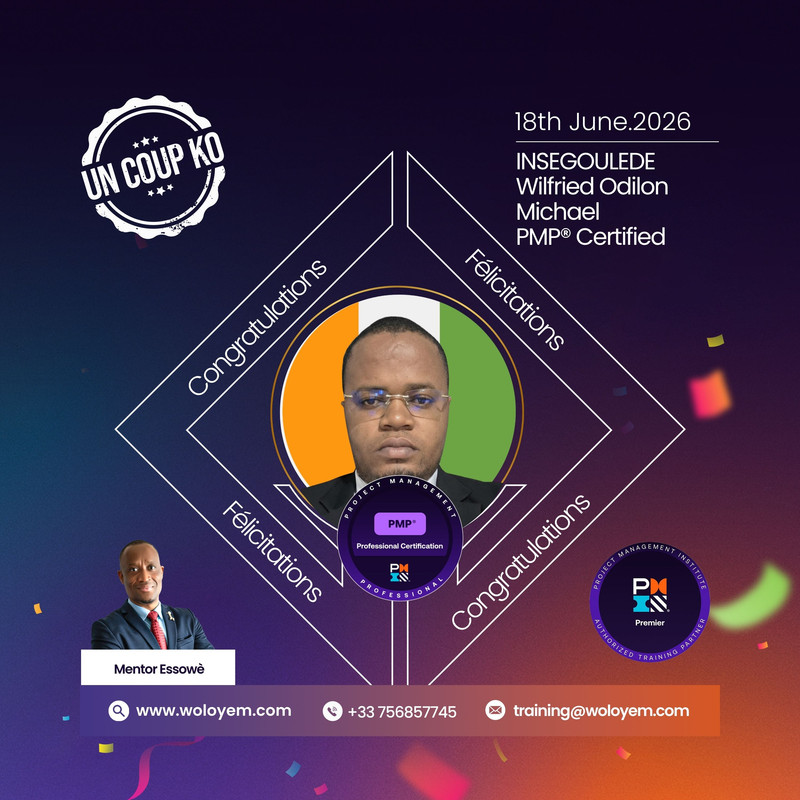
Our successes

Our successes with the "Un Coup K.O." method
Our successes

Courses

Privacy Policy Cookie Policy Terms and Conditions