ITIL 5 Guide: Evolve Your Service Management Strategy

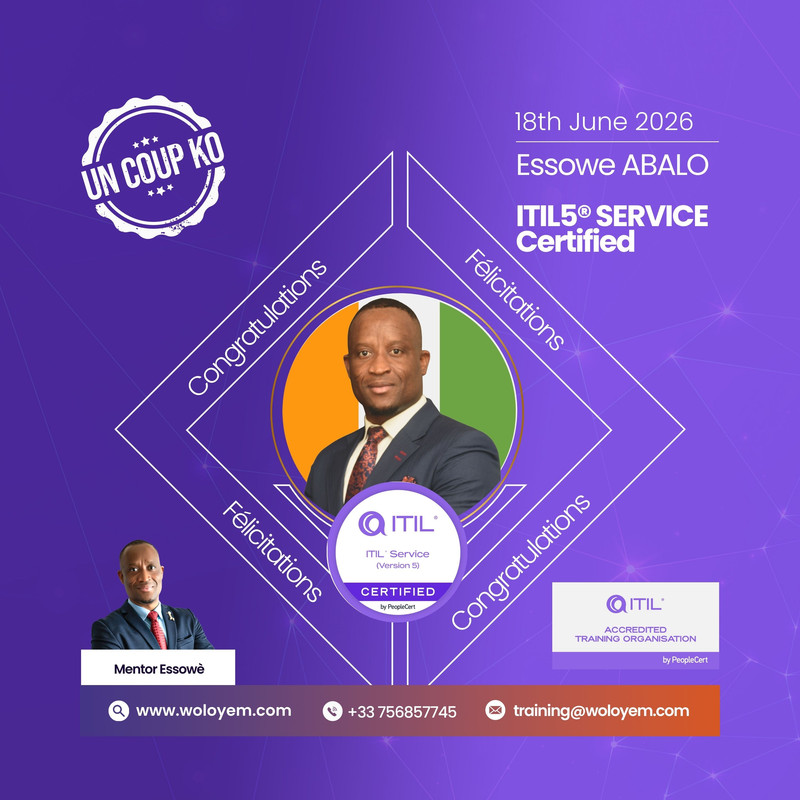
Essowè Abalo
What if the framework you spent years mastering became the very bottleneck preventing your organization from adopting artificial intelligence? Many IT leaders feel the pressure of the AI revolution but struggle to map these autonomous systems onto traditional ITSM processes. It's natural to worry that your current certifications might lose relevance as the industry shifts toward automated governance. The release of ITIL 5 represents a fundamental pivot from managing manual processes to governing intelligent, autonomous systems. This evolution ensures that your service management strategy remains robust in a landscape where machine learning and automation are no longer optional.

This guide explores how the ITIL 5 framework integrates AI governance into the core of service management to future-proof your career and organizational strategy. You'll discover a clear roadmap for the new certification path and learn practical ways to align these updates with PMBOK 8 and Agile standards. We'll also examine the specific career impacts of this shift, providing you with the strategic insights needed to lead your team through this digital transformation. By the end of this article, you'll have a concrete plan to evolve your service management approach for the age of AI.

Key Takeaways

  • Learn how ITIL 5 shifts focus from manual processes to AI-orchestrated value streams to drive digital efficiency.

  • Discover the methodology for mapping service life cycles to PMBOK 8 principles and scalable Agile governance.

  • Gain a practical framework for setting ethical guardrails and assessing AI maturity within your existing ITSM environment.

  • Identify the specific certification paths for the ITIL 5 Managing Professional and Strategic Leader designations to secure your career trajectory.

  • Understand how to integrate Machine Learning Operations (MLOps) into your service architecture to manage autonomous systems effectively.

Table of Contents

I. What is ITIL 5? Defining the AI-Native Service Framework

ITIL 5 is the latest evolution of the Information Technology Infrastructure Library, specifically redesigned to manage digital services in an AI-driven economy. It moves beyond traditional process management to focus on AI-orchestrated value streams. This framework provides the governance and operational standards needed to integrate autonomous systems into modern IT service management (ITSM) environments effectively.


The year 2026 marks a decisive turning point for global enterprises. As businesses move from experimentation to full-scale deployment of generative and predictive models, the need for a standardized approach becomes critical. This critical shift has been met by the latest evolution of the ITIL framework. By introducing ITIL 5, it provides a structured methodology to ensure that service excellence doesn't get lost in the rush to automate. We're moving away from the static Service Value System (SVS) of the past. Instead, we're embracing a dynamic ecosystem where AI agents and human oversight work in tandem to deliver outcomes.

A. The Evolution from ITIL 4 to ITIL 5

The transition from ITIL 4 isn't a rejection of its principles but an expansion of them. ITIL 4 introduced the four dimensions of service management: organizations and people, information and technology, partners and suppliers, and value streams and processes. In the new version, these dimensions evolve into an intelligent ecosystem. Value remains the primary goal. However, the way we co-create that value now involves machine learning loops that optimize services in real time. If your current ITSM processes aren't AI-aware, they risk becoming obsolete. You can explore how to bridge this gap through our  ITIL 5 certification programs, which focus on these modern transitions.

B. Strategic Importance of AI Governance

Governance is the most significant addition to this framework. It's no longer enough to just "manage" a service; you must govern the algorithms that power it. ITIL 5 defines AI governance as the set of policies and controls that ensure automated decision-making remains ethical, transparent, and aligned with business objectives. This is crucial for managing the risks associated with autonomous service agents, such as data bias or "hallucinations." By establishing clear guardrails, organizations can deploy AI with confidence, knowing that their service management strategy includes robust risk mitigation protocols for every automated interaction.

II. ITIL 5 Architecture: Comparing Core Components

The architecture of  ITIL 5 represents a fundamental shift in how we structure service delivery. Unlike previous versions that focused on linear processes, this update prioritizes modularity and data flow. The certification structure reflects this change through two distinct tracks. The Managing Professional path focuses on the technical orchestration of services, specifically integrating Machine Learning Operations (MLOps) into daily operations. This ensures that AI models are treated as living assets that require continuous monitoring and retraining. Conversely, the Strategic Leader path targets executives who must align AI capabilities with long-term business goals and organizational resilience.


Data serves as the essential fuel for this new framework. Without high-quality, structured data, the AI-driven components of the Service Value Chain cannot function. This has led to a significant optimization of the value chain to support rapid, iterative deployments of machine learning models. We've moved from monthly release cycles to real-time updates. If you're looking to master these structural changes, exploring our  ITIL 5 techniques can help you navigate the transition effectively.

A. Service Value System 2.0

The Service Value System (SVS) has been upgraded to handle the complexities of digital transformation. The new SVS 2.0 emphasizes continuous feedback loops where AI-driven insights directly inform service design. Governance has also shifted. We no longer rely solely on human-centric oversight. Instead, a hybrid model uses automated guardrails to monitor AI agents while humans focus on ethical exceptions and strategic pivots. This approach allows for speed without sacrificing compliance or safety.

B. ITIL 5 Practice Updates

Several core practices have undergone radical transformations to accommodate autonomous systems. Incident Management now leverages AIOps for self-healing. The system identifies and fixes anomalies before they impact the end user, reducing downtime significantly. Change Enablement has moved away from manual approvals toward continuous deployment models. In these models, risk is assessed by algorithms in milliseconds. Perhaps the most notable addition is Digital Labor Management. This practice treats AI agents and bots as a specialized segment of the workforce. It requires unique onboarding, performance monitoring, and retirement protocols to ensure digital workers remain productive and secure.

III. Integrating ITIL 5 with PMBOK 8 and Agile Transformation

The traditional boundary between project management and service operations has finally collapsed. In the past, teams would deliver a project and then hand it over to operations with little ongoing collaboration. This model fails in an environment where AI models require constant retraining and continuous integration. By integrating ITIL 5 with PMBOK 8, organizations create a seamless flow from initial investment to sustained value. This synergy is the foundation of modern  corporate project management. It ensures that service stability isn't sacrificed for the sake of rapid project delivery.

A. Value-Driven Delivery in PMBOK 8 and ITIL 5

PMBOK 8 introduces a shift toward value delivery principles, moving away from rigid process groups. This aligns perfectly with the ITIL 5 focus on AI-orchestrated value streams. When you align project outcomes with service value streams, you eliminate the friction of the handover phase. Organizations now use ITIL 5 to manage the transition from project-to-product. This means the project team doesn't just deliver a piece of software; they establish the governance and feedback loops required for long-term service health. Understanding these intersections is essential for modern leaders. You can see our guide on  PMP certification  to learn more about aligning your projects with these global standards.

B. Agility and Governance: The Perfect Balance

Many organizations fear that strict governance will kill their agility. ITIL 5 solves this by providing guardrail governance. Instead of manual approvals that slow down DevOps teams, ITIL 5 implements automated controls within the deployment pipeline. This prevents agile chaos in enterprise AI projects where unmanaged models can lead to significant compliance risks. The role of the Scrum Master also evolves in this environment. They become facilitators of these guardrails, ensuring the team remains fast while staying within the ethical and operational limits defined by the framework.


Consider a recent transition at a global financial services firm. They moved from a project-based delivery model to a continuous service value model. By mapping their ITIL 5 value streams to PMBOK 8 delivery principles, they reduced their time-to-market for AI-driven features by 30%. They didn't just work faster; they built a more stable environment. This case study proves that when project management and service management share a common language, the entire organization benefits from increased resilience and predictable outcomes.

ITIL 5: The AI-Native Service Management Framework

From manual process governance to AI-orchestrated value streams — a complete visual guide to the next-age framework, in ITSM industry.

2024 Release: ITIL for the AI-First Enterprise

The Evolution of ITSM

ITIL 4 → ITIL 5: What Changed

ITIL 4

Process-Centric Management

  • Static Service Value System (SVS)
  • Human-led process execution
  • ITSM tool-centric design
  • Manual change approvals
  • Reliance on standard Knowledge Management
  • Fixed service delivery cycles

ITIL 5

AI-Orchestrated Value Streams

  • Dynamic AI-Powered SVS with real-time feedback
  • Autonomous agent-led process execution
  • AI-Native Platform-as-a-Service (PaaS)
  • Continuous AI-automated change control
  • Generative AI-powered dynamic knowledge graphs
  • Adaptive self-healing service management

Core Architecture

Service Value System 2.0

An adaptive framework that leverages AI orchestration, machine learning, and real-time data to drive value.

Opportunity / Demand Business Needs
AI-Powered Value Realization Managed & Orchestrated Value Framework
Value / Outcome Business Success

Value Stream Stages (AI-Enhanced)

plan improve engage design & transition obtain/build deliver & support

Continuous improvement through feedback loops and real-time data.

Transformed Practices

Core Practice Updates in ITIL 5

Incident Management

AI-Optimized

Shift from reactive handling to proactive AI-driven identification, resolution, and self-healing systems that reduce Mean Time to Repair (MTTR) dramatically.

Change Enablement

Continuous Flow

Replacing traditional CAB approvals with automated continuous deployment pipelines and policy-as-code for safe, rapid delivery of service changes without manual intervention.

AIOps Integration

New Core Component

AIOps becomes central, using machine learning to analyze massive operational datasets, correlating events, and predicting potential failures before they impact users.

AI Governance Practice

Ethical & Compliant

Establishing frameworks for ethical AI usage, ensuring transparency in automated decisions, and maintaining regulatory compliance across AI-driven systems.

Governance and Compliance

AI Governance Framework

Ensuring Ethical, Secure, and Explainable AI deployment in ITIL 5

1

Ethical Guardrails

  • Transparency in AI decision-making
  • Bias detection and mitigation
  • Data privacy and security standards
  • Human-in-the-loop for high-risk decisions
2

AI Security Assurance

  • Protecting AI models from adversarial attacks
  • Securing data pipelines and model training
  • Robust vulnerability scanning
  • Continuous integrity monitoring of AI outputs
3

MLOps Architecture

  • Standardized lifecycle management for ML models
  • Automated model retraining and deployment
  • Version control for AI training data
  • Monitoring model drift and performance
4

Hybrid Oversight Model

  • Balancing AI autonomy with human expertise
  • Defined escalation paths for AI-driven systems
  • Clear accountability for AI outcomes
  • Periodic audit of automated decisions

Career Growth

ITIL 5 Certification Roadmap

ITIL 5 Foundation

Gain the fundamental understanding of AI-powered ITSM and the new value stream-centric approach.

Managing Professional

Focus on operational management, value stream design, and integrating AI into day-to-day service delivery.

Create, Deliver & Support · Drive Stakeholder Value · High-Velocity IT · Direct, Plan & Improve
Strategic Leader

Designed for leaders driving digital and AI transformation, focusing on strategy, alignment, and digital service management.

Digital & IT Strategy · Direct, Plan & Improve
ITIL 5 Master

The ultimate certification, proving deep expertise in architecting and managing complex AI-powered service ecosystems at an enterprise scale.

Cross-Framework Synergy

ITIL 5 + PMBOK 8 + Agile Integration

How the frameworks work together to drive business value through integrated workflows.

Process ITIL 5 PMBOK 8 Agile / Scrum
Planning Focus AI-Driven Value Stream Mapping Adaptive Project Planning Backlog & Sprint-based execution
Change Control Automated AI-Driven approvals Stakeholder-led Change control Continuous & Decentralized delivery
Delivery Model Continuous AI-managed service delivery Project-based value delivery Iterative product development & delivery
Performance Metric MTTR, AI accuracy & Business Value Scope, Schedule & Budget adherence Team Velocity & Customer Satisfaction

Strategic Alignment & Operational Agility: Integration ensures transparency, speeds up delivery, and creates value through harmonized frameworks.

Summary

Key Takeaways

ITIL 5 shifts the paradigm from human-managed processes to AI-orchestrated value streams, significantly increasing organizational speed and efficiency.

The framework emphasizes AI governance, ethics, and security as core pillars for building trust and reliability in autonomous service management systems.

woloyem.com

IV. Practical Implementation: An AI Governance Framework

Implementing AI isn't just about the technology; it's about the governance structure that surrounds it. To begin integrating these capabilities into your organization, you need a structured approach that balances speed with safety. Follow this five-step framework based on the latest ITIL 5 principles to ensure a successful transition.


First, assess your AI Maturity using the ITIL 5 Maturity Model. This step identifies gaps in your current infrastructure and data quality, ensuring you don't build on a weak foundation. Second, define ethical guardrails. These are explicit policies that dictate what an automated agent can and cannot decide without human intervention. Third, integrate AI risk management into your existing RAID log. You must track algorithmic bias and data poisoning just like any other project risk. Fourth, upskill your workforce for the 'Human + AI' service desk. This focus shifts the team from repetitive tasks to managing complex exceptions. Finally, establish continuous monitoring and bias detection loops to ensure your models remain accurate and fair over time.

A. The AI Governance Checklist for IT Managers

Managers must evaluate AI service providers through a strict lens to maintain service integrity. Start by asking critical questions about data lineage and model transparency. It's essential to verify compliance with GDPR and the EU AI Act within your ITIL processes. These regulations are now integral to service design. You should also measure the ROI of AI-driven improvements by tracking concrete metrics like the reduction in mean time to resolve (MTTR) and the increase in first-call resolution (FCR) rates. If these numbers don't show a clear upward trend, your governance model may need adjustment.

B. Overcoming Resistance to AI Adoption

Transitioning to an AI-native framework requires advanced leadership techniques to navigate digital change. Resistance often stems from a fear of job obsolescence or a perceived skills gap. You can mitigate this by communicating the value of ITIL 5 to non-technical stakeholders in terms they understand, such as cost efficiency and improved user experience. Focus on how the framework empowers employees rather than replacing them. Managing the skills gap is a long-term investment, not a one-time training event. If you're ready to lead this transformation, our ITIL 5 certification program provides the practical tools needed to bridge the gap between technical capability and strategic governance.

V. Career Impact: The ITIL 5 Certification Roadmap

Entering the ITIL 5 era isn't just about learning new terms; it's about shifting your market value in a competitive landscape. By 2026, organizations will prioritize leaders who can govern autonomous systems over those who simply manage manual processes. This shift creates a clear divide in salary benchmarks. Professionals with the ability to integrate AI into service delivery are already seeing a premium in leadership roles. New specialized positions like the AI Service Architect are emerging to bridge the gap between technical machine learning and service delivery. Similarly, the Digital Value Officer role now focuses on ensuring that automated value streams actually deliver the promised business outcomes. Woloyem helps you to learn and master projet and service management stands as the preferred partner for ITIL certification, offering the strategic depth needed to master these new responsibilities through expert-led mentorship.

A. Transitioning from ITIL 4 to ITIL 5

If you already hold an ITIL 4 Managing Professional designation, you don't need to start your journey from the beginning. PeopleCert is introducing a specific 'Managing Professional Transition' module to streamline the process. This bridge course focuses heavily on the delta between the two versions, specifically the integration of AI governance, ethical guardrails, and MLOps. It's vital to track the key deadlines for legacy certification recognition. Most industry reports suggest that transition windows will be most accessible throughout 2026. For those still building their foundation or looking to understand the core principles, review our  ITIL Certification Guide for foundational knowledge that remains relevant in the new ecosystem.

B. Preparing for the ITIL 5 Exam

Success in the ITIL 5 exam requires a pivot from rote memorization to high-level practical application. Our signature bootcamp approach focuses on the complex scenarios you'll face as a leader. You must choose between the 'Managing Professional' and 'Strategic Leader' tracks based on your career goals. The Managing Professional track is ideal for those overseeing the technical orchestration of services. The Strategic Leader track is better suited for executives who must define the digital vision and manage organizational risk. Both paths require a deep understanding of how AI alters the service value chain. Join our next ITIL 5 Masterclass to lead your organization's transformation and secure your place at the forefront of the industry.

VI. Leading the AI-Native Service Revolution

Adopting a modern service management strategy requires more than just technical updates. It demands a fundamental shift in how you govern autonomous systems and align them with business value. We've explored how this framework facilitates the transition by moving from manual processes to AI-orchestrated value streams. By integrating these standards with PMBOK 8 principles, you ensure that your projects deliver sustained operational excellence rather than just temporary technical outputs. The emergence of roles like the Digital Value Officer highlights the growing need for leaders who can navigate this complex landscape with confidence.

Mastering these changes is a strategic investment in your professional future. We provide authorized training that meets PeopleCert standards, focusing on practical, case-study driven learning rather than simple theory. With a 98% first-time pass rate for certification exams, our approach ensures you gain the skills needed to lead your organization's digital transformation. Take the next step in your career and join a community of forward-thinking IT leaders who are ready to embrace the future of automation.


The path to digital leadership is clear. We're here to help you navigate every step of the journey toward service excellence and long-term career growth.

VII. Frequently Asked Questions

Is ITIL 4 still valid after the release of ITIL 5?

Yes, ITIL 4 remains a valid and foundational standard for IT service management. It provides the essential principles that the new version builds upon to address autonomous systems. Most organizations will maintain a hybrid approach during the transition period. Your current certifications continue to demonstrate your expertise in core dimensions while you prepare for the AI-native updates introduced in ITIL 5.

What are the main differences between ITIL 4 and ITIL 5?

The primary distinction lies in the shift from the Service Value System to AI-orchestrated value streams. While the previous version focused on digital transformation and human-led processes, ITIL 5 prioritizes the governance of autonomous systems and Machine Learning Operations. It introduces specific modules for AI ethics and automated decision-making guardrails that weren't present in the earlier framework to handle modern digital labor.

Does ITIL 5 replace the need for PMP certification?

No, ITIL 5 and PMP serve different but complementary purposes within a digital organization. ITIL focuses on the ongoing governance and stability of services, whereas PMP validates your ability to lead specific projects to completion. As we've discussed, integrating these frameworks allows you to manage the transition from project delivery to continuous service value delivery effectively in an AI-driven environment.

How much does the ITIL 5 certification cost in 2026?

Certification costs typically vary based on the training provider and the specific examination region you're in. PeopleCert sets the official exam fees, and these are subject to periodic changes. We recommend checking the official PeopleCert website or contacting an authorized training partner for the most current pricing. This ensures you receive accurate figures for your specific location and chosen certification path.

Can I take the ITIL 5 Managing Professional Transition exam if I am ITIL 4 Foundation certified?

No, the transition exam is specifically designed for those who have already achieved the ITIL 4 Managing Professional designation. If you only hold a Foundation certificate, you'll likely need to complete the full ITIL 5 Managing Professional modules. This ensures you have the deep technical understanding required to manage complex, AI-driven service environments and digital workforces effectively and safely.

How does ITIL 5 address the ethical concerns of Artificial Intelligence?

The framework introduces a dedicated AI Governance module that establishes strict ethical guardrails for organizations. It provides IT managers with the tools to monitor algorithmic bias and ensure transparency in automated decision-making processes. By incorporating these controls into the Service Value Chain, ITIL 5 helps organizations comply with emerging regulations like the EU AI Act while maintaining high levels of user trust.

What is the best way to study for the ITIL 5 Strategic Leader exam?

The most effective approach involves a combination of theoretical study and practical application through expert-led bootcamps. Focus on understanding how AI impacts long-term organizational resilience and your digital vision. Engaging in case-study driven learning allows you to see how strategic governance principles apply to real-world business scenarios. This is critical for passing higher-level exams that test your leadership and decision-making capabilities.

Are there any prerequisites for the ITIL 5 AI Governance module?

Prerequisites generally include a valid Foundation level certification in the current or previous version of the ITIL framework. Some higher-level modules may also require specific professional experience in IT leadership or service operations. We suggest reviewing the official PeopleCert roadmap to confirm the exact requirements for your chosen path before enrolling in a masterclass to ensure you meet all necessary criteria.

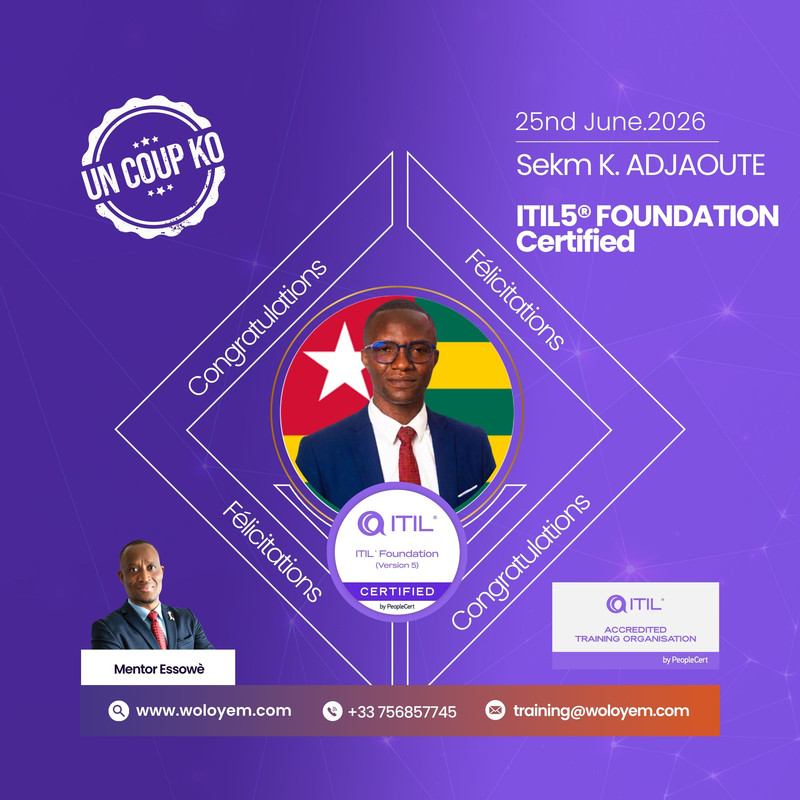
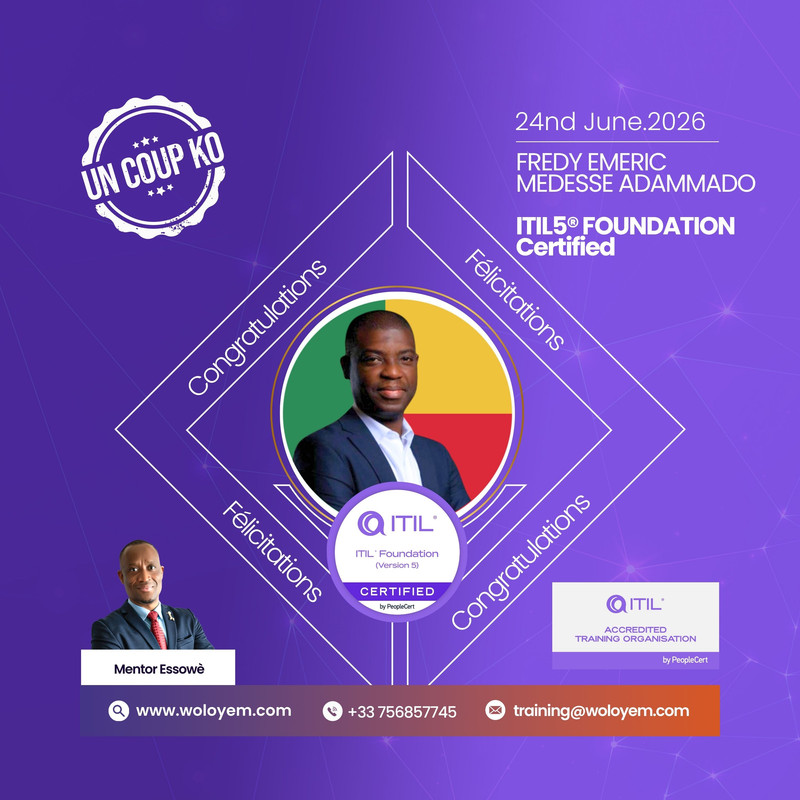
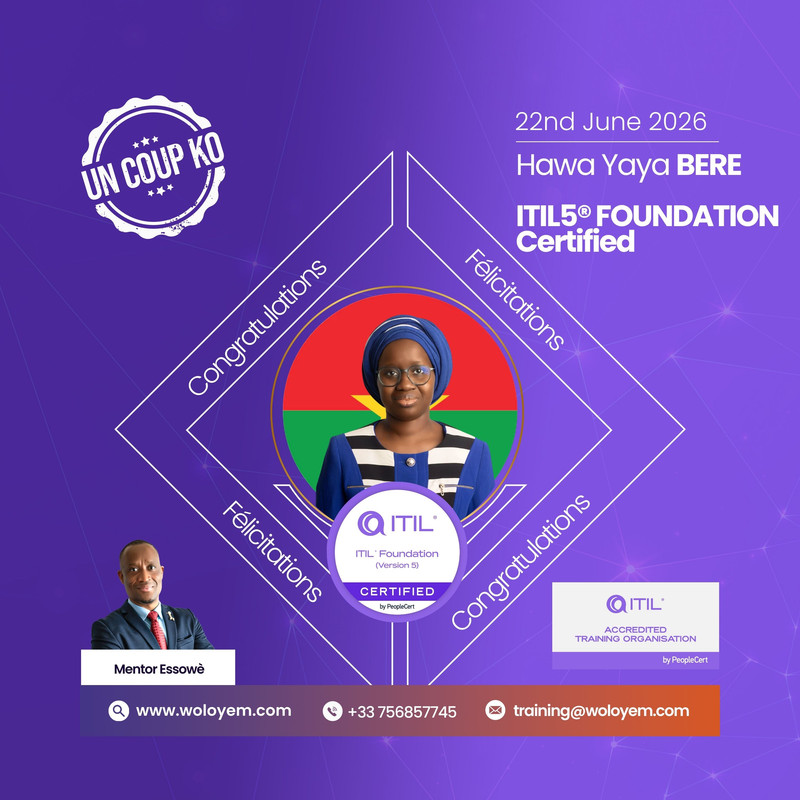
Our ITIL 5® successes
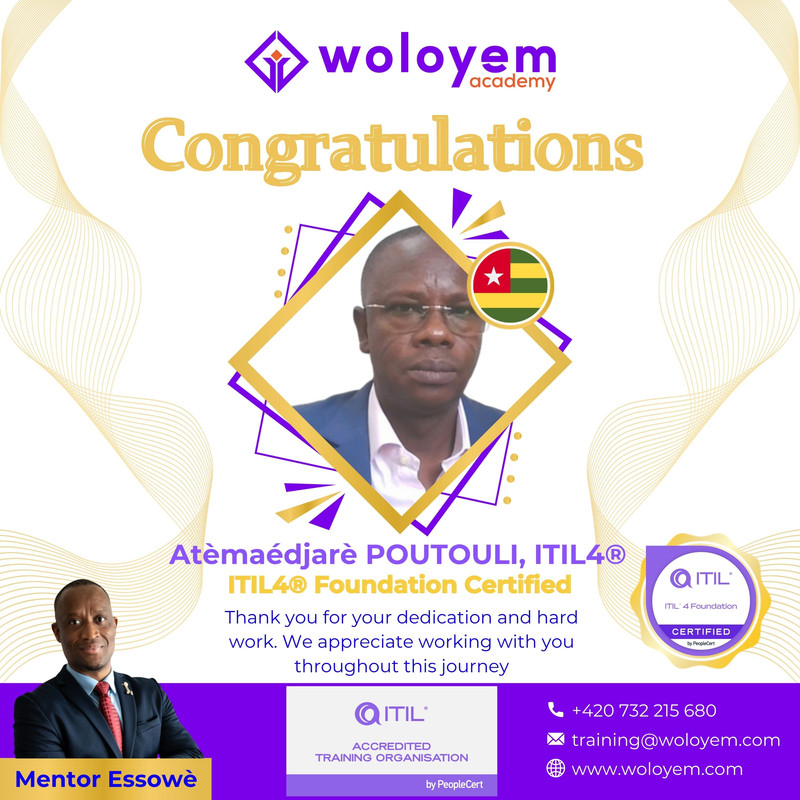
Our successes with ITIL 5®
ITIL 5®

Courses

Privacy Policy Cookie Policy Terms and Conditions