
Key Takeaways
Table of Contents
I. Final-week preparation and exam-day time management
The PMP exam covers People, Process, and Business Environment, with 180 questions and 230 minutes to answer them. It includes two breaks; planning optional 10-minute breaks during practice is a separate pacing strategy. Balance study with work and family by protecting focused sessions and keeping the final three days for light revision.
A.Review Exam Topics and Structure
B. Choose Focused Study Blocks
C. Fit Short Sessions Around Responsibilities
II. Top challenge for full-time PMP exam preparation?
The main challenge is matching your available study time to the exam content without disrupting work and family responsibilities. Choose a realistic timeline first, then adjust your plan as you track progress and identify weaker topics.
A. Plan Study Hours
- Choose a preparation window that fits your weekly capacity. A 30-day plan calls for 4 to 5 study hours per day, while a 60-day plan calls for 2 to 3 hours per day. A 90-day plan calls for 1.5 to 2 hours per day. These are demanding daily commitments, so account for work and family time before choosing one.
- Estimate total preparation time, then reserve study blocks in your calendar. As a planning suggestion, you could set aside roughly 100 to 150 hours of focused study if that fits your experience, schedule, and learning needs. Preparation timelines vary, so use your progress to adjust the estimate. A 12-week schedule can distribute study across regular weekly sessions instead of relying on last-minute cramming.
- Set a tentative exam date after mapping the exam content to your available weeks. Divide topics into study blocks, including predictive project management and adaptive approaches. Use a weekly review to compare planned work with what you completed, then reschedule unfinished topics rather than letting one missed session derail the plan.
- Track progress with practice questions and a simple error log. If predictive process questions repeatedly cause difficulty, use your next study block to review those concepts and related scenarios. If you perform well in a domain, keep it in the rotation with brief reviews instead of spending as much time on it as on weaker areas.
B. Use a Structured Program
- Choose self-paced preparation when your work calendar changes often and you need control over study times. Set weekly milestones so flexible access does not lead to open-ended study. Instructor-led preparation offers scheduled lessons and a defined sequence, so protect those sessions in your calendar and set aside separate time to review the concepts afterward.
- Check that a structured PMP preparation program follows the exam domains and includes practice, explanations, and progress tracking. A course that only presents material may leave you unsure how to apply it to scenario questions. Look for a clear progression from core concepts to timed practice, with review points to help identify gaps before your exam date.
- Use a study plan that connects each topic to a measurable task, such as reviewing a concept, answering practice questions, or analyzing errors. A three-month PMP mentorship program can provide structure for candidates following a longer preparation timeline. Keep your own calendar aligned with its study milestones and adjust around work commitments.
- Reassess your timeline if scheduled study sessions repeatedly conflict with deadlines or family responsibilities. Move the exam date if the remaining time no longer supports your plan, rather than cramming missed weeks into exhausting daily sessions. A sustainable schedule leaves room for focused attention, predictive topics, practice, and review.
III. Is a 2-Week PMP Study Plan Realistic?
A two-week plan can work as a focused review if you already know the concepts and have studied the exam content. For a full-time professional starting from the beginning, it is a demanding preparation window, especially when work and family leave little time to study.
Use timed practice exams that cover the exam domains, then review the explanations and track your results. If you fall behind or fail a practice exam, identify your weakest topics, revise the schedule, and move the exam date if the remaining time does not support focused learning.
A. Review Practice Exam Explanations
Read the explanation for every incorrect answer and every correct answer you guessed. Record the concept, why your choice seemed reasonable, and why the better option fits the scenario. For example, if a question about a hybrid project reveals confusion about stakeholder input, review that decision process before attempting similar questions. Don’t count a correct guess as reliable knowledge.
This turns practice into targeted learning. Revisit your notes after a short interval and explain the concept without looking. If you still can’t explain why the answer works, keep the topic on your review list instead of moving on based on your score alone.
B. Track Readiness with Practice Exams
Choose timed practice exams that reflect the question style and breadth of the PMP exam, rather than relying only on short quizzes. When possible, use the same platform so score changes reflect learning rather than differences in question formats. Review your performance by domain and question type, not just by overall result.
Use consistent mock-exam scores of 70% or higher as one readiness indicator before booking. A score alone does not prove readiness, so also assess whether you can explain your decisions and maintain concentration through a full practice session. A PMP practice question set can help you identify topics for review.
C. Adjust the Plan When Progress Slips
Compare completed tasks with your two-week calendar, then identify the reason for any gap. If work deadlines displaced a study block, move that topic into a planned session instead of doubling the next day’s workload. If a mock exam reveals weak hybrid or predictive concepts, prioritize those areas and spend less time reviewing familiar material.
Cover the topics essential to your understanding before adding more practice questions. If the remaining days do not allow meaningful review, extend your schedule or reschedule the exam. Measure progress by stronger reasoning and fewer repeated mistakes, not by the number of study hours completed.
D. Complete Final Review and Logistics
Use the final week for focused revision, error-log review, and exam preparation rather than starting a large new topic. The study plan allocates 6-8 hours of study during its final week. Divide that time among weak concepts, explanations from practice exams, and a concise review of notes. Keep each session tied to a specific learning goal.
Set aside time to organize exam logistics and protect study sessions from work interruptions. Check the appointment details and plan how you will reach or access the exam. A clear routine reduces avoidable decisions on exam day, leaving your attention for the questions and the concepts they test.
IV. Weekly study schedule for working professionals
A practical weekly schedule gives each study session a specific task and leaves room for changing work demands. Start with your calendar, then connect your study goals to PMP topics and practice activities.
A. Set Weekly Study Goals
Choose a weekly outcome, such as explaining a risk response or distinguishing stakeholder engagement from communications management. Break it into smaller tasks: review the concept, answer related questions, and record any confusing decisions. Avoid broad goals like “study project management,” because they don’t show what to complete or how to assess progress.
At the end of the week, write down what you finished and what remains. If a work deadline displaced a session, move the unfinished task to an open block rather than dropping it. This simple reset gives the next week a clear starting point and keeps one disrupted day from obscuring your progress.
B. Plan Weekly Study Hours
Review your work calendar, family commitments, and energy levels before assigning study time. A 12-week study plan recommends 10 to 12 hours of study per week, while another plan sets a 6 to 8-hour weekly baseline. Treat these as distinct planning options, not a requirement to combine both. Select a commitment your actual calendar can support.
Separate learning time from practice time when estimating your weekly capacity. A course session may introduce a concept, while a later practice block tests how you apply it. Keep a flexible block available for unexpected deadlines and avoid filling every open hour. That makes it easier to maintain study continuity when a demanding week changes your schedule.
C. Create the Weekly Schedule
Give each calendar block a clear format and subject. For example, use one session to review risk management, another to answer related questions, and a separate block to analyze mistakes. Schedule demanding tasks when you can focus, rather than automatically placing them after a meeting-heavy workday.
Match each task to the time available. A short session can revisit one concept, while a longer block can combine practice questions with answer analysis. Keep your study calendar alongside your work calendar, and leave space for personal responsibilities. A schedule with realistic gaps is easier to maintain than one built around every available moment.
D. Review and reset each week
Compare completed tasks with your exam outline, then choose the next topic that needs attention. If stakeholder questions caused difficulty, schedule a focused review before adding new material. If you completed the planned work, use your next session for mixed practice or to revisit an earlier mistake.
Use a brief weekly planning session to spot clashes with upcoming work deadlines. Move study blocks before the week becomes crowded, and assign a specific task to each rescheduled session. This keeps your schedule useful as responsibilities shift, rather than treating it as a fixed timetable that cannot adapt.
V. Revision, flashcards, and knowledge recall
Use brief, repeated recall sessions to keep earlier PMP concepts fresh as you study new material. Review notes weekly, then apply what you know to scenarios instead of relying on rereading alone.
A. Revisit Notes Regularly
Schedule 15-20 minutes each week to review notes from earlier topics. Close the source first and write down what you remember about the concept. Then compare your summary with your notes and mark missing details. This quick check shows whether you can retrieve the idea without prompts or simply recognize it on the page.
Keep notes short and organized by topic, such as risk, stakeholder engagement, or change control. Add one example of how each concept affects a project decision. Avoid copying full chapters. Concise notes are practical to review during a busy week and easy to revisit before practice questions.
B. Use Flashcards for Knowledge Recall
Create flashcards for distinctions that are easy to confuse, such as a risk response versus an issue response. Put a question or short scenario on the front, then explain the reasoning on the back. For example, ask what a project manager should do first when a stakeholder raises a new concern.
Answer aloud before turning each card over. Sort cards into “recall,” “review,” and “difficult” groups, then spend more time on the cards that reveal gaps. Avoid cards that test only isolated definitions. PMP questions often require you to apply concepts to a situation and choose an appropriate next action.
C. Turn mistakes into revision prompts
After a practice set, choose incorrect answers and write one flashcard for each underlying concept. Record why the tempting option seemed plausible and what makes the stronger answer appropriate. This turns an error into a specific task rather than a vague reminder to “study more.”
When reviewing answer explanations, focus on the decision logic. If a scenario tests communication, note which stakeholder needs information and why. If it tests a predictive process, identify the relevant project document or action. Revisit those prompts later without looking at the original question.
D. Connect revision to exam coverage
Keep a compact tracker for the exam domains and mark each topic as confident, developing, or needs review. Use these labels to choose your next revision task, not to claim mastery after one correct response. Include applied scenarios alongside concepts so recall practice reflects the decisions project managers make.
Keep PMP eligibility requirements in a separate checklist from your exam knowledge notes. This prevents application details from crowding out study material and makes each review session easier to target.
E. Protect a regular recall routine
Pair a brief flashcard review with an existing routine, such as the start of a lunch break. Use a longer session to revisit difficult concepts and explain them in your own words. If a card remains difficult across reviews, return to the source material and create a clearer example before testing yourself again.
For guided preparation that combines project management concepts with structured learning, consider a PMP exam preparation bootcamp.
VI. Woloyem helps you prepare for the PMP exam
VII. Turn Your Study Plan Into a Professional Next Step
VIII. Frequently Asked Questions
Is there any solid PMP Study Plan that will work for me?
How Many Hours a Day Should You Study for the PMP Exam?
Is it better to study alone or use a structured program?
What type of study schedule works best for busy professionals?
How many weeks should a working professional study for the PMP exam?
How many hours per week should you study for the PMP exam while working full time?
What is a realistic weekday and weekend PMP study schedule?
What PMP study materials and courses are recommended for working professionals?
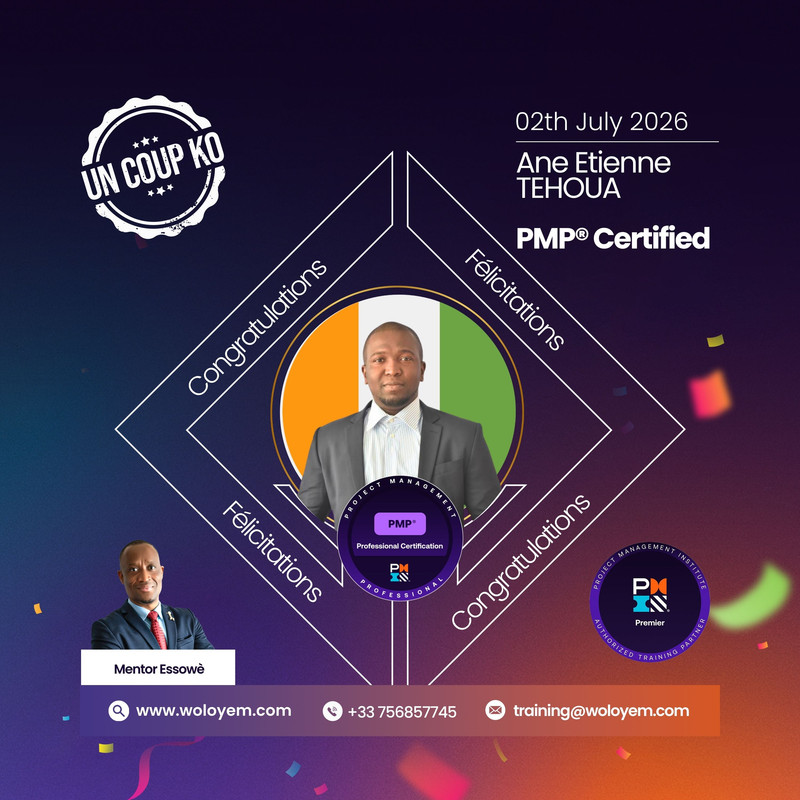
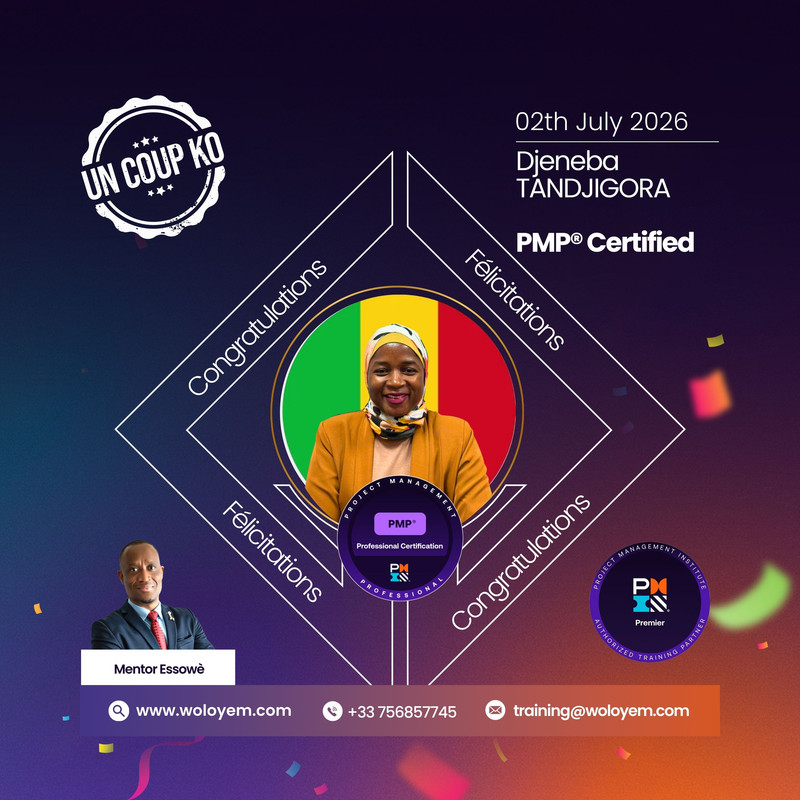
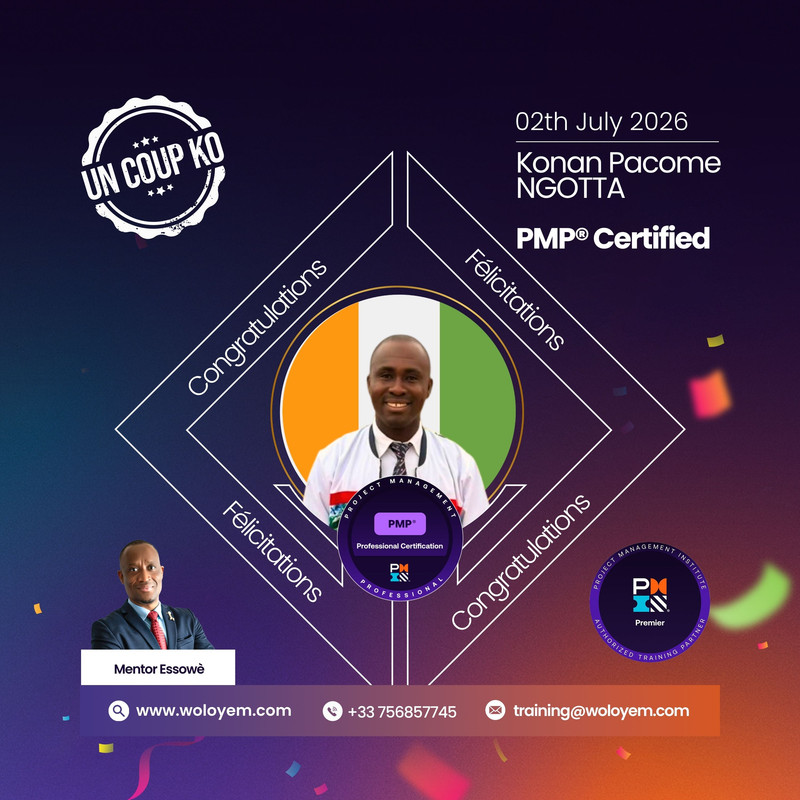
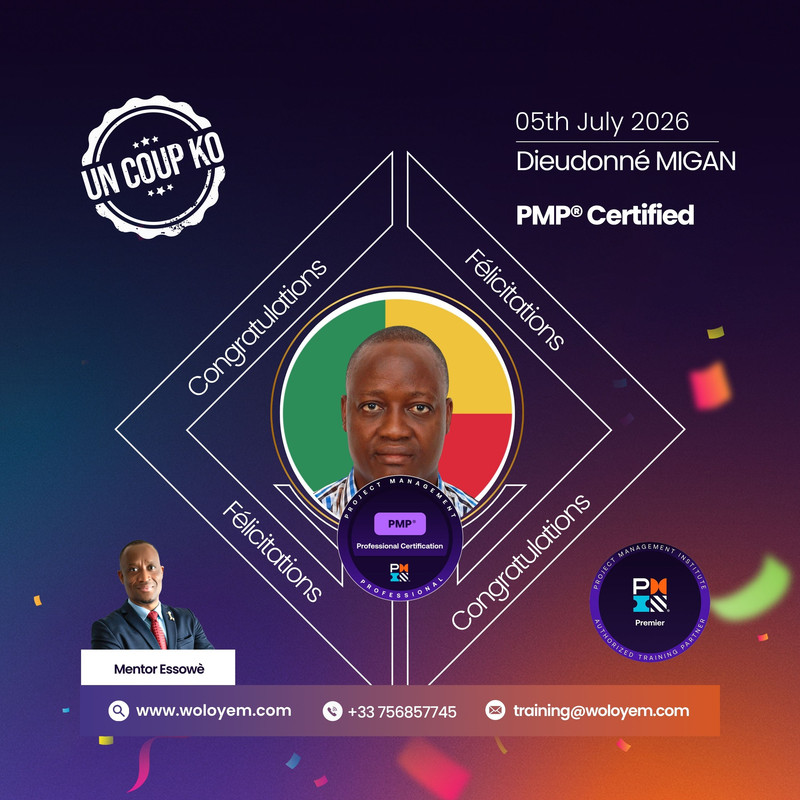
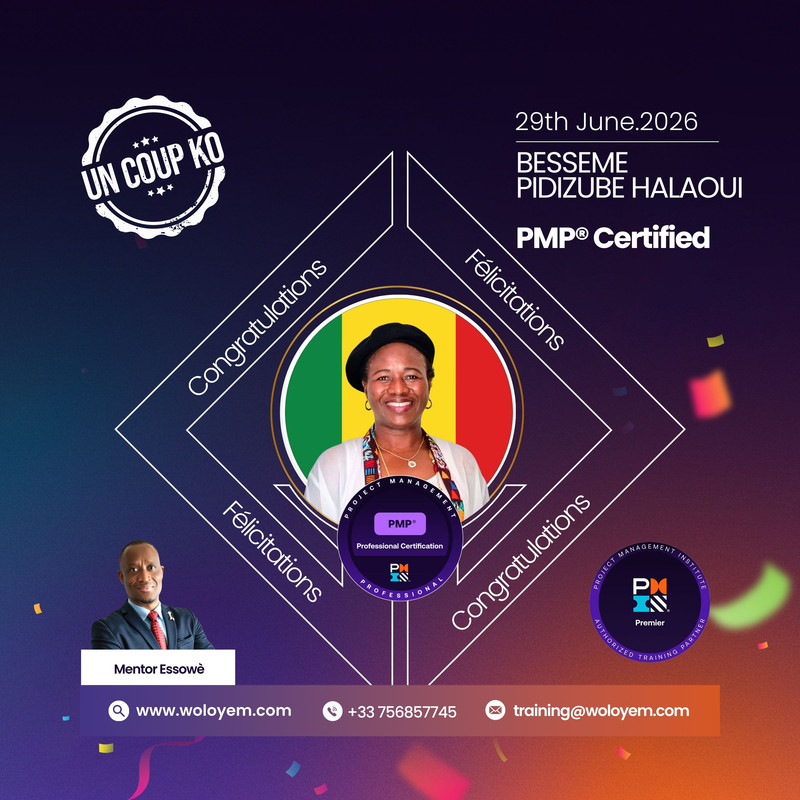
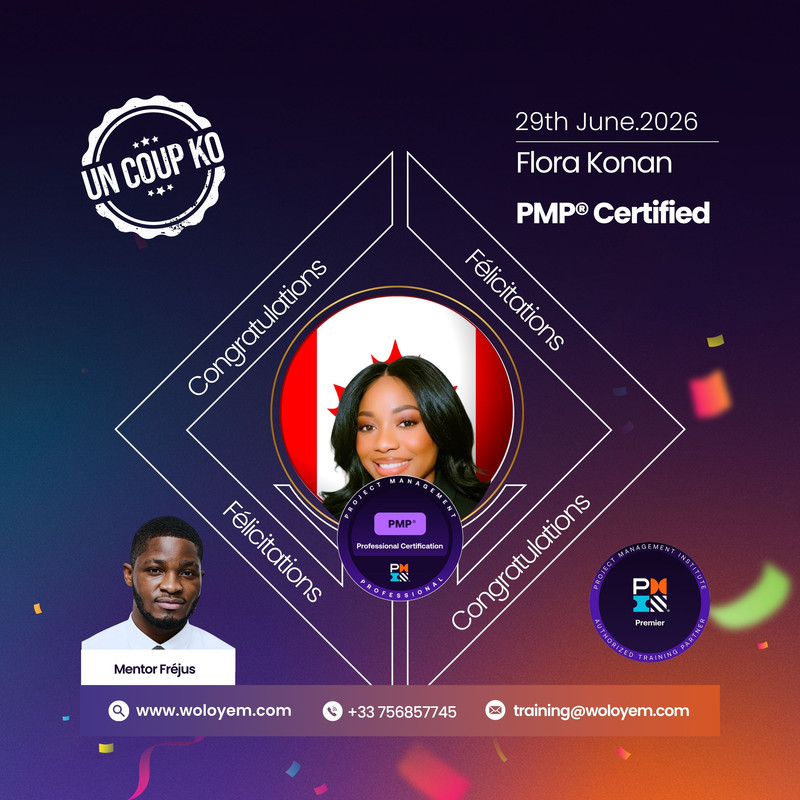
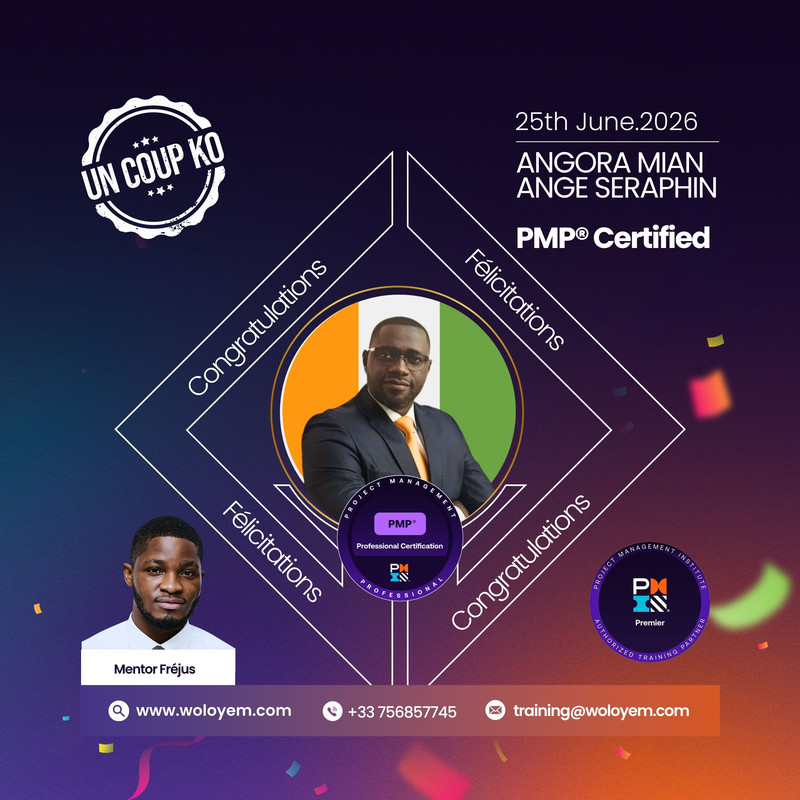
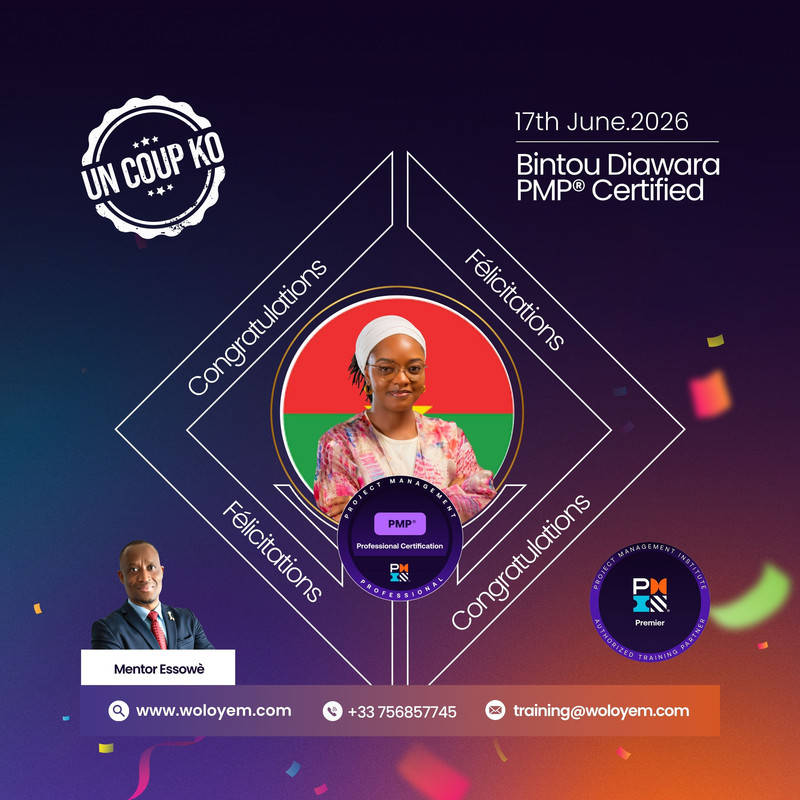
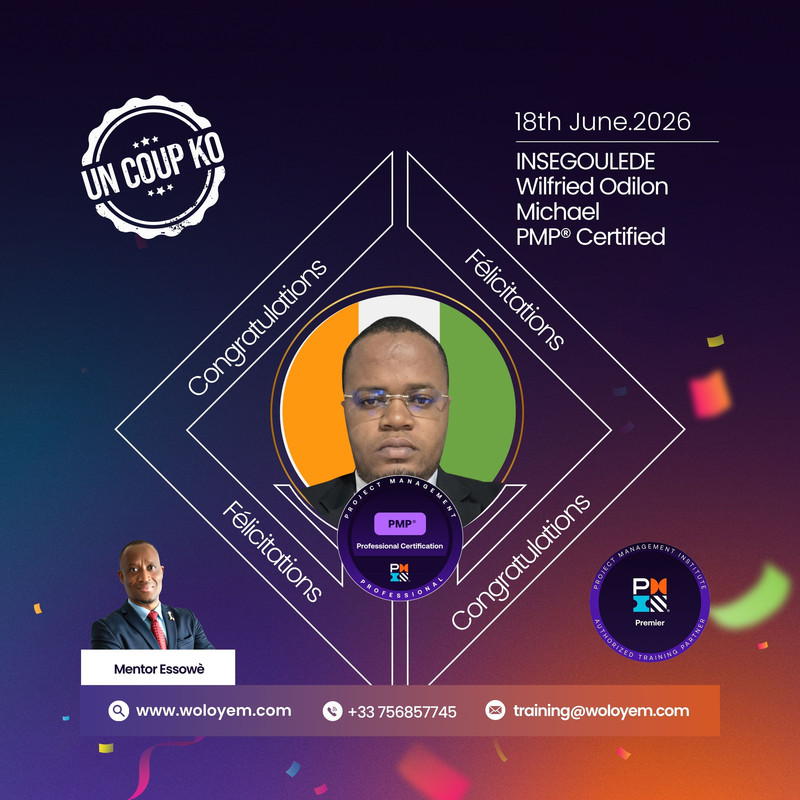
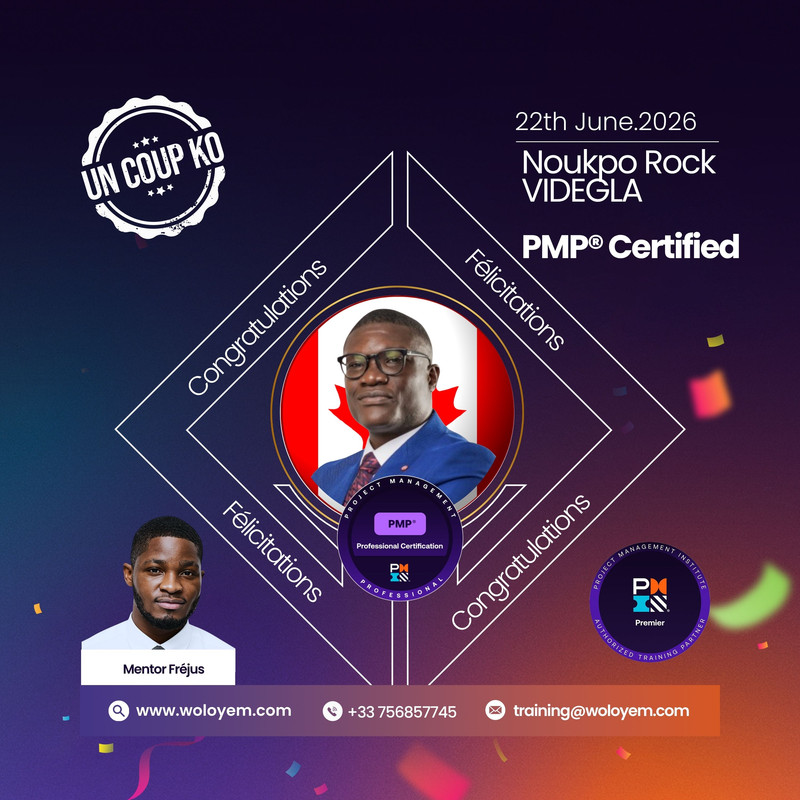
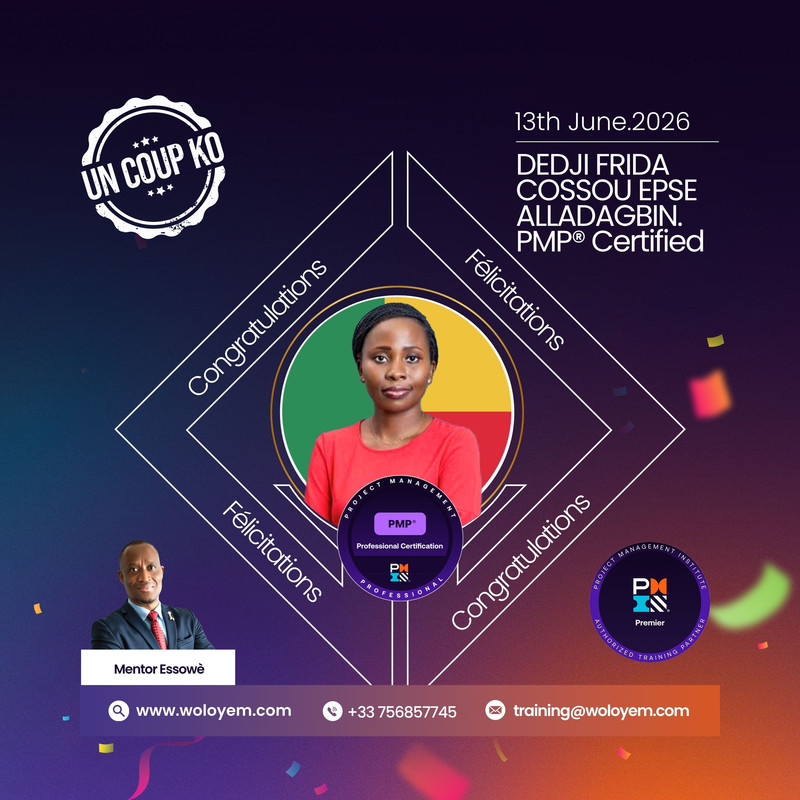
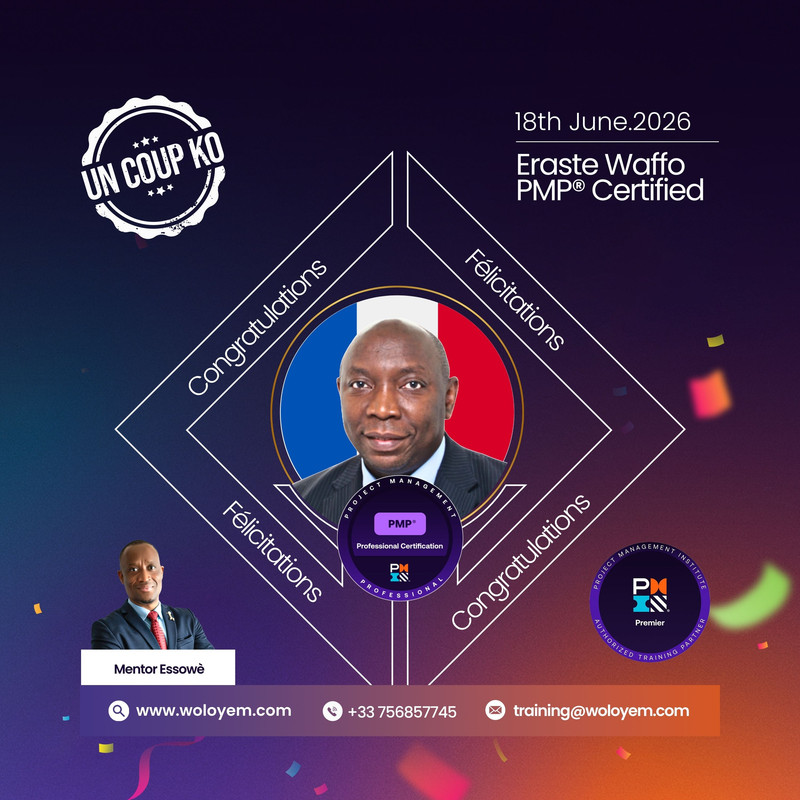
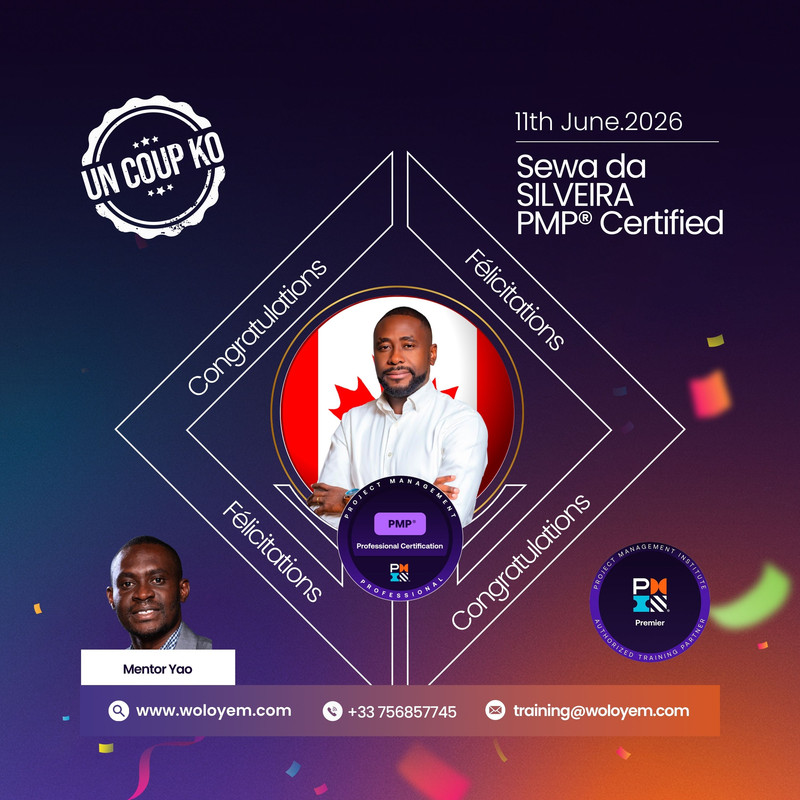
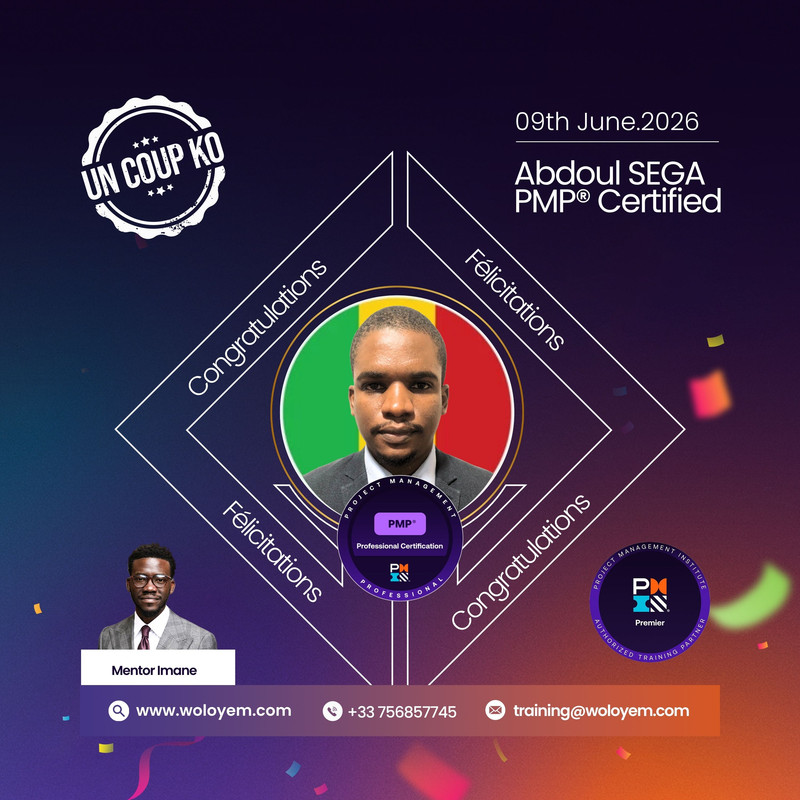
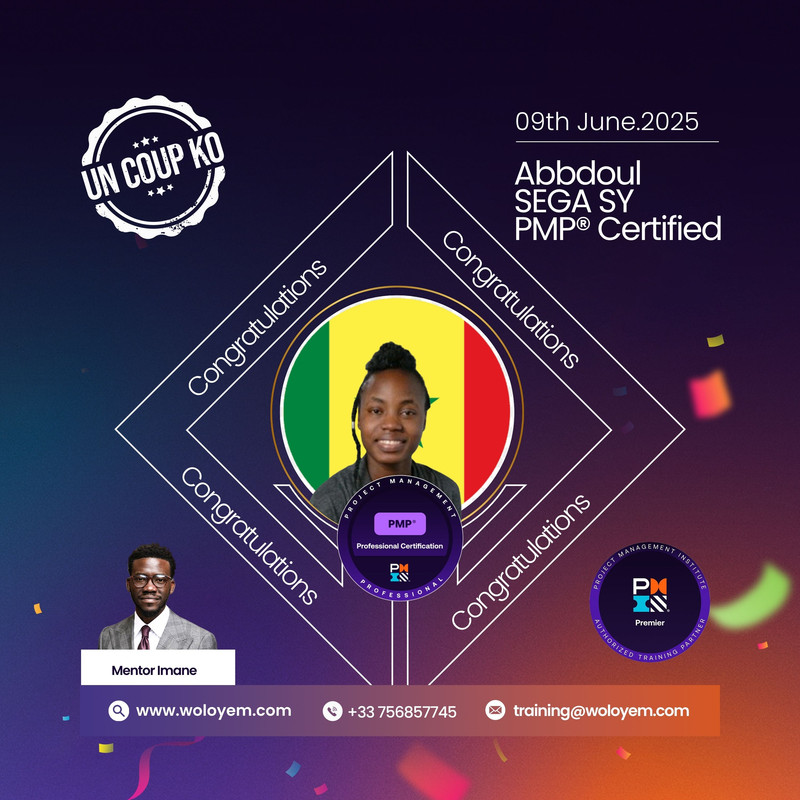
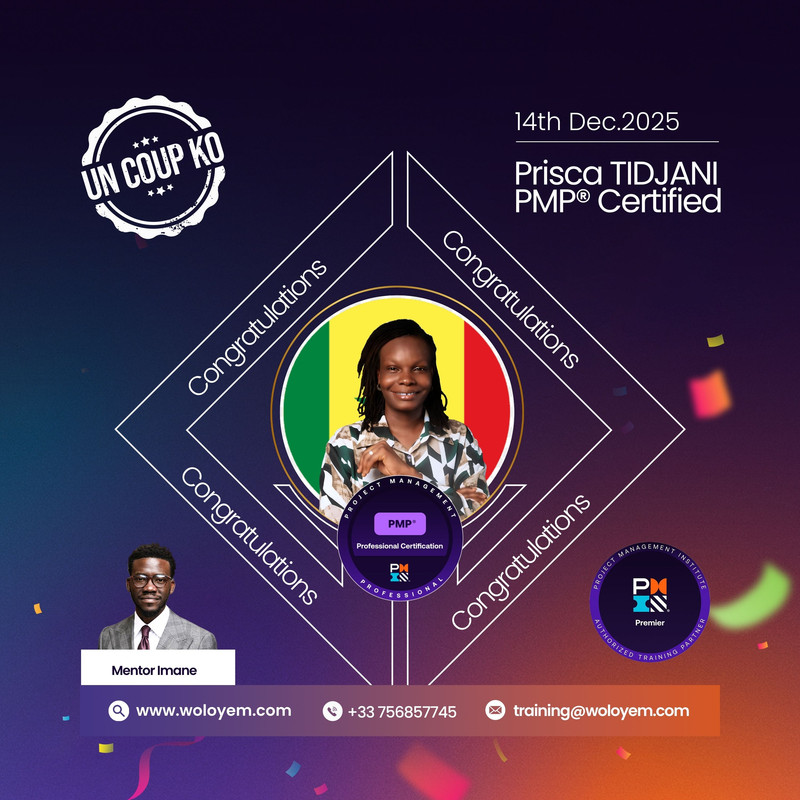
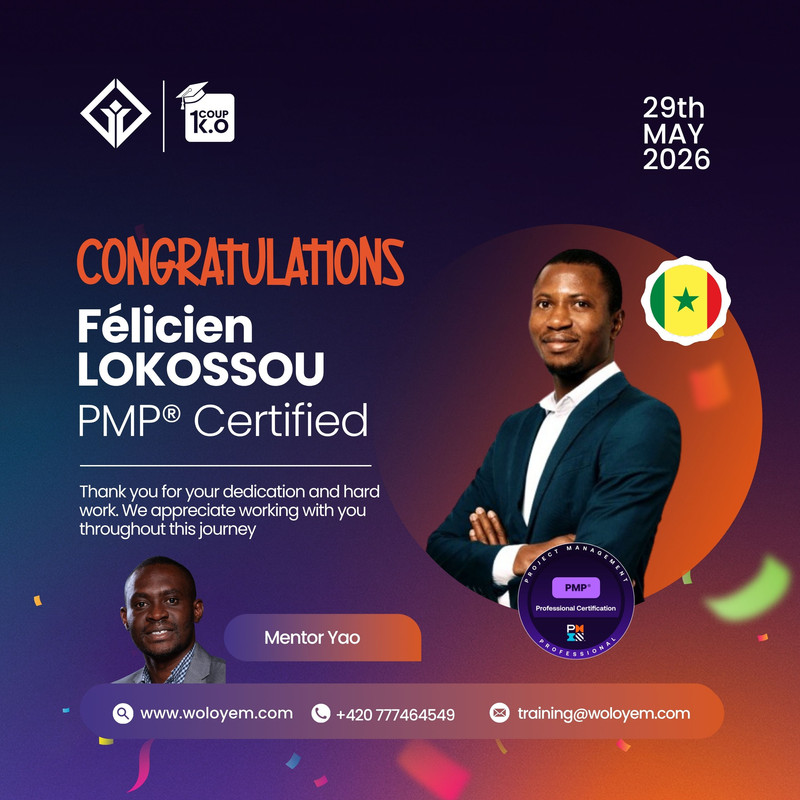
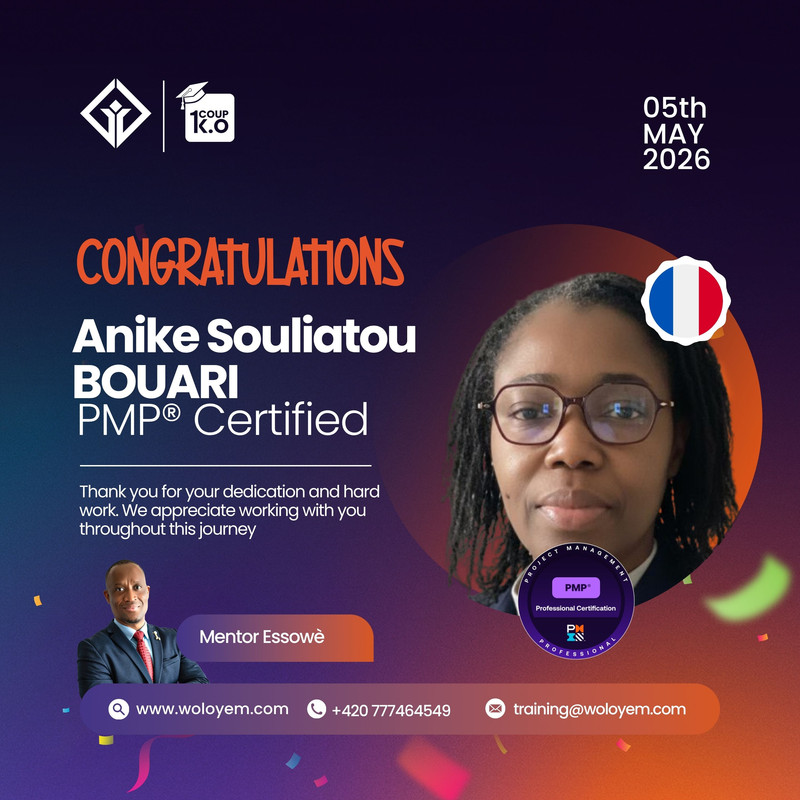
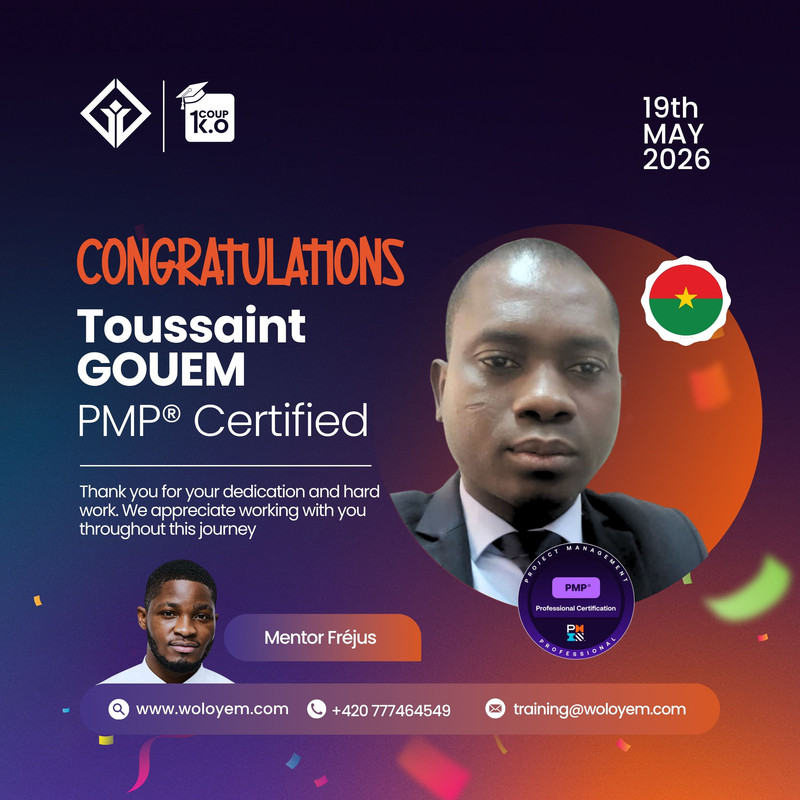
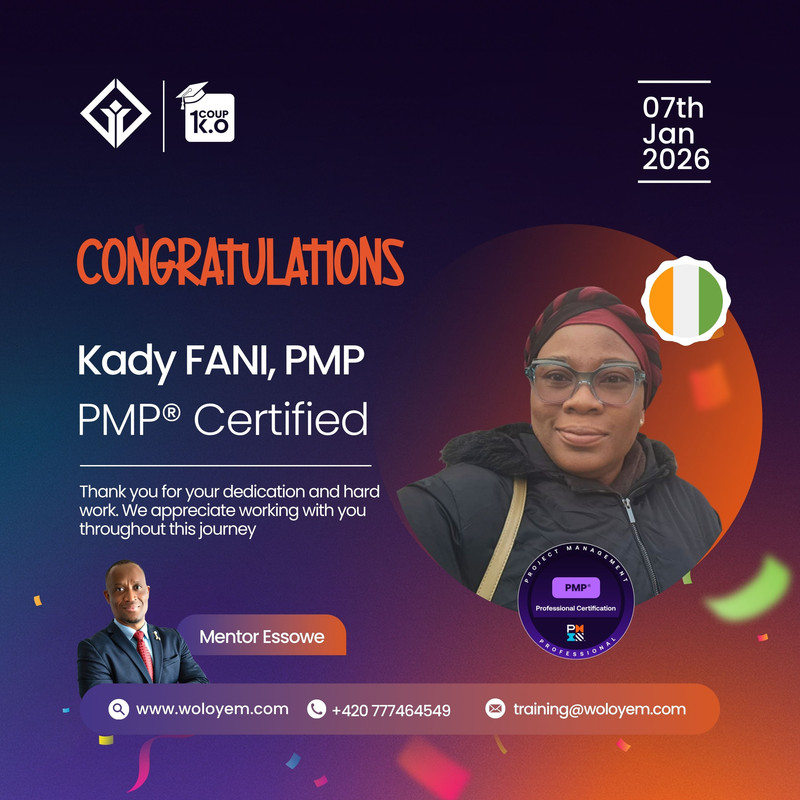
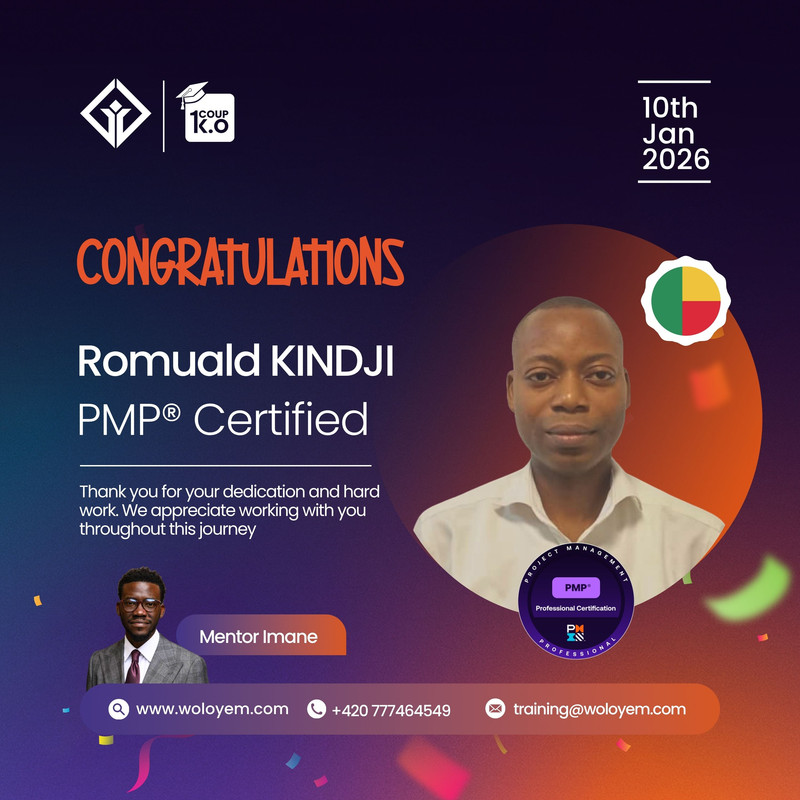
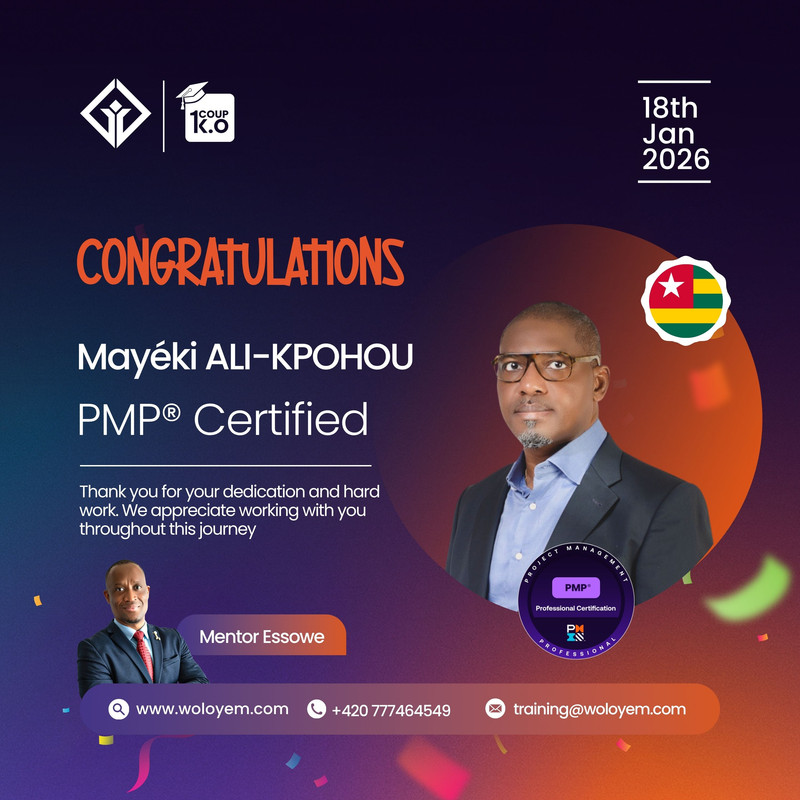
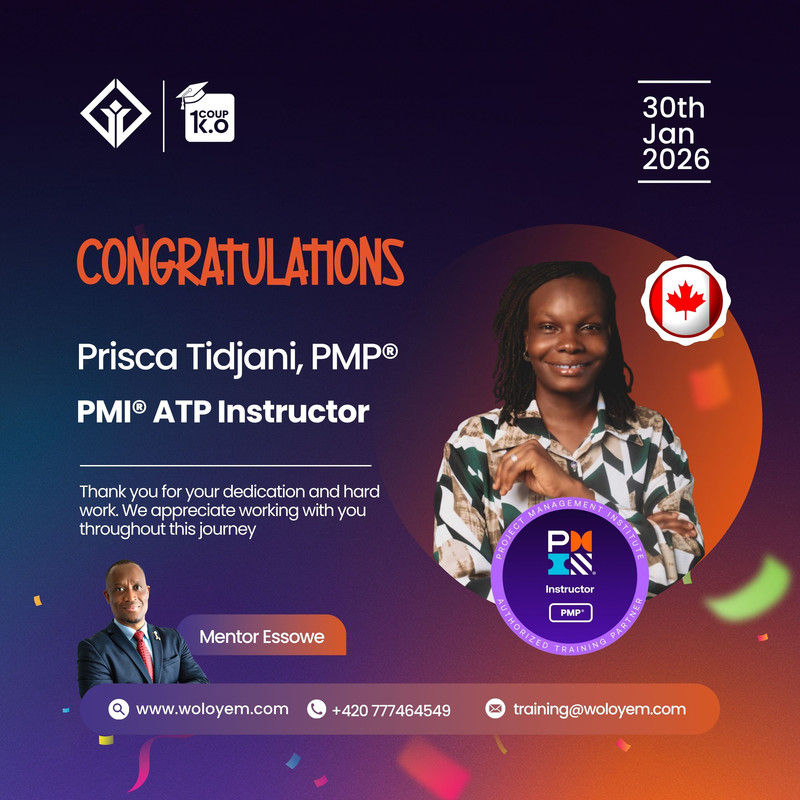
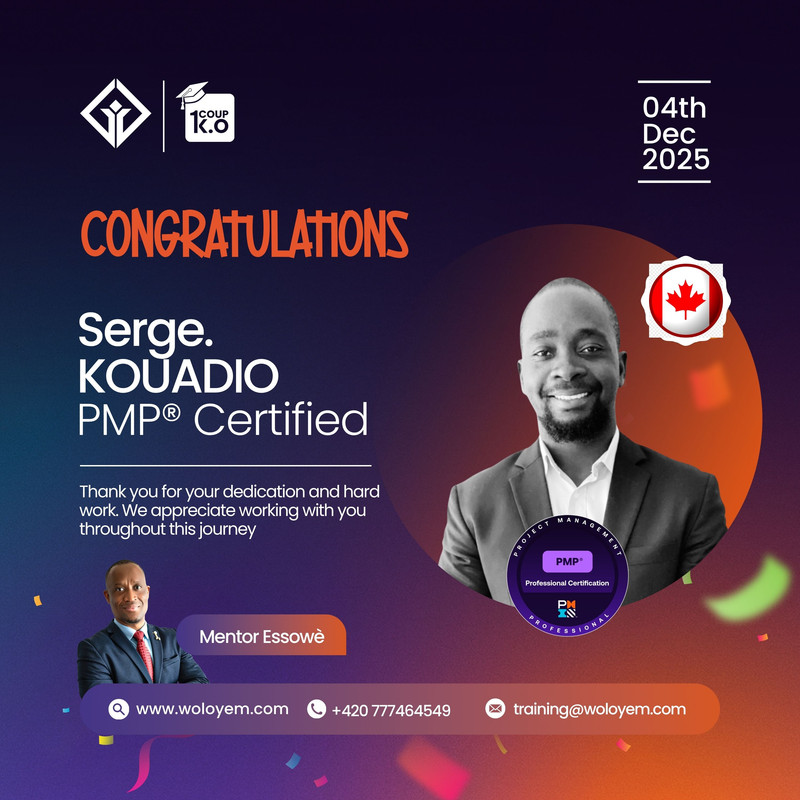
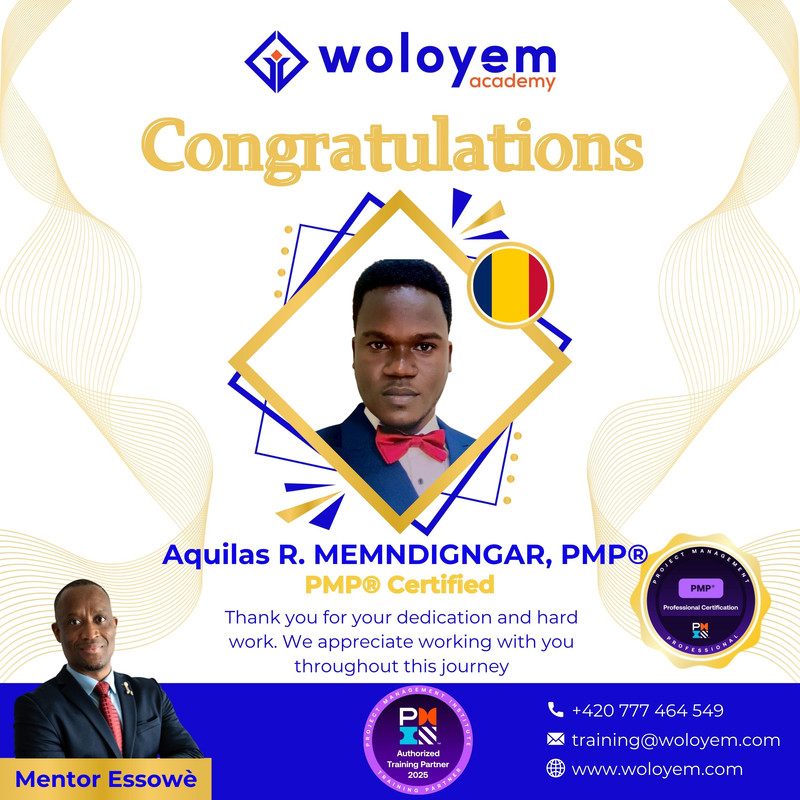
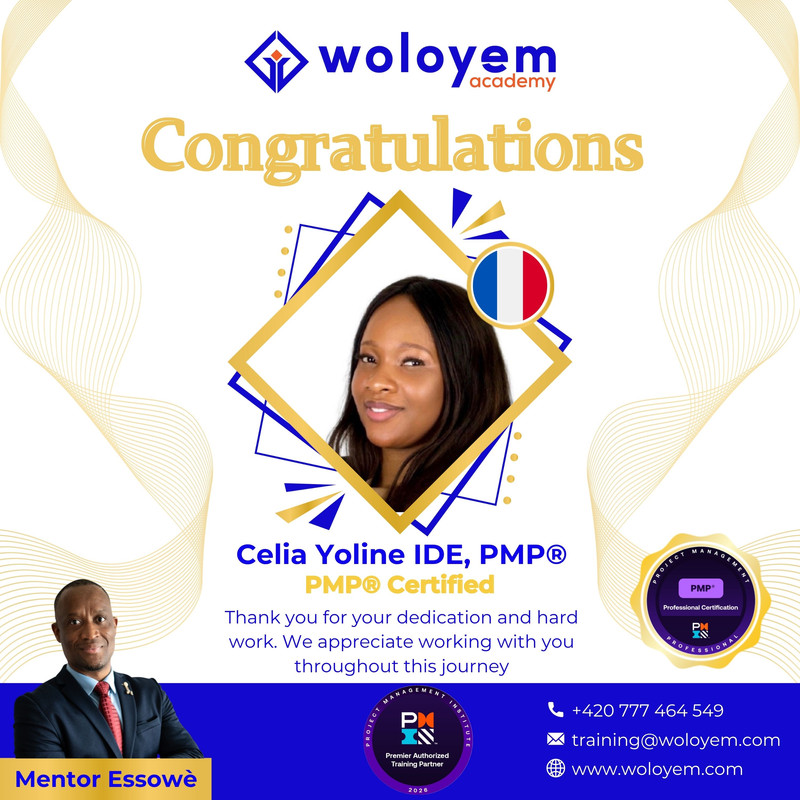
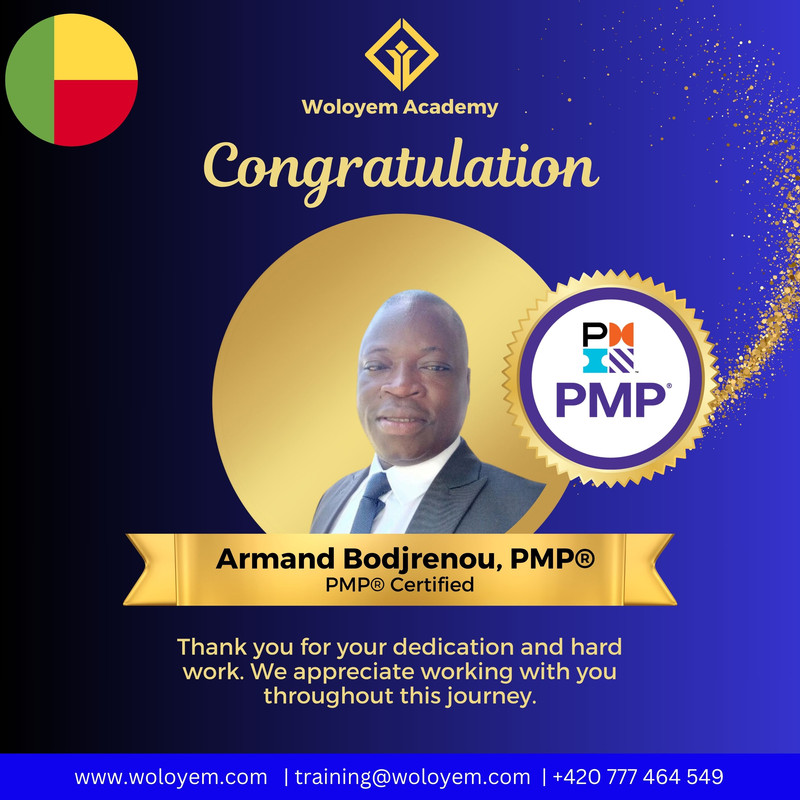
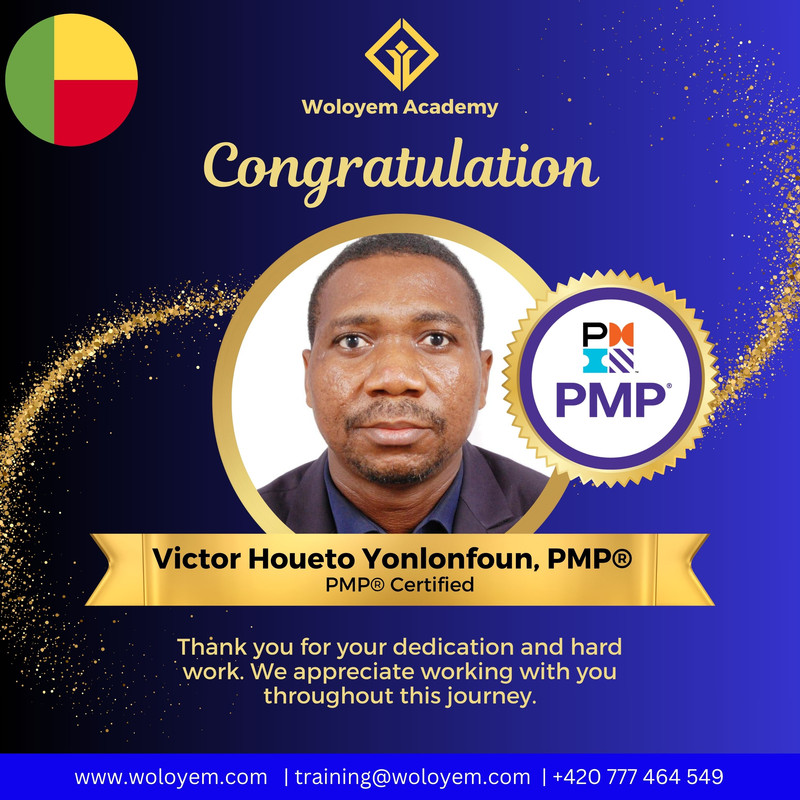
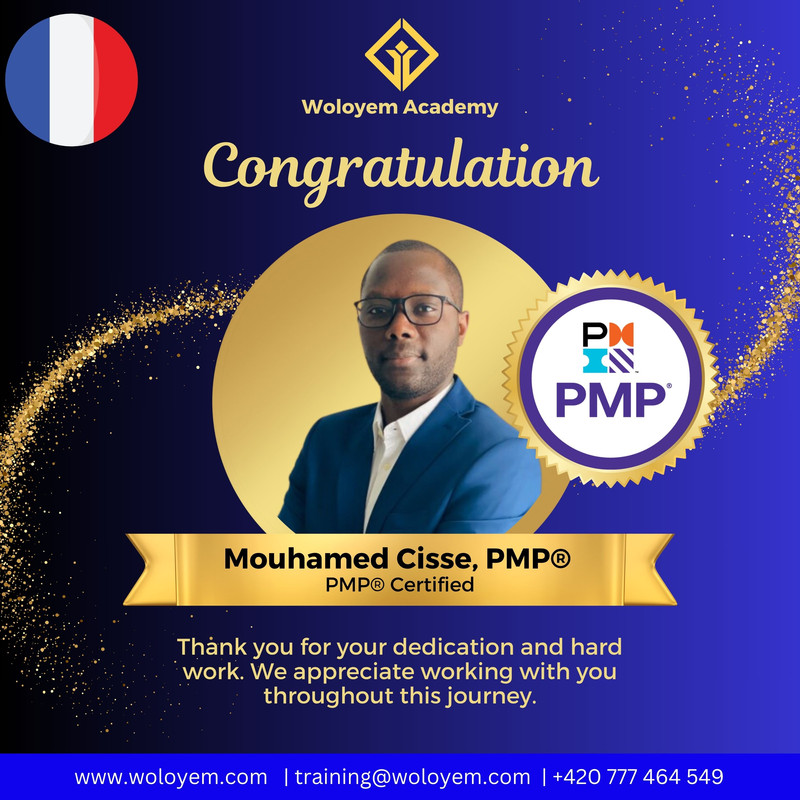
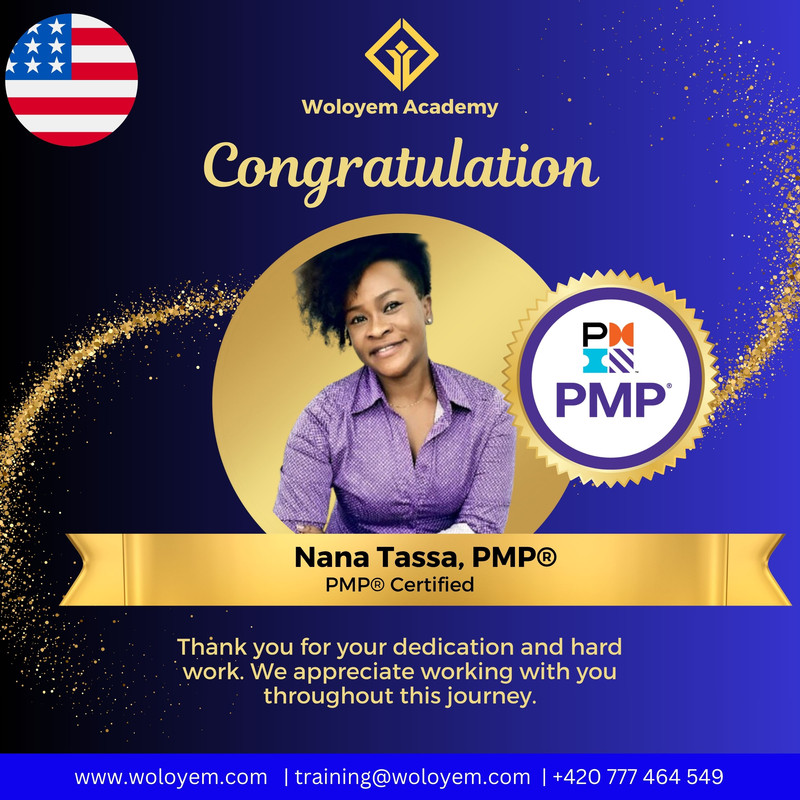
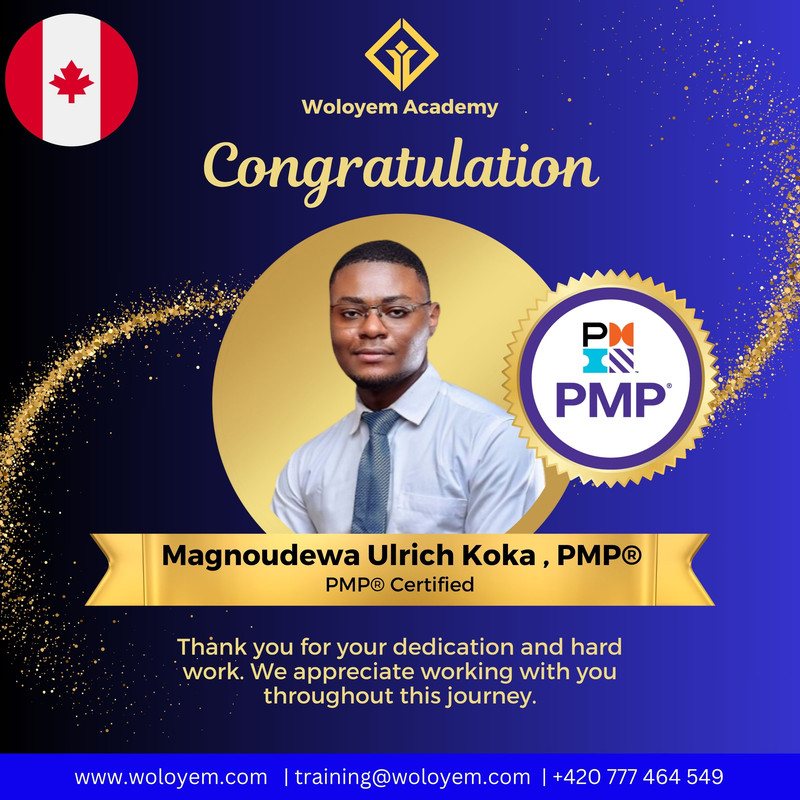
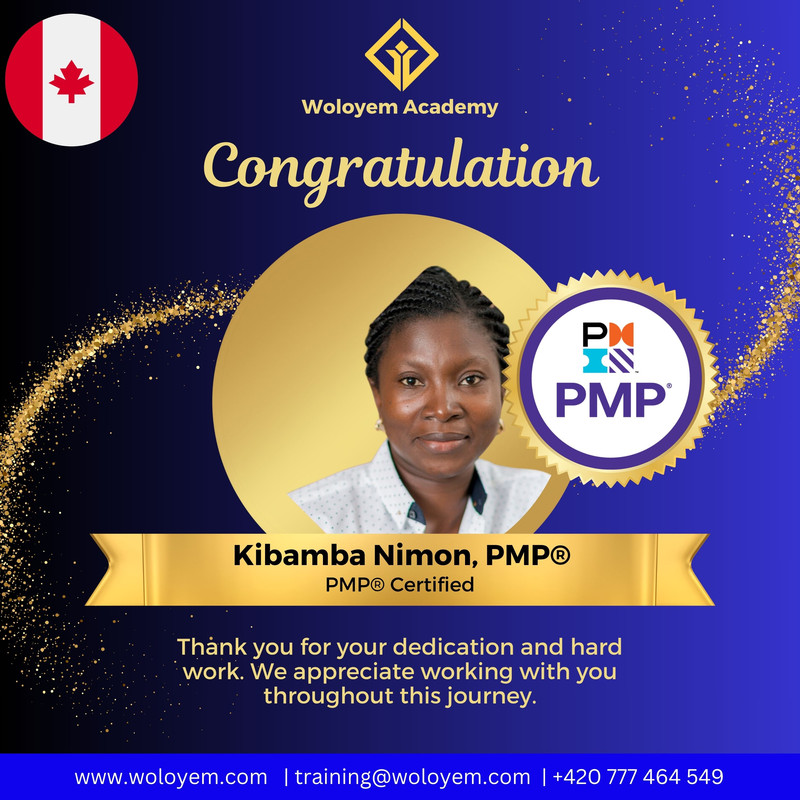
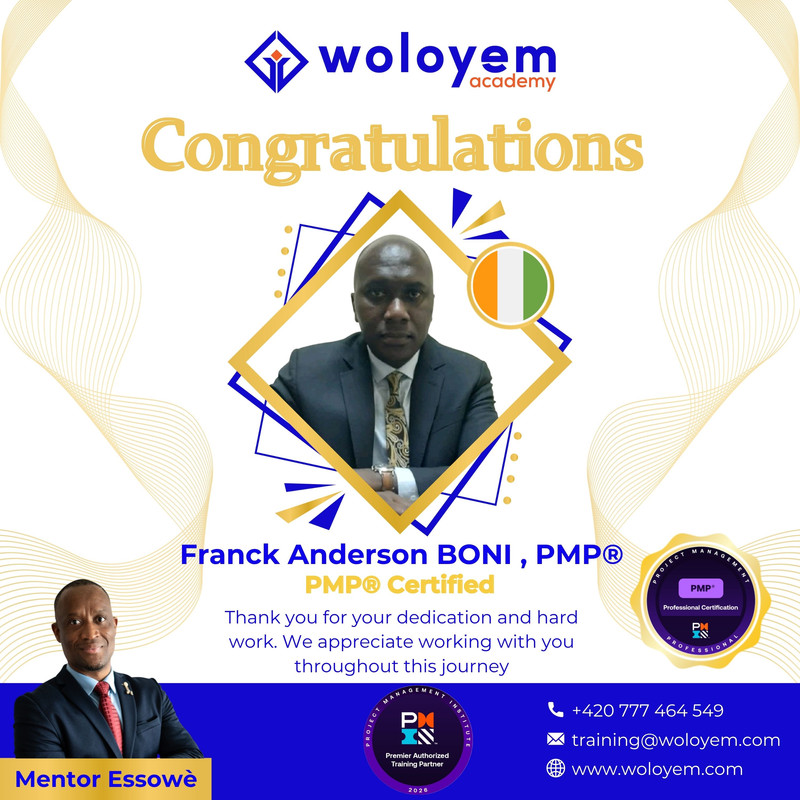
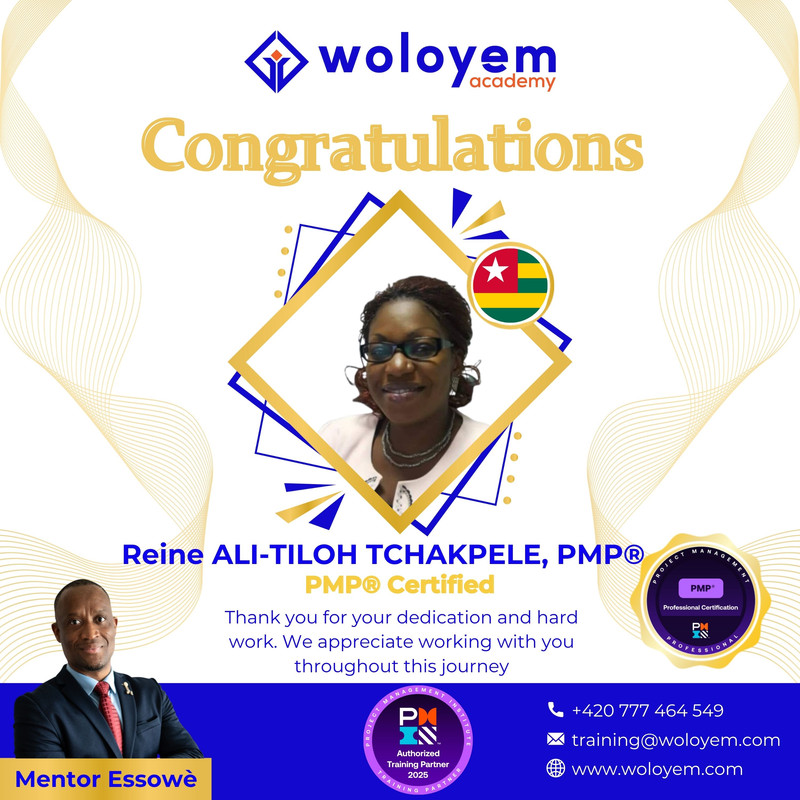
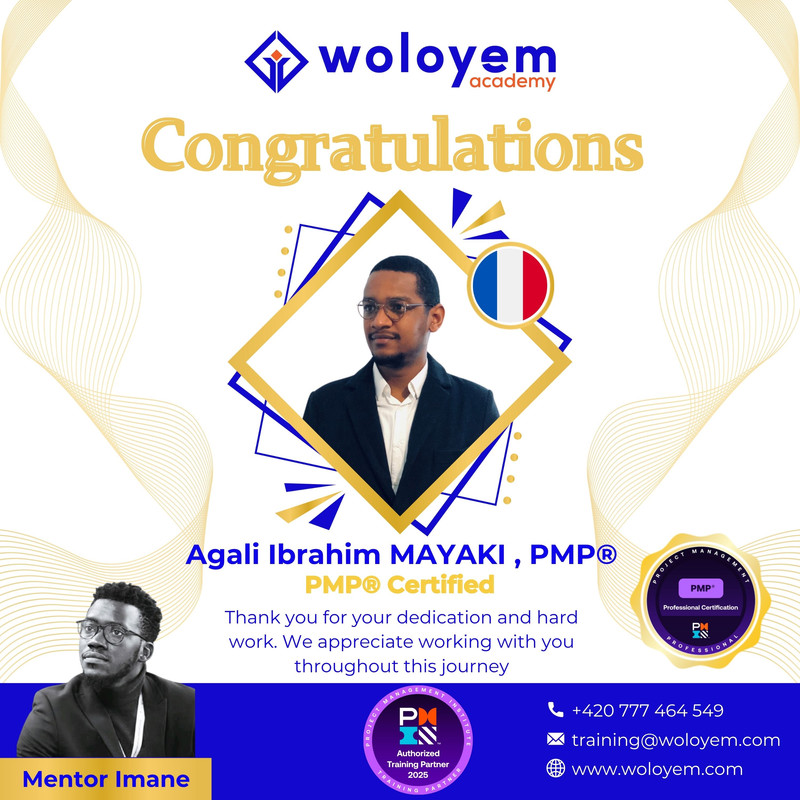
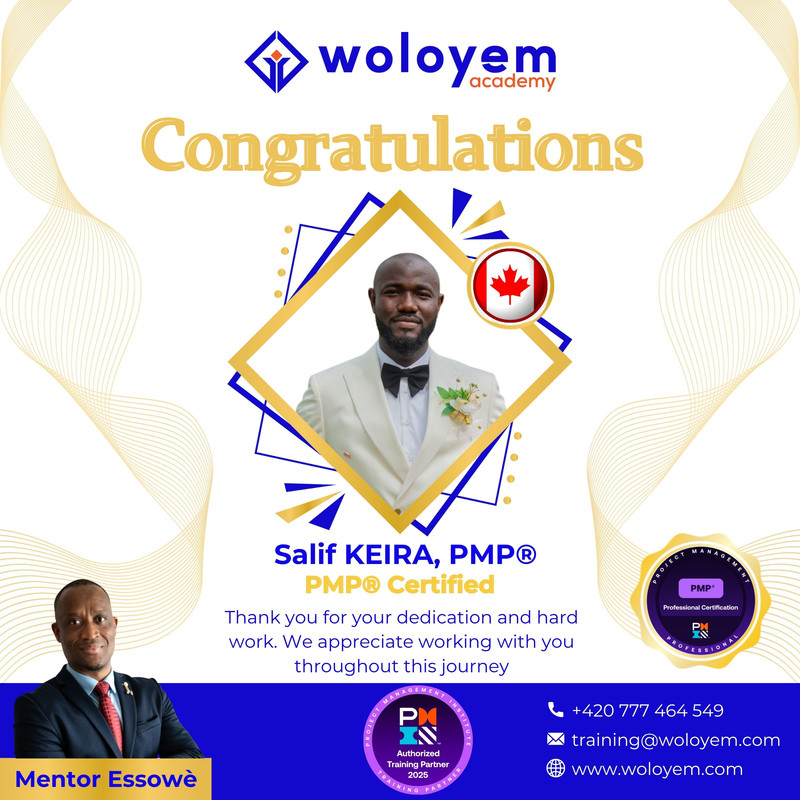
Our successes



























































































Latest news from our blog
Courses
PREPARE EFFECTIVELY
Open PMP® Bootcamp
Pass your PMP certification in the upcoming session
ENROLL NOW