Key Takeaways
Table of Contents
I. The Psychology of PMP Confidence: Why Experience Can Be a Barrier
Experience is a double-edged sword. While it provides context, it often creates "The Expert's Trap." Senior leaders with over a decade of experience frequently struggle because they answer based on what they would do in their specific company culture rather than what the PMI framework dictates. This cognitive friction erodes your confidence to pass pmp exam requirements because the answers that seem right in the boardroom are often wrong in the exam room. You must separate your professional history from the theoretical perfection the exam demands.
Deciphering situational questions requires high Emotional Intelligence (EQ). You aren't just managing tasks; you're managing stakeholder expectations and team dynamics under pressure. Understanding the Project Management Professional (PMP) certification standards means recognizing that the exam tests your ability to act as a servant leader, not a technical fixer. When you stop looking for the "fastest" answer and start looking for the "PMI-approved" answer, your scores will stabilize.
To better understand this concept, watch this helpful video:
A. Deconstructing the Expert's Bias
B. Emotional Resilience for the PMP Journey
II. The PMP Readiness Audit: A 4-Step Framework for Success
Confidence isn't a vague feeling you hope to find on exam morning. It's a measurable state of readiness derived from data. To move beyond the psychological barriers discussed earlier, you must subject your study progress to a rigorous four-step audit. This framework ensures that your performance is repeatable and that your logic aligns with the July 2026 standards.
A. Analyzing Your Mock Exam Data
Many candidates stop studying the moment they hit a single 80% on a practice test. I consider this a false positive. True confidence to pass pmp exam milestones comes from score stability. If your results fluctuate wildly between 65% and 80%, you haven't mastered the logic; you're likely just getting lucky with the question mix. You should aim for three consecutive scores above 75% on full-length simulations before scheduling your date. I recommend using our free PMP questions to validate your current standing and identify specific knowledge gaps.
Pay close attention to the Business Environment domain. In the July 2026 update, this domain's weighting increased significantly to 26% of the exam content. Most generic study materials still treat this as a minor 8% footnote. This is a dangerous blind spot. You must verify that you understand how projects align with organizational strategy and deliver actual business value, not just technical outputs.
B. The Qualitative Readiness Check
Mastery requires more than just picking the right multiple-choice answer. I use the "Teaching Test" as a final qualitative benchmark. If you can't explain the purpose of a Work Breakdown Structure (WBS) or the nuances of a RACI matrix to a non-expert, you don't own the material yet. Readiness is the consistent application of Agile and Waterfall hybrid logic across all 180 questions. In the People domain, you'll specifically need to recognize the "Servant Leadership" pattern, where the project manager's role is to facilitate and empower rather than command and control. This philosophy of behavioral guidance is essential in many professional fields; for instance, you can learn more about I Wuff You Dog Training to see how these principles are applied in expert canine behavior consulting.
Finally, you must pass the stamina test. The updated exam format requires you to stay focused for 240 minutes. It's a mental endurance race as much as a knowledge test. Many professionals ask if the PMP certification worth it, and the answer lies in the career authority it grants those who can survive this rigorous process. If you're finding it difficult to bridge the gap between your scores and these benchmarks, our Project Management Techniques training provides the structured oversight needed to finalize your preparation.
III. Bridging the Gap: Aligning Experience with the PMI ECO Mindset
Bridging the gap between your resume and the PMI mindset is the final hurdle in gaining the confidence to pass pmp exam requirements. Most candidates assume their years in the field will carry them through; however, the Exam Content Outline (ECO) requires you to translate that experience into 35 specific tasks. You've got to stop thinking like a "Project Coordinator" who follows orders and start thinking like a strategic leader. This means you're responsible for delivering business value regardless of whether the environment is predictive, agile, or hybrid.
If your background is strictly Waterfall, you'll need to master the iterative nature of Agile ceremonies and backlog grooming. If you're from a tech startup, you'll need to respect the formal rigors of risk registers and procurement logs. This alignment is where many fail, but it's where the Woloyem approach excels. We focus on teaching you the "why" behind the methodology so you can switch between frameworks without losing your strategic footing.
A. Mastering the People Domain (33% of the Exam)
In the 2026 exam update, the People domain remains a core pillar. Conflict management is a prime example of where experience can fail you. In a real office, you might escalate a dispute to a sponsor. On the exam, that's almost always the wrong answer. You should prioritize the "Collaborate/Problem Solve" option. This reflects the shift toward servant leadership, where you empower the team to find solutions. I've found that candidates who integrate our Leadership Techniques training identify these patterns much faster because they've practiced these soft skills in high-stakes environments.
B. Section-by-Section Time Tactics
I recommend the 75-75-80 time management rule for the three exam blocks. You should spend 75 minutes on the first 60 questions, 75 on the second block, and 80 on the final stretch. This leaves you a 10-minute buffer for final reviews or difficult calculations. Don't fall into the "Slow Start" trap where you over-analyze the first few questions. If a scenario takes longer than 60 seconds to decode, flag it and move on. Maintaining momentum is critical. As fatigue sets in during the final 60 questions, use the Pearson VUE "Strike-through" and "Highlight" tools to isolate the core problem and ignore distractor data.
C. Stress Reduction and Cognitive Clarity
Take both 10-minute breaks. This is a non-negotiable part of your strategy. Use this time for physical movement and light cognitive fueling. A quick walk and a protein-rich snack prevent the blood sugar crashes that lead to errors in the final hour. If you want to practice these tactics in a high-fidelity simulated environment, join our PMP training program to master exam-day execution and secure your certification on the first attempt.
IV. Beyond the Certification: Leveraging PMP Success for Career Growth
Your journey doesn't end when the proctor confirms your "Pass" status. That moment is actually the launchpad for a higher professional trajectory. While your immediate focus was gaining the confidence to pass pmp exam requirements, the long-term objective is transforming those credentials into measurable business results. You're no longer just a practitioner; you're a strategic asset capable of driving organizational transformation.
I've seen too many professionals treat their certification as a trophy for the wall rather than a tool for the boardroom. To truly lead, you must apply the PMI standards to improve project ROI and risk reduction. This shift from "doing" project management to "leading" strategic initiatives is what separates high-performers from the rest of the market. You've mastered the logic; now you must master the execution.
A. Maximizing Your Market Value Post-Certification
In 2026, employability depends on your ability to navigate the complex Agile and Hybrid landscape that the new exam reflects. When you communicate your value to recruiters or senior management, don't just list your certification. Instead, explain how your mastery of the Business Environment domain allows you to align project outcomes with organizational strategy. This approach significantly impacts your salary negotiations and opens doors to senior leadership roles. At Woloyem, we specialize in helping you bridge this gap through coaching that moves you toward Strategic Corporate Consulting and executive-level responsibility.
B. Continuous Professional Development
The PMP is a three-year commitment that requires 60 Professional Development Units (PDUs) for renewal. I recommend earning these through leadership workshops and speaking engagements that build your professional authority. Don't stop at one framework. To maintain a competitive edge, many of our successful candidates integrate ITIL5® Techniques or PRINCE2 into their toolkit. This multi-methodology approach ensures you have the right tool for every business challenge, regardless of the industry or project type.
Woloyem is your partner for the entire leadership journey, not just a temporary bootcamp. We provide the frameworks and techniques needed to sustain high performance throughout your career. If you're ready to stop guessing and start leading with authority, it's time to take the final step. Join our next PMP Masterclass and secure your success to ensure you walk into the exam room with total certainty and leave with a future-proof career.
V. Secure Your Professional Authority in 2026
Mastering the PMP exam is more than a certification milestone; it's a strategic shift in how you lead and deliver business value. By subjecting your preparation to a rigorous readiness audit and aligning your experience with the 2026 Exam Content Outline, you replace anxiety with measurable certainty. You've learned how to navigate the "Expert's Trap" and manage the 240-minute mental marathon with tactical precision. This level of preparation builds the genuine confidence to pass pmp exam requirements on your first attempt.
Don't leave your career growth to chance. At Woloyem, we provide expert-led bootcamps in both English and French that focus 100% on ECO alignment and real-world leadership application. We don't just help you pass; we help you transform into a high-performing leader who commands authority in any project environment. Secure your PMP success with Woloyem's Expert Training and take control of your professional future today. You've done the work; now it's time to claim your credentials.
VII. Frequently Asked Questions
How do I know if I have enough confidence to pass the PMP exam?
What is a safe mock exam score to ensure a first-time pass?
I recommend achieving a score of at least 75% on three consecutive full-length mock exams. A single high score can be a false positive caused by question familiarity or luck. Consistency across multiple simulations proves you understand the underlying patterns in the People, Process, and Business Environment domains. This statistical stability is the most reliable predictor of success in the 2026 testing environment.
Can I pass the PMP exam without 10 years of experience?
How many hours should I study to feel confident?
Is the PMP exam harder in 2026 than in previous years?
What happens if I lose my confidence during the actual exam?
Should I focus more on Agile or Waterfall to pass?
How does Woloyem's training differ from self-study for confidence building?
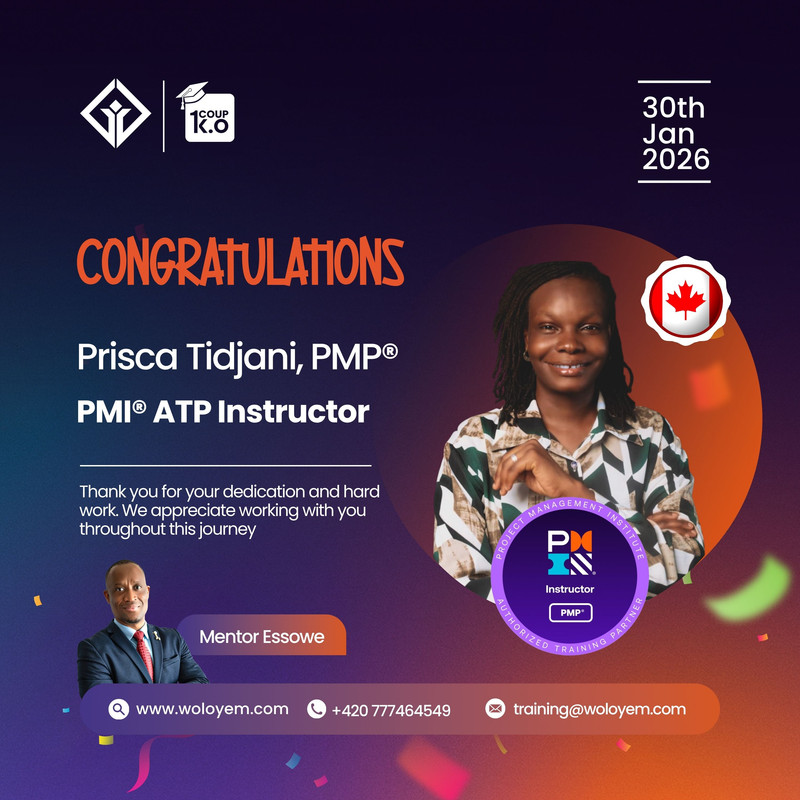
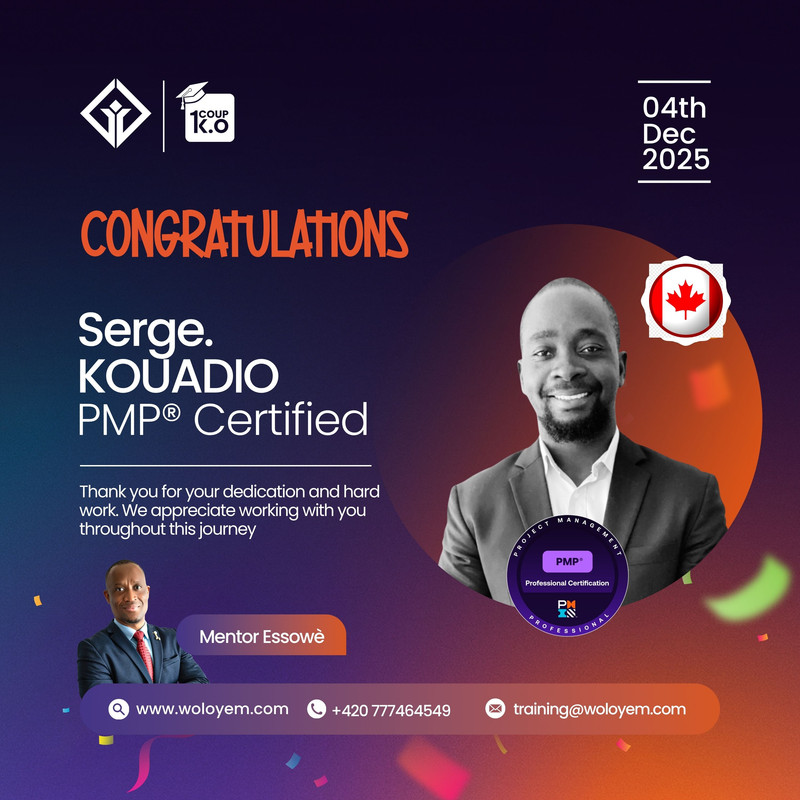
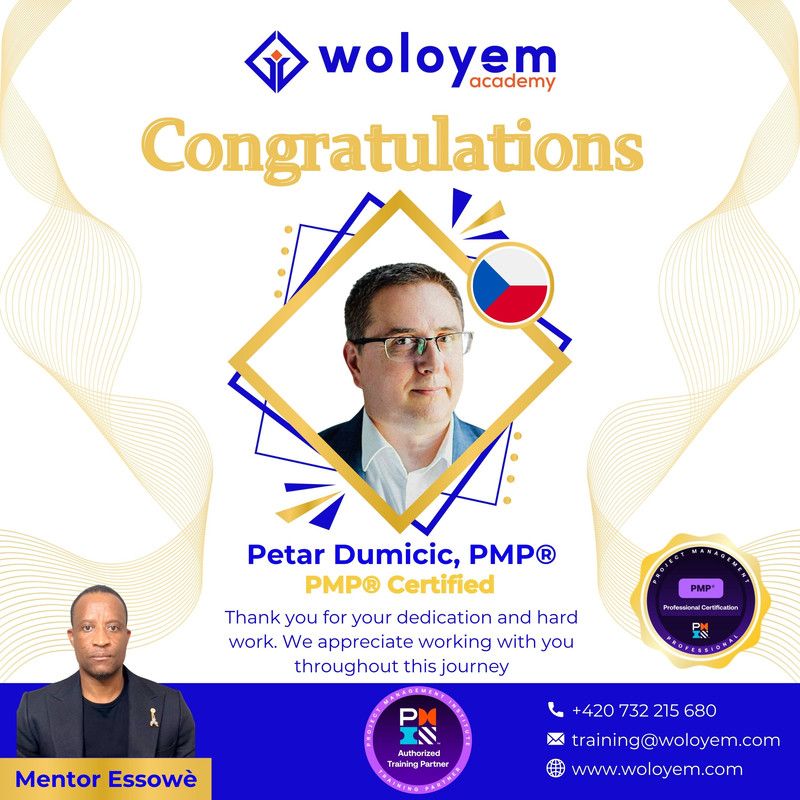
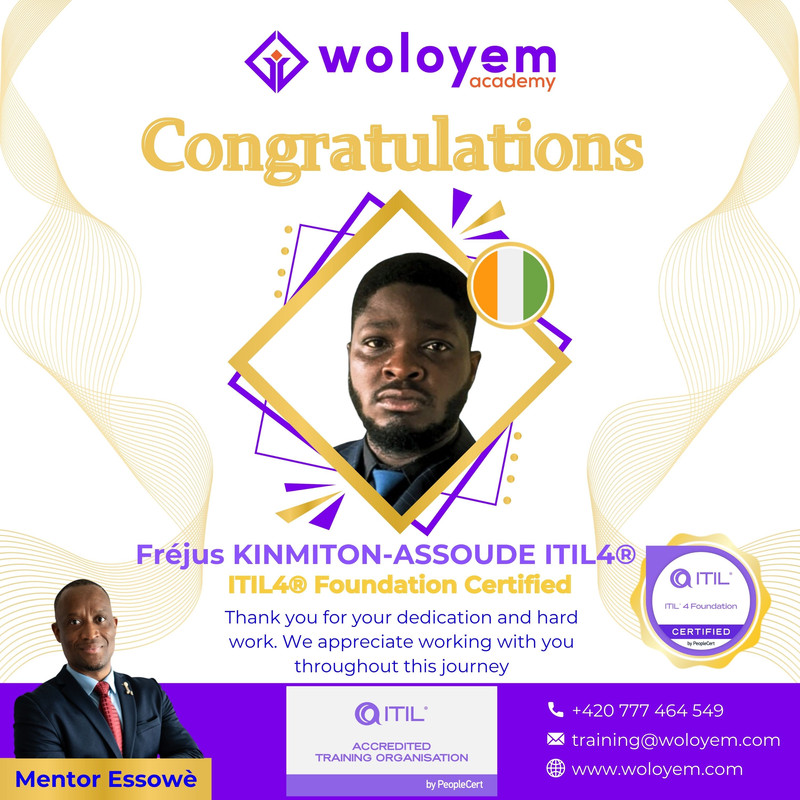
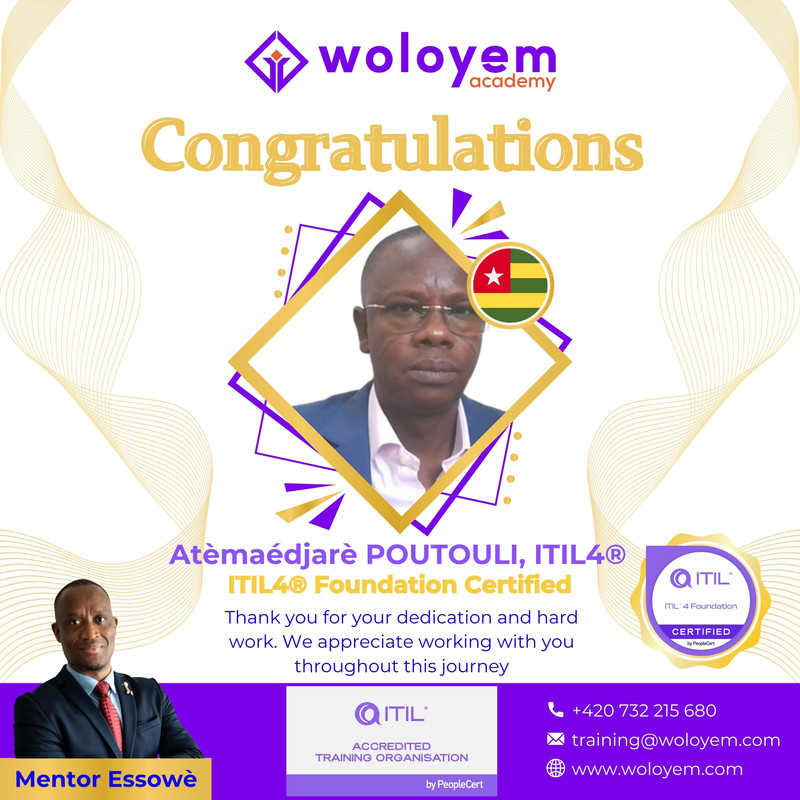
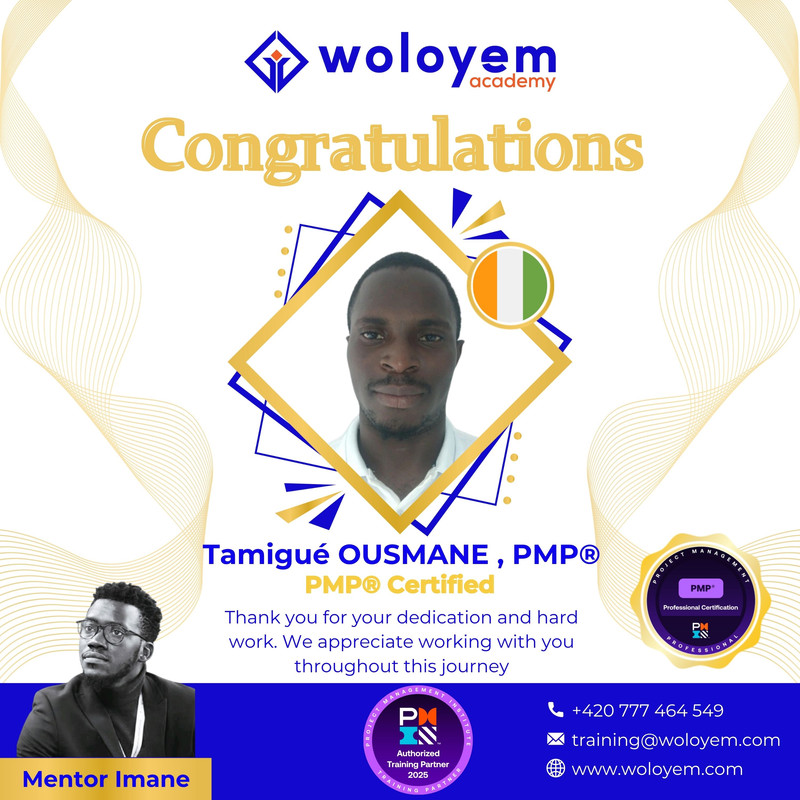
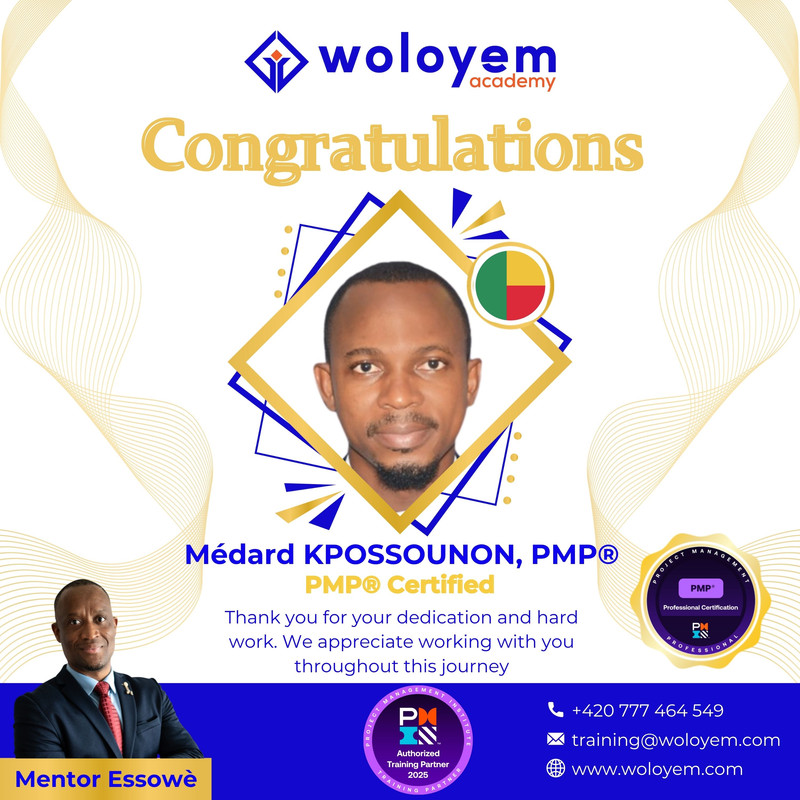
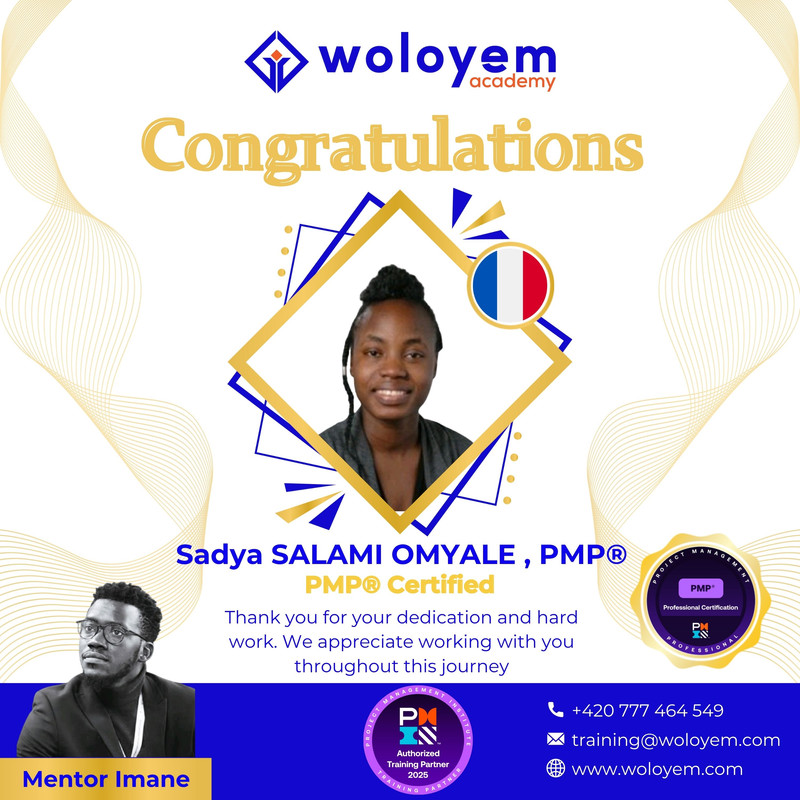
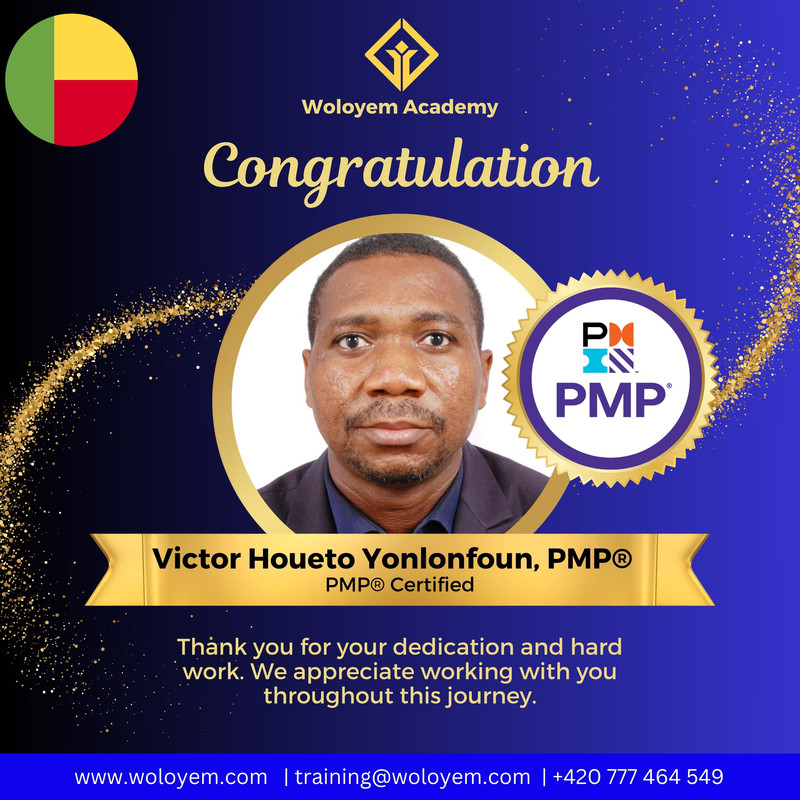
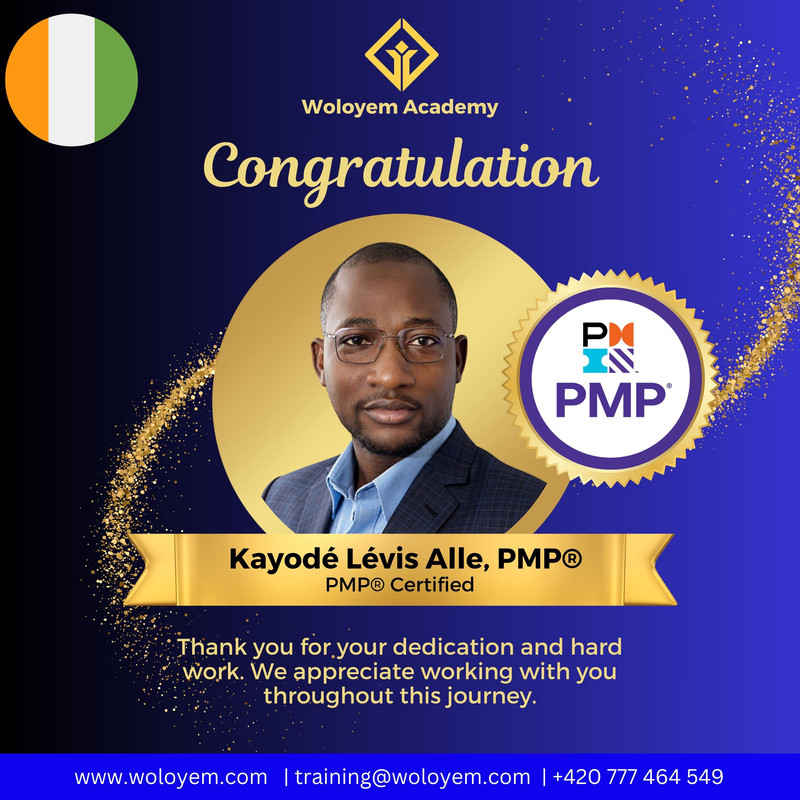
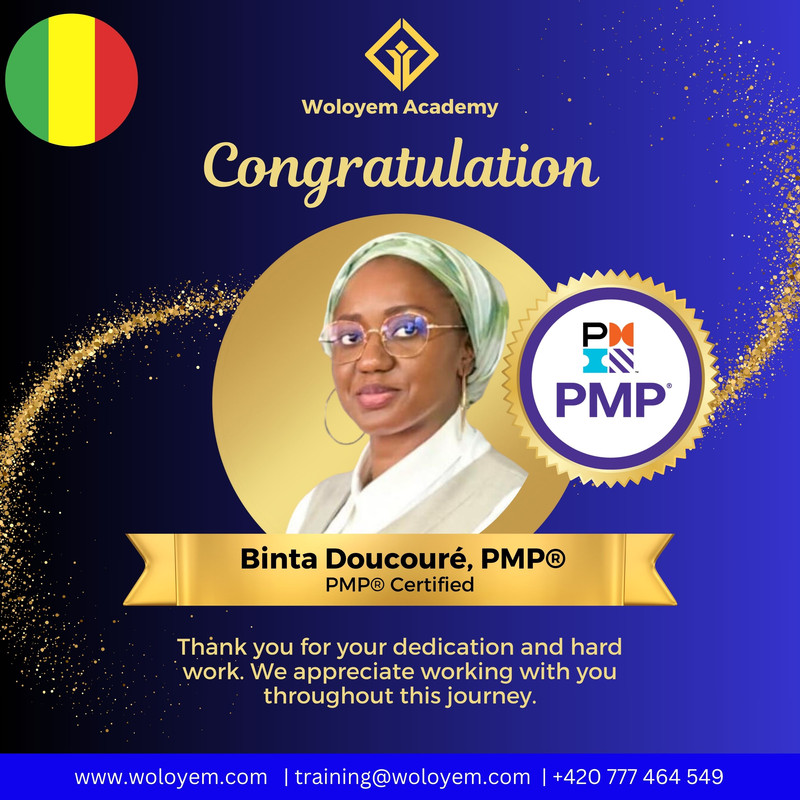
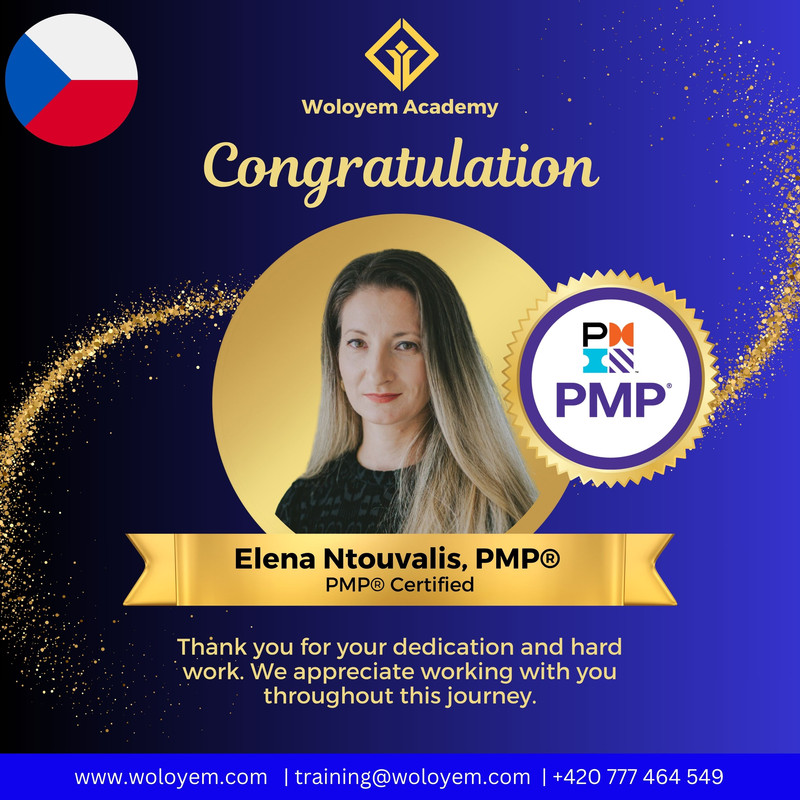
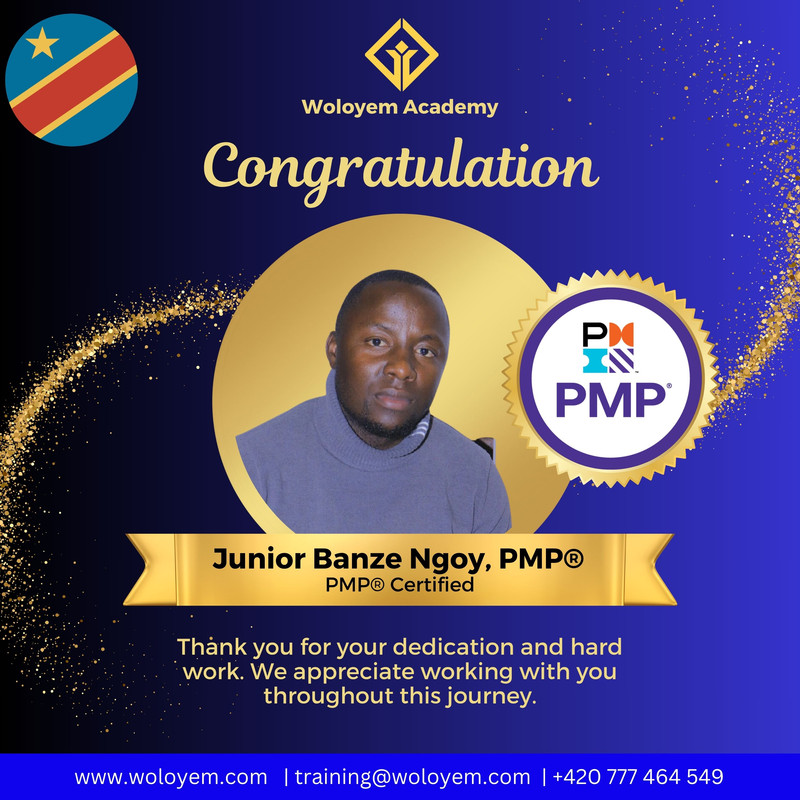
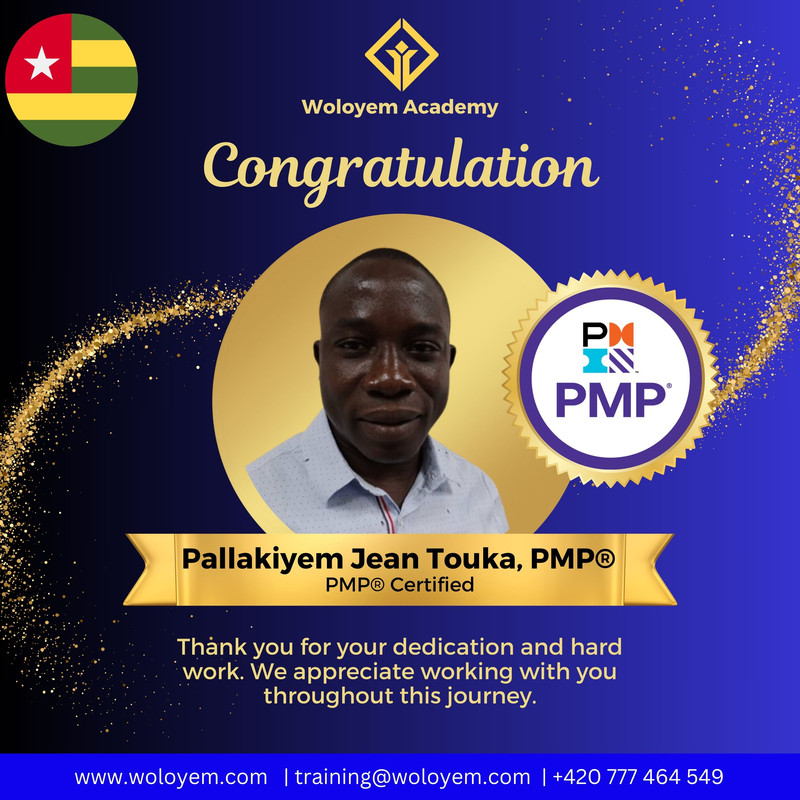
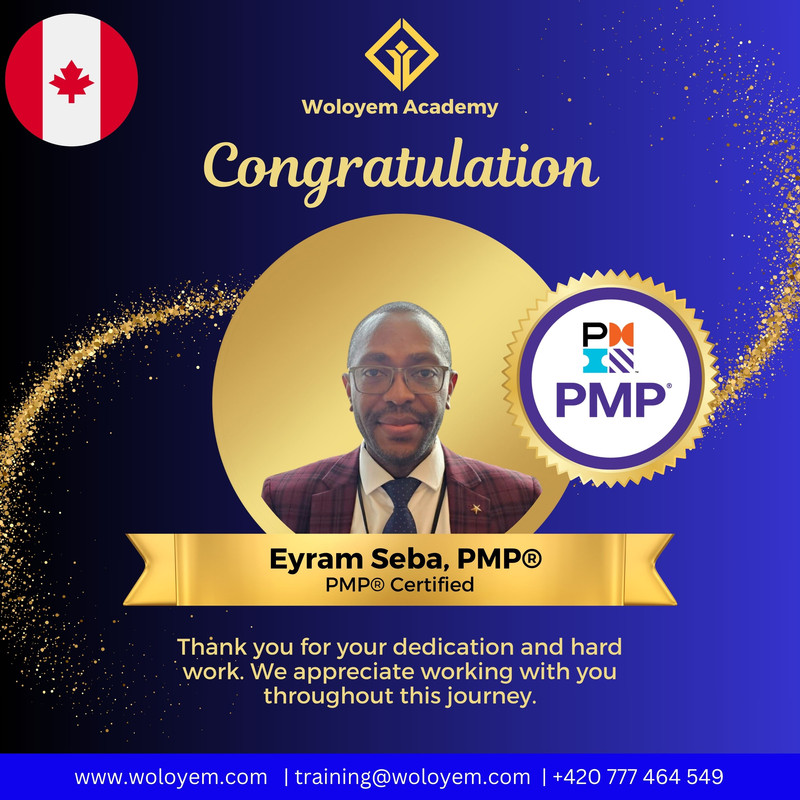
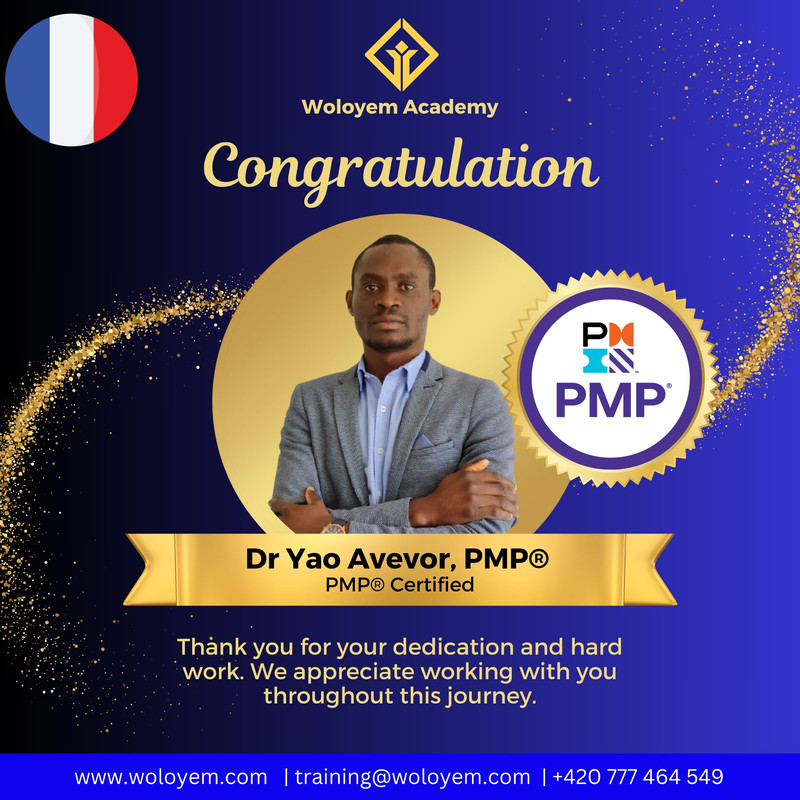
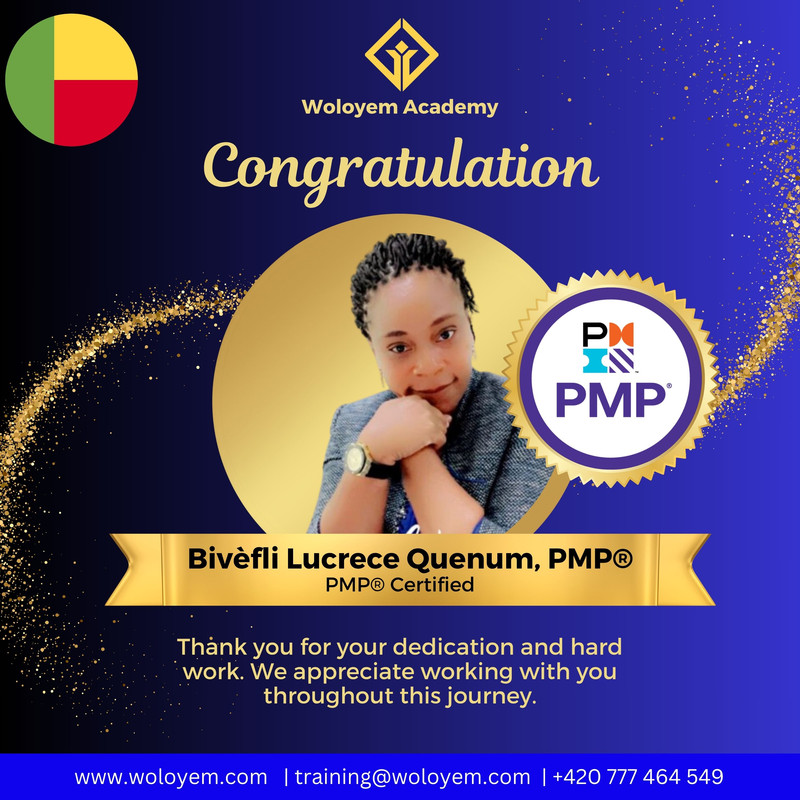
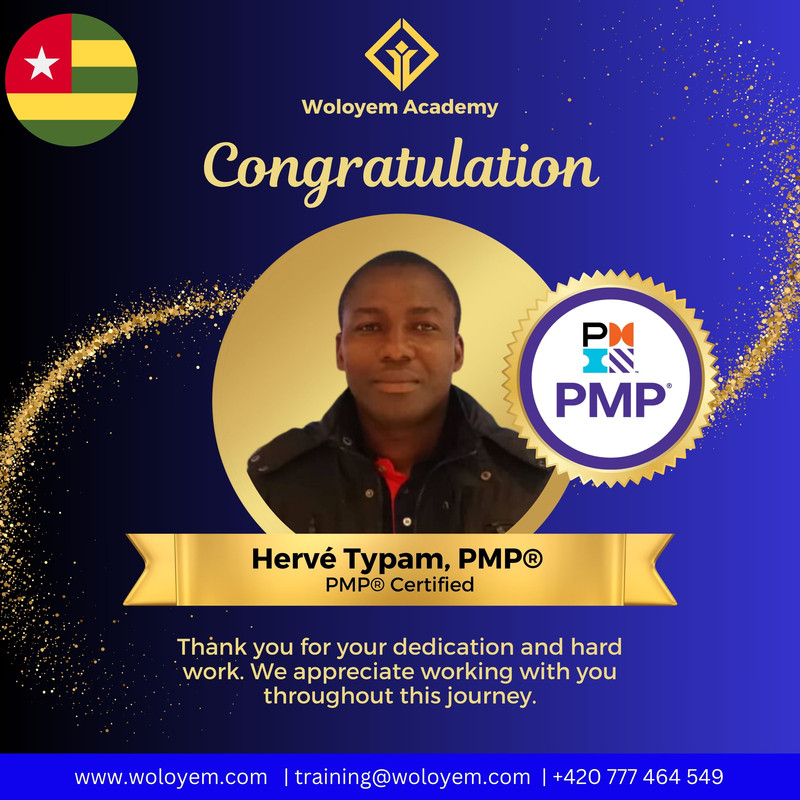
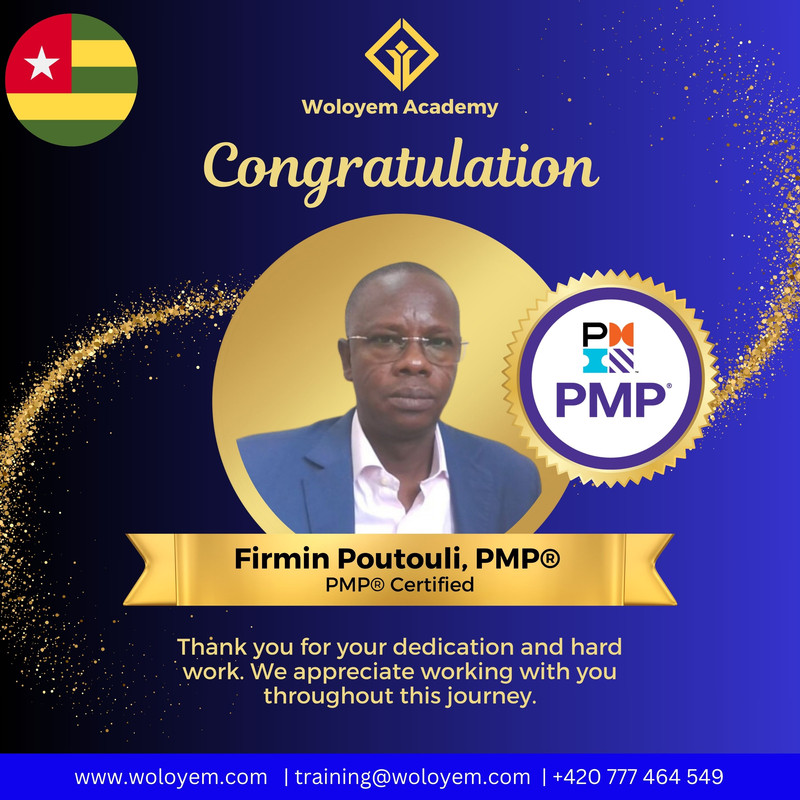
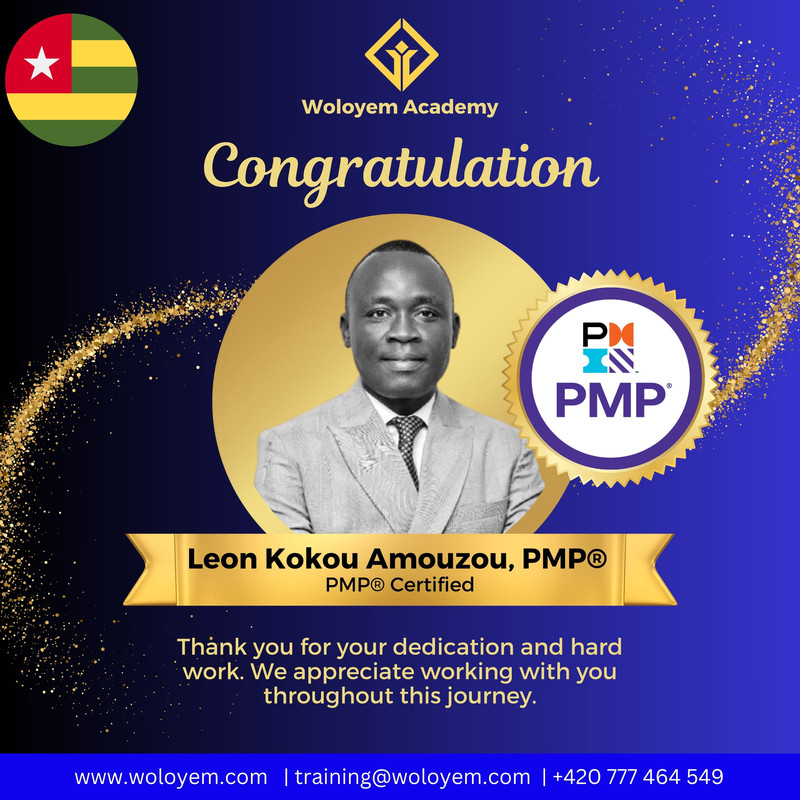
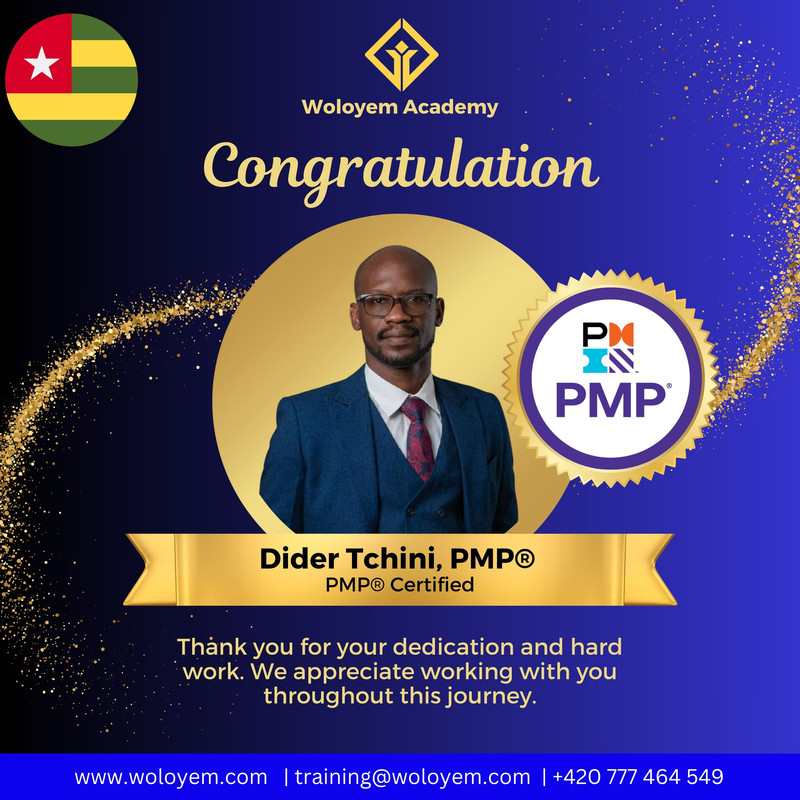
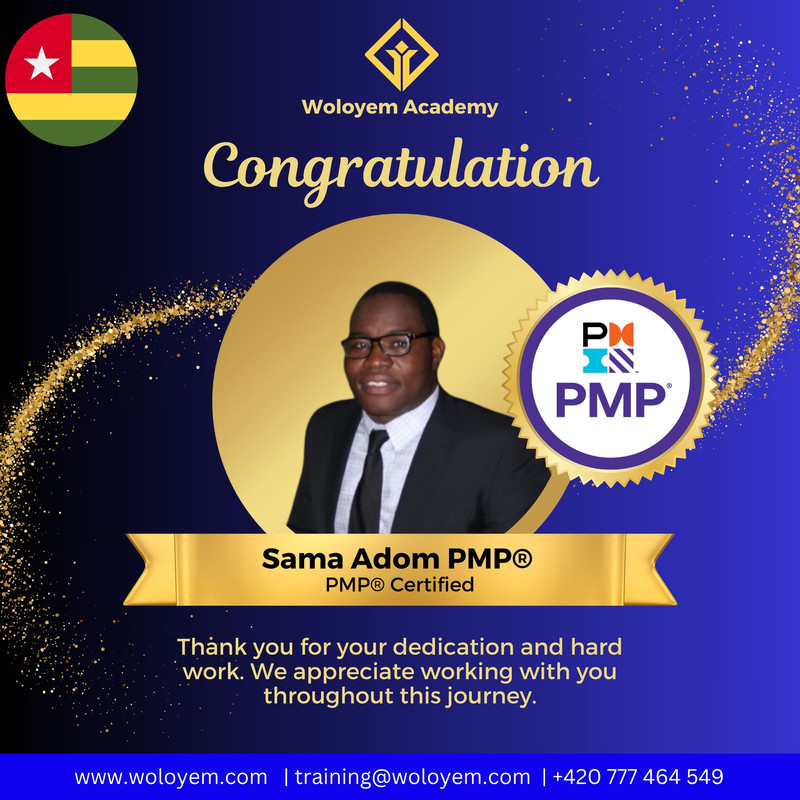
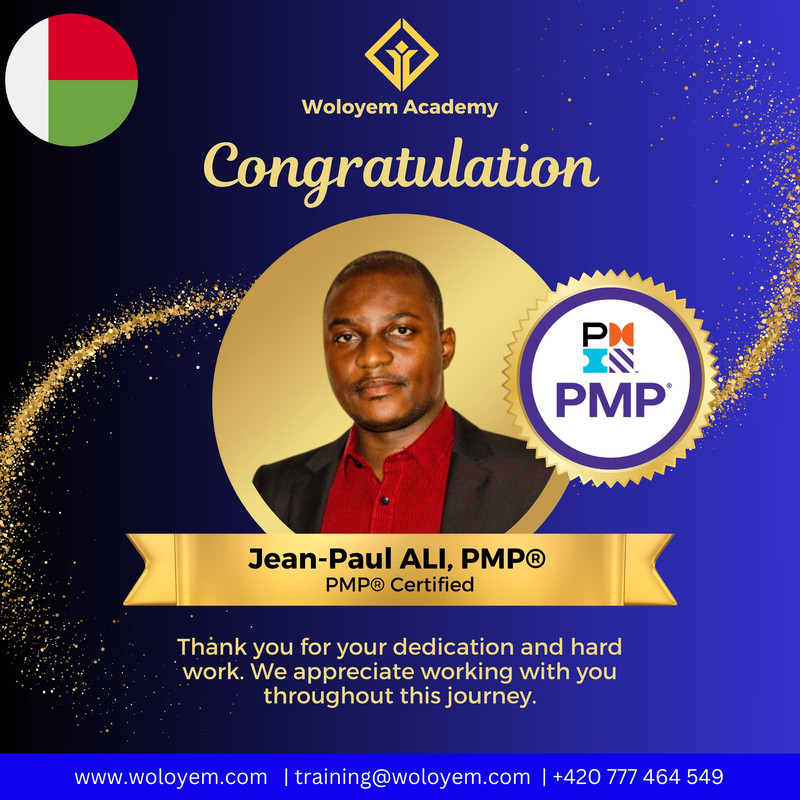
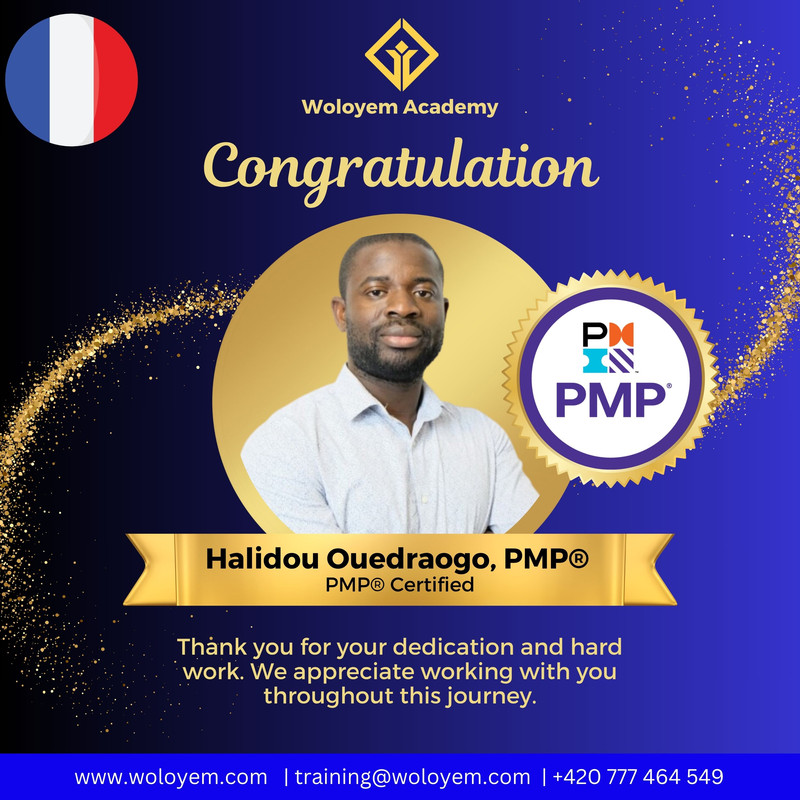
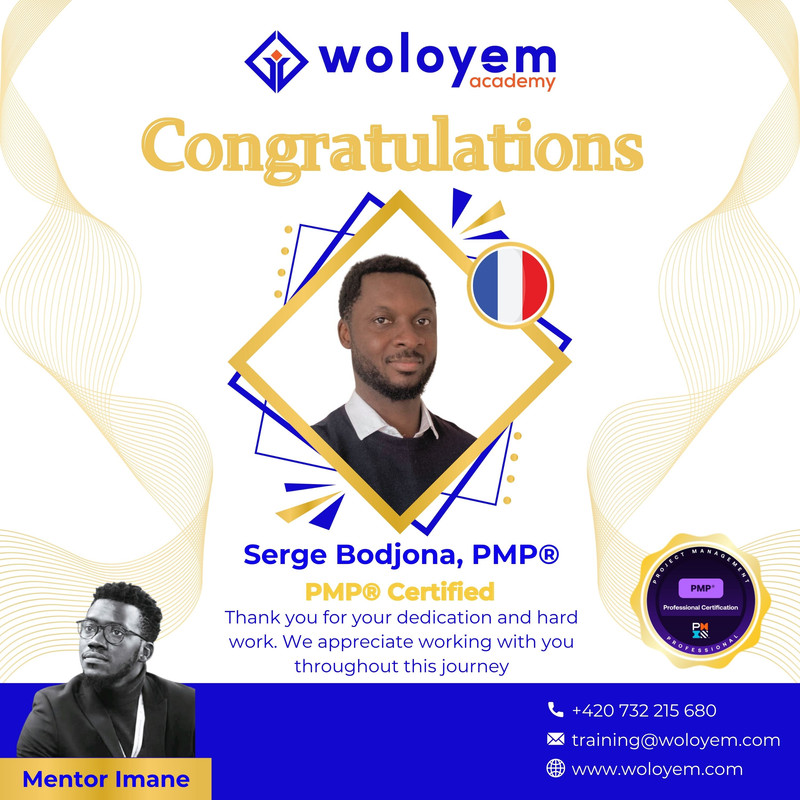
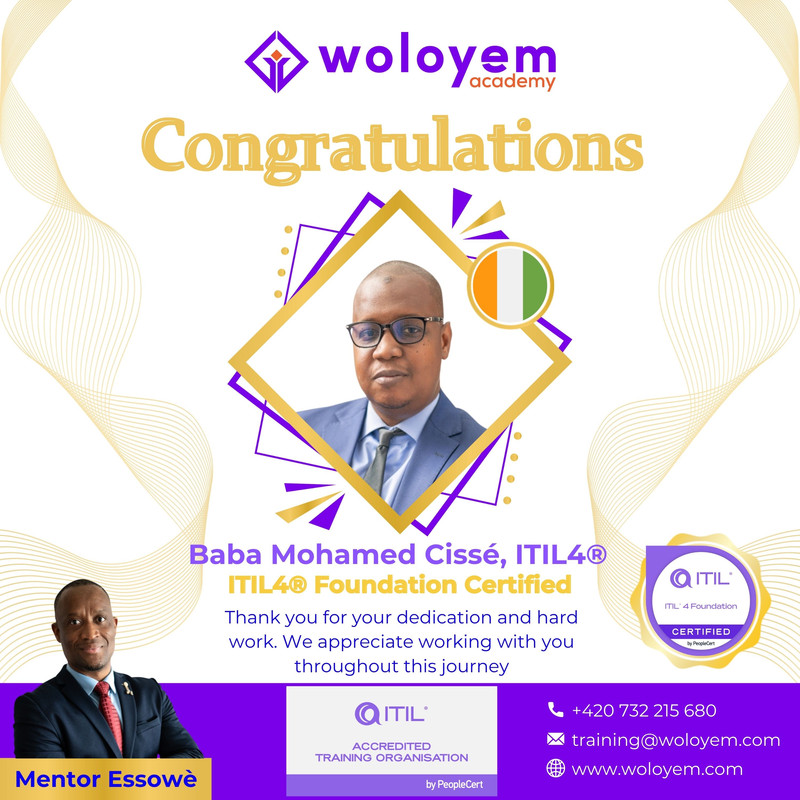
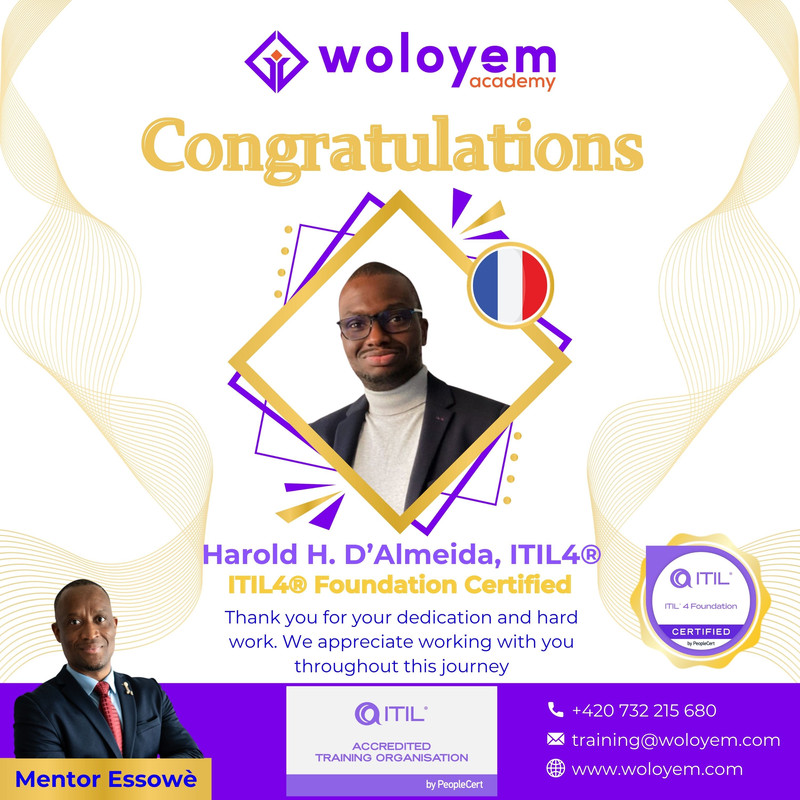
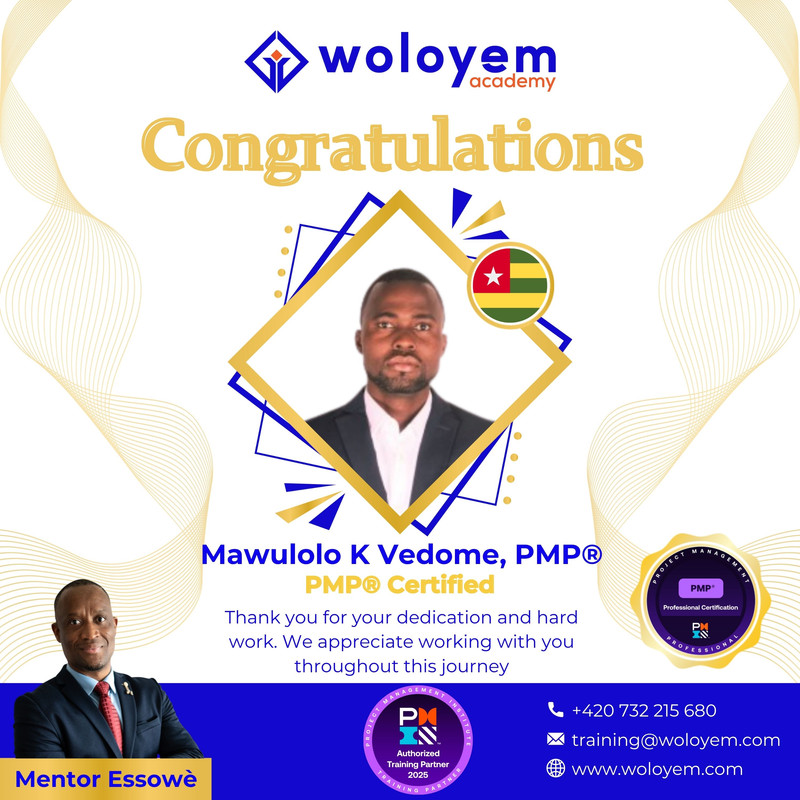
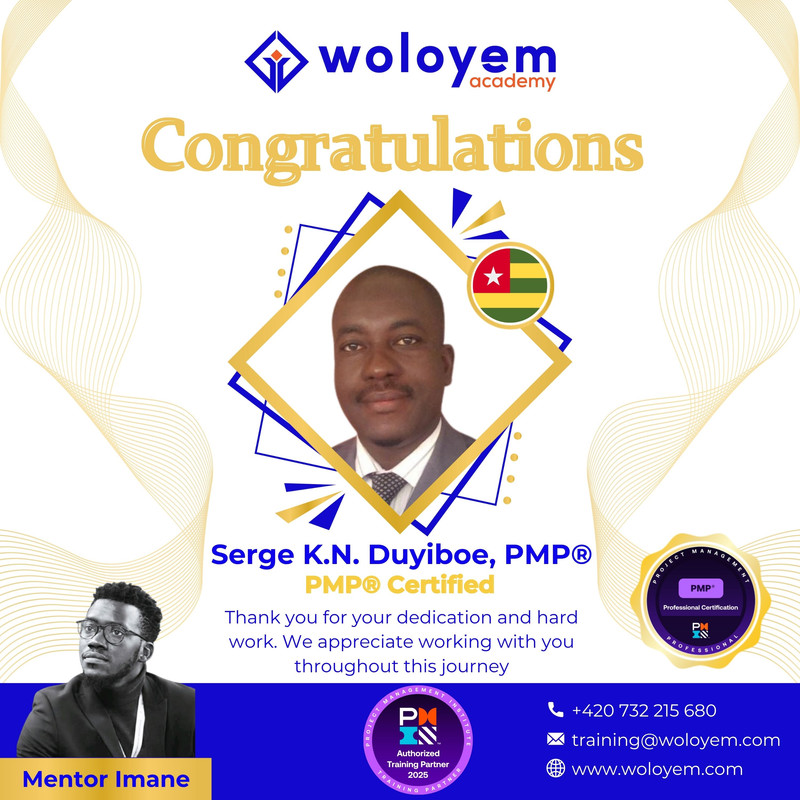
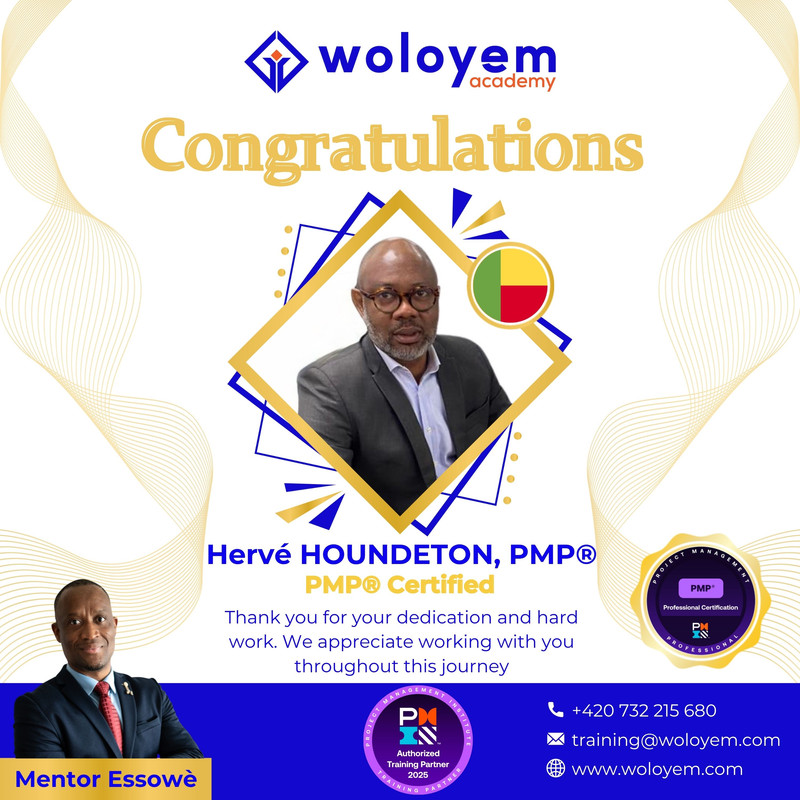
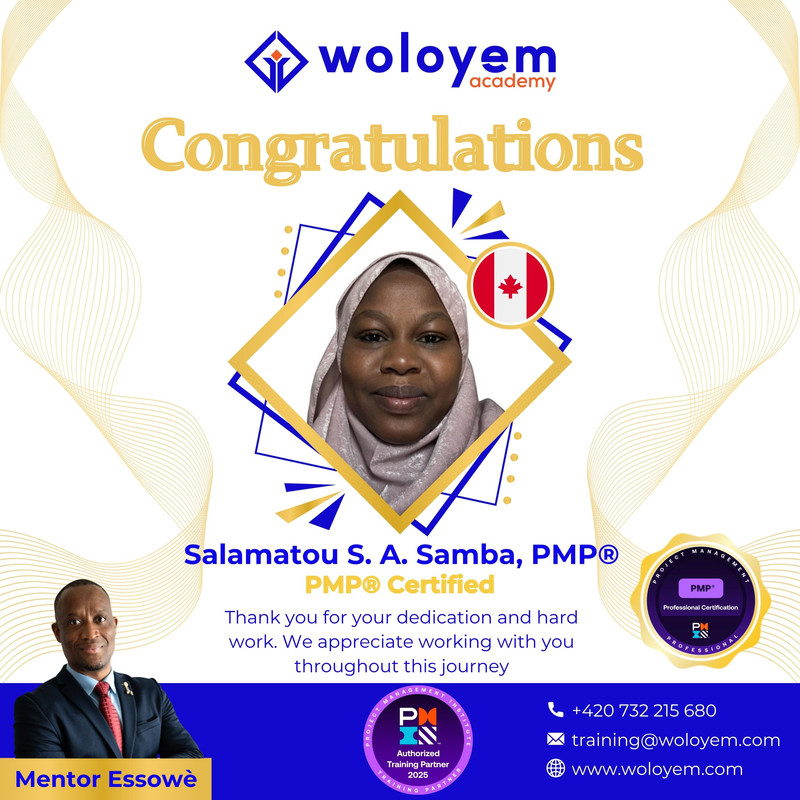
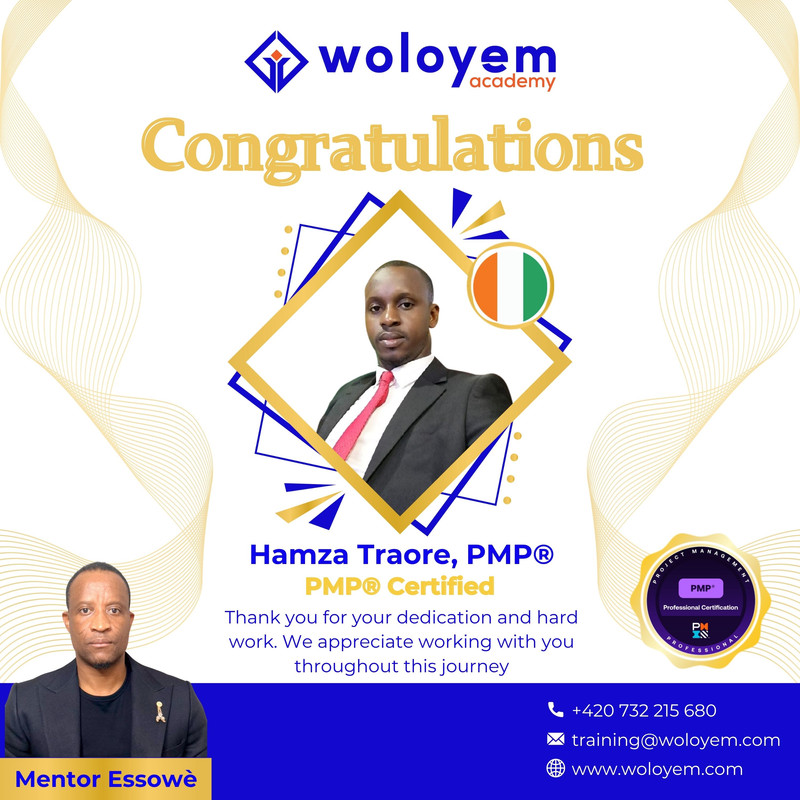
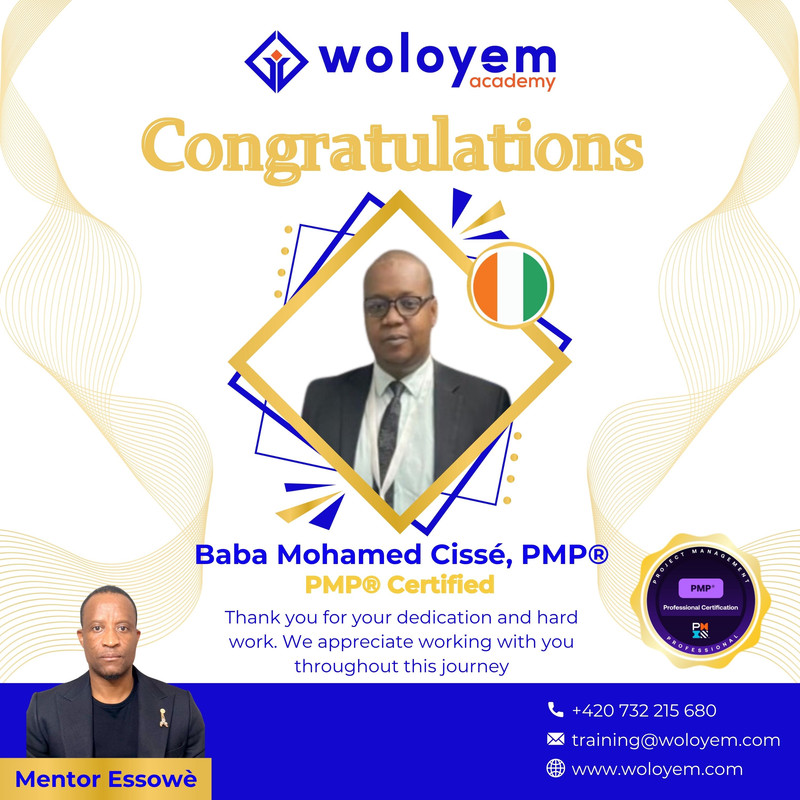
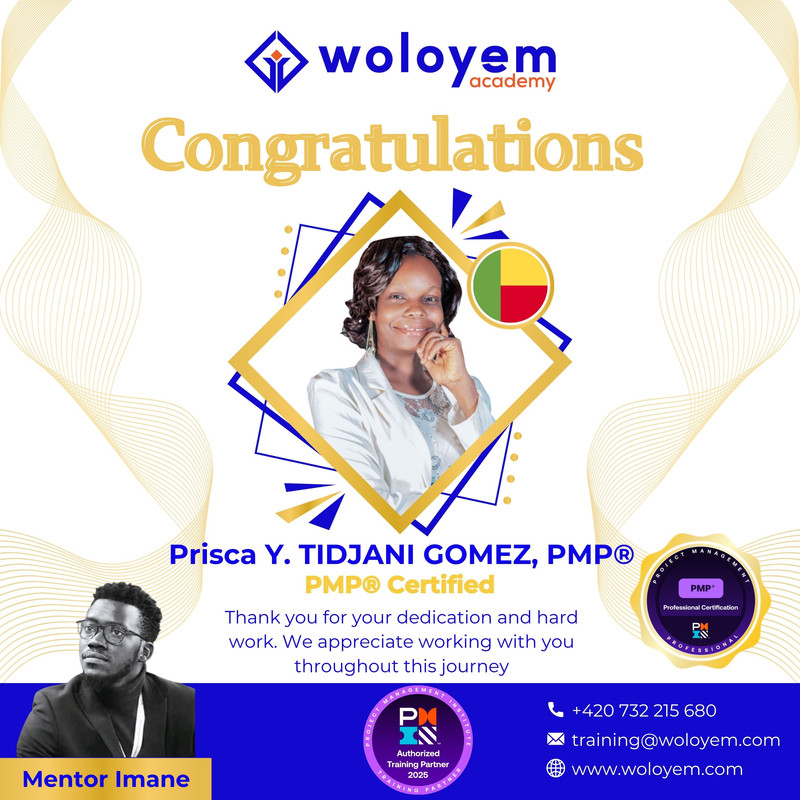
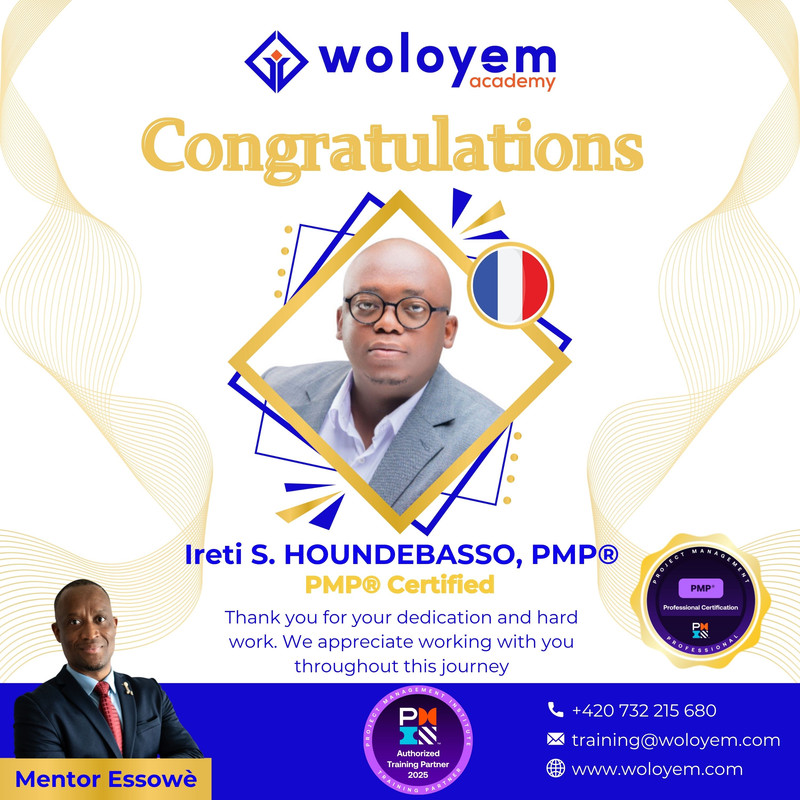
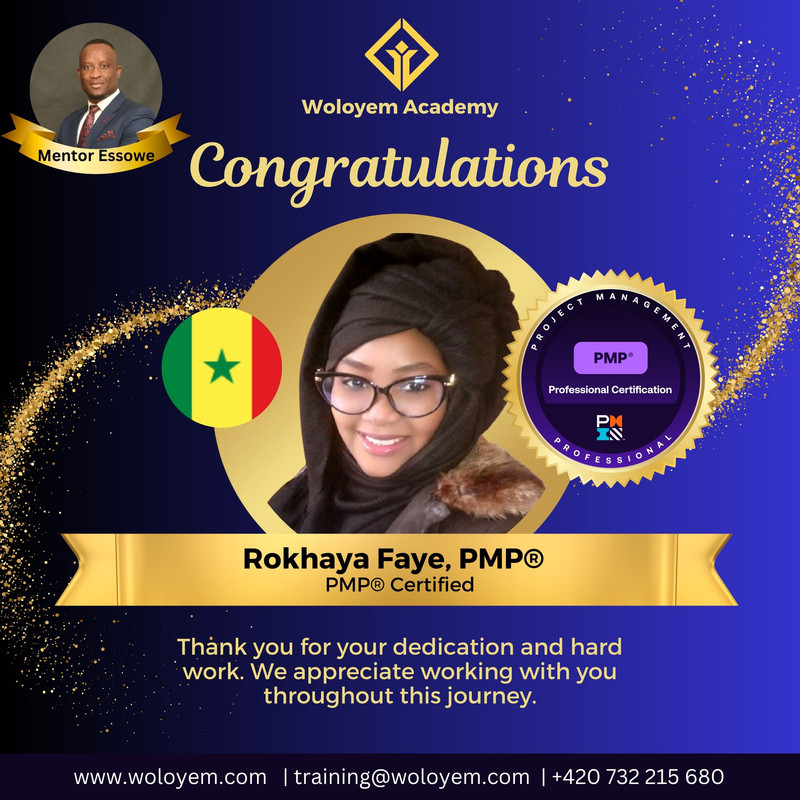
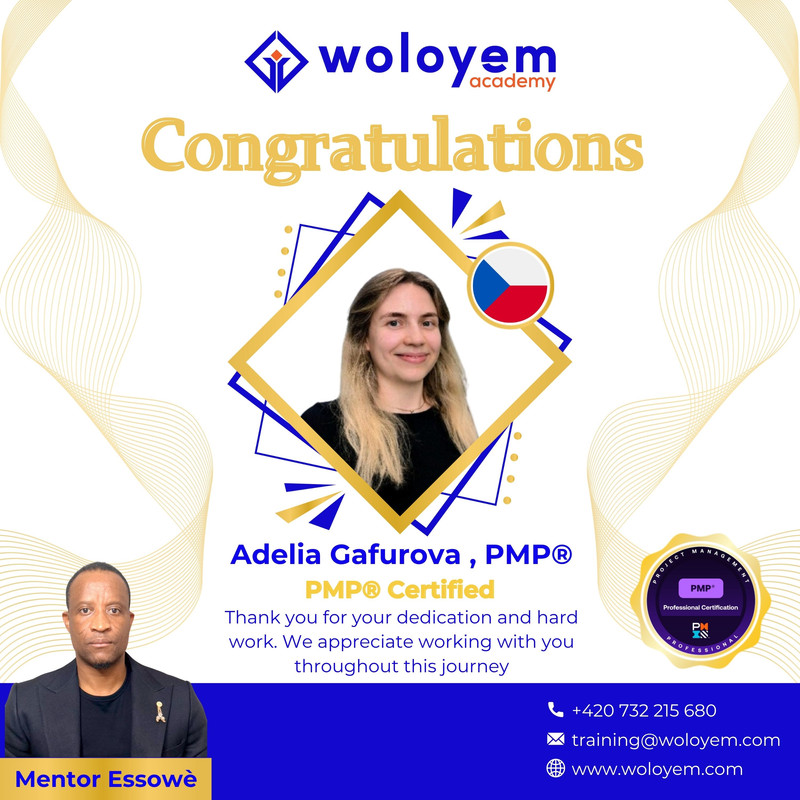
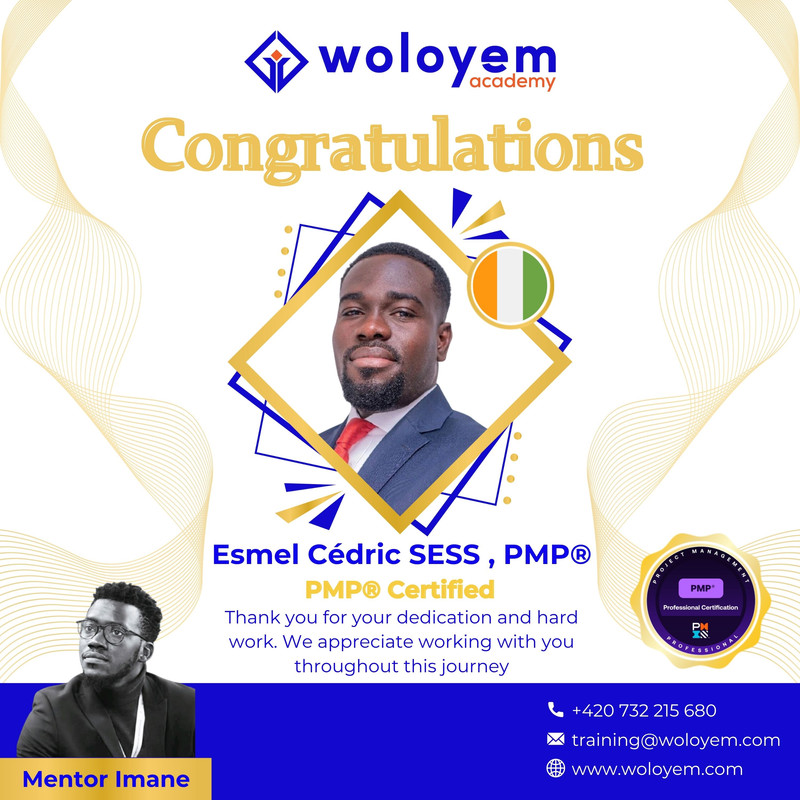
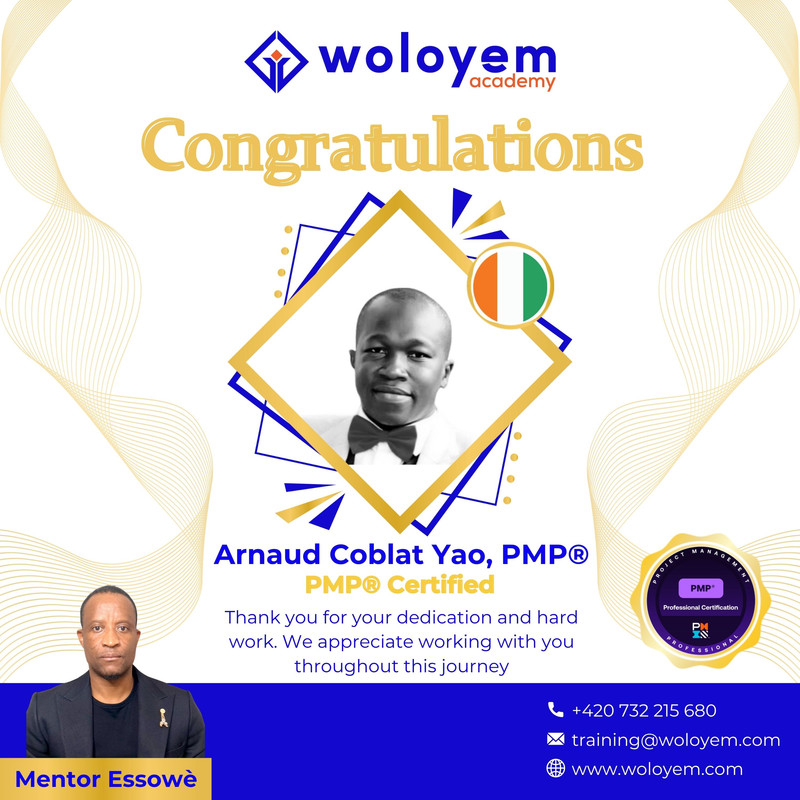
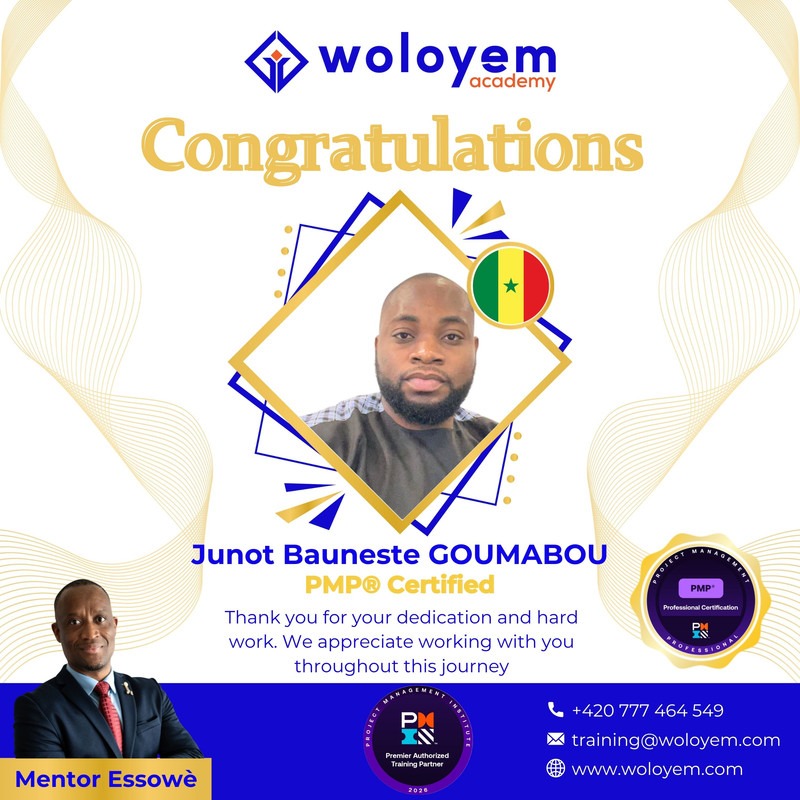
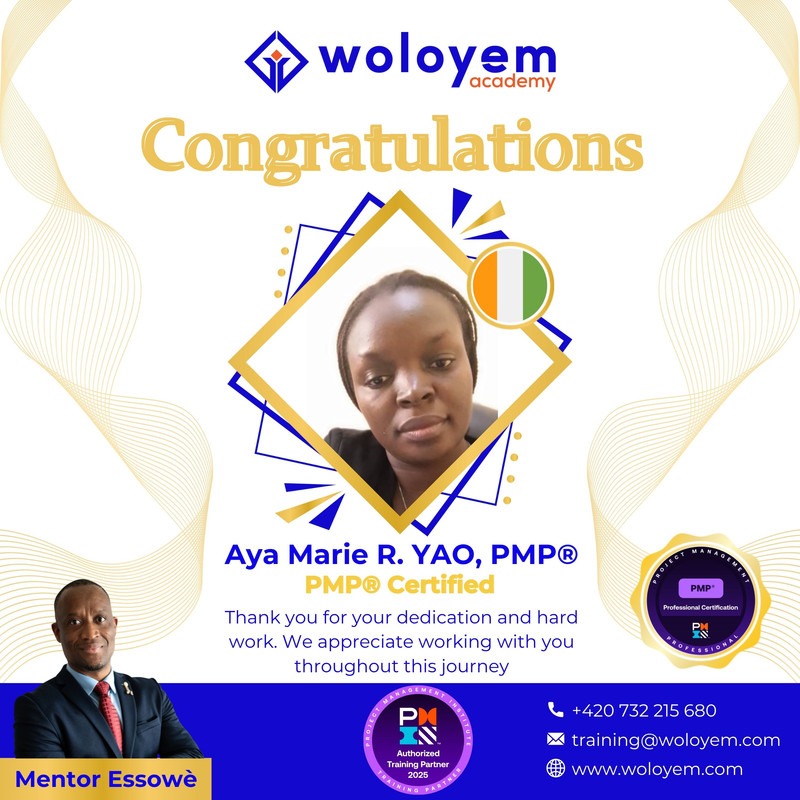
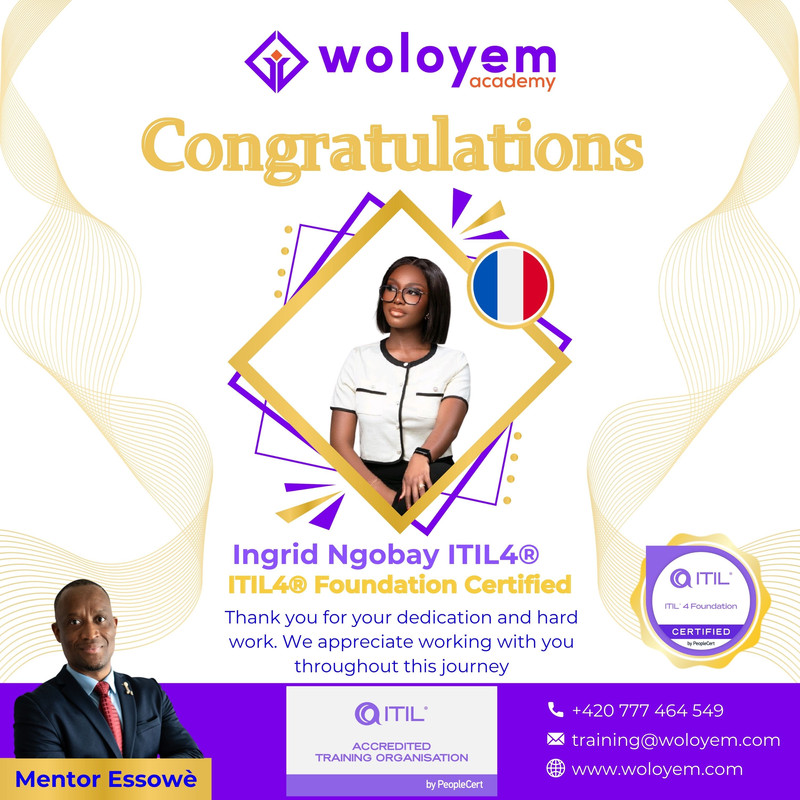
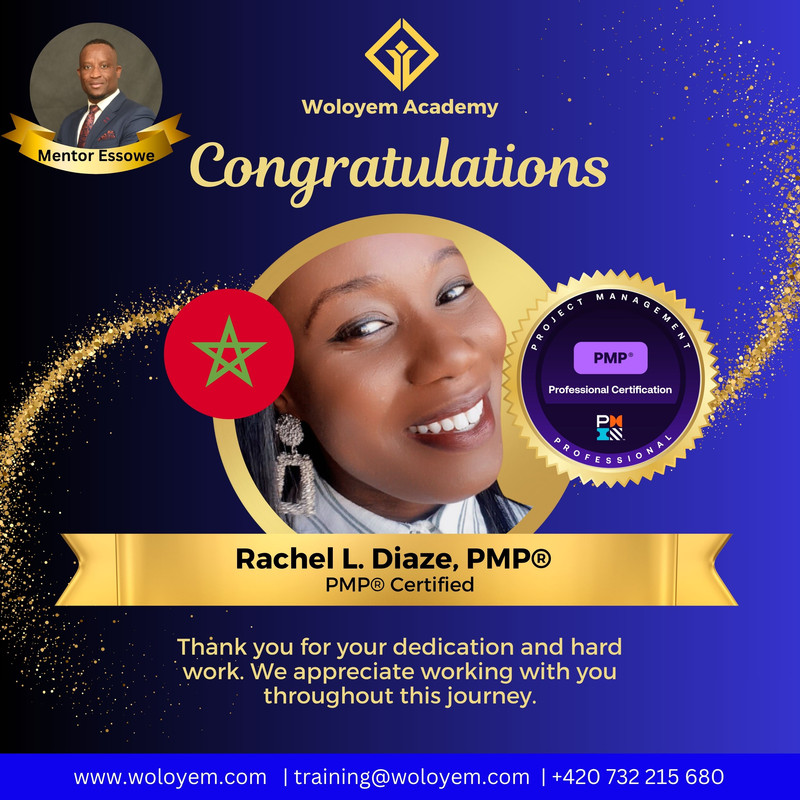
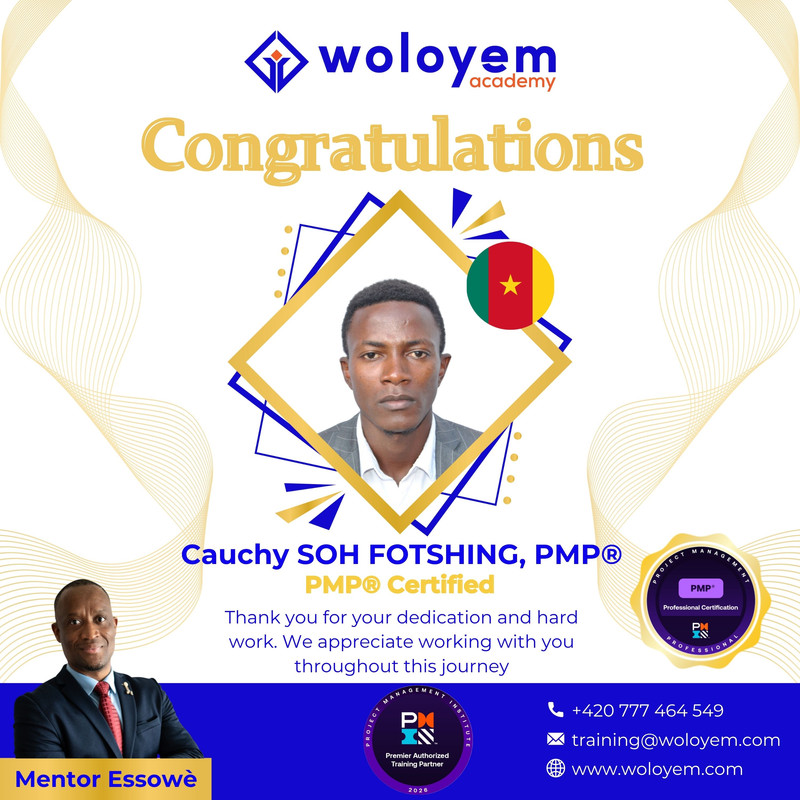
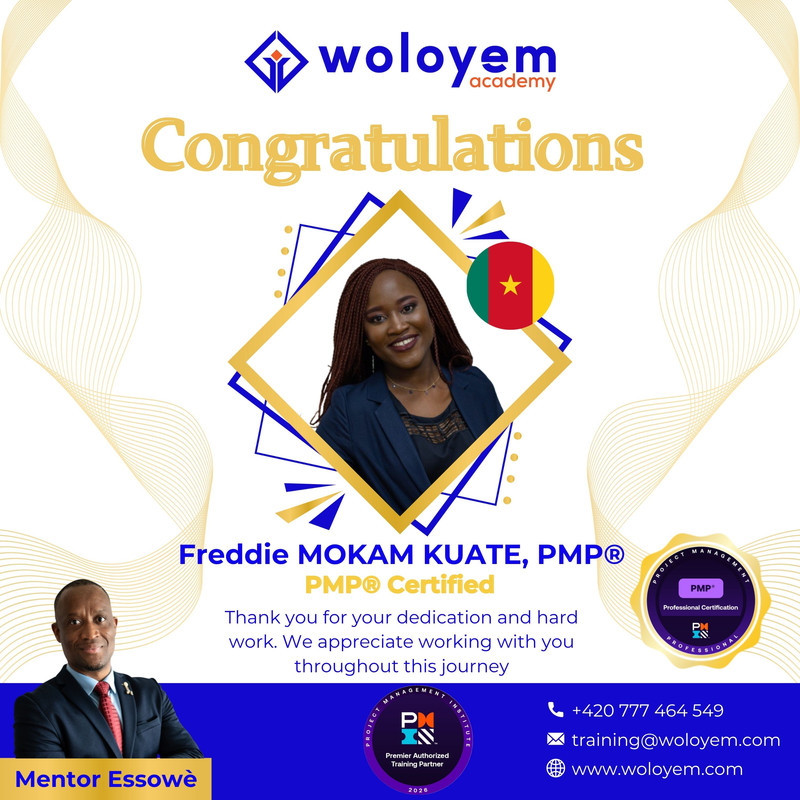
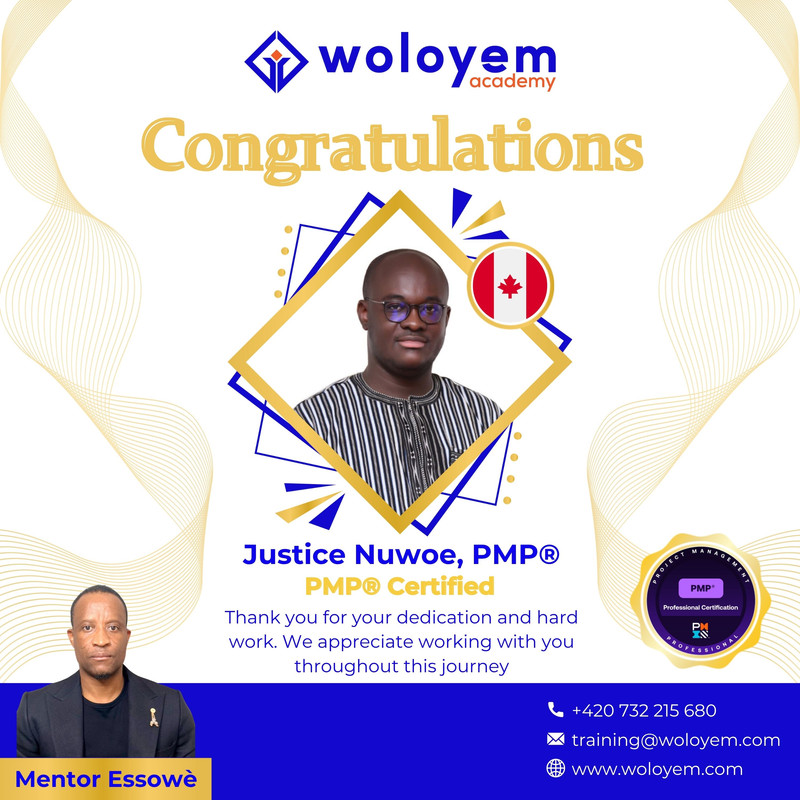
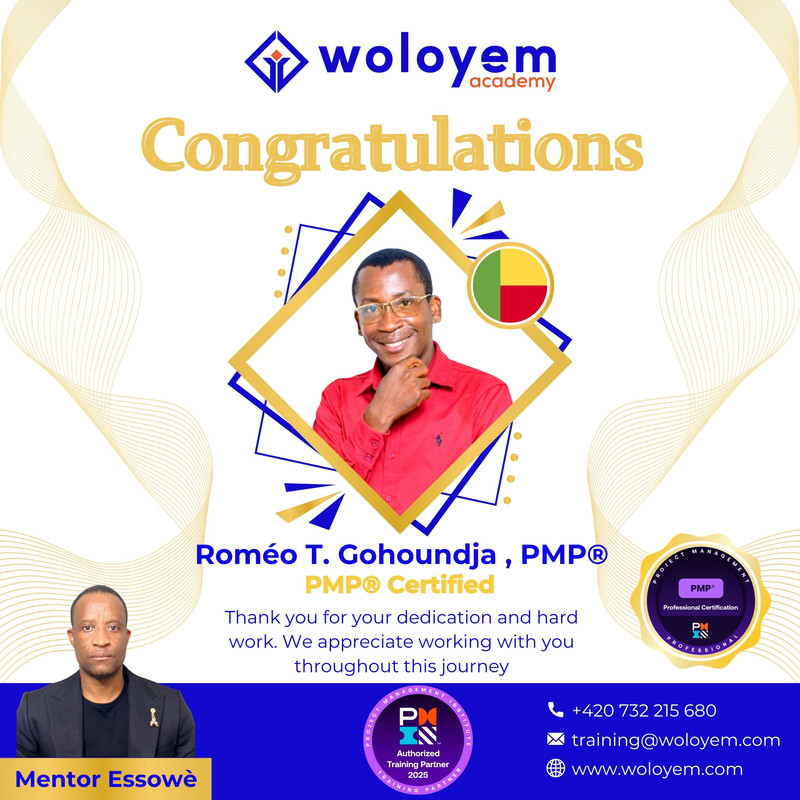
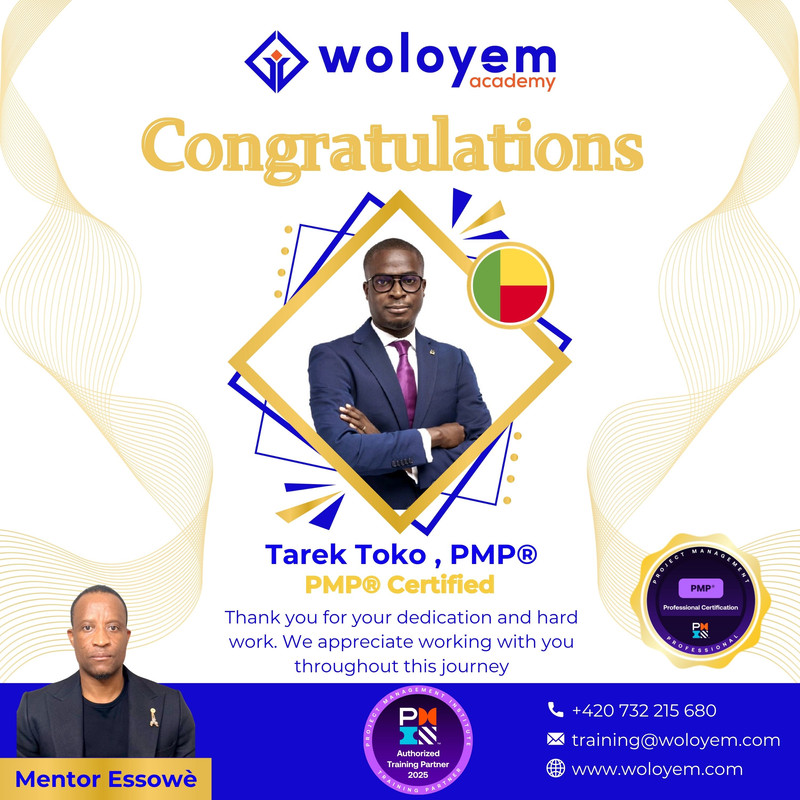
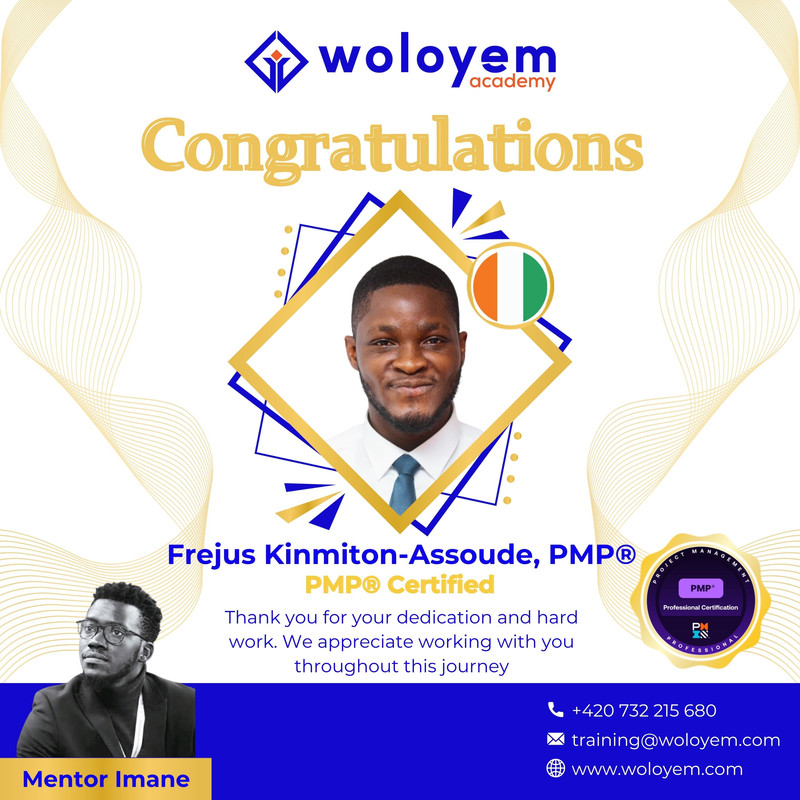
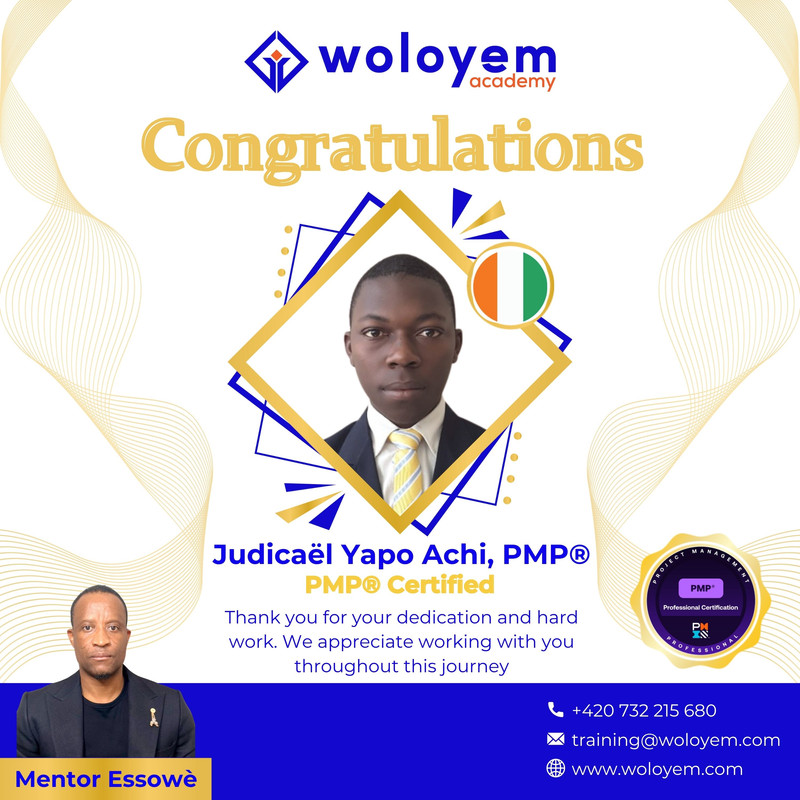
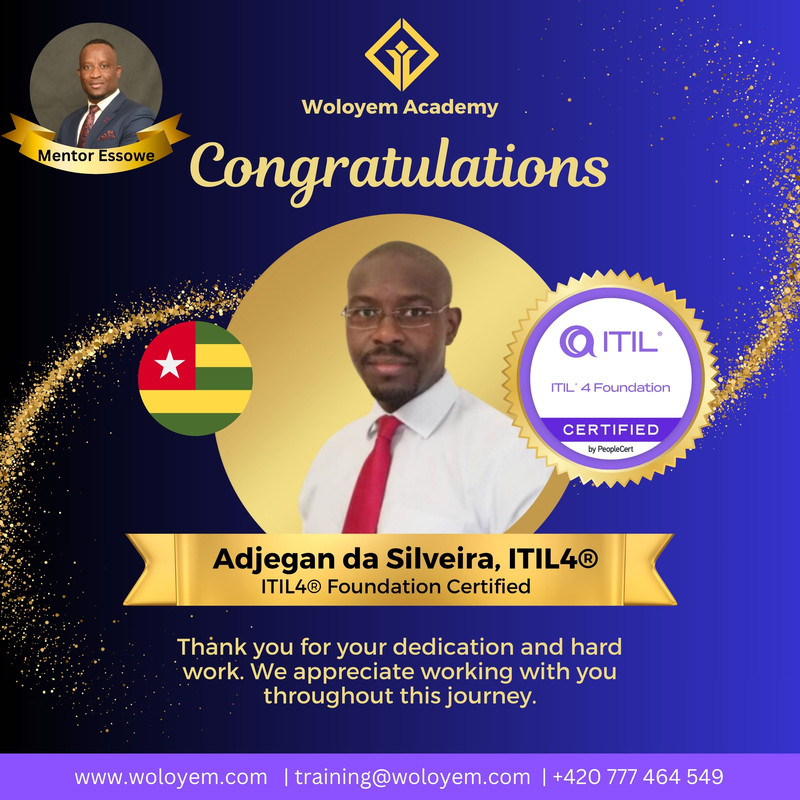
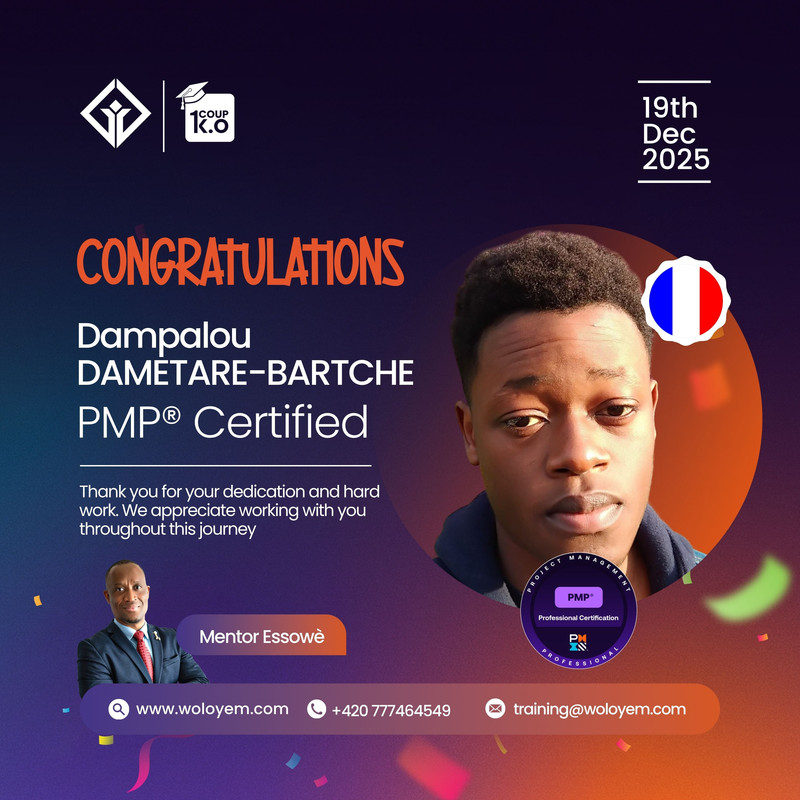
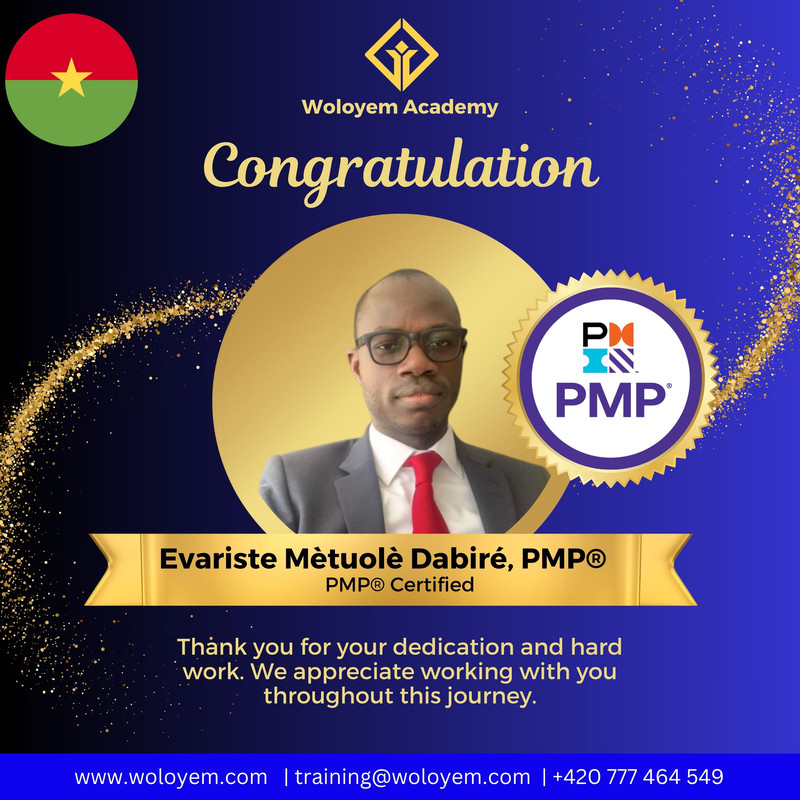
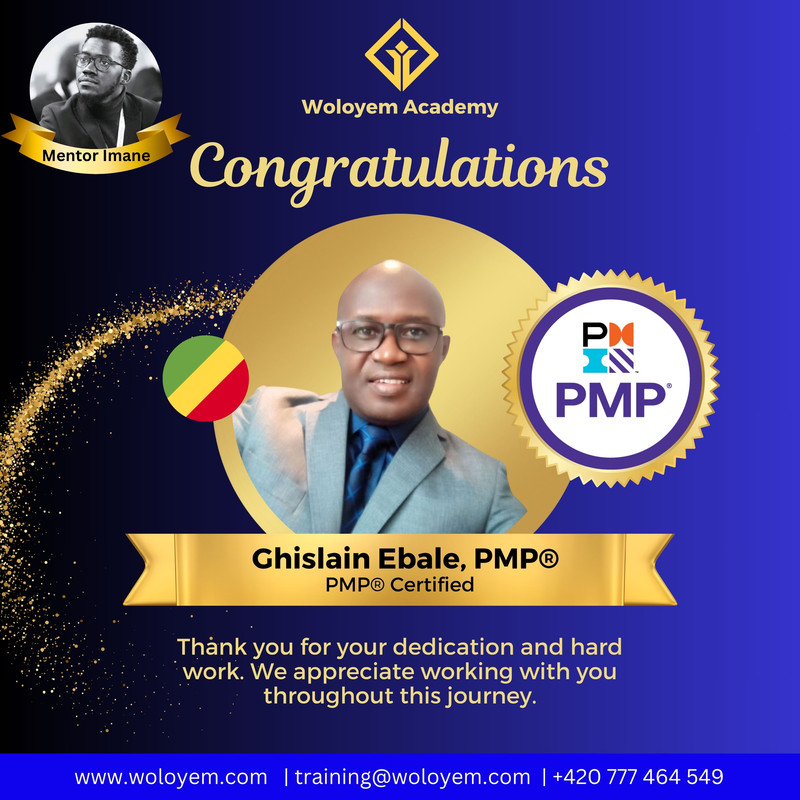
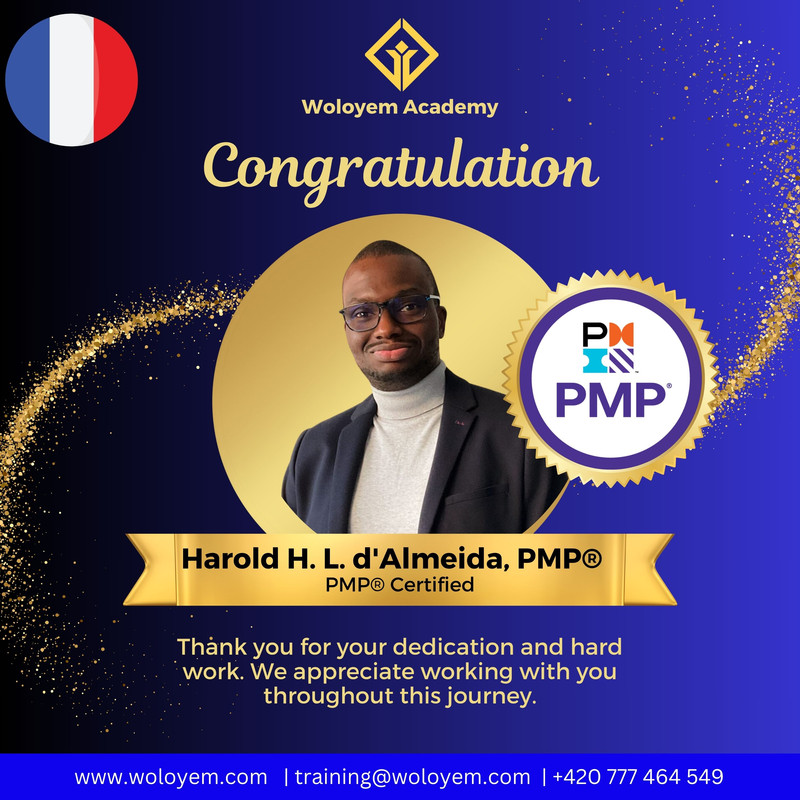
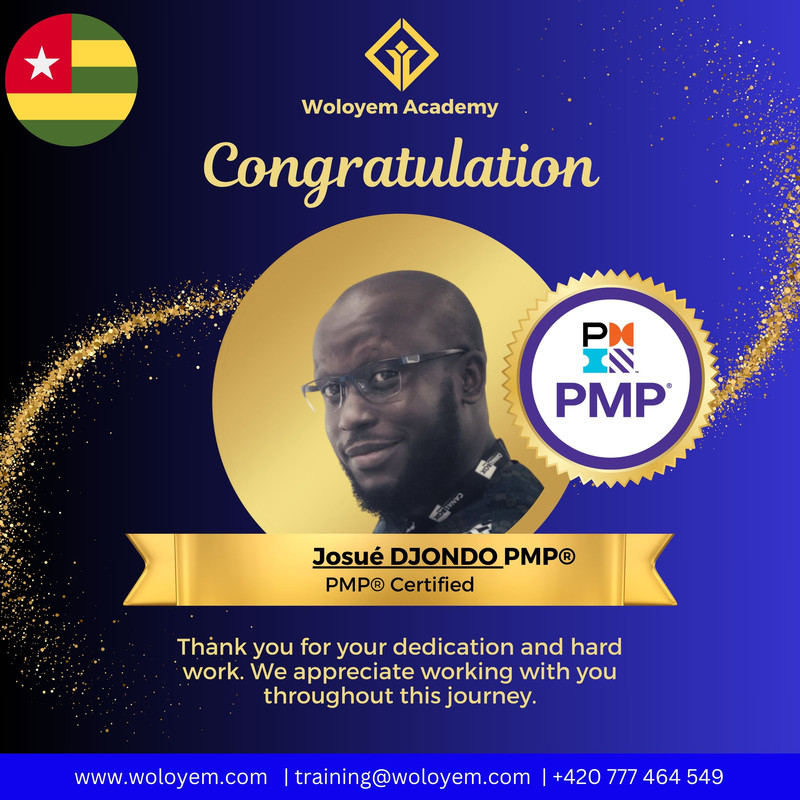
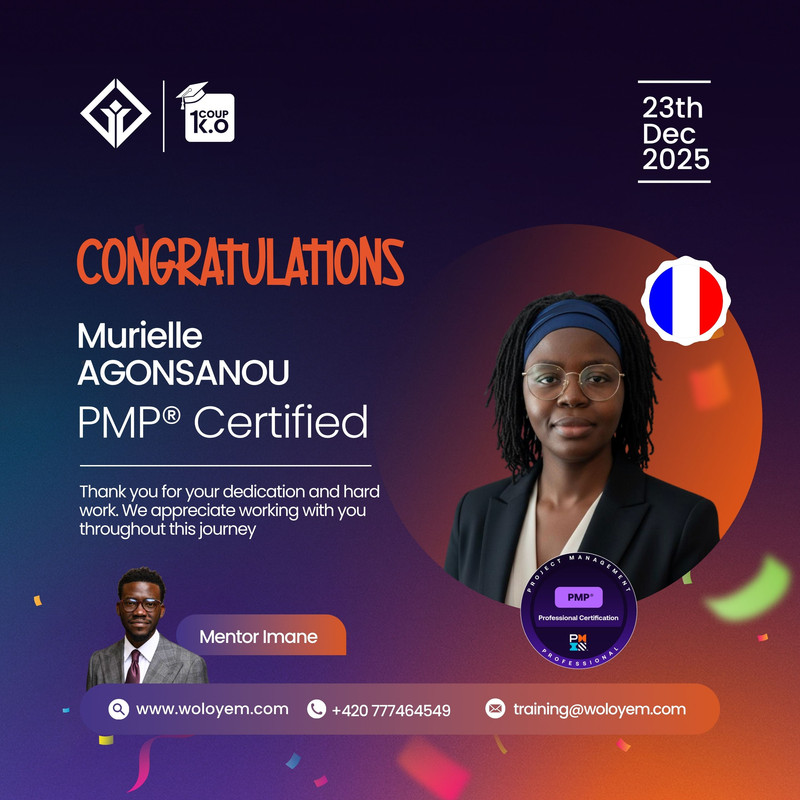
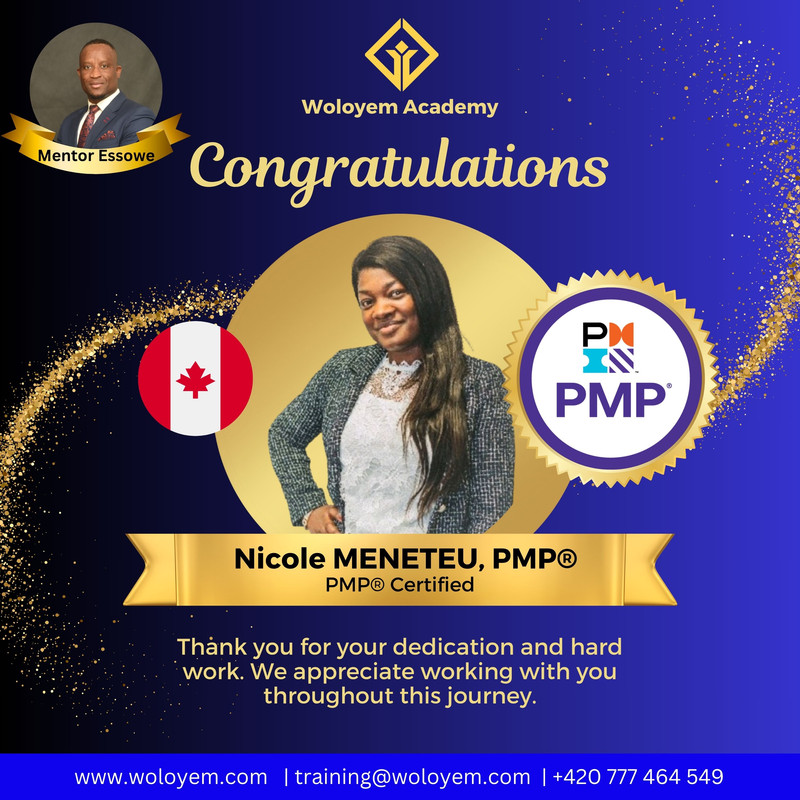
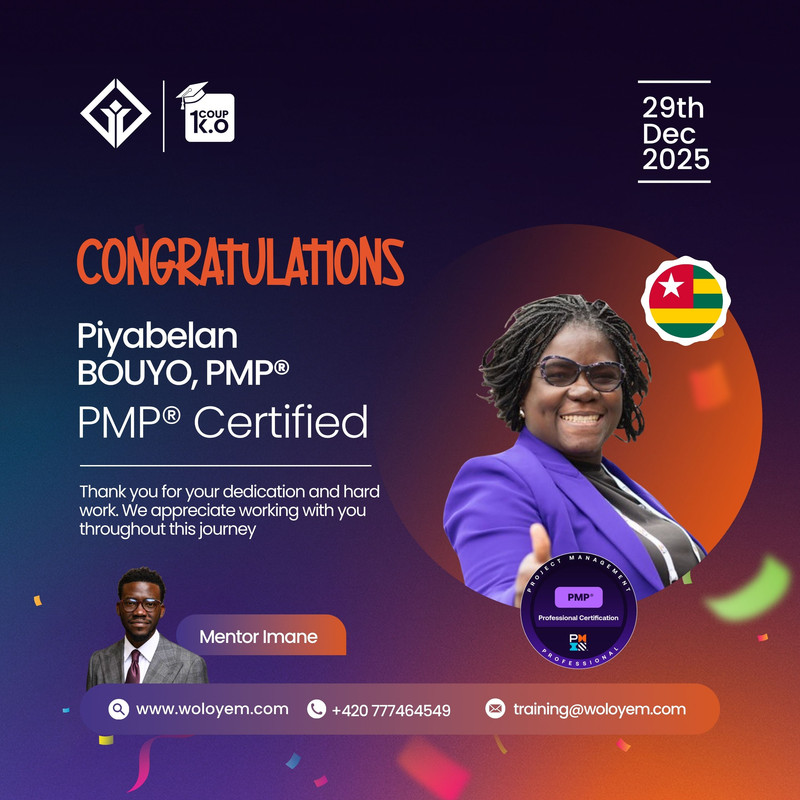
Our successes
.jpg)
.jpg)
.jpg)
Latest news from our blog
Courses
PREPARE EFFECTIVELY
Open PMP® Bootcamp
Pass your PMP certification in the upcoming session
ENROLL NOW