Key Takeaways
Table of Contents
I. Defining Corporate Project Management Training in 2026
corporate project management training is a structured organizational initiative designed to align team skills with strategic business goals using frameworks like PMP, PRINCE2, or Agile. In 2026, it emphasizes digital transformation and PMO governance to ensure consistent delivery in hybrid environments.
This definition represents a fundamental shift in how we approach professional development. We've moved past the era where individual upskilling was the primary objective. Today, enterprise success depends on building organizational capability. If one manager uses a Waterfall approach while another uses Scrum without a shared framework, the resulting friction creates project churn. Technical proficiency is just the baseline. For a firm to thrive, it needs a standardized project language that bridges the gap between different departments and global offices.
I've observed that businesses often struggle when project delivery remains siloed. Without a unified corporate project management training strategy, teams waste time debating methodology rather than executing tasks. Standardizing these processes doesn't just improve speed; it reduces the hidden costs of project friction and misaligned expectations.
A.The Core Components of Enterprise-Level Learning
B. Bilingual Training as a Global Competitive Edge
II. The ROI of Enterprise-Wide Project Management Upskilling
I've seen many organizations treat corporate project management training as a sunk cost. In reality, it's a high-yield investment in operational efficiency. We reduce "Project Churn" by teaching teams better estimation techniques, such as PERT analysis. This three-point estimation method replaces guesswork with data-driven forecasts. It ensures that timelines are realistic from day one. When your team understands how to level resources effectively, utilization rates climb. You stop paying for idle time and start delivering value faster.
Standardized risk mitigation is another area where ROI becomes visible. By implementing consistent RAID logs across all departments, we identify potential failures before they become expensive disasters. This proactive approach directly reduces the cost of project failure. It also prevents the "scope creep" that often drains corporate budgets without adding equivalent value. Standardizing these tools ensures that every manager uses the same criteria for assessing risk, which simplifies executive decision-making.
A. Quantifying Success in Project Delivery
Measuring the impact of training requires specific KPIs. I focus on three primary metrics to determine the success of our programs:
B. Standardization vs. Chaos: The Governance Argument
PMO governance fails when there isn't a unified corporate project management training baseline. I often encounter firms where different departments "rebrand" methodologies to suit their local preferences. This internal fragmentation is expensive. It forces teams to spend weeks translating processes when they should be collaborating on delivery.
Standardization starts with a clear understanding of the project's foundation. For example, learning How to build a Work Breakdown Structure (WBS) provides a universal roadmap for any project type. When everyone speaks the same language, friction disappears. If you're ready to stabilize your delivery, I recommend exploring our catalogue of certification programs to establish that baseline across your firm.
III. Global Standards: PMP®, PRINCE2®, and ITIL® 5 for Teams
Selecting the right global standard for your team is a decision that dictates your governance maturity. I often compare PMP and PRINCE2 to clarify their distinct roles in corporate project management training. PMP remains process-oriented, focusing on the broad knowledge areas a manager needs to lead effectively. PRINCE2 7 is governance-driven; it emphasizes defined roles, responsibilities, and stage-gate control. While construction and finance sectors often favor the predictive structure of PMP, IT and digital agencies are increasingly adopting hybrid models that blend these standards with Agile flexibility for better stability.
The emergence of ITIL 5 on February 12, 2026, has redefined how we integrate project delivery with service management. We no longer view projects as isolated events that end at the "handover" phase. Instead, they're part of a continuous service lifecycle. Choosing a framework depends heavily on your industry. Finance firms may prioritize the risk management of PMP, while IT departments require the AI-driven service guidance found in ITIL 5 to maintain operational excellence.
A. PMP® Certification: The Professional Foundation
Preparing teams for the PMP exam requires a deep understanding of the PMBOK 8 standards. This edition, released in late 2025, moved away from rigid checklists toward a principles-based approach focused on value delivery. I've observed that the July 9, 2026, exam update significantly increased the focus on AI governance. Modern project managers must now demonstrate how to use AI for predictive analytics and automated resource leveling. To master these updates and ensure your team is ready for the new exam format, you can join our PMP Certification Bootcamp.
B. ITIL® 5 and Service Management Integration
Modern projects are increasingly service-oriented, meaning the "product" is often a digital service that requires ongoing management. This is where the bridge between ITIL and project management becomes critical. ITIL 5 introduces advanced guidance on AI-driven service management and sustainability, which are now core project considerations. By utilizing value stream mapping, we help organizations identify bottlenecks in their delivery and eliminate non-value-added activities. This integration is vital for corporate efficiency in a digital-first economy. If your team manages digital products or IT infrastructure, you should get ITIL 5 Certified with Woloyem to ensure your project delivery aligns with the latest global service standards.
IV. Designing a Bespoke Training Strategy for Digital Transformation
I've found that generic training paths often fail because they ignore an organization's specific starting point. To build an effective corporate project management training strategy, we must first assess your current CMMI level. Are your processes merely managed at Level 2, or are they defined and standardized at Level 3? This assessment allows us to identify performance gaps through a rigorous SWOT analysis. We don't just look at what's missing; we analyze how your current strengths can be leveraged during a digital transformation.
Customizing the curriculum means using your company's actual project data as the basis for exercises. This makes the learning immediately applicable to your daily operations. Following this, masterclasses for high-potential leaders bridge the gap between middle management and executive strategy. Finally, we measure impact through post-training coaching. I've seen that retention drops significantly without a formal follow-up process. By tracking project success rates and cycle time reductions after the training, we can quantify the specific ROI. This ensures that the techniques learned during corporate project management training actually translate into improved organizational excellence.
A. Agile Transformation at the Enterprise Level
True agility requires moving beyond "doing" Agile rituals to "being" an Agile organization. This shift starts at the top. Senior management must support the cultural change required for decentralized decision-making and rapid iteration. Without executive buy-in, even the best-trained teams will revert to rigid Waterfall structures. Utilizing Strategic Project Management Techniques helps leaders understand how to balance governance with the flexibility needed for digital innovation. It's about creating a framework where agility and stability coexist.
B. Mentorship and Continuous Learning
One-off seminars rarely lead to permanent behavioral change. In my experience, intensive 3-month or 8-month mentorship programs outperform short-term workshops every time. These extended programs foster a culture of Kaizen, or continuous improvement, within the PMO. They provide the space for leaders to apply new frameworks to live projects while receiving expert feedback in real-time. If you want to transform your high-potential staff into strategic assets, consider our Woloyem 8-Month Mentorship Program for deep-rooted professional growth and leadership development.
To start building a tailored roadmap for your organization, consult with our corporate training experts to align your team's skills with your 2026 strategic goals.
V. Career Impact: Building the Next Generation of Leaders
A. Leadership vs. Management in Global Teams
B. The Future of the PM Profession in 2026
VI. Scaling Your Project Excellence for 2026 and Beyond
VII. Frequently Asked Questions
What is the difference between individual and corporate project management training?
How long does a typical corporate project management transformation take?
Is PMP or PRINCE2 better for a global corporate environment?
Does Woloyem offer training in both English and French?
Can corporate training be customized for specific industries like IT or construction?
How does ITIL 5 integrate with project management frameworks?
What is the ROI of PMP certification for a corporate team?
Do you provide post-training mentorship for project managers?
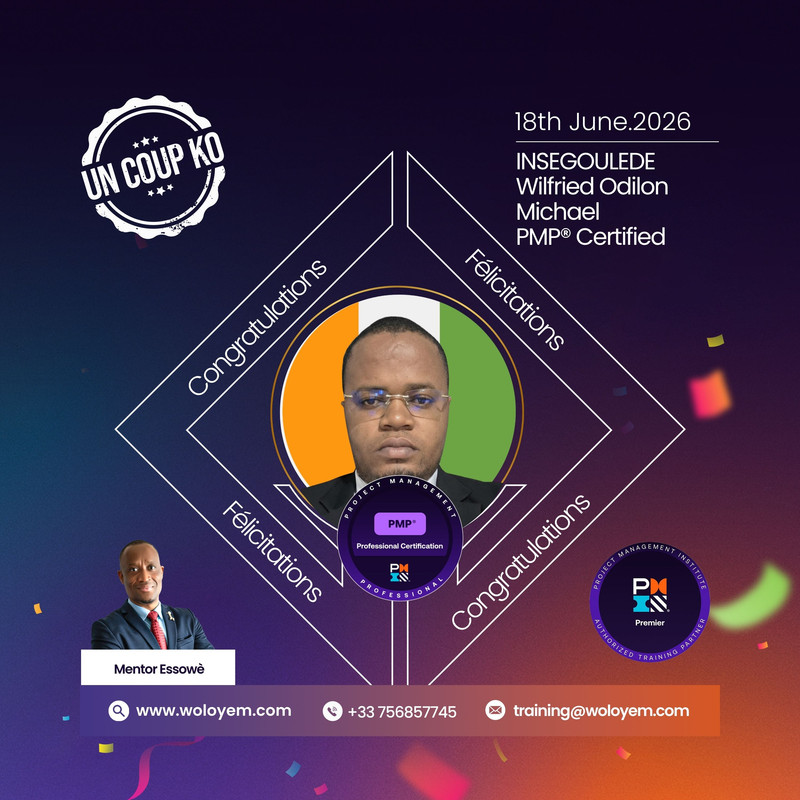
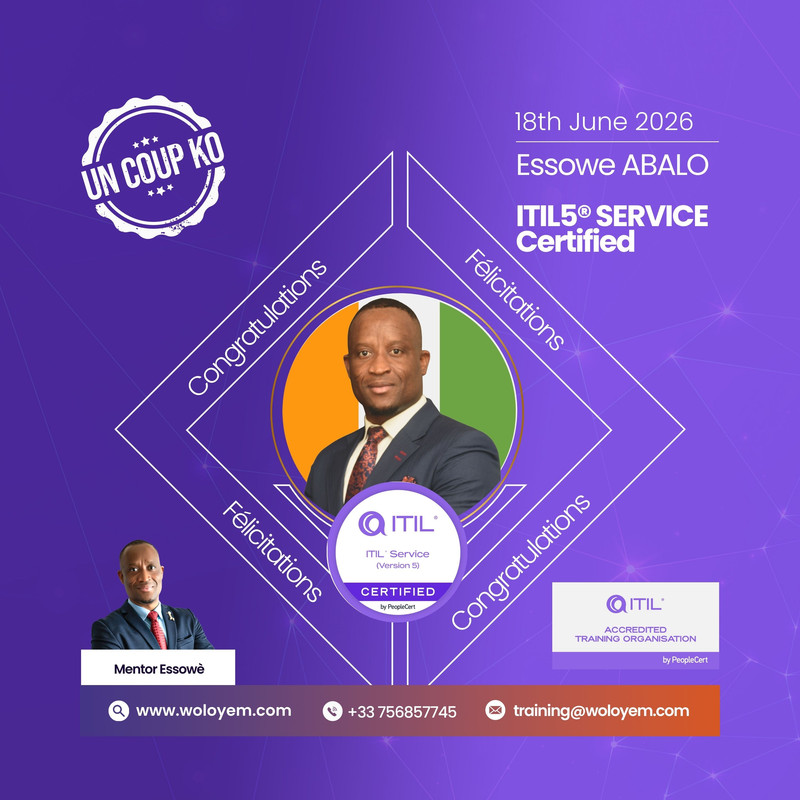
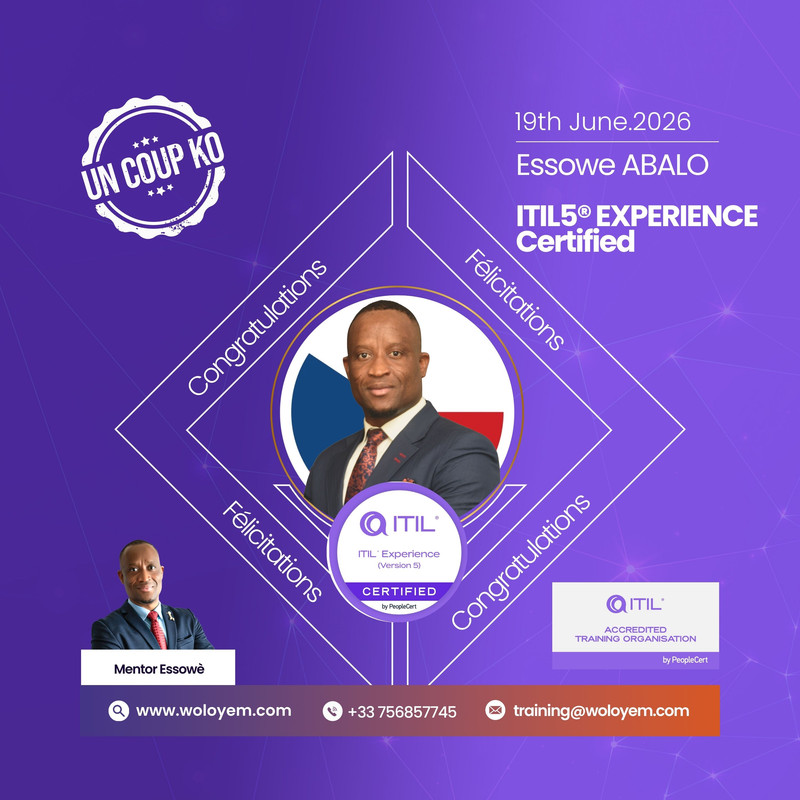
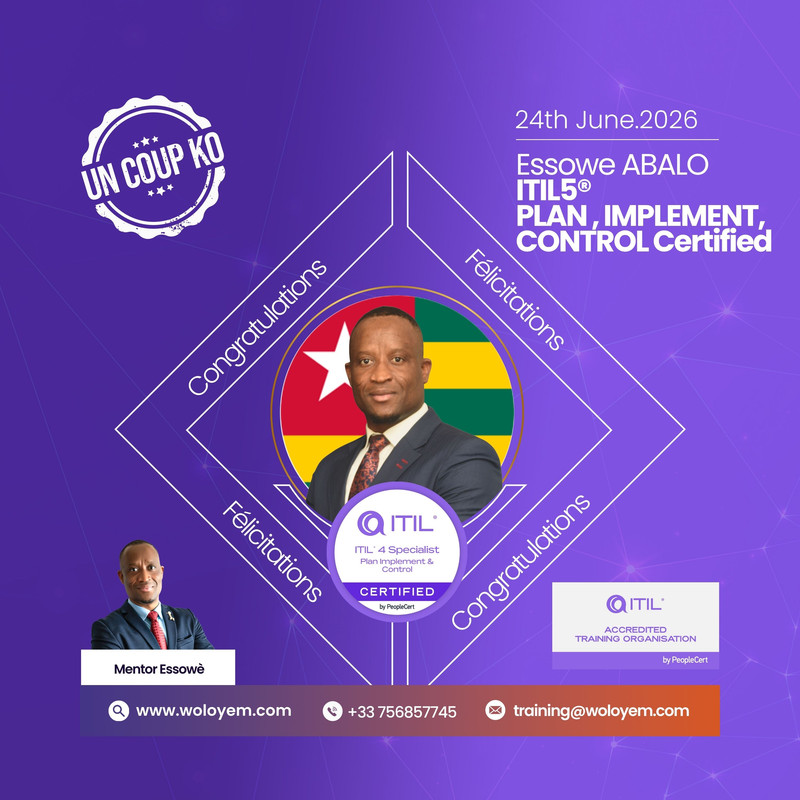
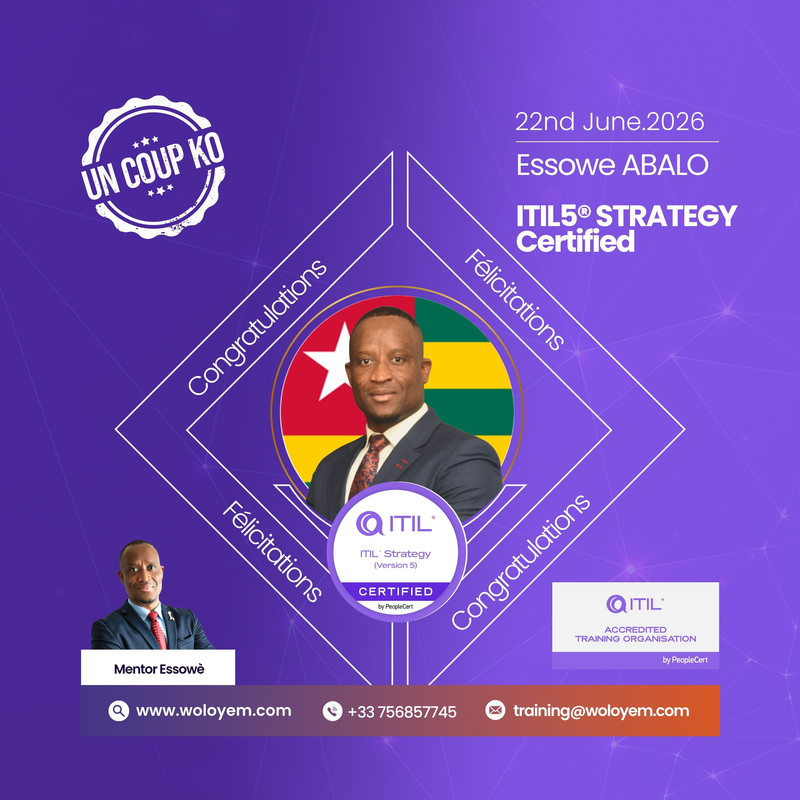
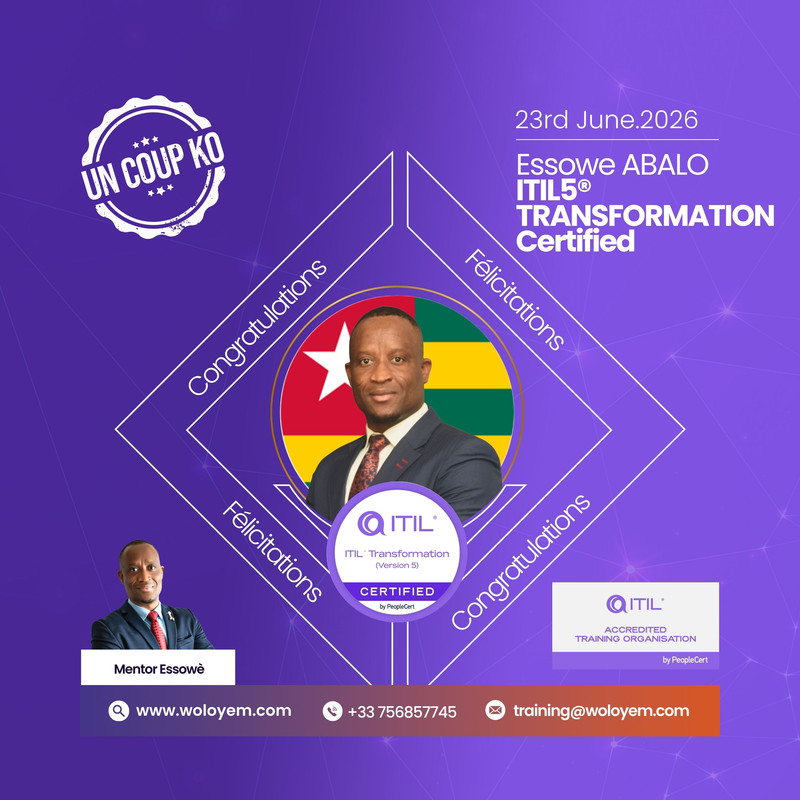
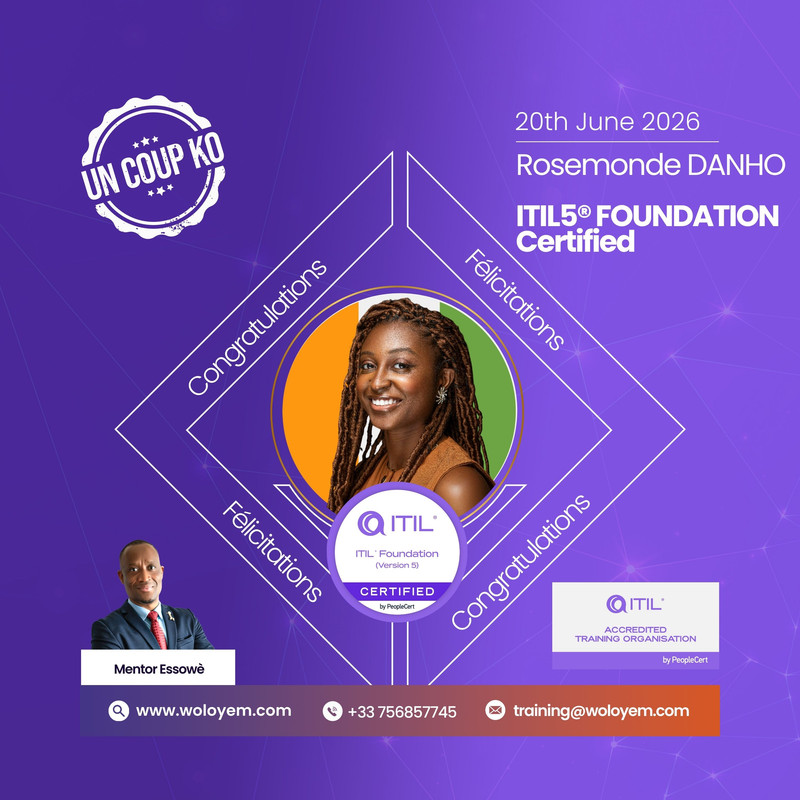
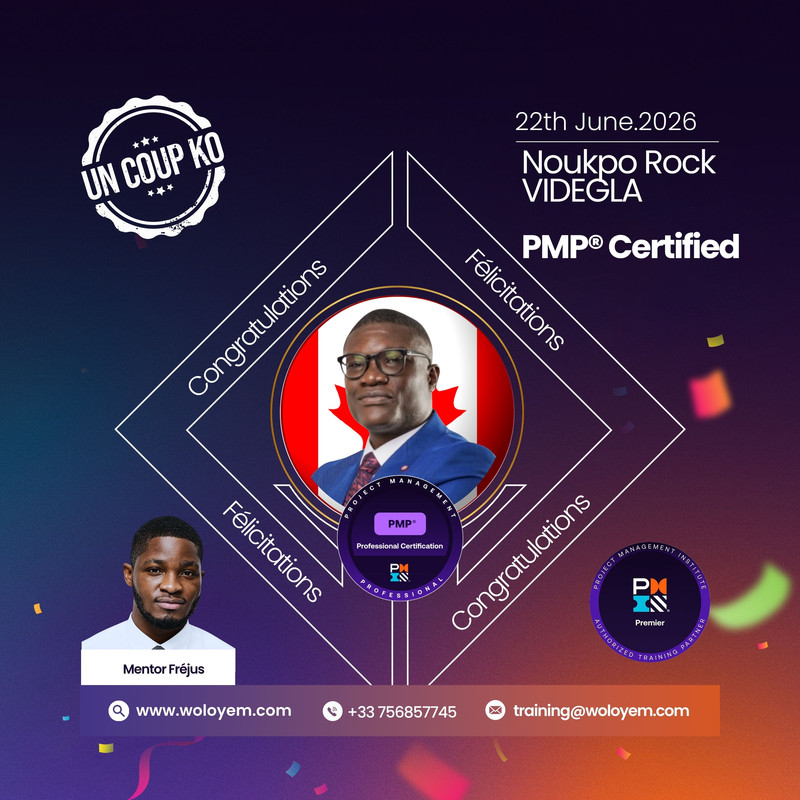
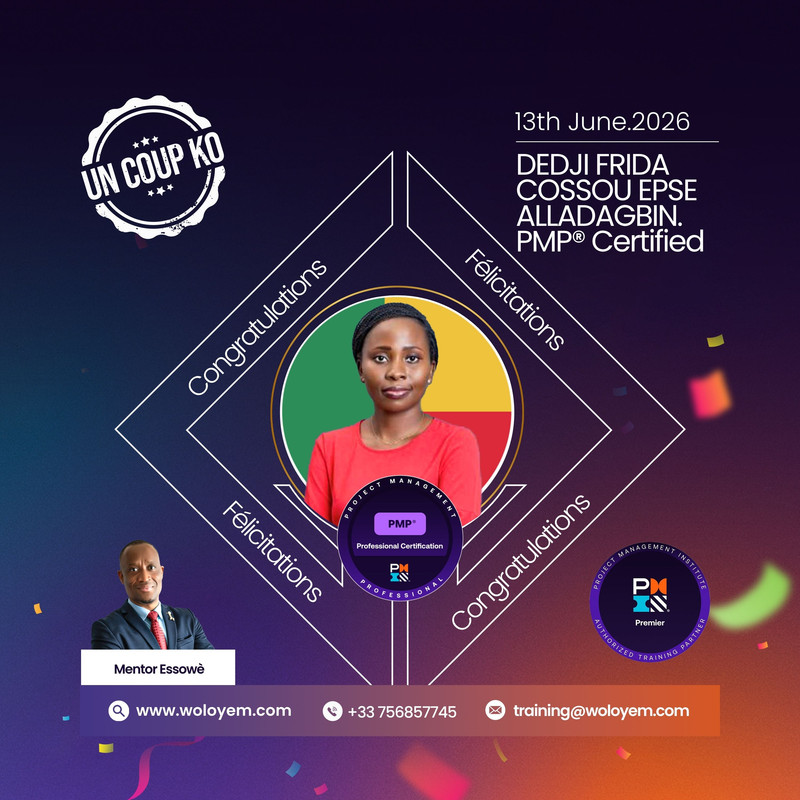
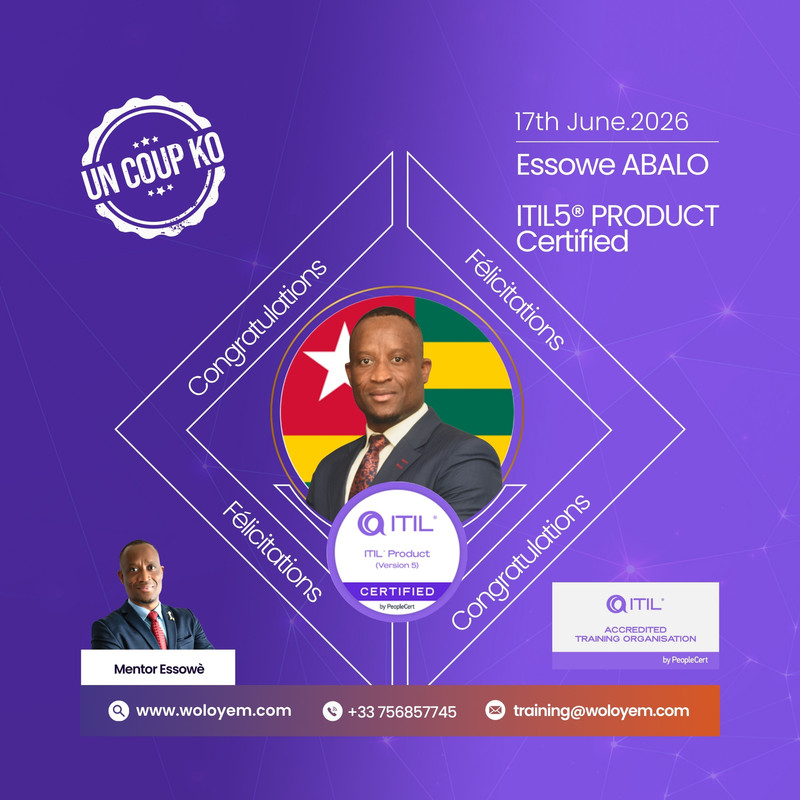
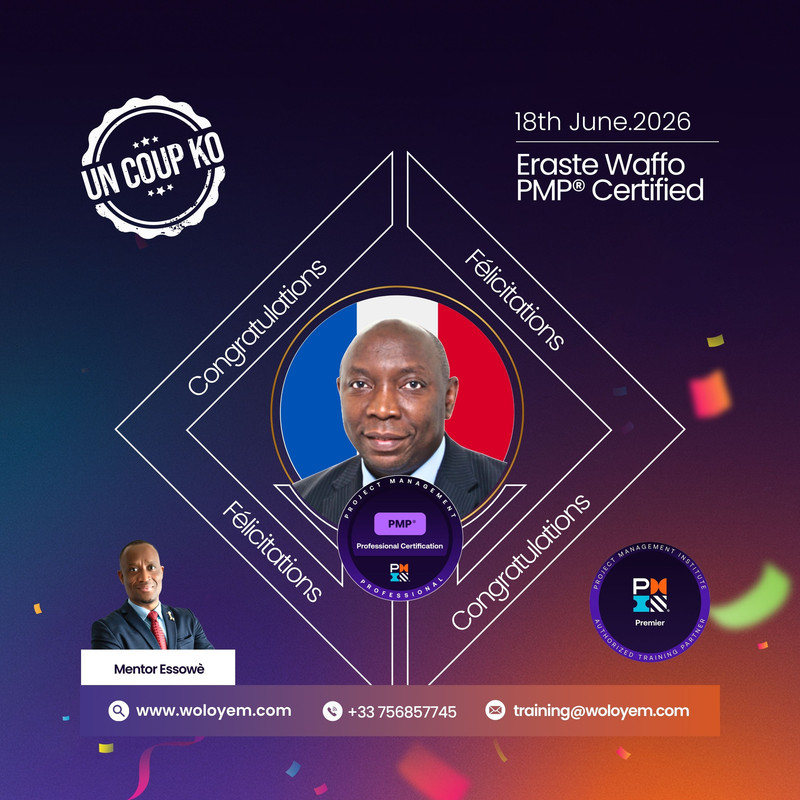
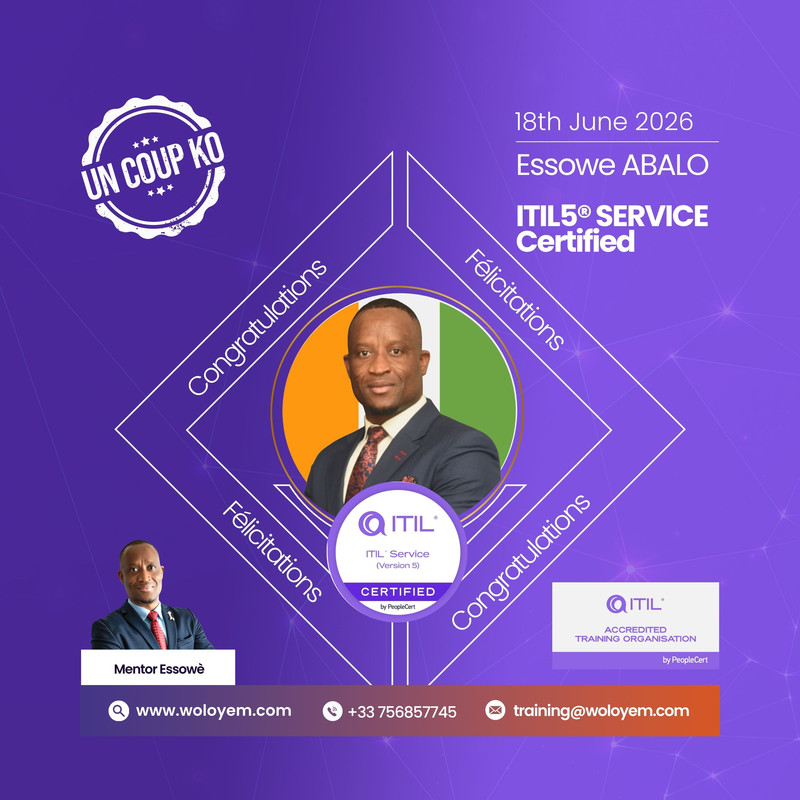
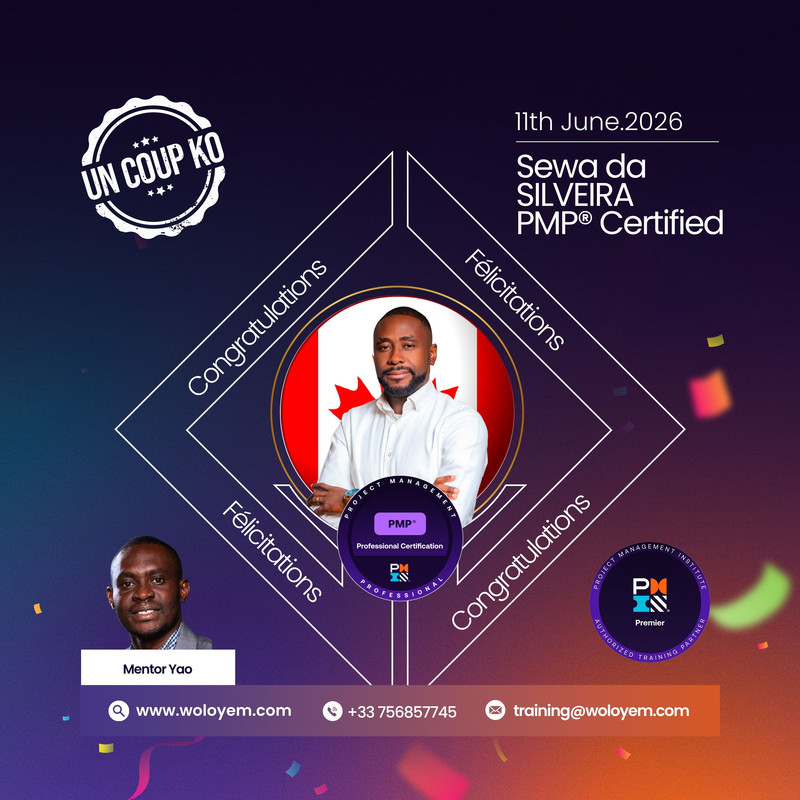
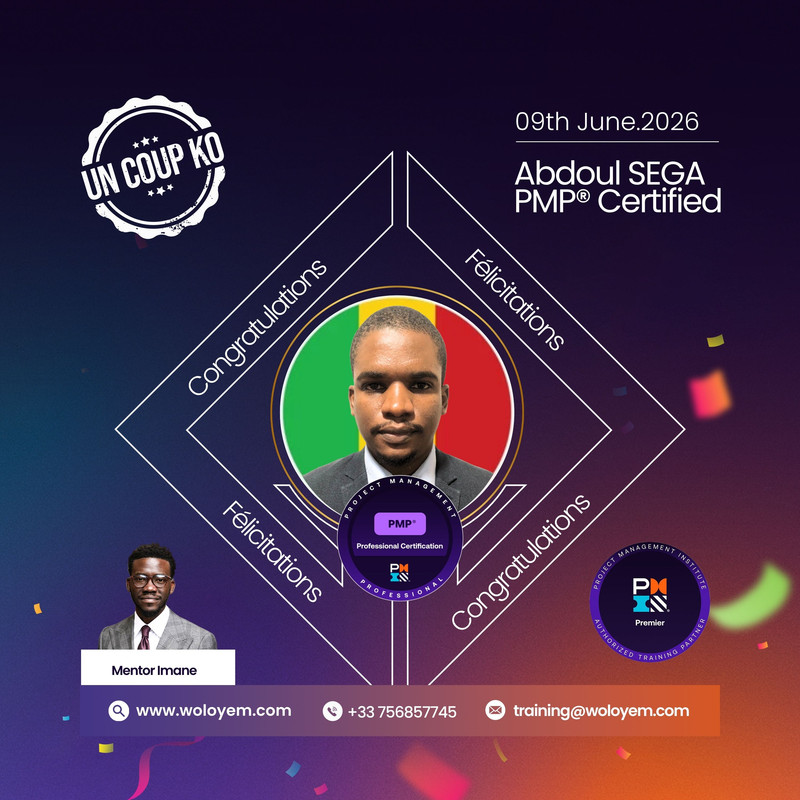
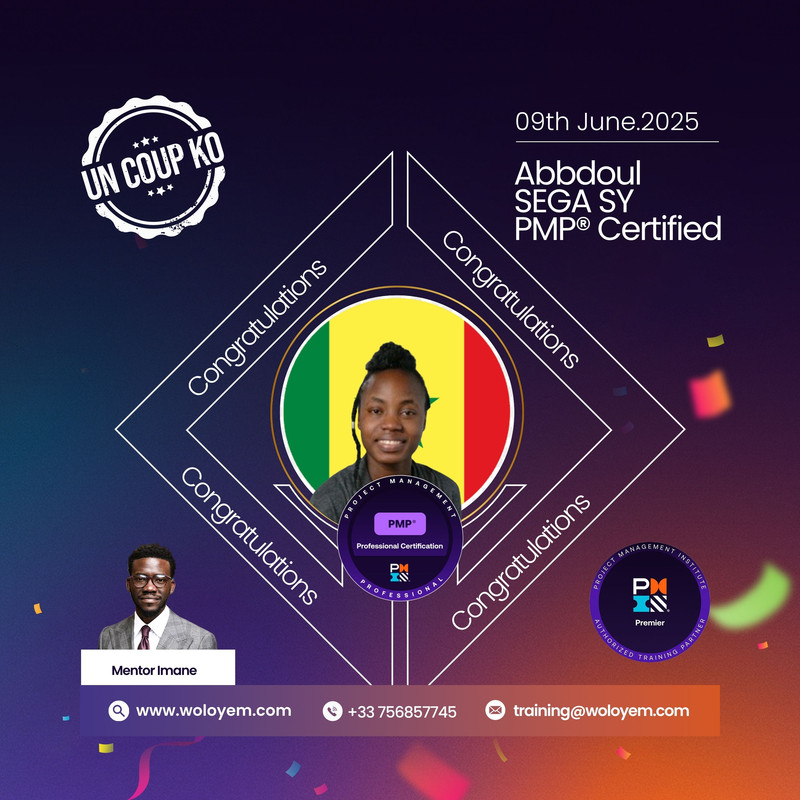
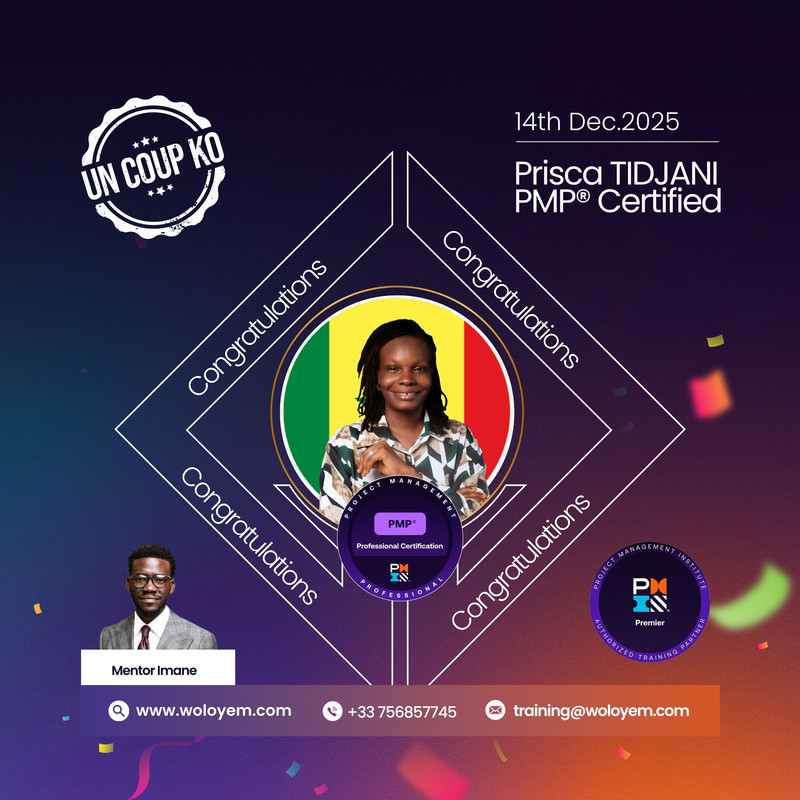
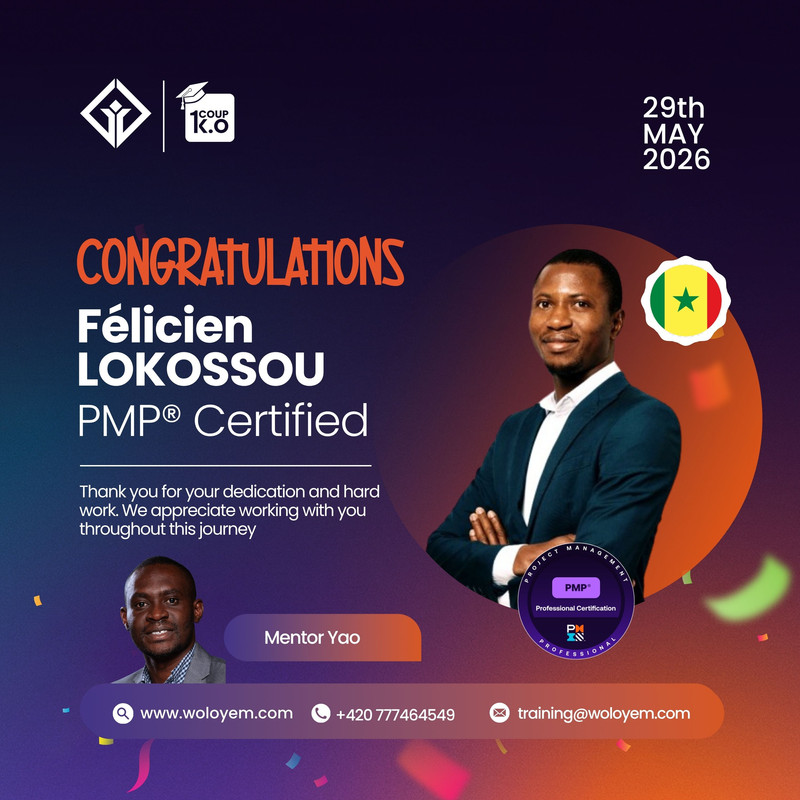
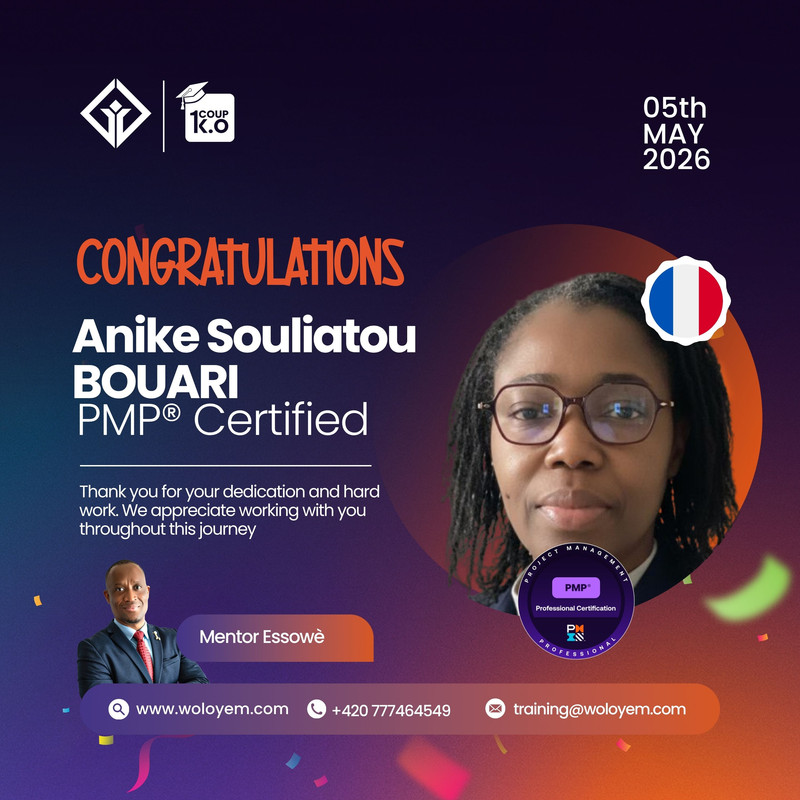
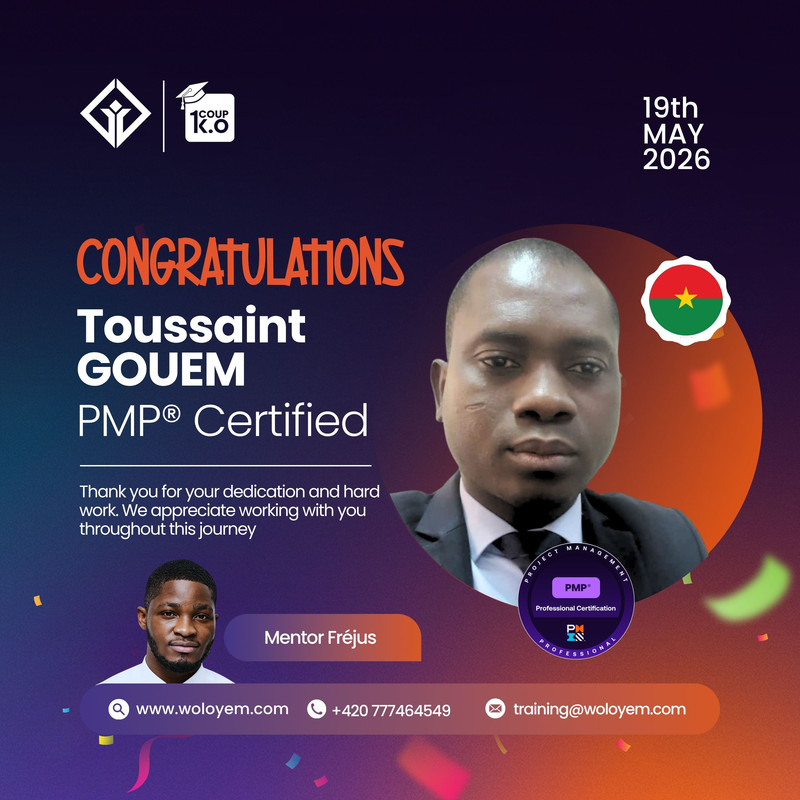
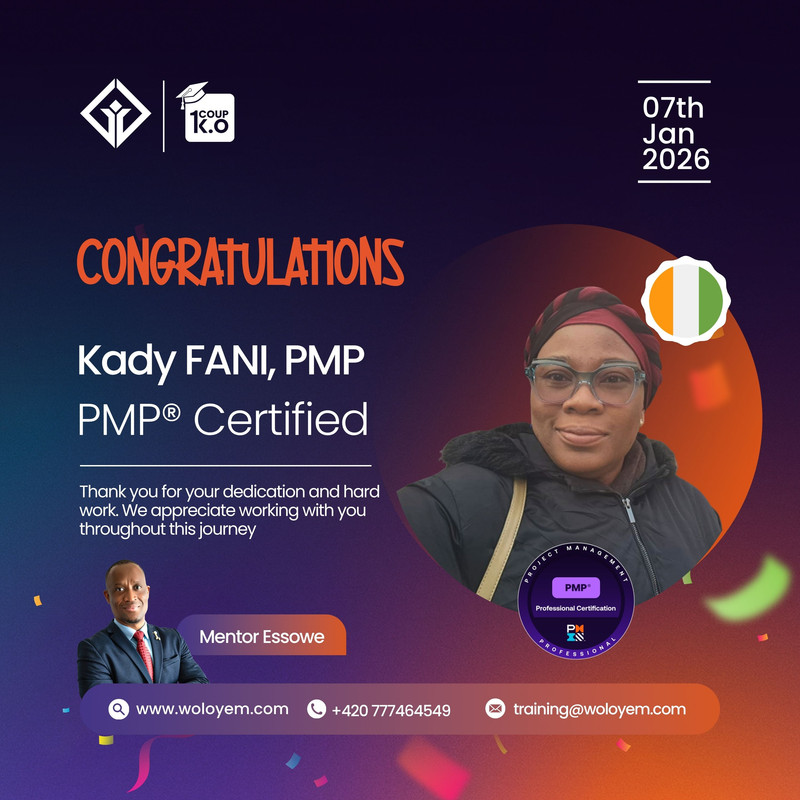
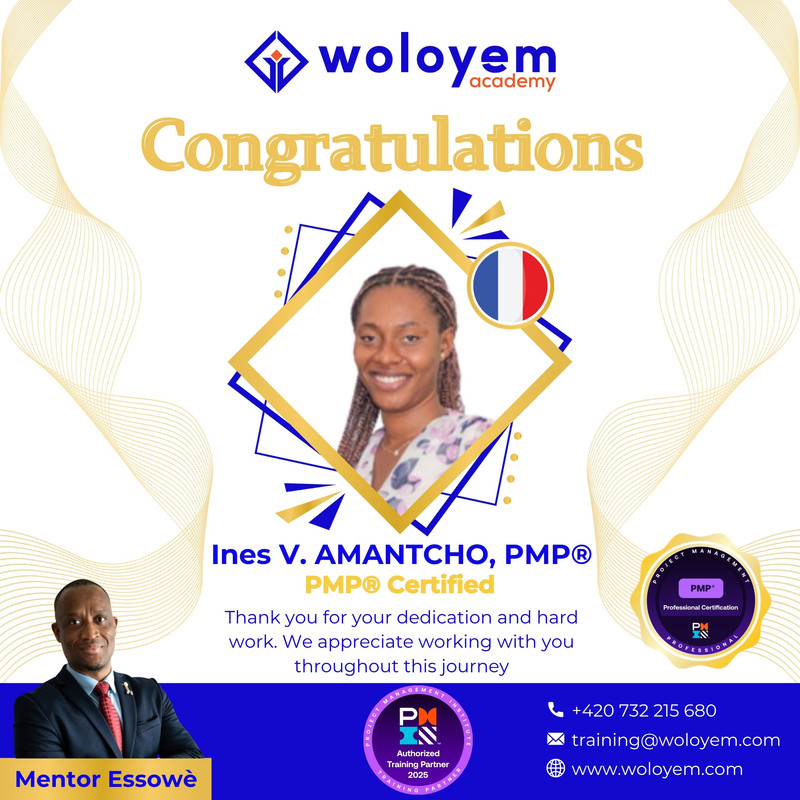
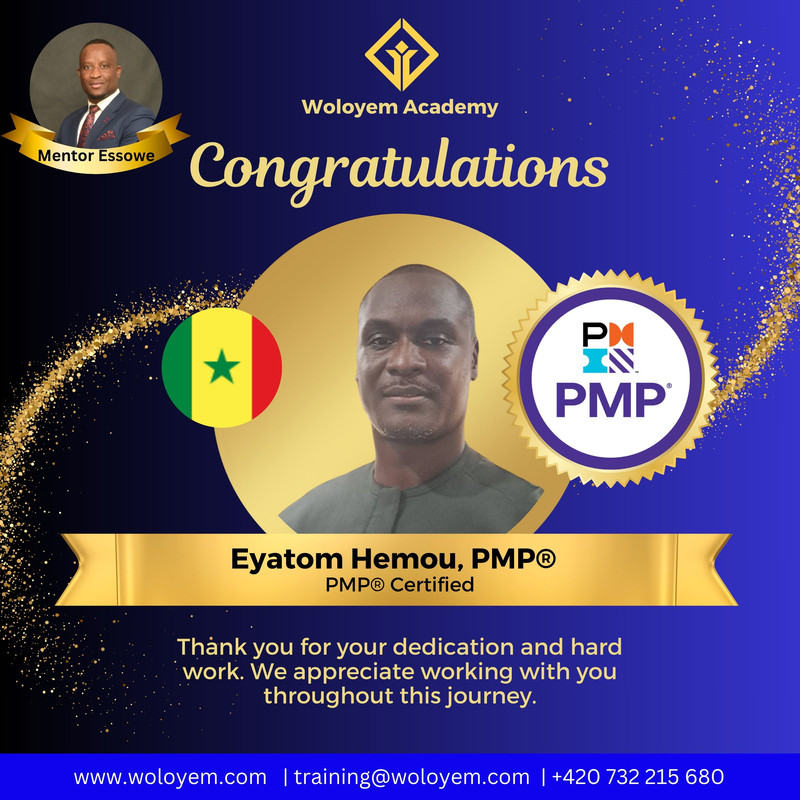
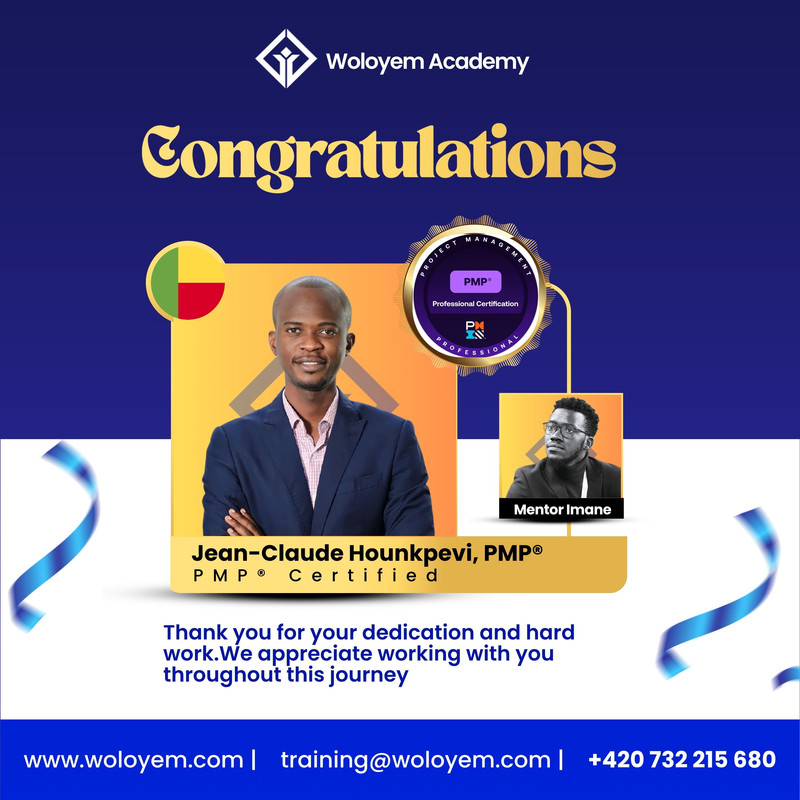
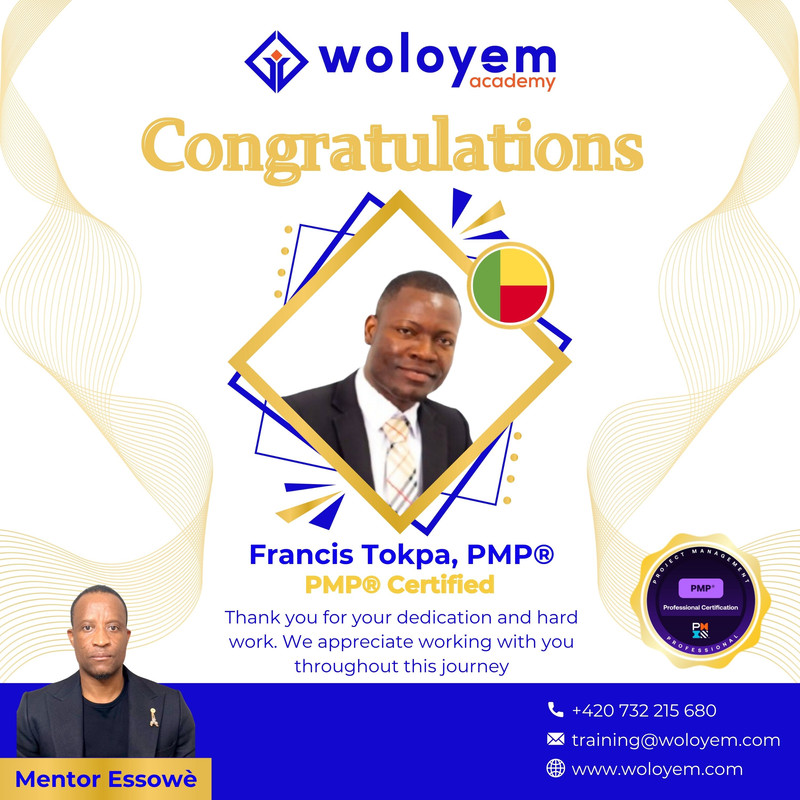
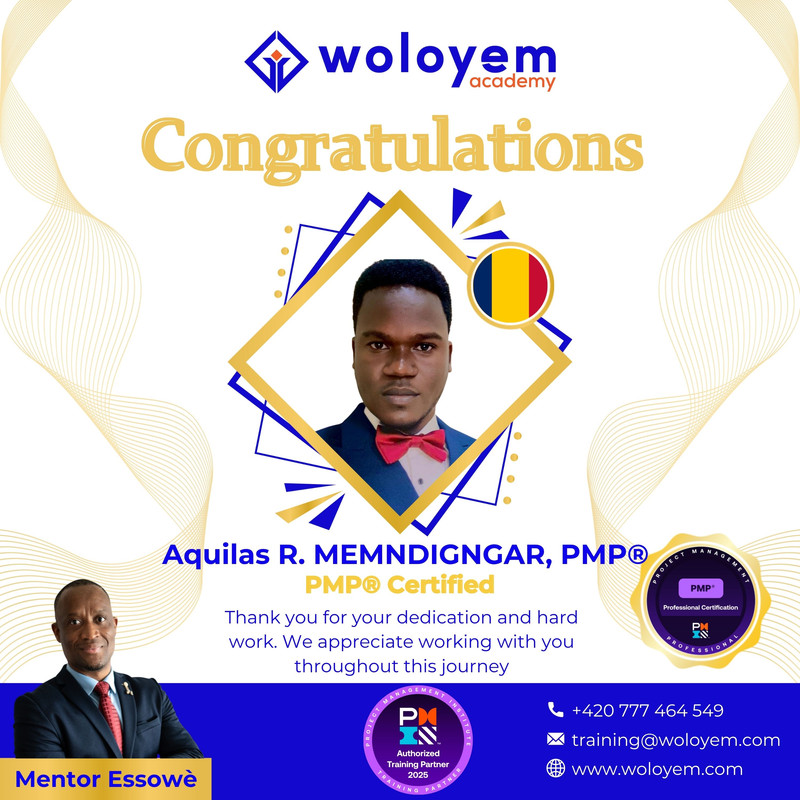
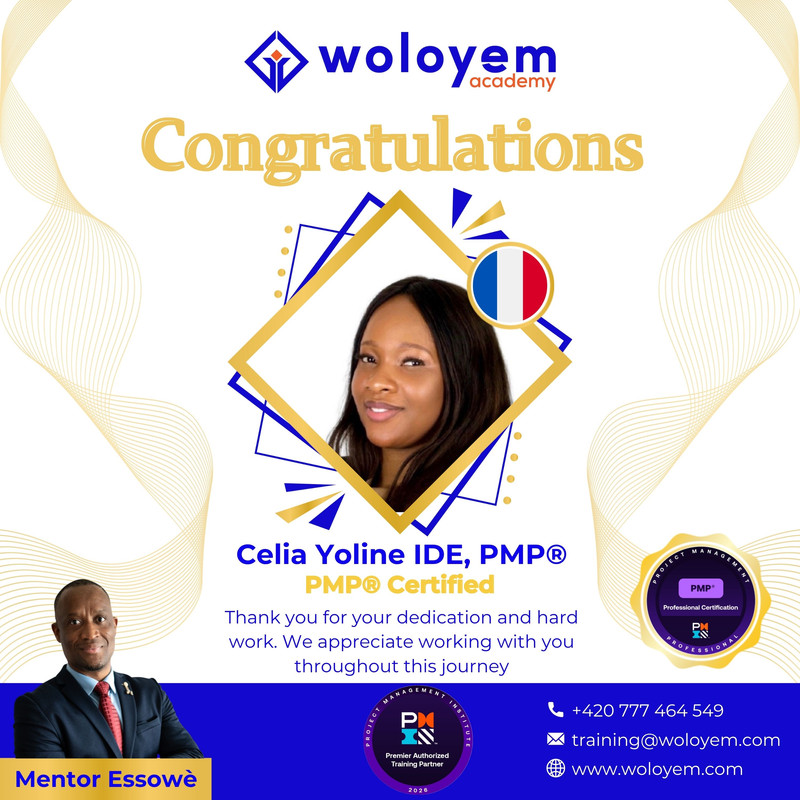
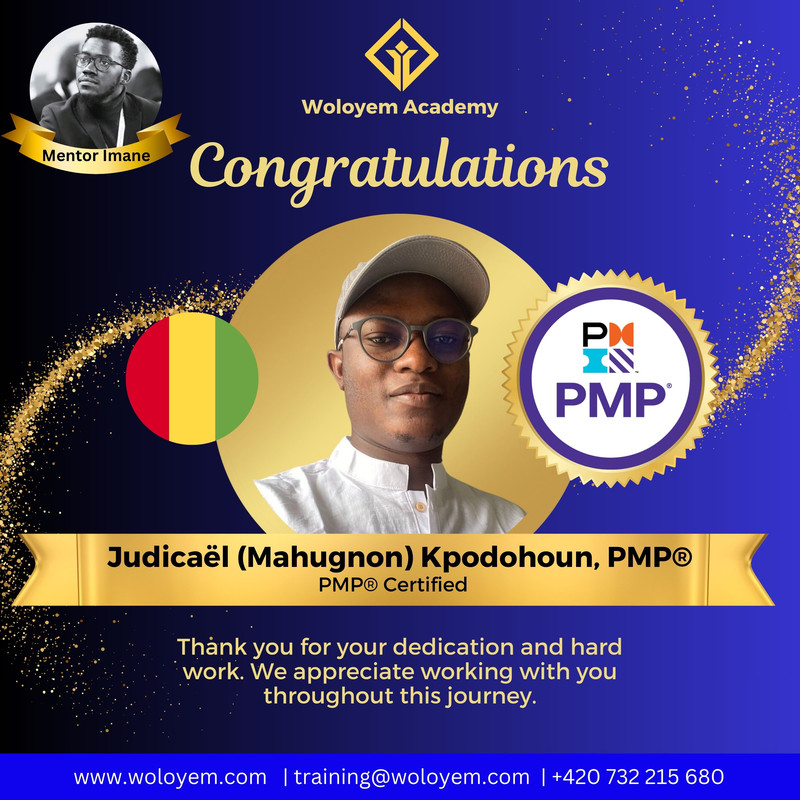
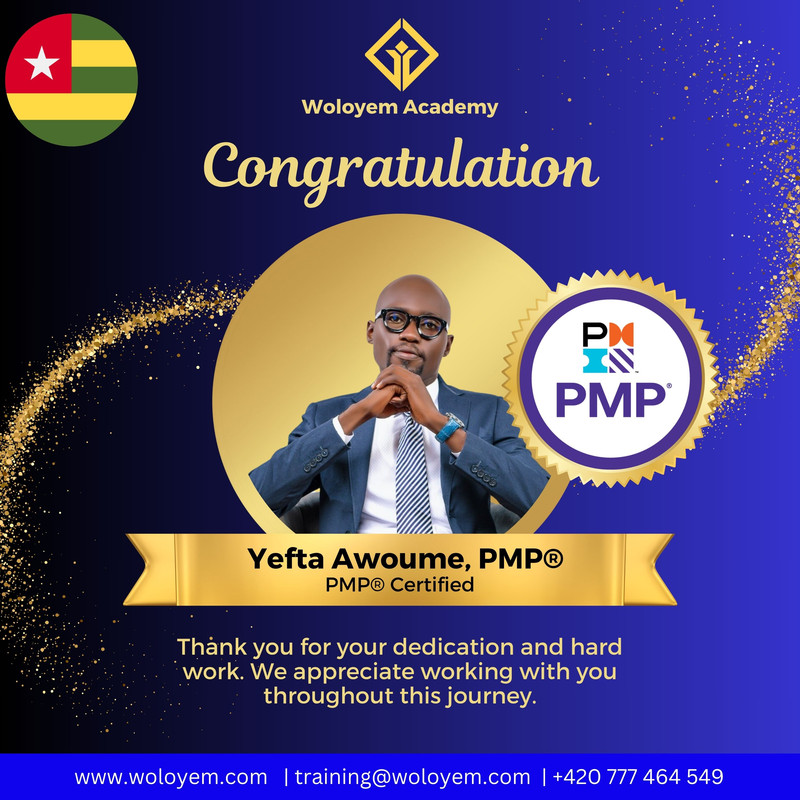
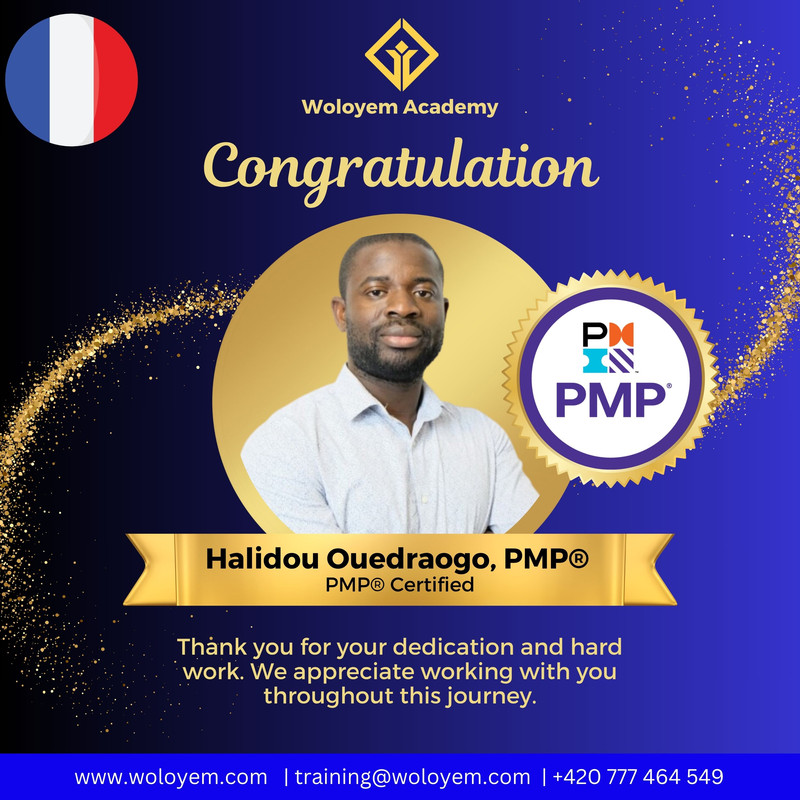
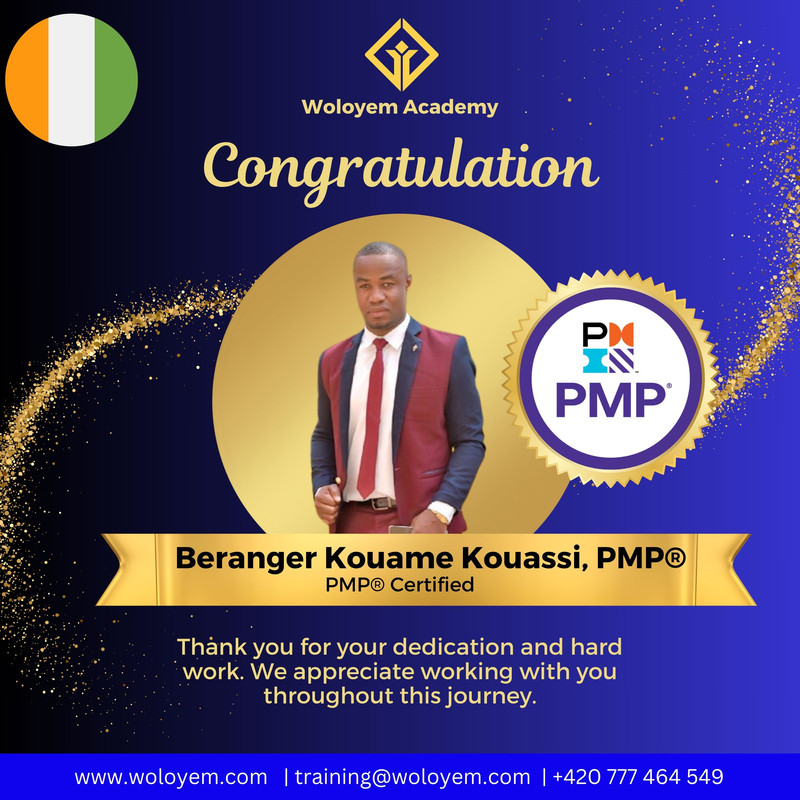
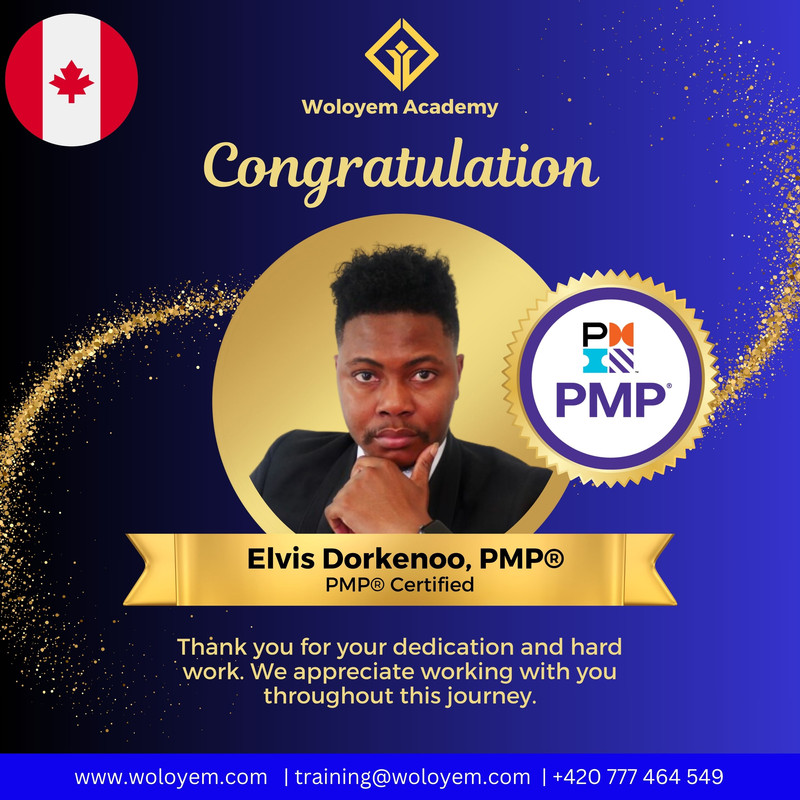
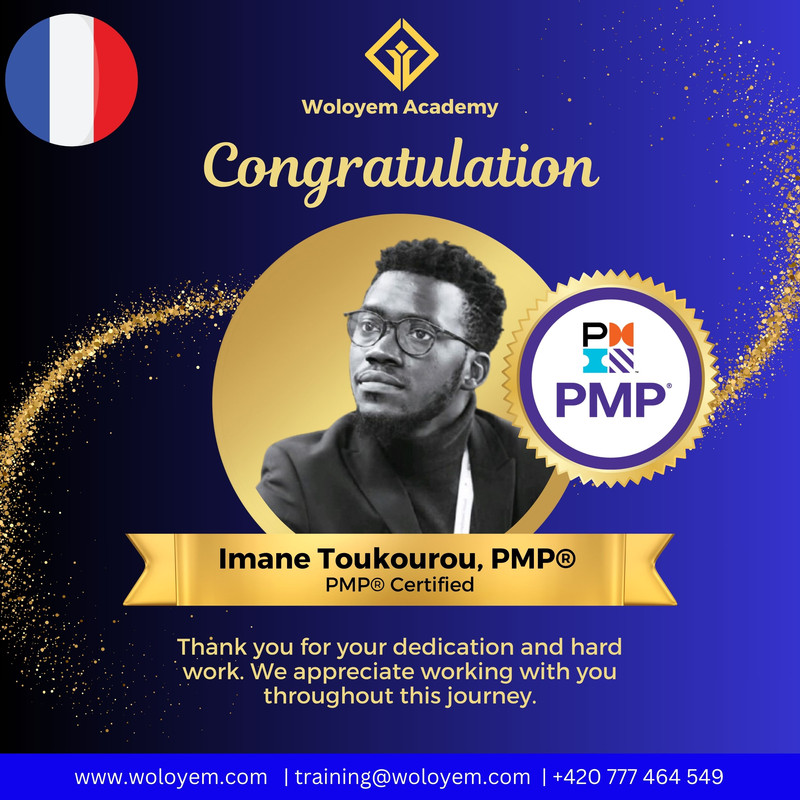
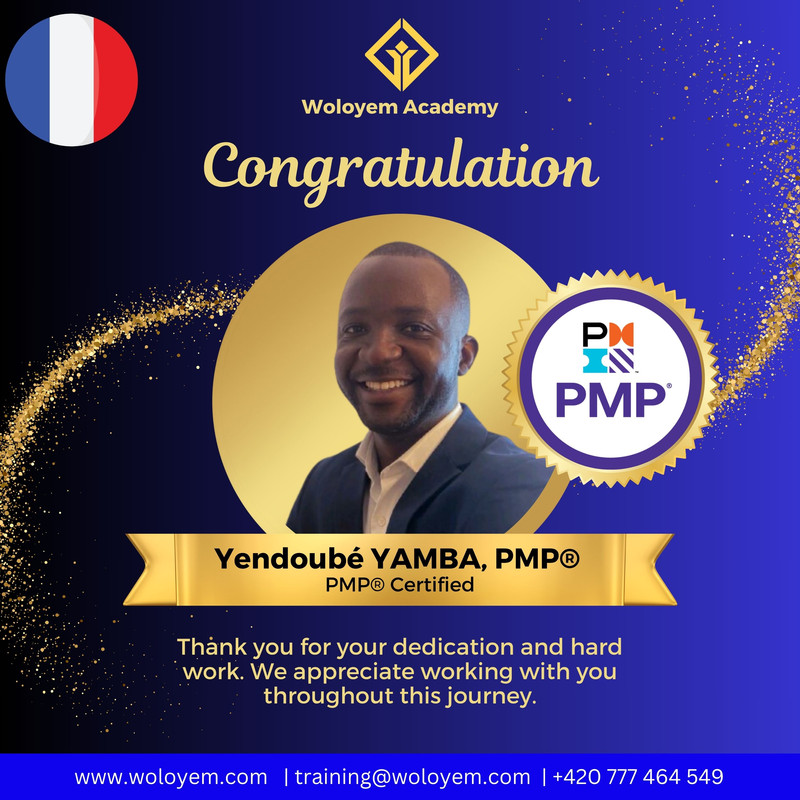
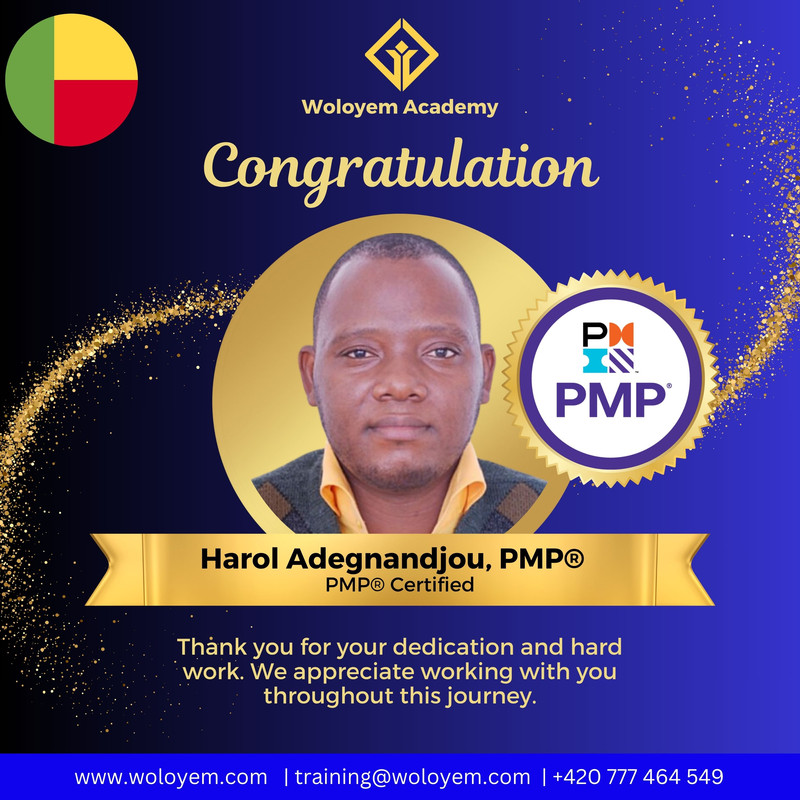
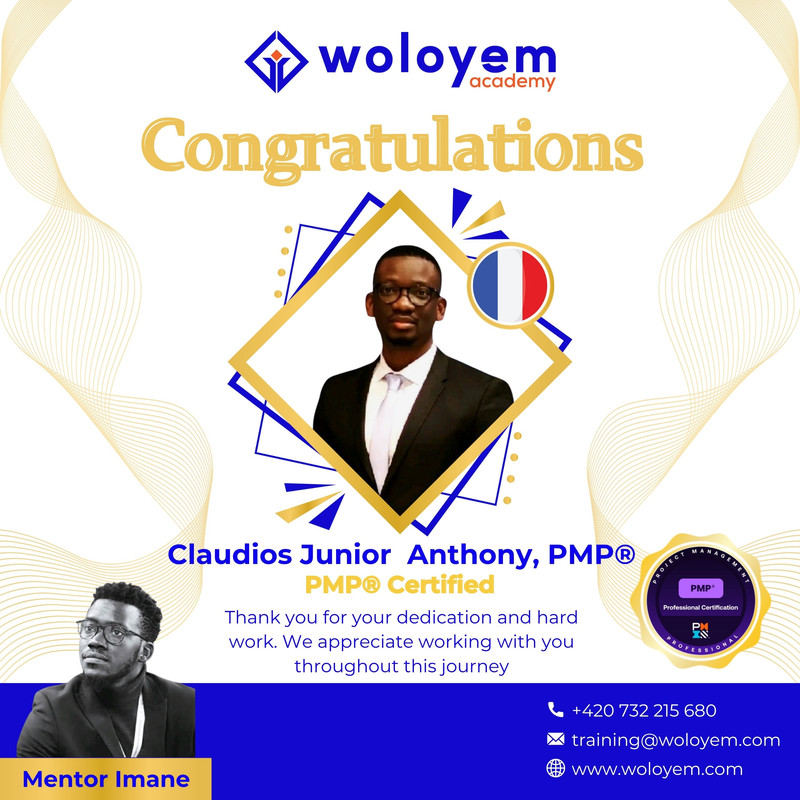
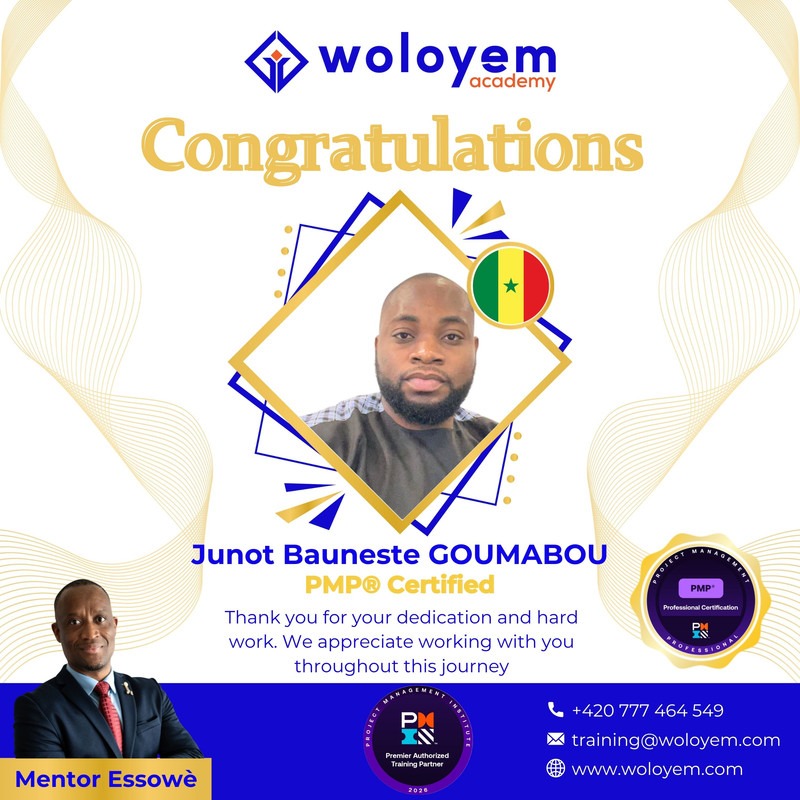
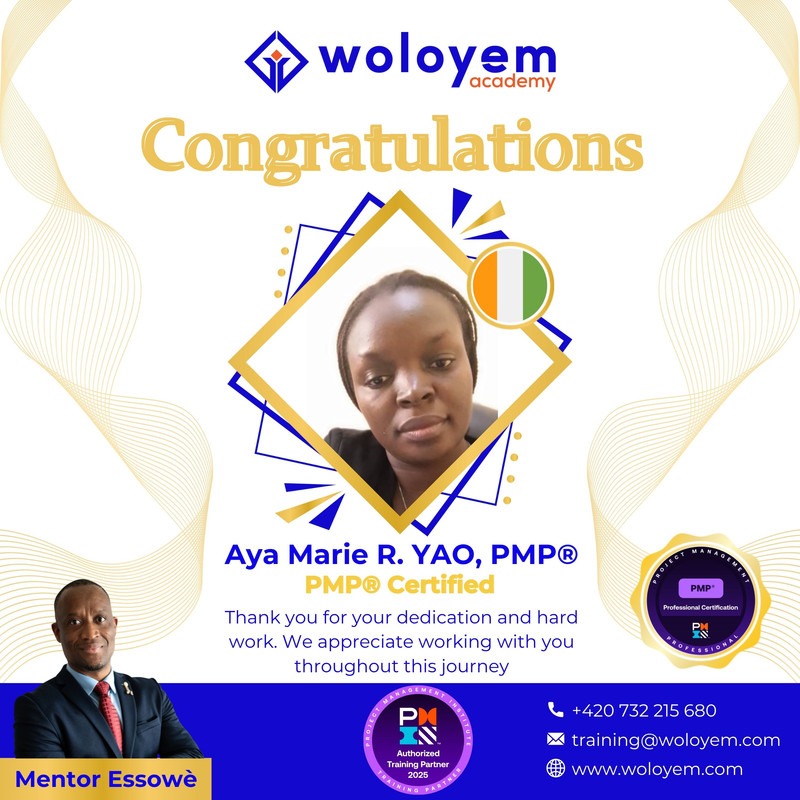
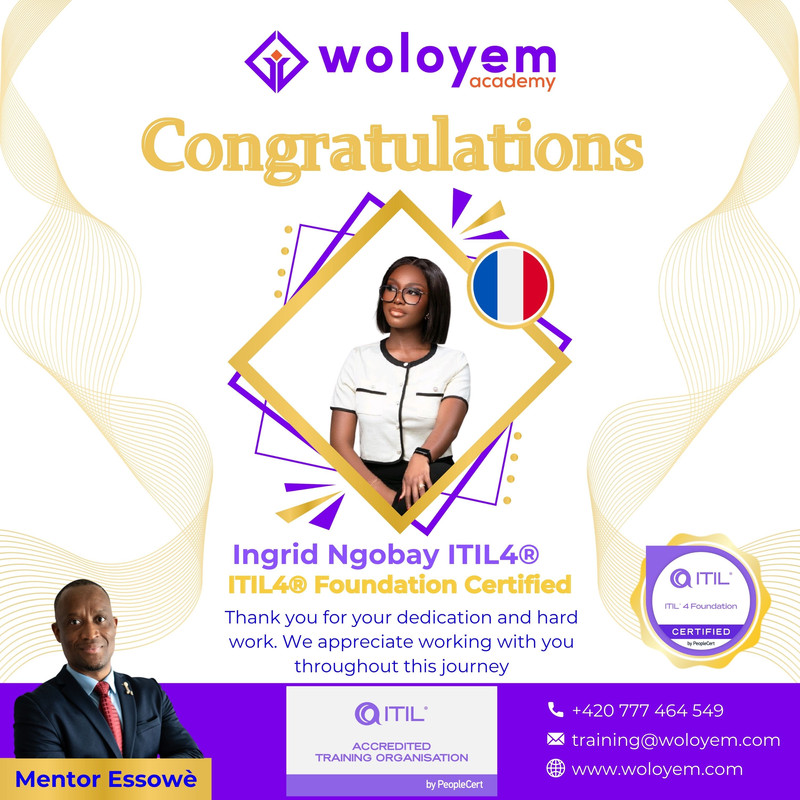
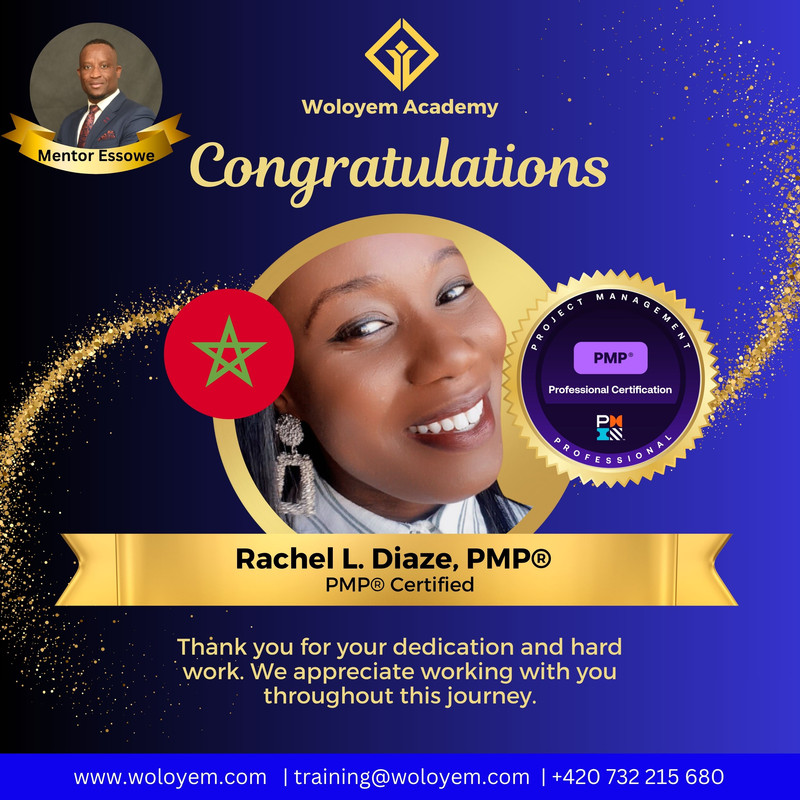
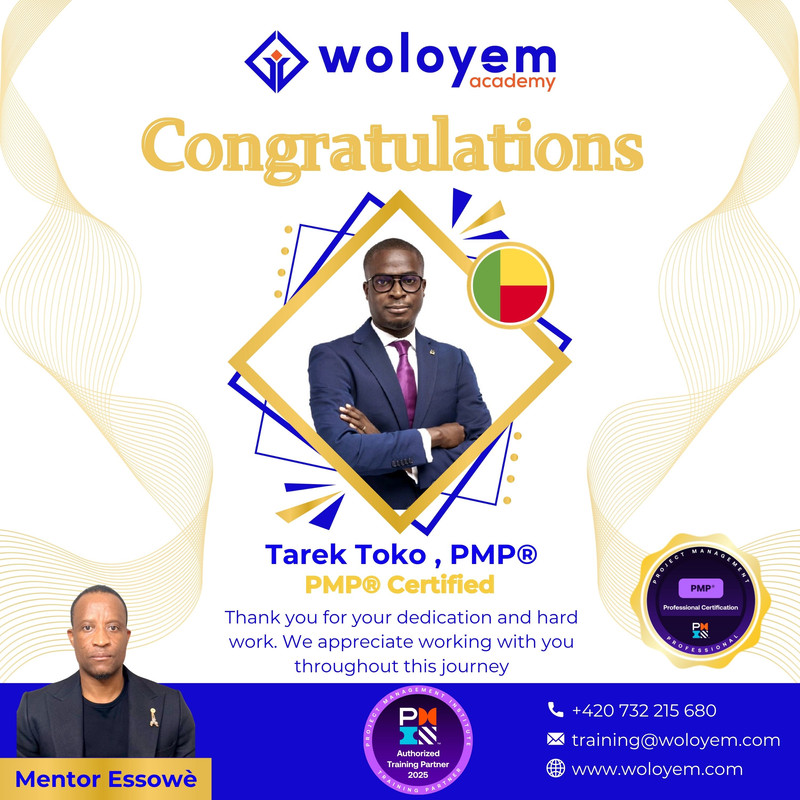
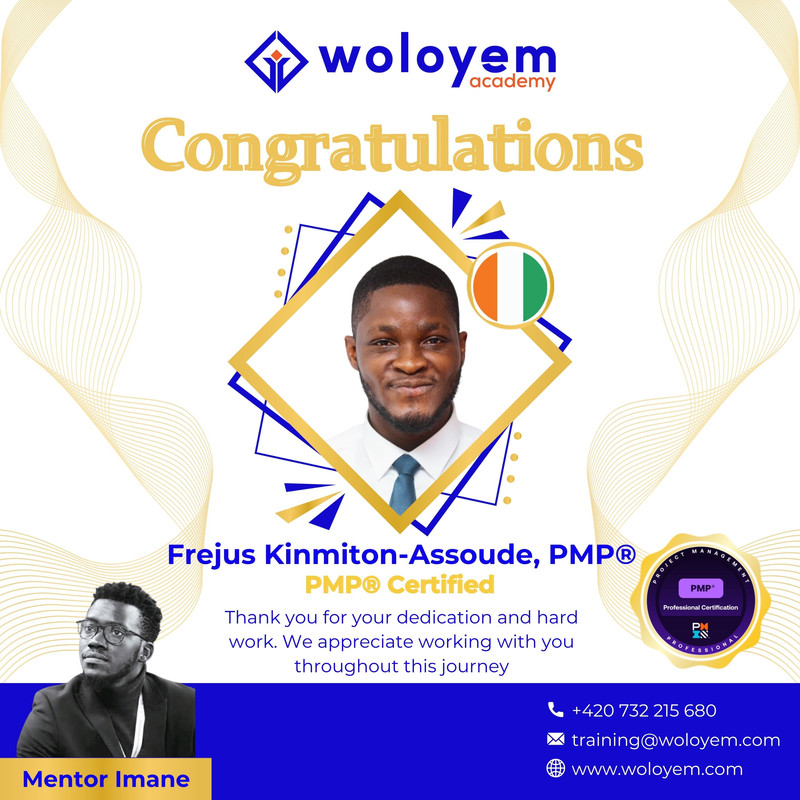
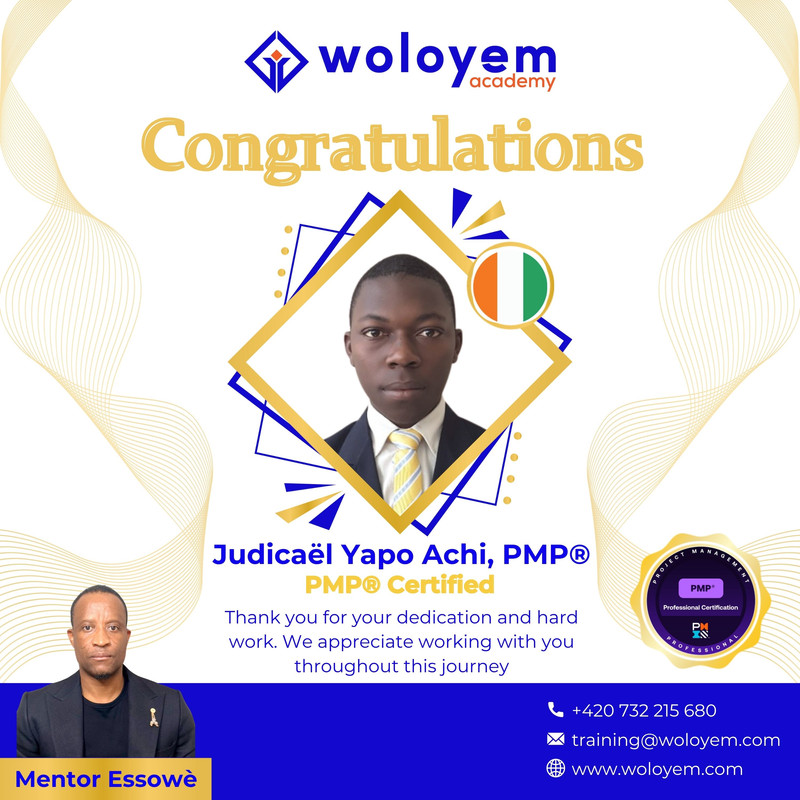
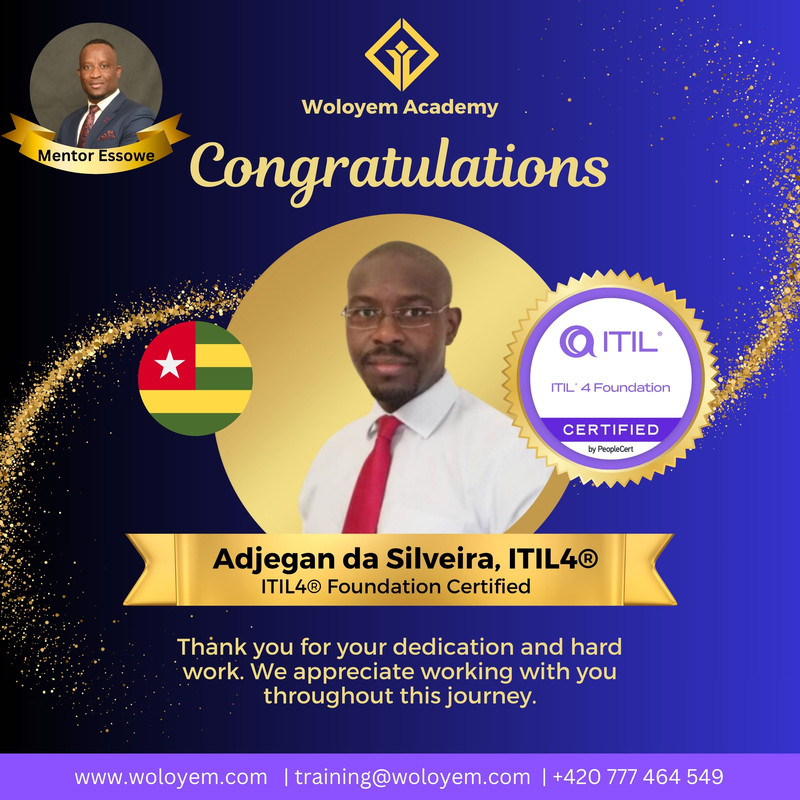
Our successes
.jpg)
.jpg)
.jpg)
.jpg)
.jpg)
.jpg)
.jpg)
.jpg)
.jpg)
.jpg)
.jpg)
.jpg)
.jpg)

.jpg)
Latest news from our blog
Courses
PREPARE EFFECTIVELY
Open PMP® Bootcamp
Pass your PMP certification in the upcoming session
ENROLL NOW