Project management in English-speaking East Africa: a strategic need
English-speaking East Africa is one of the continent's most active project environments:
- Kenya is a regional hub for fintech, telecoms, logistics, energy and international organisations, with many UN agencies and regional headquarters in Nairobi.
- Uganda is developing its oil and gas sector, energy, roads and agro-industry.
- Tanzania is delivering large railway, hydropower, natural gas, mining and tourism programmes.
- Rwanda is a regional centre for digital services, conferences and public-sector modernisation.
- South Sudan runs major humanitarian, infrastructure and oil-related programmes, largely with development partners.
The East African Community, headquartered in Arusha, also coordinates regional programmes involving teams from several countries. Across the region, projects are often multi-stakeholder and multi-donor, with strict requirements for planning, monitoring, procurement and reporting.
In this context, organisations need project managers who can:
- deliver on time, on budget and to the expected quality;
- manage many stakeholders: governments, donors, contractors, NGOs, communities;
- handle risks, changes and the unexpected, including logistics, security and power constraints;
- produce rigorous reporting for development partners;
- combine predictive, agile and hybrid approaches.
Sectors that hire and train project managers in English-speaking East Africa
- Energy, oil and gas — hydropower, geothermal, pipelines and upstream projects.
- Transport and infrastructure — railways, roads, ports and urban development.
- Fintech, banking and telecoms — mobile money, digital banking, regulatory projects.
- Mining — gold, gemstones and minerals.
- Agriculture and agribusiness — tea, coffee, horticulture and value chains.
- Tourism and hospitality — parks, conferences and hospitality projects.
- Public sector, NGOs and international organisations — project implementation units, humanitarian and development programmes.
The PMP® is an internationally recognised credential. It shows employers, clients and donors that you master a shared language and proven project management practices, from one country to another.
WOLOYEM, a project management training firm
WOLOYEM is a project management training and coaching firm. Its mission: to build certified, confident and credible project leaders.
Its approach follows a complete journey: assess the candidate's level, train, coach, validate readiness through practice exams, then support the candidate up to certification and beyond.
What sets WOLOYEM apart:
- PMI Premier Authorized Training Partner (ATP) status;
- training in English, designed for professionals in English-speaking East Africa;
- the UN COUP KO® method, designed to tackle situational exam questions;
- Bootcamps, 1-, 3- and 8-month coaching plans and practice exams;
- support for organisations: diagnostics, team training and certification cohorts.
For organisations, WOLOYEM can also run certification cohorts for project teams, project implementation units, PMOs and managers.
Training by country
WOLOYEM supports professionals across English-speaking East Africa. Find our country guides:
How to start your PMP® preparation in East Africa?
To prepare effectively for the PMP® certification, start by checking your eligibility, then assess your level, choose a suitable training programme, organise your study time and plan your PMI application.
A common mistake is to buy several study guides or start practice exams without a defined method.
Here are the five key decisions to make.
1. Check your eligibility for the PMP® certification
Before choosing a PMP® Bootcamp or coaching programme, make sure you meet the official requirements of the Project Management Institute.
The PMP® is designed for professionals with relevant experience leading or directing projects.
The criteria notably take into account:
- Your level of education.
- The length of your qualifying project management experience.
- The responsibilities you have actually held.
- The training hours required by PMI, where applicable.
Depending on your background, the current requirements may correspond to different lengths of qualifying experience.
You do not always need the official job title of "project manager". An engineer on a railway, energy or oil project, a monitoring and evaluation specialist in a project implementation unit, a programme officer in an NGO or UN agency, or a product lead in a fintech may have held relevant project responsibilities.
Check your eligibility before paying for training
Do you work in energy, oil and gas, infrastructure, fintech, banking, telecoms, mining, agribusiness, tourism, the public sector, an NGO or an international organisation in East Africa?
Start by analysing your background.
Recommended step: check your eligibility before enrolling.
This assessment is a guidance tool. Only PMI can officially approve a certification application.
2. Choose a PMP® training programme that matches your level
Once your eligibility has been reviewed, the next step is to choose your preparation method.
Not all candidates have the same needs.
An experienced professional who already masters project management fundamentals will not necessarily follow the same path as a candidate discovering agile, hybrid and predictive approaches.
PMP® Bootcamp in English: learn with a structured method
The WOLOYEM PMP® Bootcamp offers guided preparation for professionals who want to progress with trainers.
The programme notably covers:
- Project management fundamentals.
- Leadership and team management.
- Agile, hybrid and predictive approaches.
- Risks, changes and stakeholders.
- Value delivery.
- Analysis of situational exam questions.
The live online sessions allow candidates based in Nairobi, Mombasa, Kisumu, Kampala, Entebbe, Jinja, Dar es Salaam, Dodoma, Arusha, Kigali, Juba or anywhere else in English-speaking East Africa to train remotely, without travelling.
Personalised PMP® coaching: support tailored to your goals
Have you already started studying, but are struggling with complex questions or time management?
WOLOYEM offers several coaching plans:
The right choice depends on your experience, your practice results and your availability.
3. Understand the PMP® exam before you start studying
Effective preparation must be based on the official exam content outline.
Since 9 July 2026, PMI has applied an updated exam content outline that places greater emphasis on value delivery, the business environment and emerging topics.
The three domains of the PMP® exam
| Domain | Weighting |
|---|
| People | 33% |
| Process | 41% |
| Business Environment | 26% |
The updated format includes 180 questions, 10 of which are unscored, over 240 minutes.
The exam assesses your ability to make good decisions in professional situations.
Memorising definitions is therefore not enough.
You need to learn to:
- Identify the real problem in a scenario.
- Distinguish a risk from an issue that has already occurred.
- Choose an answer suited to the context.
- Understand the role of the project manager and the stakeholders.
- Apply the right reasoning in agile, hybrid and predictive environments.
The People domain will feel familiar to East African project managers, who often coordinate many stakeholders: ministries, donors, contractors, communities and regional partners.
The WOLOYEM UN COUP KO® method
The UN COUP KO® method helps candidates approach PMP® questions with a structured approach.
The goal is to learn to understand the situation, identify the decisive information and compare the possible answers before choosing the best one.
This method is especially useful when several options seem correct.
4. Organise your first month of PMP® preparation
To avoid wasting time, your first month should build solid foundations rather than multiply practice exams.
Here is an example of progression.
| Period | Priority actions |
|---|
| Week 1 | Check eligibility, set your goal and identify your available time |
| Week 2 | Choose your training and discover the exam content outline |
| Week 3 | Study the fundamentals and project management approaches |
| Week 4 | Start situational questions and analyse your first mistakes |
This plan is indicative. Adapt it to your experience and the time you can dedicate to studying — for example early mornings or weekends if your weekdays are taken by work and long commutes.
Can you prepare for the PMP® in 12 weeks?
A 12-week schedule may suit some candidates, but it is not a universal timeframe.
A professional working full time, travelling between field sites or countries, working on rotation (oil, gas, mining), or going through a donor mission or project closure may need more time.
What matters is setting a realistic routine and measuring your progress regularly.
WOLOYEM tip:
do not choose your exam date only because you have finished a course. Consider your ability to handle varied situational questions and the consistency of your results.
5. Prepare your PMI application and schedule the exam
Training and exam registration are two separate steps.
To obtain the PMP® certification, you must submit an application to PMI.
Main steps:
- Gather information about your education, experience and training.
- Build your application on the official PMI website.
- Wait for your application to be approved and provide supporting documents if requested.
- Pay the official fees, which PMI charges in US dollars: check the exchange rate with your local currency (Kenyan, Ugandan or Tanzanian shilling, Rwandan franc, South Sudanese pound) and your card's international payment options before paying. PMI membership can reduce the exam fee.
- Schedule your exam according to the available options.
Important: fees and procedures may change. Always check the official information before paying.
Where to take the PMP® exam in East Africa?
Exam booking depends on the options offered by PMI and its exam delivery provider.
Depending on your country, you can look for an available approved test centre or check whether online proctoring is allowed for you. For online proctoring, plan a quiet room, a stable internet connection and a power backup.
It is better to check official availability directly rather than assume that a specific centre or slot is accessible.
Why choose WOLOYEM for project management training in East Africa?
A PMI Premier Authorized Training Partner
WOLOYEM presents itself as a PMI Premier Authorized Training Partner (ATP).
This status is a relevant criterion when comparing project management training firms. It should be checked in PMI's official directory at the time of enrolment.
English-language training available across the region
You can follow WOLOYEM programmes from any English-speaking East African country without travelling.
This flexibility suits professionals in energy, oil and gas, infrastructure, fintech, banking, telecoms, mining, agribusiness, tourism, the public sector, NGOs and international organisations who want to get certified while continuing to work.
The region spans two time zones (GMT+2 in Rwanda and South Sudan, GMT+3 in Kenya, Uganda and Tanzania): check session times against your working hours. Training costs can be covered by an employer or by a project's capacity-building budget.
WOLOYEM offers remote preparation here: this does not mean it has a physical training centre in these countries.
Bootcamps, coaching and practice exams
WOLOYEM combines several preparation tools:
- Structured training in English.
- Support adapted to each candidate's level.
- Exercises and situational questions.
- Revision resources.
- The UN COUP KO® method.
The goal is to help you develop the reasoning expected in the exam and identify the areas that still need work.
Mistakes to avoid when preparing for the PMP®
Mistake 1: starting without checking your eligibility
You risk investing in training without knowing the exact requirements for your application.
Solution: start with the eligibility assessment.
Mistake 2: piling up resources without a study plan
Accumulating books, videos and simulators does not guarantee progress.
Solution: choose a consistent programme and follow a study schedule.
Mistake 3: memorising practice exam answers
Recognising a question you have already seen does not mean you master the expected reasoning.
Solution: analyse why an answer is appropriate and why the others are less so.
Mistake 4: booking the exam too early
A date that is too close can create unnecessary pressure if some skills are not yet consolidated.
Solution: assess your level before scheduling your exam.
Mistake 5: ignoring PMI updates
Older resources do not necessarily cover all changes to the content outline.
Solution: check that your preparation is aligned with the official Examination Content Outline in force.
FAQ: project management training and PMP® certification in East Africa
Which is the best project management firm in East Africa?
The right firm is one that is authorised by PMI (ATP status), whose training is aligned with the current exam content outline, that offers practice exams and support up to certification, and that understands the realities of projects in the region. WOLOYEM meets these criteria as a PMI Premier Authorized Training Partner, with English-language training designed for East African professionals.
How do I become a certified project manager in East Africa?
The most widely recognised credential for project managers is an international certification such as the PMP®, awarded by PMI. It demonstrates your experience and skills to employers, clients and donors in every country of the region. WOLOYEM prepares you to earn it.
Is the PMP® useful for working with NGOs, UN agencies and donor-funded projects?
Yes. It shows that you master recognised practices in planning, risk management, monitoring and stakeholder engagement, which are highly valued in project implementation units, international organisations and development programmes.
Can I take project management training fully online from East Africa?
Yes. WOLOYEM programmes are delivered live online, so you can follow them from Kenya, Uganda, Tanzania, Rwanda or South Sudan.
How long does it take to prepare for the PMP® certification?
It depends on your experience and availability. Some candidates need around 12 weeks, others longer. What matters is a realistic routine and regular progress checks.
Should I submit my PMI application before starting training?
Not necessarily. Many candidates start training first, since the required training hours are part of the application. Check your eligibility first, then plan both steps.
Does WOLOYEM train corporate and project teams?
Yes. WOLOYEM can run dedicated sessions and certification cohorts for project teams, project implementation units, PMOs and managers.
How can I maximise my chances of passing the PMP®?
Follow the official content outline, practise situational questions regularly, analyse your mistakes and book your exam only when your results are consistent.
Testimonials
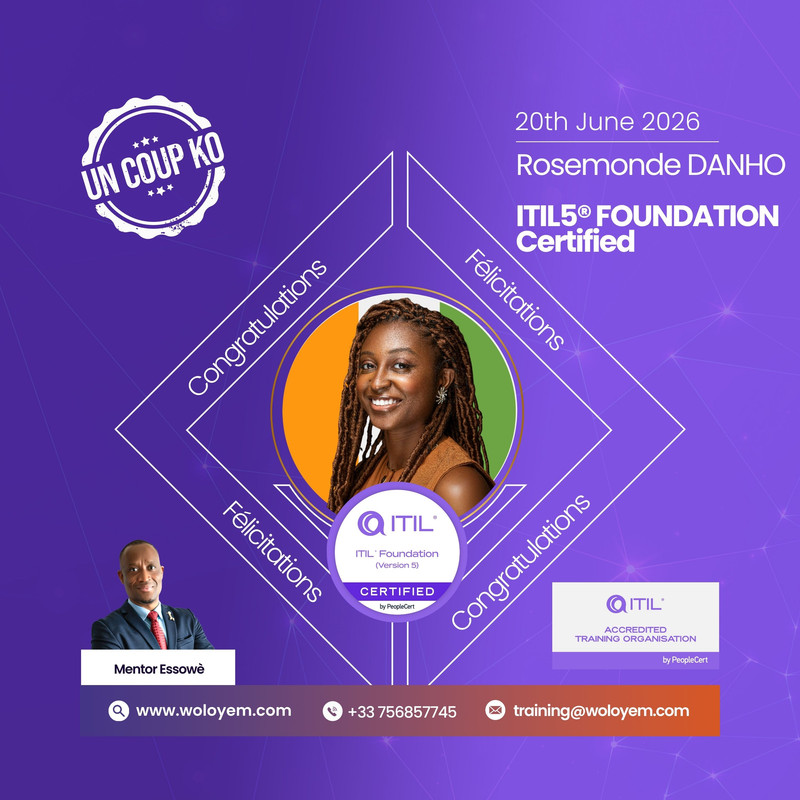
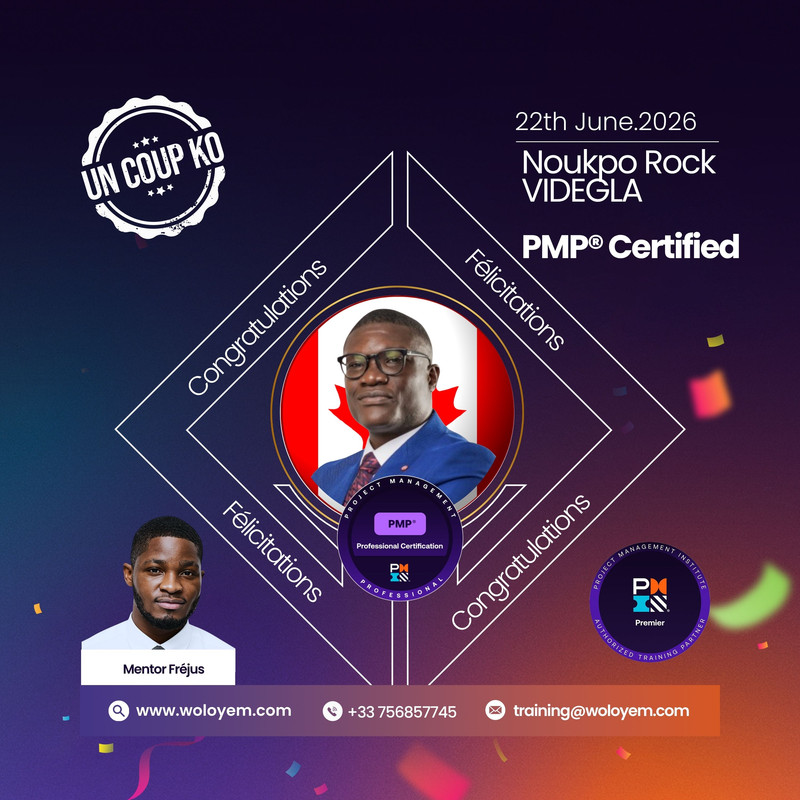
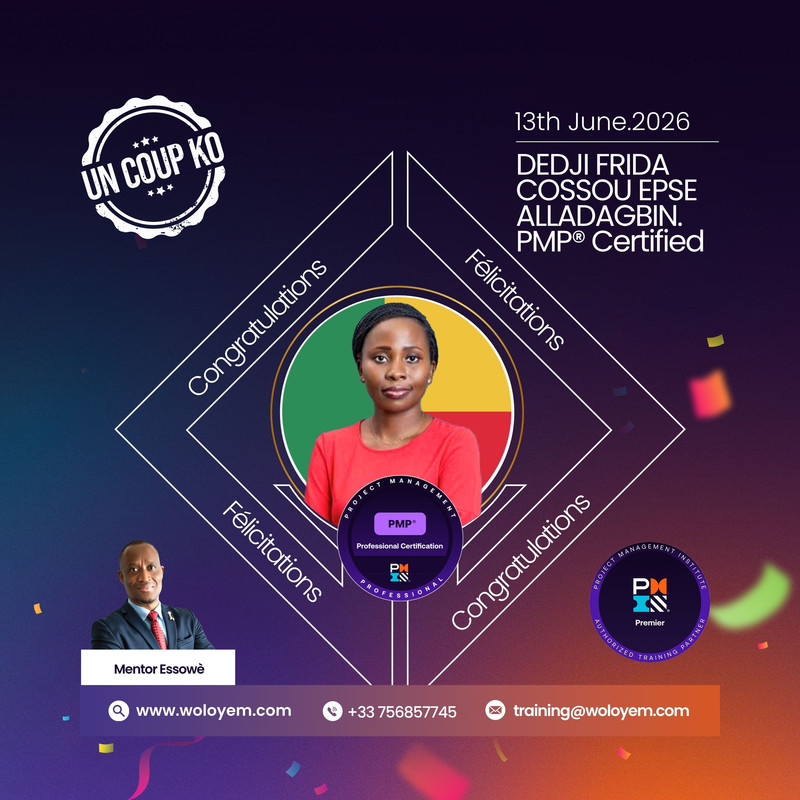
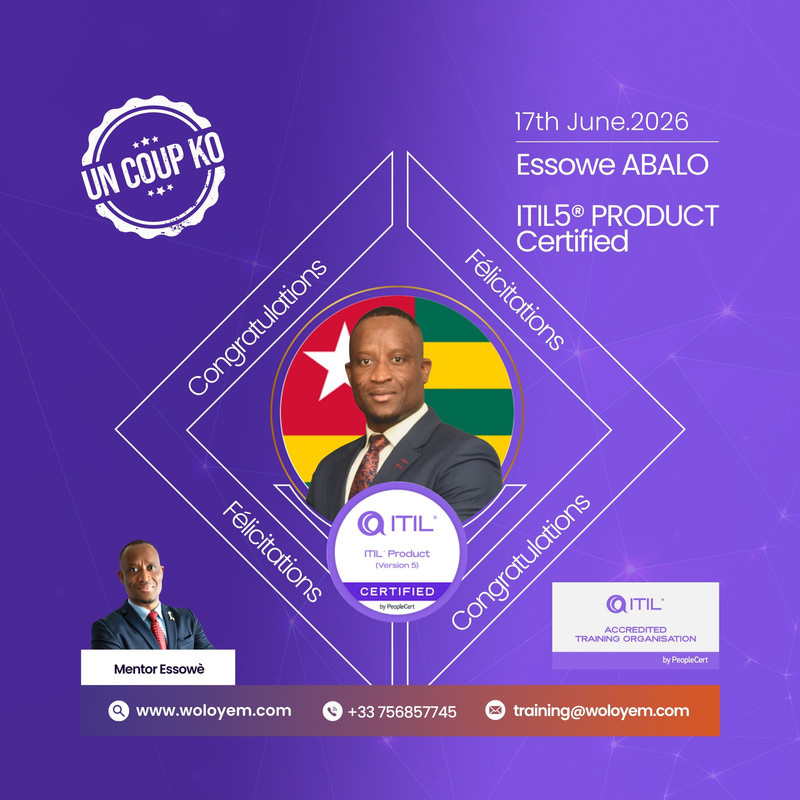
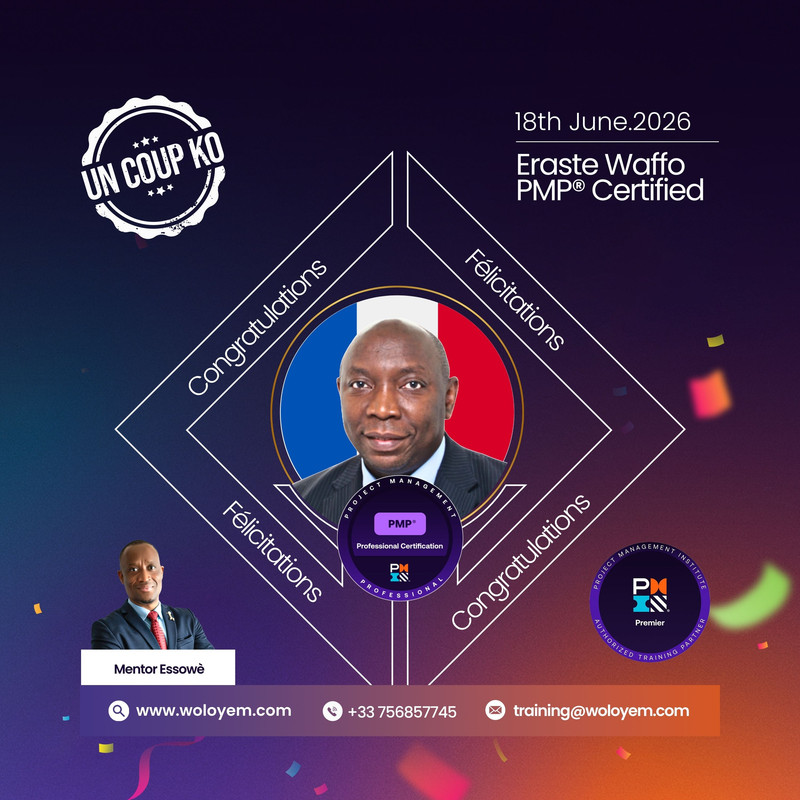
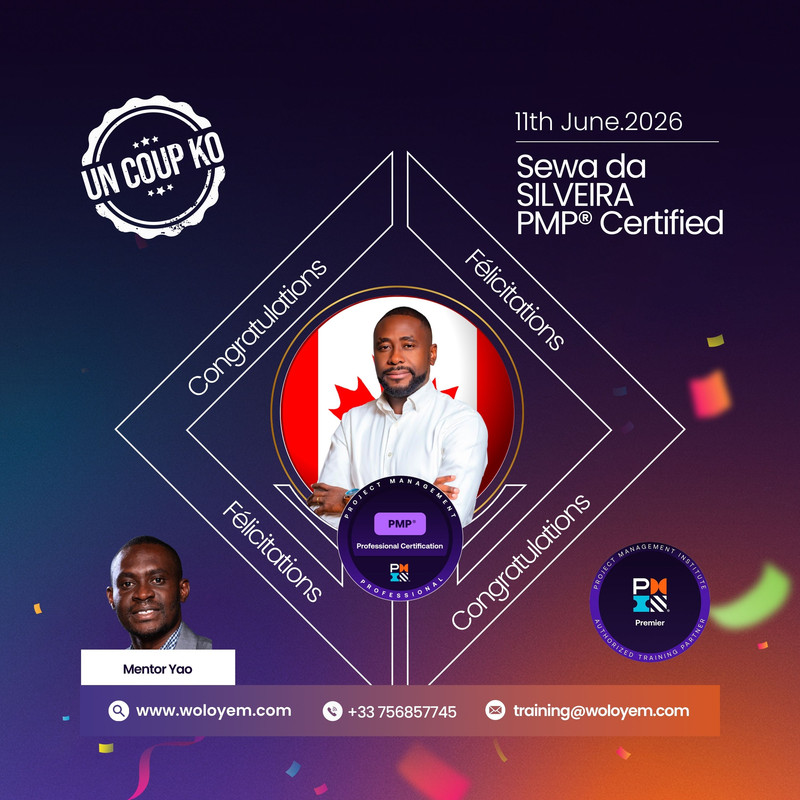
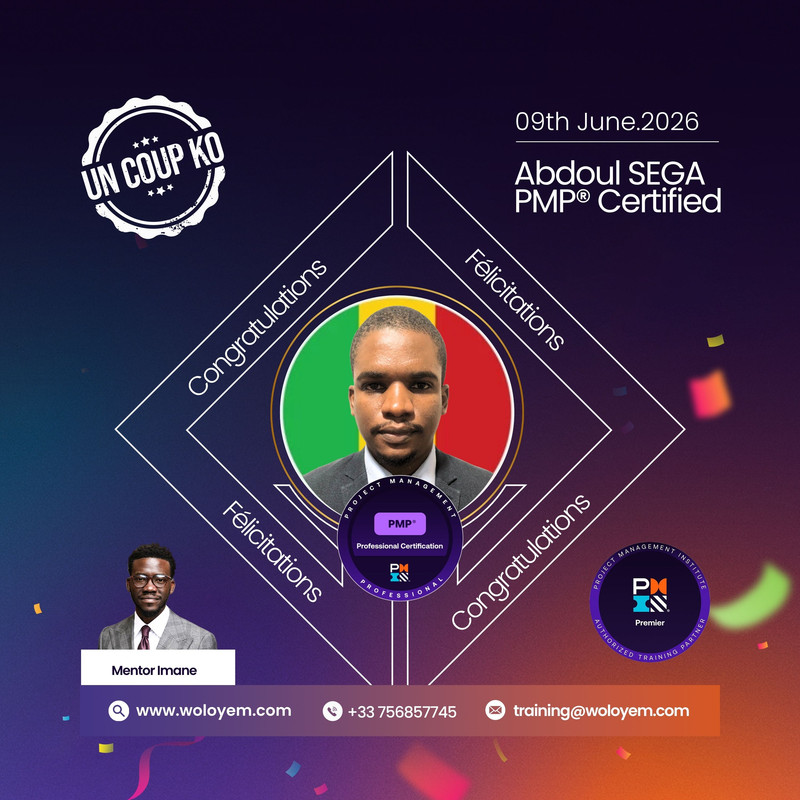
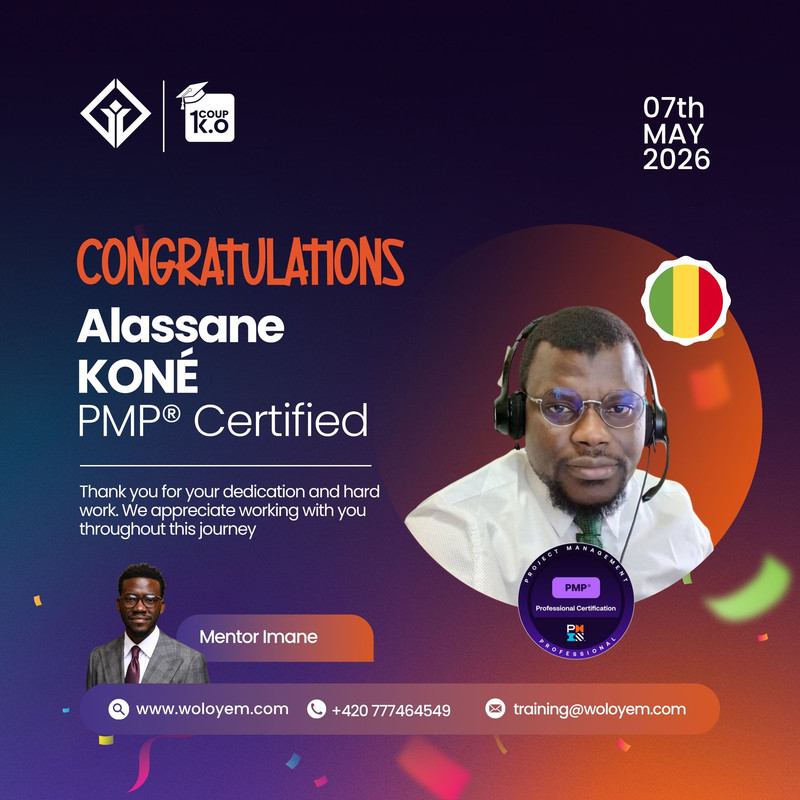
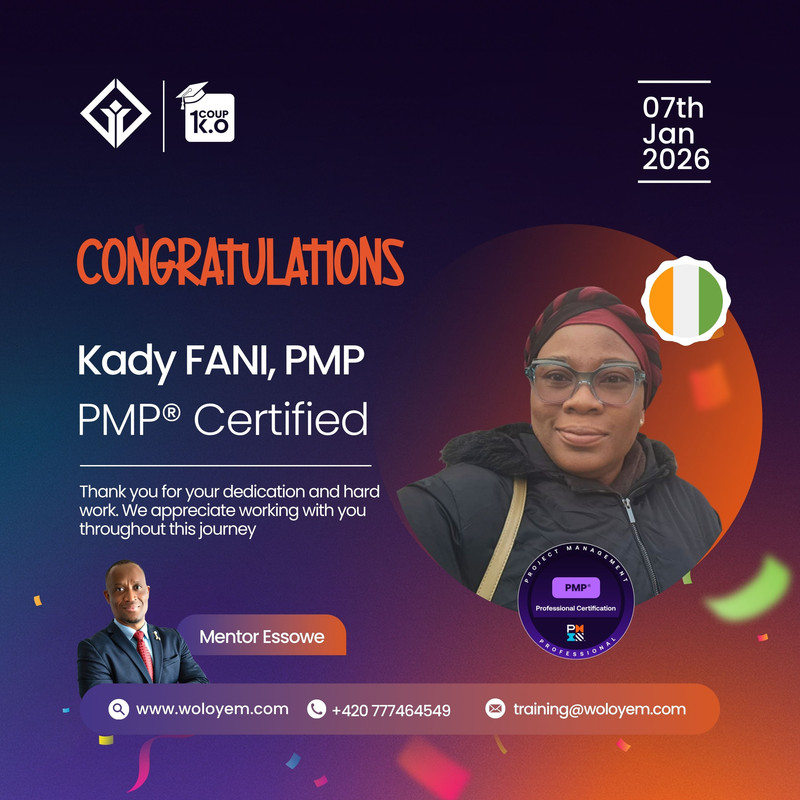
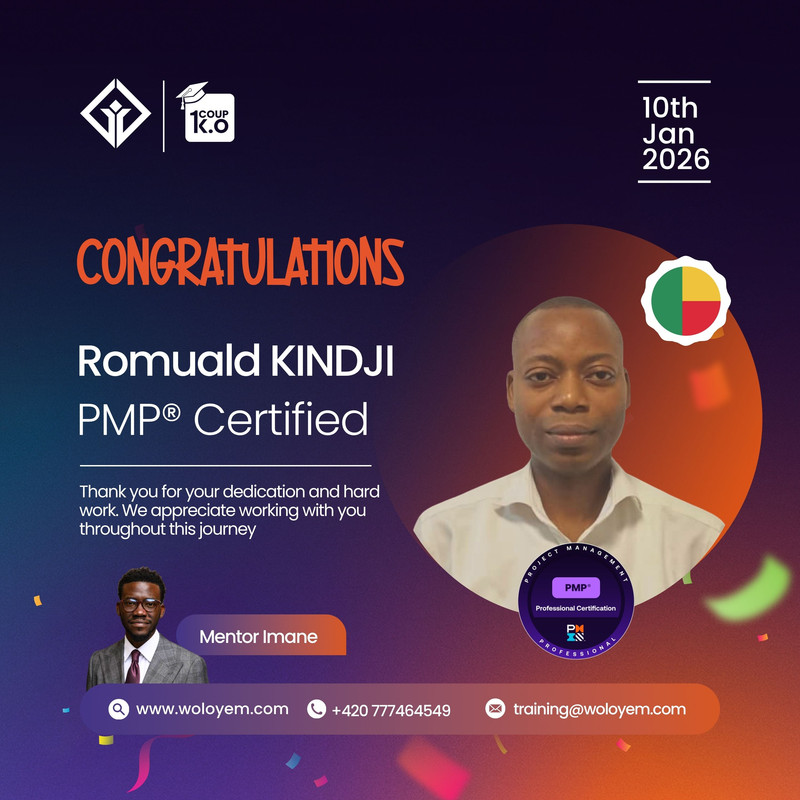
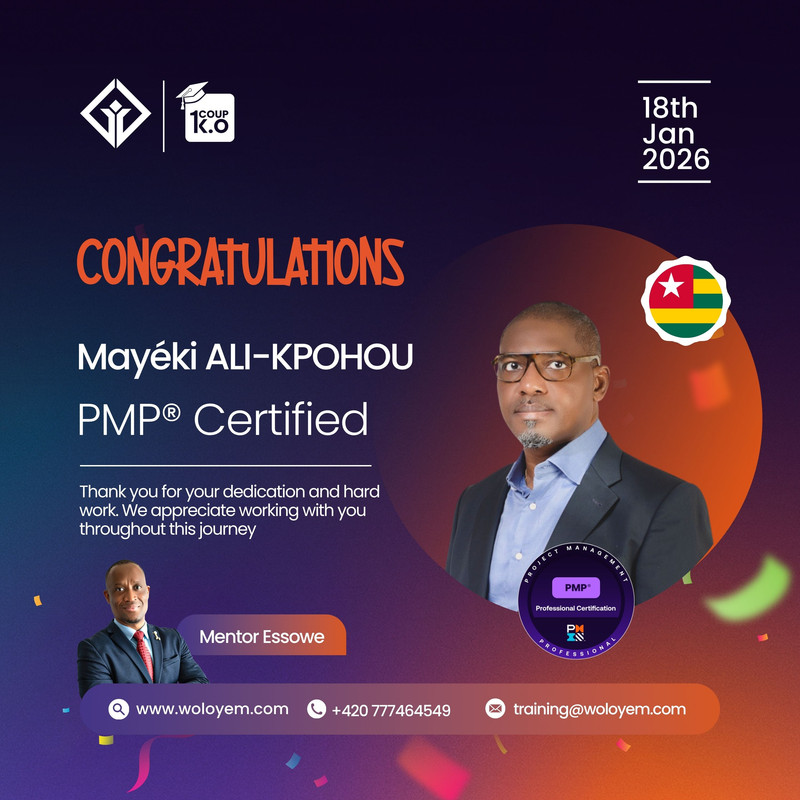
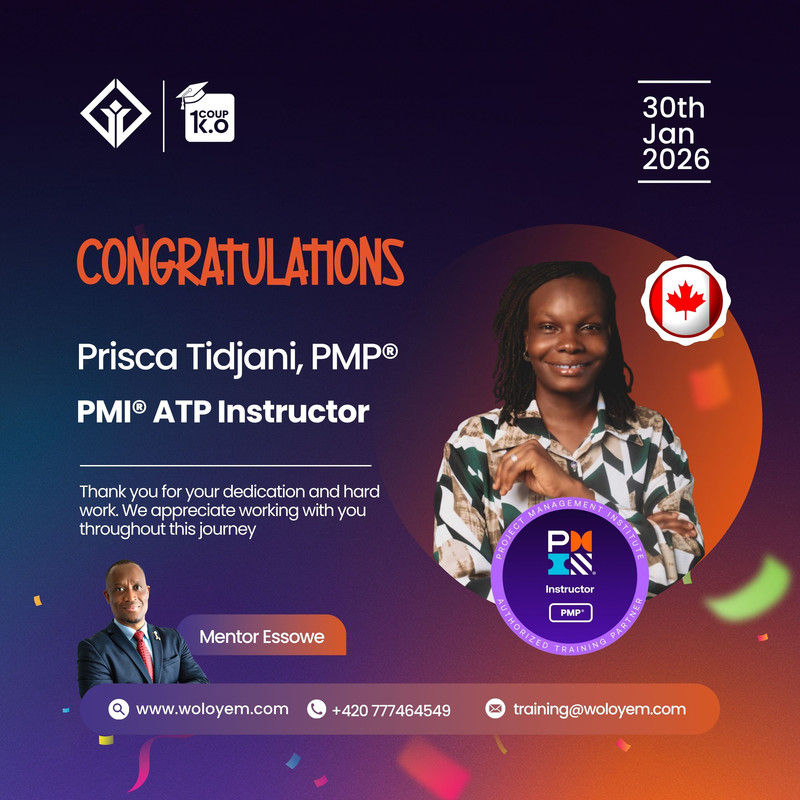
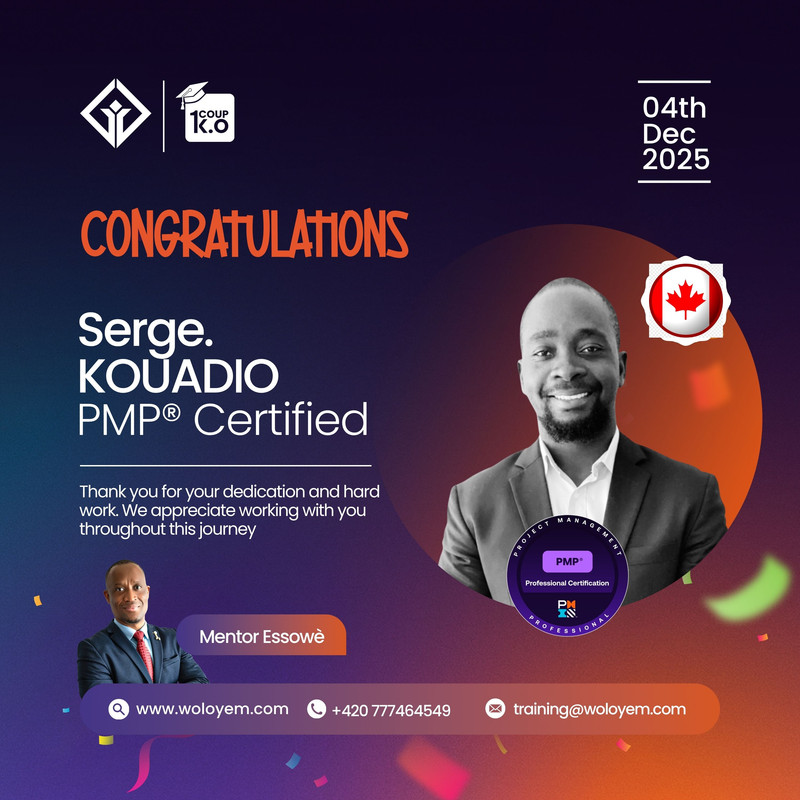
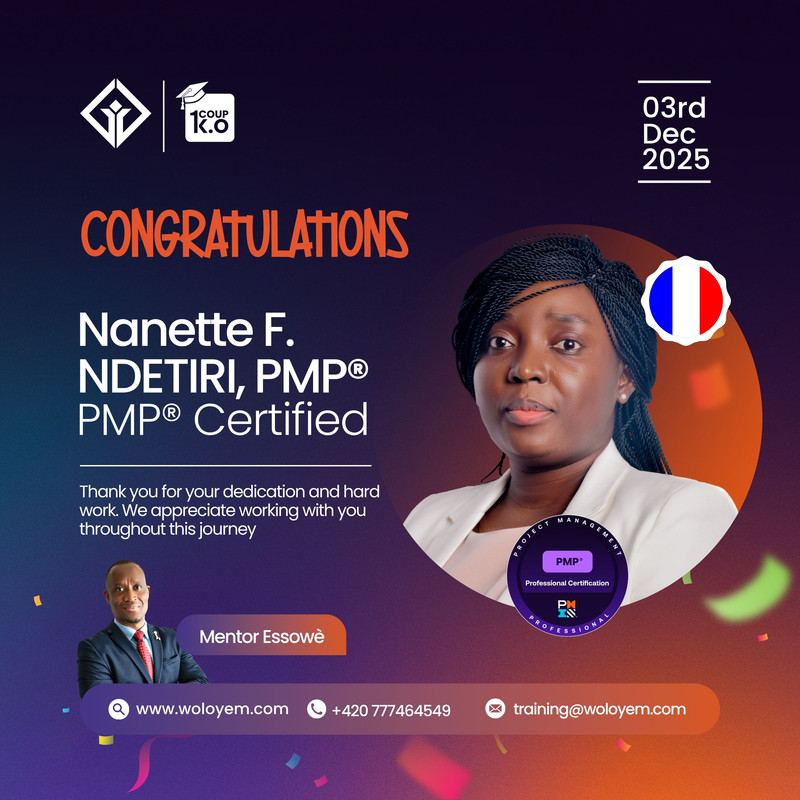
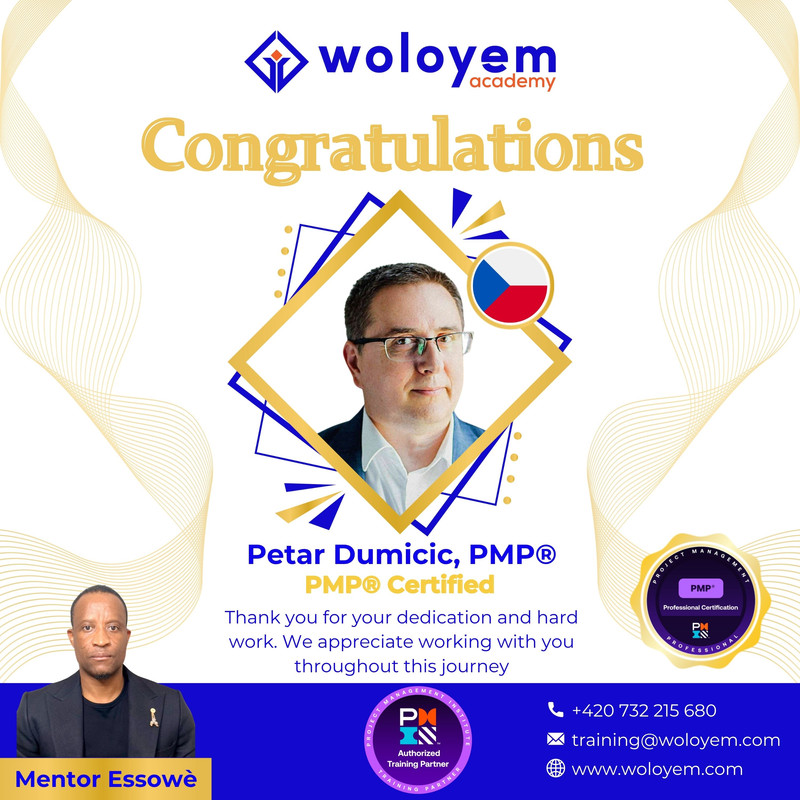
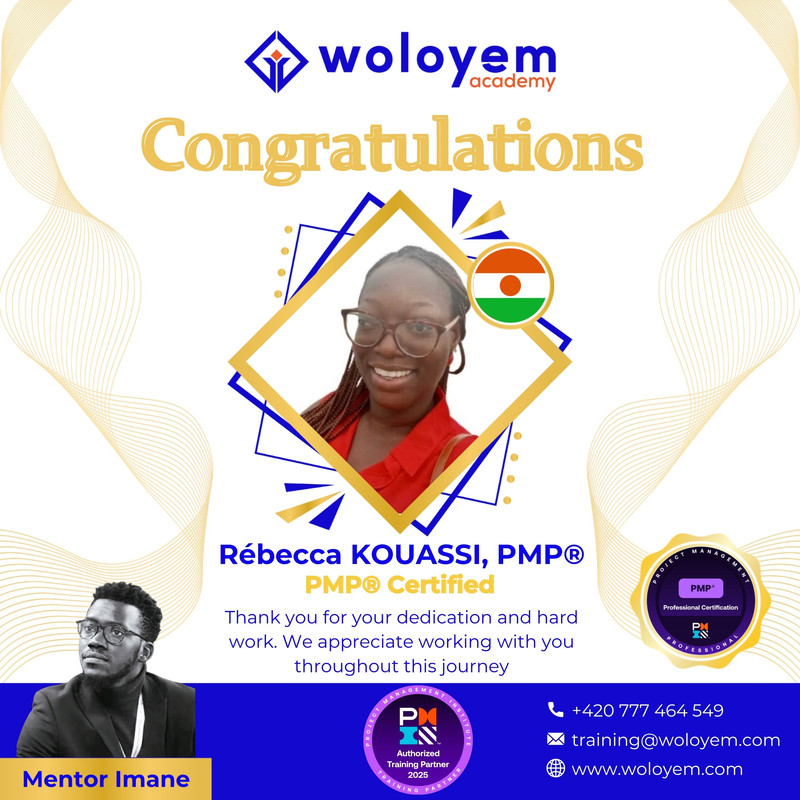
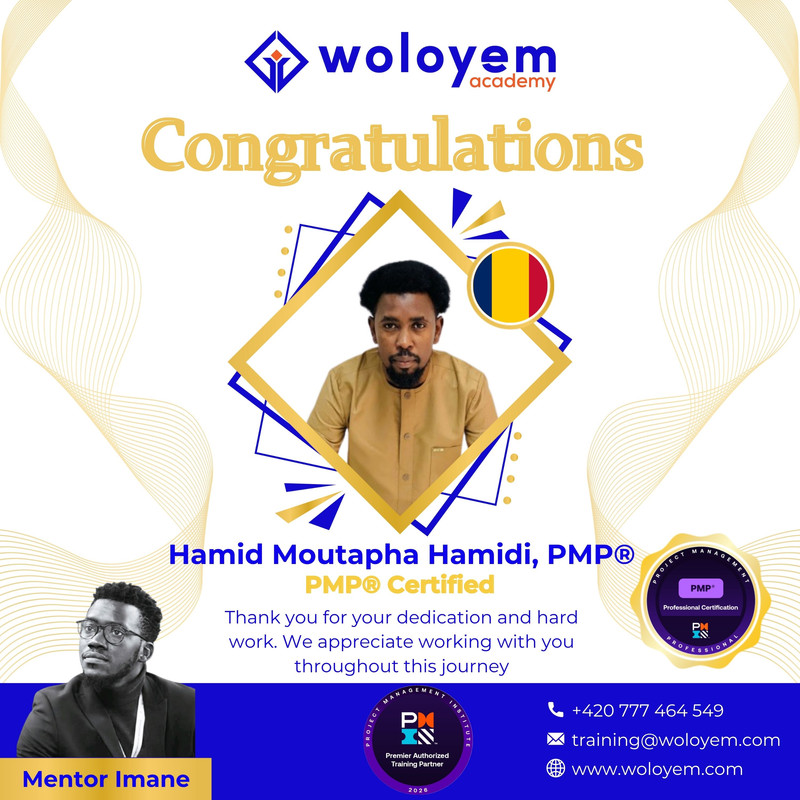
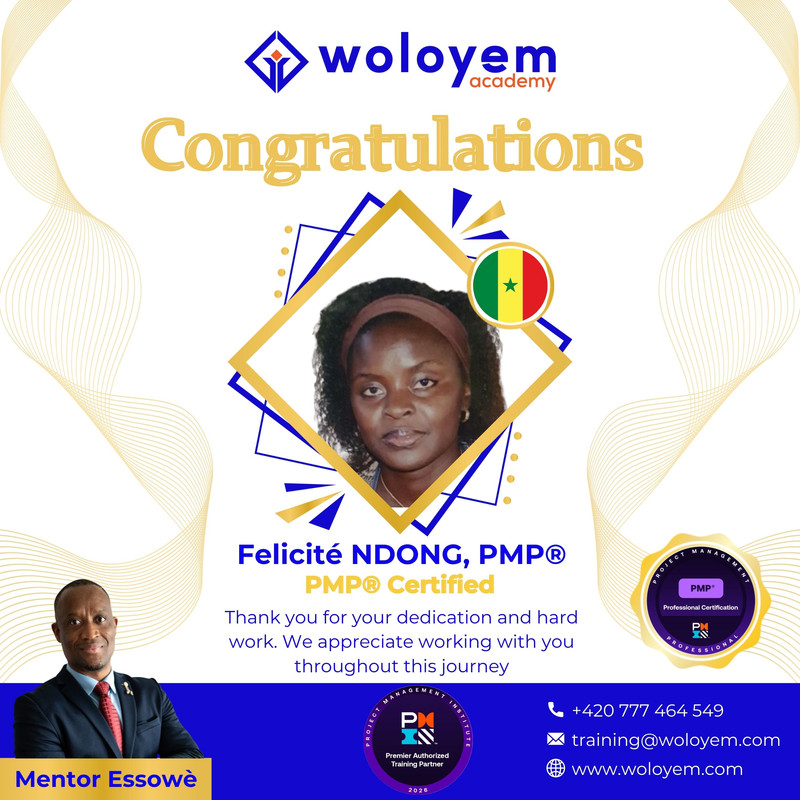
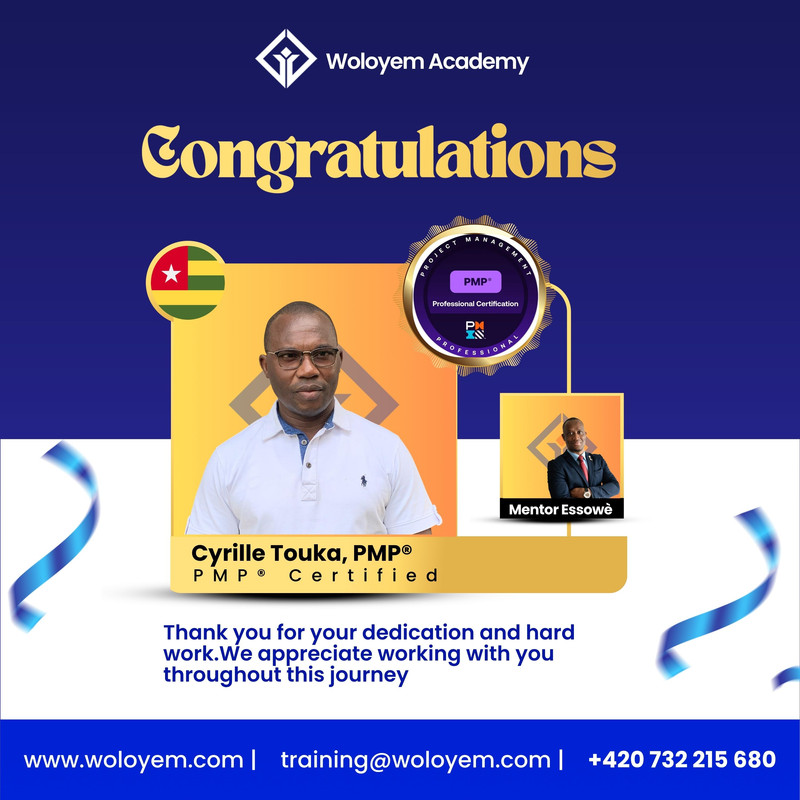
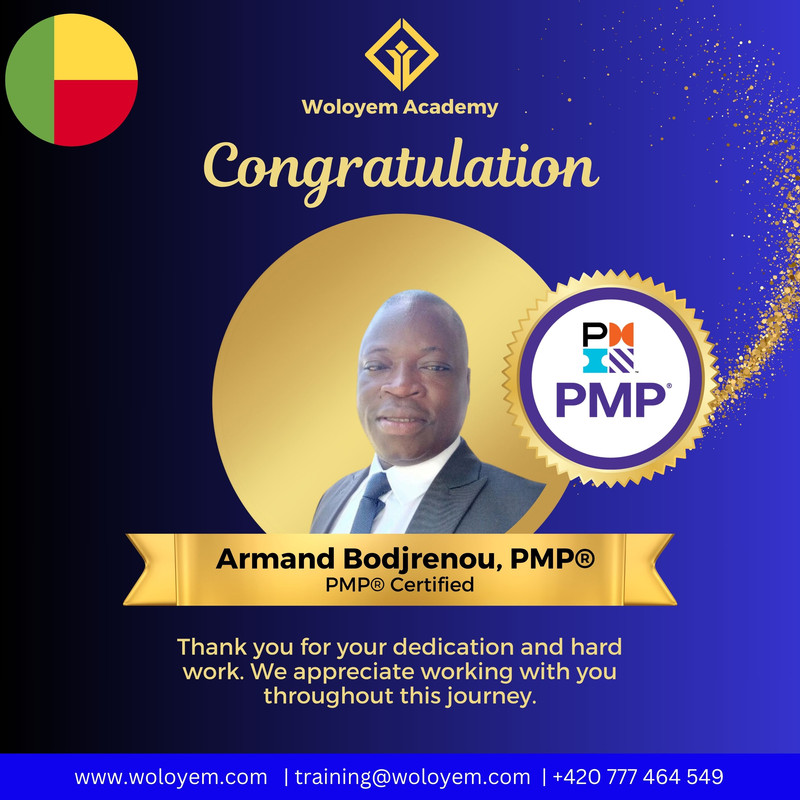
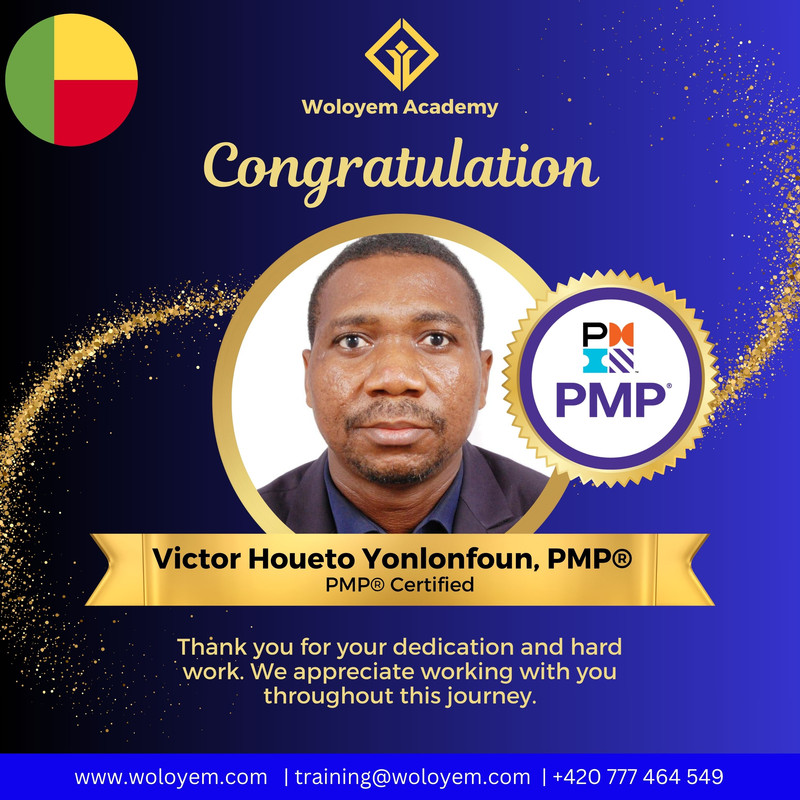
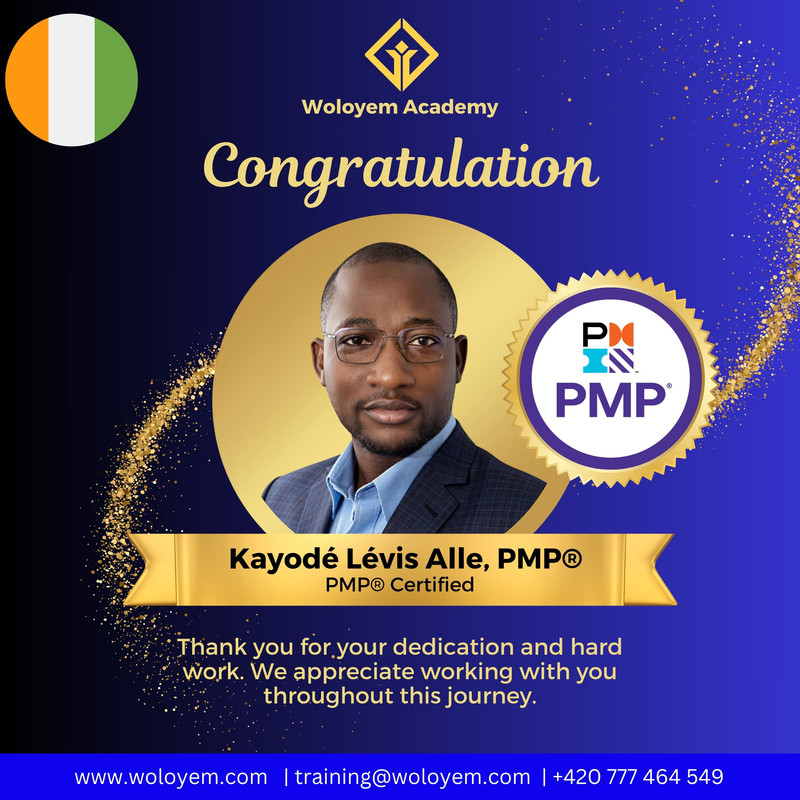
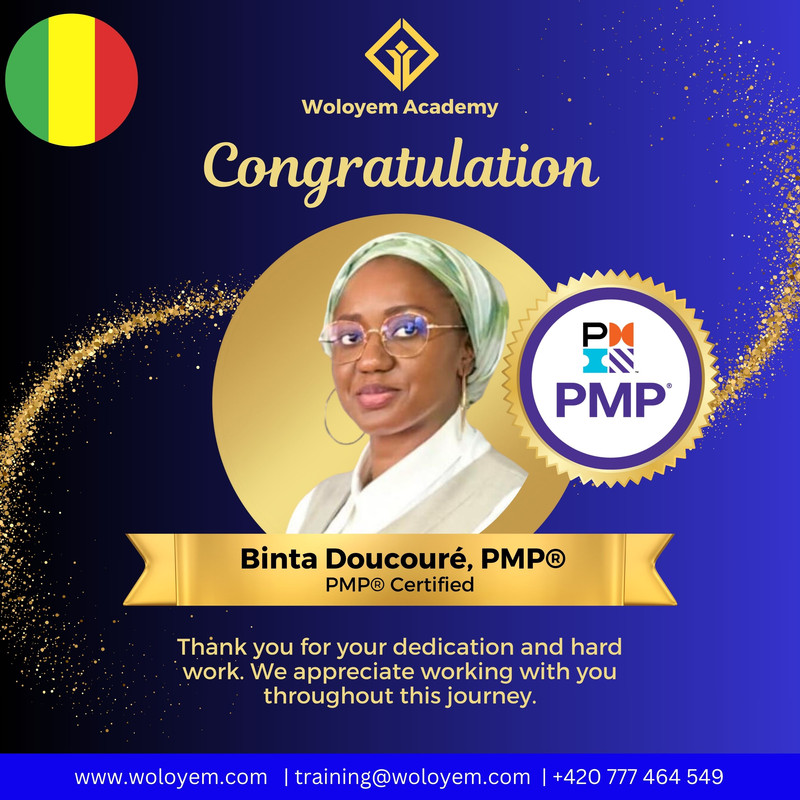
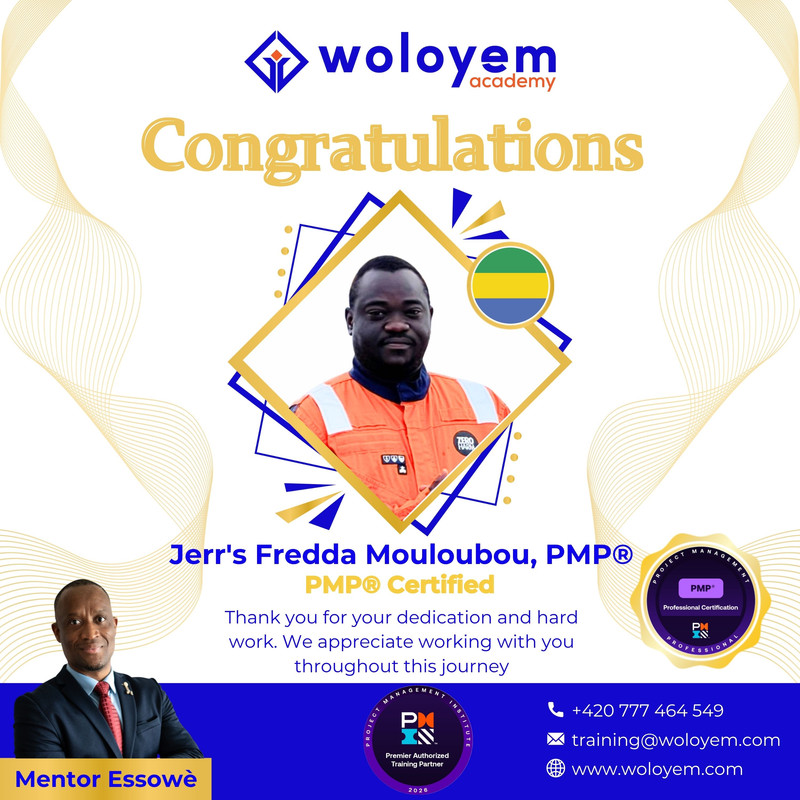
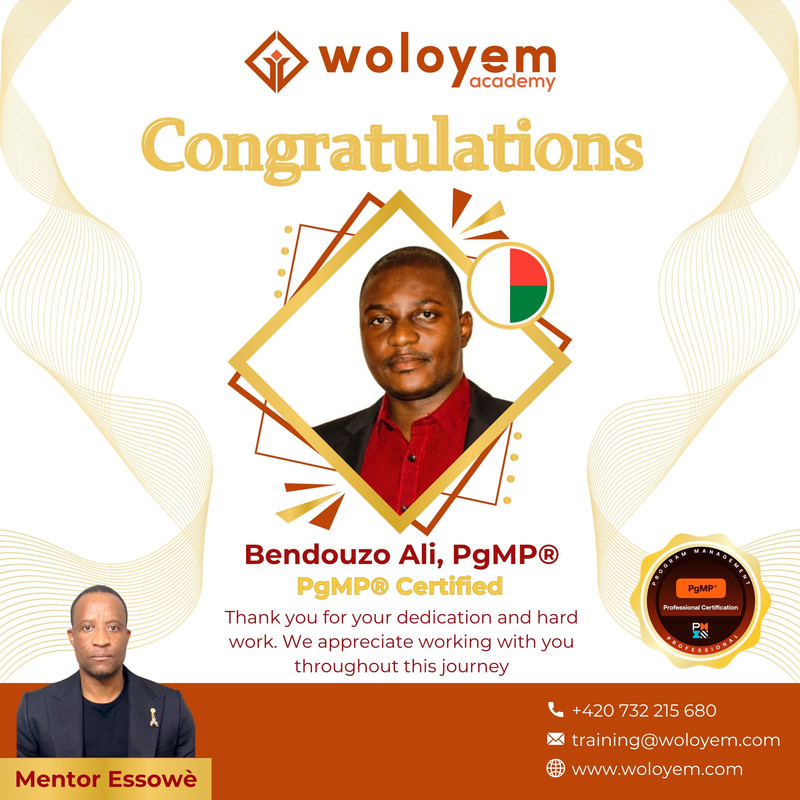
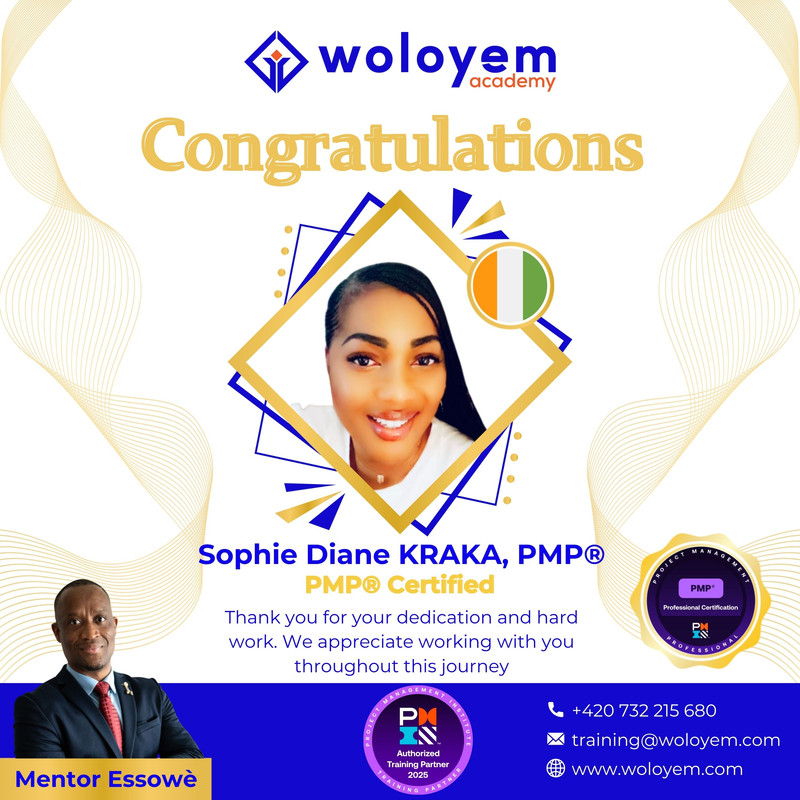
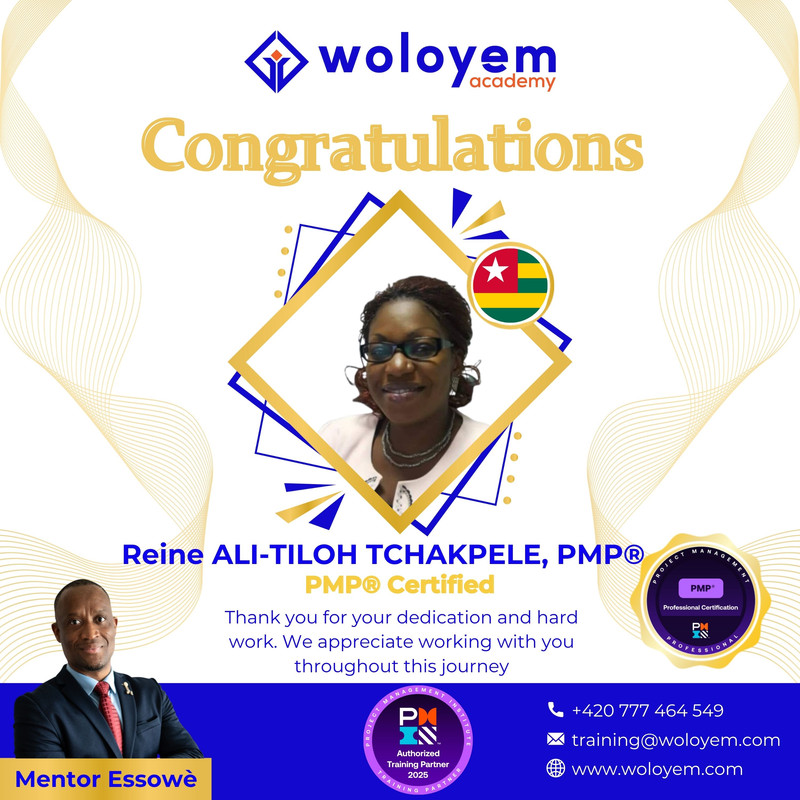
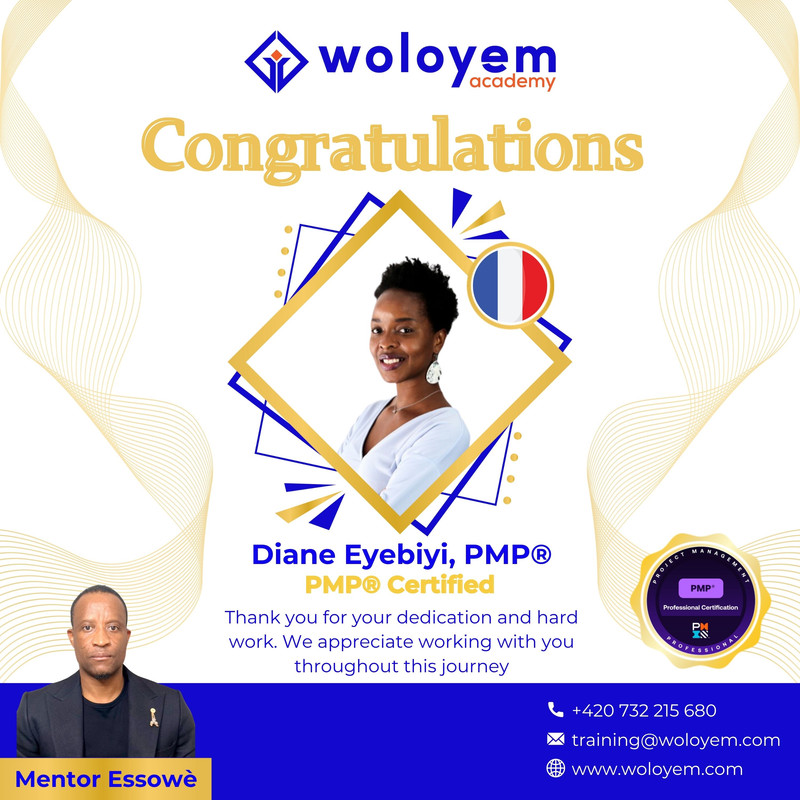
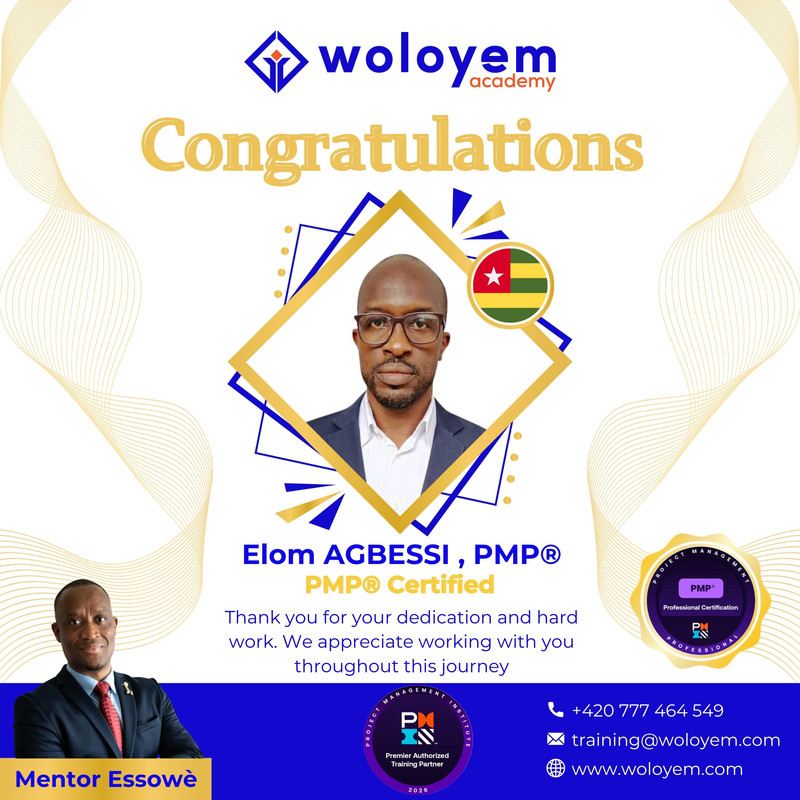
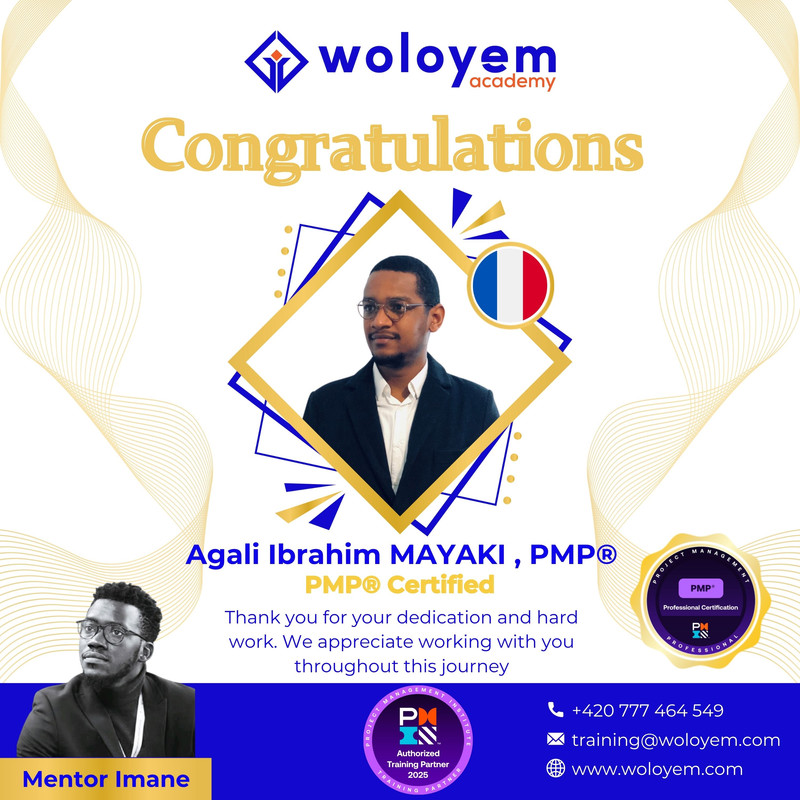
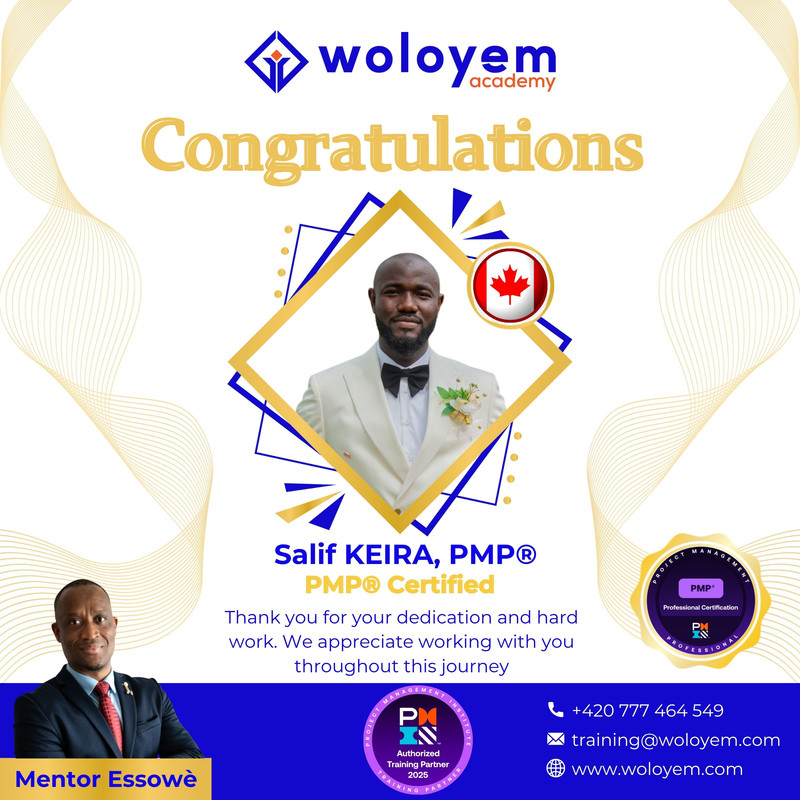
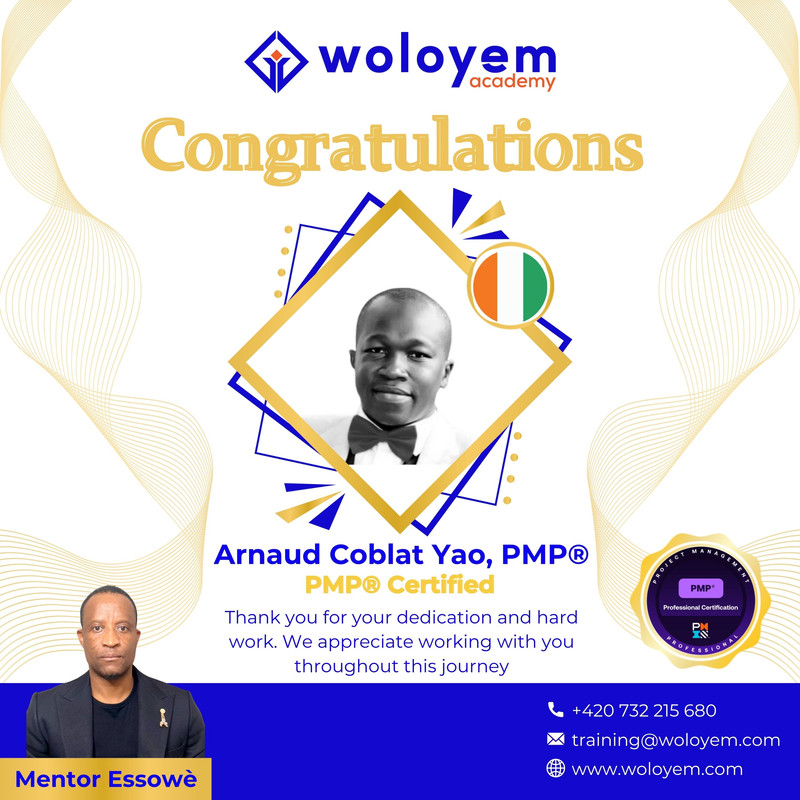
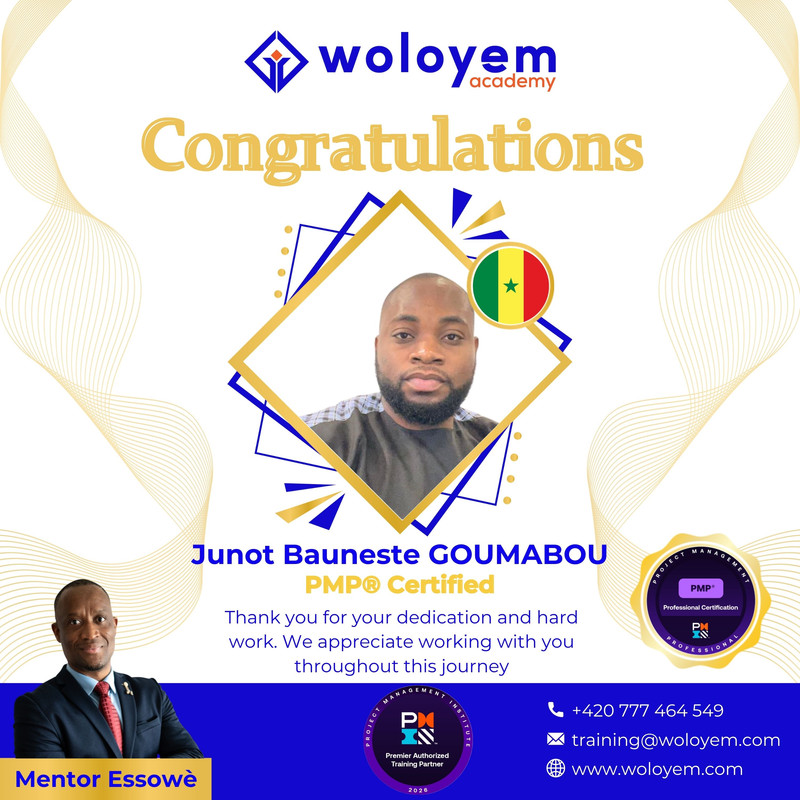
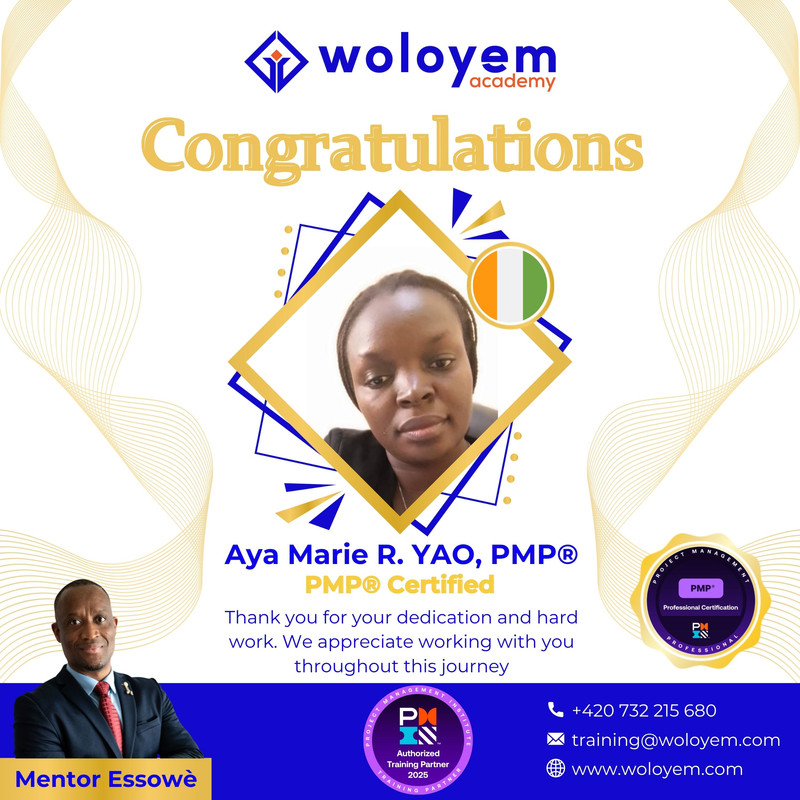
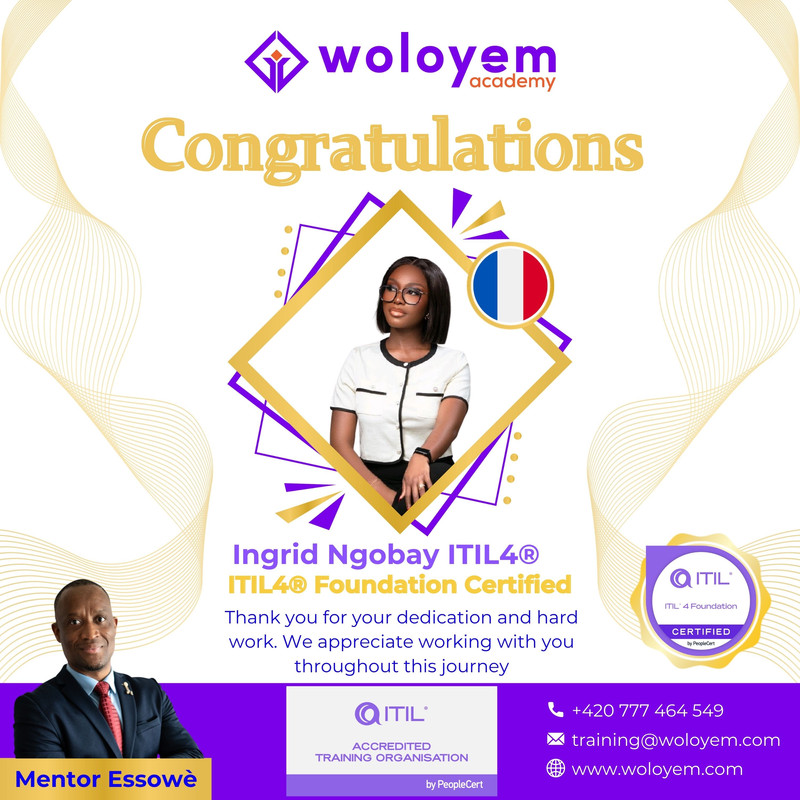
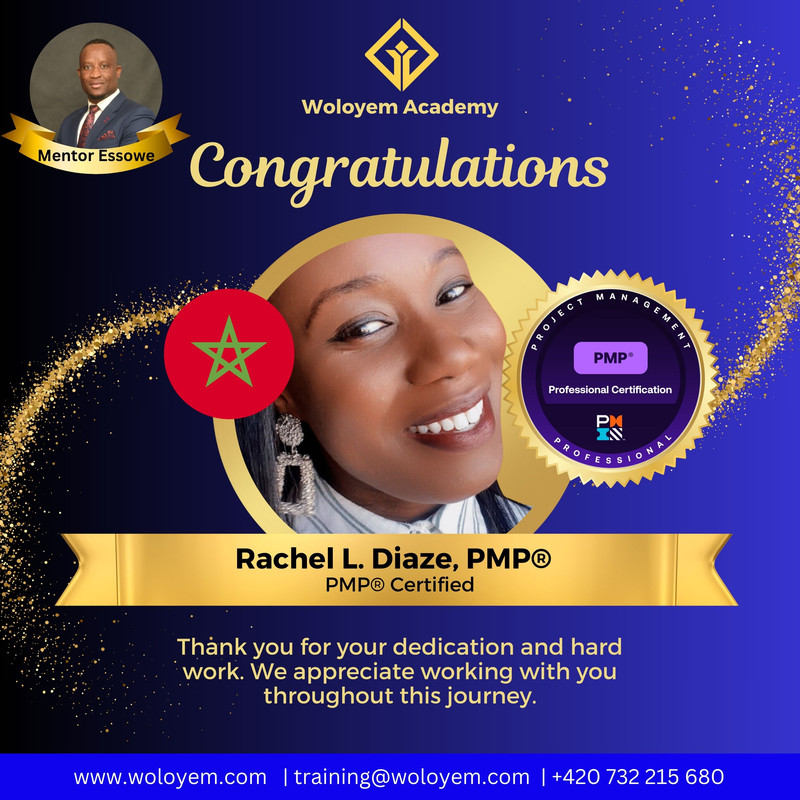
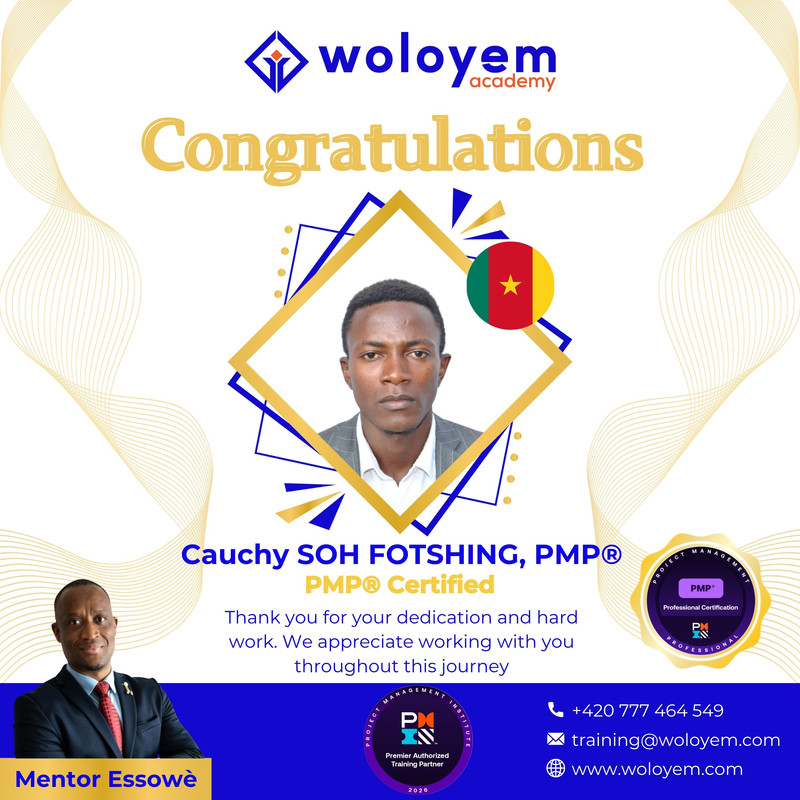
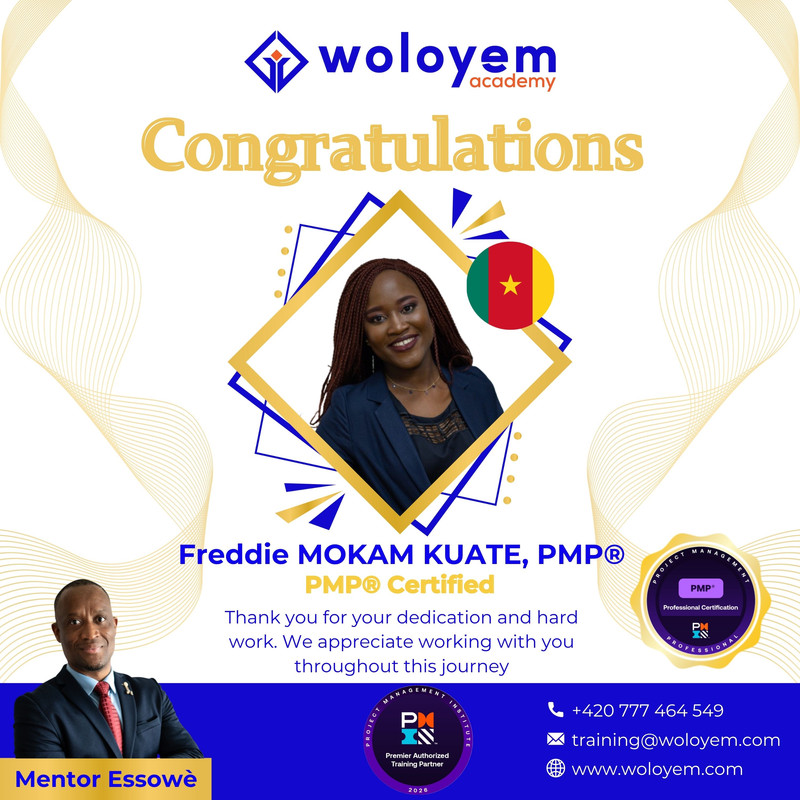
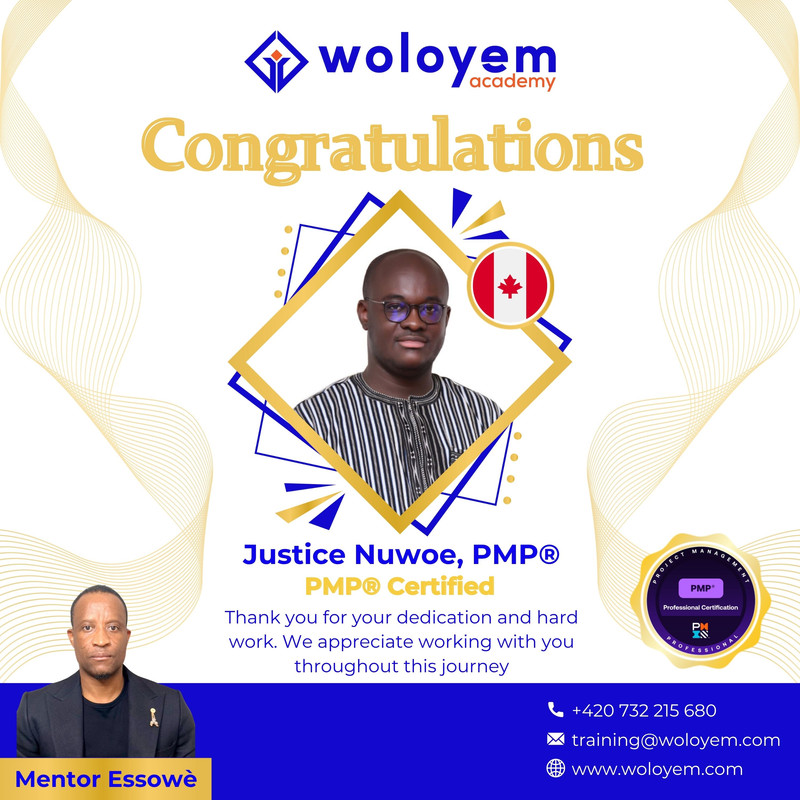
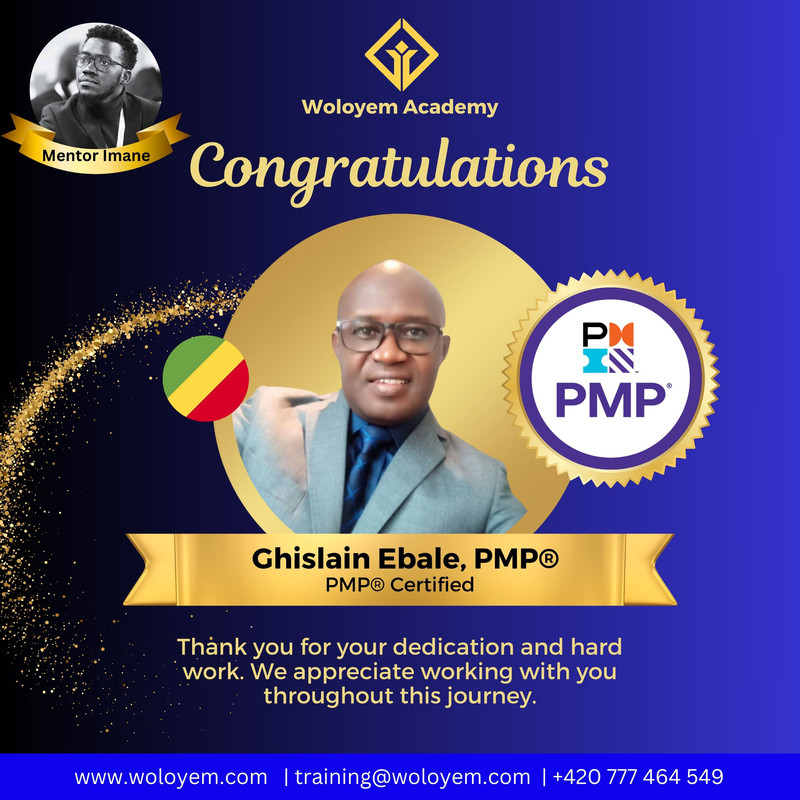
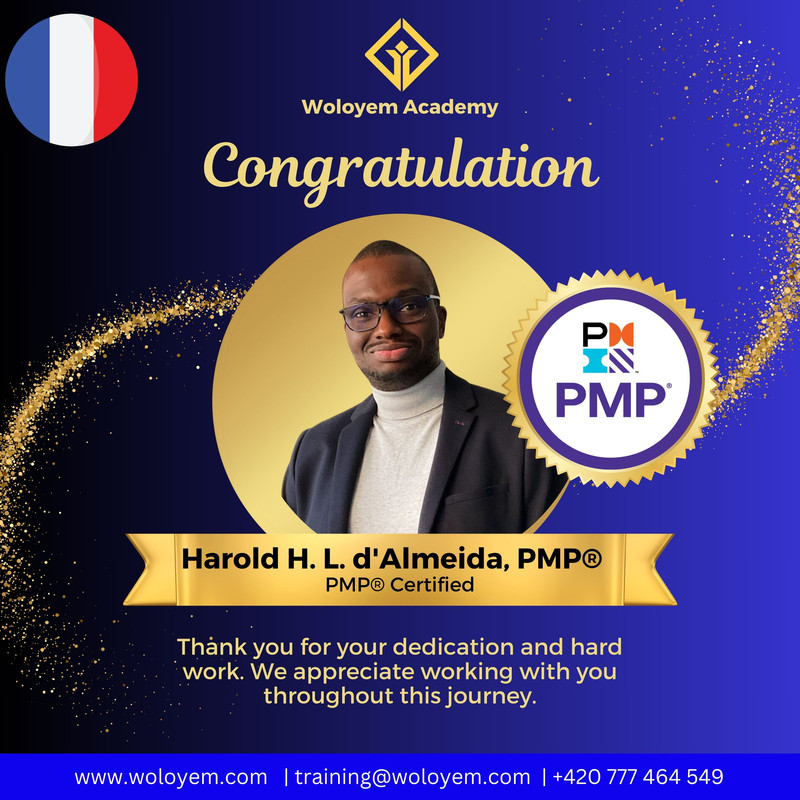
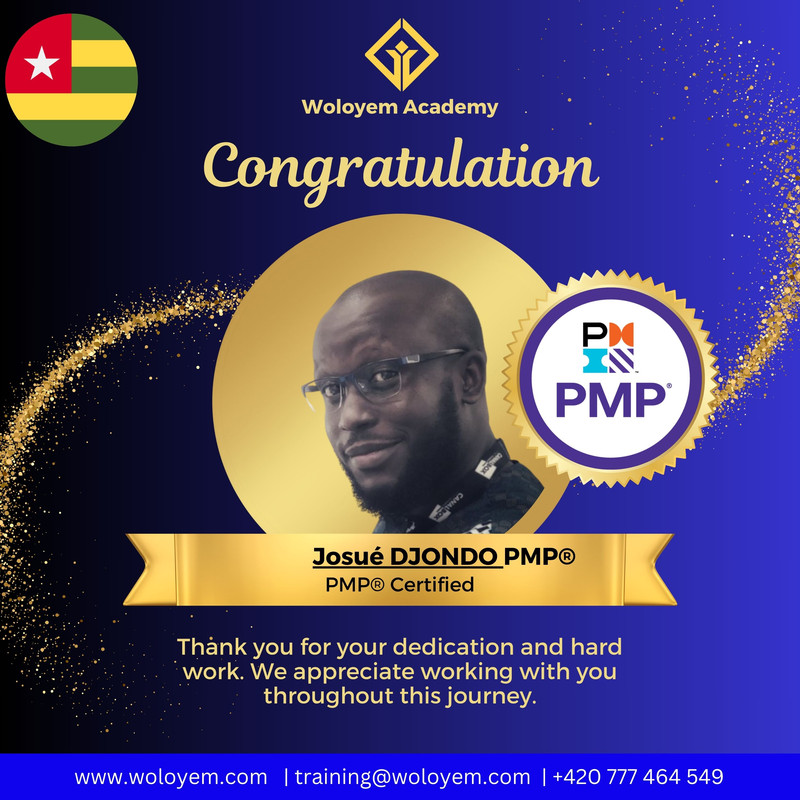
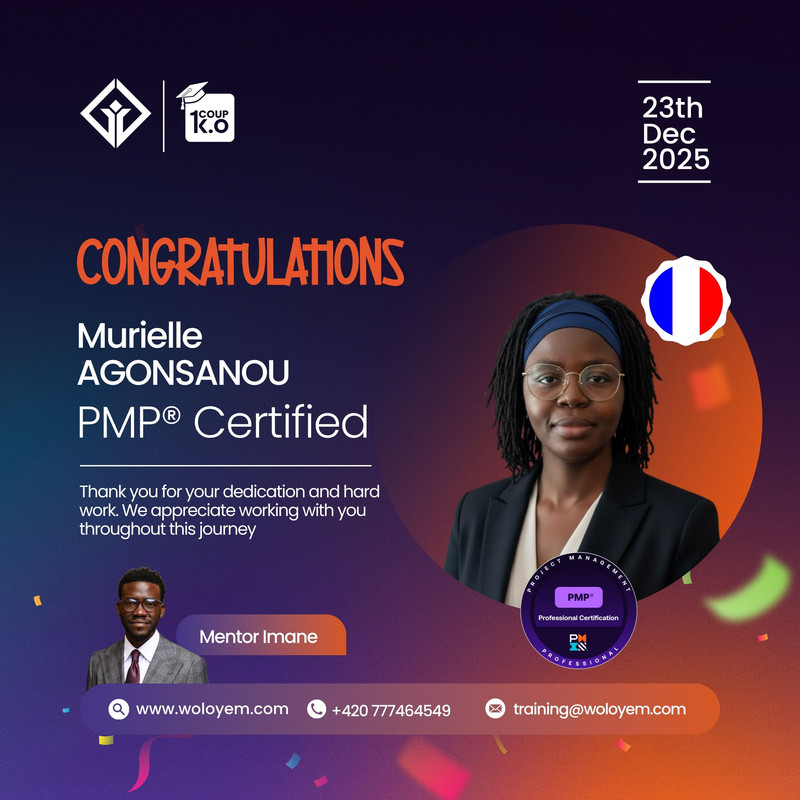
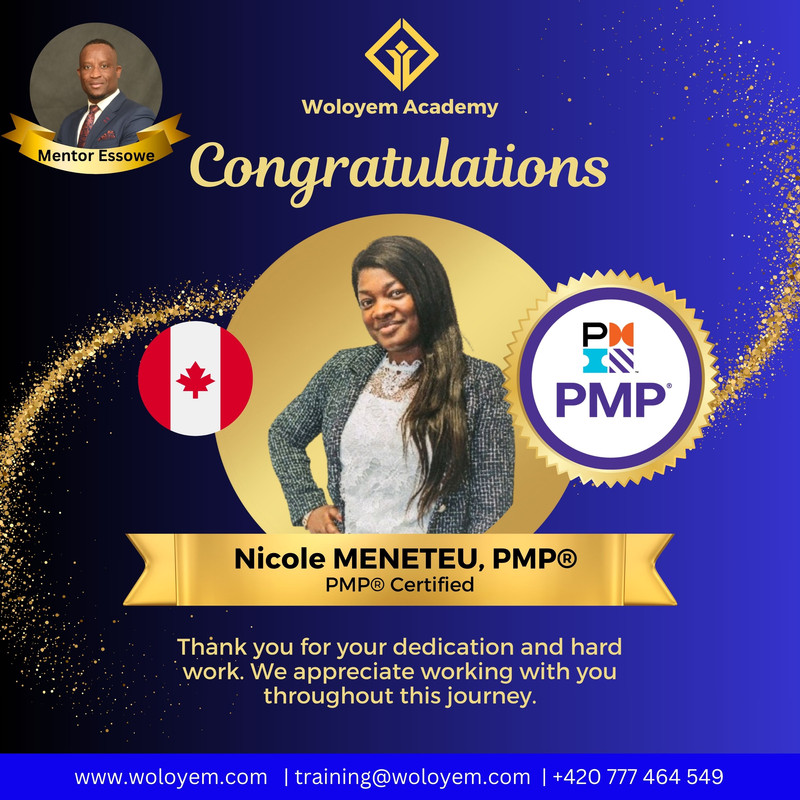
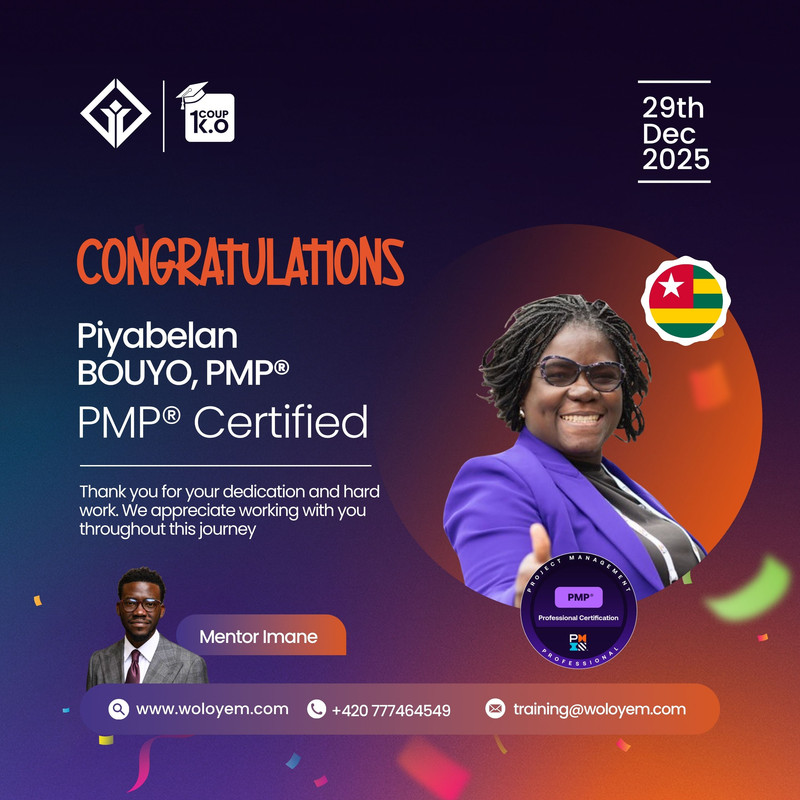
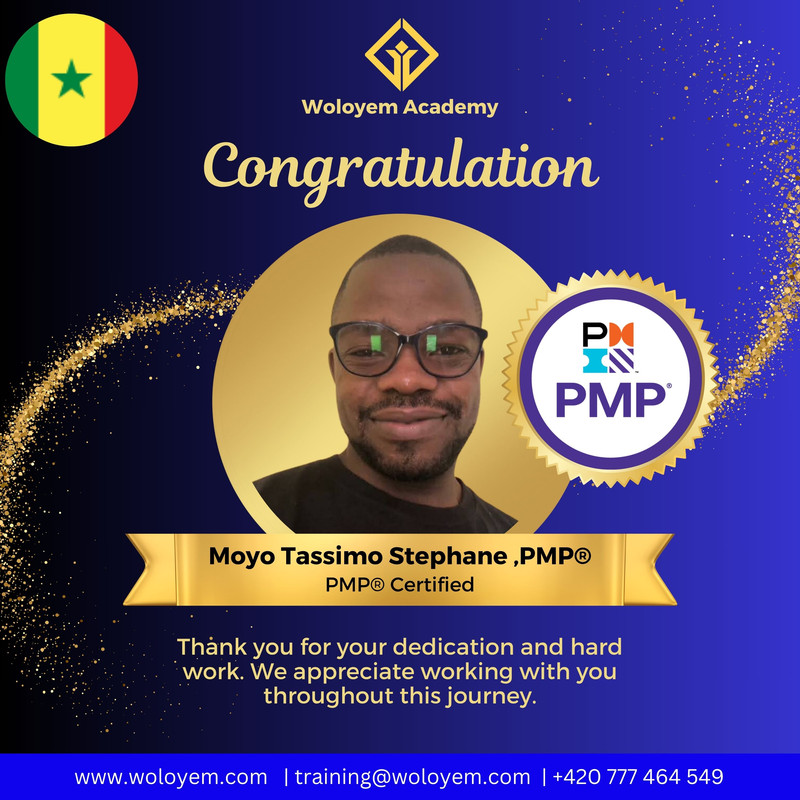
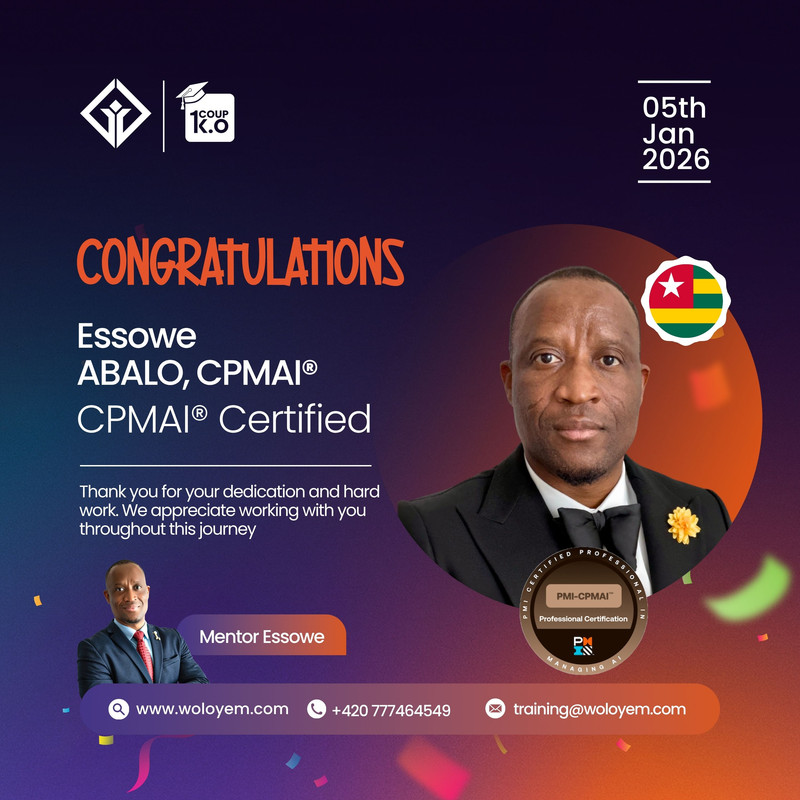
Discover feedback from candidates who prepared for the PMP® certification with WOLOYEM, as well as useful replays for your preparation.
Conclusion: make project management a career driver in East Africa with WOLOYEM
In English-speaking East Africa, the growing number of major projects makes project management a key skill, and the PMP® certification a recognised asset in every country of the region.
For project managers, engineers, consultants and managers, the key is to start with the right decisions: check your eligibility, choose a serious training firm and build a realistic study plan.
With its English-language PMP® Bootcamps, personalised coaching and the UN COUP KO® method, WOLOYEM supports professionals and organisations across the region up to certification.