Key Takeaways
Table of Contents
I. What is a PMP Prep Course and Why is it Essential in 2026?
A pmp prep course is a specialized training program that provides the 35 contact hours required by PMI while equipping candidates with the knowledge to pass the Project Management Professional exam. In 2026, these courses must cover the latest PMBOK Guide 8 principles and the three domains of the Exam Content Outline. It bridges the gap between theoretical knowledge and the practical application required for first-time success.
The Project Management Professional (PMP) certification remains the global gold standard for practitioners across all industries. While many options exist, a standard course often focuses solely on exam mechanics and rote memorization. In contrast, a strategic mentorship program integrates real-world leadership techniques, ensuring you don't just pass the test but also improve your operational performance. We've seen that candidates who engage in mentorship are better equipped to handle the reweighted 2026 exam domains, which now demand a deeper understanding of business value.
To better understand the depth of this training, watch this helpful video:
Choosing to Get PMP Certified with Woloyem allows you to move beyond basic study guides. Our approach focuses on the strategic mindset needed to align projects with organizational goals. This skill is increasingly vital as the Business Environment domain now carries 26% of the exam weight. By participating in a high-quality pmp prep course, you're investing in a framework that transforms how you lead teams and deliver results.
A. The 35 Contact Hour Requirement Explained
B. PMP vs. Other Certifications: The 2026 Landscape
II. Mastering the Three Domains: Decoding the PMP Exam Content Outline
The PMP exam is structured around three distinct domains: People (33%), Process (41%), and Business Environment (26%). Unlike older versions that focused heavily on technical processes, the 2026 exam demands a holistic understanding of how projects deliver value within a strategic organizational context. Choosing a pmp prep course that aligns with these reweighted domains is essential, as the Business Environment portion has more than tripled in significance. The Naval Postgraduate School PMP Certification Program identifies the PMP as the industry-accepted standard because it validates these critical leadership and business skills.
Recent PMI standards have shifted from traditional "Knowledge Areas" to "Performance Domains." This change reflects the reality of modern project work, where technical skills aren't enough. You're now expected to navigate complex organizational cultures and demonstrate business acumen. It's no longer about just checking boxes; it's about driving strategic outcomes. To navigate these complexities, you might Explore our PMP Mentorship Programs, which provide the strategic depth required for these reweighted domains.
A. The People Domain: Leading with High Performance
The People domain focuses on the soft skills required to lead teams in a volatile market. You'll need to demonstrate proficiency in conflict management, team building, and mentoring. A successful candidate approaches these questions through the lens of a Servant Leader. This means you're prioritizing team needs and removing roadblocks rather than just issuing top-down commands. You can find more insights on these topics in our blog to better align your responses with PMI's expectations. Success here requires showing you can support a team's growth while maintaining project momentum.
B. The Process and Business Environment Domains
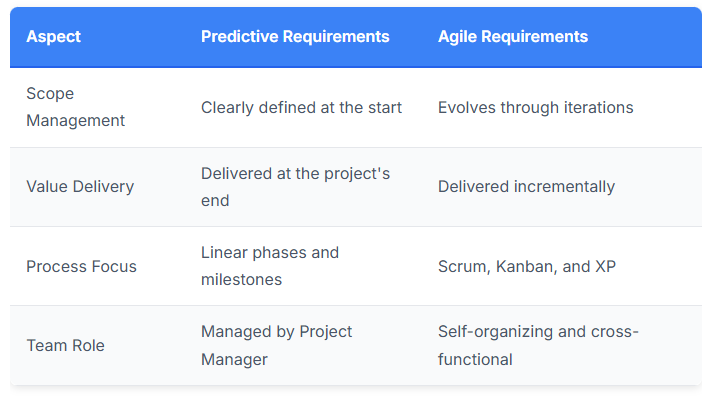
The Process domain remains the largest, but it no longer lives purely in the world of Waterfall. It now integrates Agile and Hybrid methodologies throughout every process group. Perhaps the most striking change in 2026 is the expansion of the Business Environment domain. It requires you to understand how projects drive organizational strategy and deliver measurable value. This shift demands high levels of business acumen, a skill often neglected in a basic pmp prep course. You must be able to evaluate project benefits and support organizational change effectively.
III. Selecting the Best PMP Prep Course: Strategic Criteria for Professionals
Choosing a pmp prep course requires a strategic assessment of your current leadership responsibilities and learning preferences. Self-paced options might seem convenient, but many professionals find they lack the accountability needed to finish. An instructor-led PMP Bootcamp for Rapid Certification provides the structure and immediate feedback necessary to stay on track. As noted by the Gies College of Business on the PMP credential, this certification is the gold standard, so your preparation should reflect that level of excellence.
A high-quality simulator is another non-negotiable tool. It must replicate the July 2026 PMI interface precisely to reduce exam-day anxiety. Beyond the curriculum, you should evaluate the quality of post-course support. Many providers disappear once the 35 hours are complete. You need a partner that assists with the application process and provides guidance if you face a PMI audit. This end-to-end support is what differentiates a basic pmp prep course from a professional mentorship program.
A. The Value of Expert Mentorship
Expert mentorship can reduce your total study time by up to 50%. Instead of getting lost in the 1,000 pages of the PMBOK Guide, you focus on high-impact concepts that actually appear on the exam. For example, receiving personalized feedback on your Project Management Triangle application ensures you understand how scope, time, and cost constraints interact in real-world scenarios. Mentors also play a vital role during the application phase. They help you document your project experience using the specific terminology PMI expects, which significantly lowers the risk of being flagged during a random audit. It's about moving from uncertainty to total confidence.
B. Bilingual Training Advantages
Global mobility is a major driver for certification. Whether you're in Africa, Europe, or North America, being able to train in your preferred language is a massive advantage. We provide comprehensive support through our PMP en Français programs, ensuring language is never a barrier to your career growth. Studying in a bilingual environment prepares you for the international nature of modern project management. It allows you to master technical terms in English while discussing complex leadership scenarios in French. This flexibility is essential for professionals working in multinational organizations where cross-border collaboration is the daily reality.
IV. The Woloyem Study Roadmap: A 5-Step Framework for First-Time Success
Selecting the right pmp prep course is only the first step toward certification. To ensure you pass on your first attempt, you need a structured roadmap that integrates the latest PMBOK 8 principles with the practical realities of modern agility. We've developed a five-step framework designed to move you from information overload to total exam readiness. This approach prioritizes understanding the "why" behind project management techniques rather than just memorizing definitions.
Step 1: Baseline Assessment. You can't plan your journey without knowing your starting point. Begin by identifying your current knowledge gaps, specifically comparing your experience in Waterfall environments versus Agile or Hybrid methodologies.
Step 2: Core Concept Mastery. This stage involves a deep dive into the PMBOK 8 principles and the reweighted Exam Content Outline. You'll focus on how the People, Process, and Business Environment domains overlap in real-world scenarios.
Step 3: Strategic Practice. Use high-fidelity simulators to build the necessary "exam stamina" for the 180-question, 230-minute ordeal.
Step 4: Application Review. Finalize your PMI application with expert guidance to ensure your project descriptions meet strict audit standards.
Step 5: The Final Sprint. In the 48 hours before your exam, stop learning new content. Focus entirely on mindset and your strategy for managing time during the test.
A. Leveraging High-Quality Study Resources
The quality of your materials determines the speed of your success. You can use Free PMP Questions to test your baseline readiness before committing to a full study schedule. Mindset videos are particularly helpful for deciphering complex situational questions where multiple answers seem correct. In 2026, you must avoid outdated "brain dumps." The current exam is designed to test your judgment through scenarios that don't rely on rote memorization. Our roadmap integrates these elements into a cohesive pmp prep course experience that favors concept application over academic fluff.
B. Balancing Work and Study
Busy executives don't have 40 hours a week to study. We recommend a sample weekly schedule that prioritizes consistency over intensity. Aim for 60 to 90 minutes on weeknights and a longer four-hour block on Saturdays for practice exams. Techniques like micro-learning allow you to review core principles during your daily commute or between meetings. Maintaining motivation during a three-month prep journey is easier when you focus on the immediate career ROI and the leadership growth you're achieving. If you're ready to stop second-guessing your preparation, Join our PMP Bootcamp to master this Roadmap and secure your certification.
V. Beyond the Exam: The Career ROI of PMP Certification
A. PMP as a Gateway to Digital Transformation
B. Summary of Key Takeaways
VI. Secure Your Strategic Leadership Position in 2026
VII. Frequently Asked Questions
How much does a PMP prep course typically cost in 2026?
Is the PMP exam still relevant with the rise of AI in project management?
Can I take the PMP exam online or must I go to a testing center?
What is the passing score for the PMP exam?
How long does it take to prepare for the PMP exam with a full-time job?
What happens if I fail the PMP exam on my first attempt?
Do PMP prep courses include the exam fee in their price?
How do I maintain my PMP certification after passing the exam?
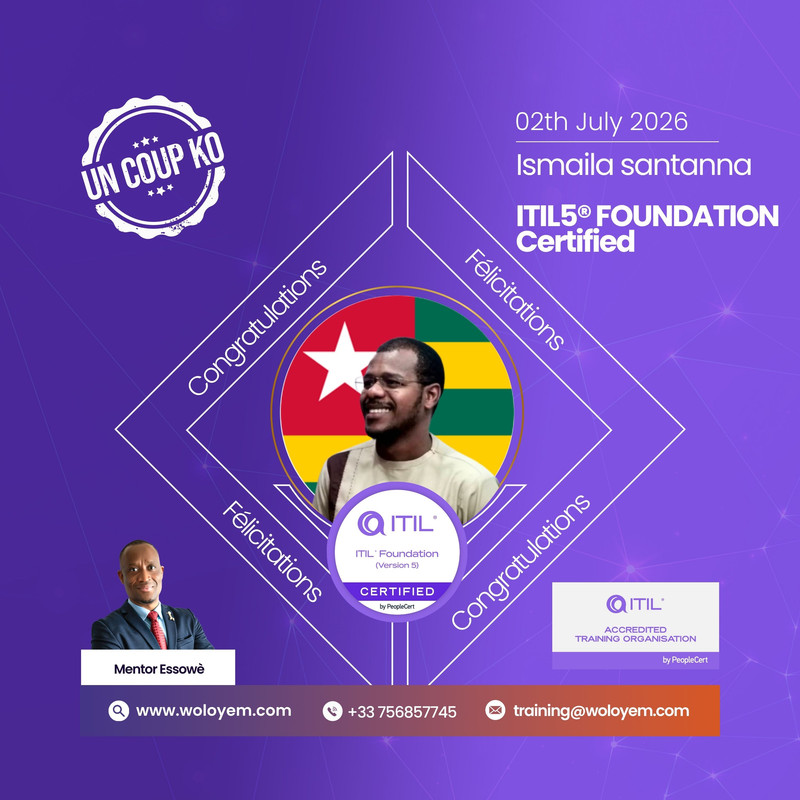
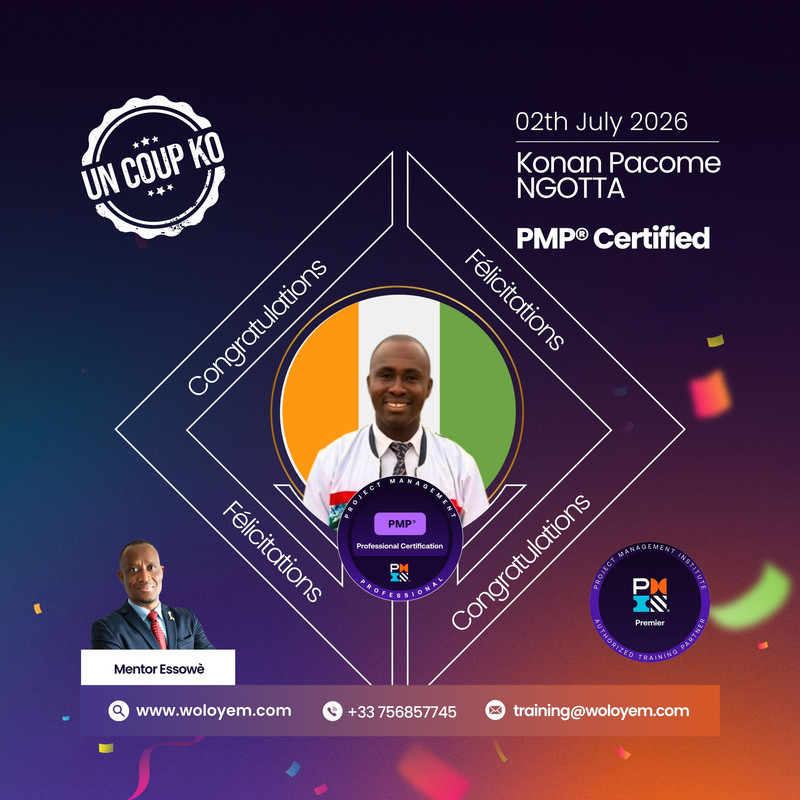
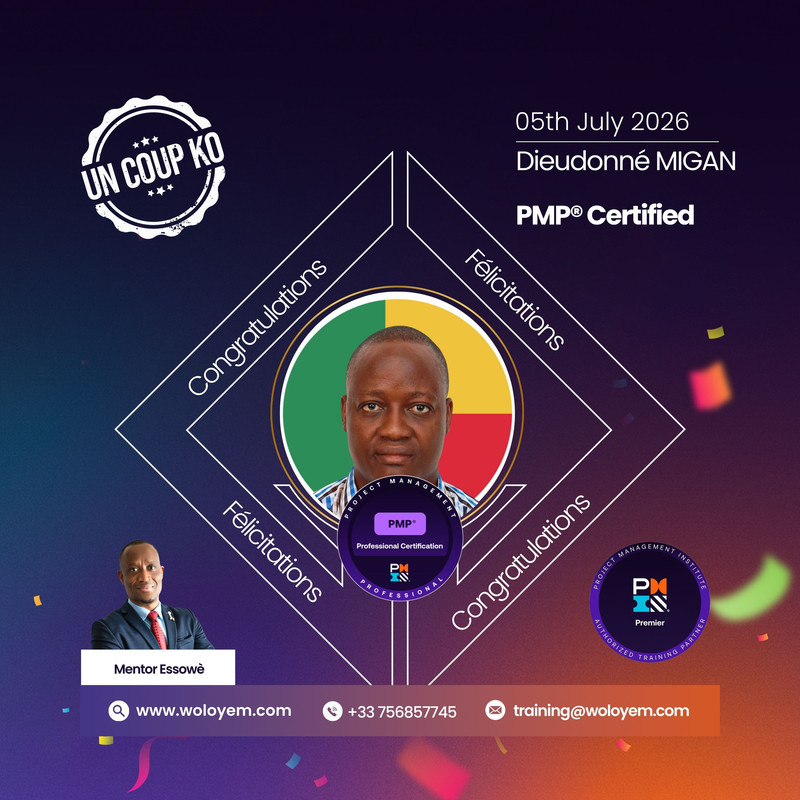
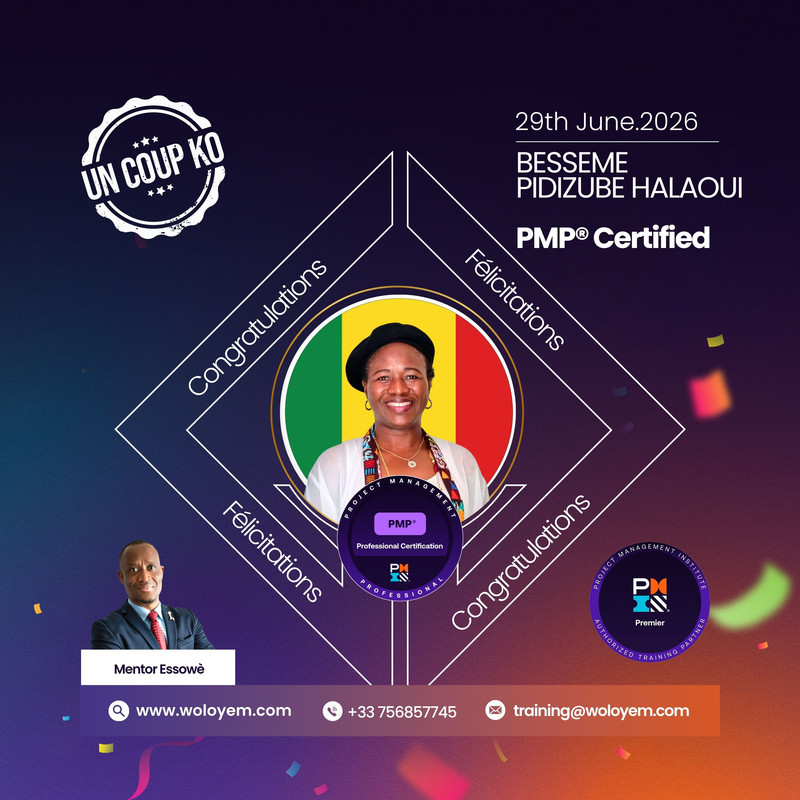
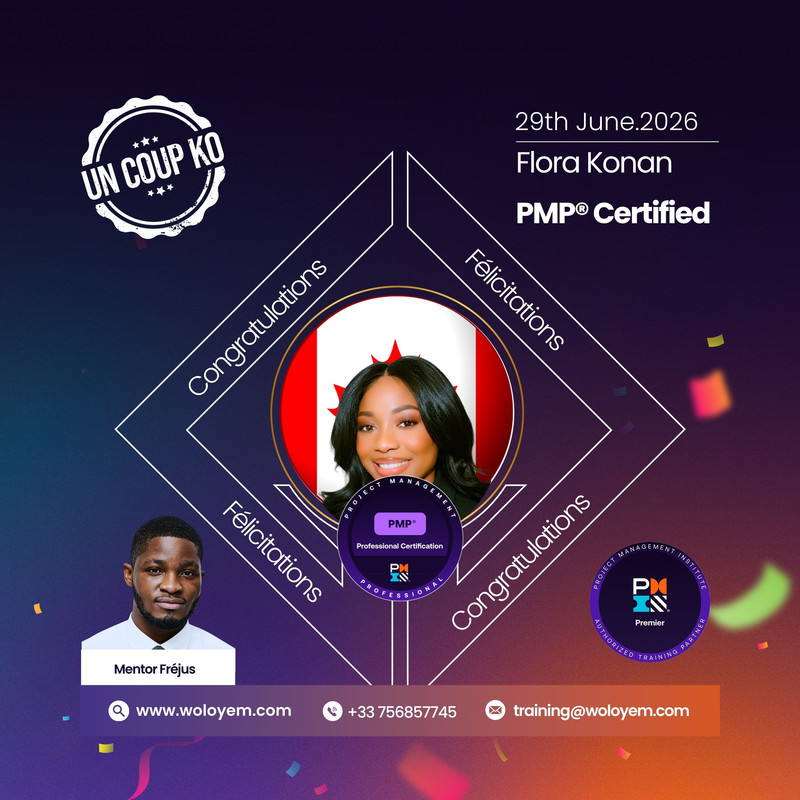
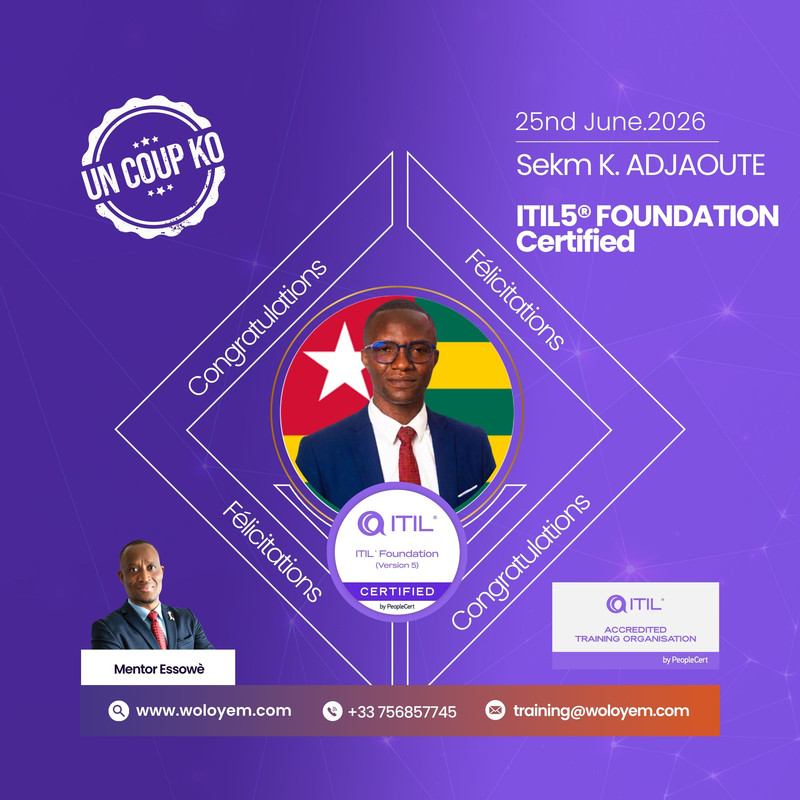
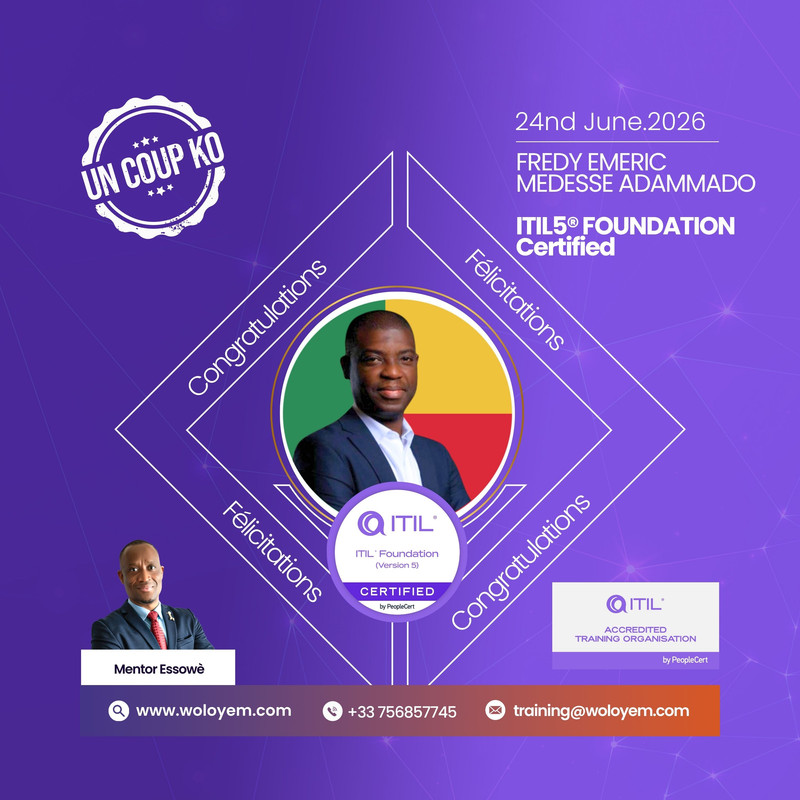
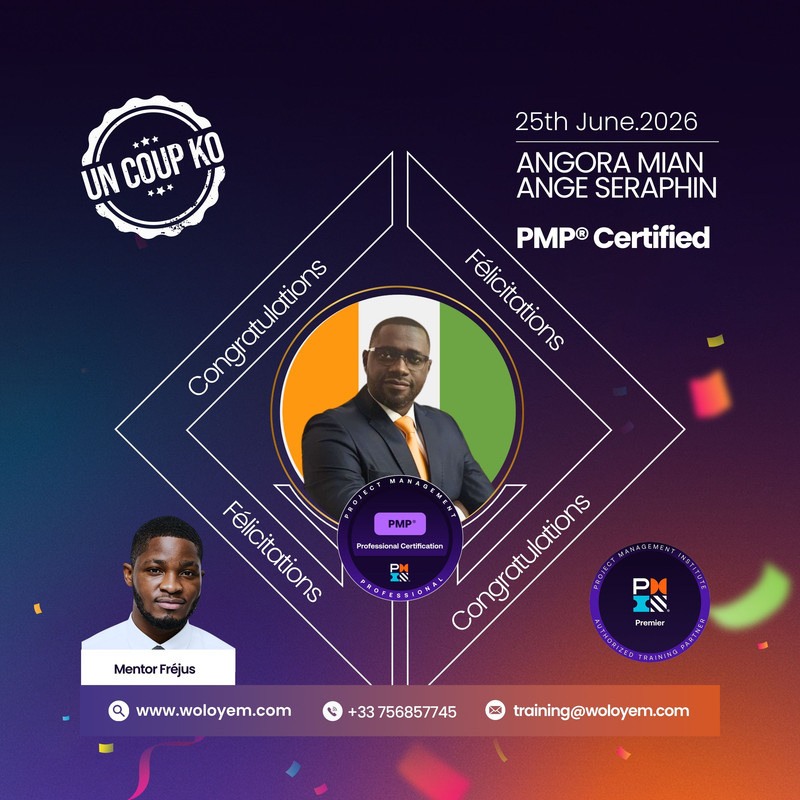
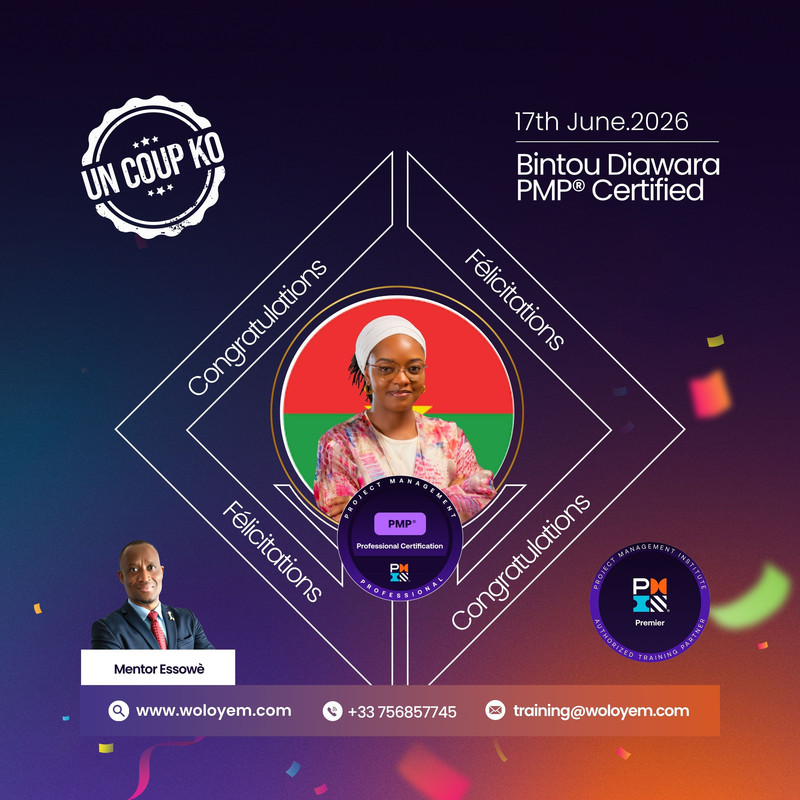
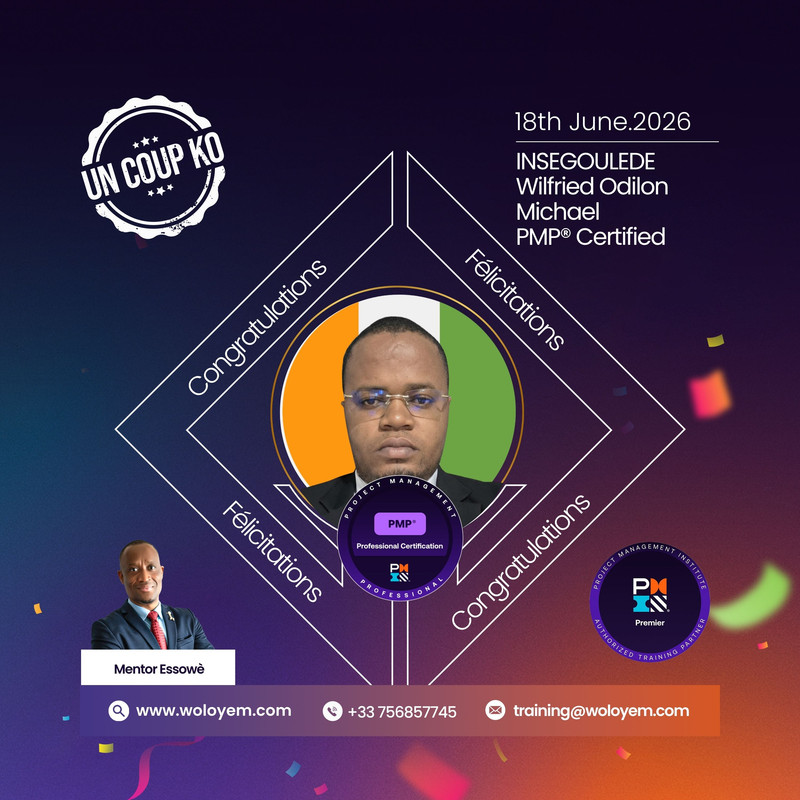
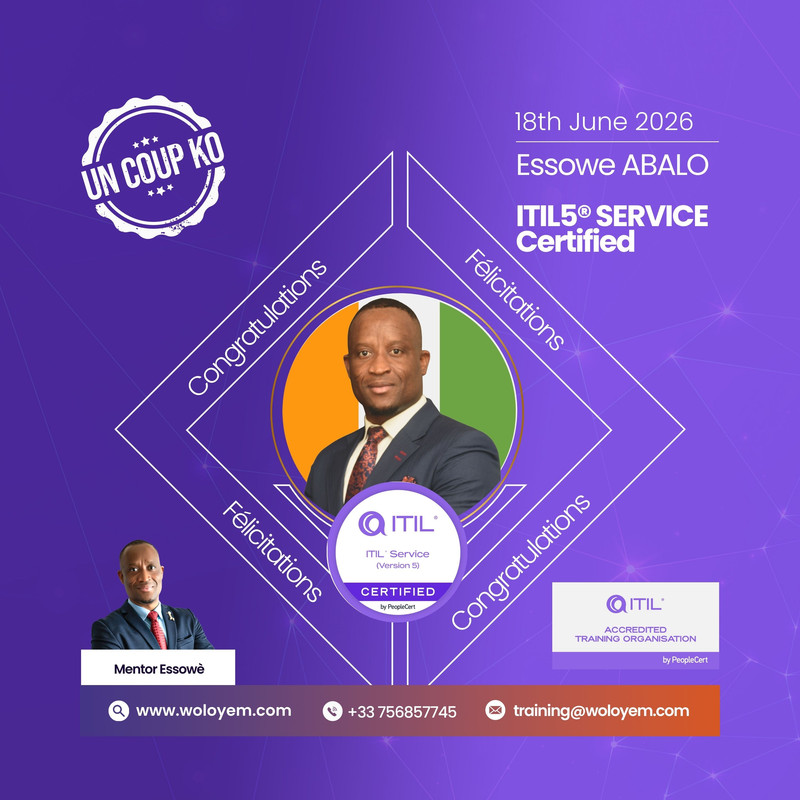
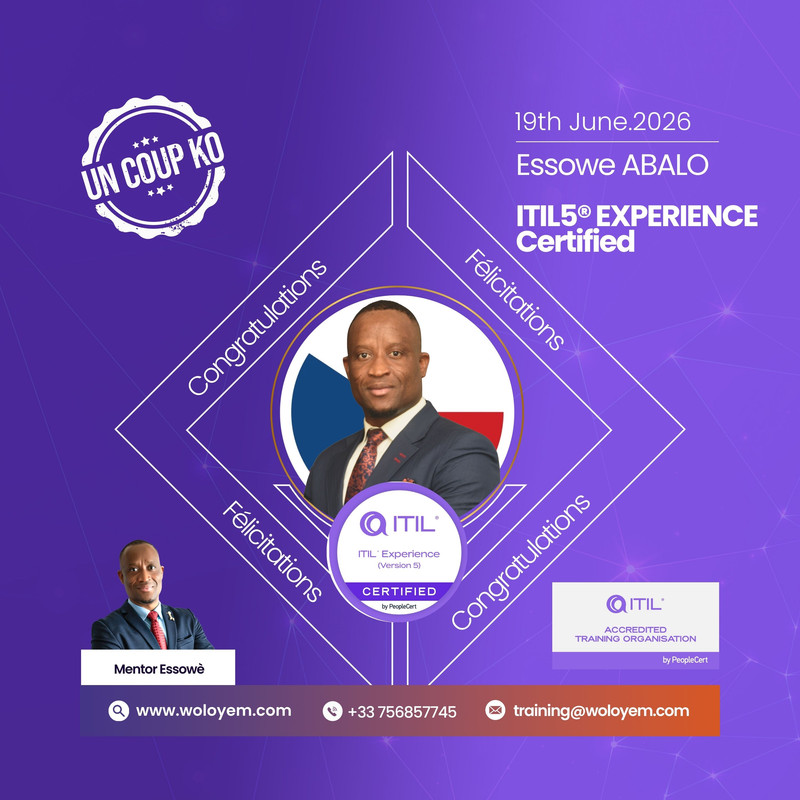
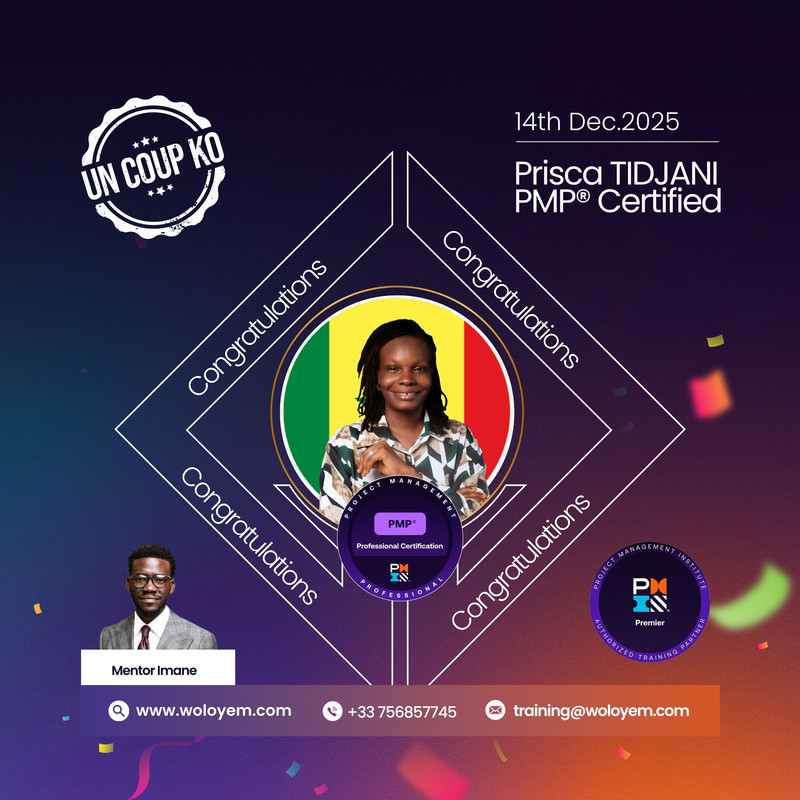
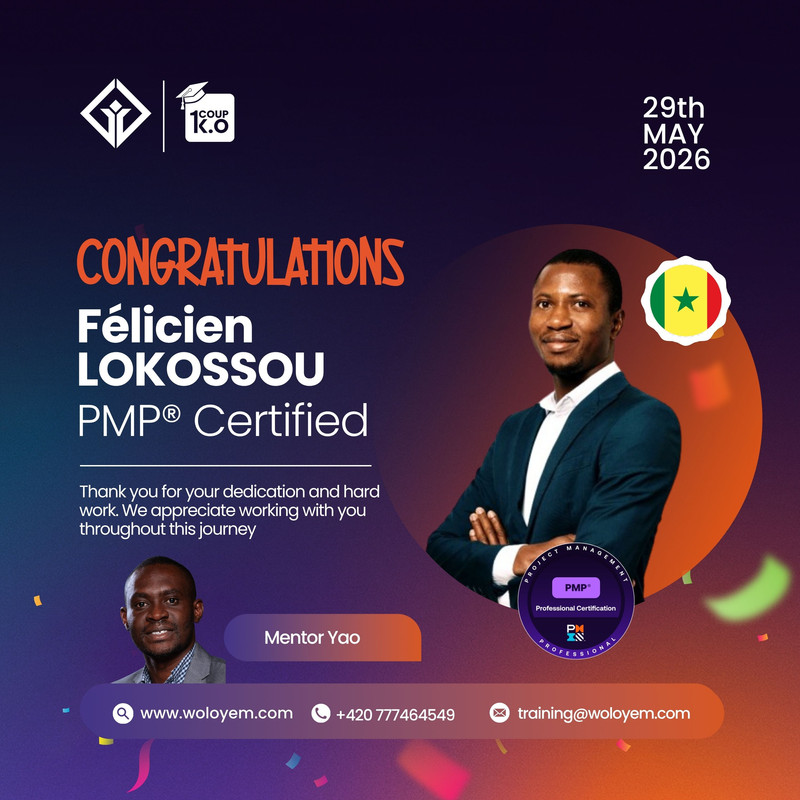
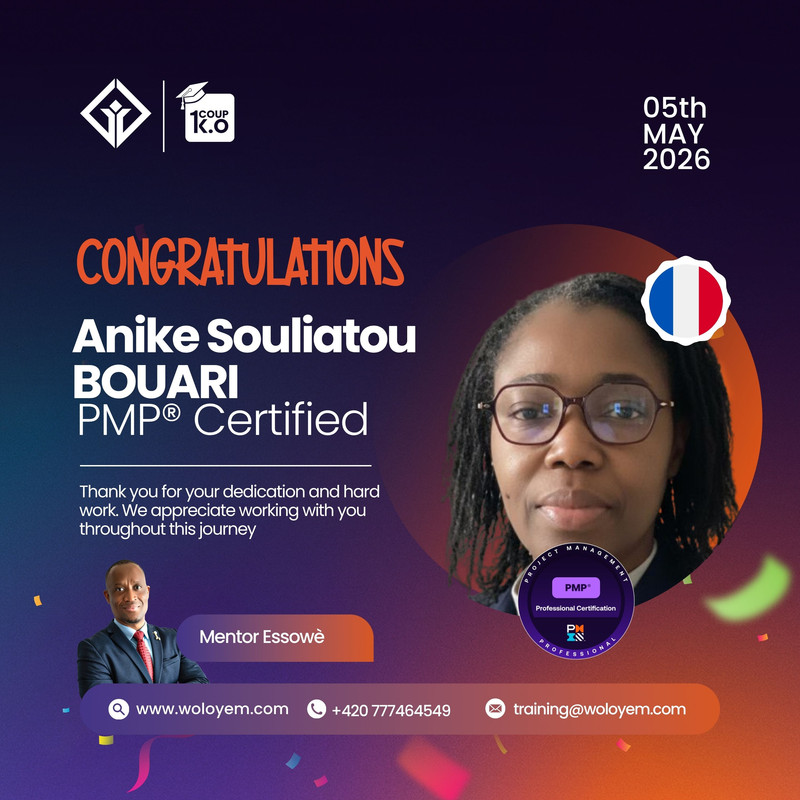
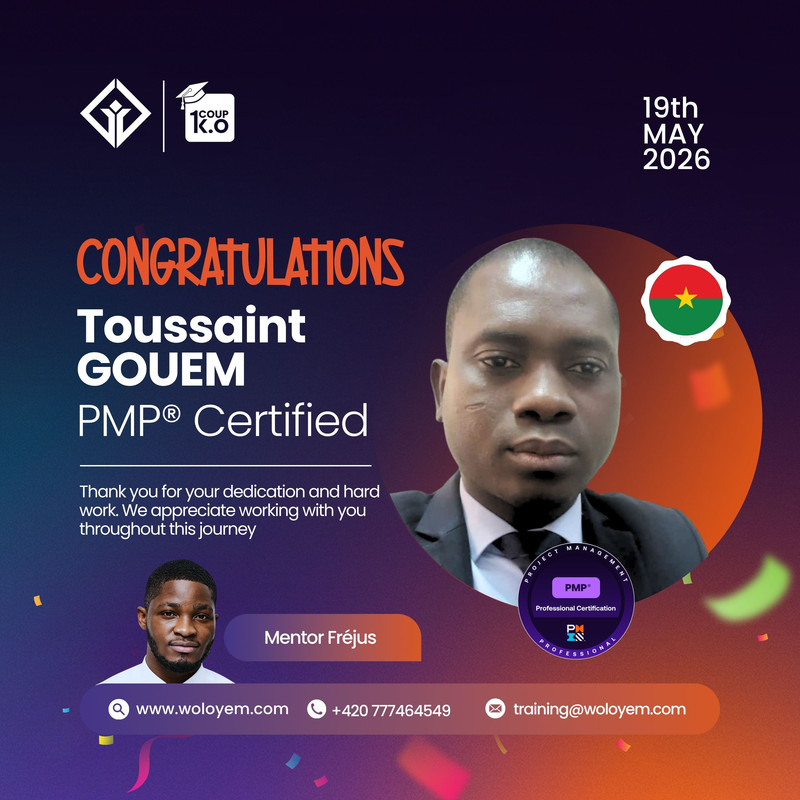
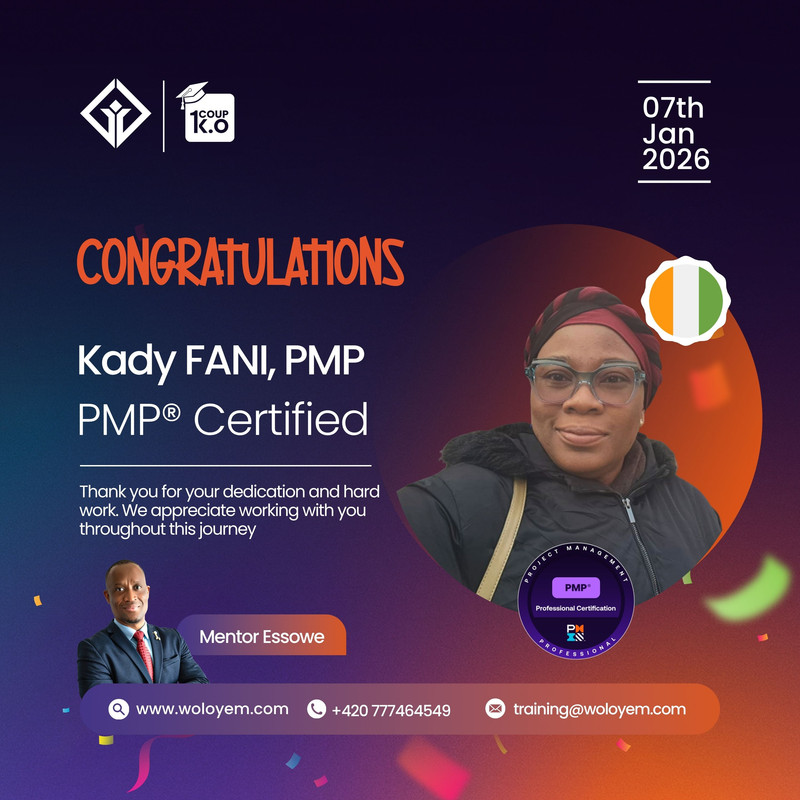
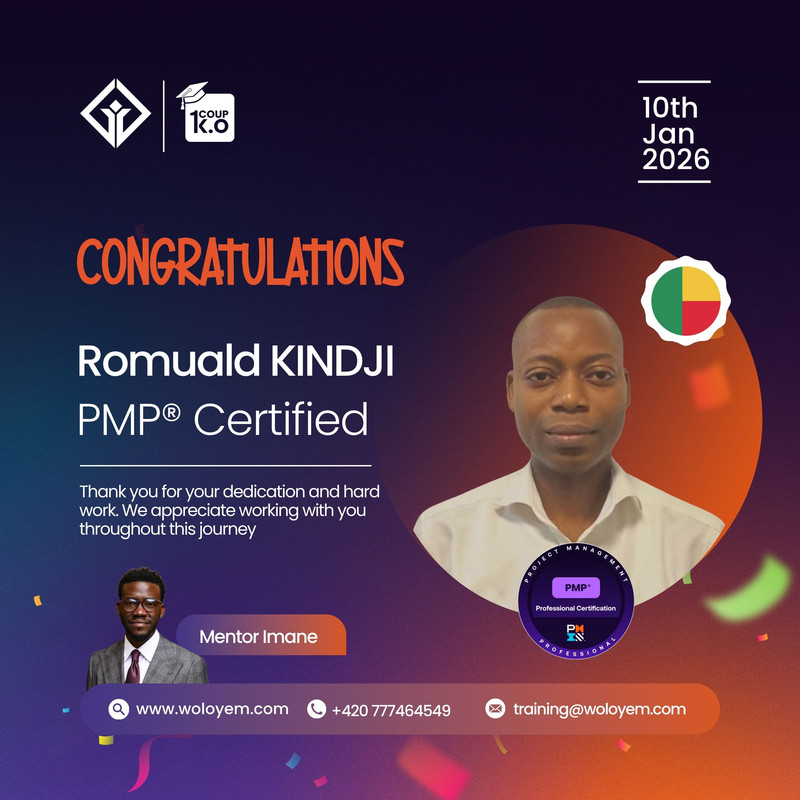
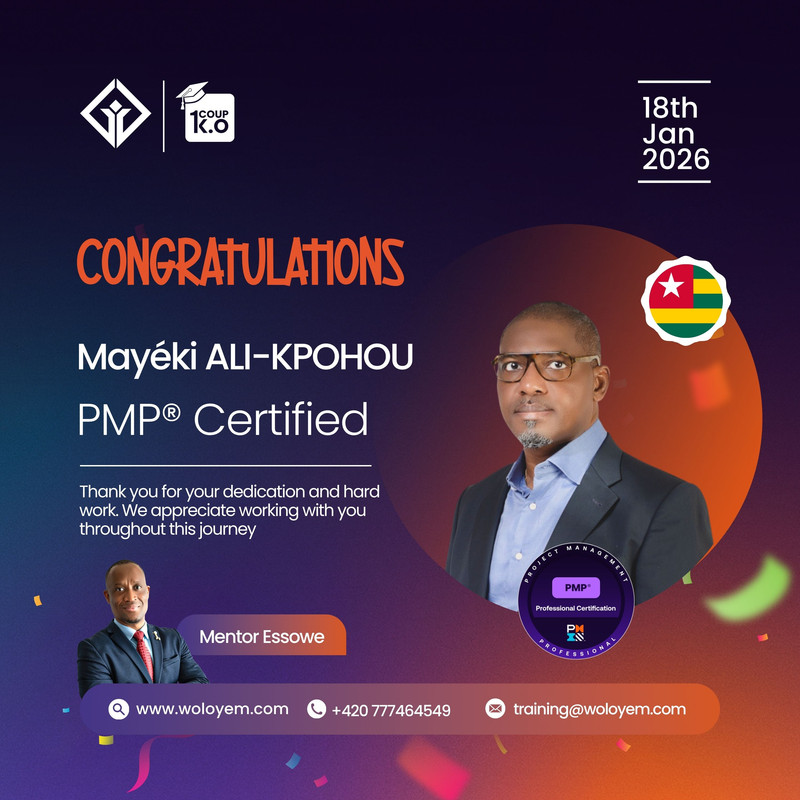
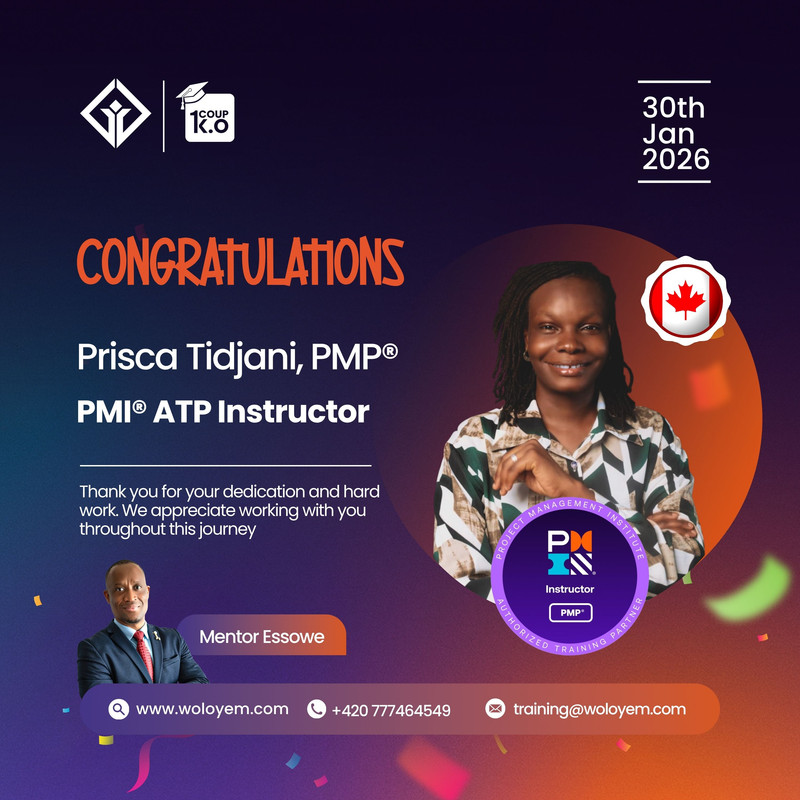
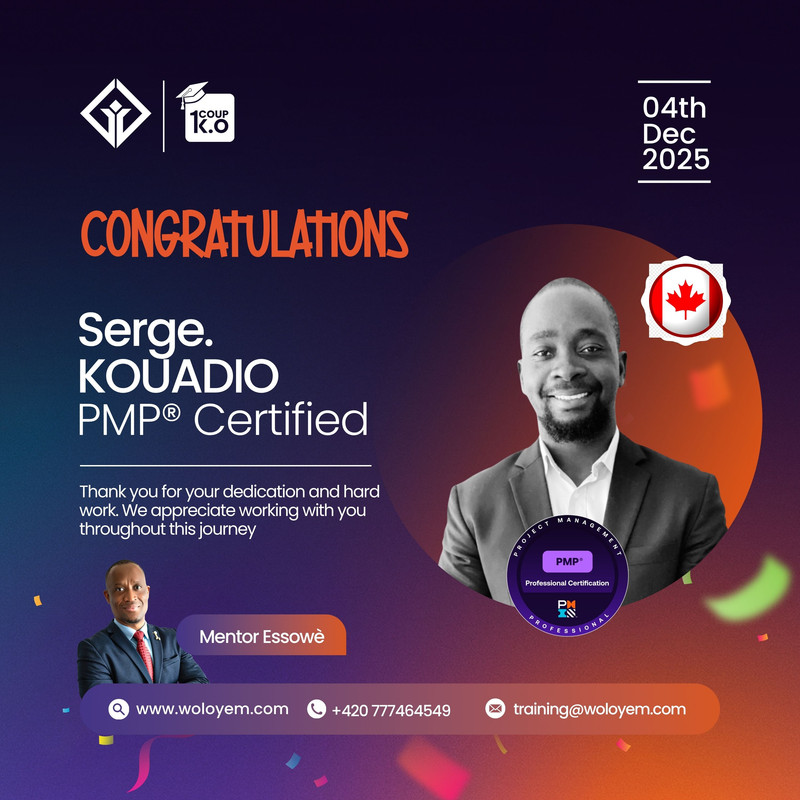
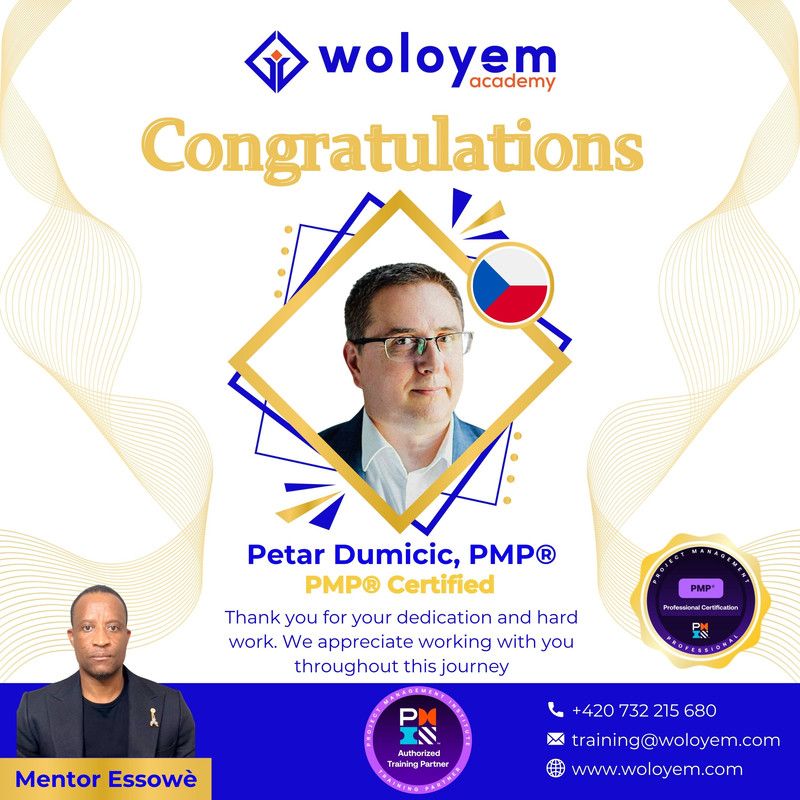
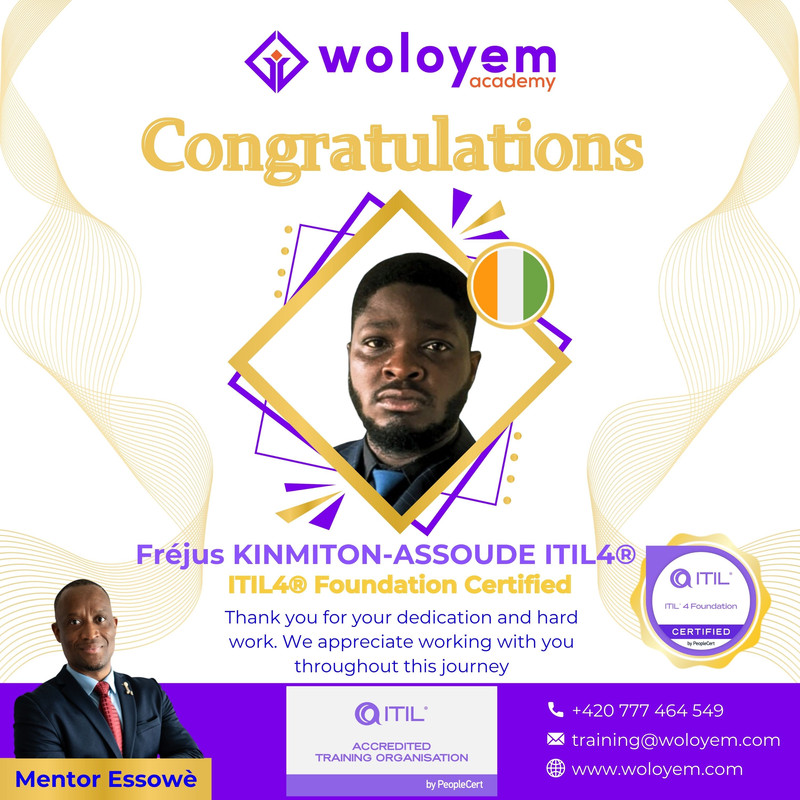
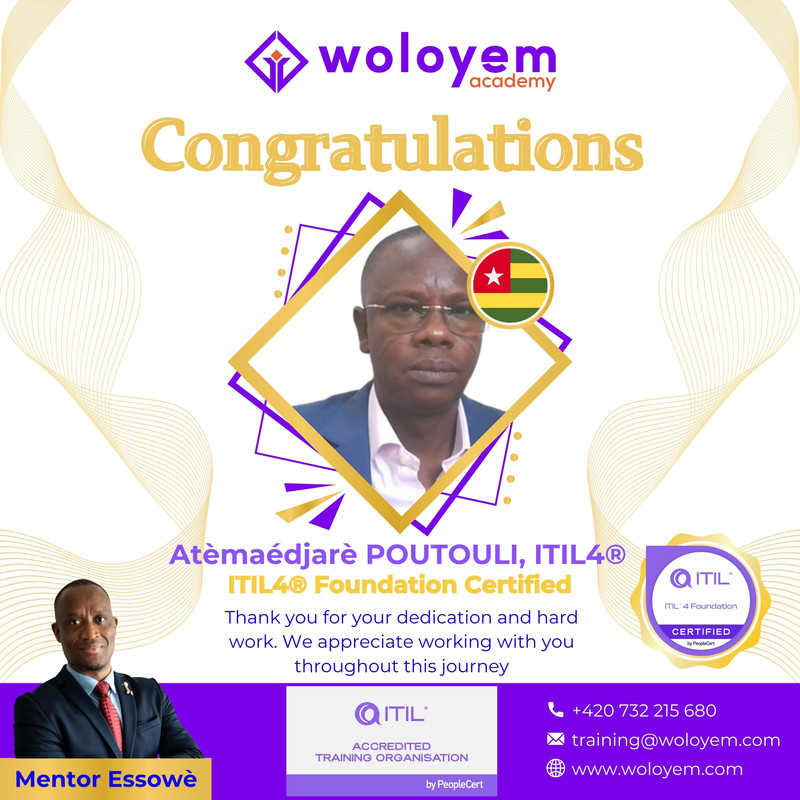
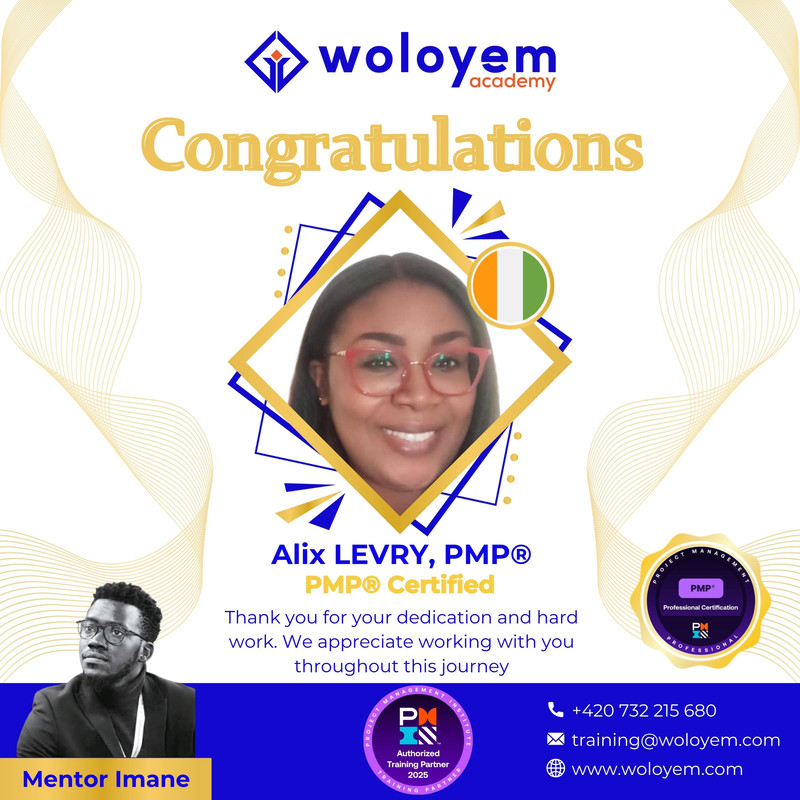
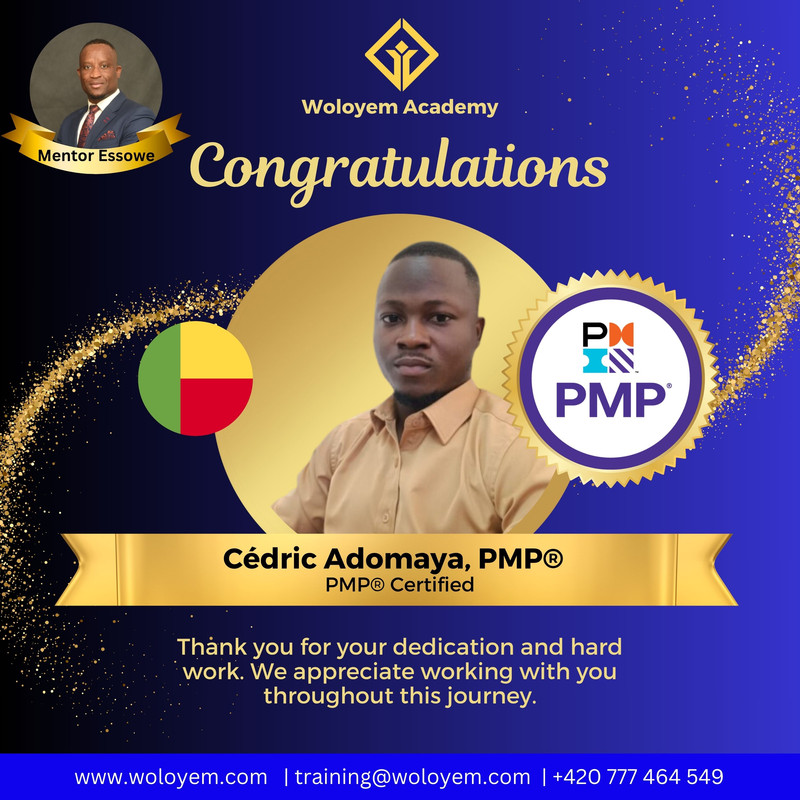
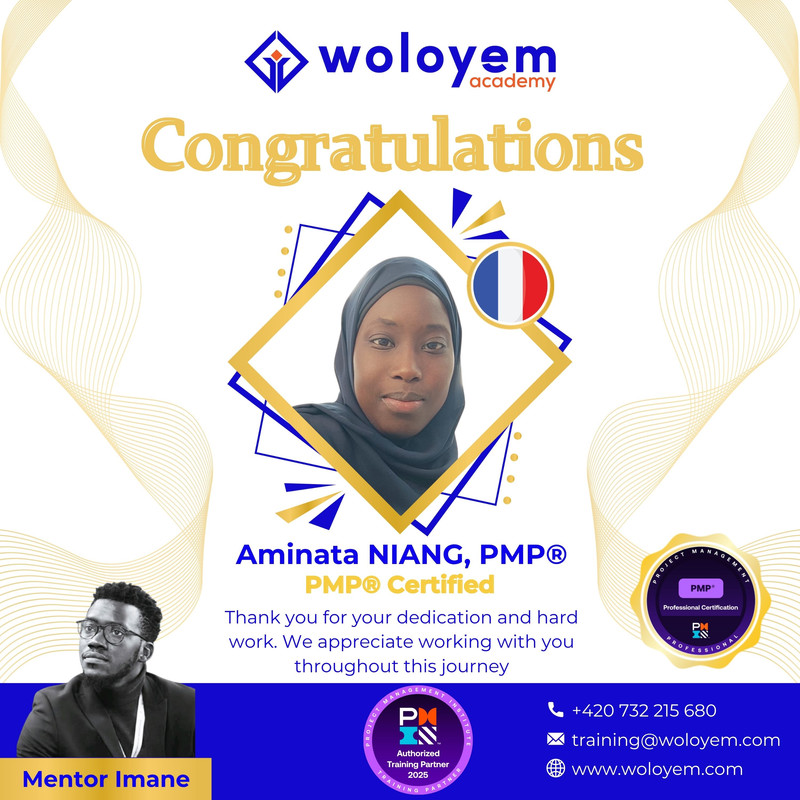
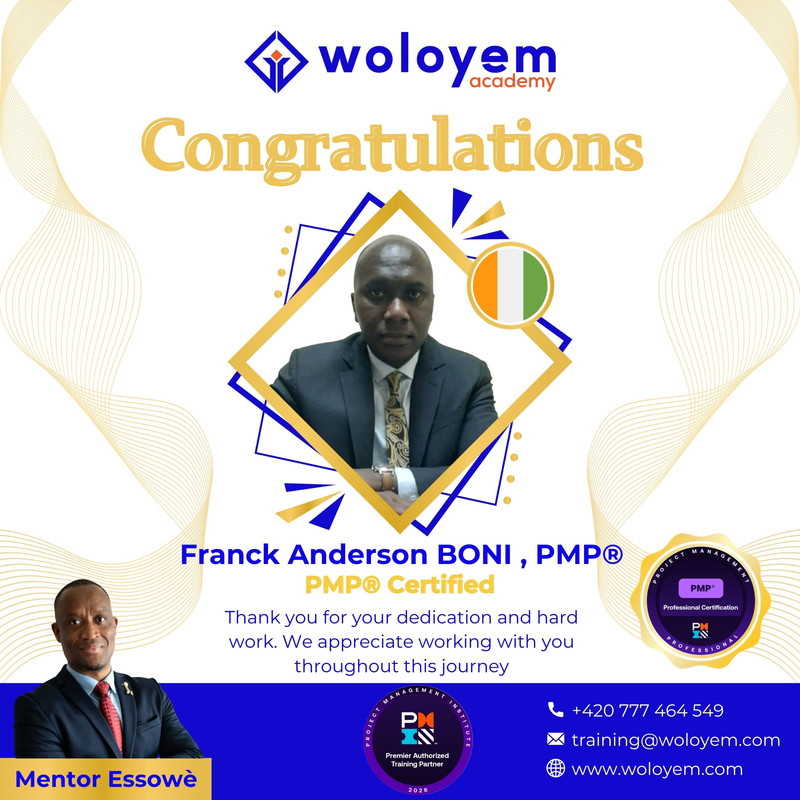
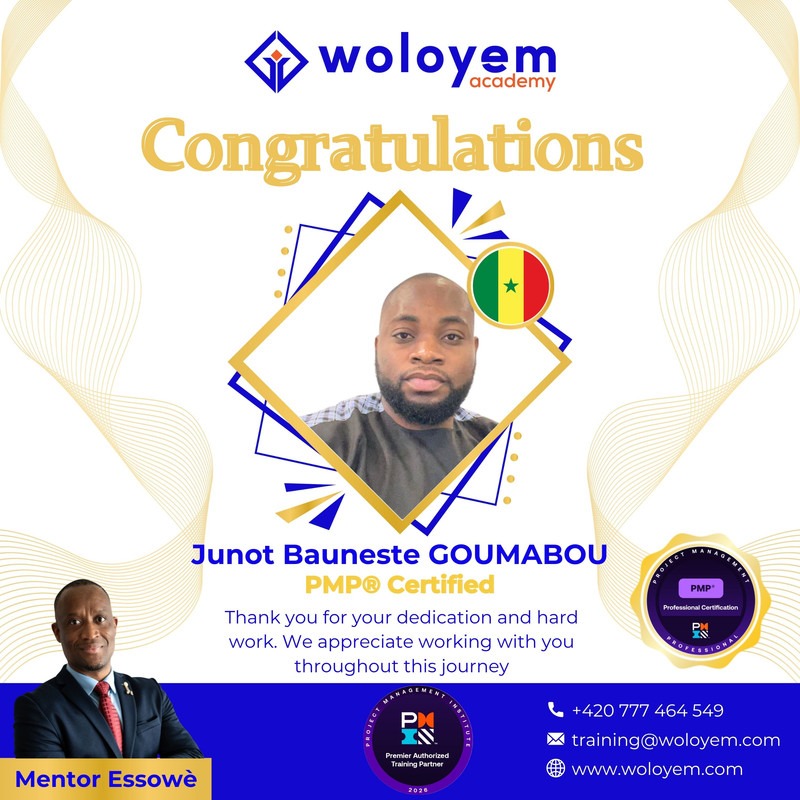
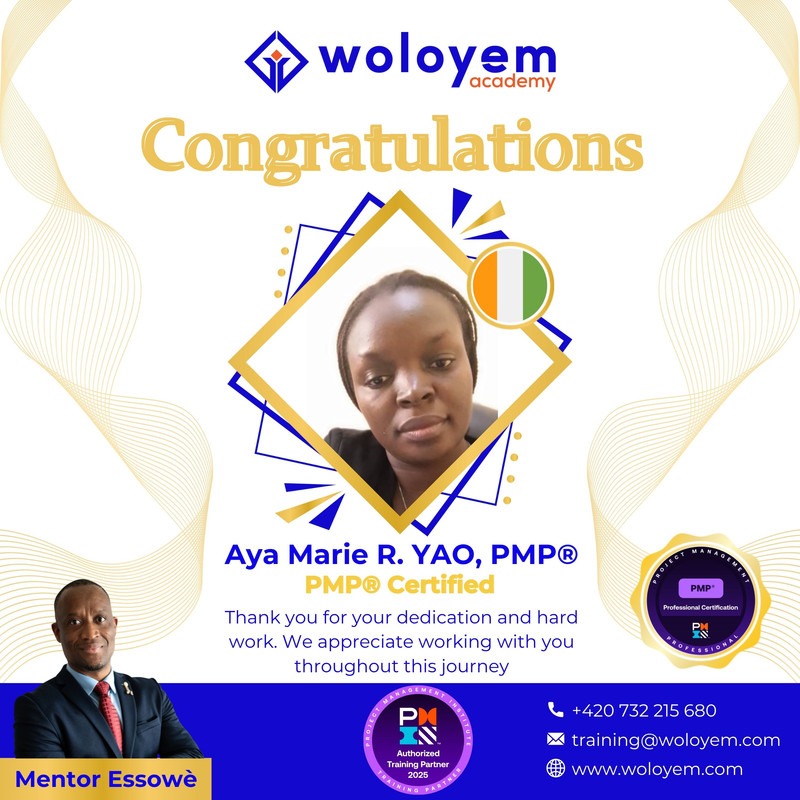
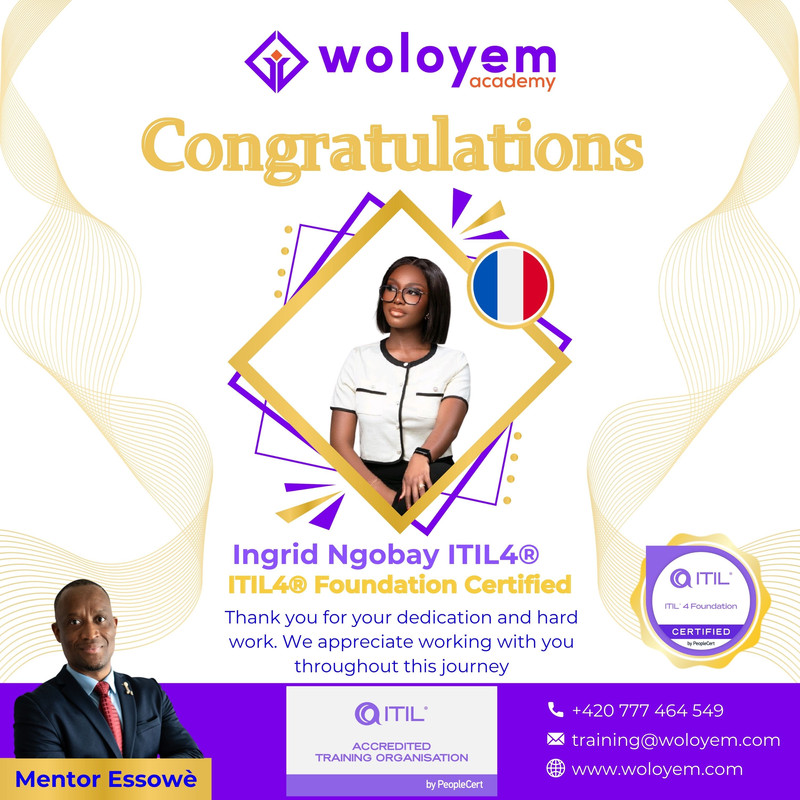
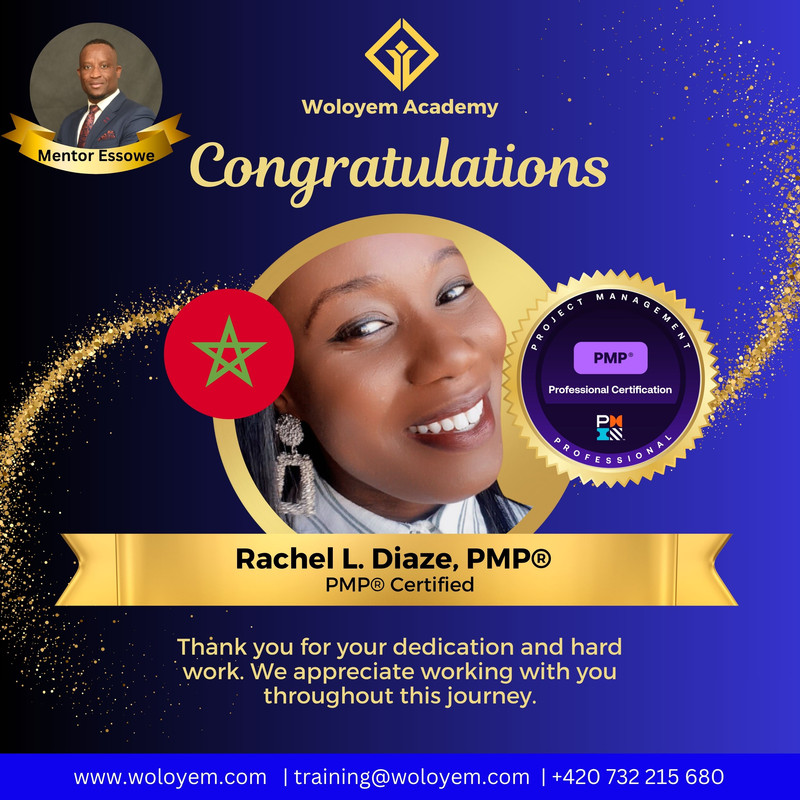
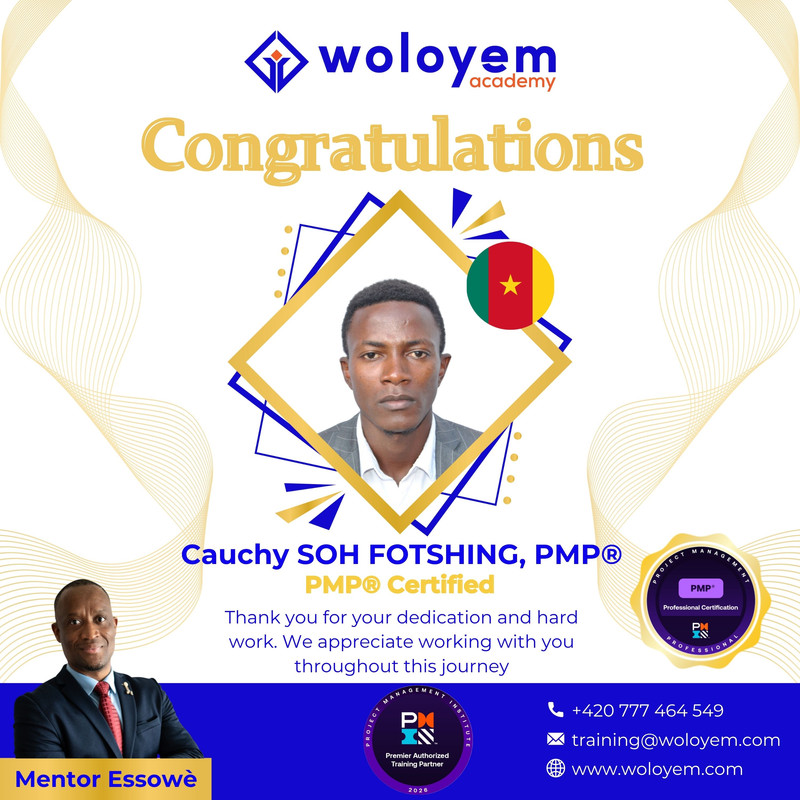
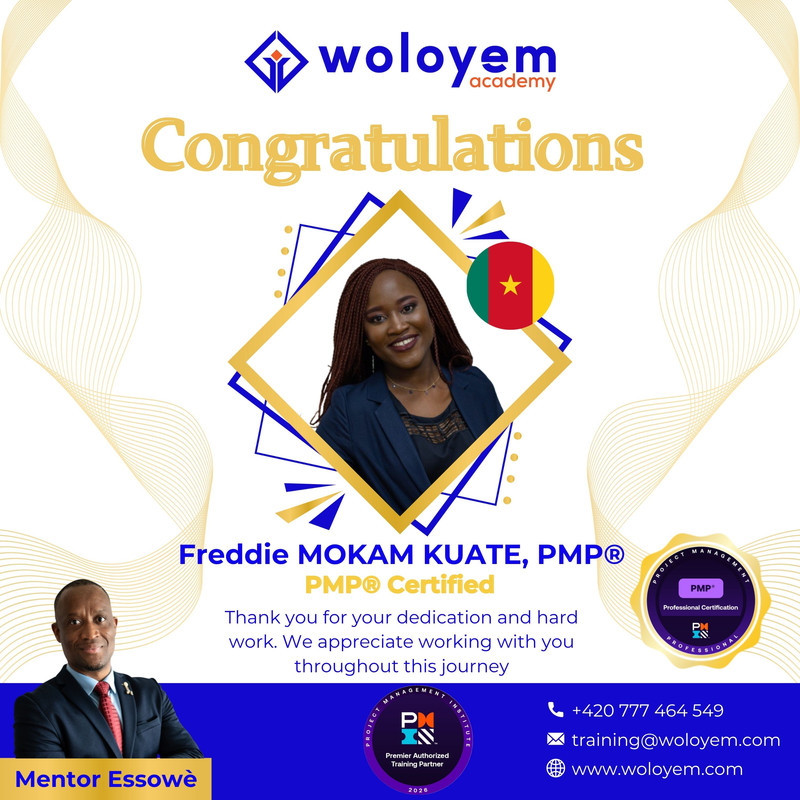
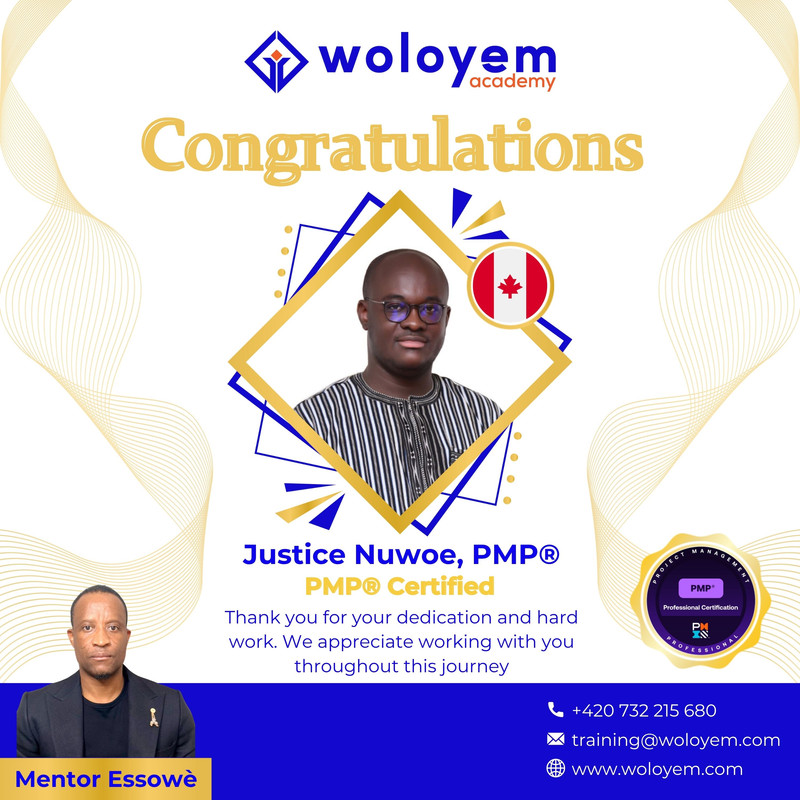
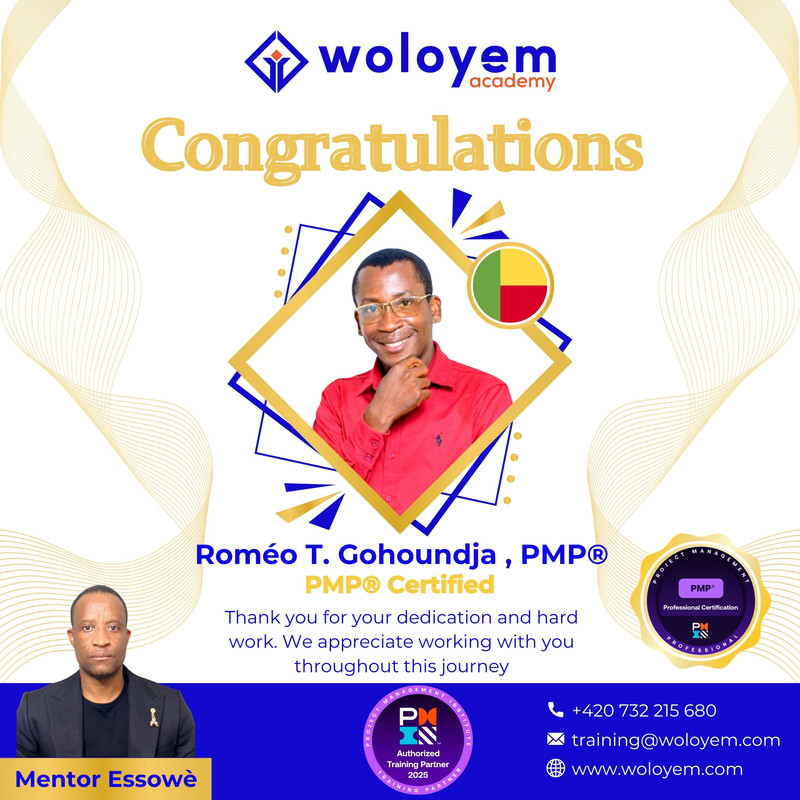
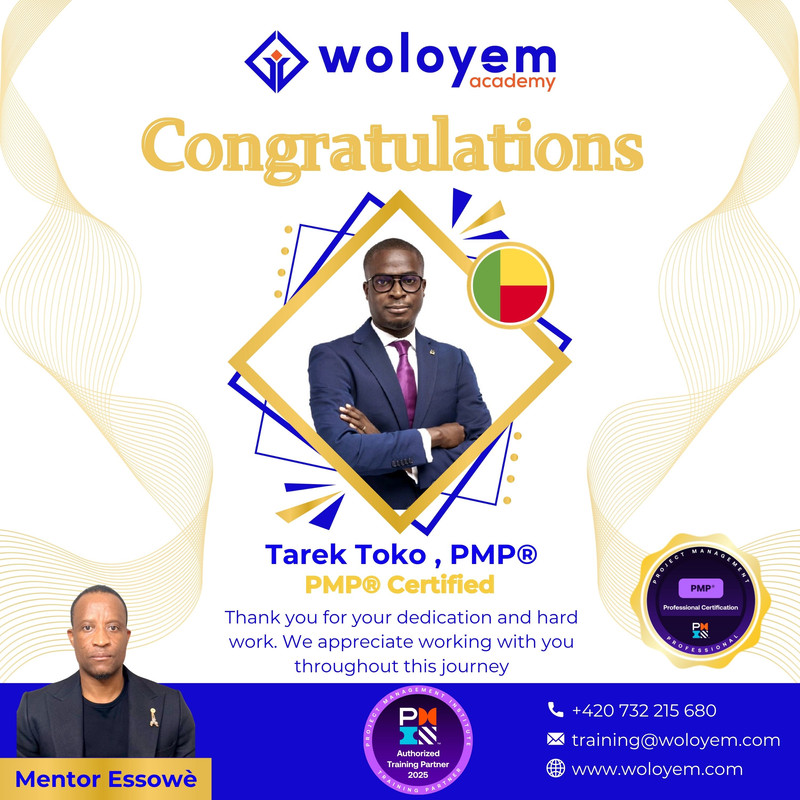
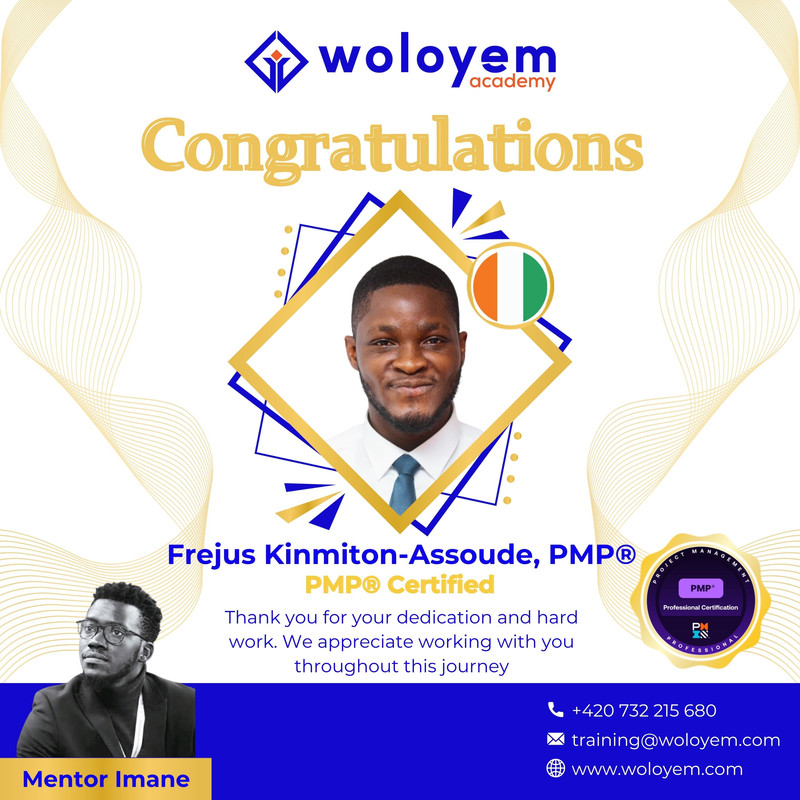
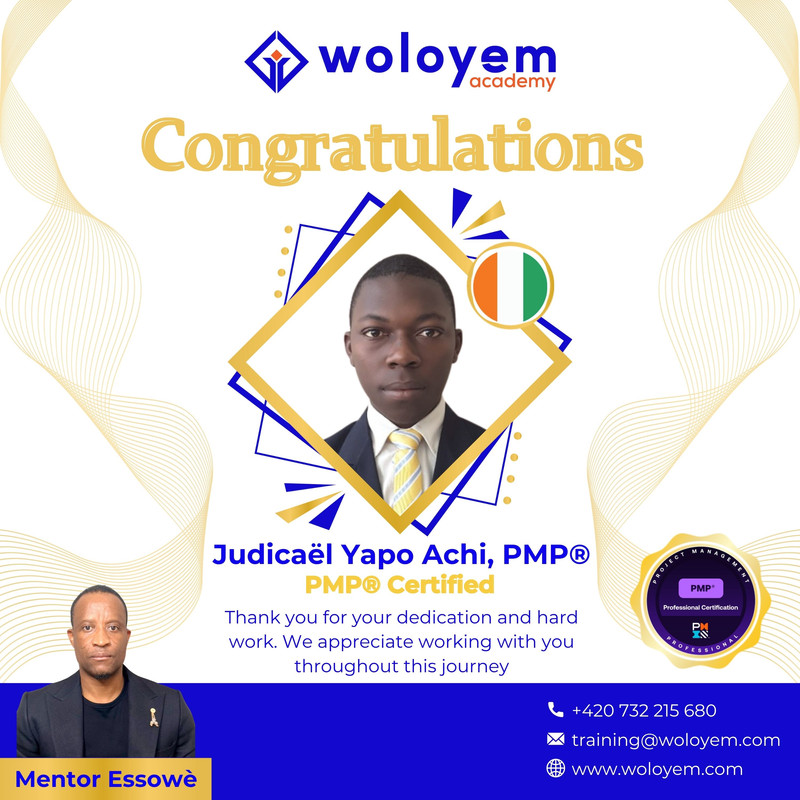
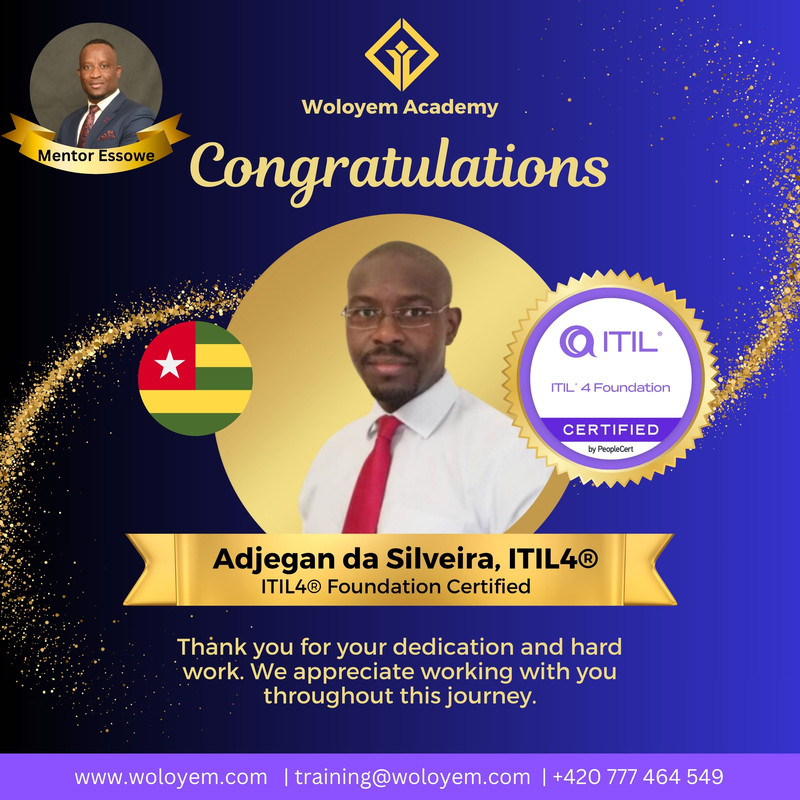
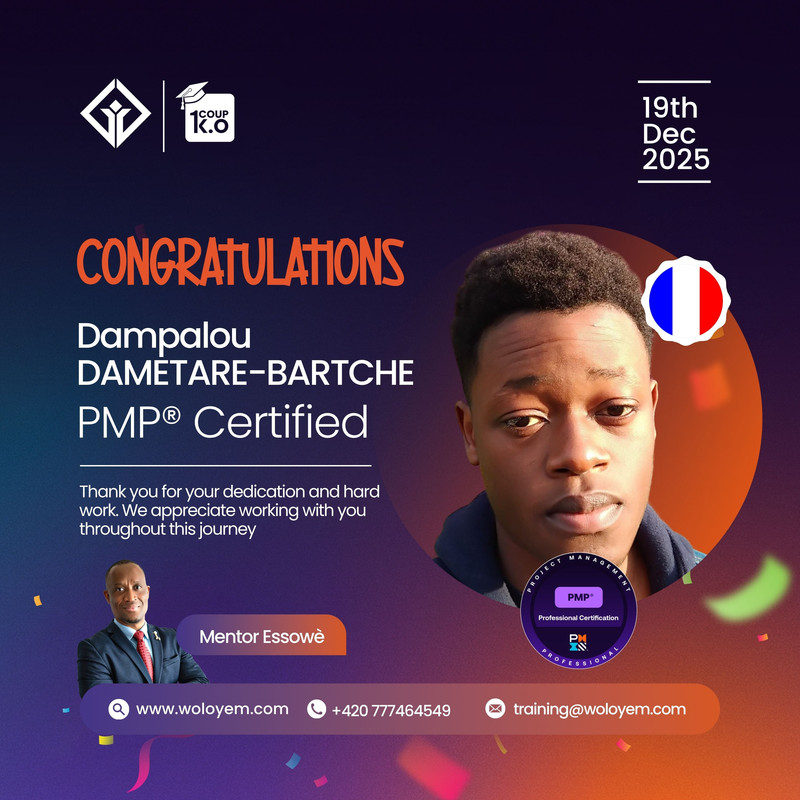
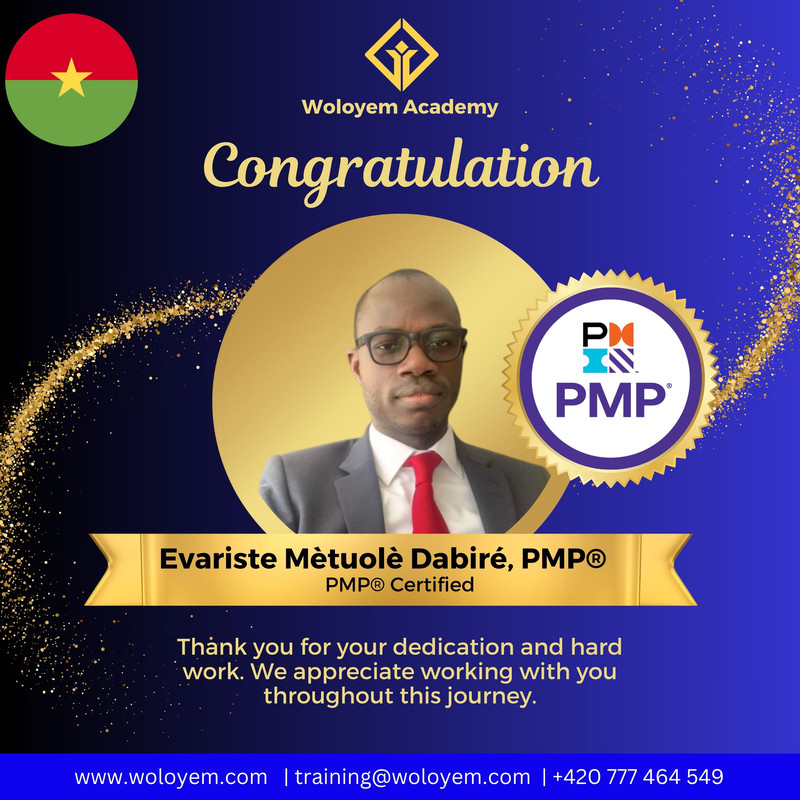
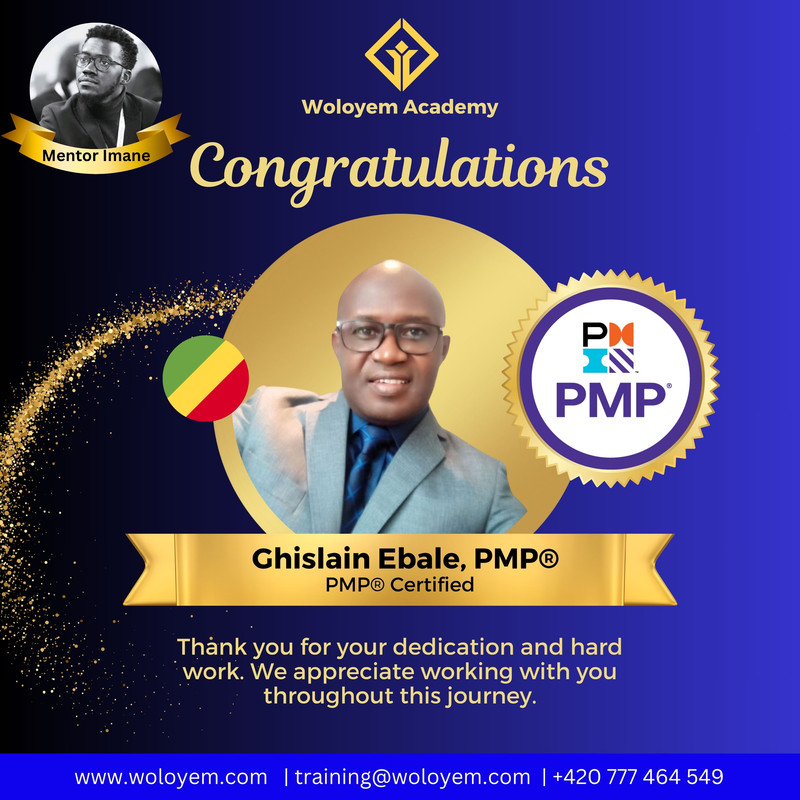
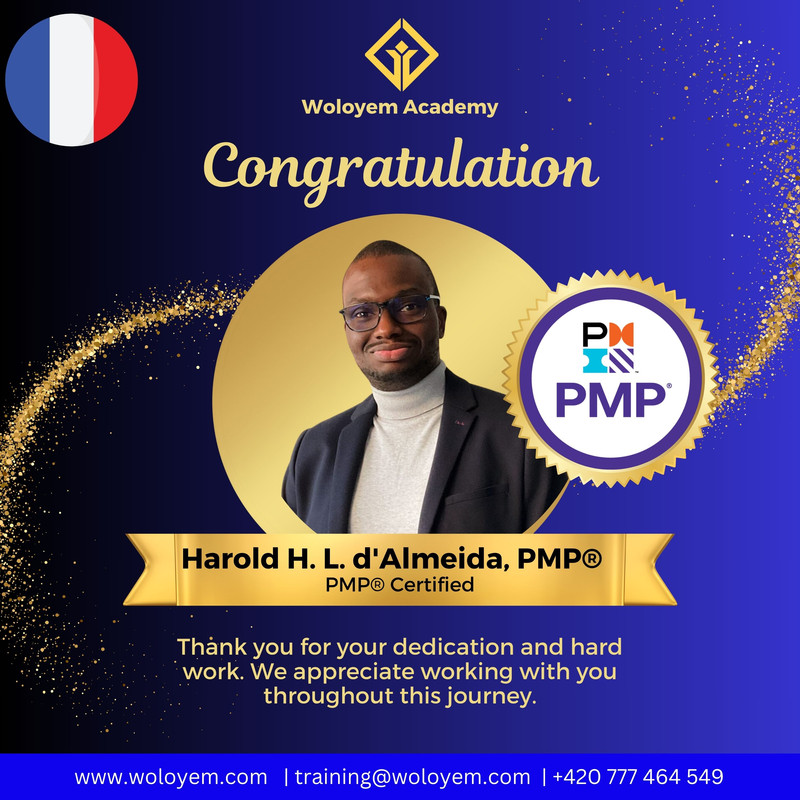
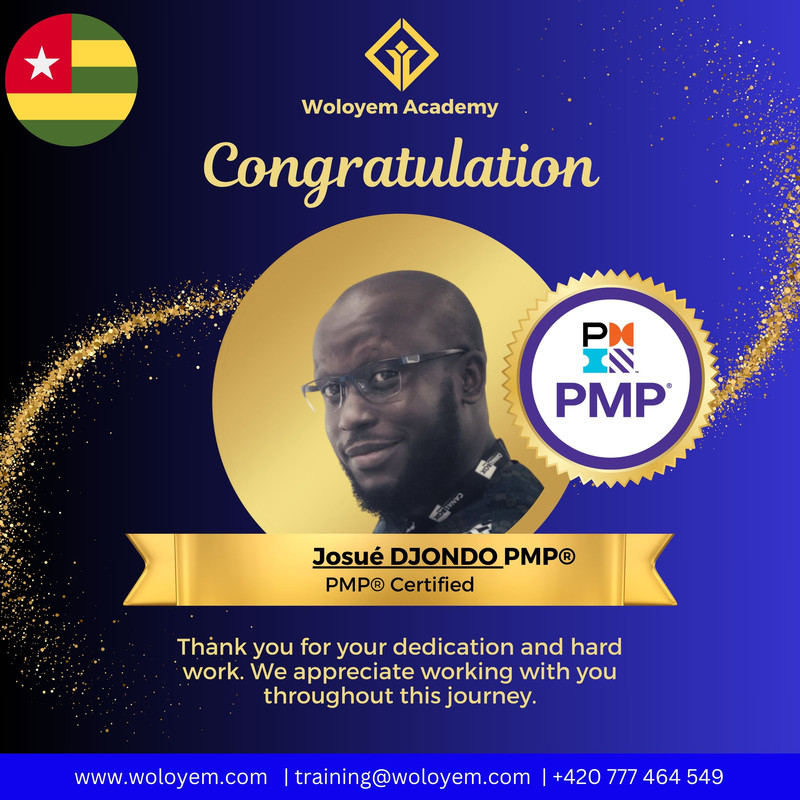
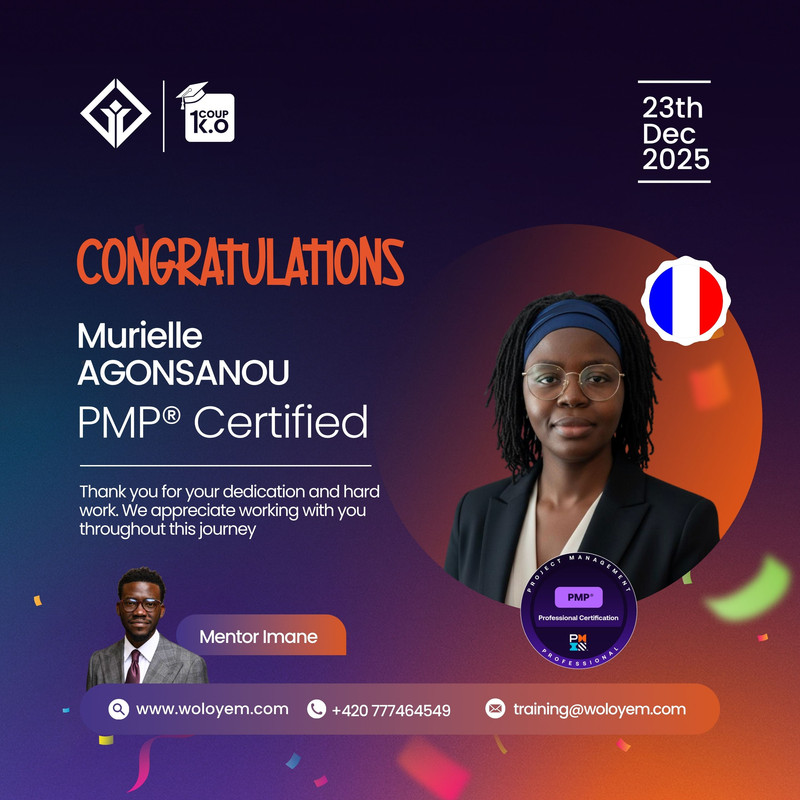
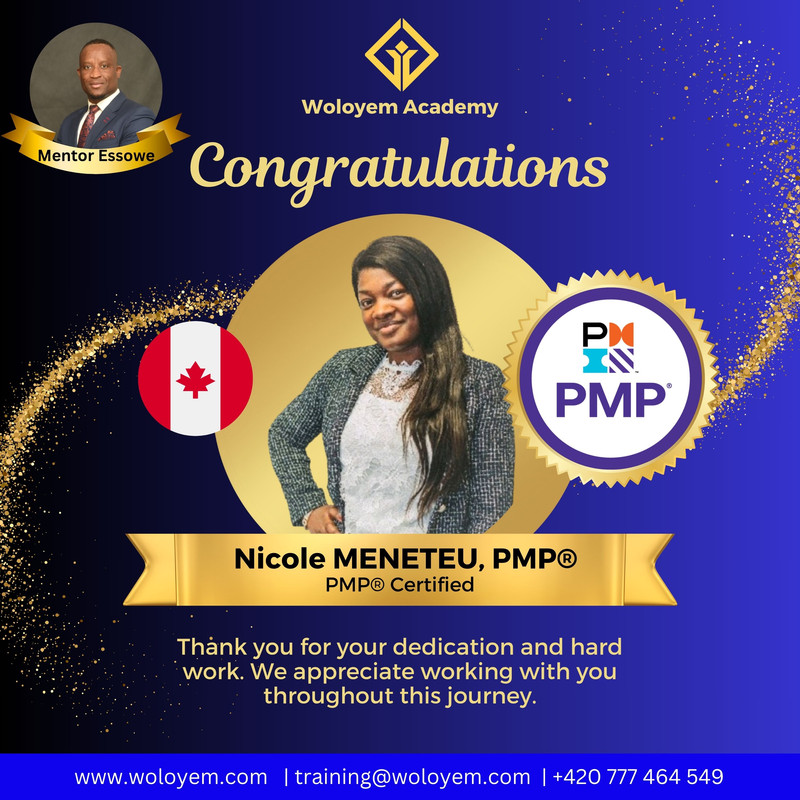
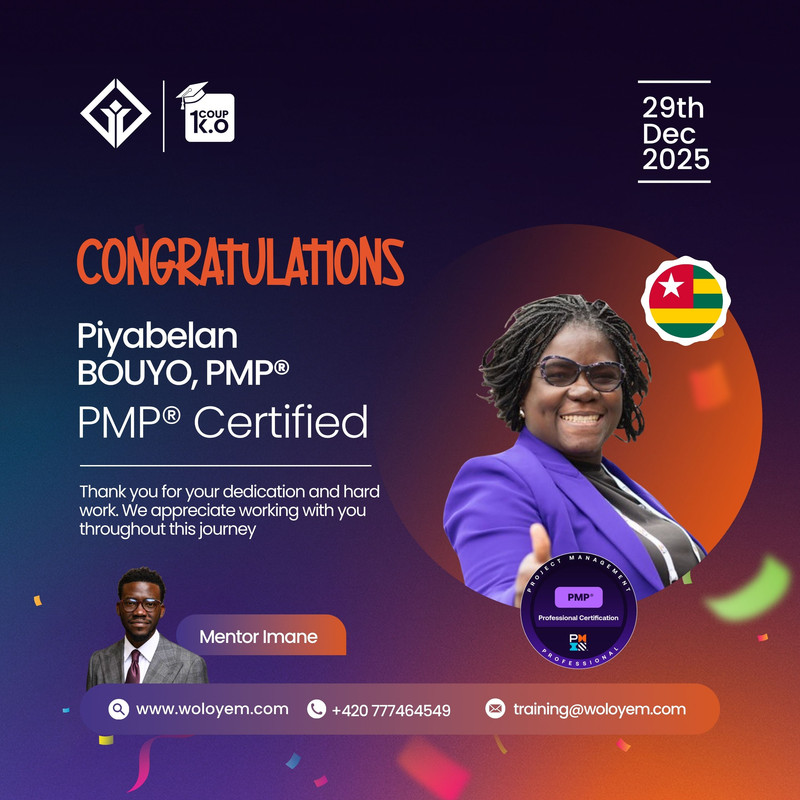
Our successes
.jpg)
.jpg)
.jpg)
.jpg)
.jpg)
.jpg)
.jpg)
.jpg)
.jpg)
.jpg)
.jpg)
.jpg)
.jpg)


.jpg)

Latest news from our blog
Courses
PREPARE EFFECTIVELY
Open PMP® Bootcamp
Pass your PMP certification in the upcoming session
ENROLL NOW