Key Takeaways
Table of Contents
I. Understanding the PMP Handbook 2026: Your Administrative Roadmap
The Project Management Professional (PMP) certification remains the gold standard for project leaders globally, but the path to earning it involves strict administrative hurdles. The pmp handbook 2026 serves as the official manual that governs every stage of your certification lifecycle. It isn't a study guide for the exam content; instead, it's the rulebook for the application process, audit procedures, and the Continuing Certification Requirements (CCR) program. Failing to follow these rules results in 12% of applications being rejected before they even reach the review stage.
The 2026 version of the handbook is particularly vital because it aligns with the release of the PMBOK® Guide - Eighth Edition. This alignment means that the administrative requirements for documenting project experience have shifted to reflect hybrid and agile methodologies more accurately. Candidates must download the latest version directly from the Project Management Institute (PMI) website. Relying on a 2024 or 2025 version could lead to using outdated fee schedules or incorrect experience templates, as PMI updated their member pricing to $405 and non-member pricing to $555 as of January 2026.
To better understand how these changes impact your preparation and the new format of the exam, watch this helpful video analysis:
A. Handbook vs. Exam Content Outline (ECO)
B. Key Updates for the 2026 Cycle
II. PMP Eligibility Requirements and the 2026 Application Process
Securing your PMP certification in 2026 requires a precise alignment with the latest Project Management Institute (PMI) standards. The pmp handbook 2026 outlines two primary pathways based on your educational background. If you hold a four-year university degree, you must document 36 months of unique, non-overlapping professional project management experience. Candidates with a high school diploma or an associate degree must demonstrate 60 months of experience. Both groups must complete 35 contact hours of formal education or hold the CAPM certification.
Documenting this experience isn't just about listing job titles. PMI now evaluates applications based on your ability to lead and direct projects toward specific outcomes. For professionals working in government sectors, these requirements often mirror the Federal Acquisition Certification for Program and Project Managers (FAC-P/PM), which emphasizes structured competency across complex federal initiatives. Your 2026 application must prove you've managed budgets, schedules, and cross-functional teams while delivering tangible business value. You can't count the same month twice even if you managed three projects simultaneously during that time.
A. Documenting Your Experience Under PMBOK 8 Standards
B. The 35-Hour Education Requirement
Every applicant needs 35 contact hours of formal project management education. You can use training completed several years ago; PMI doesn't set an expiration date on these hours as long as the content was relevant at the time. However, the pmp handbook 2026 emphasizes that "Strategic Value" training is now more critical than technical scheduling alone. Training from Authorized Training Partners like Woloyem ensures your curriculum aligns with the 2026 ECO (Exam Content Outline). These programs focus on the Business Environment domain, which accounts for 8% of the current exam score.
Modern training providers prioritize leadership and strategic alignment over rote memorization of formulas. This shift ensures you're prepared for the 180-question exam that now heavily features situational scenarios rather than simple definition checks. If you've already completed a 35-hour course, check that it covers the latest Value Delivery System. If your training predates 2021, you'll likely need a bridge course to understand the current emphasis on servant leadership and psychological safety within project teams. Success in 2026 depends on showing you can deliver results in volatile, uncertain environments.
III. The 2026 PMP Exam Structure: What’s Inside the Handbook?
The pmp handbook 2026 introduces a refined exam blueprint that reflects the current complexity of global projects. You'll face 185 total questions, which is a slight increase from previous years. This total includes 10 pretest questions that don't count toward your final score. These unscored items help PMI validate new content for future cycles. You won't know which ones they are, so you must treat every question with equal focus. It's a test of endurance and logic.
The exam distribution remains fixed across three critical domains. Every question is mapped to these specific percentages to maintain global consistency:
A. New Question Types in 2026
B. Scoring and Retake Policies
IV. Logistics: Fees, Scheduling, and the Audit Process
Managing the logistics of your certification journey requires precision and attention to detail. The pmp handbook 2026 outlines specific financial and procedural requirements that you must follow to secure your exam date. For most candidates, the primary decision starts with the fee structure. PMI members pay $405 for the exam, while non-members pay $555. Because membership costs $139, the total cost for a member is $544. This makes membership $11 cheaper than the non-member rate while providing significantly more value through resources and networking.
Scheduling occurs through the Pearson VUE portal once PMI approves your application. You can choose between a physical testing center or an online proctored environment. If you select a physical center, book your slot at least 45 days in advance to ensure you get your preferred location. If you need to change your date, the $70 rescheduling fee applies if you are within 30 days of your appointment. If you attempt to reschedule within 48 hours of your exam, you will forfeit the entire fee and must pay again to test.
The audit process is a standard quality control measure where PMI randomly selects approximately 10% of applications for verification. If selected, you'll have 90 days to provide the required documentation. You don't need to mail physical papers; the entire process is digital. You must have these three items ready:
Most candidates clear the audit in about 5 to 7 business days once they submit all documents. PMI pauses your one-year eligibility clock during this time, so you won't lose any time on your exam window. Accuracy during the initial application is the best way to ensure the audit doesn't become a roadblock.
A. The PMI Membership Advantage
Joining PMI before paying for your exam is a strategic move for 2026. Membership provides immediate, free access to the PMBOK Guide 8th Edition and the Process Groups: A Practice Guide. You also gain access to PMI Infinity, an AI-powered assistant trained on official standards to help you solve complex practice problems. Local chapters offer a 20% higher chance of passing on the first attempt by providing localized study groups and mentorship from current PMP holders.
B. Online Proctored Exam Rules for 2026
V. Maintaining Your PMP: The CCRS and the Path Forward
Earning PDUs in the Post-2026 Landscape
The Woloyem Advantage in PRINCE2 Training
VI. Secure Your Professional Future with the 2026 PMP Standards
VII. Frequently Asked Questions
Has the PMP exam changed in 2026?
How many questions are on the PMP exam in 2026?
What is the cost of the PMP exam in 2026?
Can I use PMBOK 7th Edition to study for the 2026 PMP exam?
What happens if my PMP application is audited in 2026?
How long does it take to get PMP certified in 2026?
Is the PMP Handbook the same as the PMBOK Guide?
Does the 2026 PMP exam include questions about Artificial Intelligence?
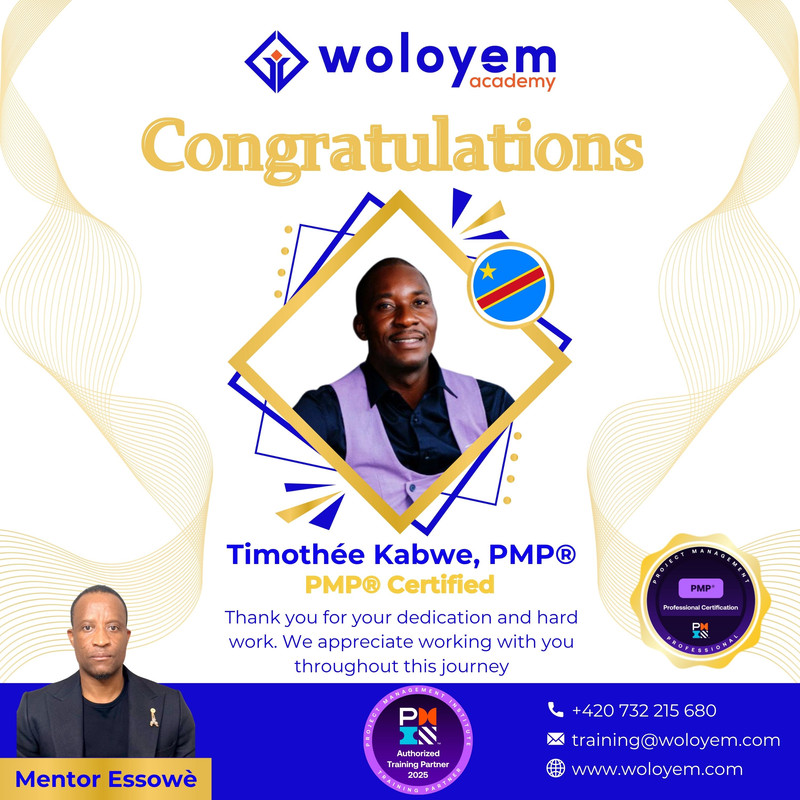
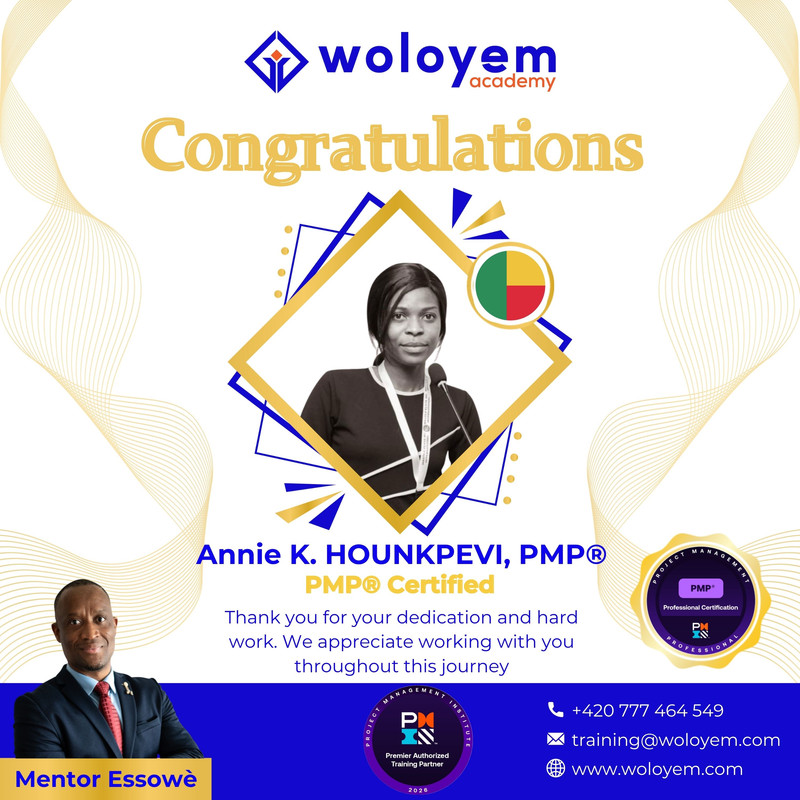
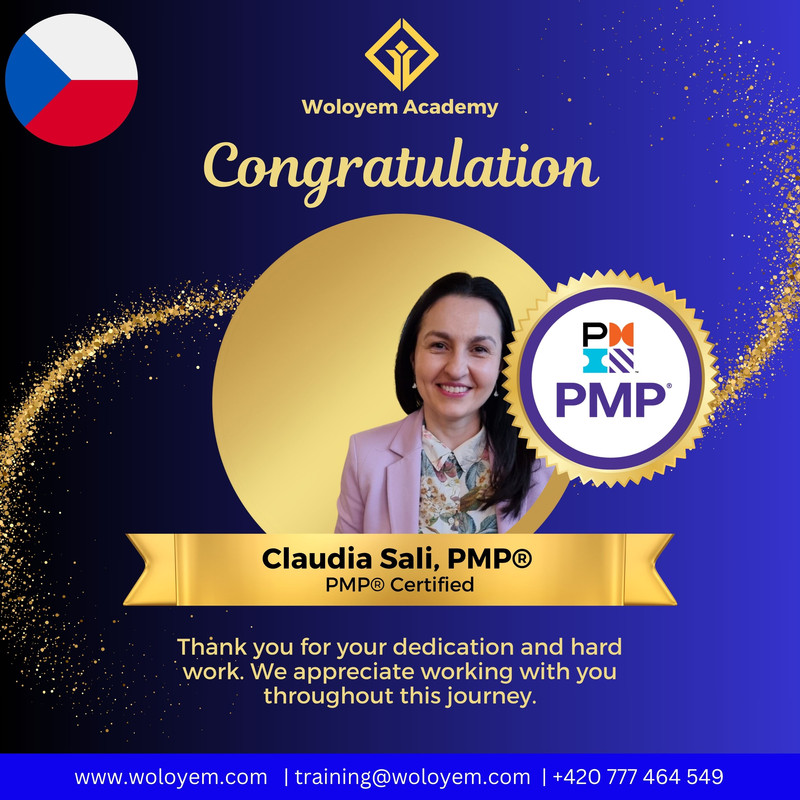
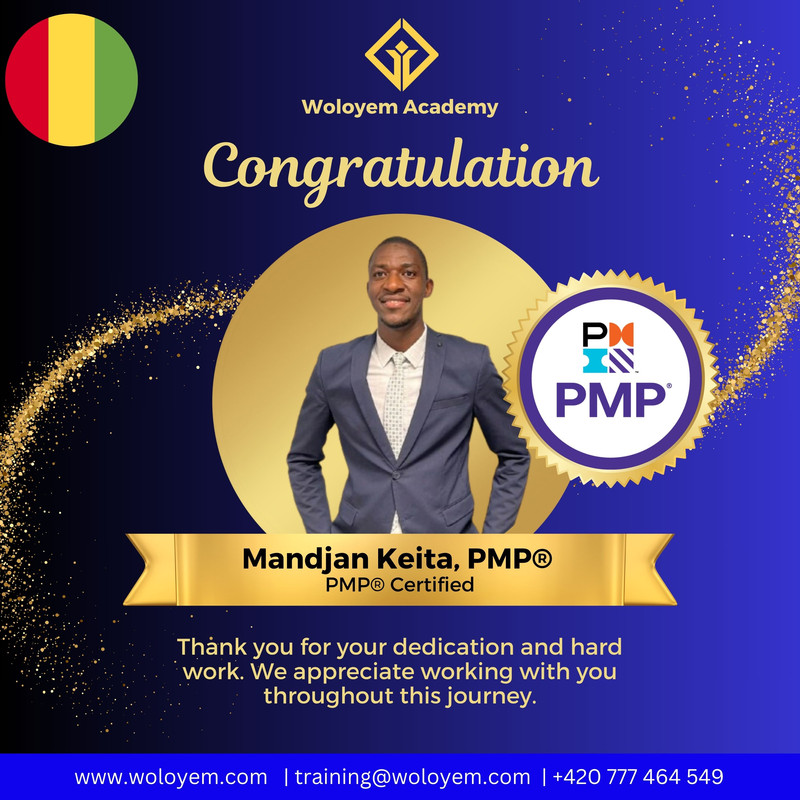
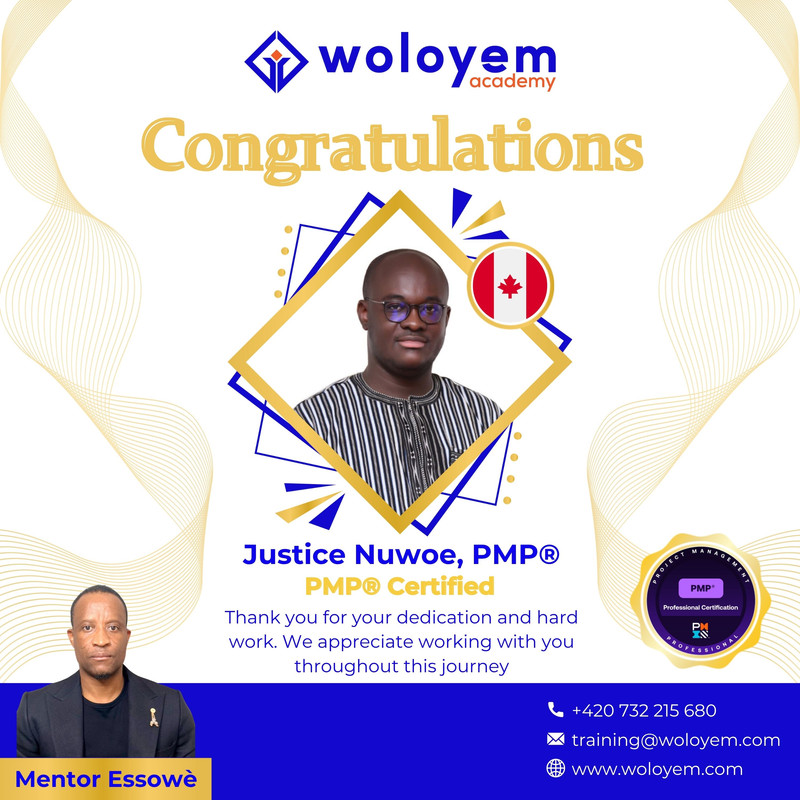
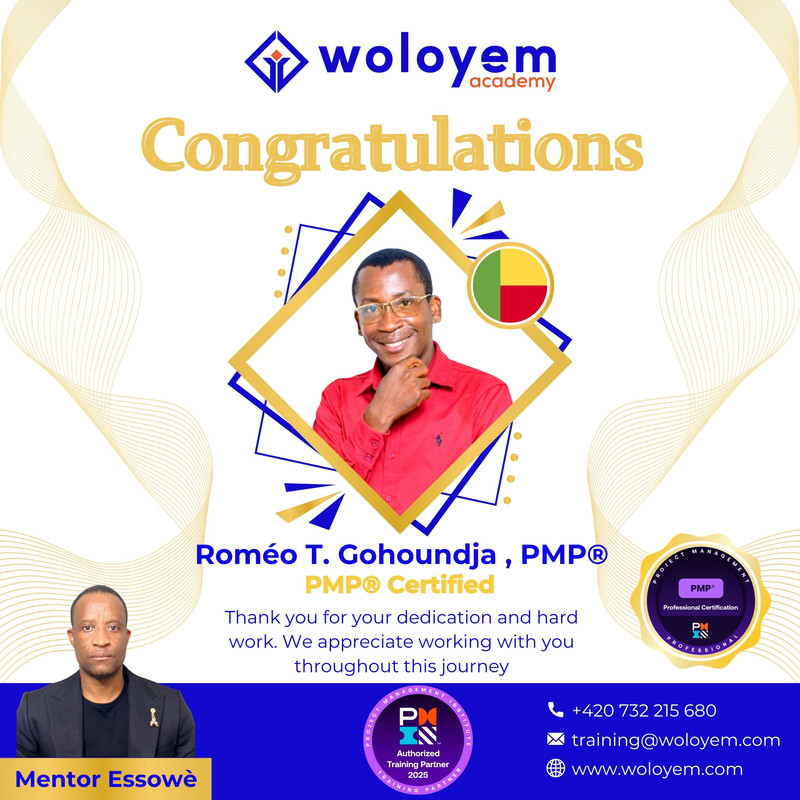
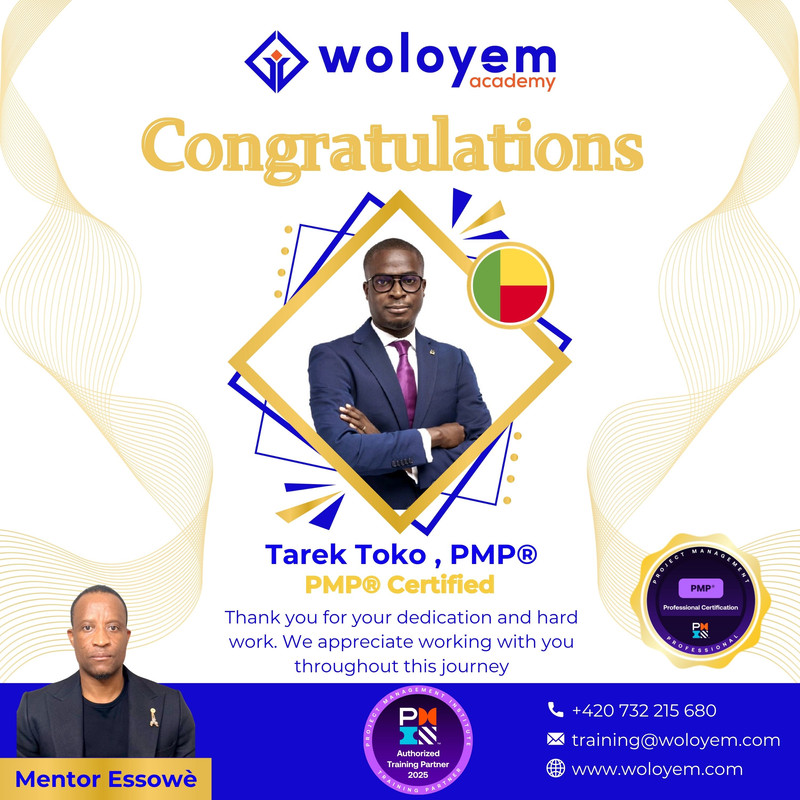
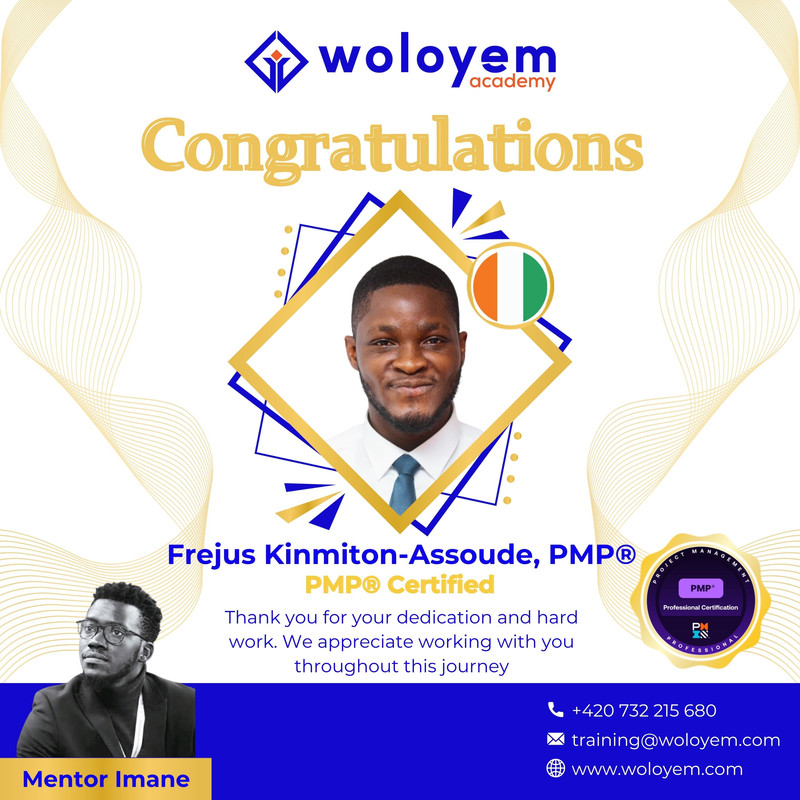
Our successes
.jpg)
.jpg)
.jpg)
.jpg)
.jpg)


.jpg)













.jpg)





Latest news from our blog
Courses
PREPARE EFFECTIVELY
Open PMP® Bootcamp
Pass your PMP certification in the upcoming session
ENROLL NOW