Key Takeaways
Table of Contents
I. PMP Certification Renewal Requirements: The 3-Year Cycle
To renew your PMP certification, you must earn 60 Professional Development Units (PDUs) every three years and pay a renewal fee. These PDUs are divided between Education and Giving Back to the Profession, ensuring you stay current with evolving industry standards like PMBOK 8 and Agile methodologies. This three-year window is officially known as the Continuing Certification Requirements (CCR) cycle. Your cycle begins the day you pass the exam and concludes on the third anniversary of that date. It's a structured process designed to prevent skill stagnation in a rapidly shifting business environment.
The Project Management Professional (PMP) credential isn't a lifetime award; it's a testament to your ongoing commitment to professional growth. If you don't report the required 60 PDUs by the end of your cycle, your certification doesn't vanish immediately. Instead, it enters a one-year suspension period. During this time, you can't refer to yourself as a PMP or use the designation on your resume. If you fail to complete the pmp certification renewal requirements within that suspension year, your credential expires completely. At that point, you'd have to start the entire application process from scratch and retake the exam.
A. The Mandatory Education Component
B. The Giving Back to the Profession Limit
II. Decoding the PMI Talent Triangle for 2026
The Talent Triangle isn't just a graphic; it's a strategic framework for professional relevance. PMI updated these categories to reflect that project success depends on more than just scheduling or budget tracking. You're now required to earn at least 8 PDUs in each of the three categories: Ways of Working, Power Skills, and Business Acumen. This mandate ensures you don't over-specialize in one area while neglecting the broader skills needed to lead in a digital-first economy.
When you approach your pmp certification renewal, consider how certifications can help grow your career by signaling your versatility to executive leadership. Instead of picking the easiest webinars available, choose PDUs that fill your specific skill gaps. This strategic alignment turns a compliance task into a personal audit of your professional authority. Ways of Working is the evolution of technical project management.
A. Ways of Working (Formerly Technical PM)
This category covers the "how" of project execution. In 2026, you must demonstrate proficiency across predictive, agile, and hybrid methodologies. It's no longer enough to be a Waterfall expert. You also need to understand how AI-driven tools can automate risk assessment or resource allocation. Mastering these project management techniques allows you to choose the right tool for the specific project context. If you need to refresh these core competencies, our PMP bootcamps provide an intensive way to earn high-volume PDUs while mastering PMBOK 8 standards.
B. Power Skills and Business Acumen
Power Skills represent the "who" of leadership. They include emotional intelligence, conflict resolution, and the ability to influence stakeholders without formal authority. In a market dominated by remote and hybrid teams, these "soft" skills are often the hardest to master. Business Acumen represents the "why." It links your projects to the organization's strategic goals and market analysis. You need to understand how your project contributes to the overall business value and ROI.
Mastering advanced leadership techniques allows you to bridge the gap between technical delivery and executive expectations. Many project managers struggle in these areas because they're less quantifiable than a Gantt chart, yet they're exactly what separate a project coordinator from a strategic director. Exploring our catalogue of certifying training can help you find the right balance of credits to fulfill these requirements while actually improving your performance on the job.
III. Practical Ways to Earn PDUs Efficiently
Efficiency is the primary concern for most professionals approaching their pmp certification renewal deadline. While some seek out low-effort podcasts or free webinars, strategic leaders prioritize high-impact activities that actually improve their professional authority. Formal training and masterclasses remain the most efficient path. These structured programs can provide 20 to 30 PDUs in just a few days, effectively covering half of your cycle's requirements in a single session. This approach is significantly faster than piecing together dozens of unrelated one-hour sessions.
Attending industry gatherings is another powerful way to stay current. You can find networking opportunities and strategic workshops by checking upcoming events, such as those offered by Woloyem helps you to learn and master projet and service management. For self-paced learning, focus on reading whitepapers concerning PMO governance and digital transformation. These resources often fulfill the Business Acumen requirements by providing deep insights into how project structures align with corporate strategy. By choosing high-quality sources, you ensure that your renewal process contributes to your actual performance on the job.
A. Cross-Certification Synergy
One of the most overlooked strategies for earning PDUs is pursuing adjacent credentials. If you're already planning to expand your expertise into service management or structured governance, those study hours count toward your PMP requirements. For example, completing ITIL training directly supports the Business Acumen side of the Talent Triangle. This 'Semantic Cocoon' of certifications creates a more robust expert profile. Whether you're studying for PRINCE2 or the latest ITIL 5 modules, you're simultaneously securing your PMP status while building a comprehensive leadership toolkit.
B. Contributing to the Project Management Community
The 'Giving Back' category allows you to claim up to 25 PDUs by sharing your knowledge. This is a prime opportunity to build your personal brand. Writing professional articles or blog posts for industry platforms demonstrates your expertise to a global audience. If you prefer direct interaction, presenting at conferences or hosting internal corporate workshops can earn you significant credits. Mentoring junior project managers is perhaps the most rewarding path. It allows senior leaders to shape the next generation of talent while fulfilling their own pmp certification renewal obligations. These activities don't just count as units; they establish you as a recognized authority in your field.
IV. The Step-by-Step PMP Renewal Process
The pmp certification renewal process is a five-step logistical cycle that begins once you've earned your 60 PDUs. You must report these units through the Continuing Certification Requirements System (CCRS), wait for PMI approval, and pay the mandatory renewal fee to extend your status for another three years. This digital workflow ensures your records are up to date and your professional standing remains active without a gap.
A. Reporting PDUs with Accuracy
Accurate reporting prevents administrative delays and protects you in the event of an audit. You'll need to provide specific details for each claim, including the provider name, activity dates, and a concise description of the learning outcomes. Pass a potential audit by keeping organized records of your certificates, workshop agendas, and proof of participation. It is essential to maintain a dedicated 'PDU Folder' containing all supporting documentation for at least 18 months following the completion of your renewal cycle.
B. Renewal Fees and Membership Benefits
The financial aspect of pmp certification renewal depends on your membership status. In 2026, the fee is $60 for PMI members and $150 for non-members. Since PMI membership costs roughly $129 annually, the $90 discount on renewal often makes membership a logical choice during your renewal year. Membership also provides access to free PDU opportunities that can offset the annual cost.
Many organizations recognize the value of this credential and offer reimbursement for these maintenance fees. We recommend presenting a business case to your HR department that highlights how your updated skills in AI risk management and hybrid agility provide direct value to the company. If your organization needs a structured approach to talent development, our corporate consulting and training experts can design a program that keeps your entire team certified and strategically aligned.
V. Career Impact: Why Renewal Matters in 2026
A. PMP Renewal and Senior Leadership
B. Next Steps: Beyond the Renewal
VI. Securing Your Strategic Future in Project Management
VII. Frequently Asked Questions
How many PDUs do I need to renew my PMP certification?
Can I earn all 60 PDUs for free?
What happens if I don't earn enough PDUs before my cycle ends?
How do I report my PDUs to PMI?
Is there a grace period for PMP renewal?
Can I carry over extra PDUs to the next 3-year cycle?
How much does it cost to renew the PMP certification in 2026?
Do PDUs for other certifications like PRINCE2 count for PMP?
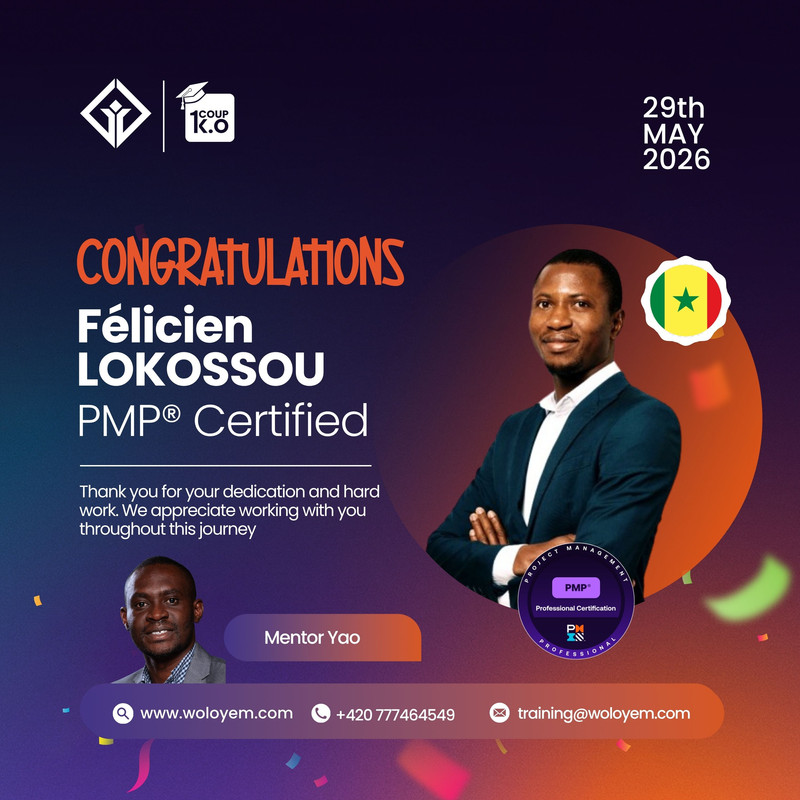
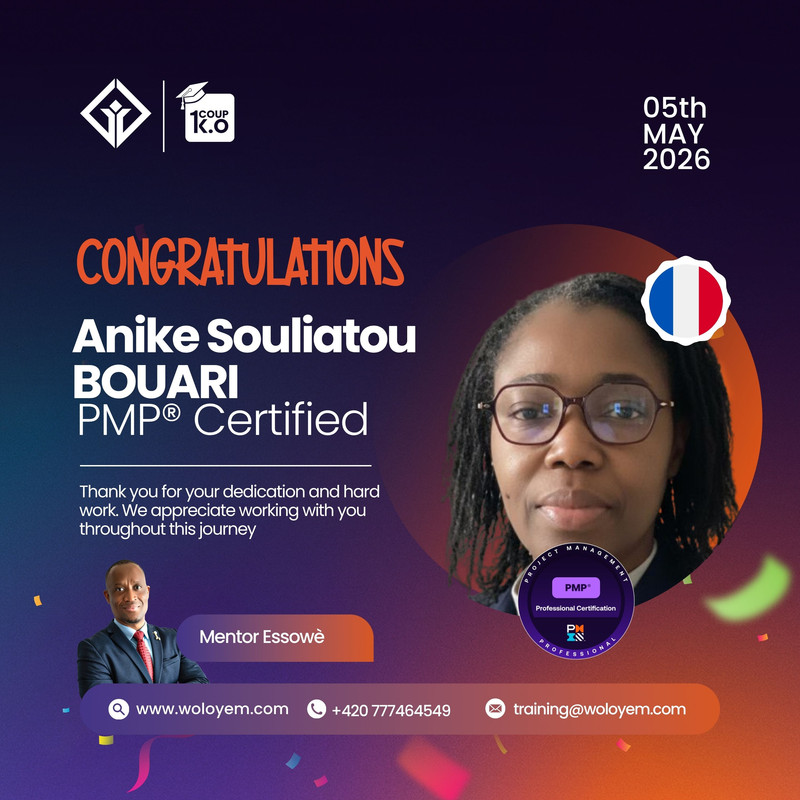
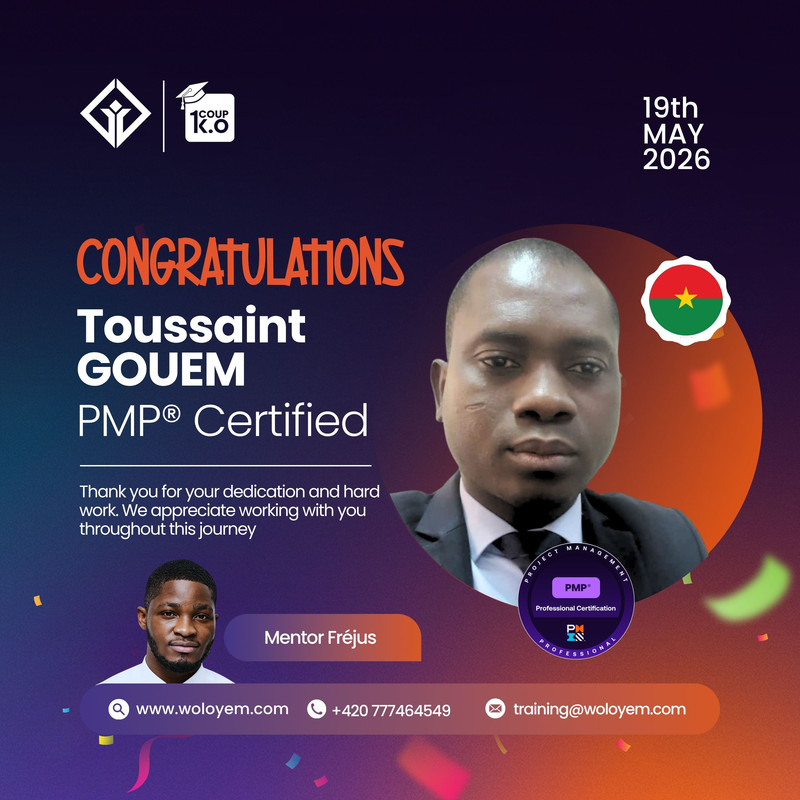
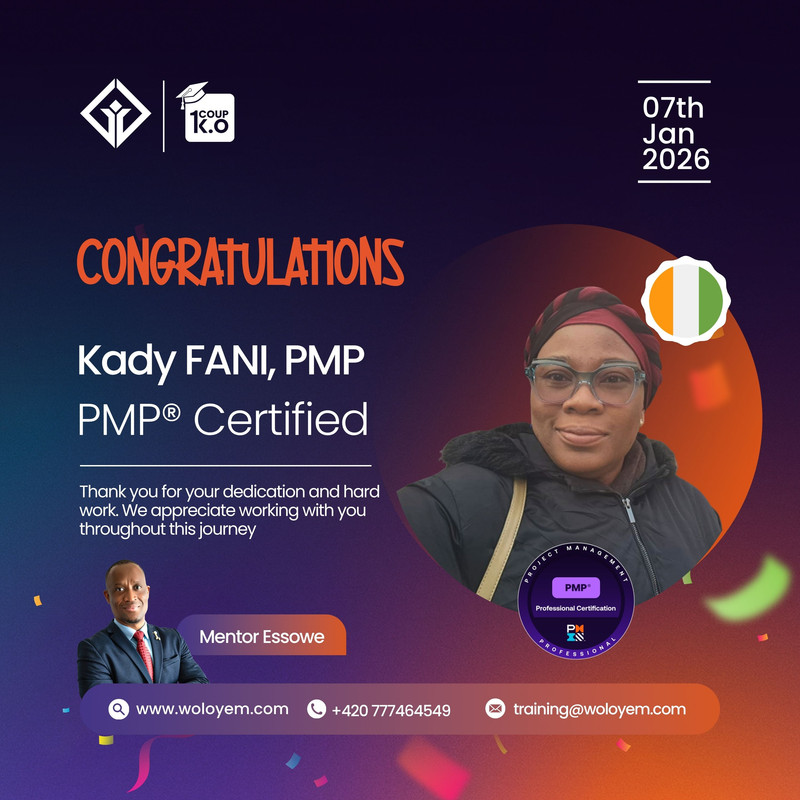
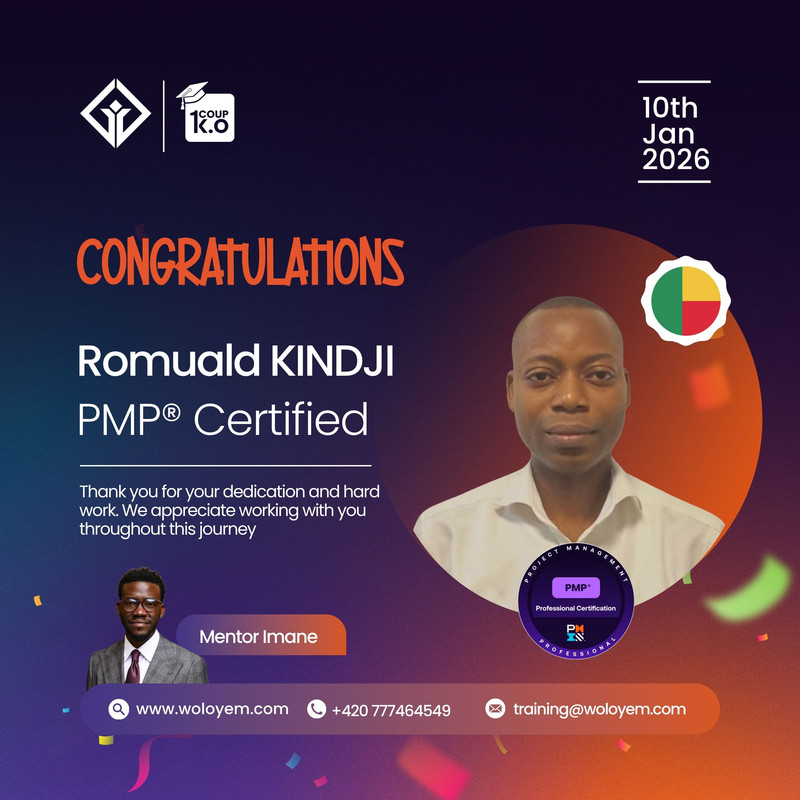
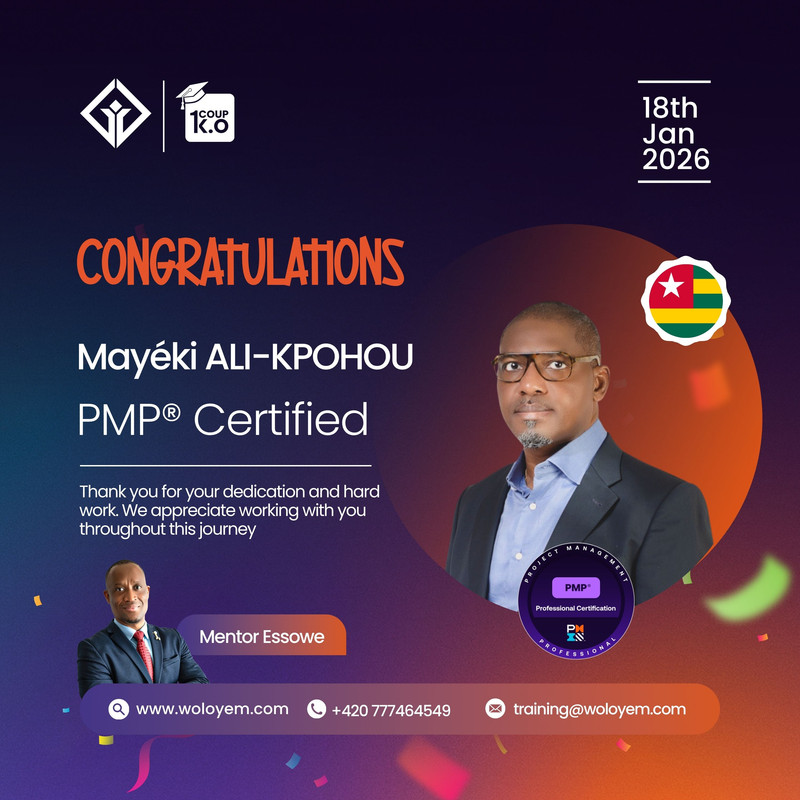
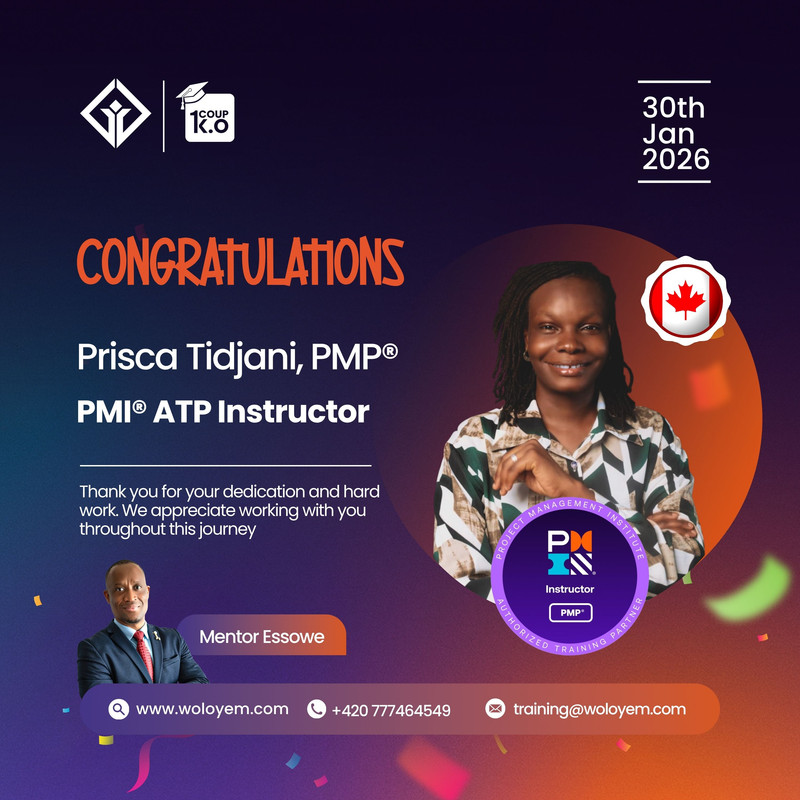
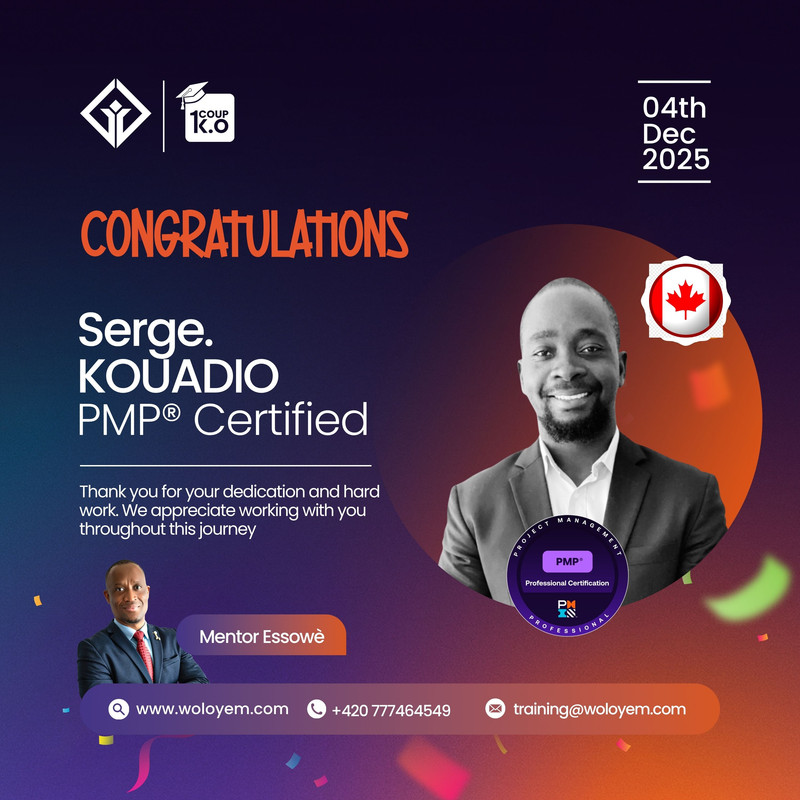
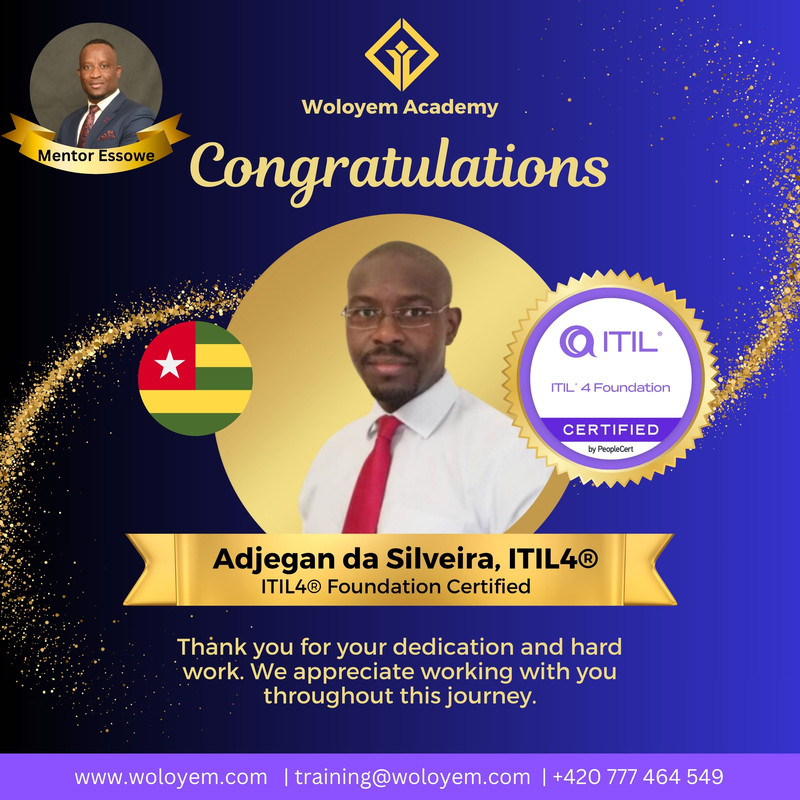
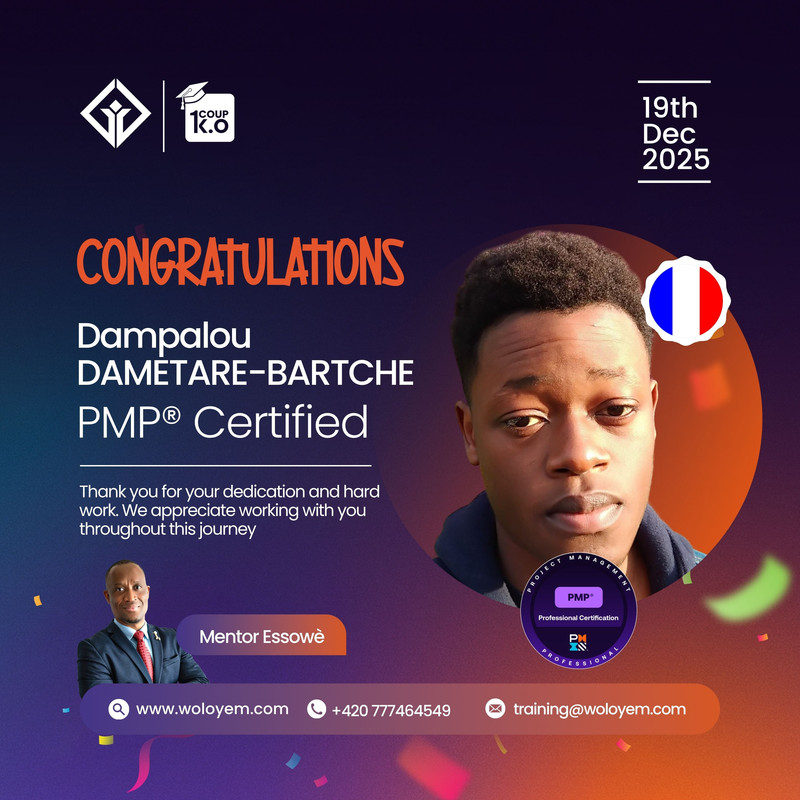
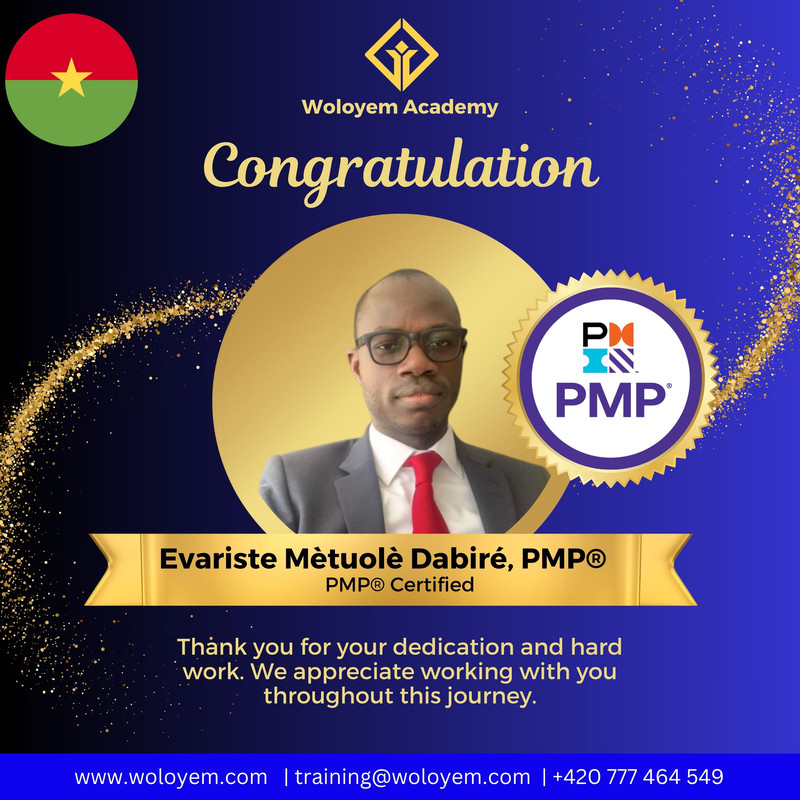
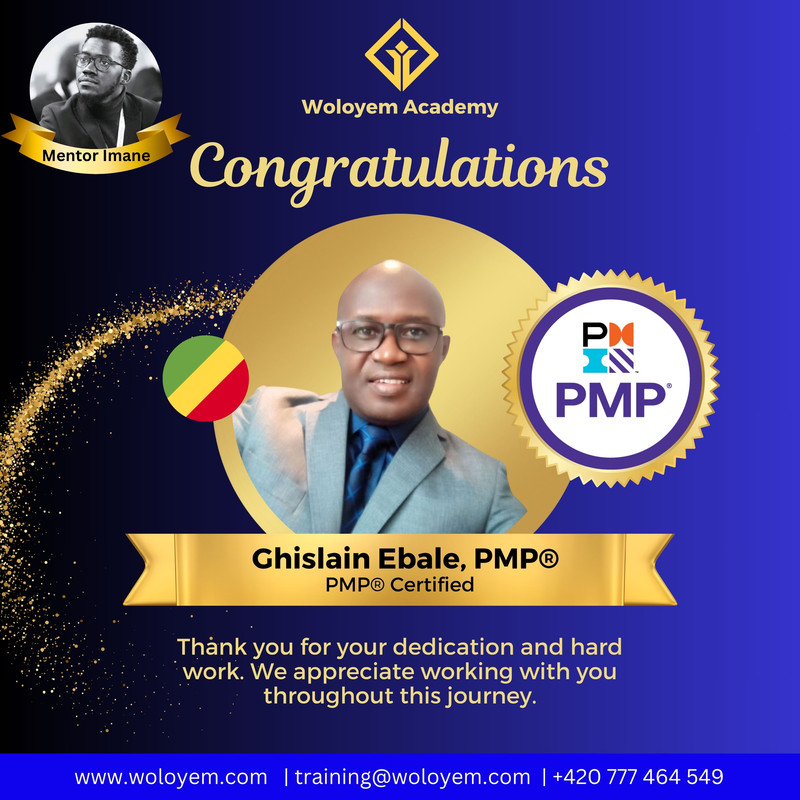
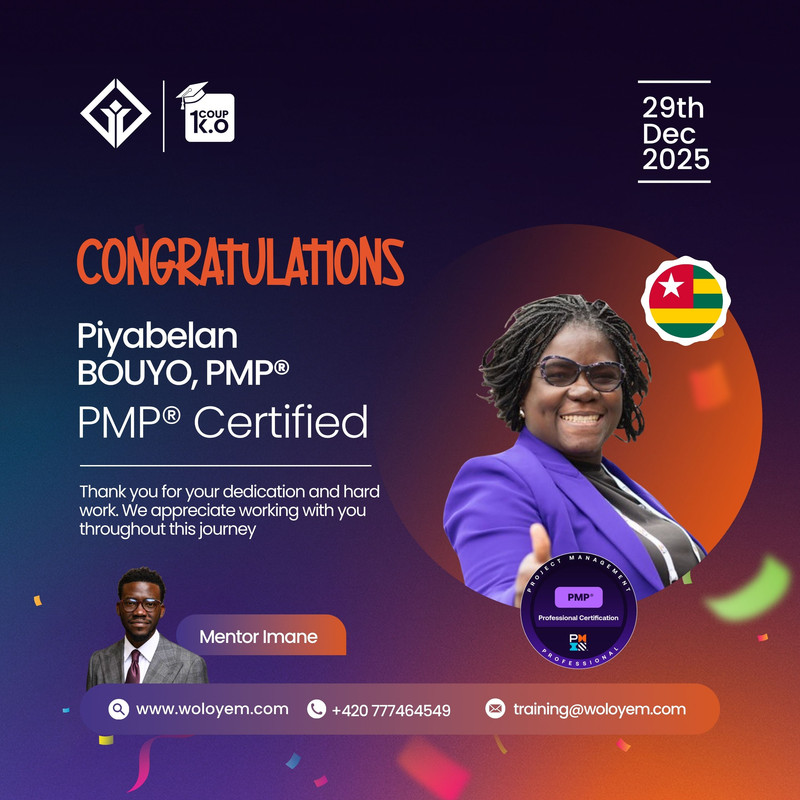
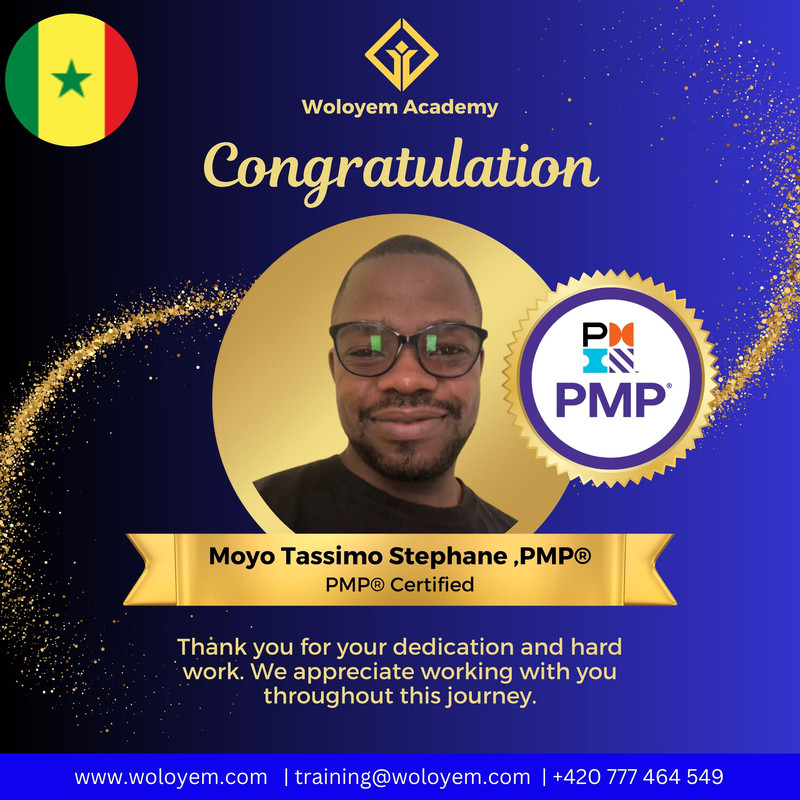
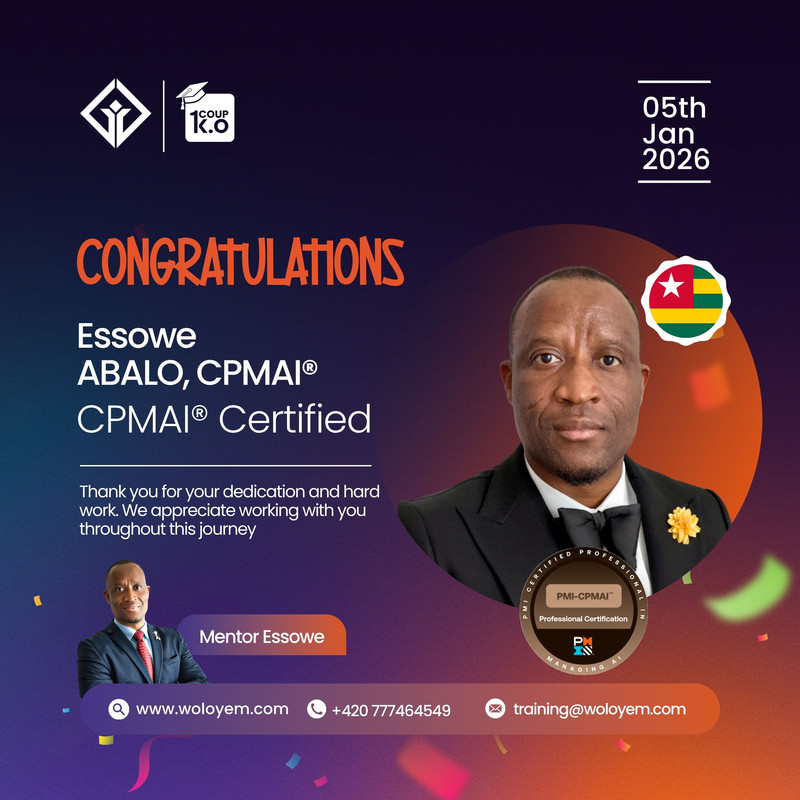
Our successes
.jpg)
.jpg)
.jpg)
.jpg)
.jpg)
.jpg)
.jpg)
.jpg)
.jpg)
.jpg)
.jpg)
.jpg)
.jpg)



.jpg)


Latest news from our blog
Courses
PREPARE EFFECTIVELY
Open PMP® Bootcamp
Pass your PMP certification in the upcoming session
ENROLL NOW