Key Takeaways
Table of Contents
I. The Strategic Value of PMP Certification in the 2026 Global Economy
In 2026, the global economy has shifted toward "projectized" organizational structures. Companies now prioritize efficiency as their primary competitive advantage, making structured execution more valuable than ever. The Project Management Professional (PMP) certification serves as the definitive global standard for this execution. It isn't just an academic certificate. It's a rigorous validation of your ability to lead complex initiatives from inception to closing. We've found that organizations now view project management as a core strategic function rather than a support role.
Executives and hiring managers use the PMP as a strategic lever to identify high-authority talent. They know that a certified professional speaks the language of the PMBOK Guide 8th Edition, ensuring seamless communication with international stakeholders. Using the pmp certification for career advancement allows you to quantify years of experience that might otherwise seem vague to recruiters. It transforms "I've managed projects" into a statement of proven leadership. With the July 2026 exam updates focusing on strategic alignment, the credential carries more weight in the boardroom than ever before.
To better understand the real-world impact of these credentials on your professional trajectory, watch this helpful video:
A. Why Standardized Techniques Matter More Than Ever
B. The Global Recognition Factor
II. Analyzing the Financial ROI: Salary Growth and Executive Mobility
Investing in your professional development is a financial decision as much as a career one. When we look at the data for 2026, the ROI on PMP certification for career advancement is undeniable. While the exam fee ranges from $425 for PMI members to $675 for non-members, this initial cost is typically recovered within the first few months of a new role. Most professionals see an immediate 15% to 30% salary jump upon certification. This isn't just about the base pay. Approximately 68% of certified managers also report significantly higher annual bonuses and improved equity packages.
This credential acts as a gateway to the "hidden job market." Many executive project roles are never posted on public boards. Instead, they're filled through high-authority networks where the PMP is a mandatory prerequisite for entry. If you want to move into senior leadership, you need to be part of that conversation. It's the difference between waiting for an opportunity and being the obvious choice for one.
A. Quantifying the PMP Salary Increase
In the United States, the financial gap between certified and non-certified peers has widened. Current 2026 data shows that PMP holders earn a median salary ranging from $123,000 to $135,000. In contrast, those without the credential often see their earnings plateau around $109,157. This difference translates to a substantial increase in annual disposable income. Over a decade, a project manager certified in 2026 can expect to accumulate over $250,000 more in total earnings than a non-certified peer. While regional variations exist, the PMP carries the most financial weight in major tech and financial hubs where project complexity is high.
B. Mobility: Transitioning Between Industries
The PMP allows you to pivot from low-margin administrative roles into high-growth sectors like Tech, Finance, or Healthcare. It provides the technical vocabulary and leadership frameworks needed to secure titles like Senior Project Manager or Program Manager. Organizations in these sectors don't just want "doers"; they want leaders who can manage risk and deliver value. Beyond the title, certification connects you to a global network of peers. If you're curious about how others have successfully made this leap, you can read our client success stories to see real-world career transitions. Strategic networking through local PMI chapters often serves as the final catalyst for executive mobility, turning a certificate into a lifelong career engine.
III. Beyond the Certificate: Transitioning from Manager to Strategic Leader
We've established the financial gains, but the real shift happens in your professional mindset. Many candidates view the PMP as a checklist. I've observed that the most successful executives treat it as a fundamental rewiring of their professional DNA. Using the pmp certification for career advancement effectively means moving beyond simple task-tracking and adopting a "value-delivery" mindset. You're no longer just managing a schedule; you're managing organizational change and ensuring every project serves a specific corporate goal.
A. The WOLOYEM Value-Driven Leadership Framework
To bridge the gap between middle management and executive leadership, we utilize a proprietary three-step approach. This framework ensures every project outcome serves the broader corporate strategy and improves overall service quality:
B. Mastering the People Domain for Executive Success
The PMP exam allocates 42% of its content to the People domain for a specific reason. In high-pressure environments, technical skills are often secondary to your ability to lead. According to this PMP certification overview, the career path for certified leaders involves complex organizational transformation. You'll learn to handle difficult stakeholders and build a culture of accountability. This isn't academic fluff. It's a practical toolkit for managing global teams in a hybrid work world where clear communication is the primary competitive advantage.
Influencing Executive Stakeholders
Strategic leaders don't just report status; they influence decisions. Integrating advanced leadership techniques into your project style allows you to manage "up" effectively. You'll learn to present data through the lens of risk and ROI, which is the only language the C-suite speaks. As you transition from managing individual projects to overseeing entire portfolios, your value to the firm doubles. You become the person who ensures the organization's most expensive initiatives actually succeed, securing your position as an indispensable leader.
IV. Leveraging Your PMP for Promotions: A Post-Certification Roadmap
Passing the exam is the starting line, not the finish. To use the pmp certification for career advancement effectively, you must execute a visibility strategy that translates your knowledge into organizational results. This roadmap defines the "what, why, and when" of securing your next promotion by transforming your professional identity immediately after certification. By aligning your new expertise with corporate goals, you ensure leadership views you as a strategic asset rather than a tactical manager.
A. The First 90 Days: Strategic Visibility
Update your professional brand across all platforms, specifically LinkedIn and internal directories, within the first week. By the second month, you should schedule a performance alignment meeting with your supervisor. This is when you present real-world applications of your skills. For example, a project manager in a construction firm might implement a standardized Risk Register to identify potential supply chain delays before they impact the critical path. This proactive approach proves you've moved from a reactive "doer" to a high-authority leader who protects the company's bottom line and improves overall service quality.
B. Common Mistakes to Avoid
Many professionals struggle to monetize their credential because they fall into predictable traps. Avoid these common mistakes to ensure your career trajectory remains upward:
C. Negotiating Your Market Value
Benchmarking is essential for a successful negotiation. Use the 2026 median salary range of $123,000 to $135,000 as your baseline when discussing compensation. When you ask for a promotion, focus on how your new techniques reduce project risk and increase operational productivity. If your current organization doesn't have a clear path for your pmp certification for career advancement, it's often more strategic to pivot to a high-margin sector that values your expertise. To refine your individual negotiation strategy, you can book a corporate consulting session to align your goals with the current executive market.
V. Accelerate Your Career Advancement with Woloyem PMP Training
A. Our Proven Training Methodology
B. Join the Next Woloyem Masterclass
VI. Secure Your Executive Future in 2026
VII. Frequently Asked Questions
Is the PMP certification worth it for career advancement in 2026?
How much of a salary increase can I expect after getting PMP certified?
Can I get a PMP certification without a project manager job title?
How does PMP compare to PRINCE2 for career growth?
What is the best way to document my project experience for the PMP application?
Does PMP certification help in transitioning to an Agile environment?
How long does it take to see career benefits after passing the PMP exam?
Are PMP bootcamps better than self-study for professional advancement?
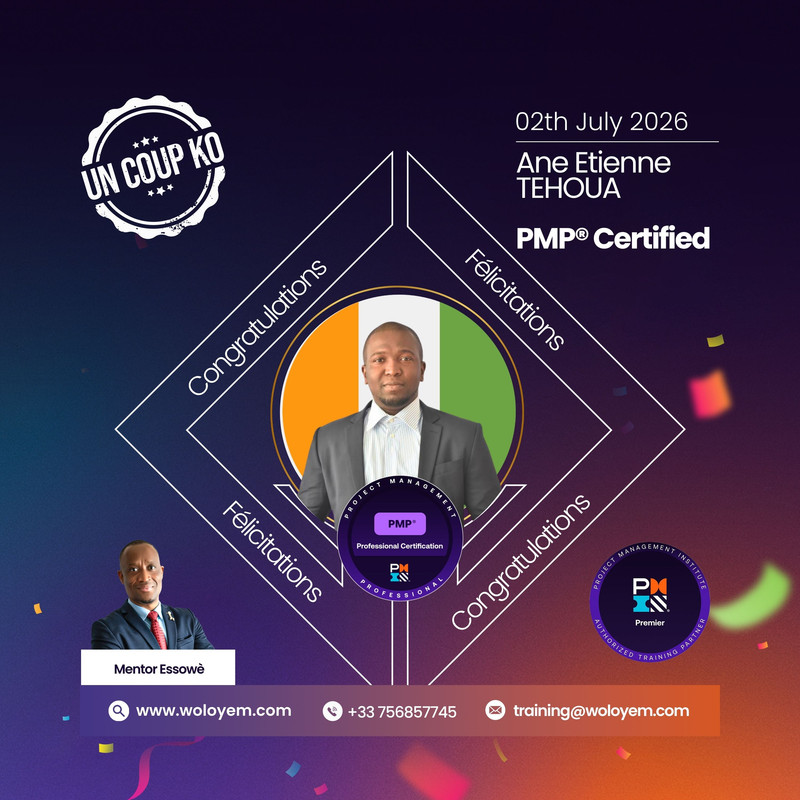
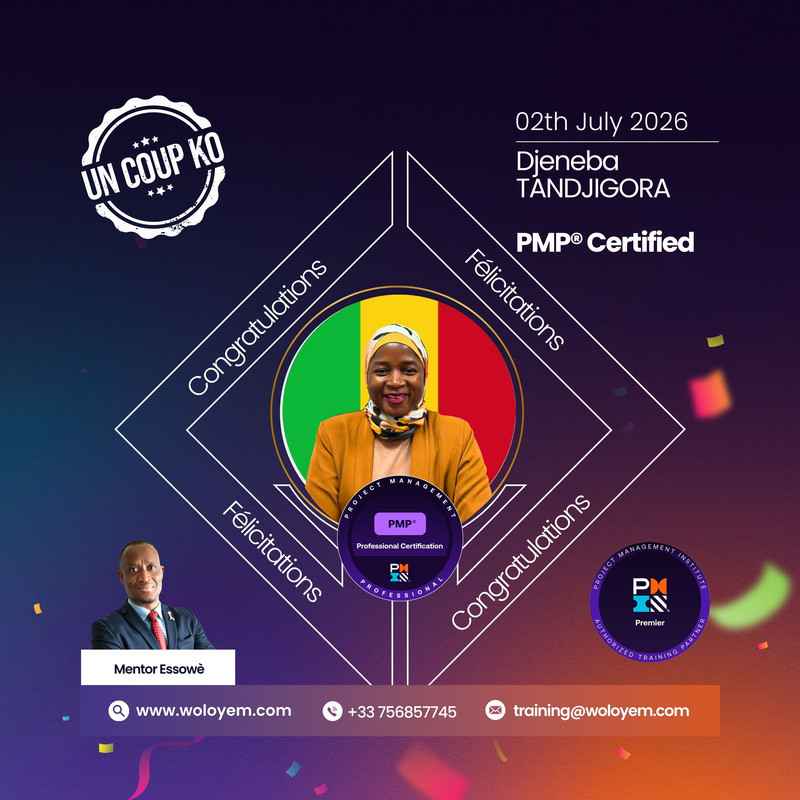
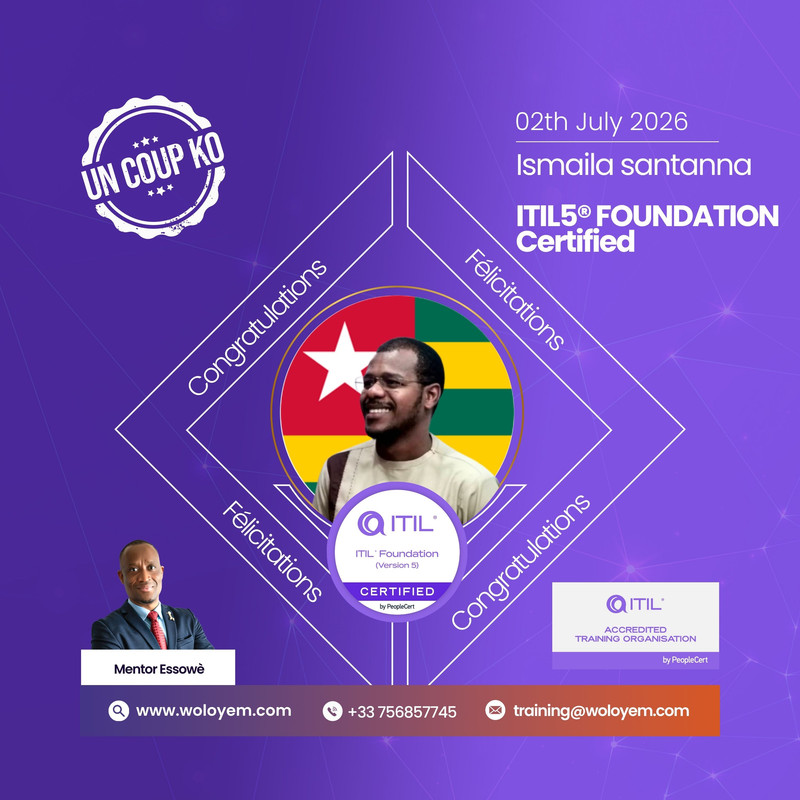
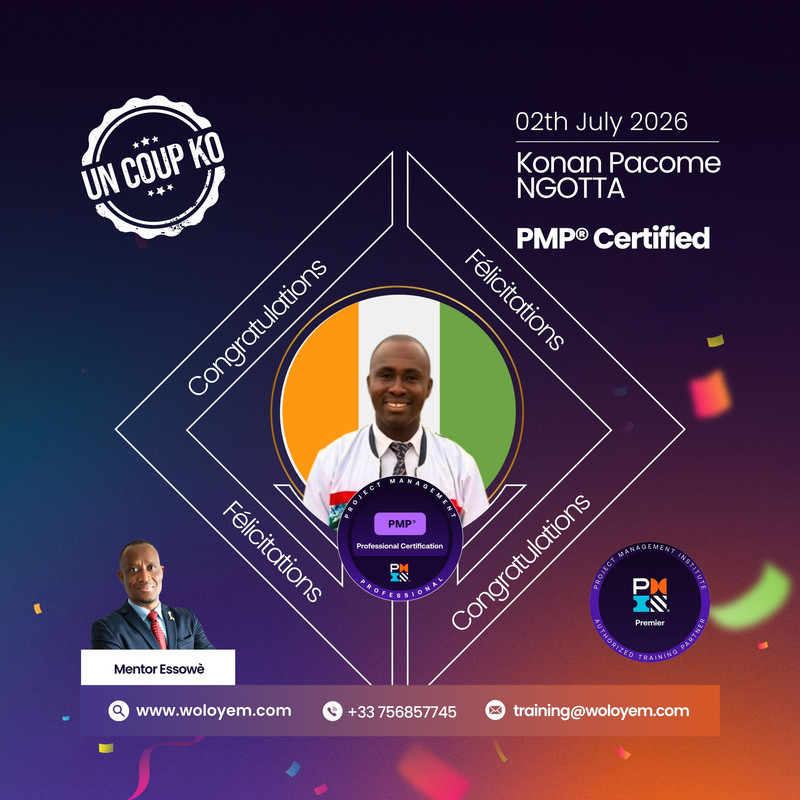
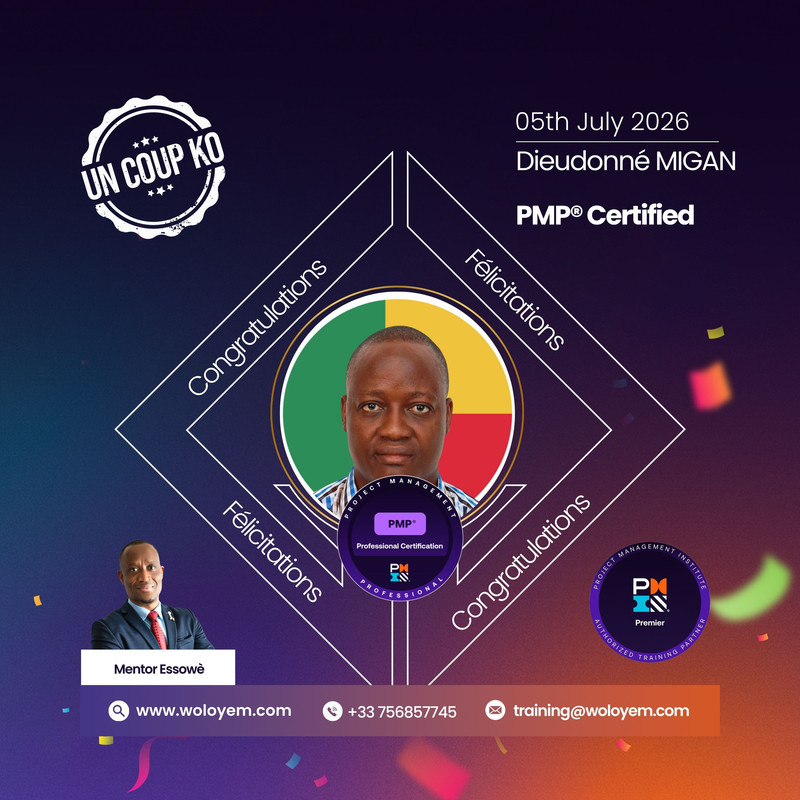
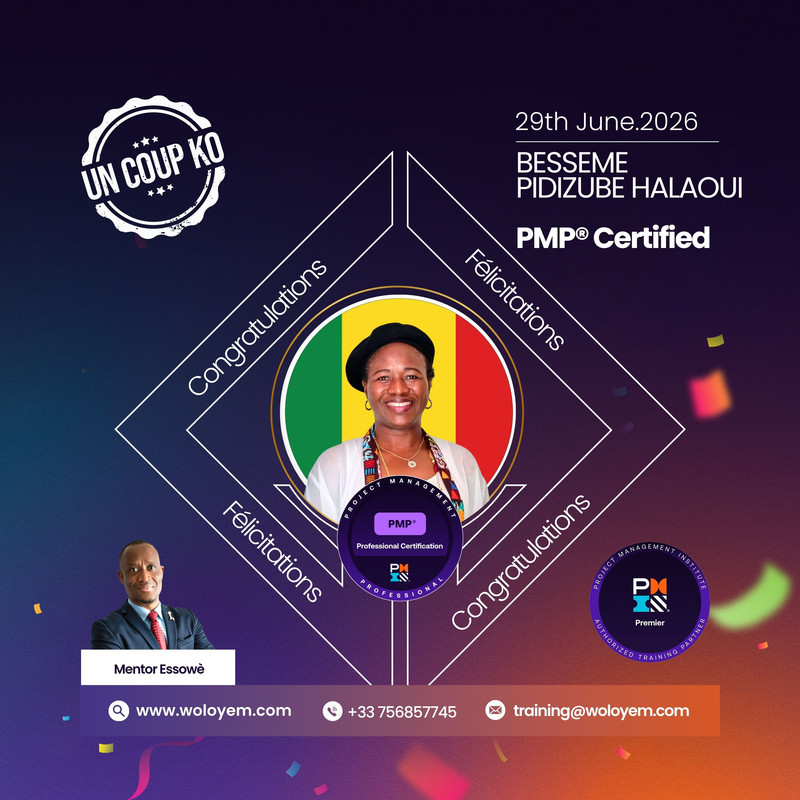
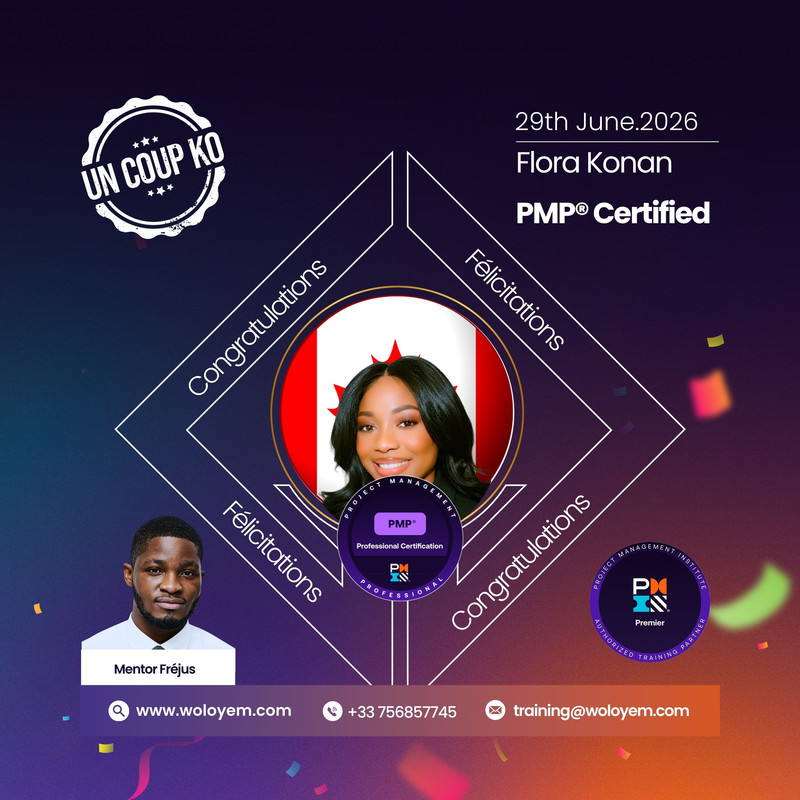
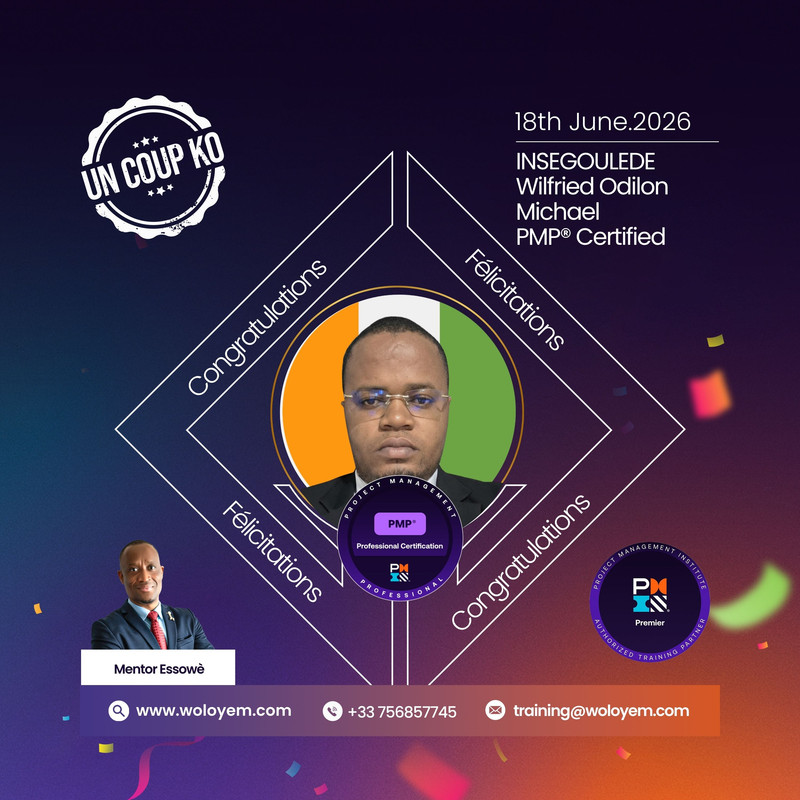
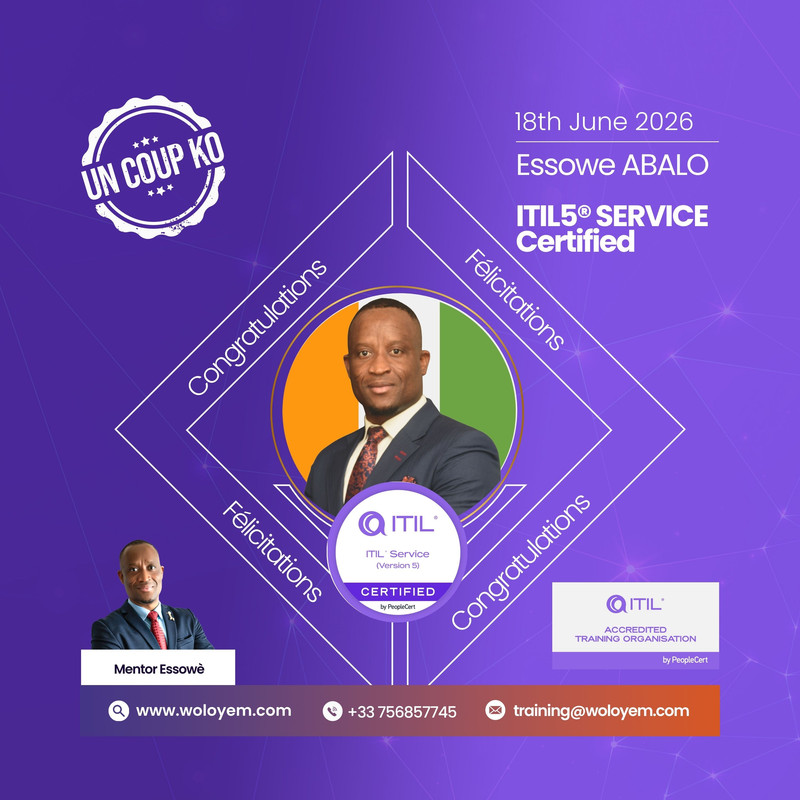
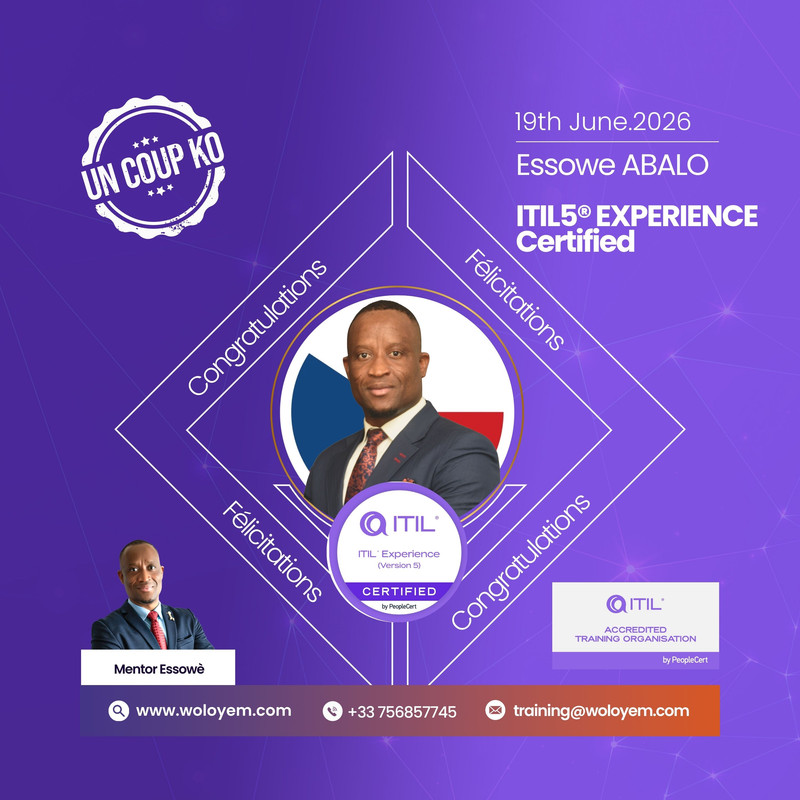
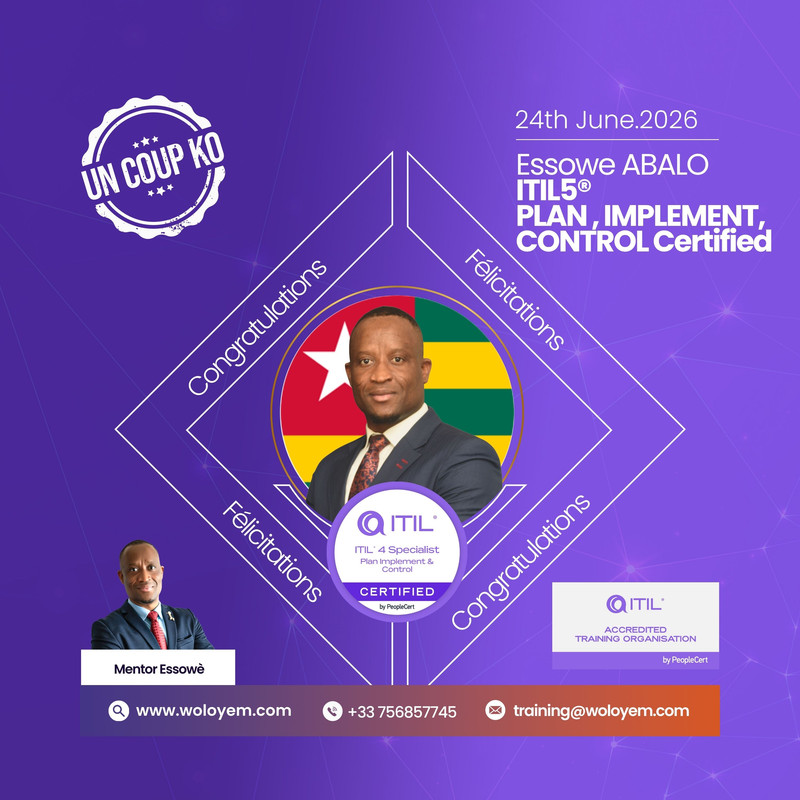
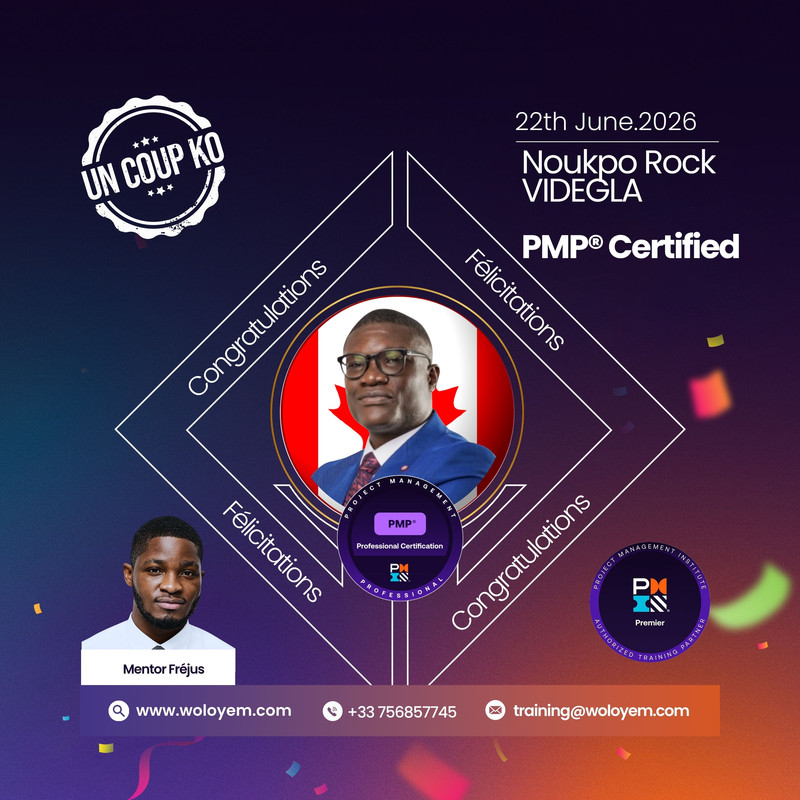
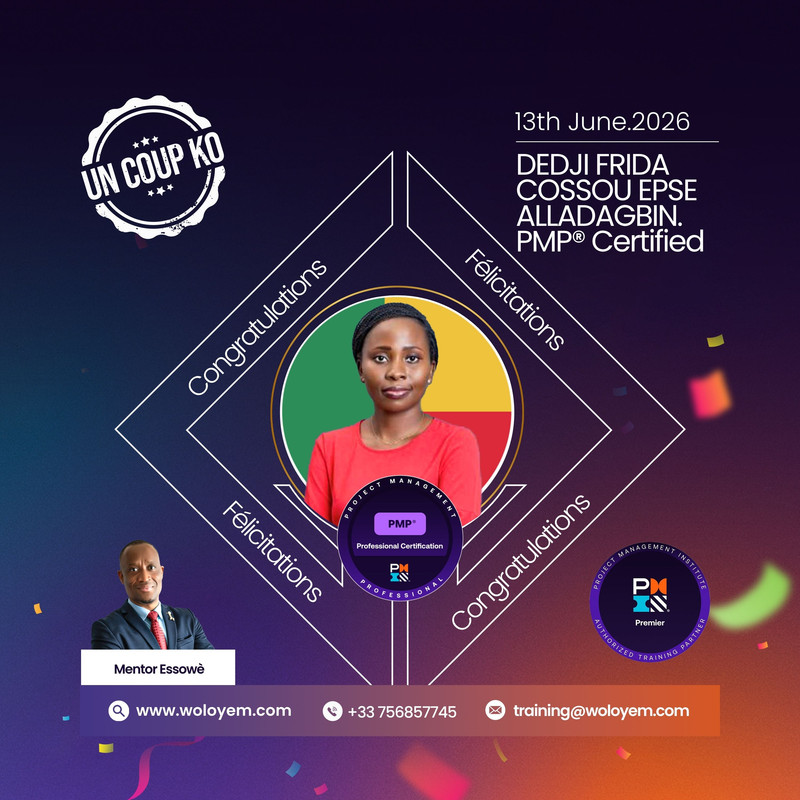
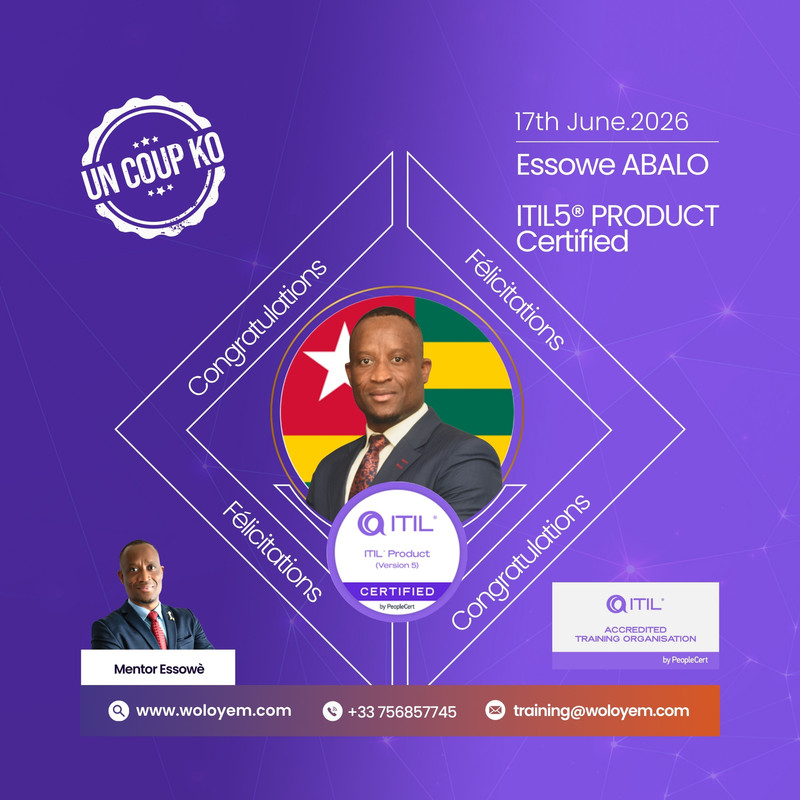
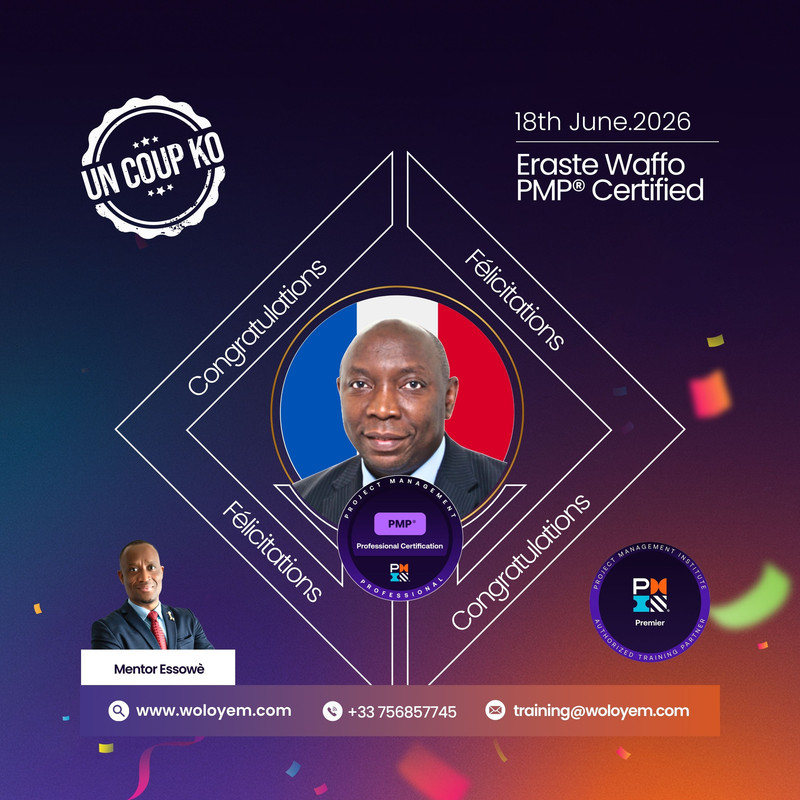
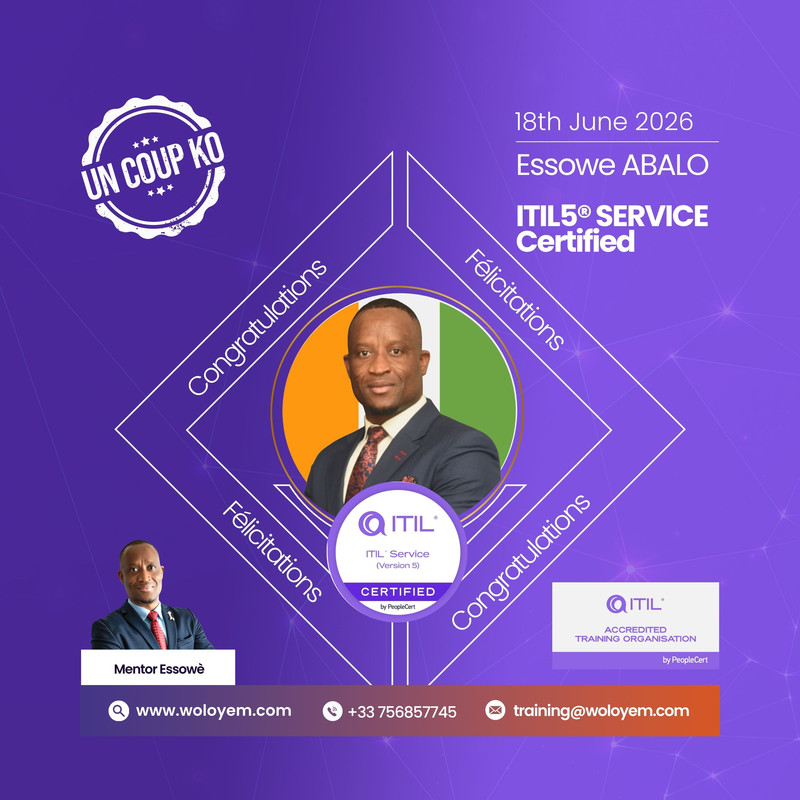
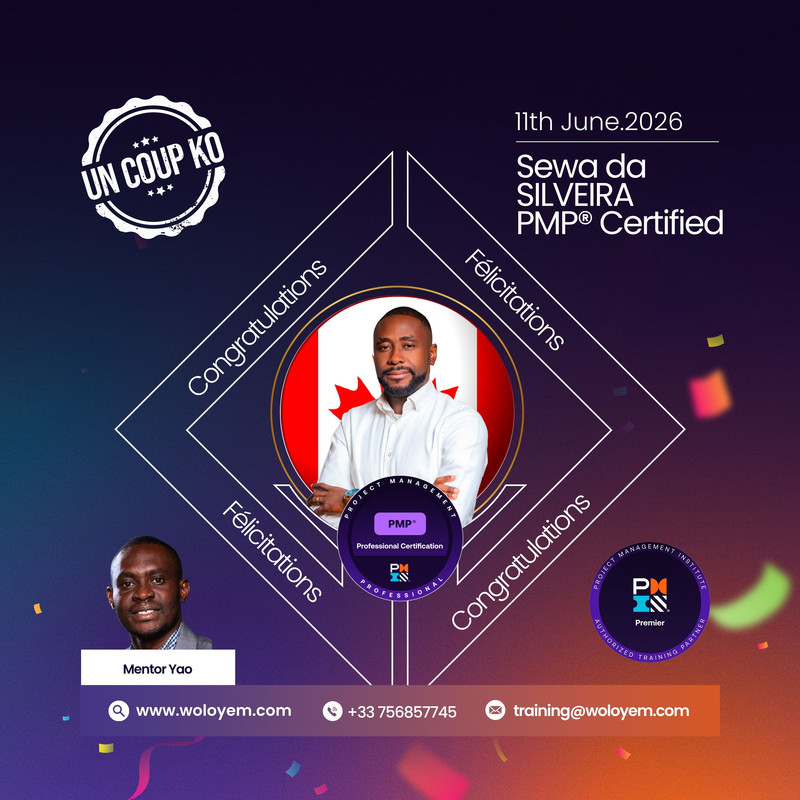
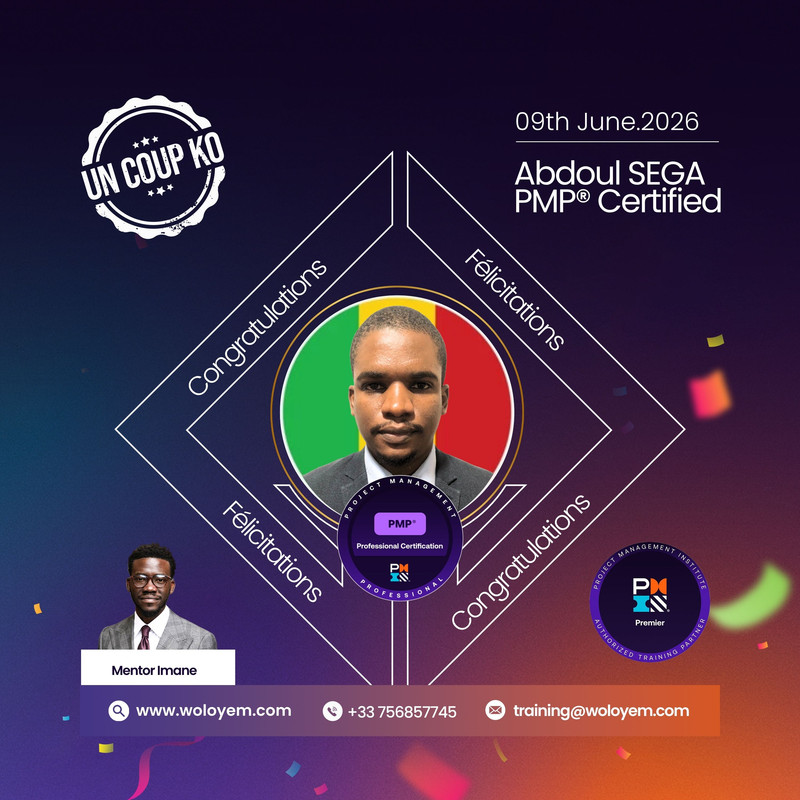
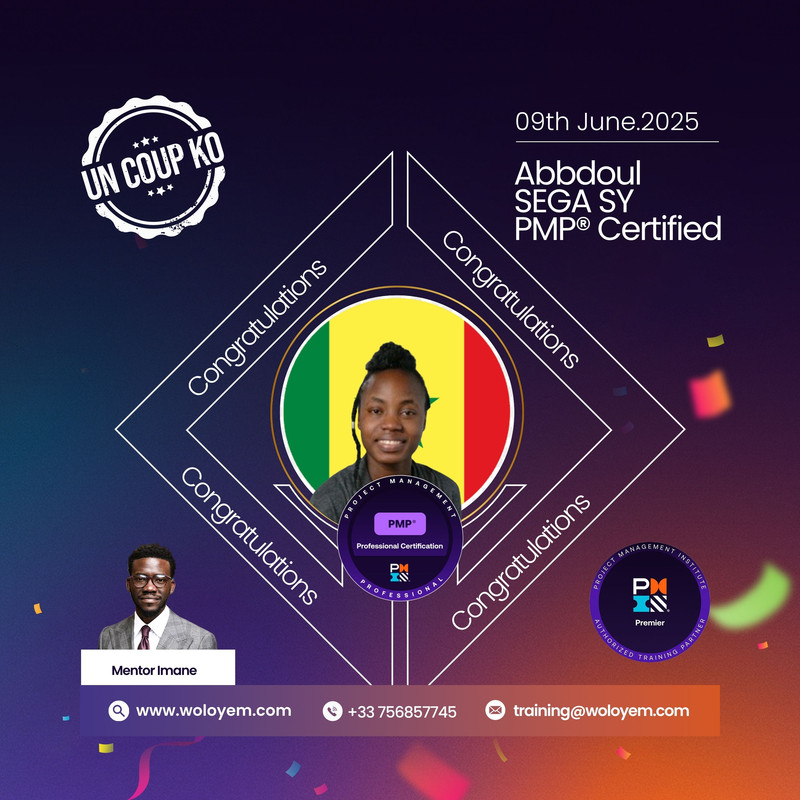
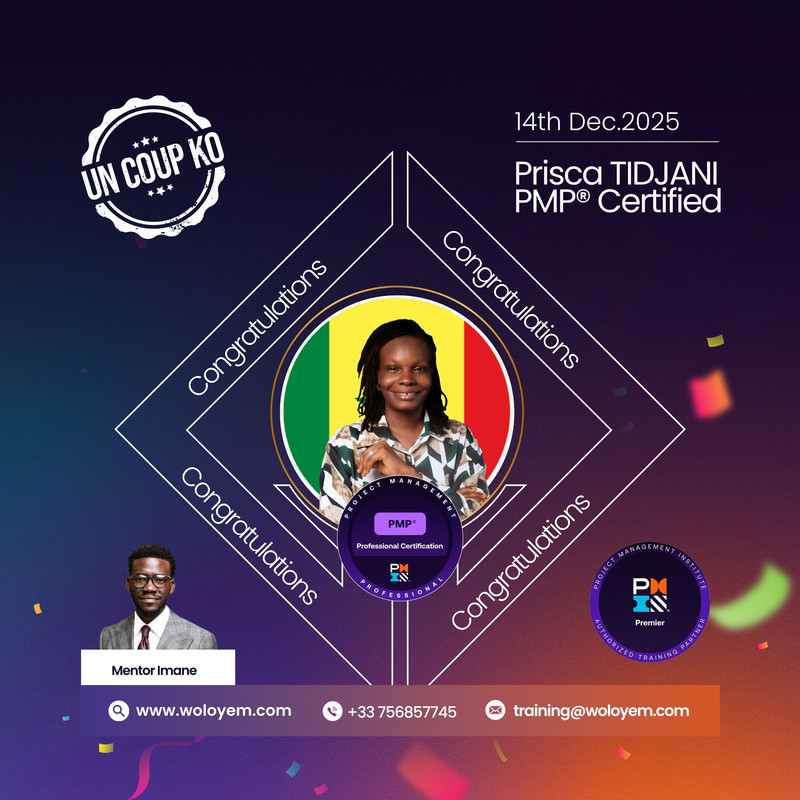
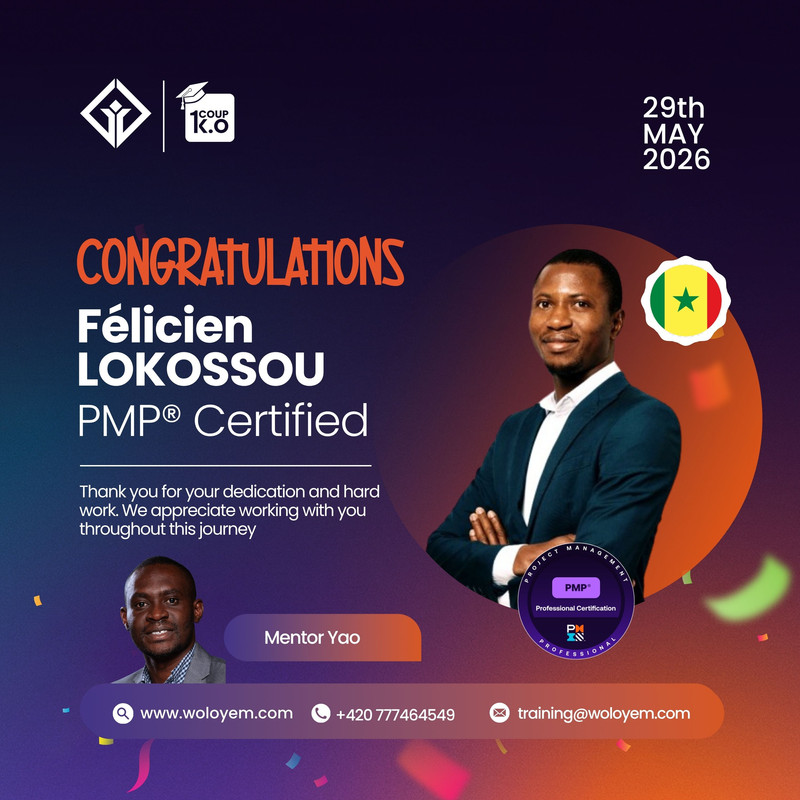
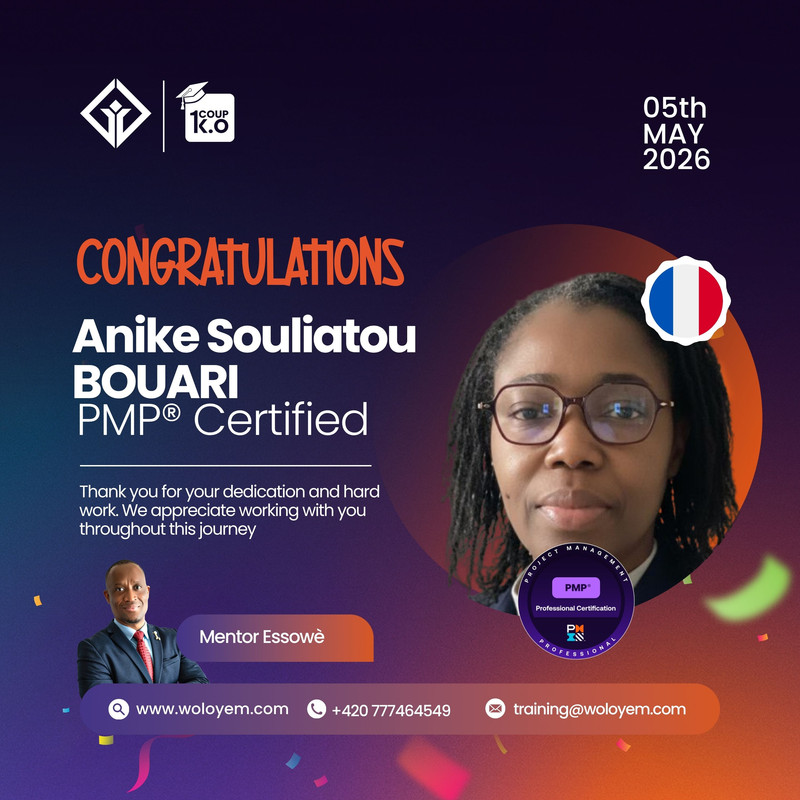
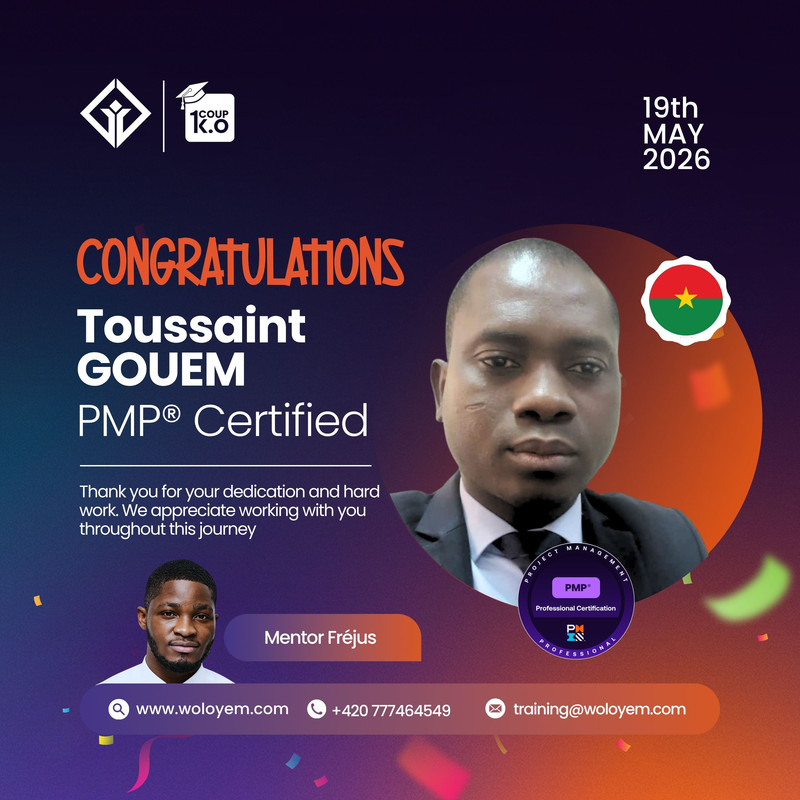
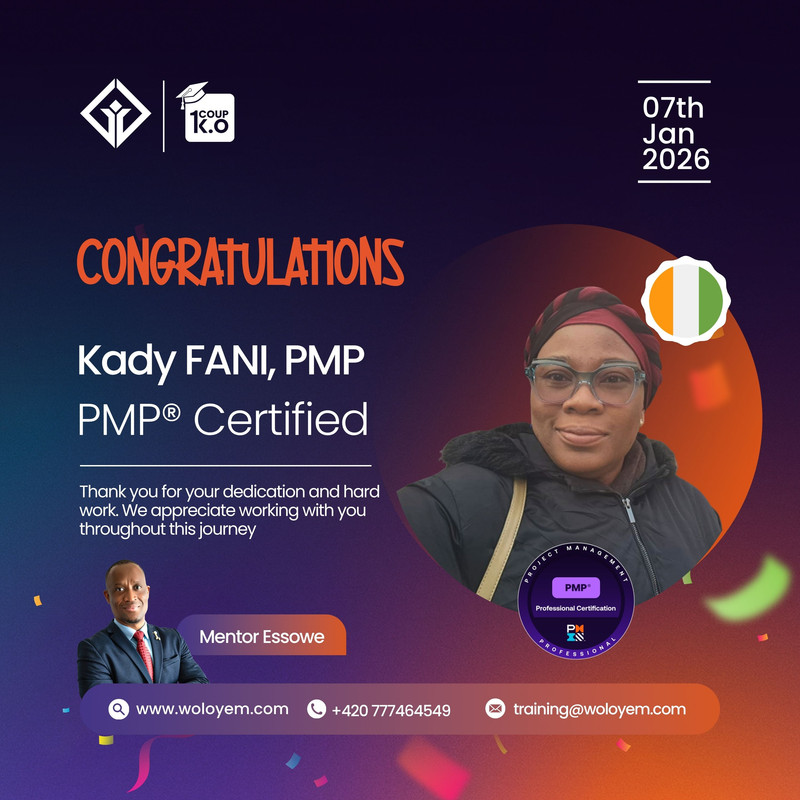
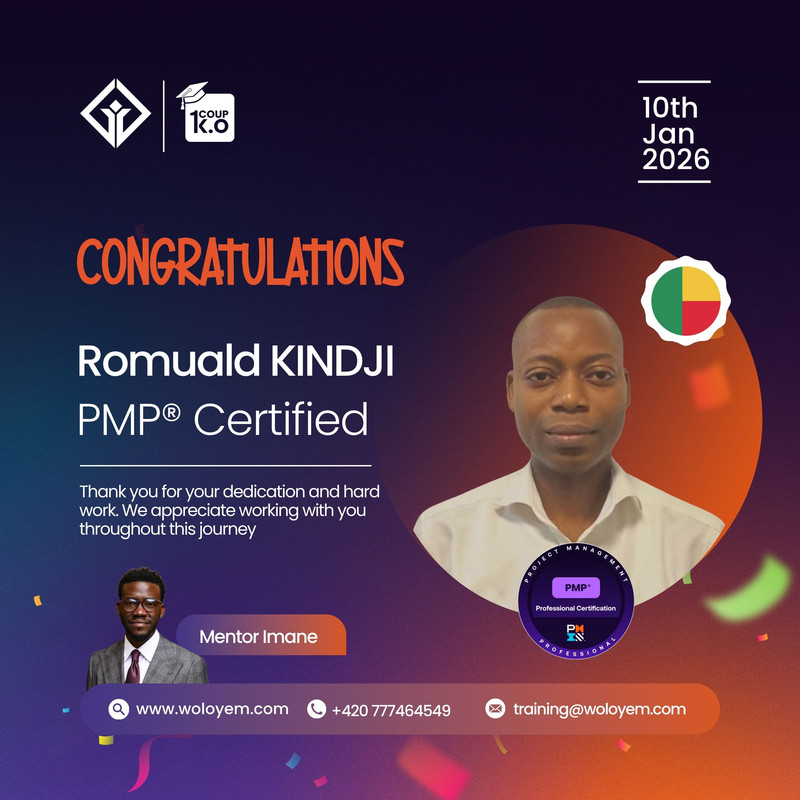
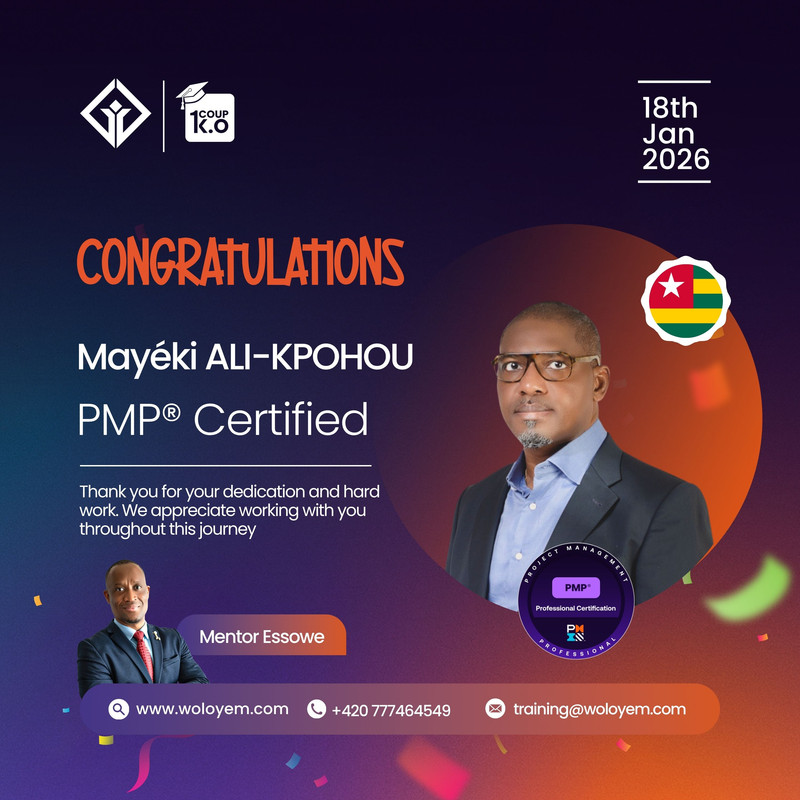
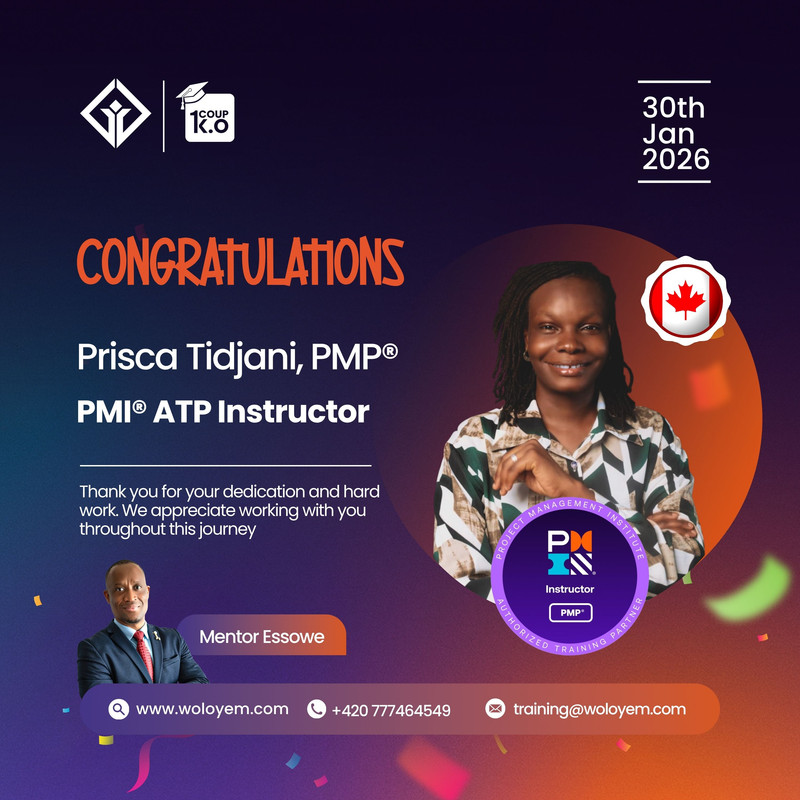
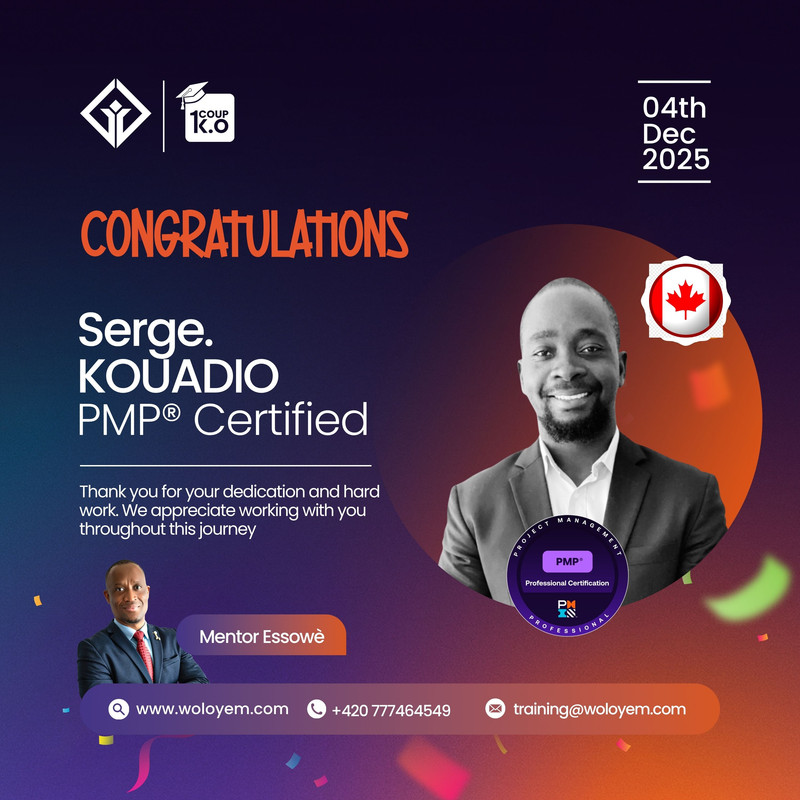
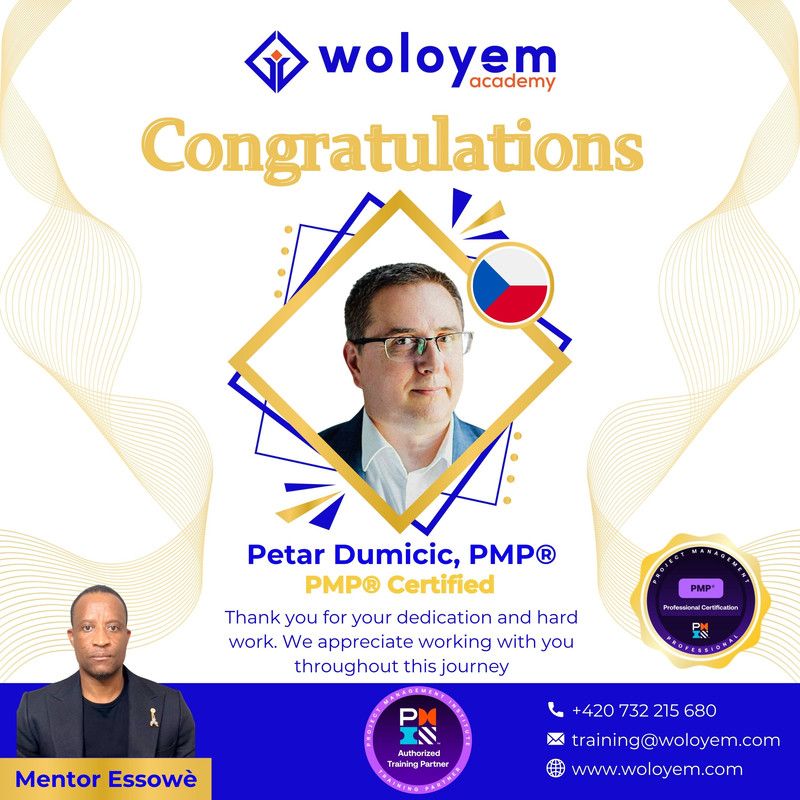
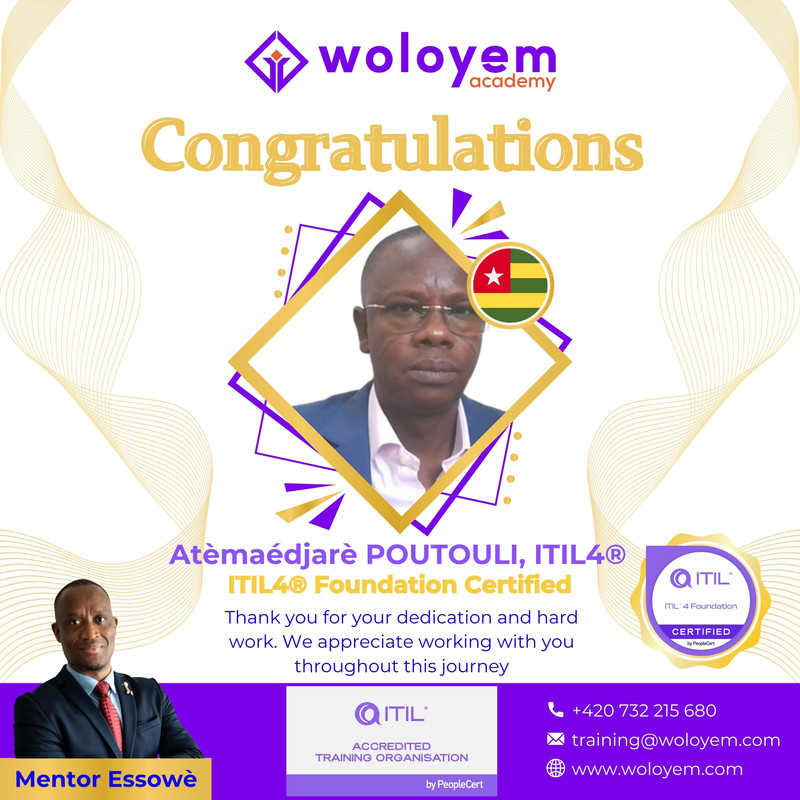
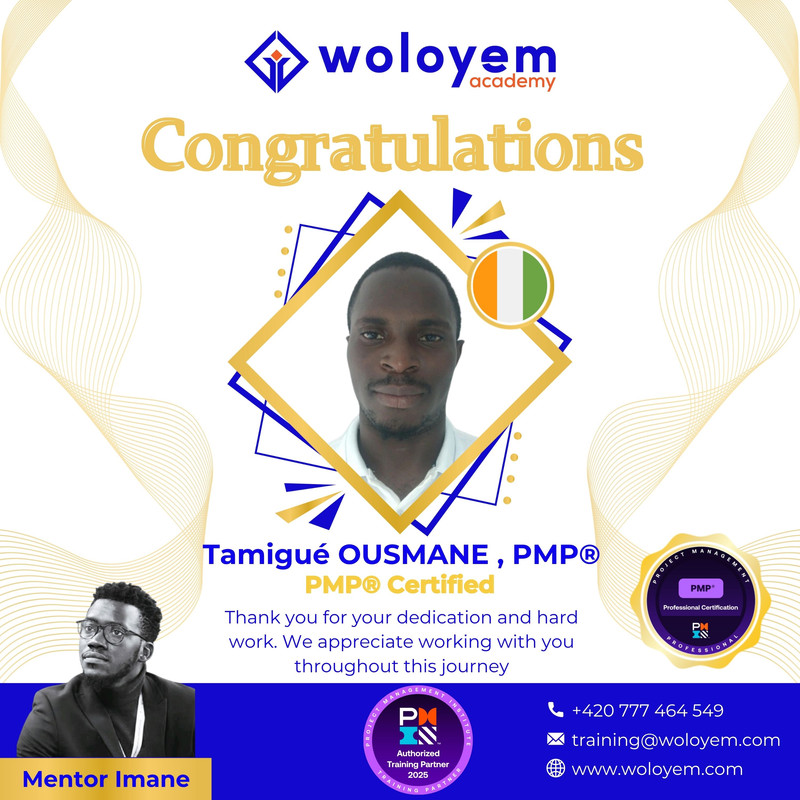
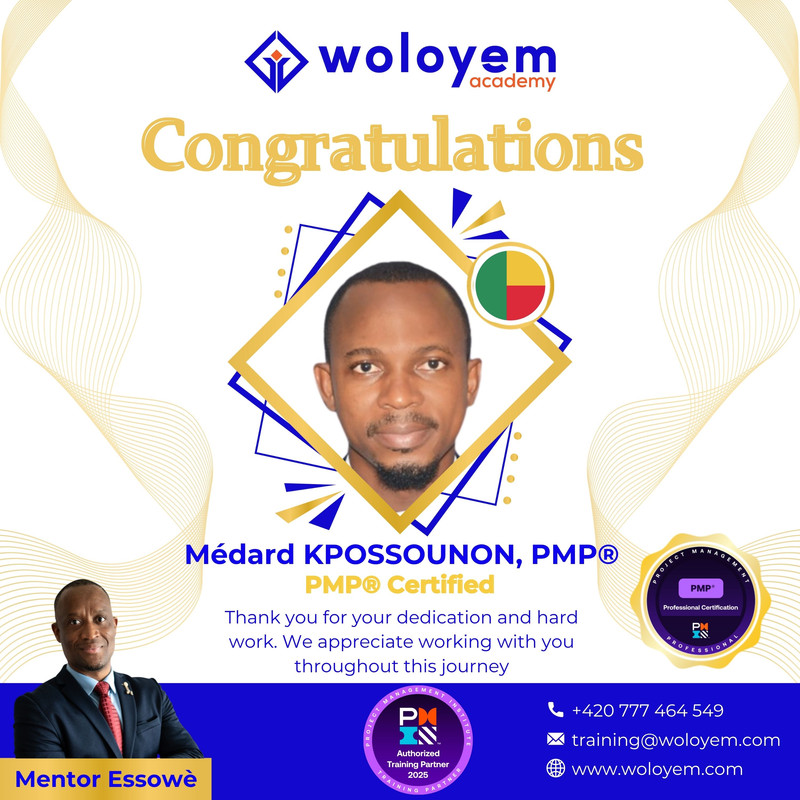
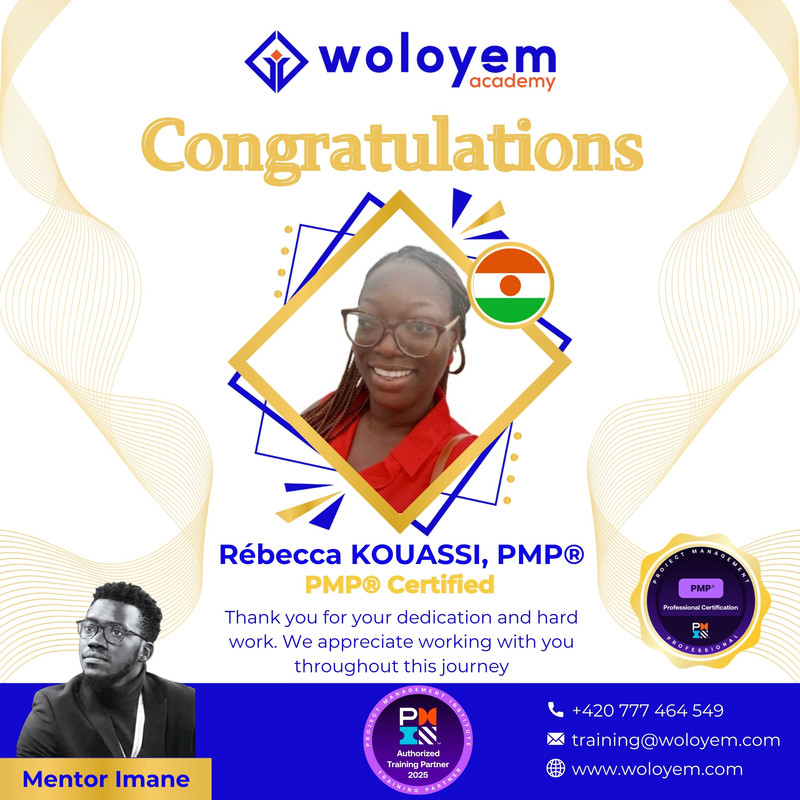
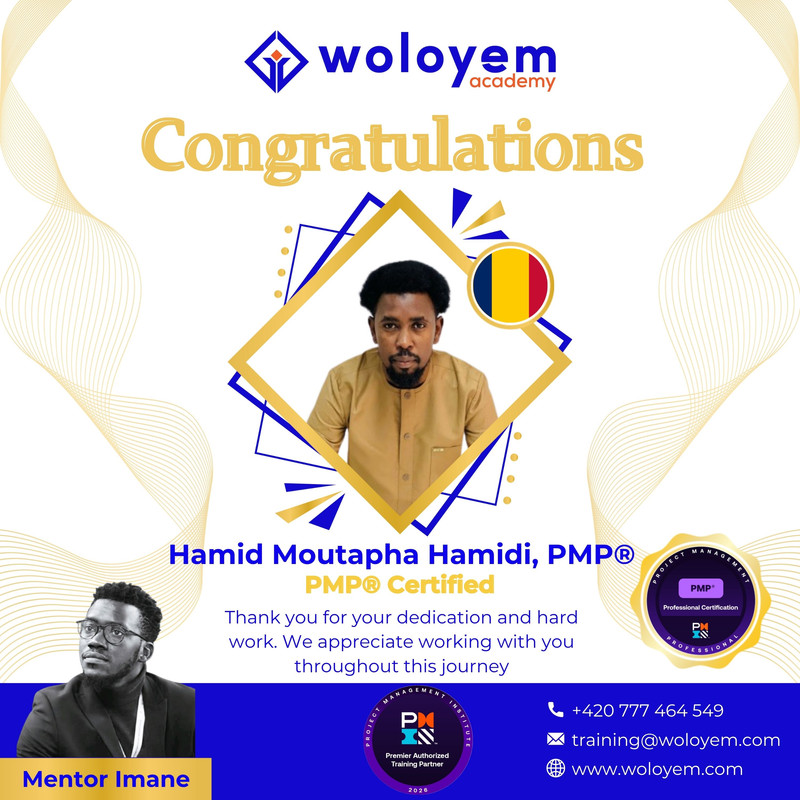
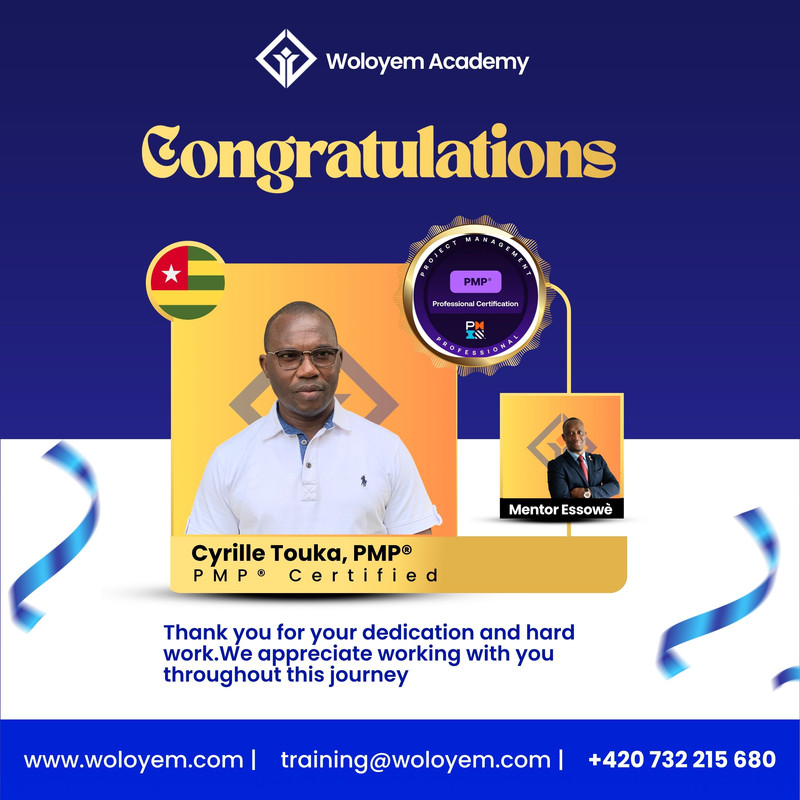
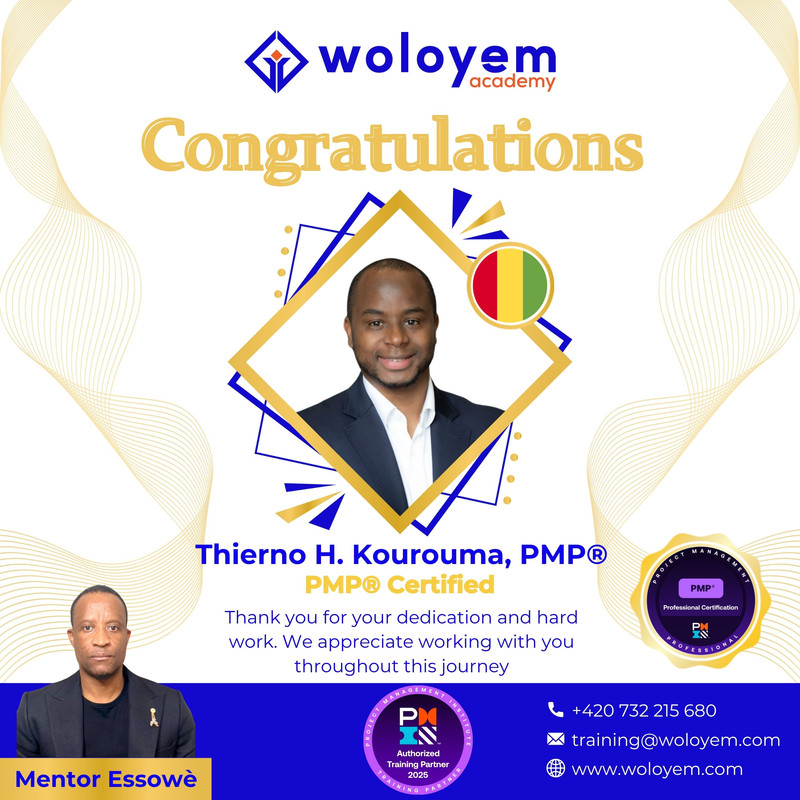
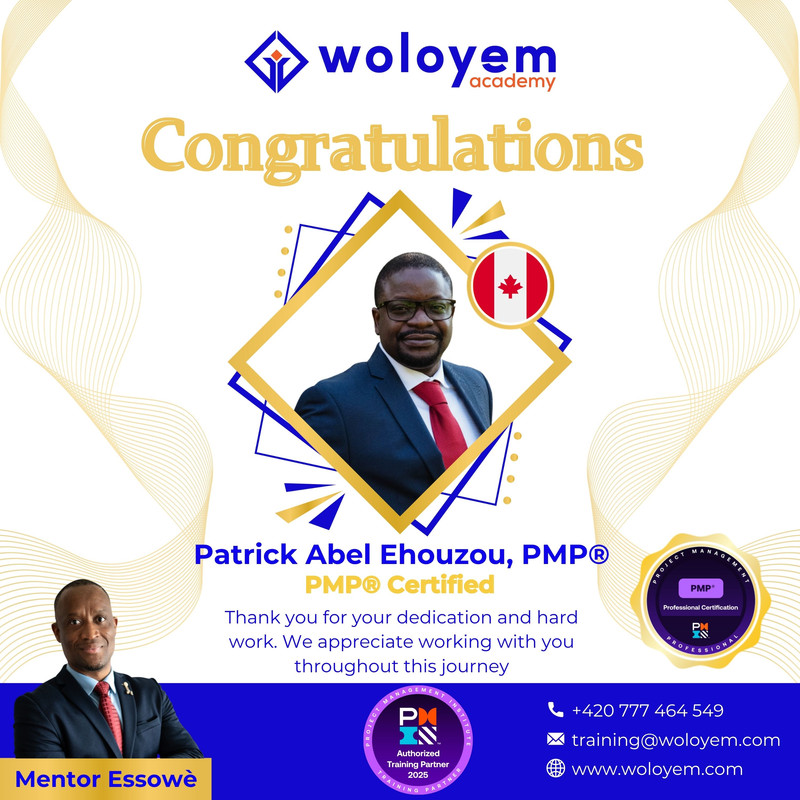
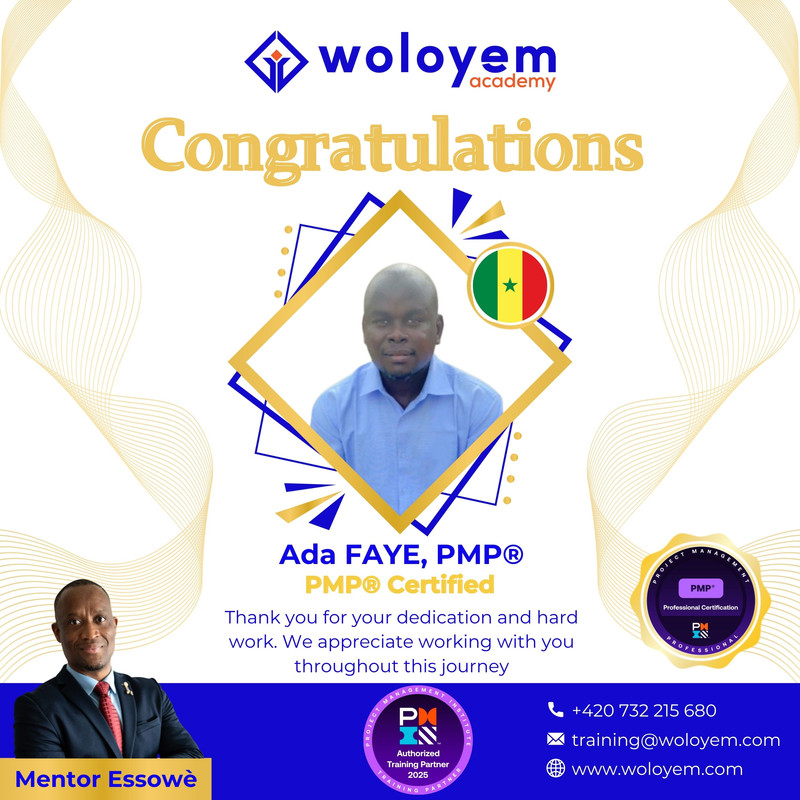
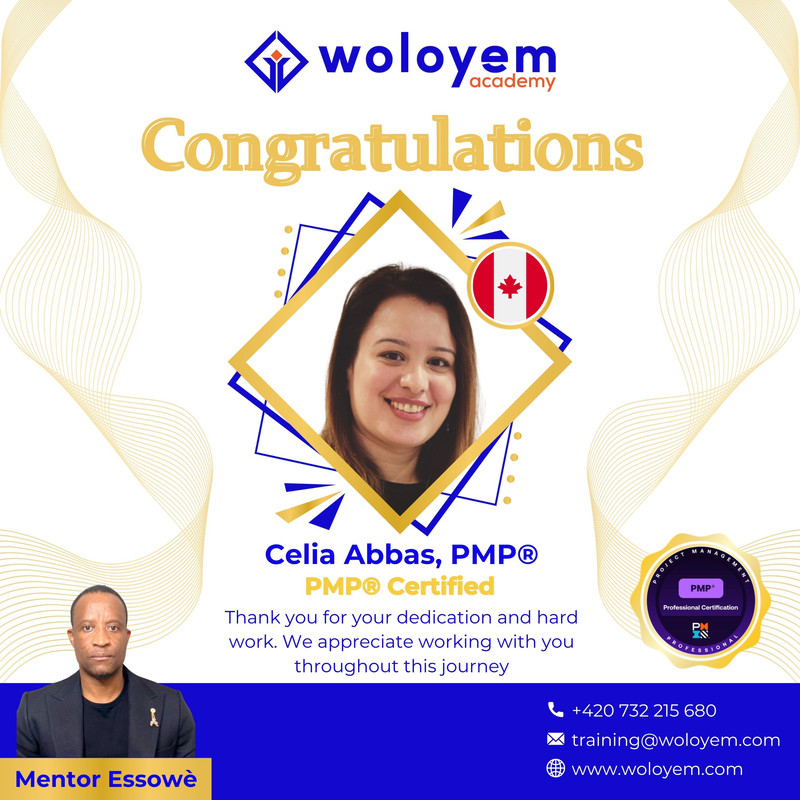
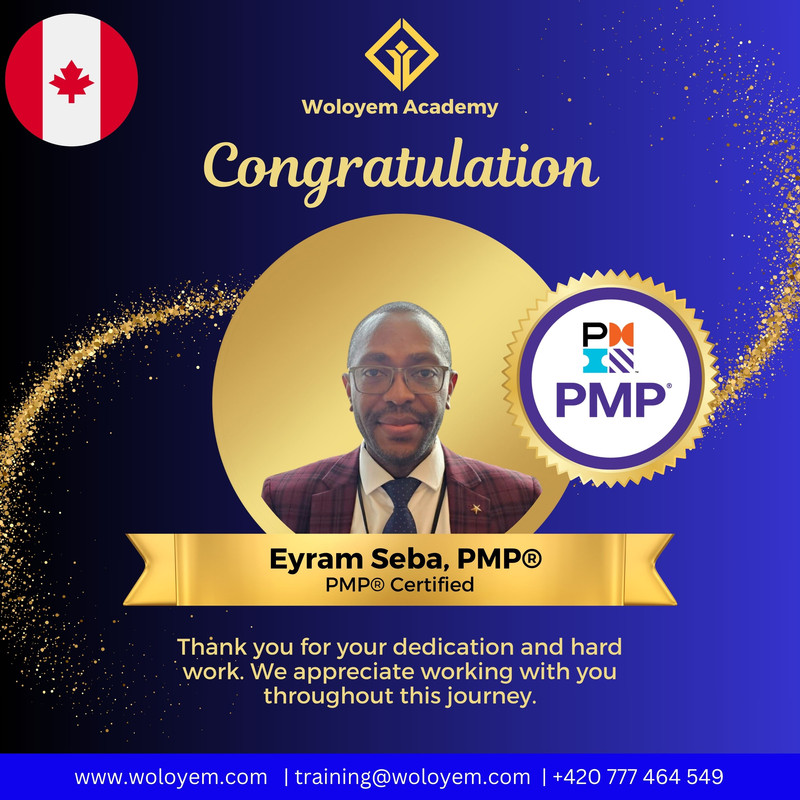
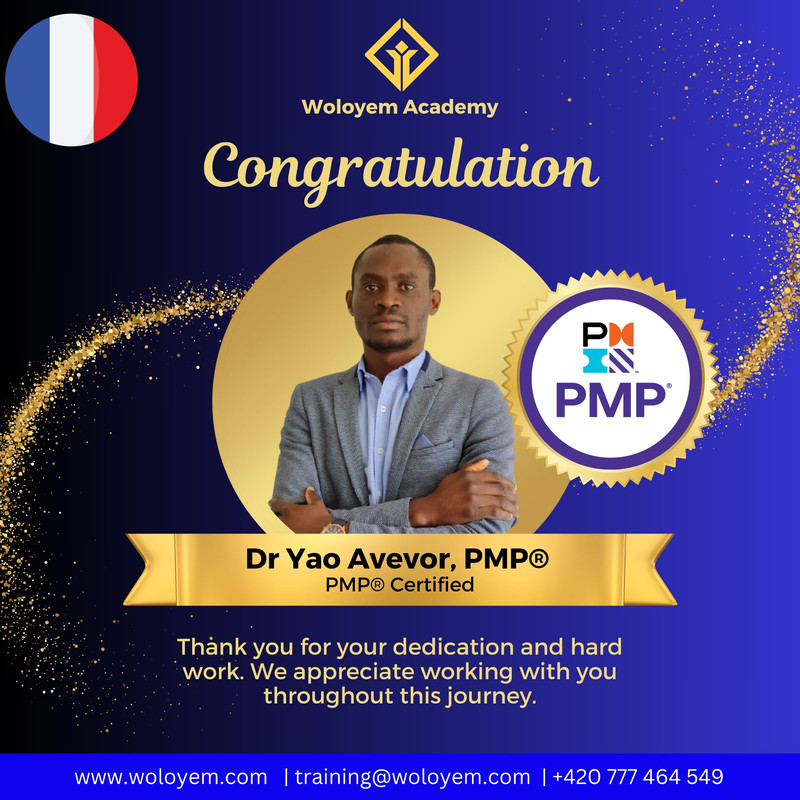
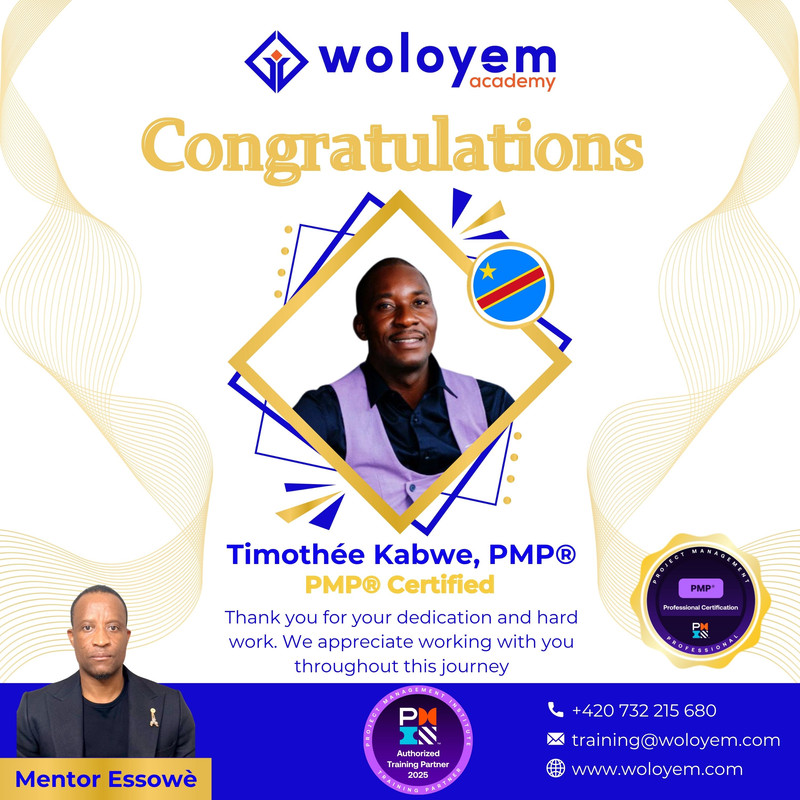
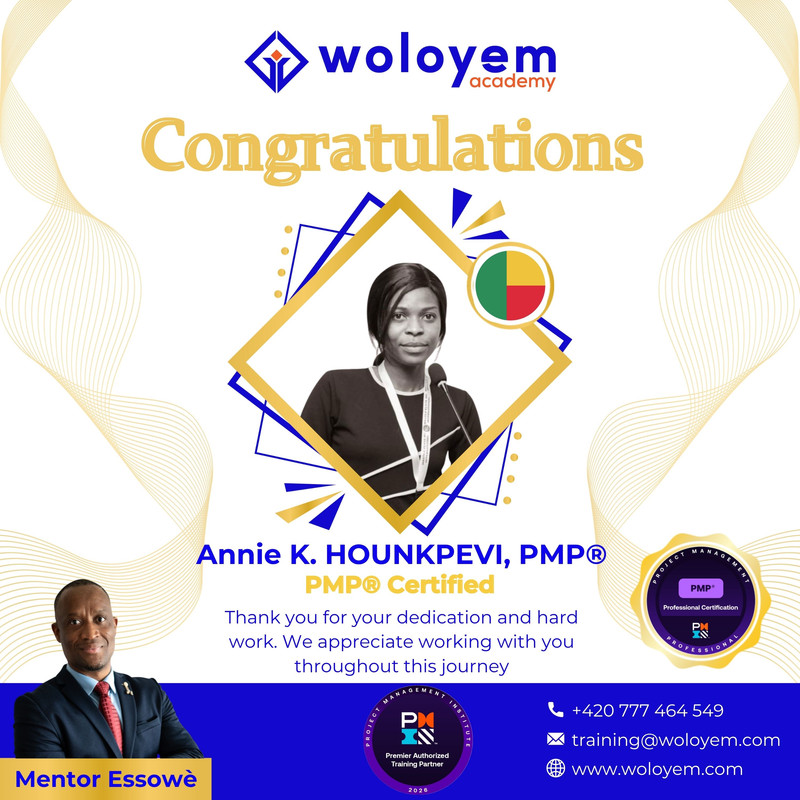
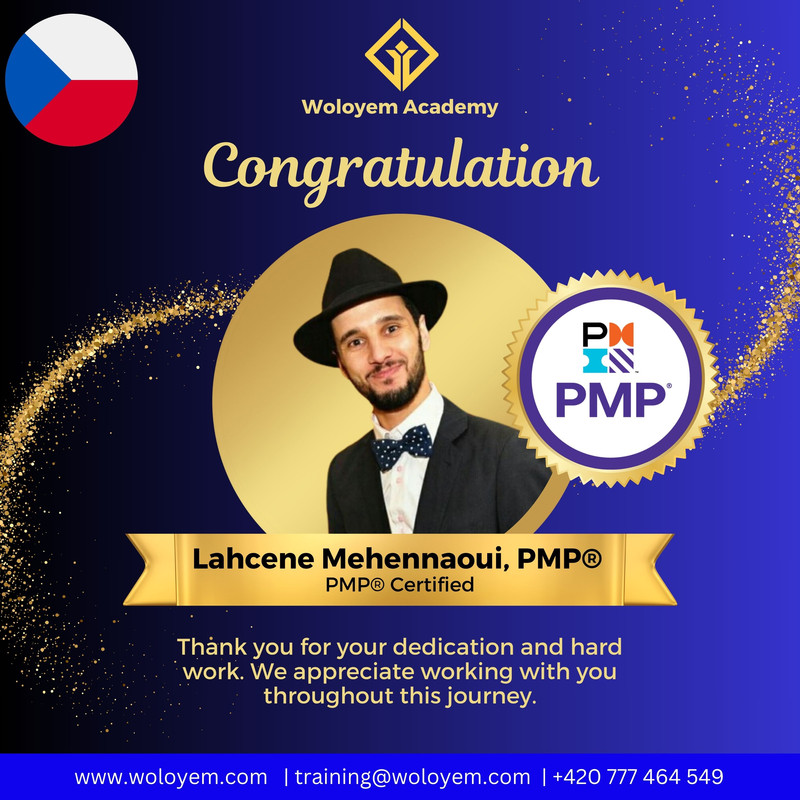
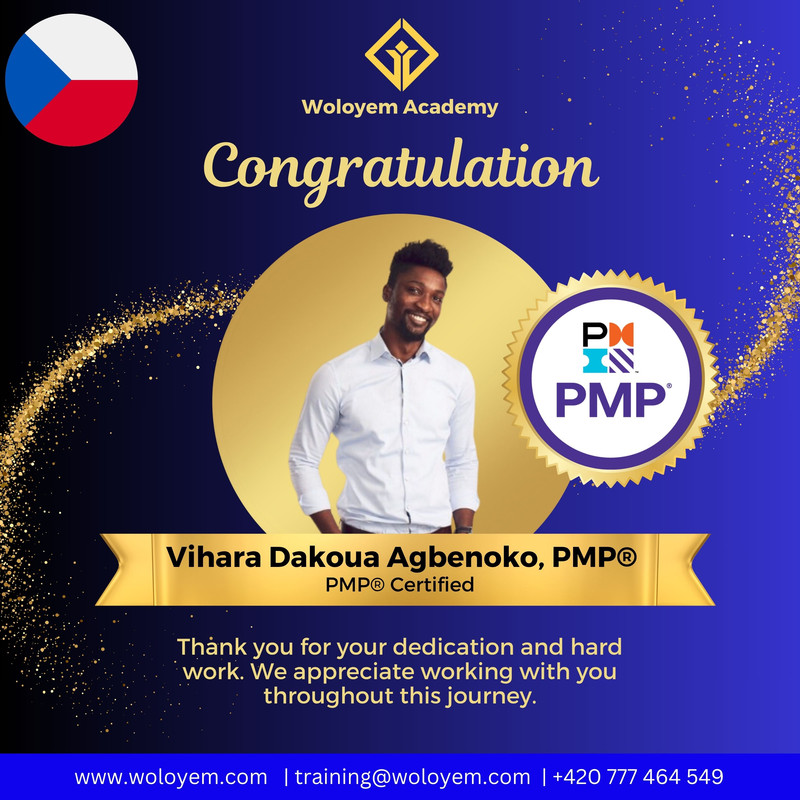
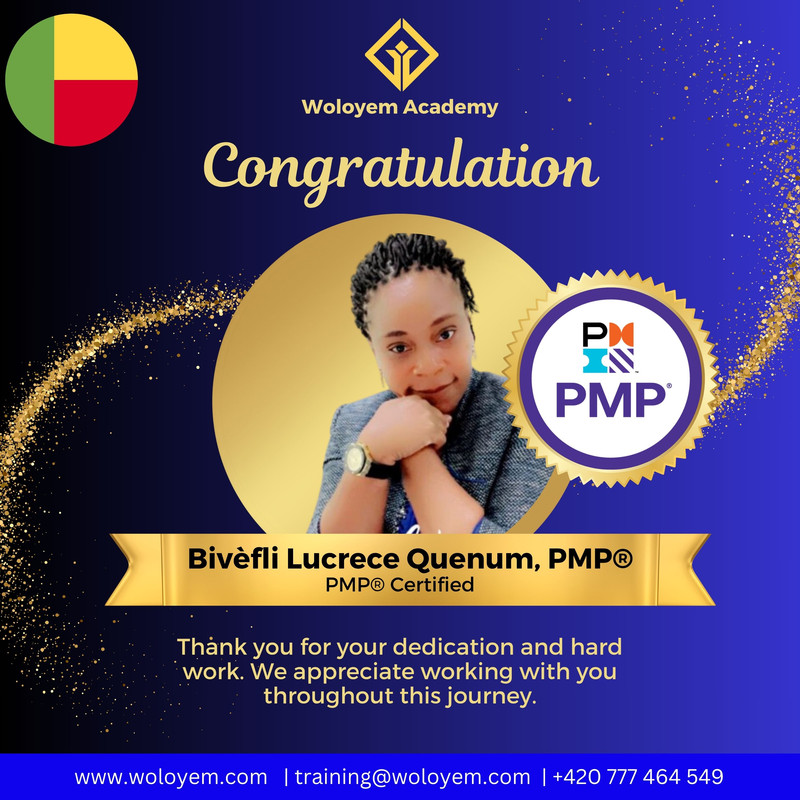
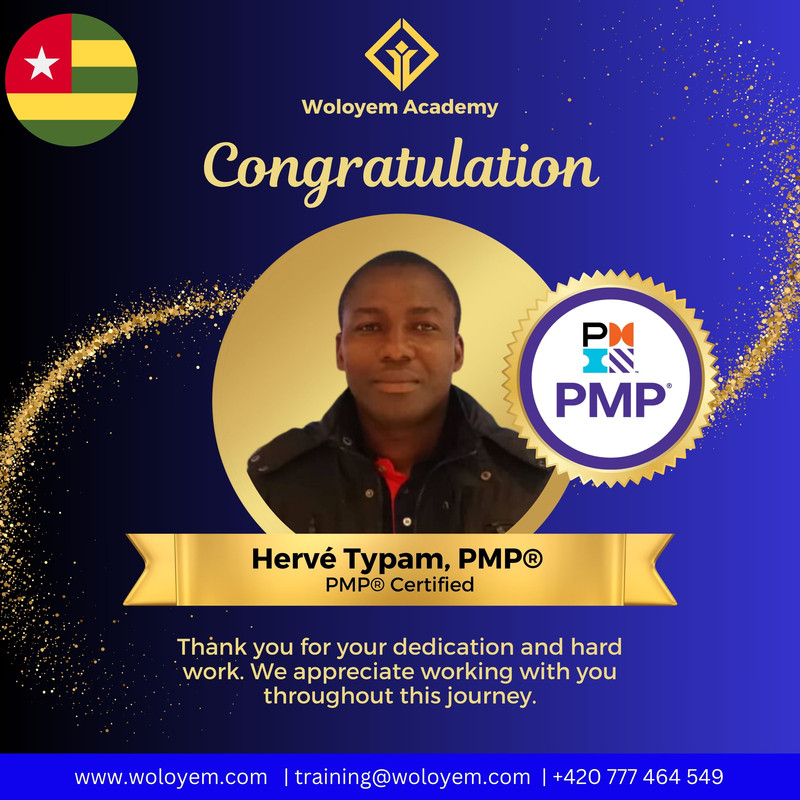
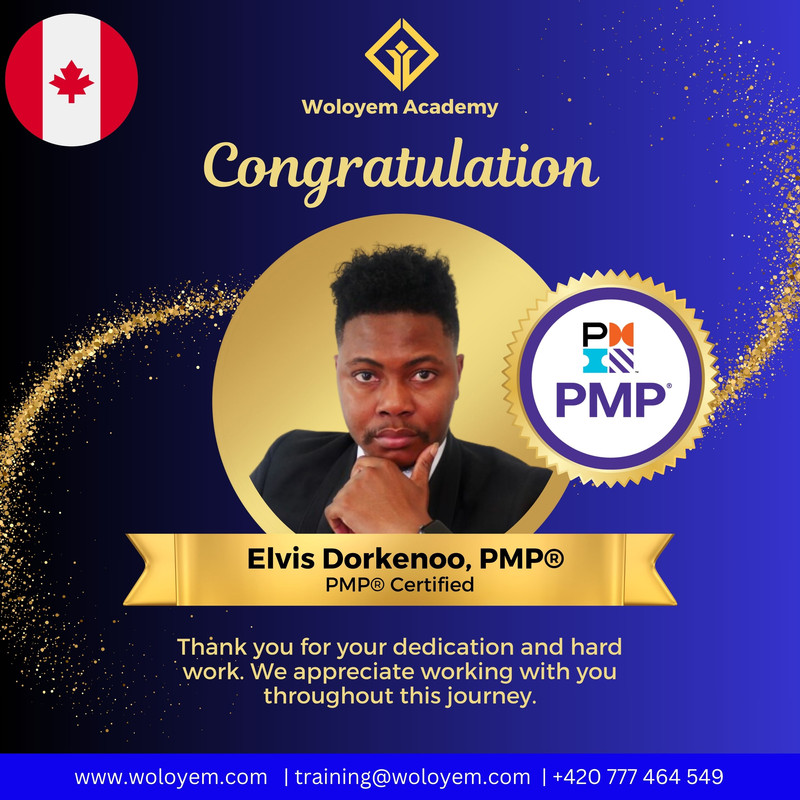
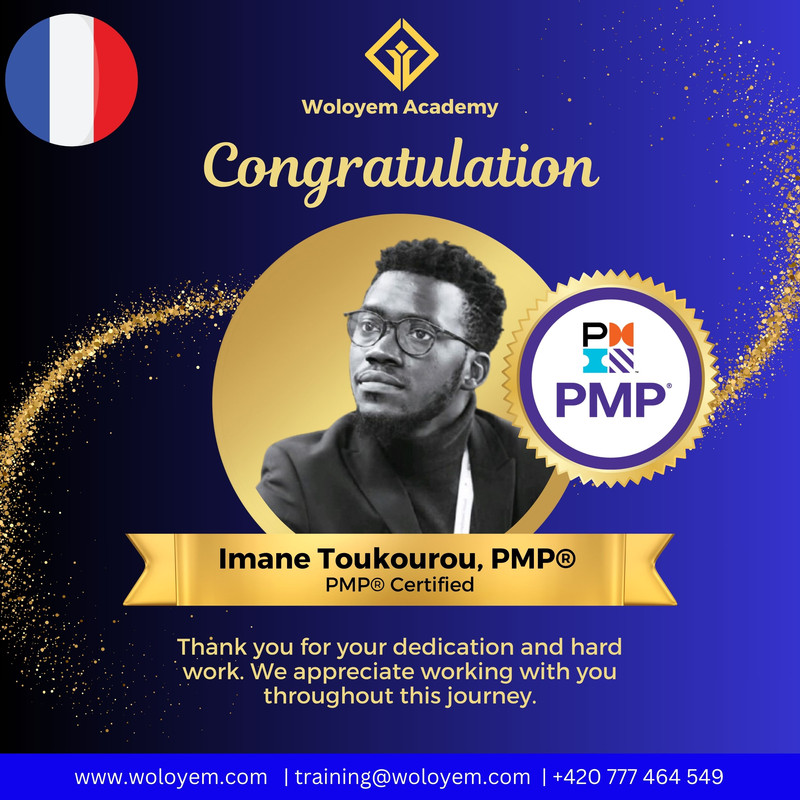
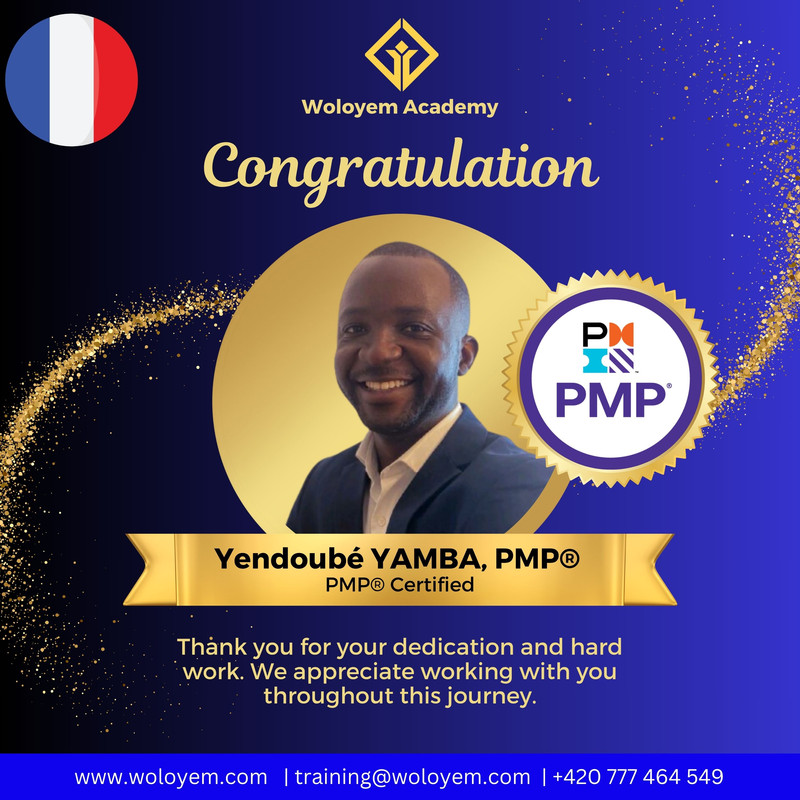
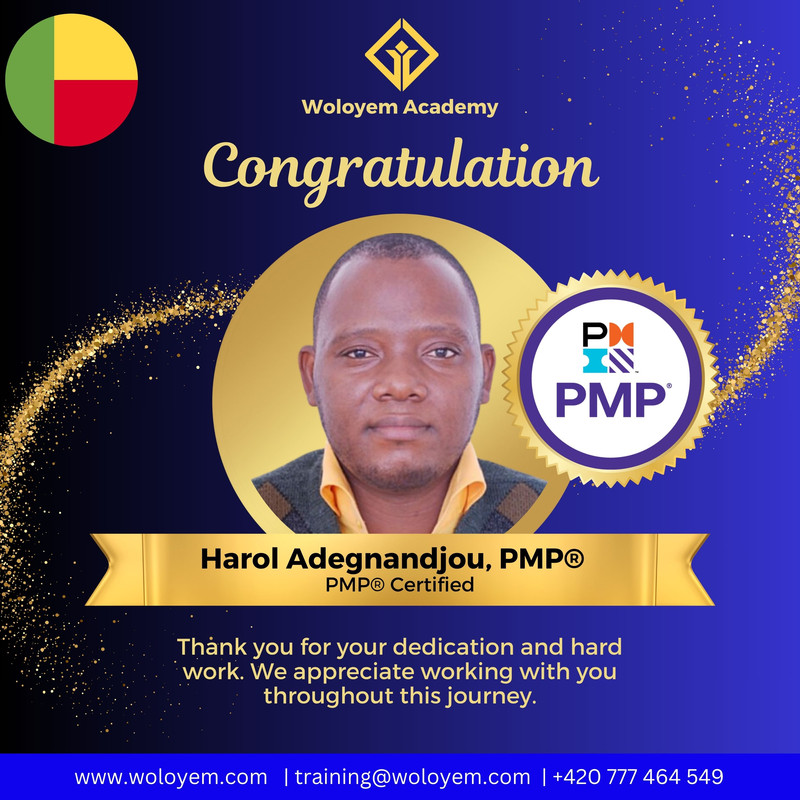
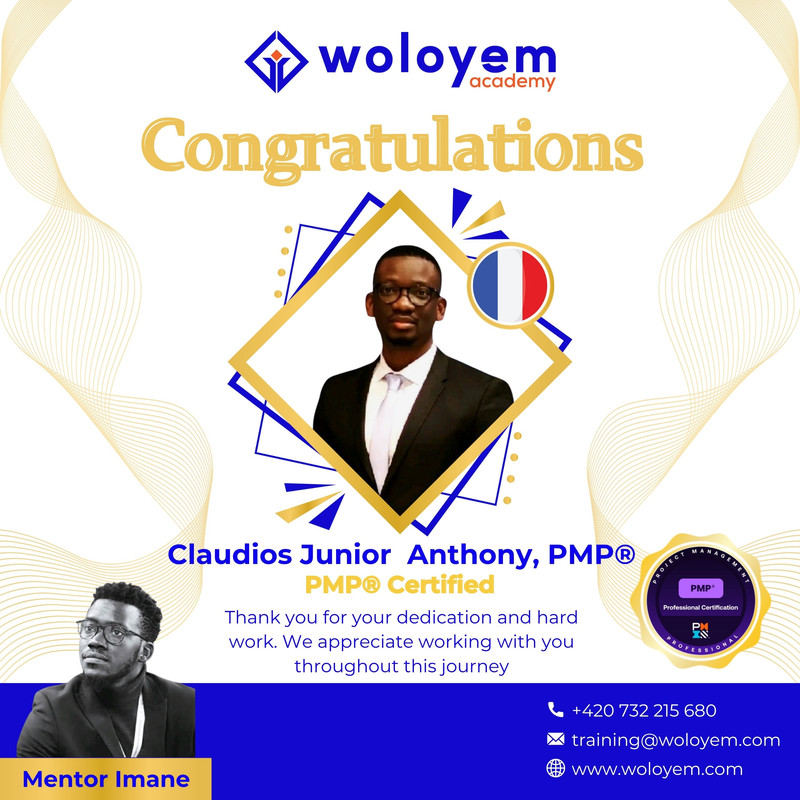
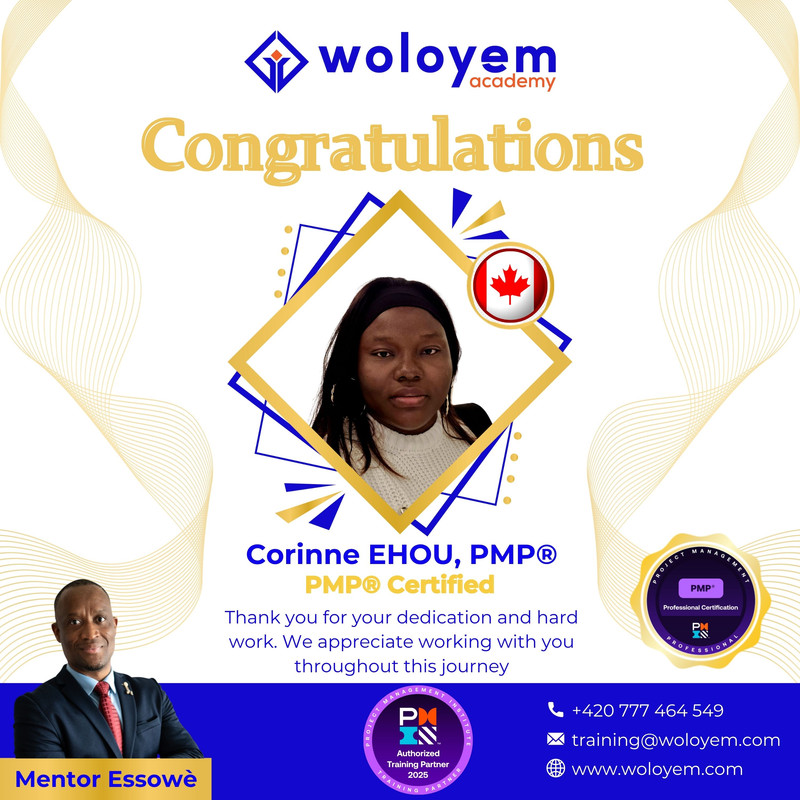
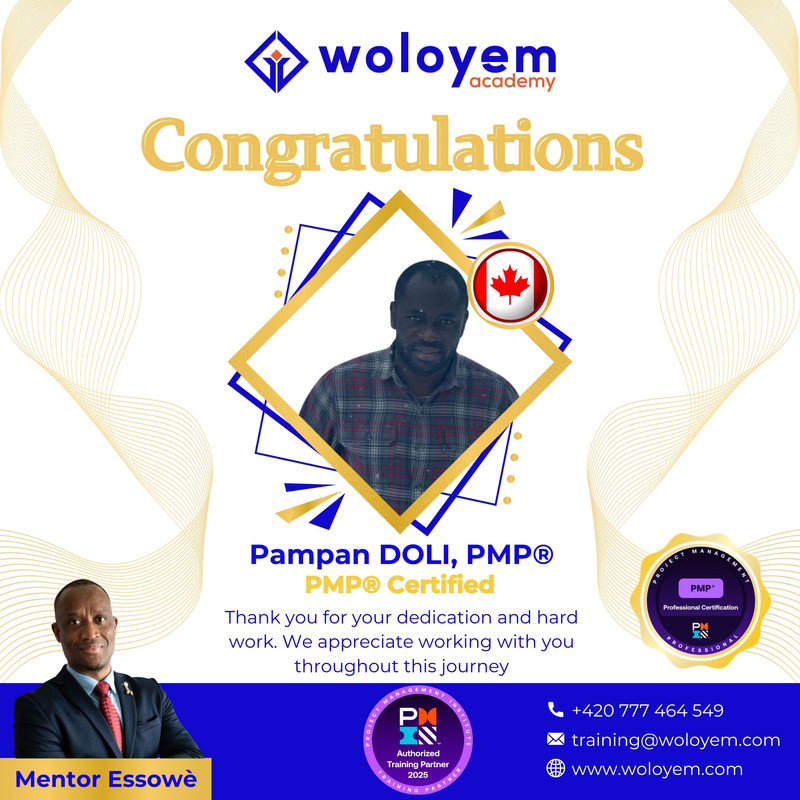
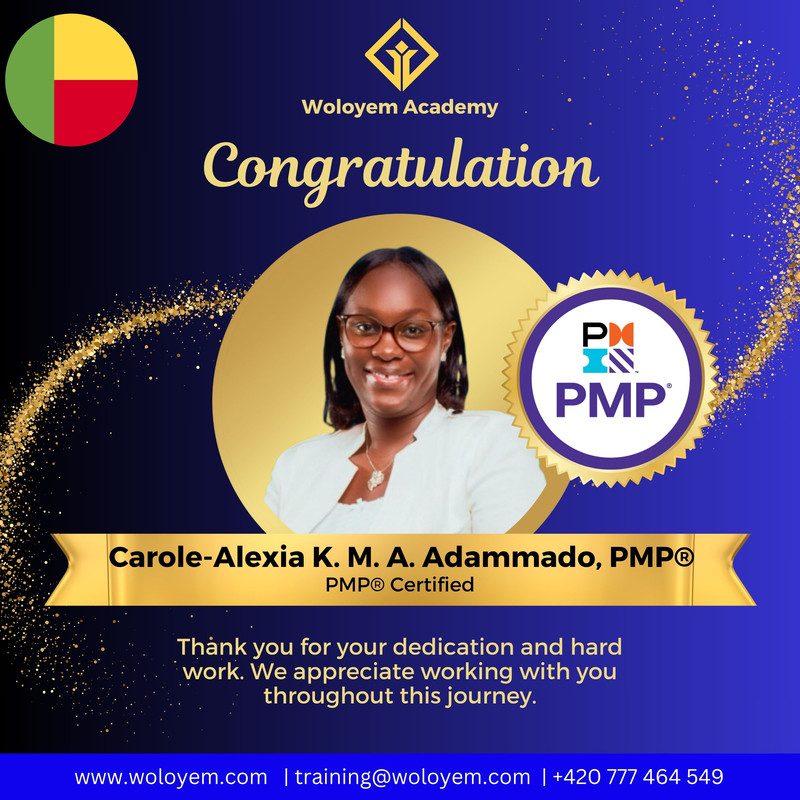
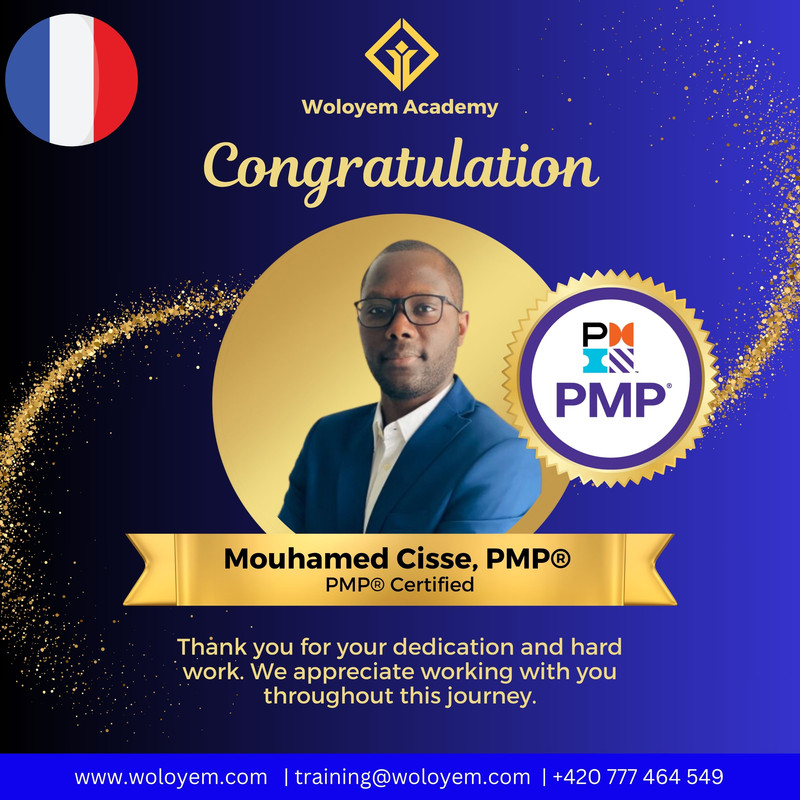
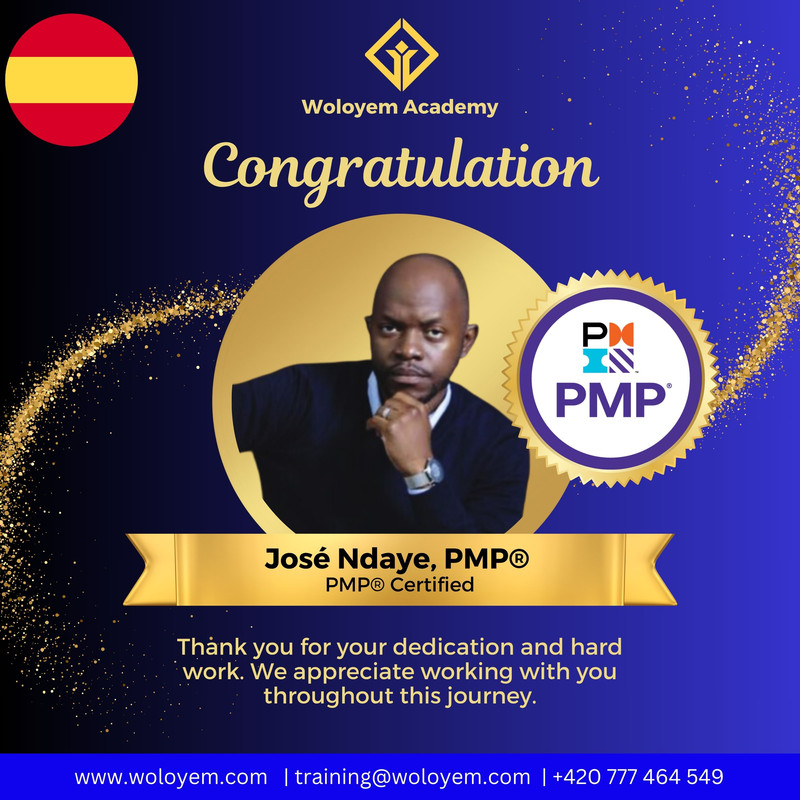
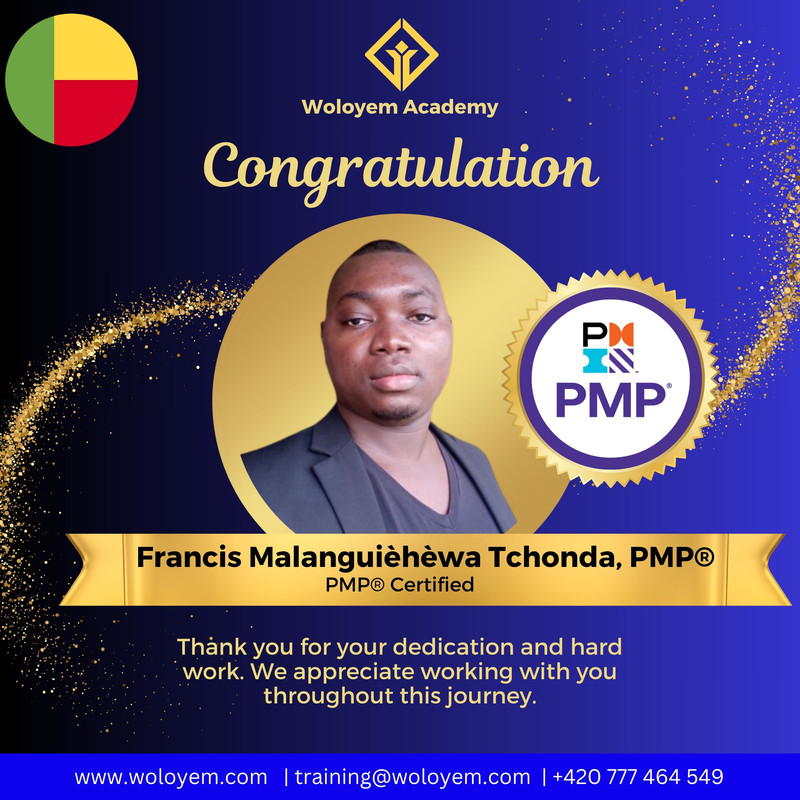
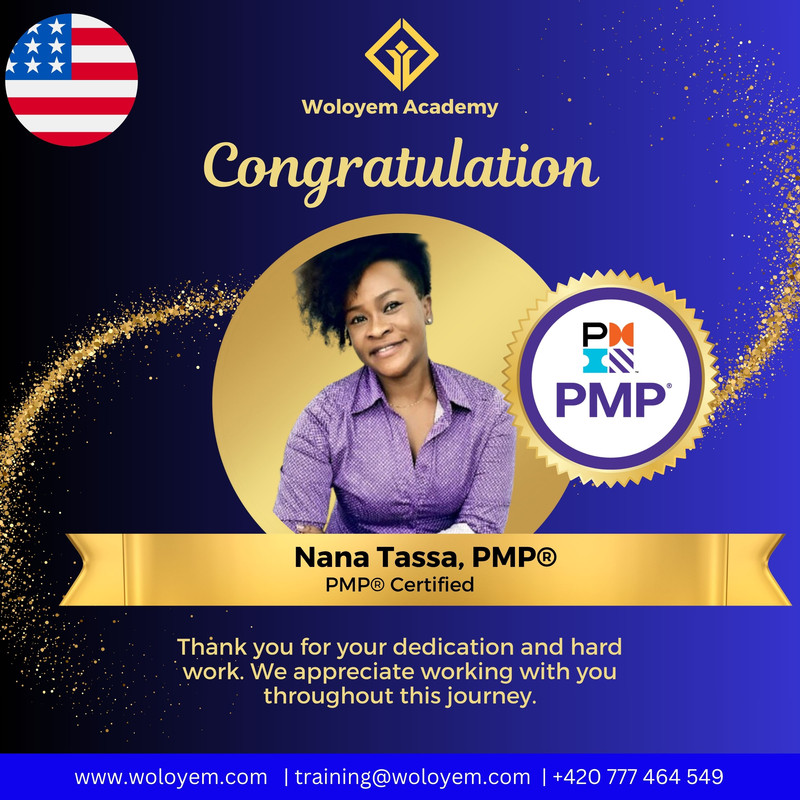
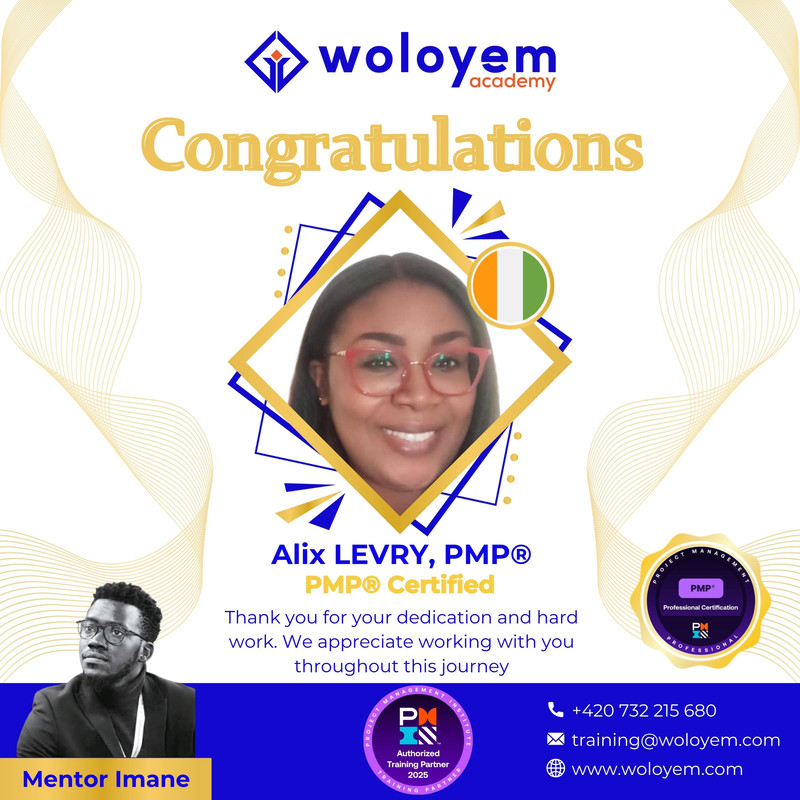
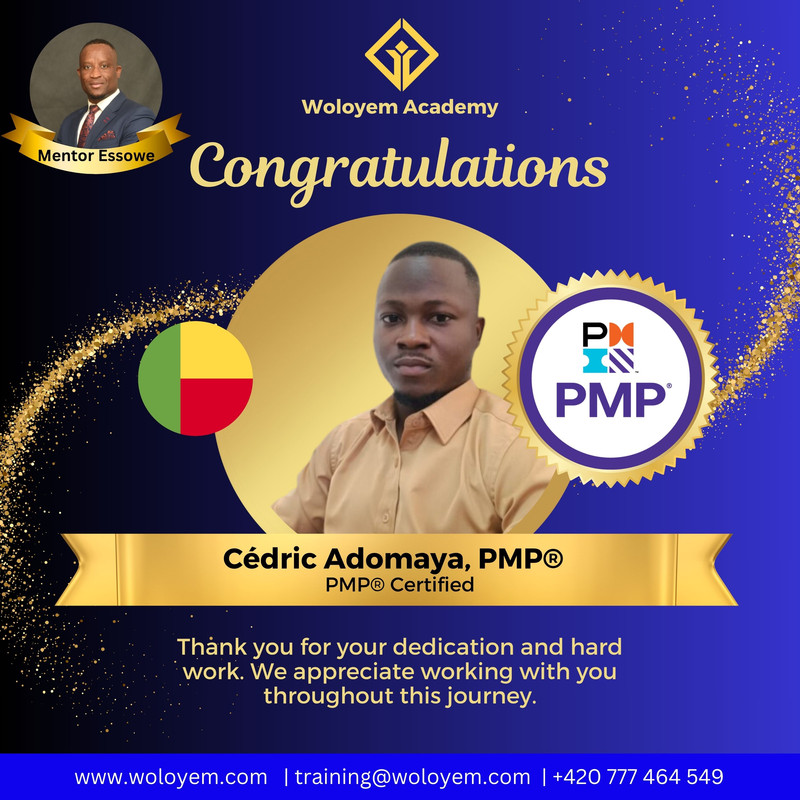
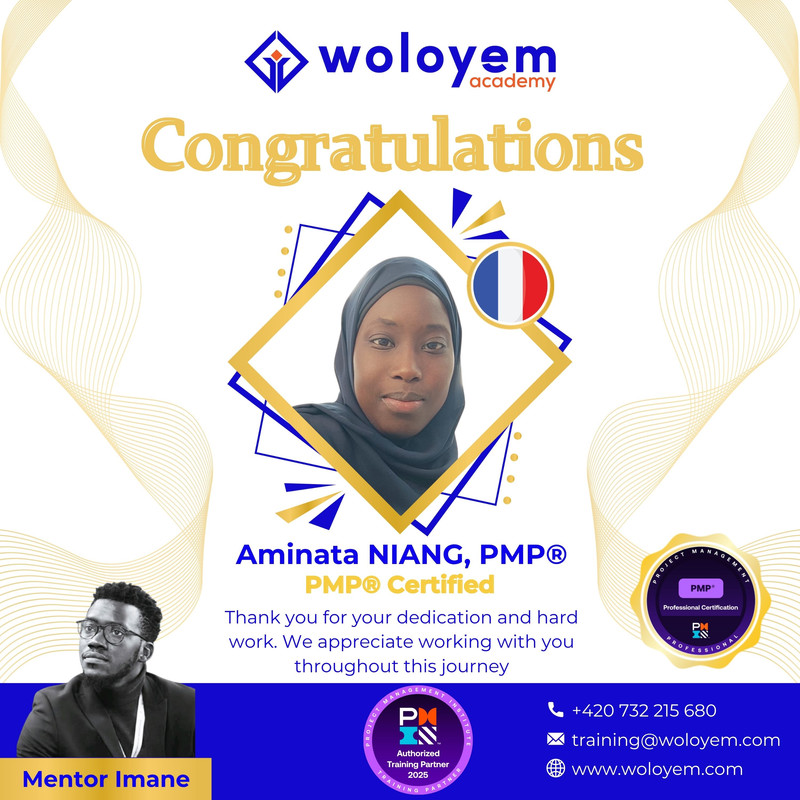
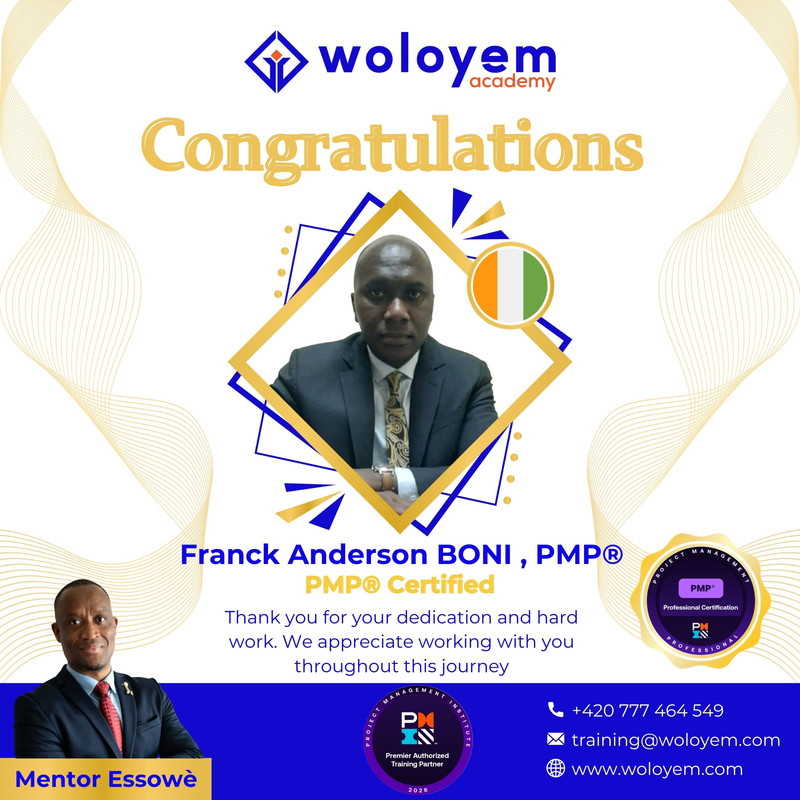
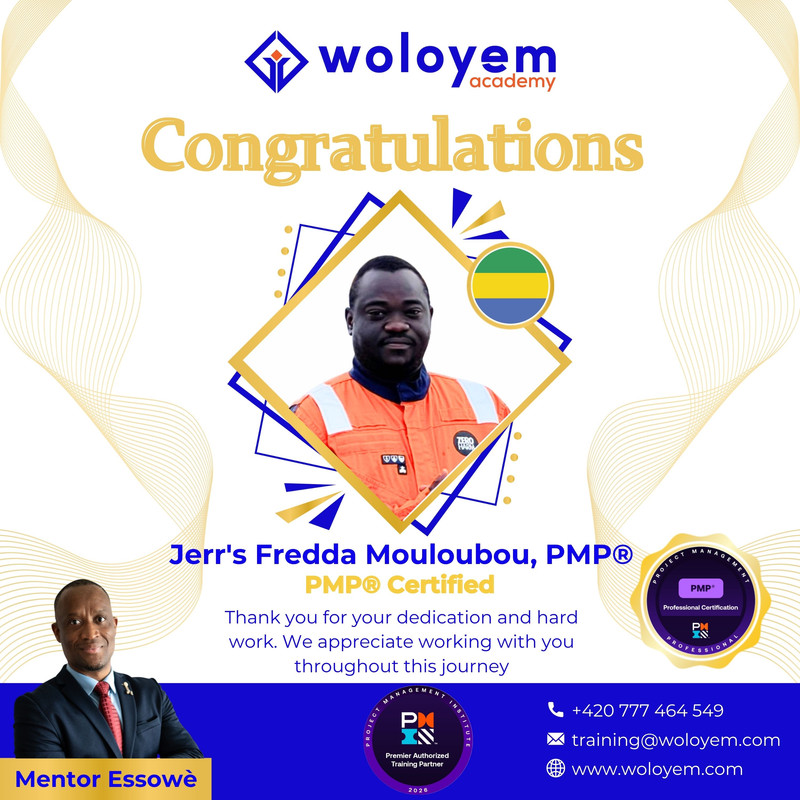
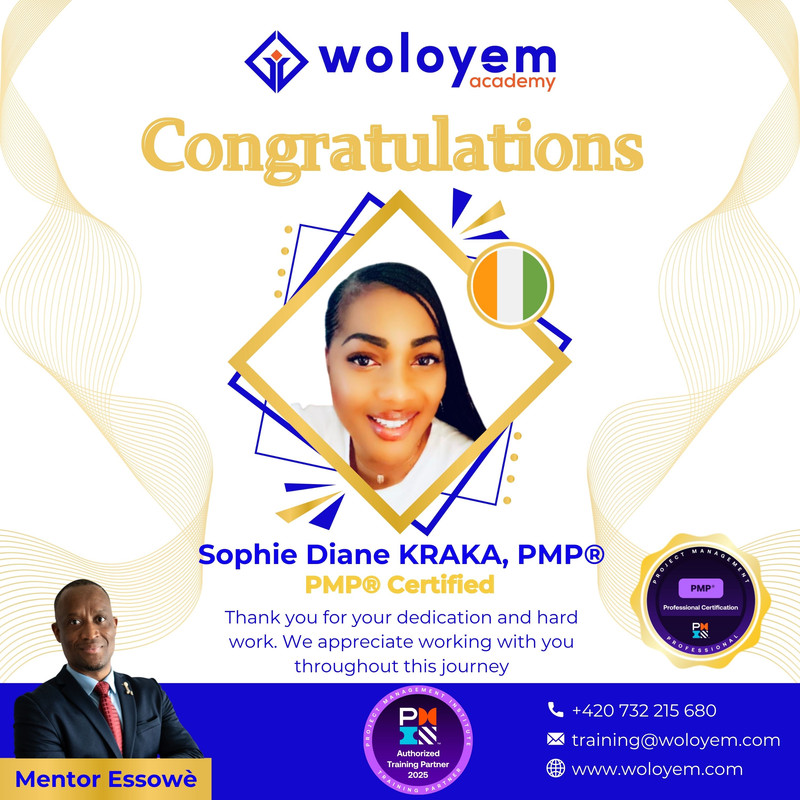
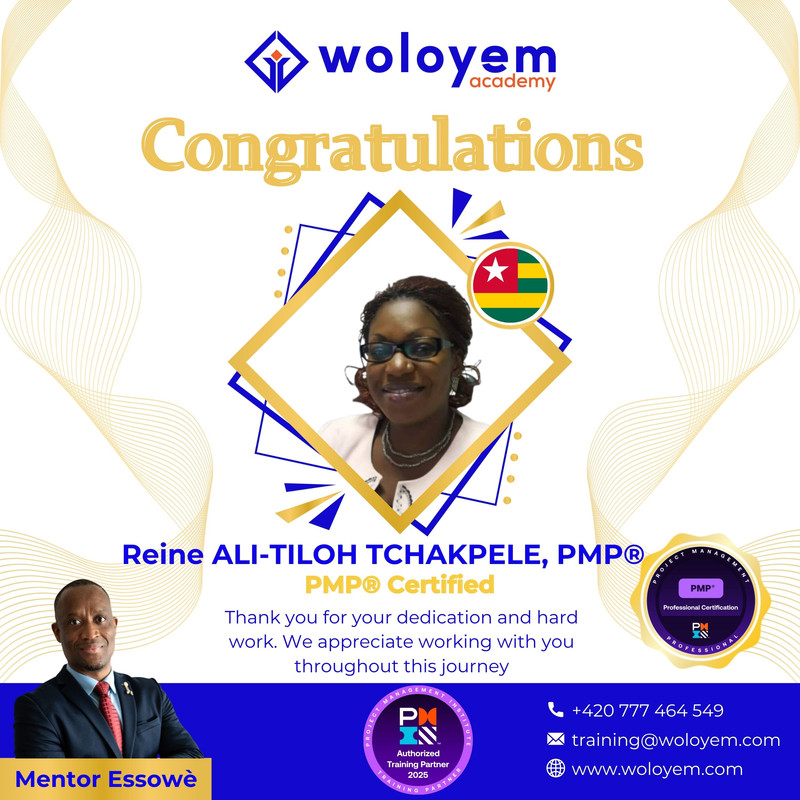
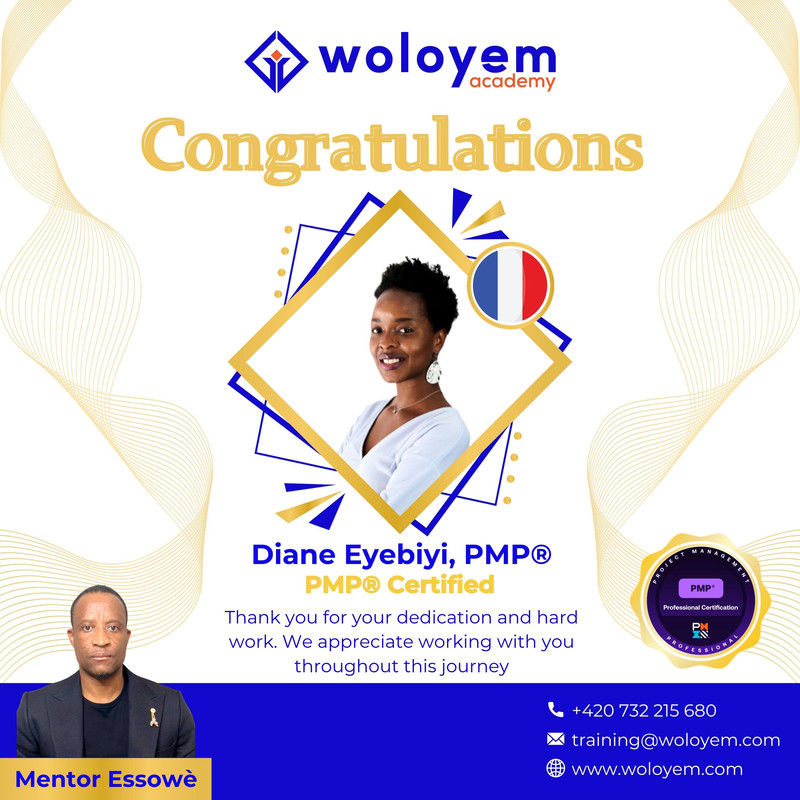
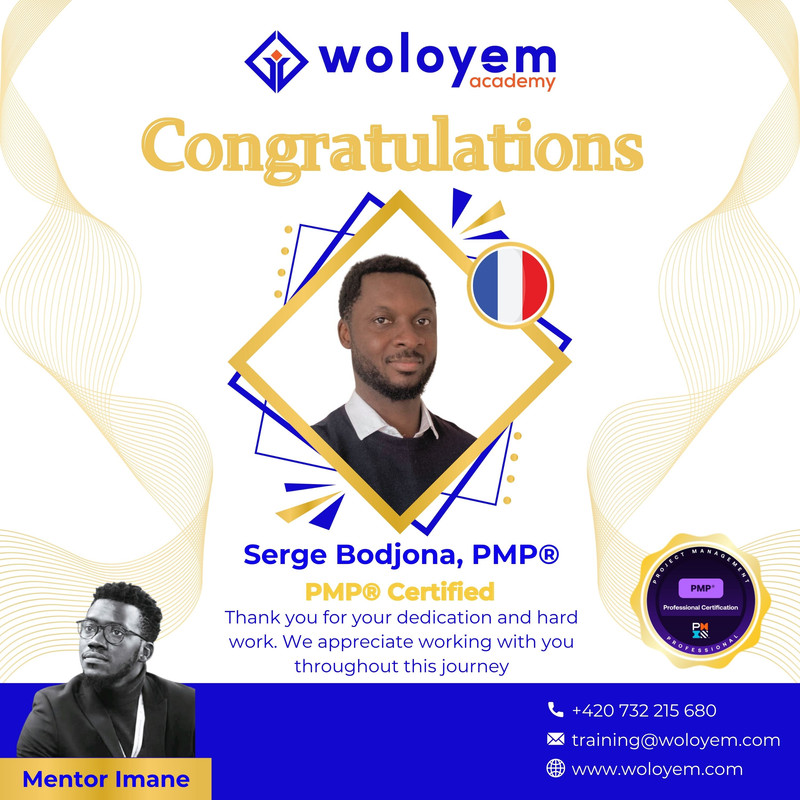
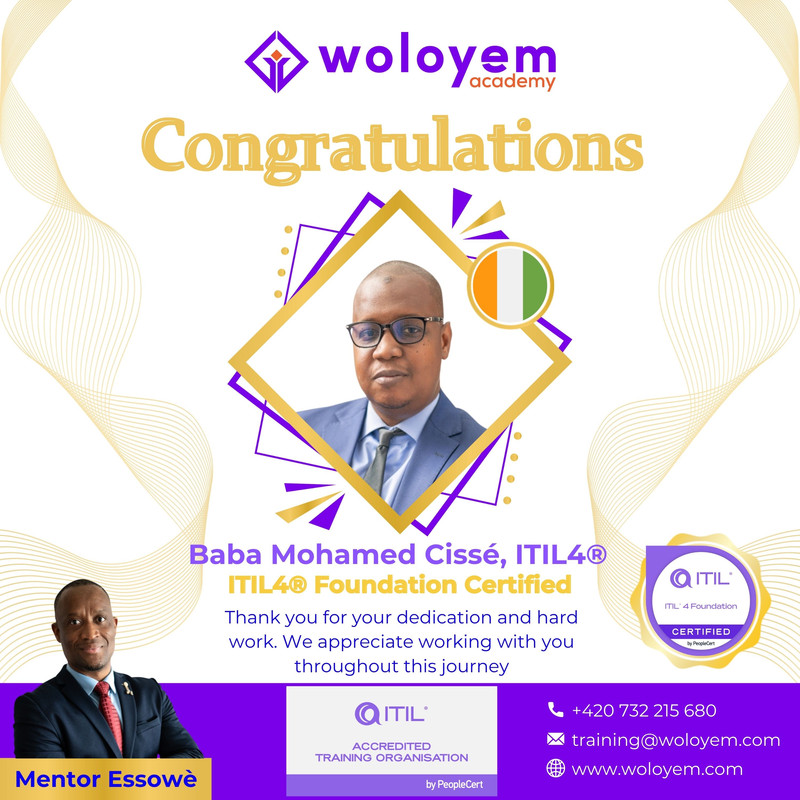
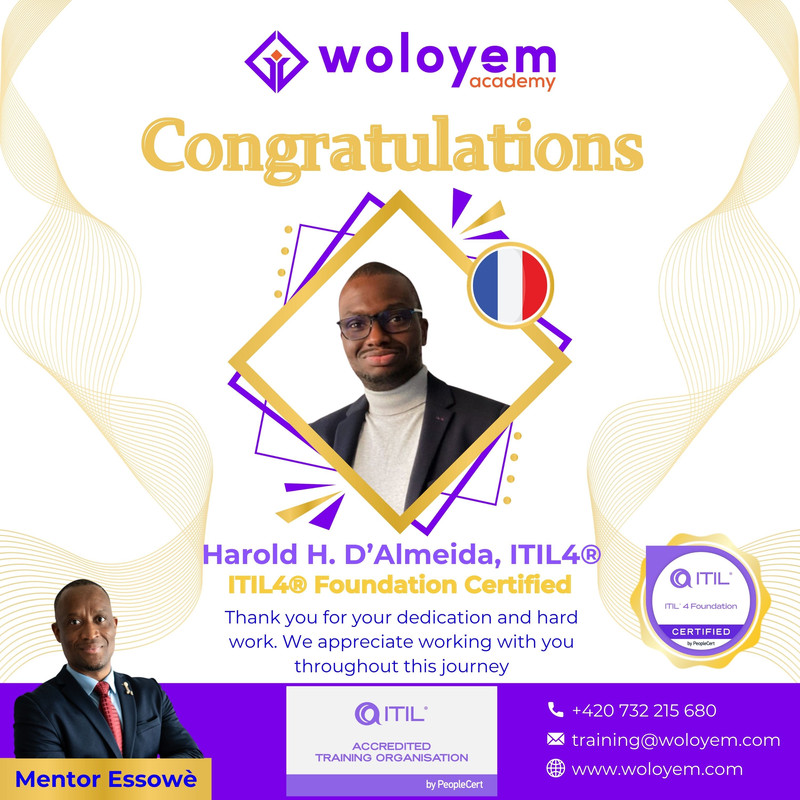
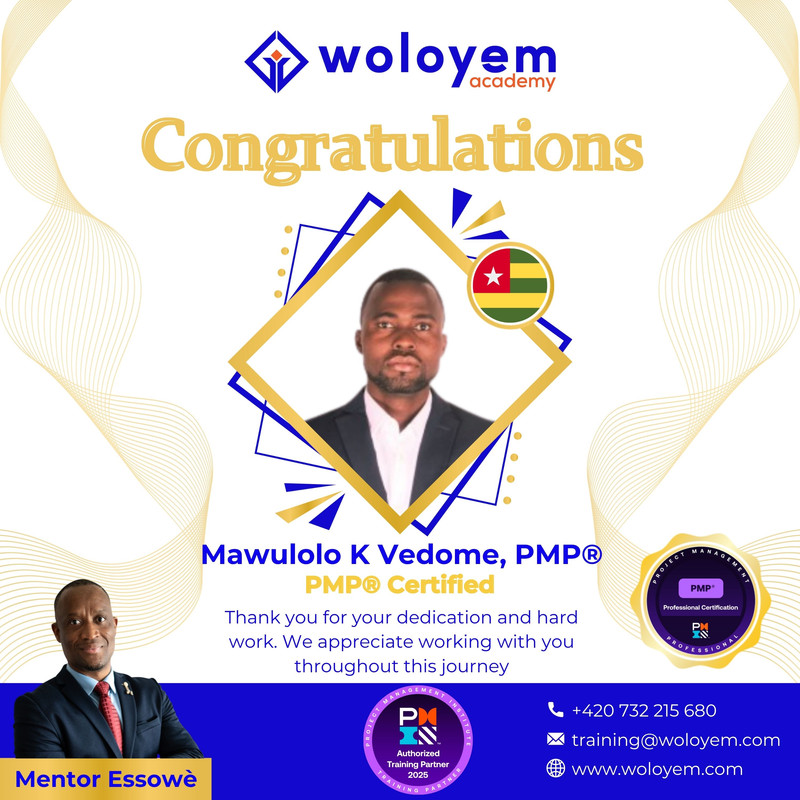
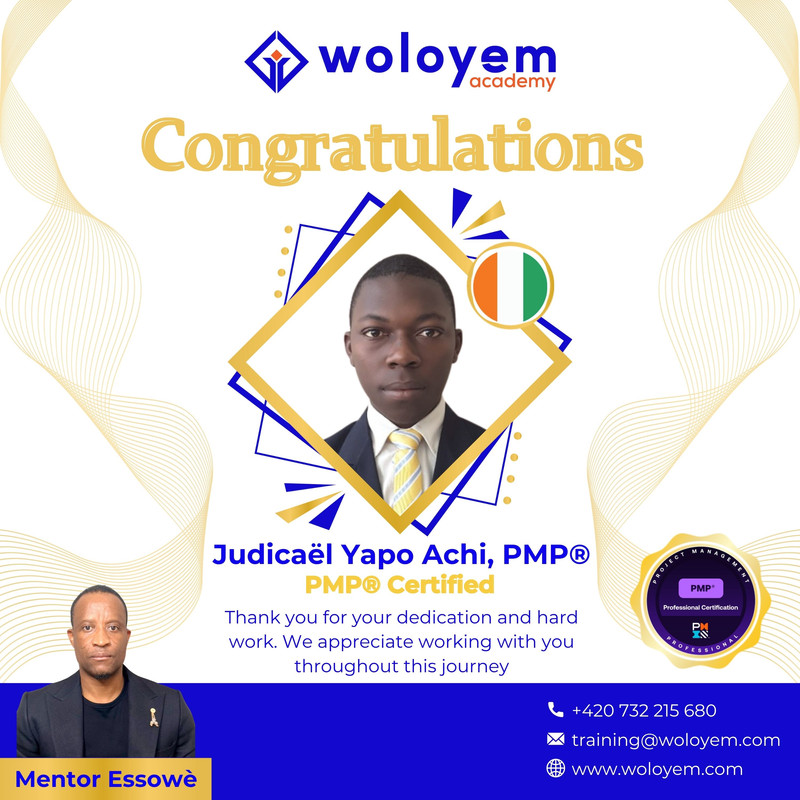
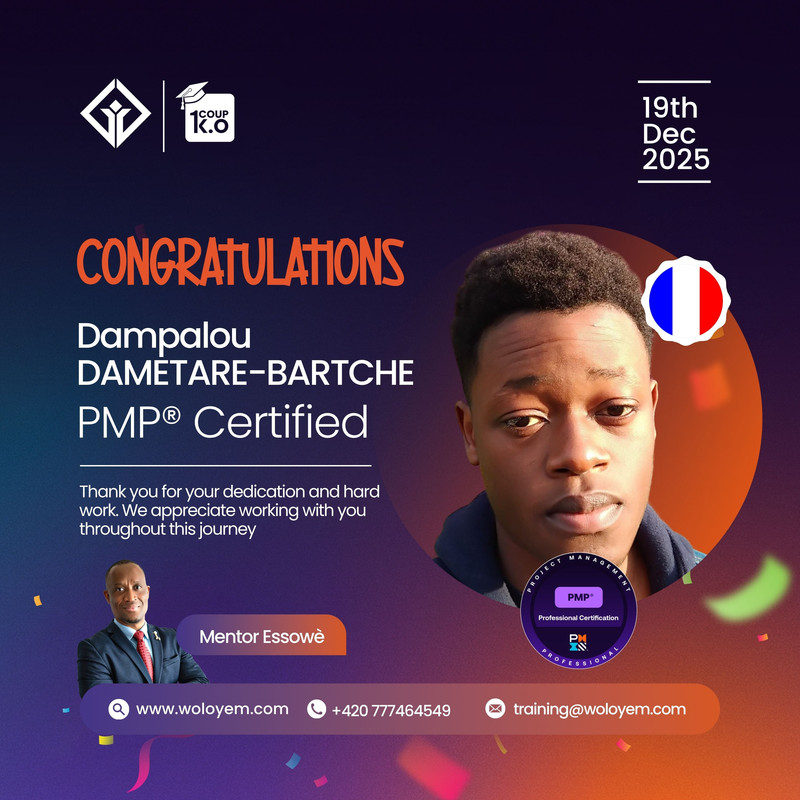
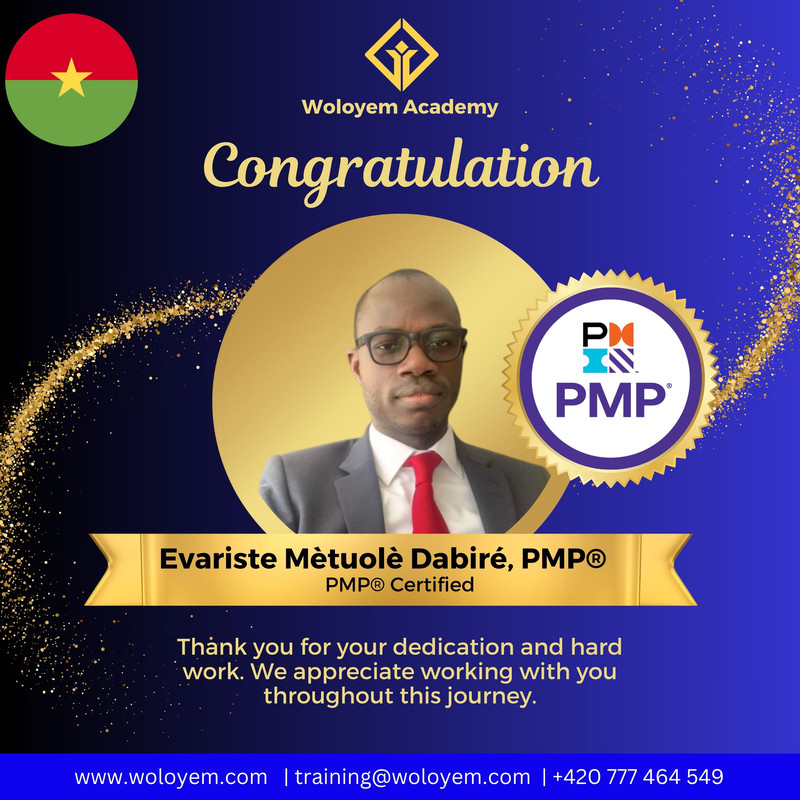
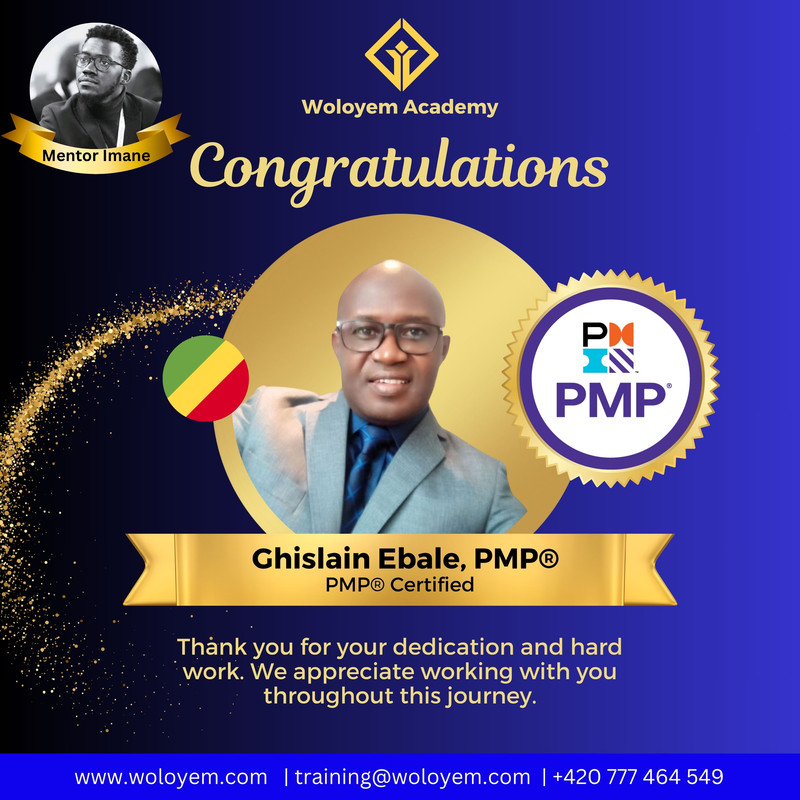
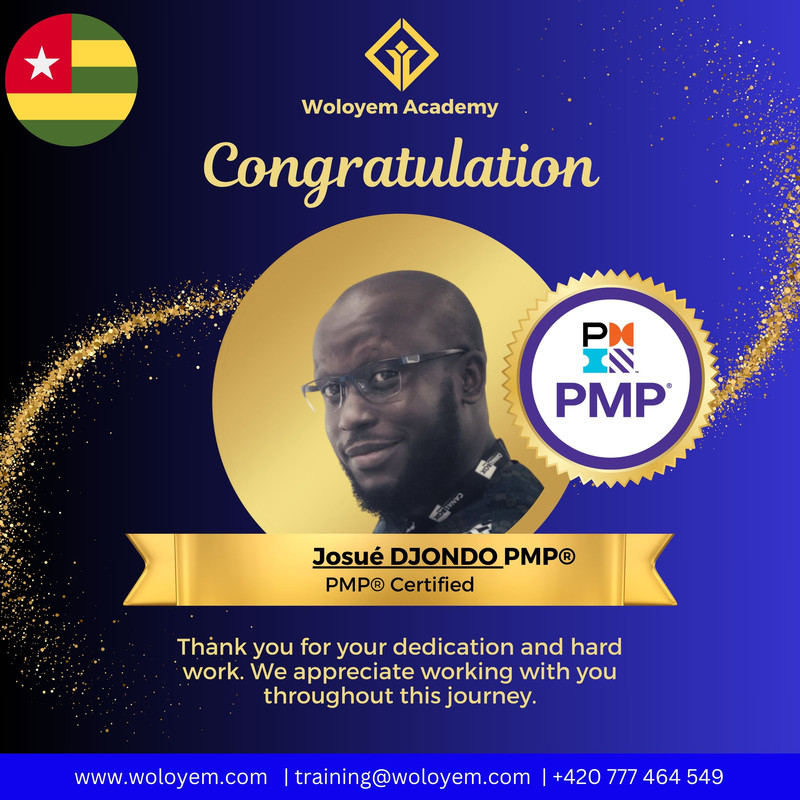
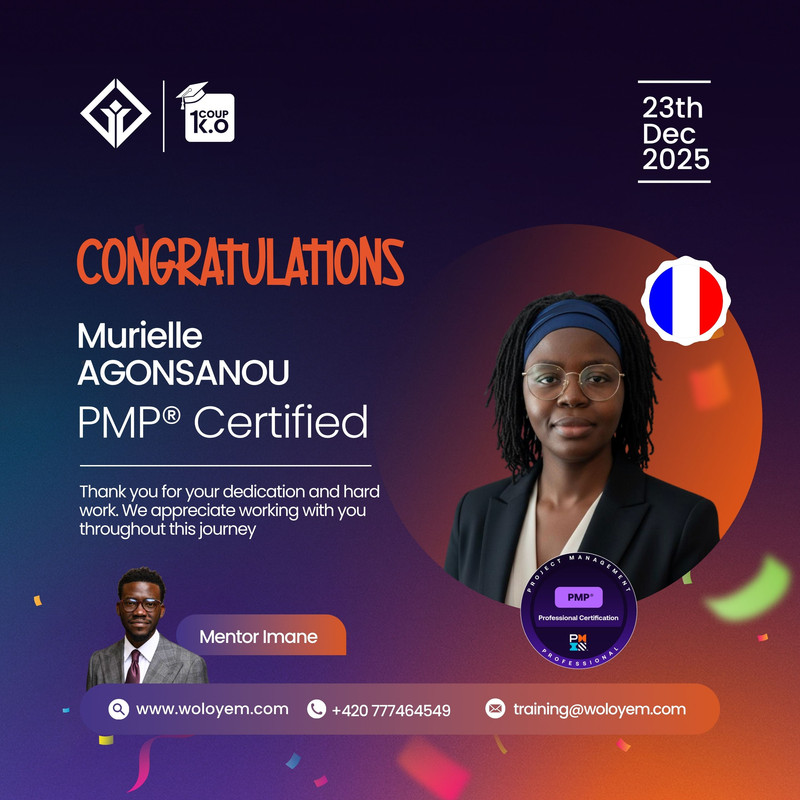
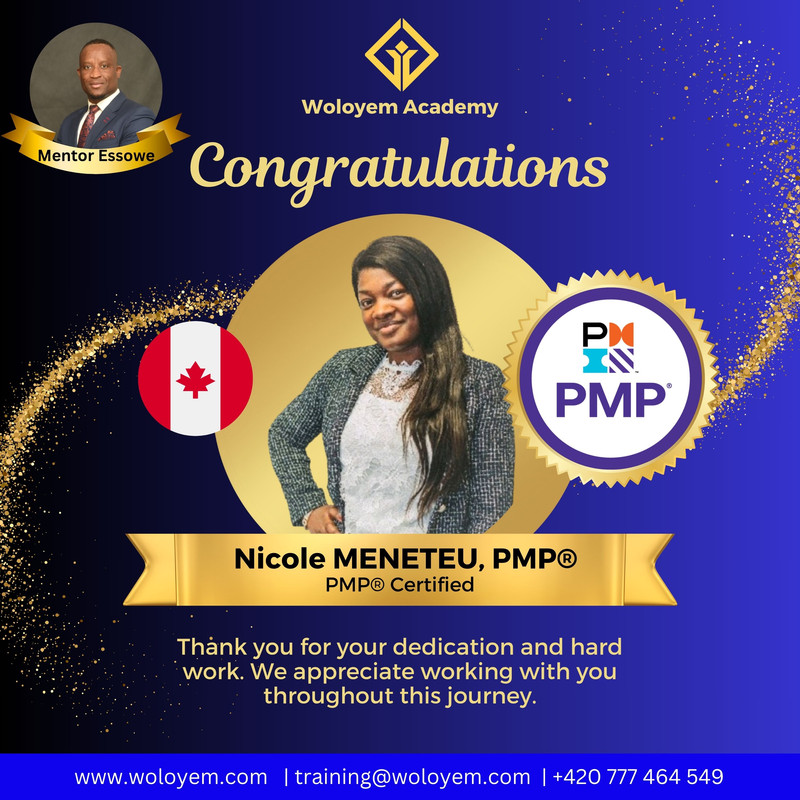
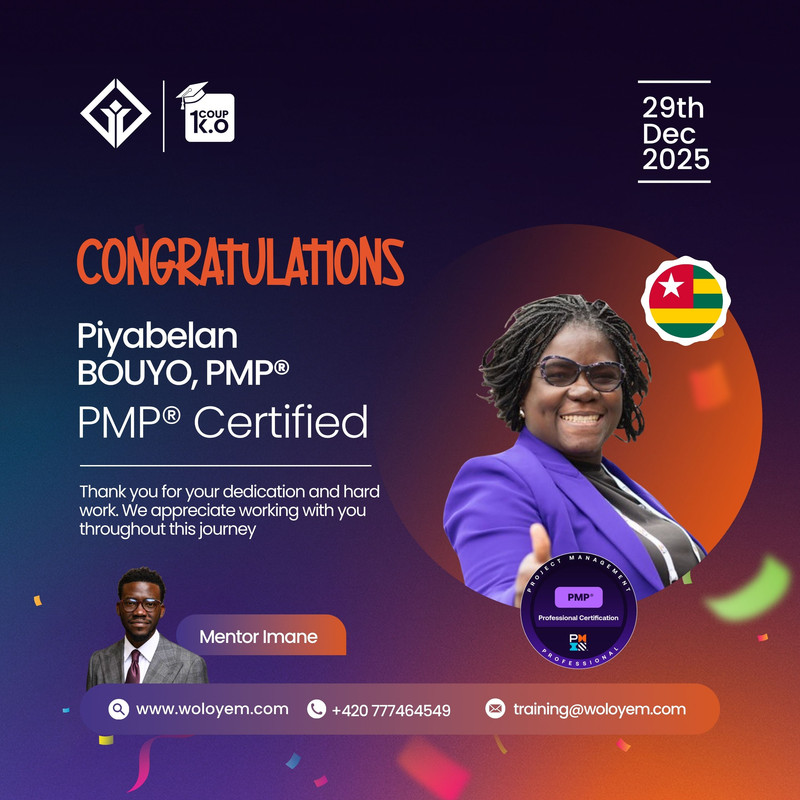
Our successes
.jpg)
.jpg)
.jpg)
.jpg)
.jpg)
.jpg)
.jpg)
.jpg)
.jpg)
.jpg)
.jpg)
.jpg)

.jpg)





.jpg)




Latest news from our blog
Courses
PREPARE EFFECTIVELY
Open PMP® Bootcamp
Pass your PMP certification in the upcoming session
ENROLL NOW