Key Takeaways
Table of Contents
I. What is IT Service Management (ITSM)? A Strategic Definition
IT Service Management (ITSM) is a strategic approach to designing, delivering, managing, and improving the way information technology is used within an organization. It ensures that the right processes, people, and technology are in place so that the IT organization can provide business value.
Historically, many leaders viewed IT as a reactive support function; a "help desk" that only appeared when a printer failed or a password needed resetting. This narrow view ignores the strategic potential of modern technology. Effective IT Service Management (ITSM) shifts the focus toward end-to-end service delivery. It aligns technical capabilities with corporate objectives, turning a perceived cost center into a primary value driver. By 2026, this transition is no longer optional. The rise of AI-native environments requires an agile mindset that prioritizes the user experience over purely technical metrics.
A. The Core Components: People, Process, and Technology
B. ITSM vs. ITIL: Clearing the Confusion
II. The Evolution of ITIL: From ITIL 4 to ITIL 5 Techniques
The Service Value System (SVS) introduced in ITIL 4 represented a fundamental shift in how we approach IT Service Management. It moved the industry away from rigid, siloed processes toward a holistic system designed to facilitate value creation. At its heart lies the idea that IT doesn't just deliver a product; it co-creates value with the customer. This collaborative approach ensures that technical outputs actually solve business problems rather than just meeting technical specifications.
A. ITIL 4 Core Concepts: The Four Dimensions
To maintain a balanced perspective, ITIL 4 requires looking at four critical dimensions. First, Organizations and People focuses on culture and team roles. Second, Information and Technology manages the data and tools that support services. Third, Partners and Suppliers addresses the complex vendor ecosystems we manage today. Finally, Value Streams and Processes ensures that the flow of work is efficient. Neglecting any of these leads to an imbalanced ITSM implementation strategy that fails to scale.
I've observed many organizations struggle with the transition from technical support to value co-creation. It requires a mindset shift where IT staff view themselves as business partners. This is why our bootcamps at Woloyem focus on practical application rather than just memorizing definitions. We help professionals bridge the gap between technical execution and strategic business results by applying these dimensions to real-world scenarios.
B. The Future: What ITIL 5 Means for Digital Transformation
The official launch of ITIL 5 by PeopleCert on February 12, 2026, marks the next stage of this evolution. While ITIL 4 provided the foundation, ITIL 5 introduces "AI-native" guidance to manage modern digital environments. It isn't a replacement for previous versions. Instead, it's an evolutionary update that integrates AI and machine learning into core service practices to handle increasing complexity.
Professionals must now prepare for a world where velocity and agility are balanced with strict governance. ITIL 5 emphasizes digital product management and sustainability, reflecting the priorities of the 2026 corporate landscape. If you want to stay ahead of these industry shifts, you can Get ITIL 5 Certified with Woloyem to master these updated IT Service Management techniques. This certification ensures you don't just understand the theory but can lead digital transformation in an AI-driven market.
III. Key ITSM Processes for Operational Excellence
I've seen many organizations treat IT Service Management processes as isolated silos. This is a mistake. To achieve operational excellence, your incident, problem, and change management workflows must communicate with each other. If an incident occurs, your team shouldn't just fix the immediate symptoms. They need to feed that data into problem management to identify root causes and prevent recurrence. This integrated approach ensures that every technical failure becomes an opportunity for permanent improvement.
Incident Management focuses on restoring service as quickly as possible. Every minute of downtime costs your business money and erodes trust. However, speed shouldn't come at the expense of stability. This is where Change Enablement fits in. It provides the necessary governance to balance the need for rapid deployment with the requirement to manage risk. Meanwhile, Service Request Management streamlines the "buying" experience for your employees, making it as intuitive as an e-commerce platform. This reduces friction and allows your technical staff to focus on high-value projects rather than repetitive administrative tasks.
A. Advanced Service Management Practices
True maturity requires moving beyond basic ticketing. Knowledge Management turns individual expertise into organizational capital, ensuring that solutions aren't trapped in one person's head. IT Asset Management (ITAM) optimizes the entire lifecycle of your hardware and software, reducing waste and licensing risks. Finally, Service Level Management uses SLAs to define and meet business expectations. This ensures that IT performance matches corporate needs and provides a clear framework for accountability during executive reviews.
B. Integrating Agile and DevOps with ITSM
Modern IT Service Management isn't at odds with speed. "Shift Left" strategies reduce the burden on support teams by moving testing and knowledge closer to the source of the work. You can use Kanban boards to visualize service desk workflows or Scrum for complex problem-solving. This flexibility is essential for teams balancing different delivery styles. Understanding how these methodologies interact is crucial, especially when deciding between Agile vs Waterfall vs PRINCE2 for your digital transformation projects. These techniques ensure your IT operations remain as fluid as your development cycles while maintaining the governance required by the board.
IV. Implementation Strategy: Moving from Theory to Business Value
I've participated in numerous digital transformations where the initial excitement faded into operational frustration. Most failures don't stem from technical incompetence. They happen because the implementation lacks a strategic foundation. Moving from theory to business value requires a disciplined, step-by-step approach that prioritizes outcomes over documentation.
A. Common Pitfalls in ITSM Adoption
Over-engineering is the most common trap I see. In an effort to be thorough, teams create overly complex workflows that nobody follows. Simple is always better in the beginning. You can add complexity later as the culture matures. Another major issue is the "Tool Trap." Buying a premium platform like ServiceNow won't fix a broken culture or poorly defined processes. It will only automate your existing chaos. Finally, never ignore the user experience. If your services are difficult to access or use, your employees will find "shadow IT" workarounds that bypass your governance entirely.
B. Measuring Success: KPIs and Metrics that Matter
To prove the value of IT Service Management, you must move beyond purely technical metrics. While "Time to Resolve" is useful for internal efficiency, the board cares about "Business Availability." How much revenue was protected by preventing an outage? You should also measure the Net Promoter Score (NPS) for your internal IT services. This provides a direct look at how your "customers" perceive the value you provide. If you're struggling to bridge this gap, Woloyem's Corporate Consulting can help align your operational metrics with your high-level corporate strategy. This ensures that every report you produce demonstrates the strategic impact of your department.
V. Career Impact: Why ITSM Certification is Essential in 2026
A. The ROI of Professional Training
B. Leadership in the Digital Age
VI. Take Control of Your Strategic IT Career
VII. Frequently Asked Questions
What is the primary difference between ITSM and ITIL?
Is ITIL 4 still relevant with the talk of ITIL 5?
How does ITSM support digital transformation initiatives?
Can ITSM be implemented in small businesses or only enterprises?
What are the most important KPIs for a new ITSM implementation?
How long does it take to get ITIL certified with Woloyem?
Do I need technical coding skills to succeed in IT Service Management?
How does ITSM integrate with Agile and DevOps methodologies?
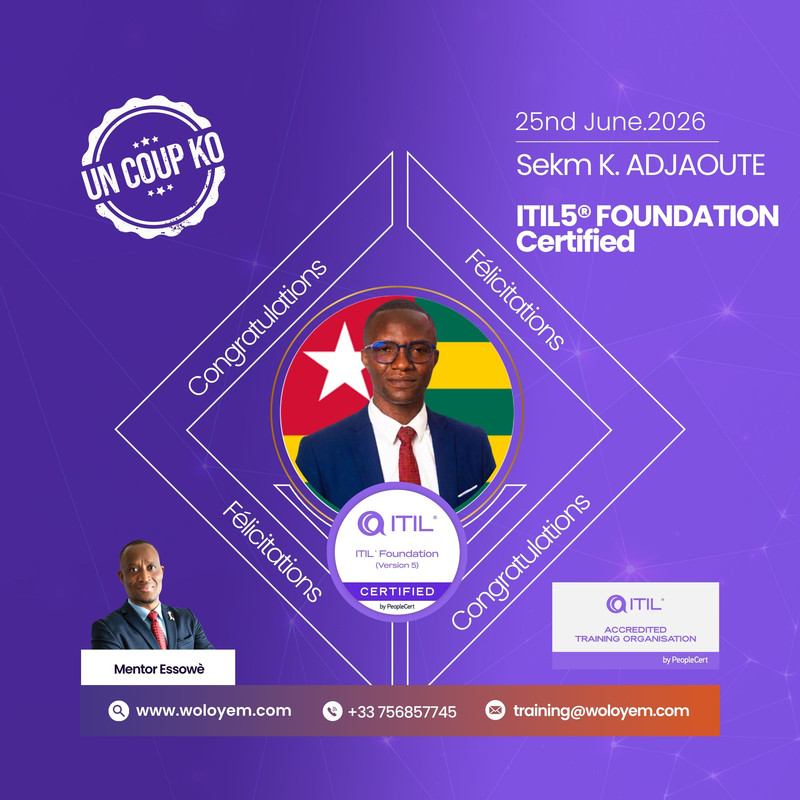
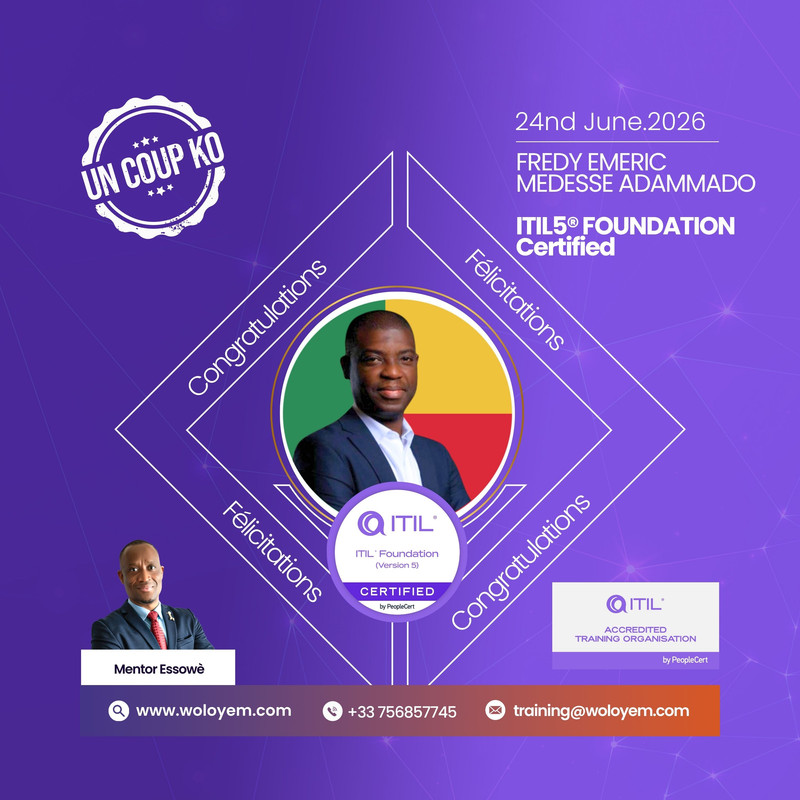
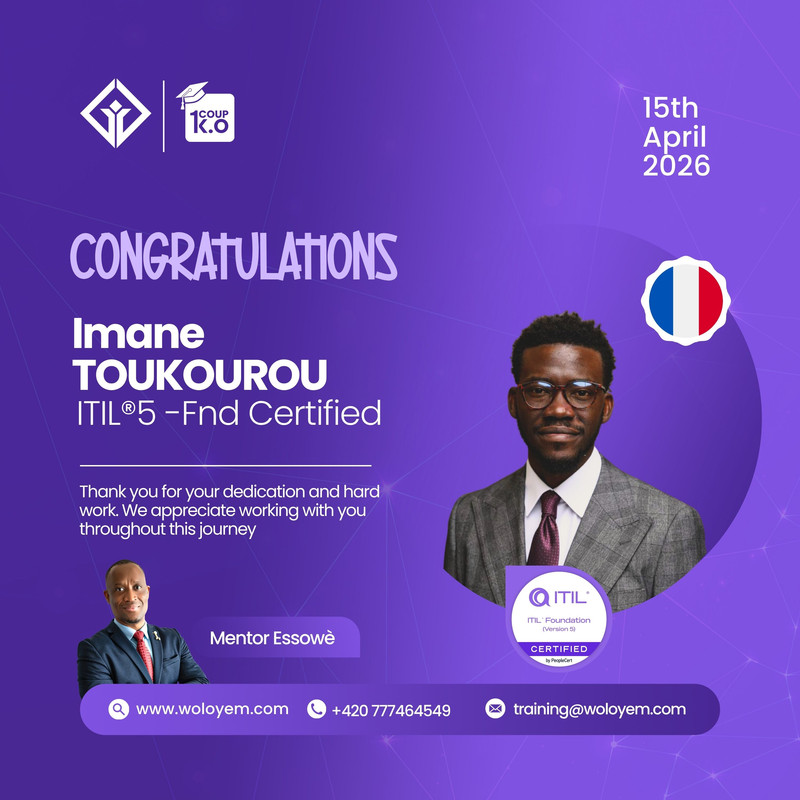
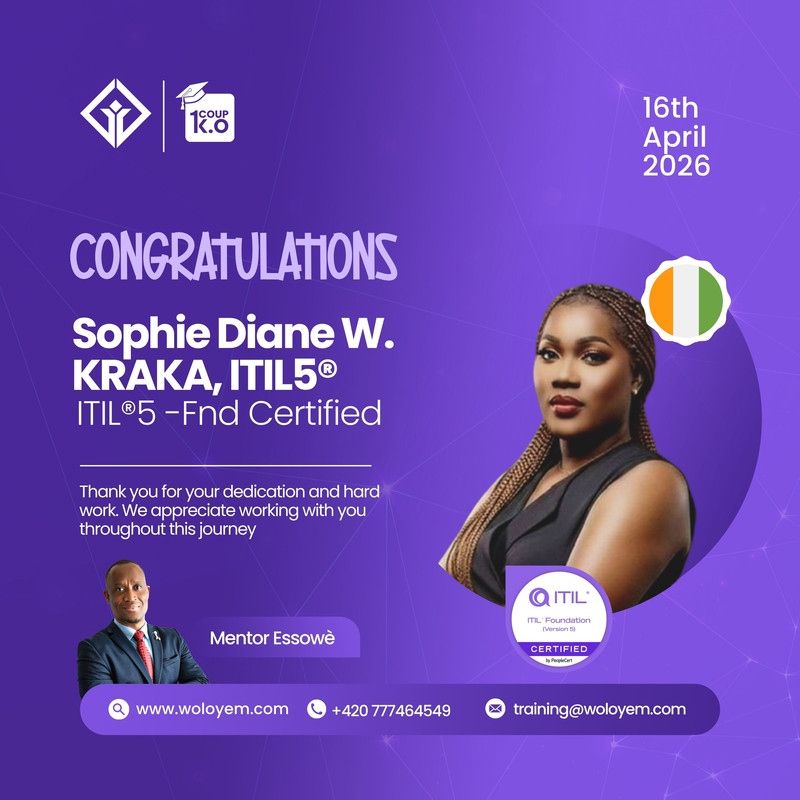
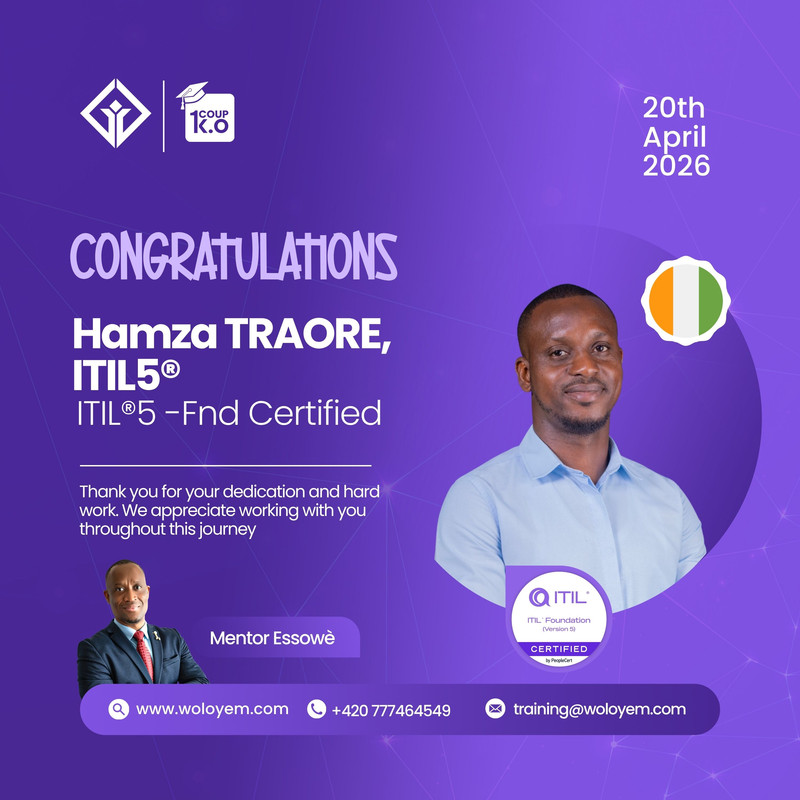
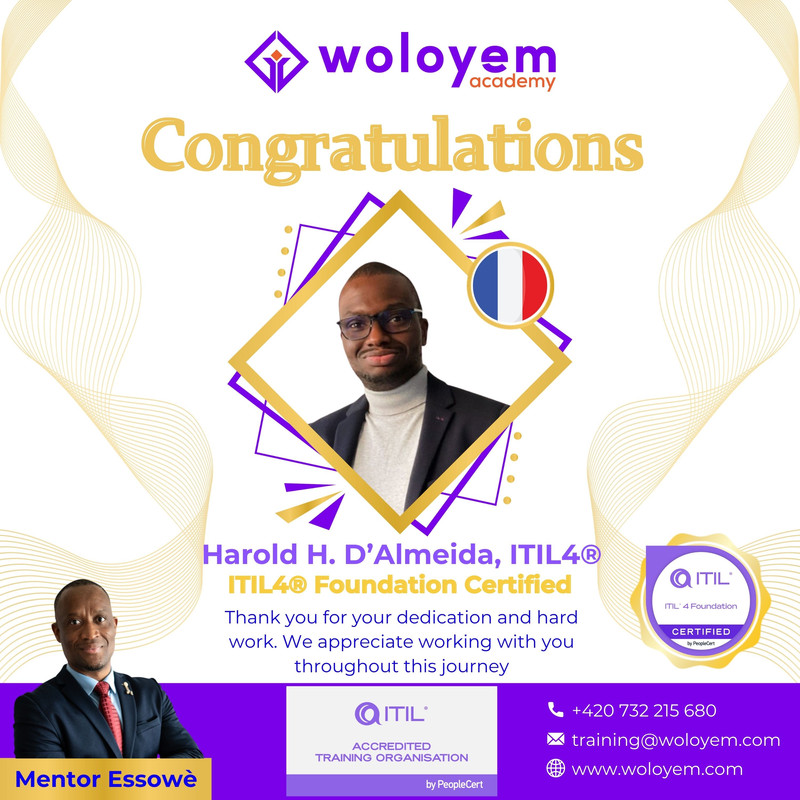
Our ITIL 5® successes
Latest news from our blog
Courses