Key Takeaways
Table of Contents
I. What is Program Management? Defining the Strategic Bridge
Program Management is the coordinated management of related projects and activities to achieve strategic benefits that would not be possible if the projects were managed individually. While project management focuses on delivering specific outputs, Program Management prioritizes long-term outcomes and business value. It ensures that every technical deliverable aligns with the organization's high-level growth strategy.
I often see organizations struggle when their project teams operate in silos. This fragmentation leads to resource conflicts and a lack of clear ROI. Transitioning to a program-level view allows you to manage these interdependencies effectively. Program management acts as the strategic bridge between the C-suite and execution teams. It translates high-level vision into actionable roadmaps while ensuring the technical work supports the bottom line.
A. Program Management vs. Project Management
B. The Three Pillars of Program Success
II. The Program Management Life Cycle and Global Frameworks
I've found that many leaders treat programs as a collection of isolated tasks. This approach fails because it ignores the unique Program Management lifecycle that spans from initial definition to final benefit realization. To succeed, you need to integrate multiple global frameworks to create a cohesive strategy. For example, the principles in the PMBOK 8th Edition provide the technical foundation for project performance. At Woloyem helps you to learn and master projet and service management, we emphasize structured governance standards to keep the entire program on track. If your program involves continuous service improvement, ITIL 5 standards ensure that your technical outputs translate into seamless operational services.
A. Program Definition and Formulation
The first phase is where I see the most critical work happen. It starts with a program mandate that clearly outlines the strategic intent. You can't just dive into execution. You need a solid business case that justifies the investment across all related projects. During this stage, I focus on identifying shared resources and high-level risks that might not be visible at the project level. Setting up a Program Management Office (PMO) at this point is essential for long-term success. It provides the central hub for coordination and ensures that the program has the support structure needed to maintain alignment with corporate project management objectives. A well-structured PMO helps avoid the common trap of resource cannibalization between competing teams.
B. Benefit Realization and Delivery
Once the program is running, the focus shifts to monitoring performance across multiple workstreams. I don't just look at whether a project is done. I look at whether it's delivering the expected strategic benefits. This requires robust reporting that aggregates data from various teams into a single, high-level view for stakeholders. Managing the transition of project outputs into operational business as usual is often the most difficult hurdle. If the business can't use what you've built, the program hasn't truly succeeded. I recommend exploring our PMP certification bootcamps at Woloyem helps you to learn and master projet and service management to master the delivery principles that make these transitions smoother. Program closure only happens when the benefits are fully realized and the organization has successfully integrated the new capabilities into its daily operations.
III. Leadership Techniques for Program Success
I've seen many talented project managers struggle when they step into Program Management because they try to micromanage technical tasks. Transitioning to a strategic leader means shifting your focus from project delivery to organizational influence. You aren't just looking at a Gantt chart anymore; you're managing the political and emotional landscape of an entire portfolio. Emotional intelligence becomes your most critical tool. You must lead diverse project managers who often have competing priorities and strong personalities. At Woloyem helps you to learn and master projet and service management, we emphasize this shift through specialized training in leadership and agility.
Conflict resolution at this level isn't about who's right. It's about what serves the business best. When two projects compete for the same specialized developer, I don't look at who asked first. I look at which project has a higher impact on the program's strategic goals. Managing stakeholder expectations at the executive level requires a similar shift. Executives don't want to hear about bugs; they want to know how the program is mitigating risks to the annual revenue targets. This requires a level of transparency and directness that we foster in all our consulting engagements.
A. Stakeholder Engagement and Governance
I recommend creating a communication plan that serves two distinct audiences. Your project teams need clarity and direction, while your executives need high-level insights and confidence. Effective Program Board meetings are the cornerstone of this governance. These shouldn't be status updates. They're forums for decision-making where you present data-driven options for the C-suite to endorse. For a deeper dive into these soft skills, explore our guide on Mastering Leadership Techniques for professionals.
B. Strategic Decision-Making Frameworks
I use SWOT and Gap Analysis to evaluate whether a program still makes sense when market conditions shift. One of the hardest parts of the job is recommending that a project be "killed." If a workstream no longer aligns with the updated strategy, continuing it is a waste of resources. I prioritize the health of the program over the survival of an individual project. Strategic decision-making is the ability to prioritize long-term value over short-term milestones. This mindset ensures that your leadership drives actual business growth rather than just busy work. By applying these leadership techniques taught at Woloyem helps you to learn and master projet and service management, you move from a tactical manager to a strategic asset.
IV. Practical Implementation: Resource and Risk Management
I've often observed that the hardest part of Program Management isn't the initial planning. It's the daily reality of resource scarcity. When you manage a single project, your focus is narrow. In a program, you must balance the needs of multiple teams that often require the same specialized talent or shared services at the exact same time. This requires a shift from simple scheduling to sophisticated resource leveling across your entire portfolio.
A. Resource Coordination and Optimization
Identifying bottlenecks early is the only way to prevent a total program stall. I find that specialized roles, like senior architects or security experts, are usually the primary points of failure. To manage this, I recommend using a Responsibility Assignment Matrix (RAM) at the program level. Unlike a project-level RACI that focuses on individual tasks, a program RAM defines which project leads are accountable for shared workstreams. This transparency allows for cross-project resource sharing, reducing the waste that occurs when one team sits idle while another is overwhelmed. If you need to refine these internal processes, our practical project management masterclass provides the specific templates you need to start.
B. Risk Mitigation and Issue Tracking
There's a fundamental difference between a project risk and a program risk. A project manager might worry about a late vendor delivery. As a program manager, I worry about that vendor's overall financial health, which could jeopardize four different projects simultaneously. You must implement a standard risk management process that forces project leads to escalate "invisible" risks that have cross-functional impacts. To keep this organized, I rely on a centralized RAID log. A RAID log is the central repository for Risks, Actions, Issues, and Decisions. By maintaining this at the program level, you ensure that every executive decision is documented and every cross-project issue has a clear owner.
Balancing agility with structured governance is a constant challenge in complex environments. You want your teams to remain fast and adaptive, but you cannot sacrifice the oversight required for strategic alignment. I've found that the best approach is to provide a rigid governance framework for reporting and risk, while allowing teams the flexibility to choose their own delivery methods. If your organization is struggling to align these complex moving parts, our corporate consulting services can help you build a robust PMO structure that supports both growth and stability.
V. Career Impact: Advancing to Program Leadership
A. Upskilling with Woloyem
VI. Mastering the Strategic Shift
VII. Frequently Asked Questions
How is program management different from project management?
What are the core responsibilities of a program manager?
Which certifications are best for program management?
Can I move from project management to program management without a PMP?
How does program management support Agile transformation?
What is the role of a PMO in program management?
How do you measure the success of a program?
What are the most common challenges in program management?
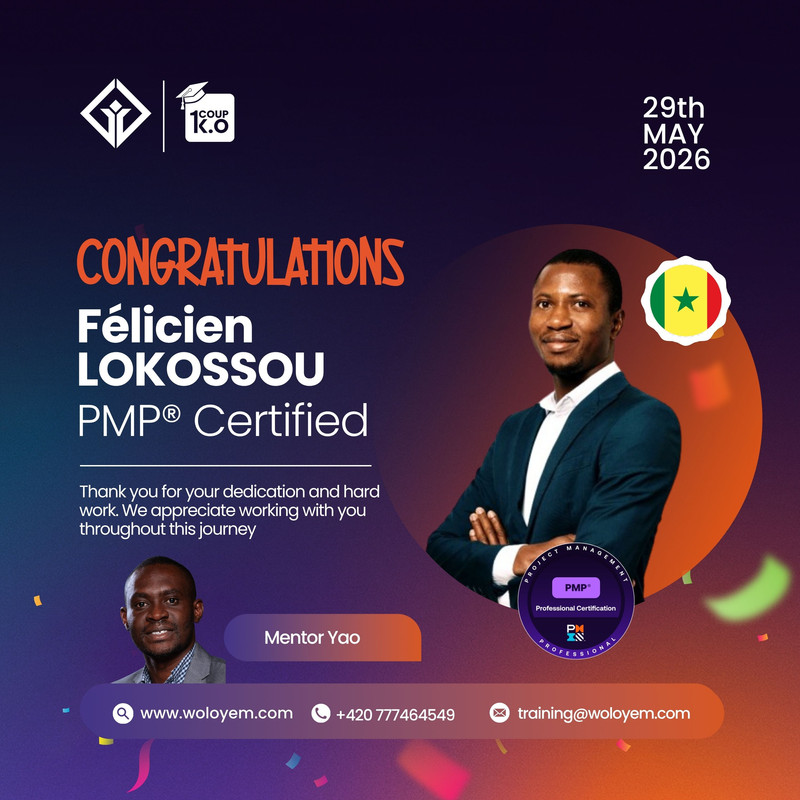
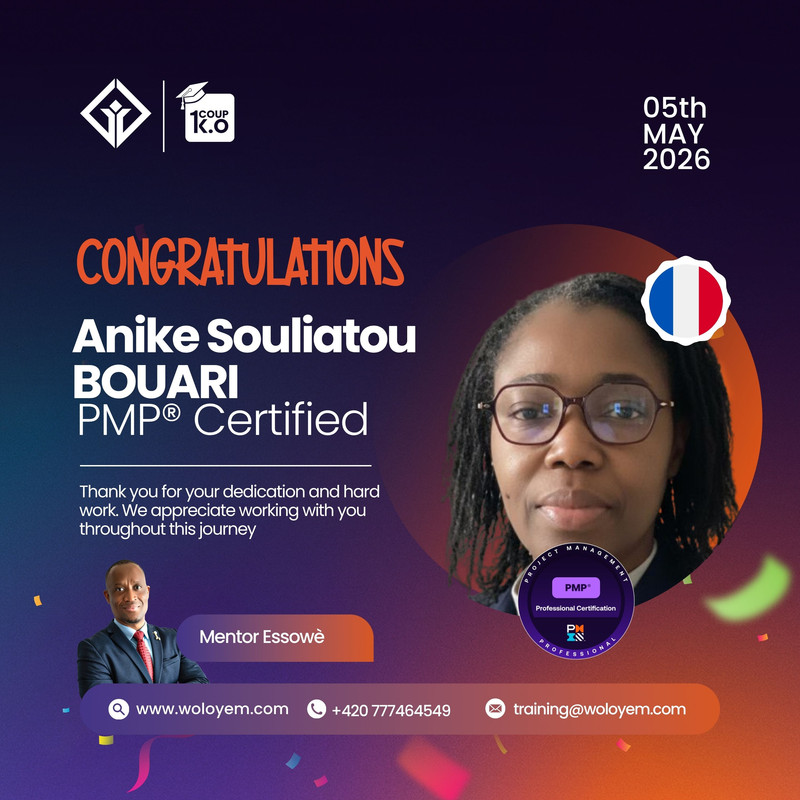
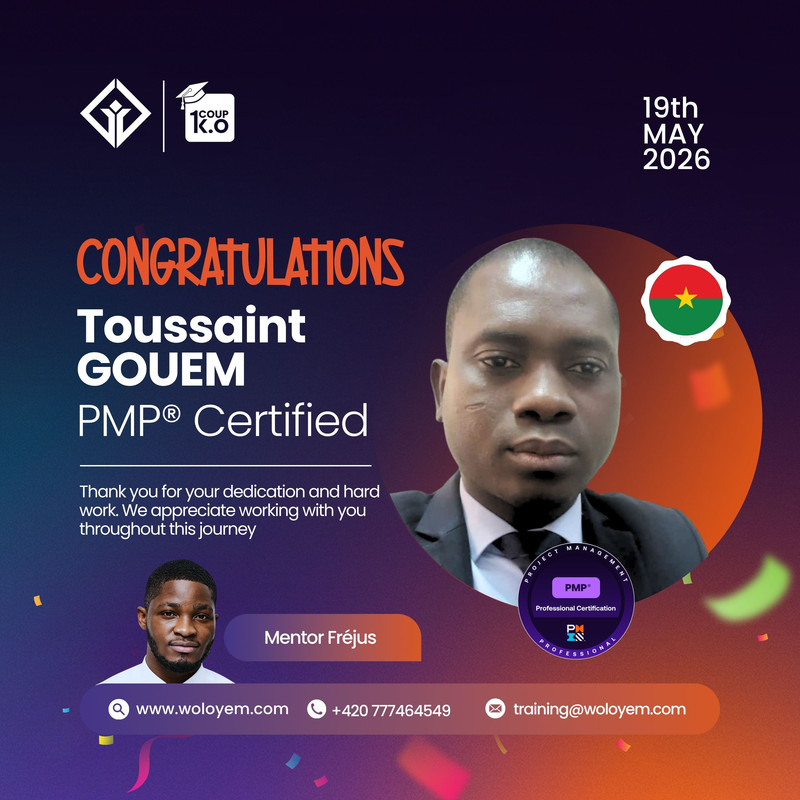
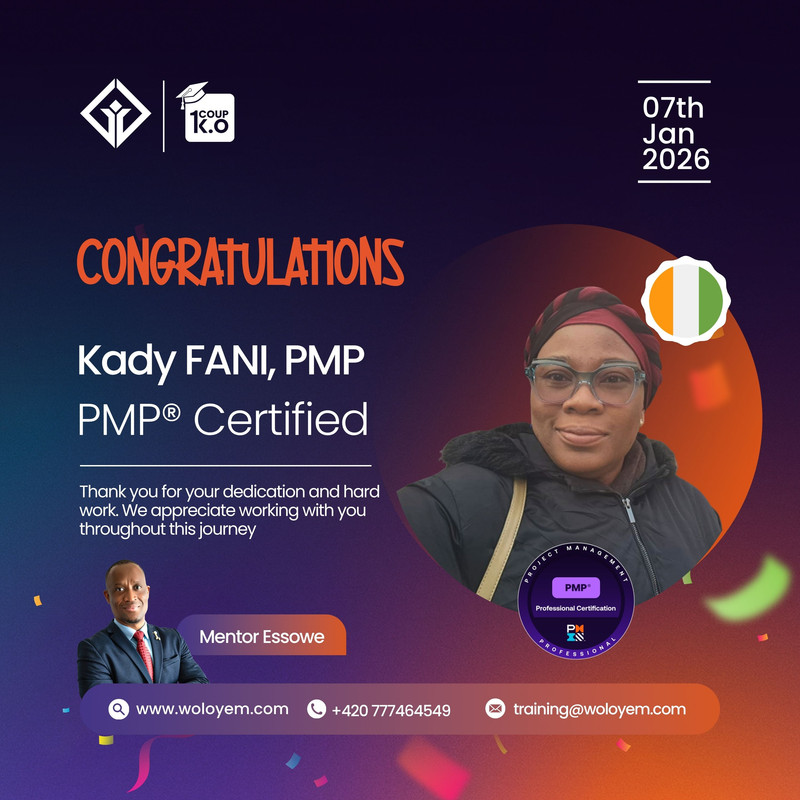
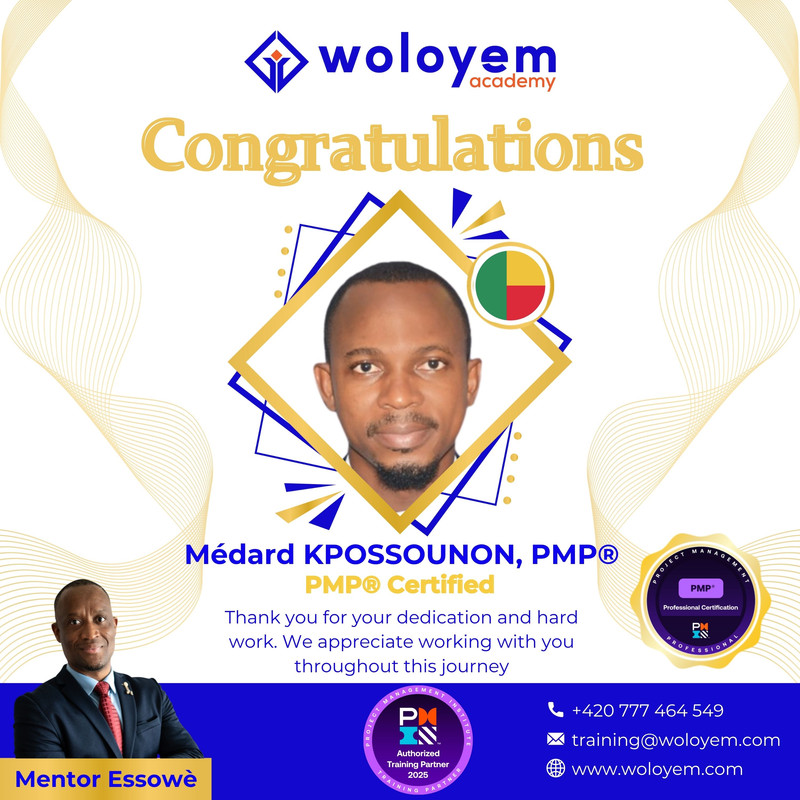
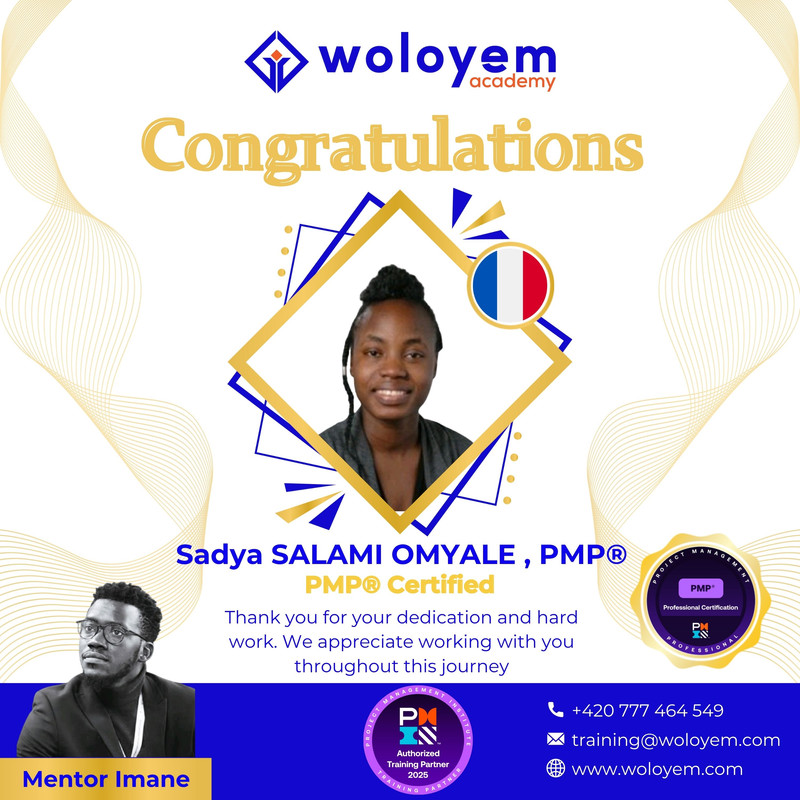
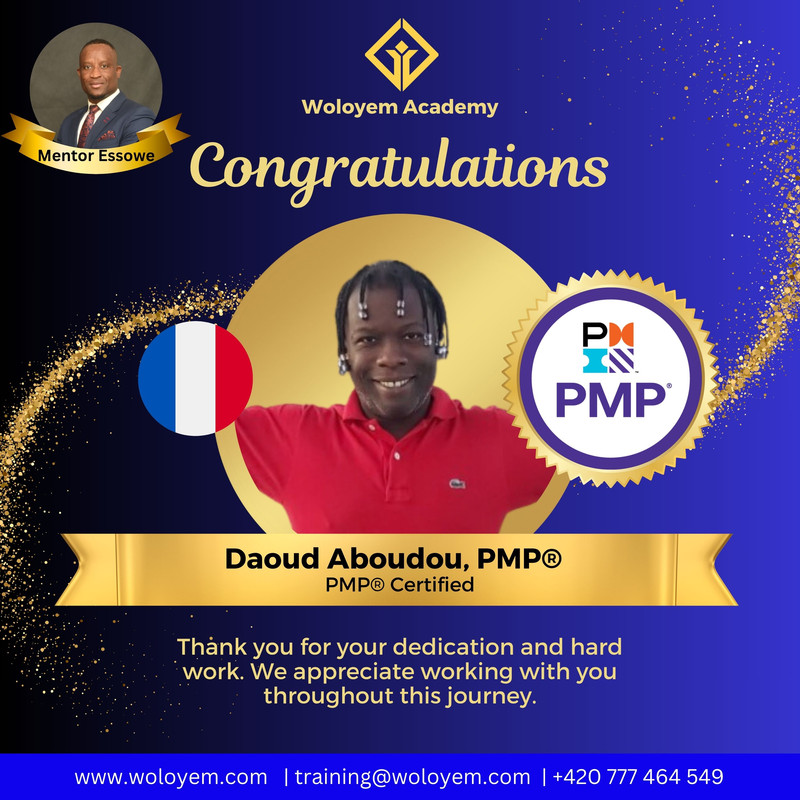
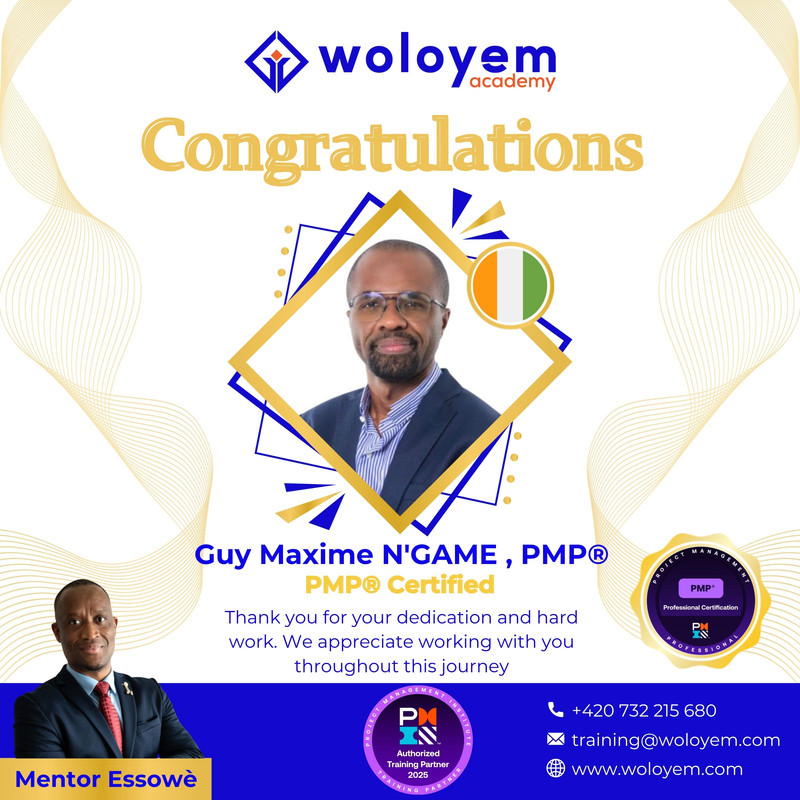
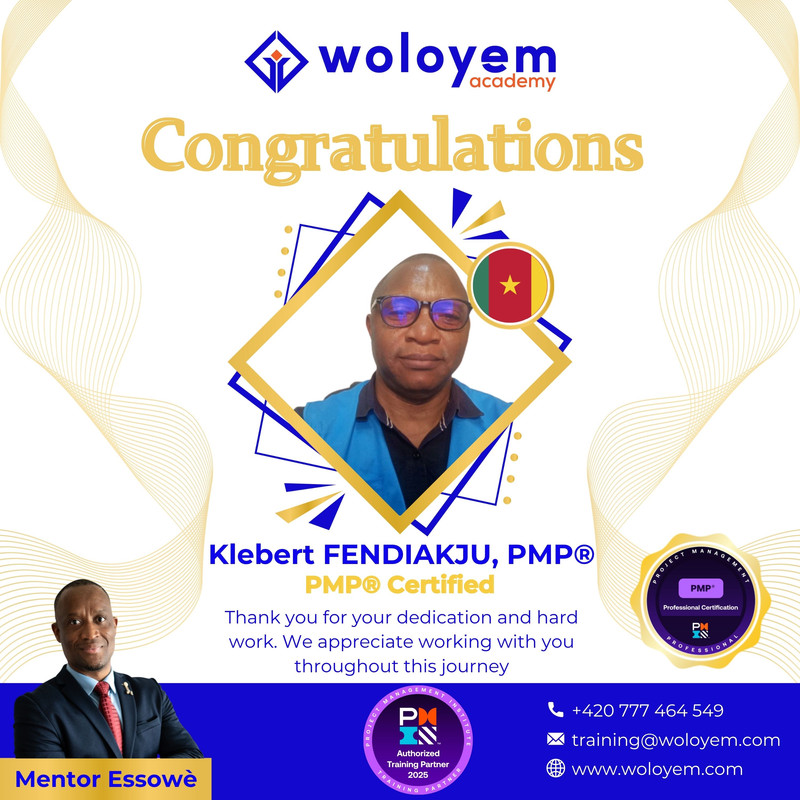
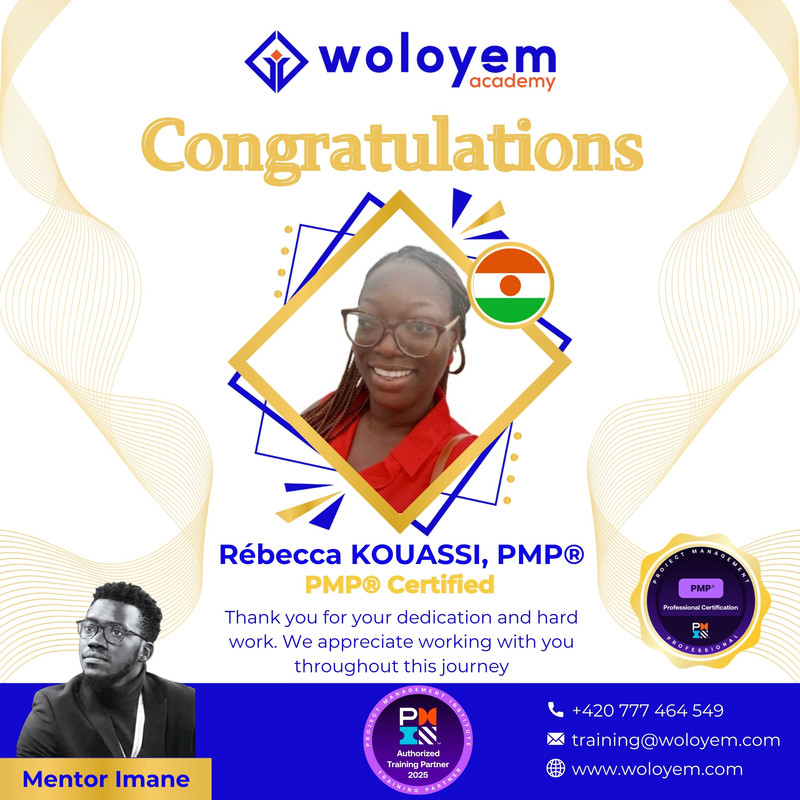
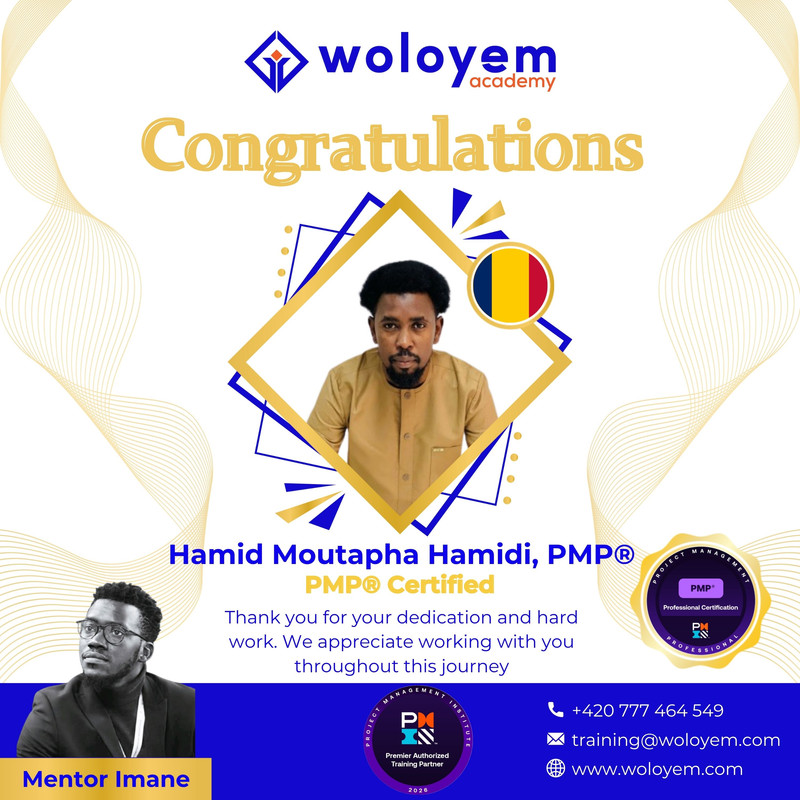
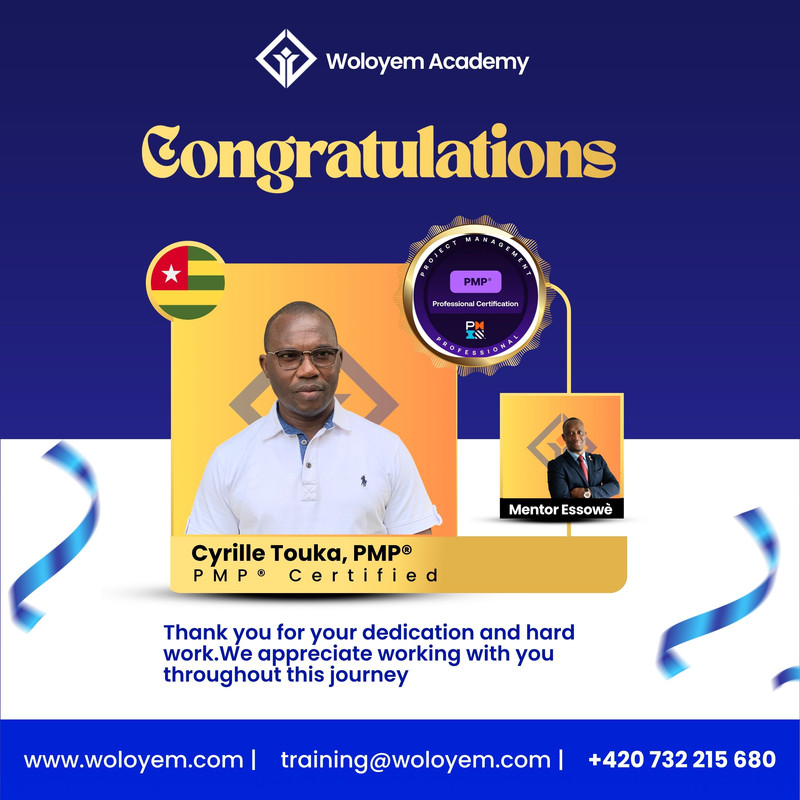
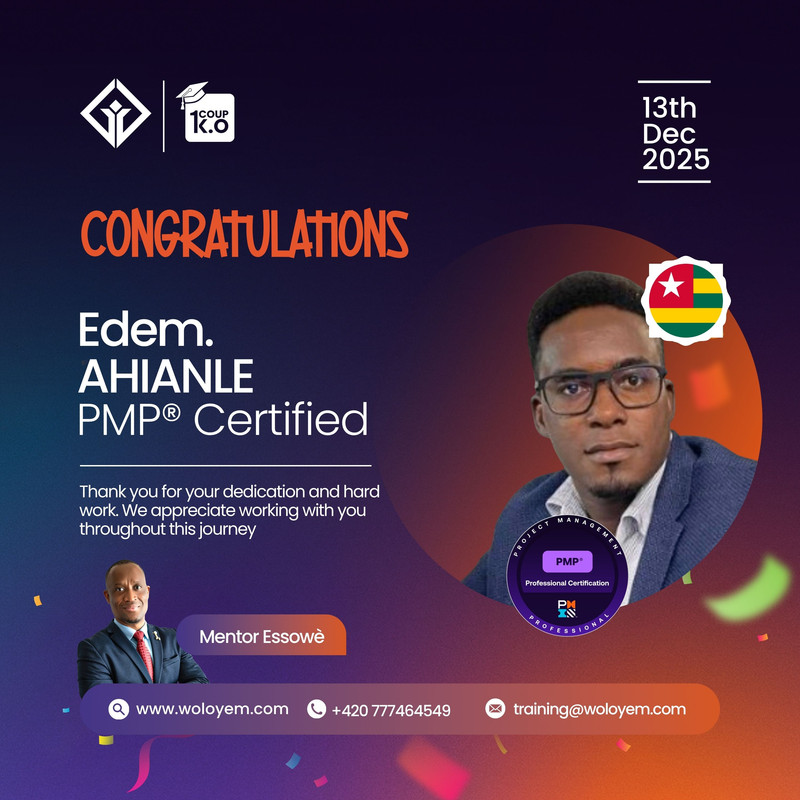
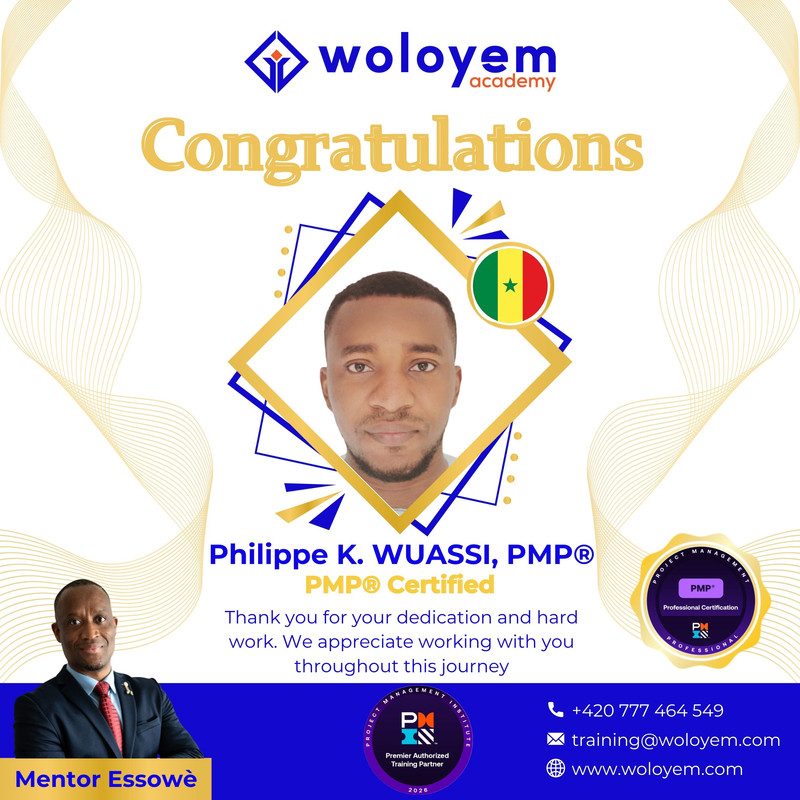
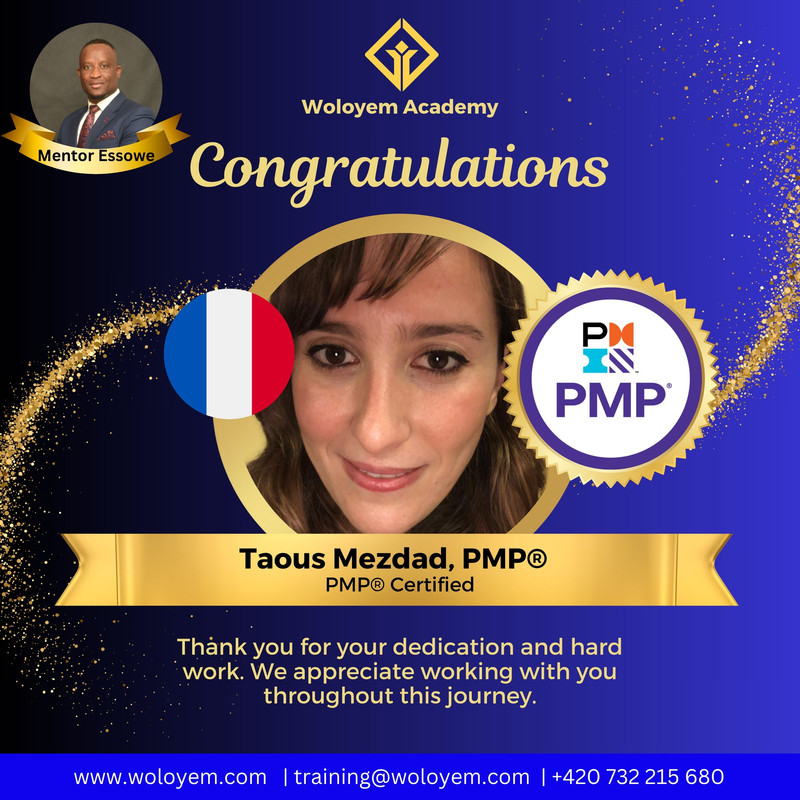
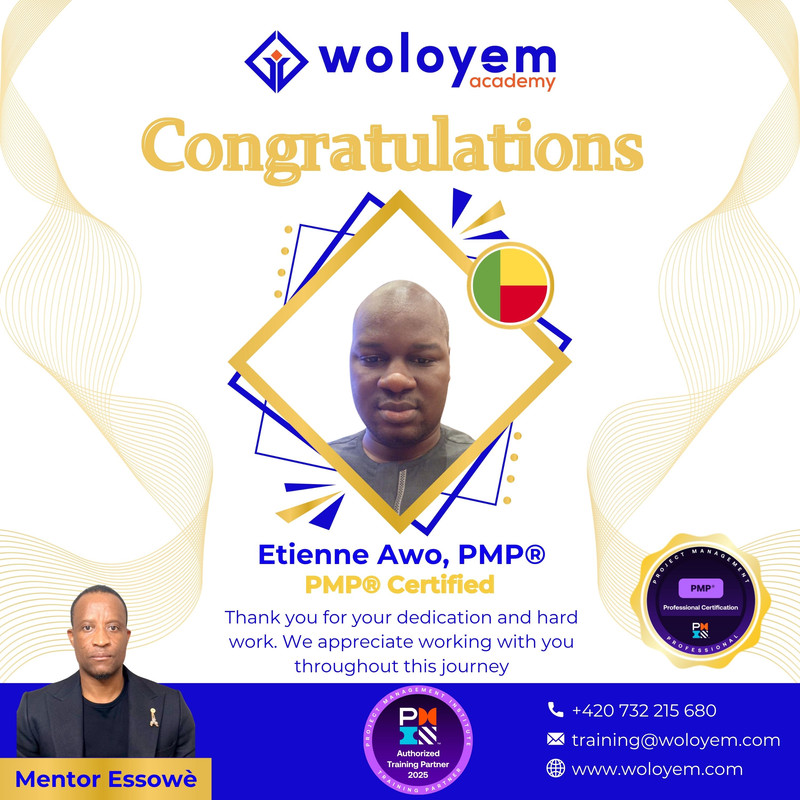
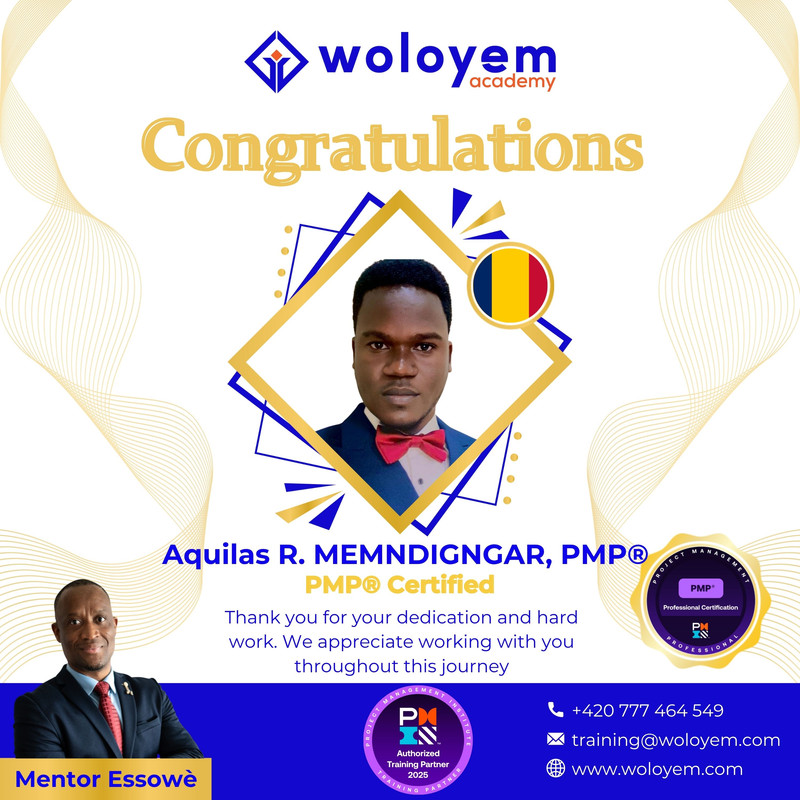
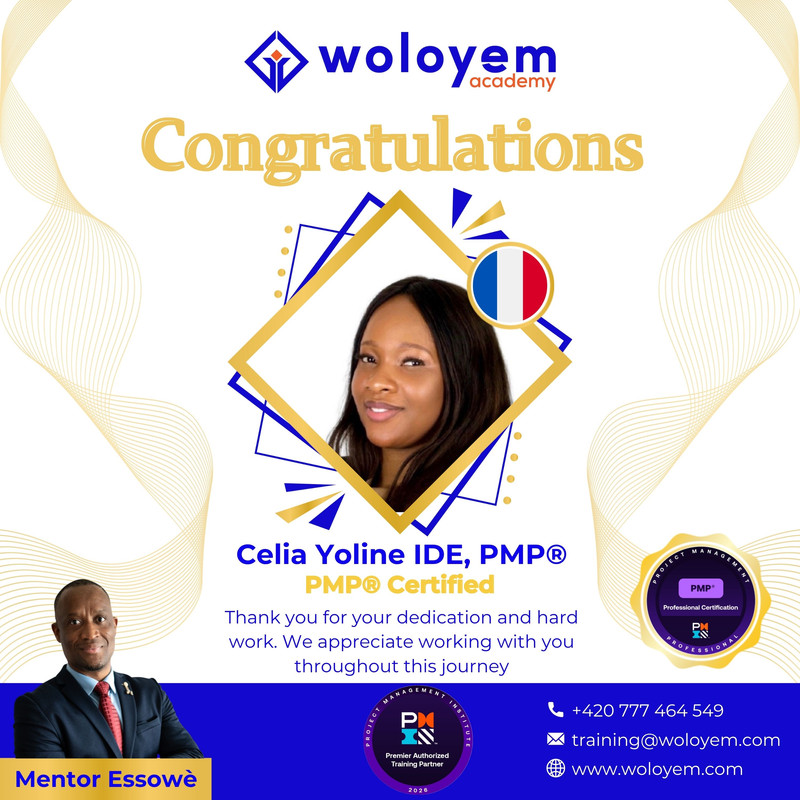
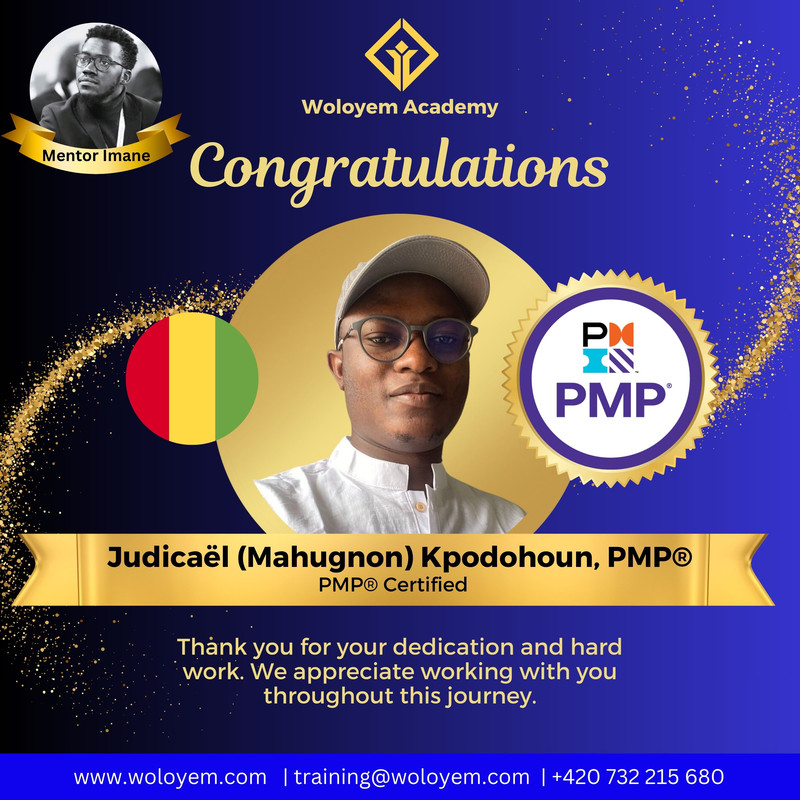
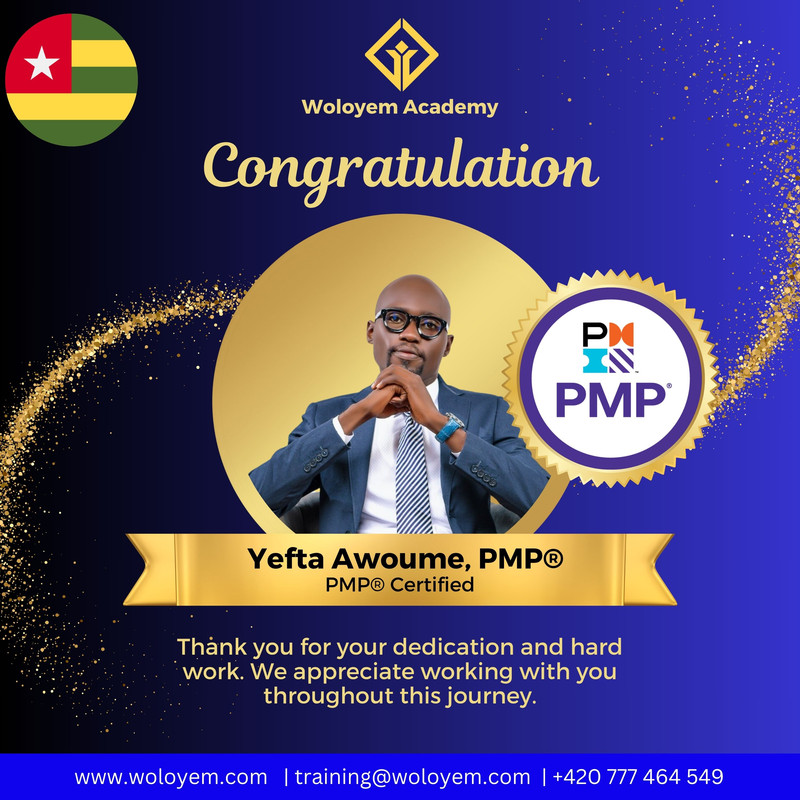
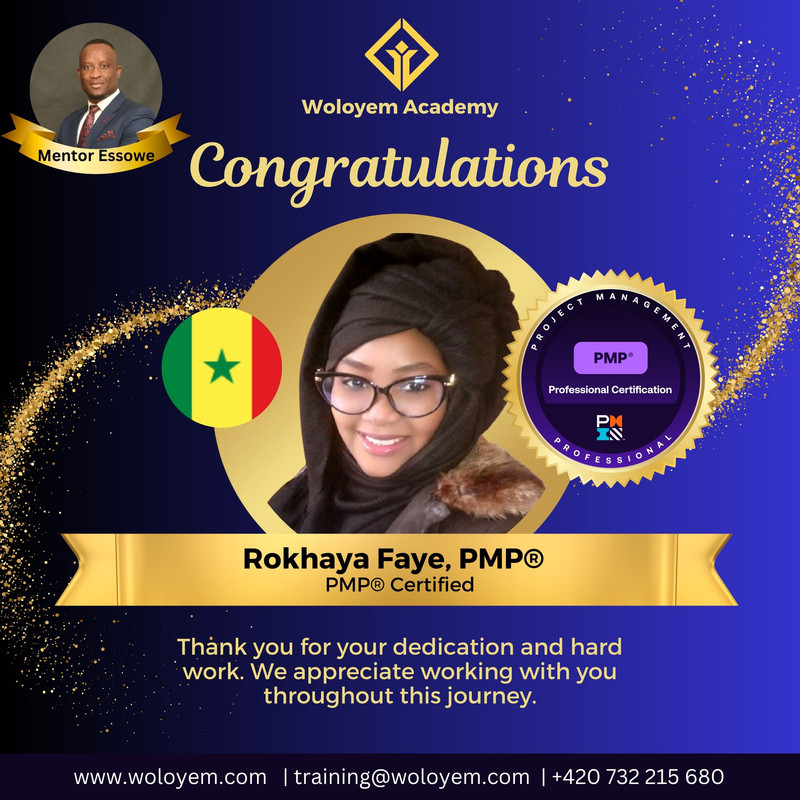
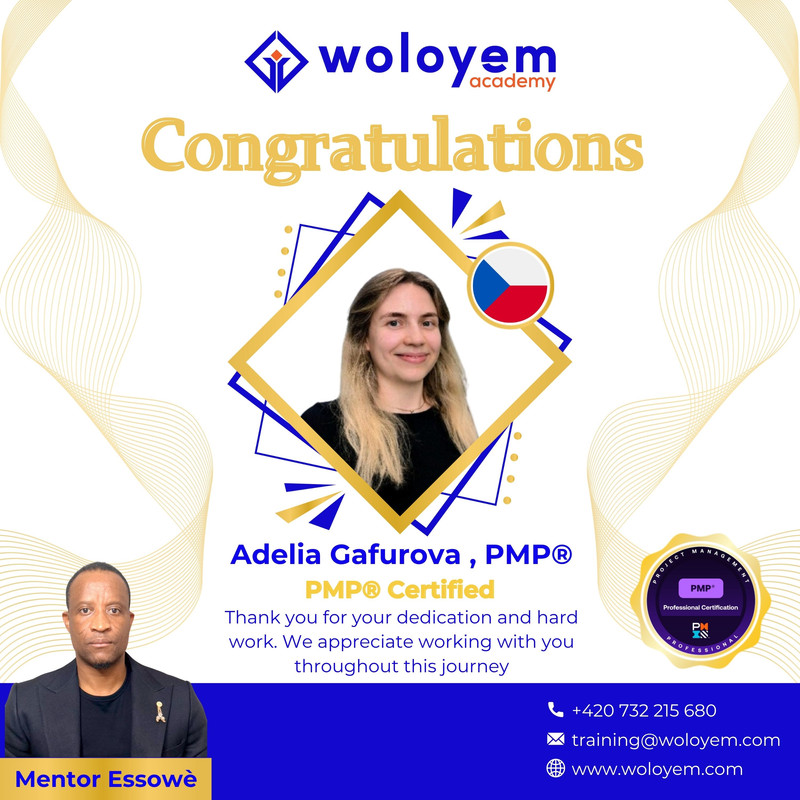
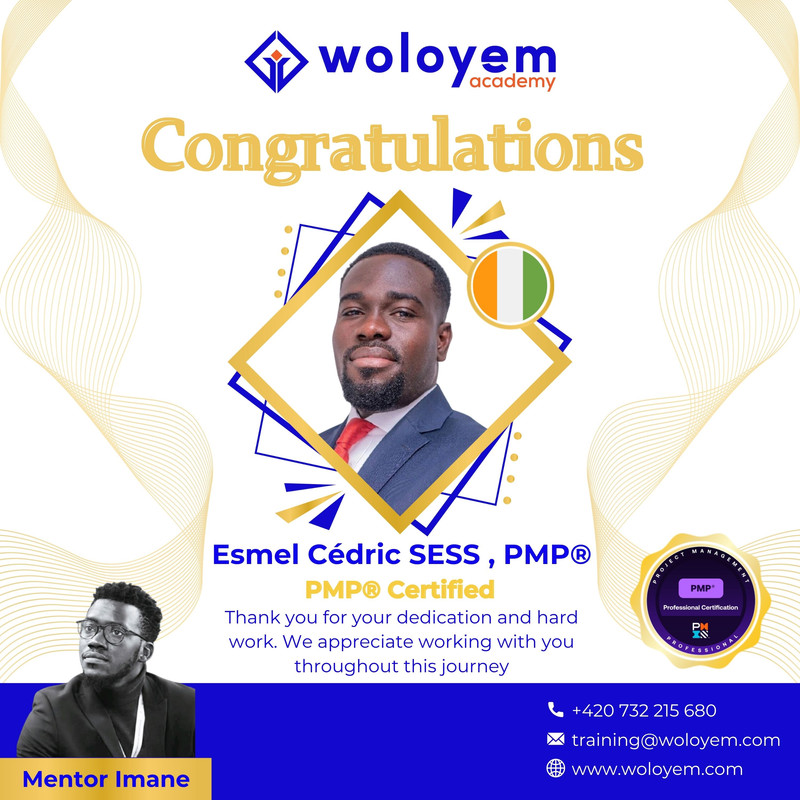
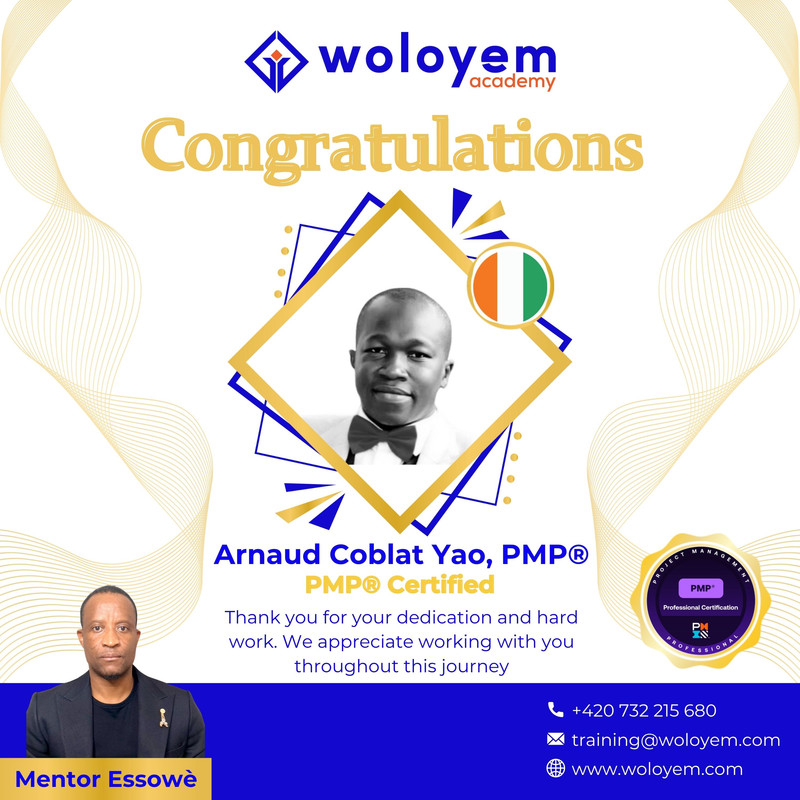
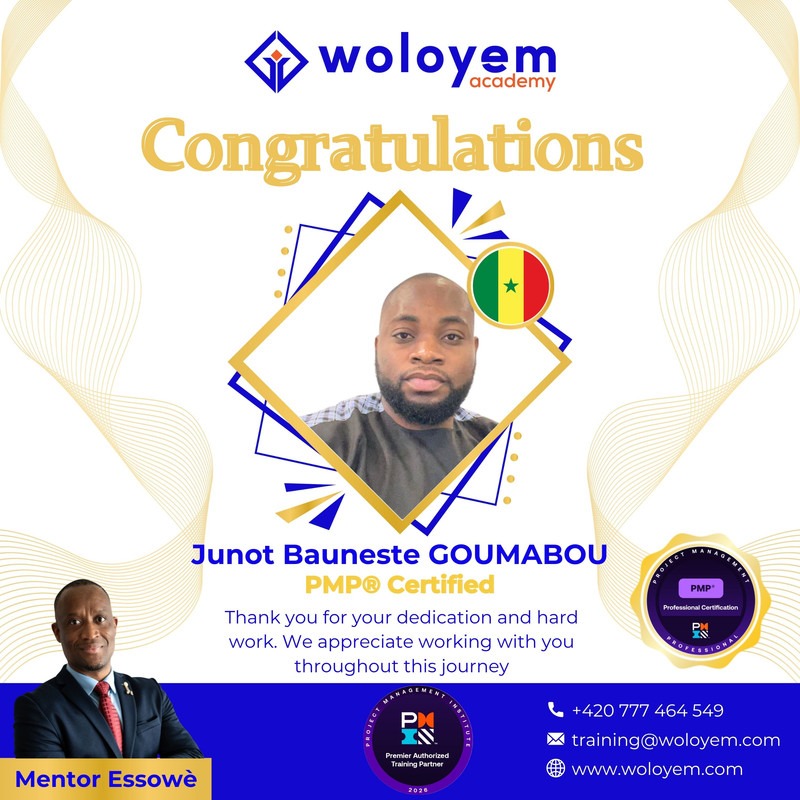
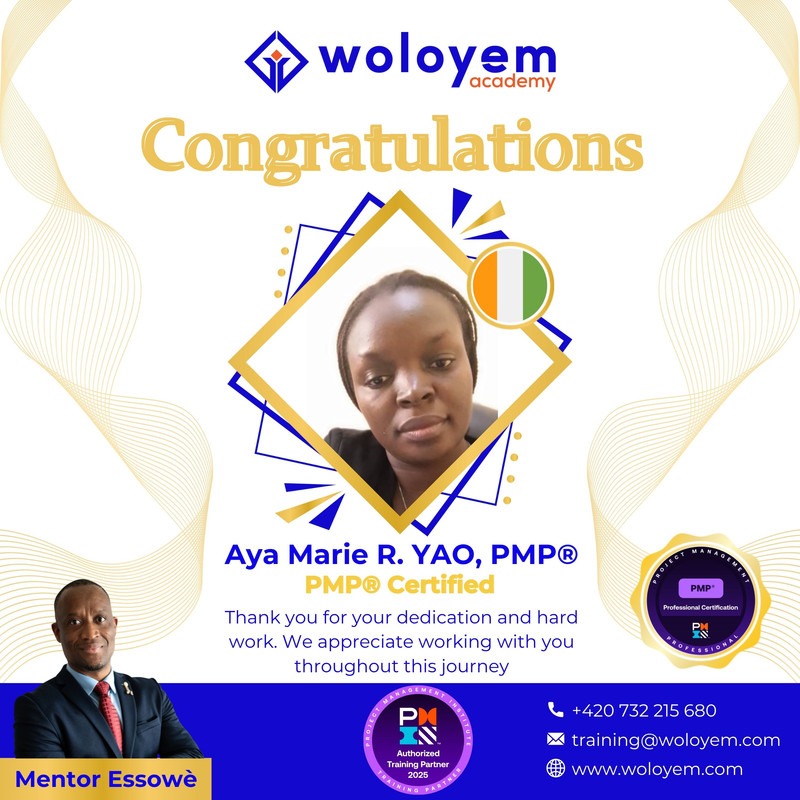
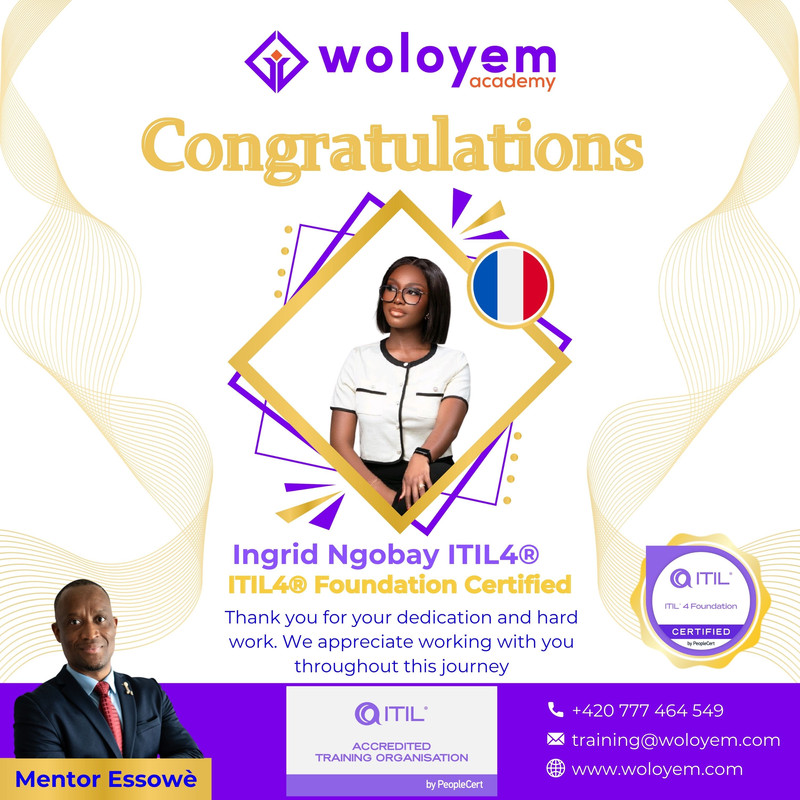
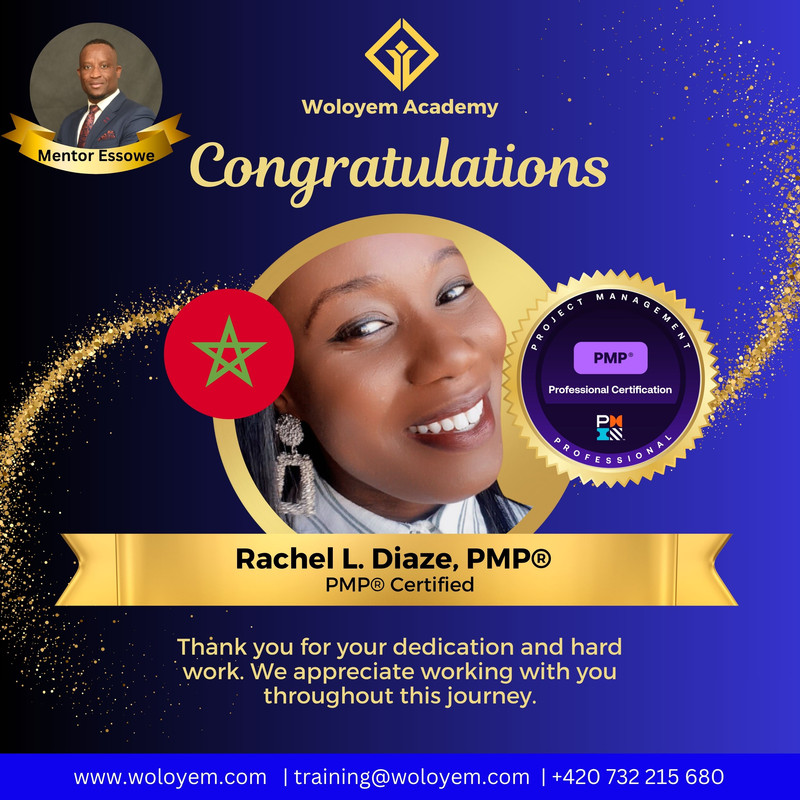
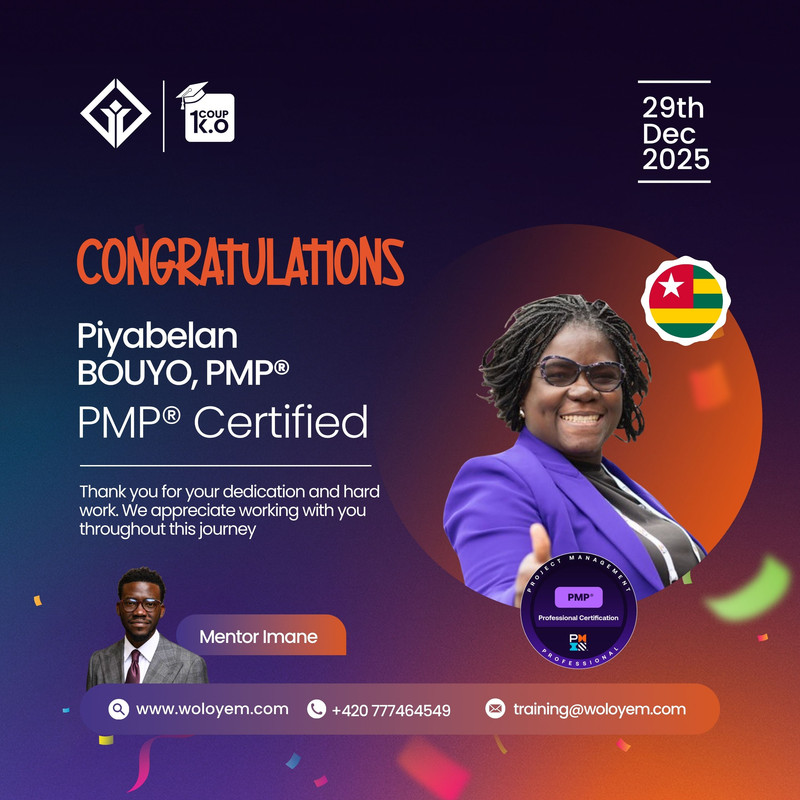
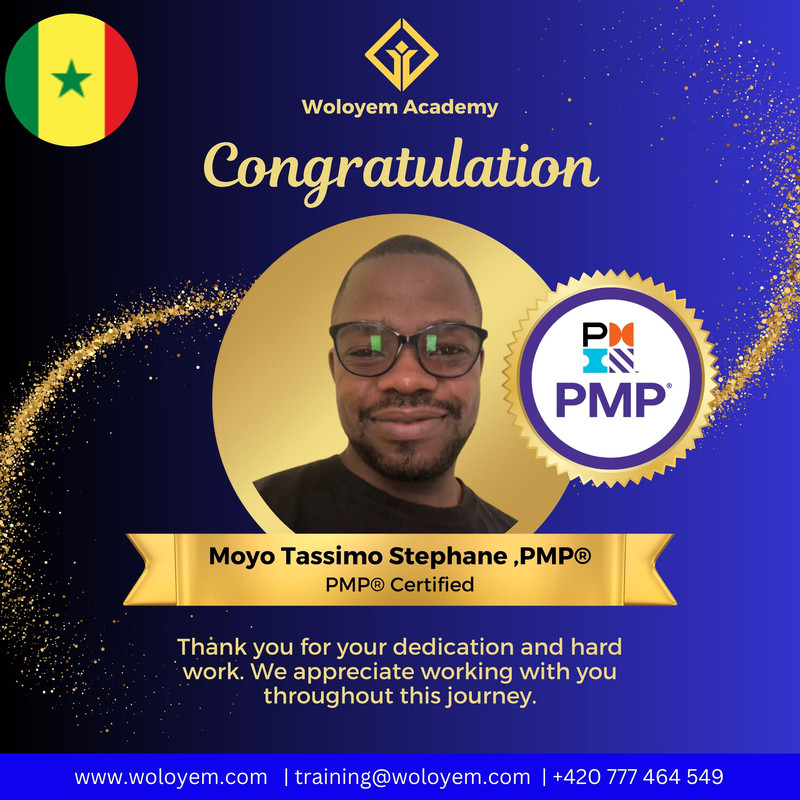
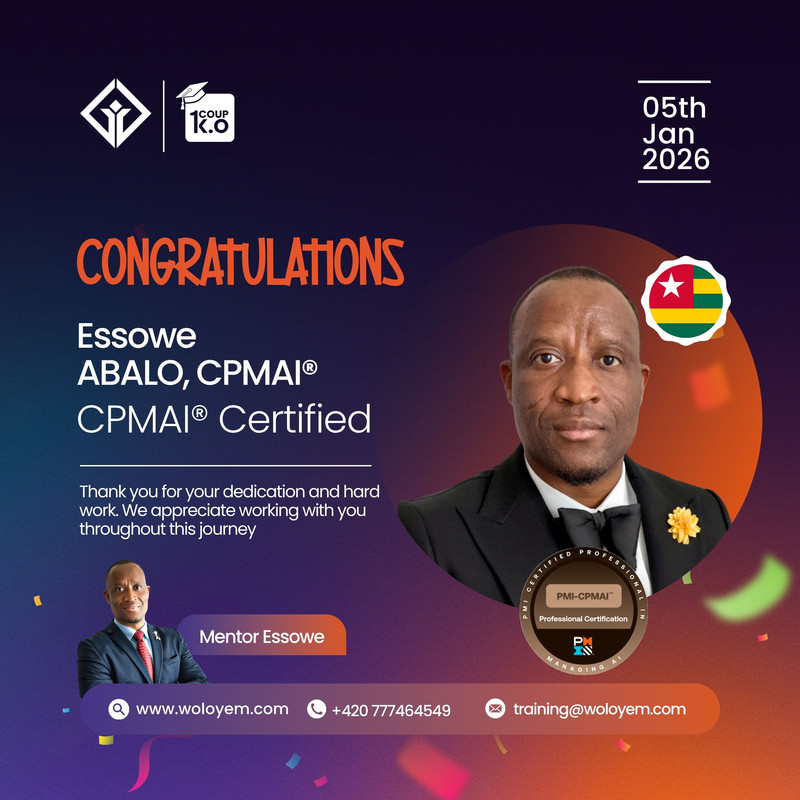
Our successes
.jpg)
.jpg)
.jpg)
.jpg)
.jpg)
.jpg)
.jpg)
.jpg)
.jpg)
.jpg)
.jpg)
.jpg)
.jpg)

.jpg)
Latest news from our blog
Courses
PREPARE EFFECTIVELY
Open PMP® Bootcamp
Pass your PMP certification in the upcoming session
ENROLL NOW