Key Takeaways
Table of Contents
I. The 2026 Project Management Landscape: Why Intentionality Matters
The 2026 market doesn't reward the "accidental" project manager anymore. Companies are looking for strategic leaders who can navigate complex, fast-moving environments. If you are researching how to become a project managerr, you must realize that the role has evolved into a critical bridge between high-level strategy and ground-level execution. This evolution is driven by a 33% projected growth in demand for these roles by 2026, creating roughly 22 million new positions globally. You are no longer just a task tracker; you are the driver of business value.
Mastery in 2026 means becoming a "Hybrid PM." It isn't enough to just know Scrum or understand Gantt charts. You need to seamlessly blend Agile and Waterfall methodologies to fit specific project needs. While AI is rapidly automating routine tasks like scheduling, resource allocation, and reporting, it's simultaneously elevating the value of human leadership. Soft skills like conflict resolution and emotional intelligence are now the primary differentiators for top-tier talent. This shift allows you to focus on high-level decision-making while the software handles the administrative burden.
A. The End of the Accidental Project Manager
B. Strategic Impact on Organizational Performance
II. Core Competencies: The 3 Pillars of a High-Performing PM
To truly understand how to become a project manager in 2026, you must look beyond basic task management. Success is built on three specific pillars: technical mastery, strategic business acumen, and leadership techniques. These aren't just buzzwords; they represent the "Power Skills" now mandated by global industry standards. While technical skills get you in the door, your ability to align projects with corporate strategy and lead diverse teams will determine your career ceiling. In an era where AI handles the routine, these human-centric competencies are your most valuable assets.
A. Technical Proficiency and Frameworks
Foundational knowledge starts with mastering Agile, Scrum, and Waterfall methodologies. However, modern PMs often work at the intersection of product delivery and operational stability. This makes Service Management Techniques Explained essential for those in IT-focused roles, as it provides a framework for managing the entire service lifecycle. You should also move beyond basic Gantt charts. High-performing PMs use RAID logs (Risks, Assumptions, Issues, and Dependencies) and Monte Carlo simulations to provide data-driven forecasts that stakeholders actually trust. These tools allow you to move from reactive fire-fighting to proactive strategic planning.
B. Leadership and Emotional Intelligence
Leadership is the primary differentiator for senior roles. In 2026, you'll likely manage global, remote teams across multiple time zones. Mastering Leadership Techniques allows you to maintain authority and team cohesion without being in the same room. You must handle conflict and stakeholder expectations with a proactive, execution-focused mindset. This involves emotional intelligence to navigate office politics and the strategic acumen to say "no" when a project doesn't align with the organizational "Why." If you're ready to move from theory to execution, consider joining our practical project management masterclass to sharpen these competencies.
The second pillar, strategic business acumen, requires you to understand how your project impacts the bottom line. You aren't just delivering a product; you're delivering a business outcome. This means you need to speak the language of finance, marketing, and operations. When you can demonstrate how a project reduces risk or increases productivity, you stop being a cost center and start being a strategic partner. This holistic view is what separates a junior coordinator from a high-performing project leader who can command a six-figure salary.
III. The Certification Roadmap: Choosing Your Entry Point
Certification isn't just a badge on your LinkedIn profile; it's a financial lever. Research indicates that 76% of companies prefer hiring candidates with globally recognized credentials. If you're mapping out how to become a project manager, your first decision is which credential will yield the highest return on investment. Certified professionals often see significant salary bumps compared to their non-certified peers, with median salaries in the United States now reaching approximately $102,320. Choosing the right entry point depends entirely on your current experience level and target market.
A. Starting with CAPM® and Foundations
If you have zero formal experience leading projects, the Certified Associate in Project Management (CAPM) is your essential starting point. To be eligible, you only need a high school diploma and 23 contact hours of project management education. As of July 2026, the exam fee is $225 for PMI members and $300 for non-members. This CAPM Certification serves as a career catalyst, proving to recruiters that you understand the fundamental language of the profession. It provides a structured path to bridge the gap between your current role and your first PM position.
B. Mastering the Professional Standards (PMP and PRINCE2)
For those with at least three years of experience leading projects, the Project Management Professional (PMP) is the strategic choice. It's a rigorous process that requires documenting 36 months of project leadership if you have a four-year degree. While the PMP is dominant in North America, PRINCE2 Certification is often the preferred standard in the UK and for organizations requiring highly structured governance. PRINCE2 focuses on process-driven delivery, making it ideal for government and large-scale infrastructure projects.
Selecting the right training partner is just as important as the certification itself. At WOLOYEM, we've designed our expert-led bootcamps to move beyond rote memorization. We focus on execution-focused training that ensures first-time exam success while preparing you for real-world leadership. Whether you're pursuing the PMP or PRINCE2, our curriculum is built to position you as a premium industry leader. Don't leave your career progression to chance; choose a roadmap that aligns with your specific market goals and organizational needs.
IV. Building and Documenting Real-World Experience
One of the biggest hurdles how to become a project manager is the "experience gap." You might feel you lack the credentials because your current job title isn't "Project Manager." However, most professionals are already executing project work without realizing it. The key is identifying "Shadow Projects" like process improvements, product launches, or event coordination and documenting them through a professional lens. Bridging this gap requires a tactical approach to how you record and present your history.
A. Translating Your Current Role to PM Language
A marketing manager launching a campaign or an engineer leading a site inspection is already performing project management. The difficulty lies in translation. When writing experience descriptions for your CV or a PMI audit, you must use Strategic Project Management Techniques to frame your work. Focus on how you defined requirements, managed resource constraints, and ensured quality standards. This professional framing transforms a standard job description into a high-impact PM portfolio that passes through modern Applicant Tracking Systems (ATS).
B. Gaining Practical Experience Through Training
If you lack direct hands-on opportunities in your current role, simulation is your best tool. Woloyem’s practical project management courses allow you to work through real-world scenarios, creating actual project artifacts like Project Charters, Work Breakdown Structures (WBS), and Risk Registers. These documents become your physical portfolio. They prove to employers that you can handle the technical requirements of the role from day one. I've seen many students bridge the experience gap by simply showing they know how to build a RAID log or a communication plan during the interview process.
Ready to build a portfolio that commands attention? Join our Practical Project Management Masterclass and start creating the artifacts that will land you your first PM role.
V. Landing the Role: From Candidate to Strategic Leader
A. Nailing the Project Management Interview
B. Your Continuous Growth Plan
VI. Accelerate Your Path to Strategic Leadership
VII. Frequently Asked Questions
Do I need a degree to become a project manager in 2026?
How long does it take to become a project manager?
Can I become a project manager with no experience?
What is the best certification for a beginner PM?
How much do project managers earn in 2026?
Is project management a stressful career?
What tools should a new project manager learn first?
How do I transition from a technical role to project management?
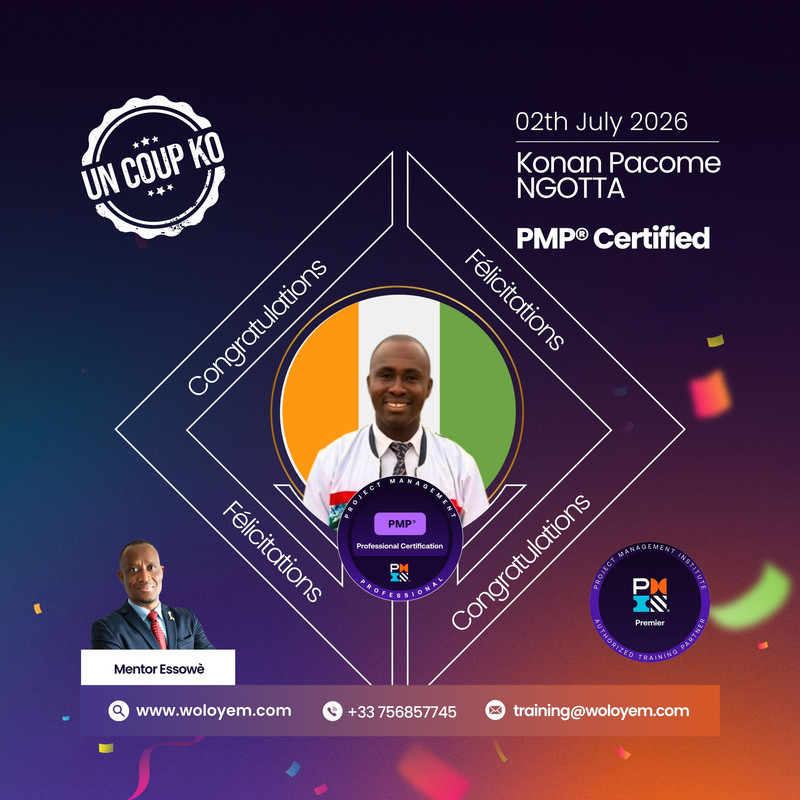
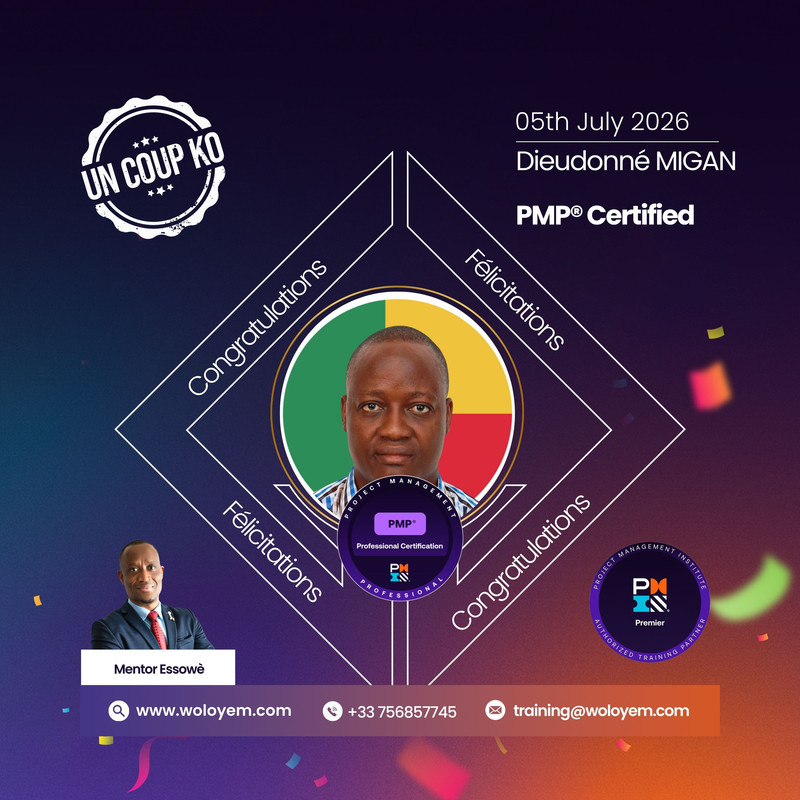
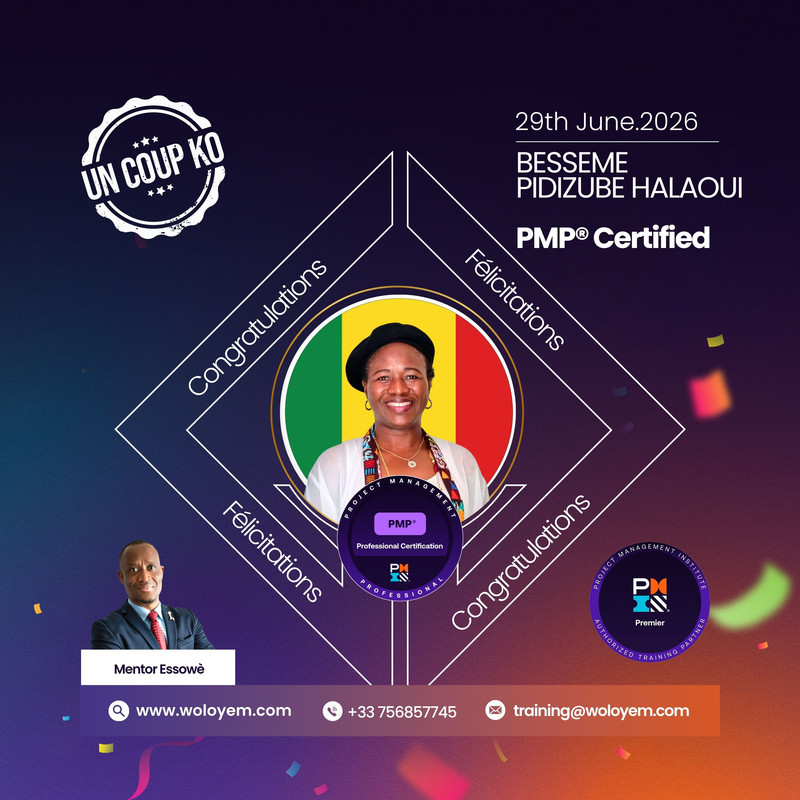
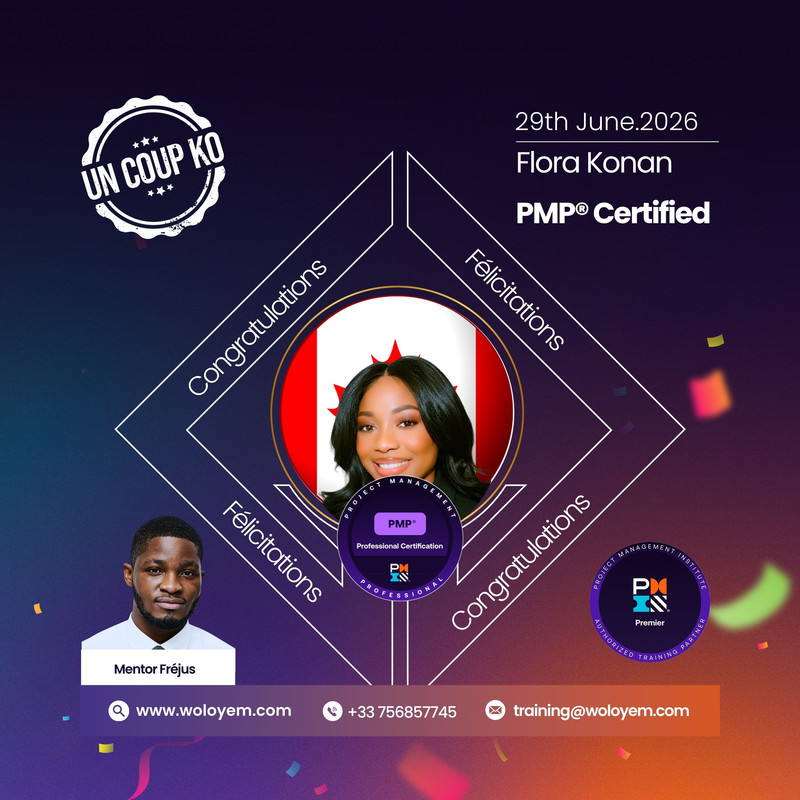
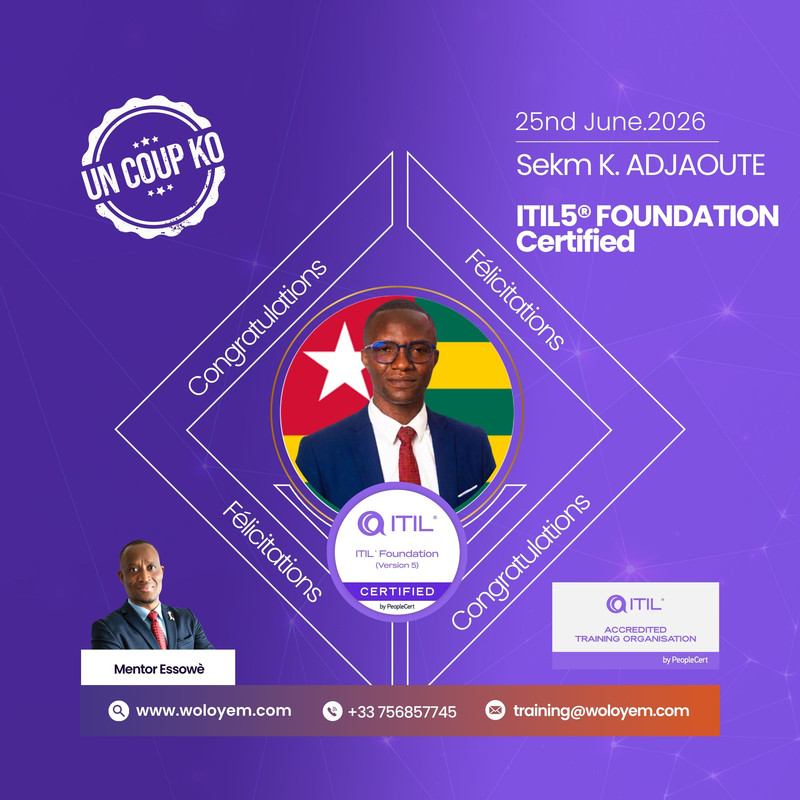
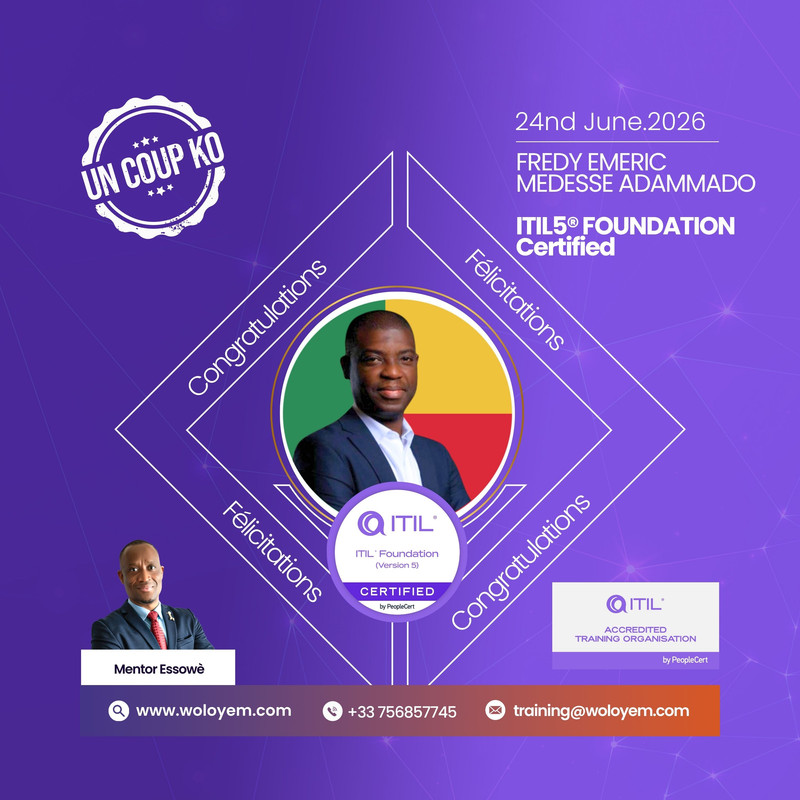
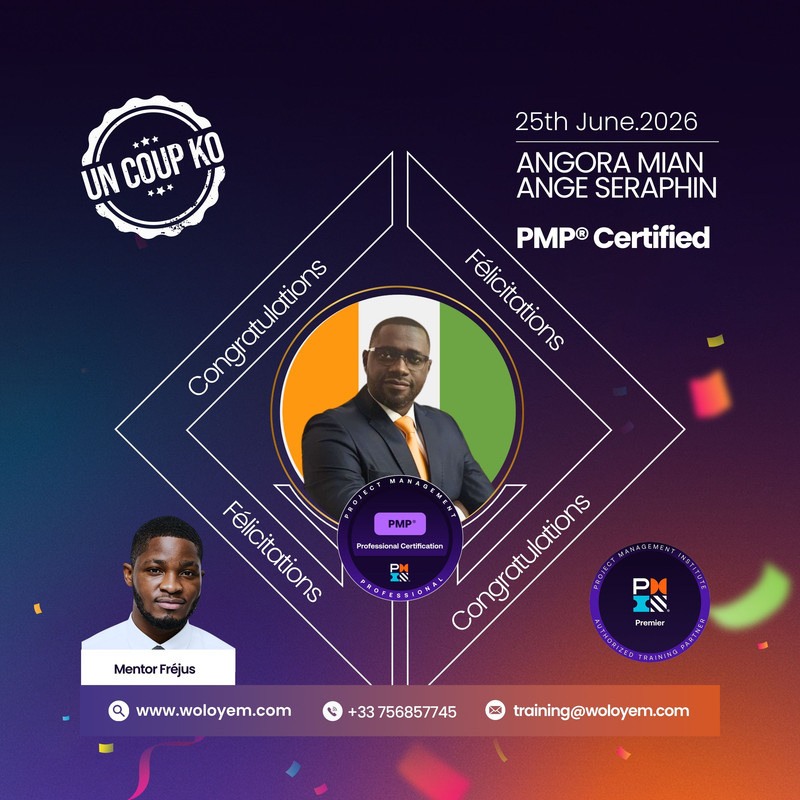
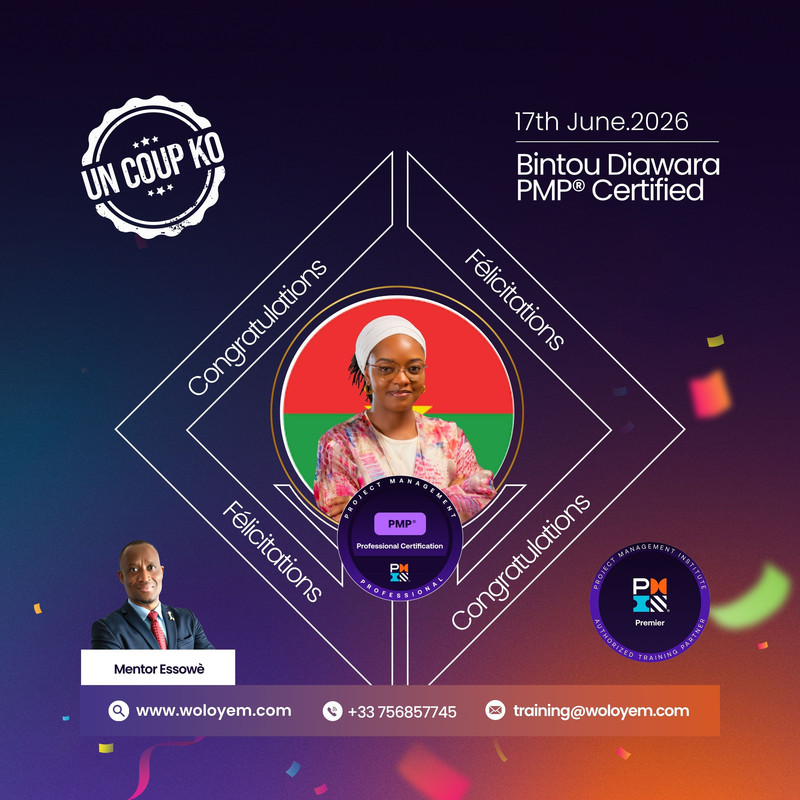
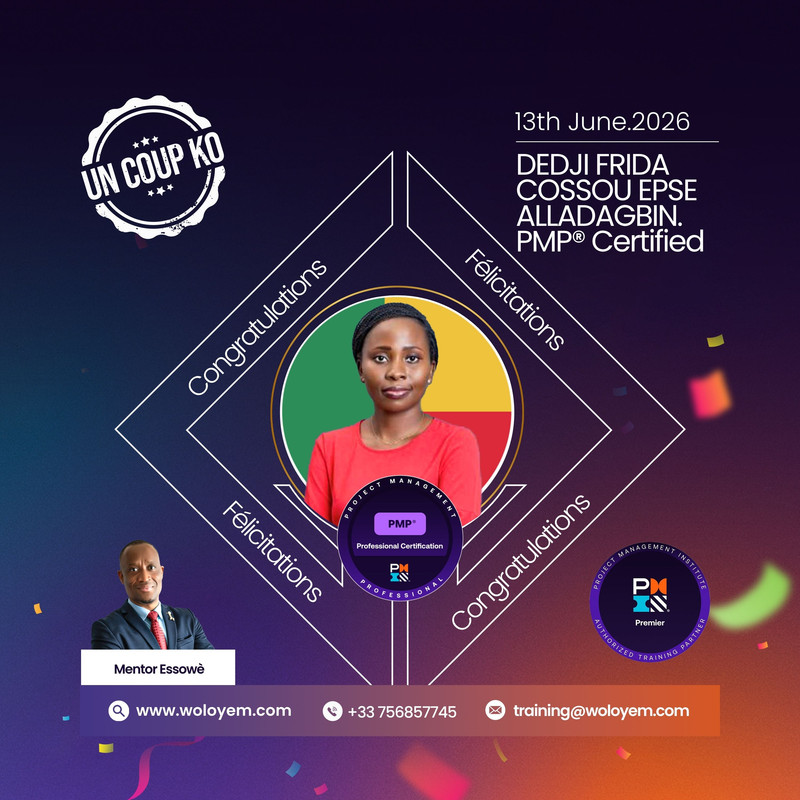
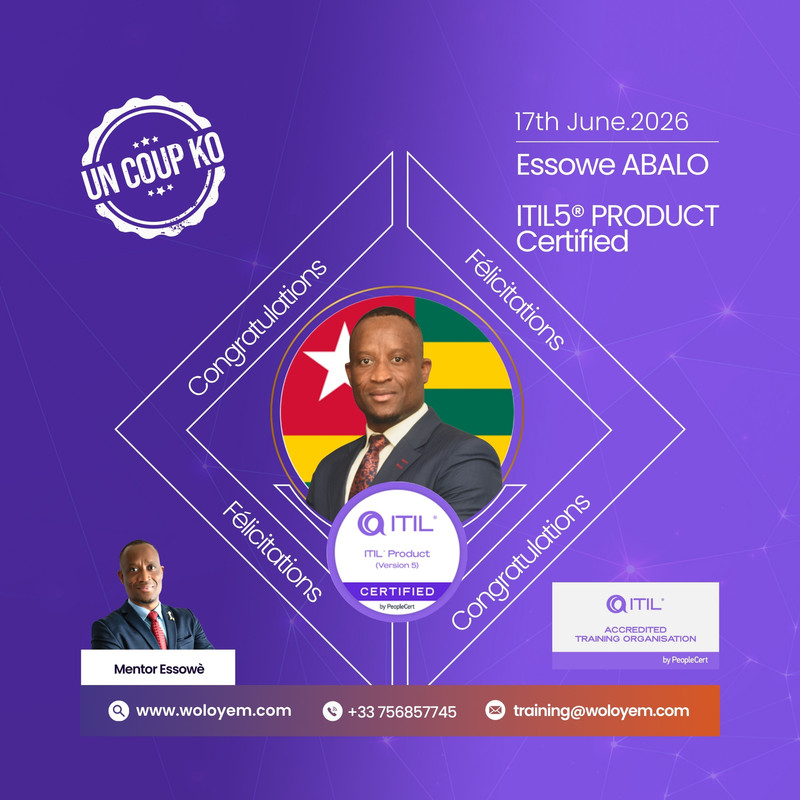
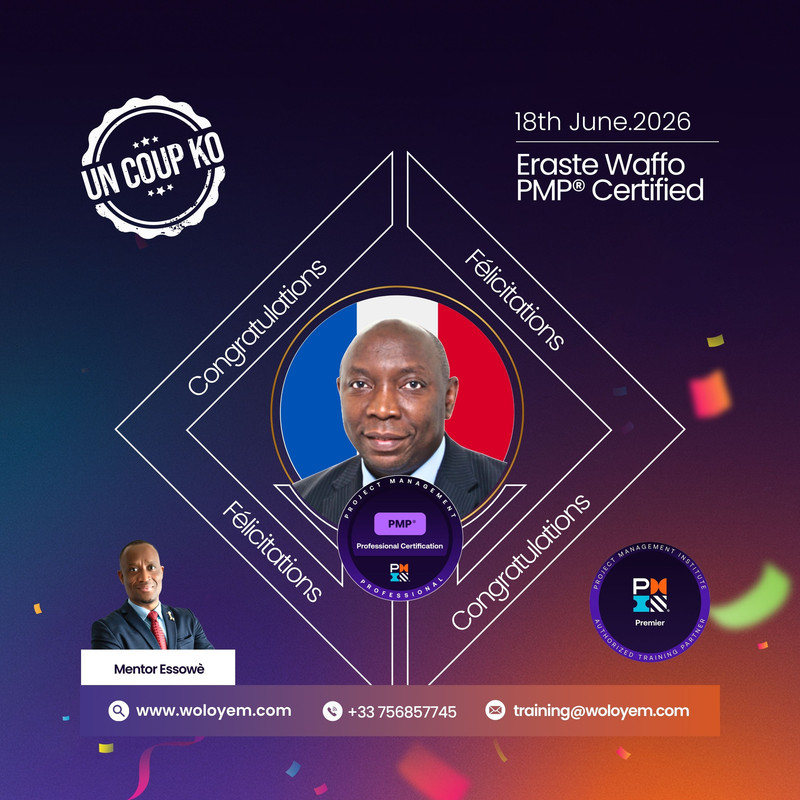
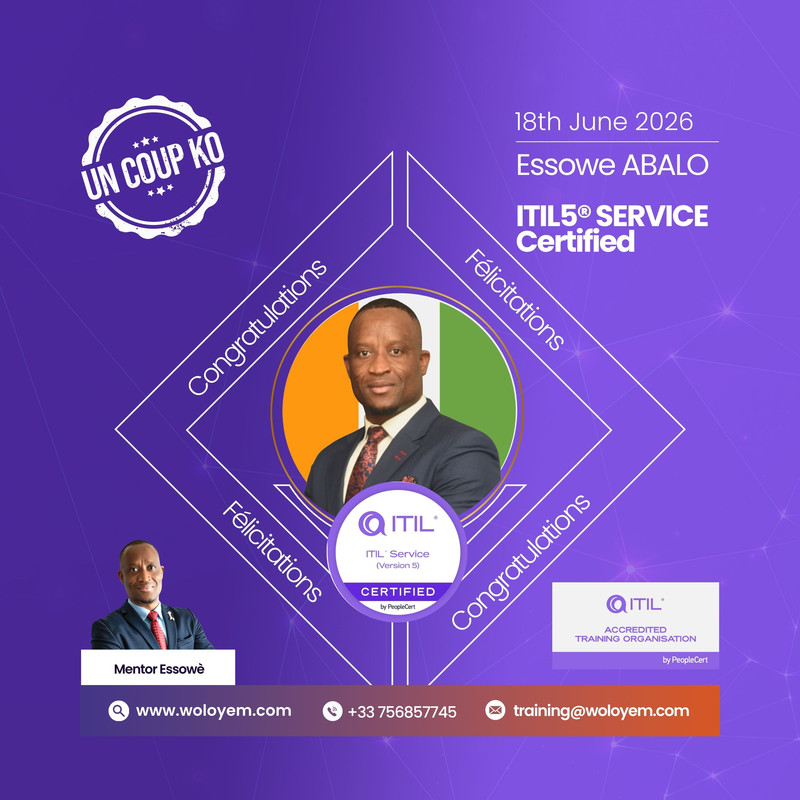
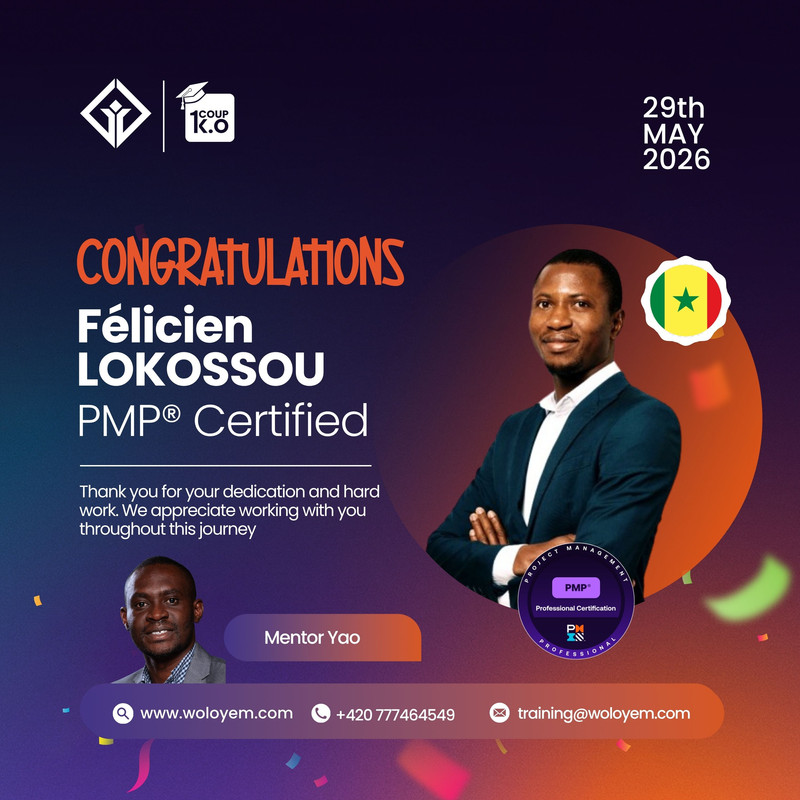
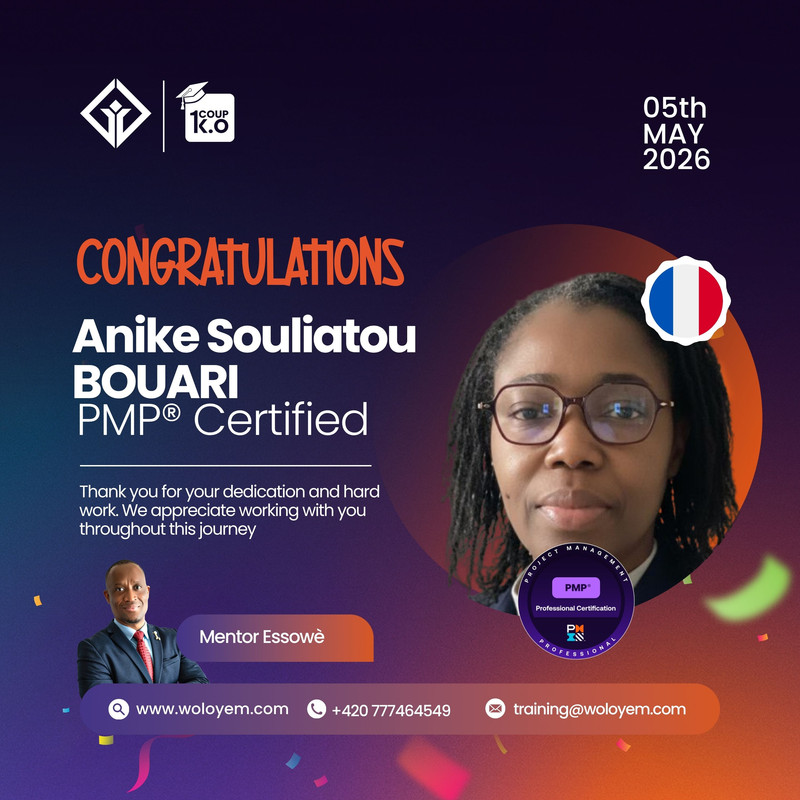
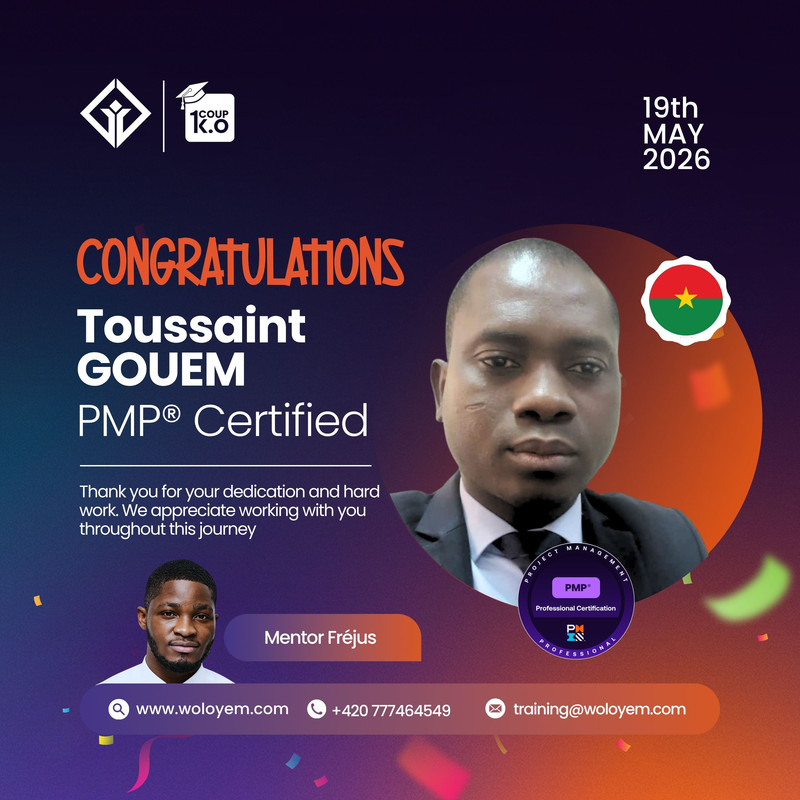
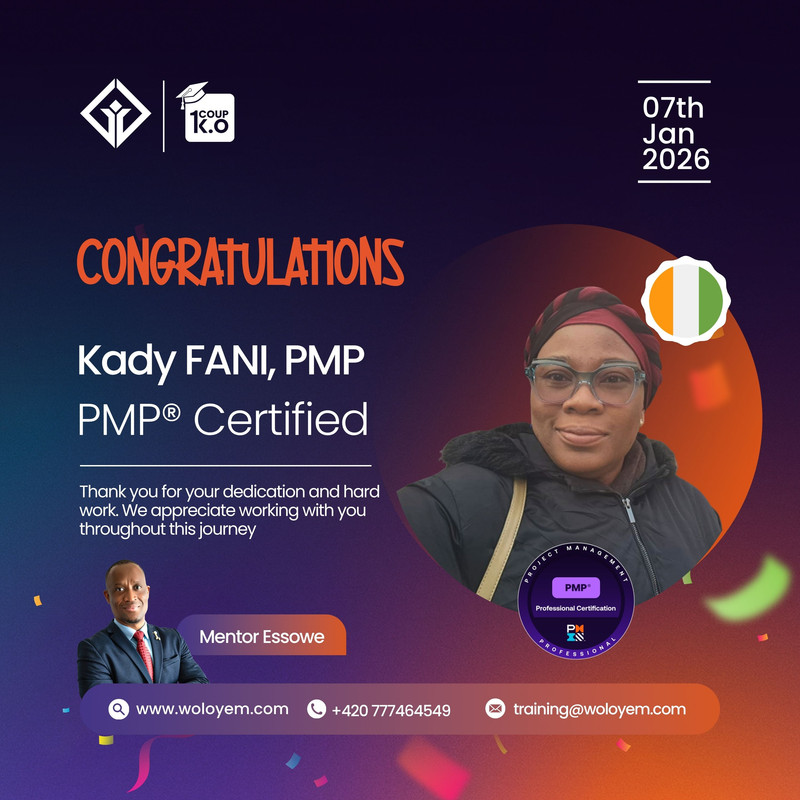
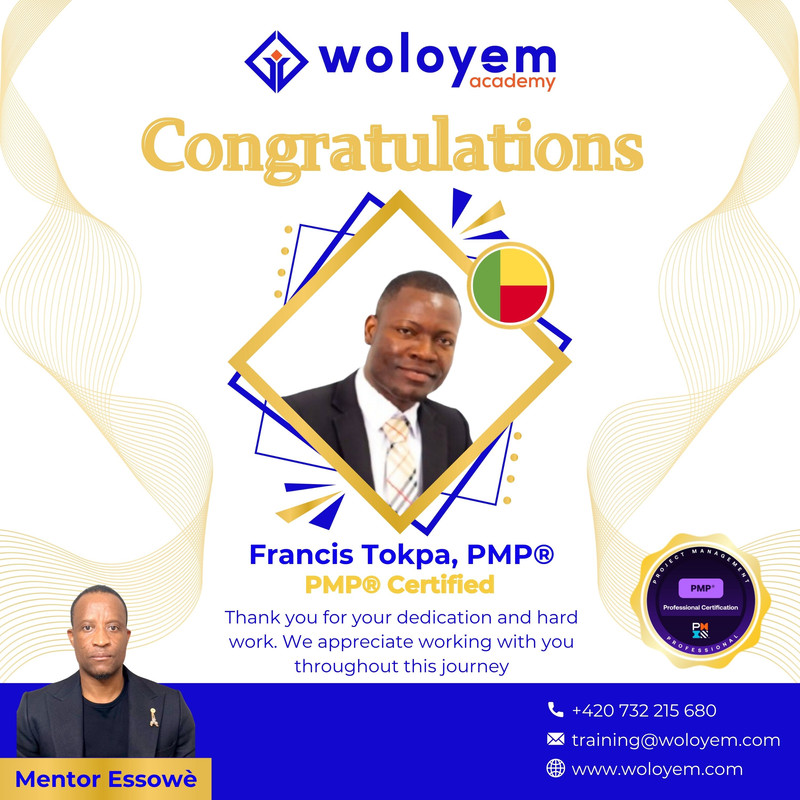
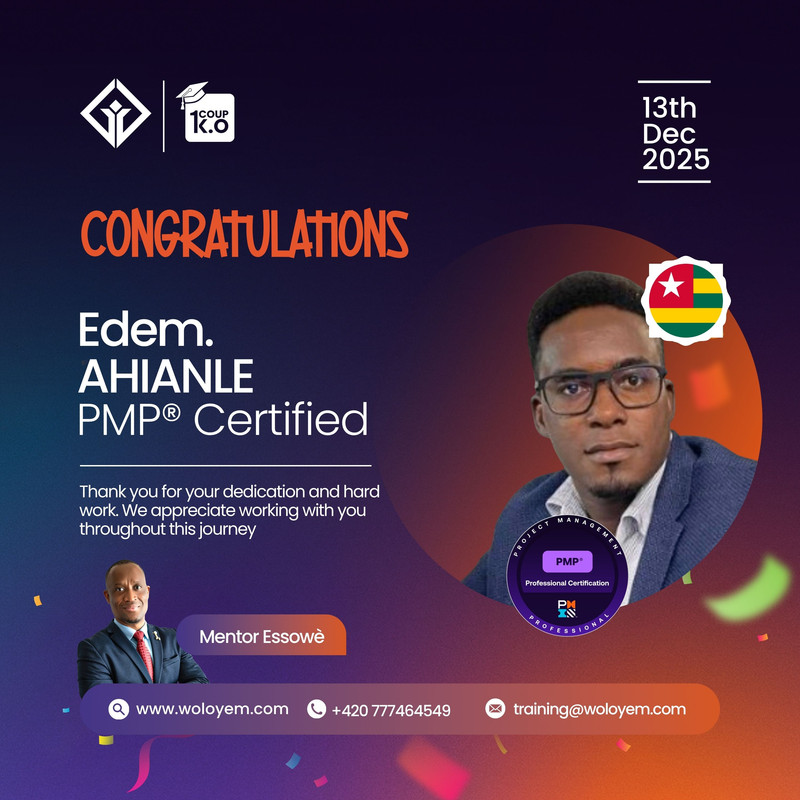
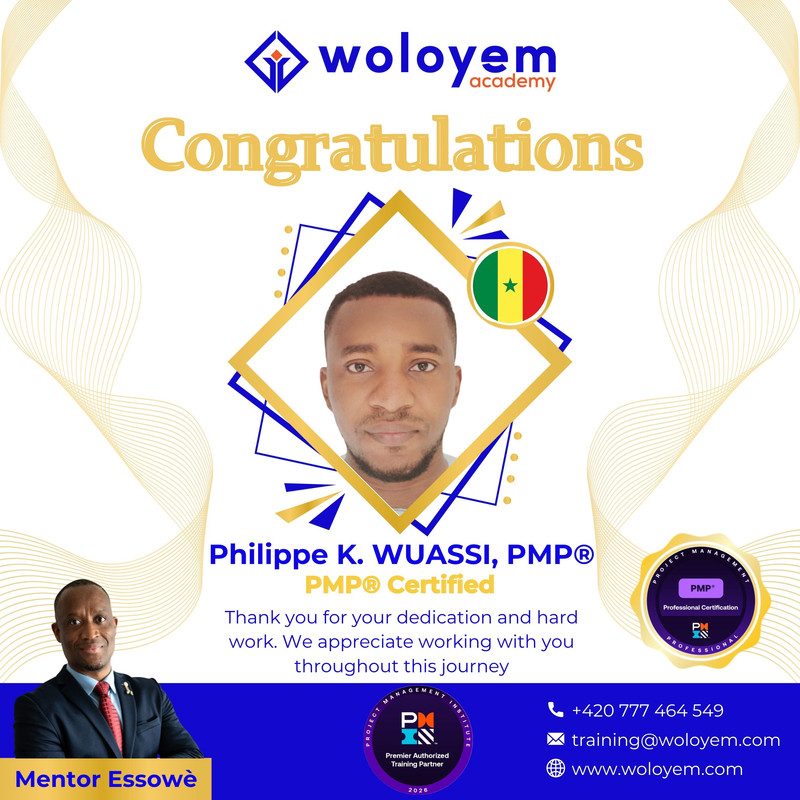
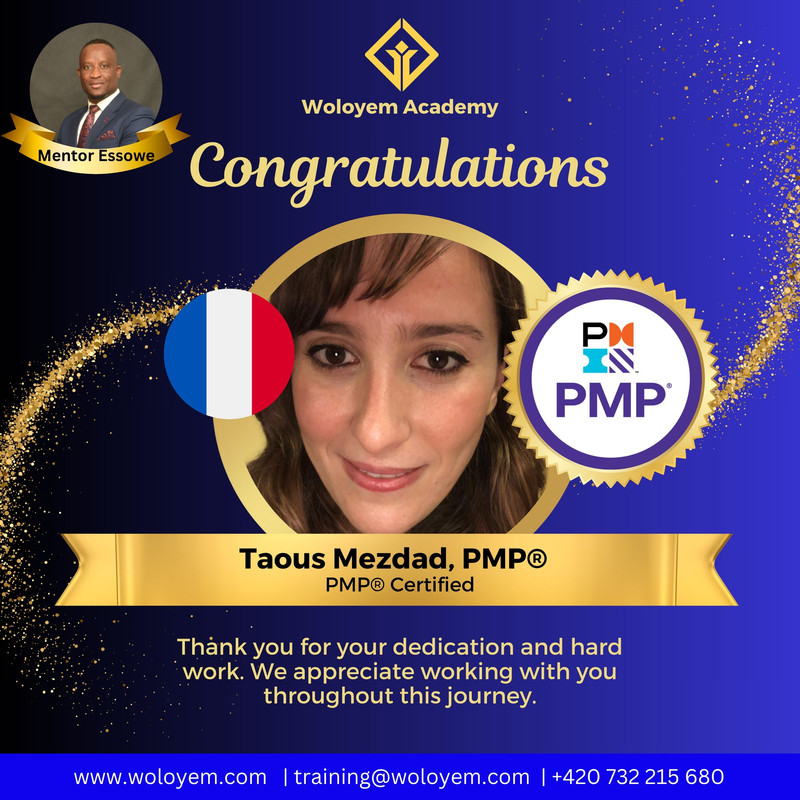
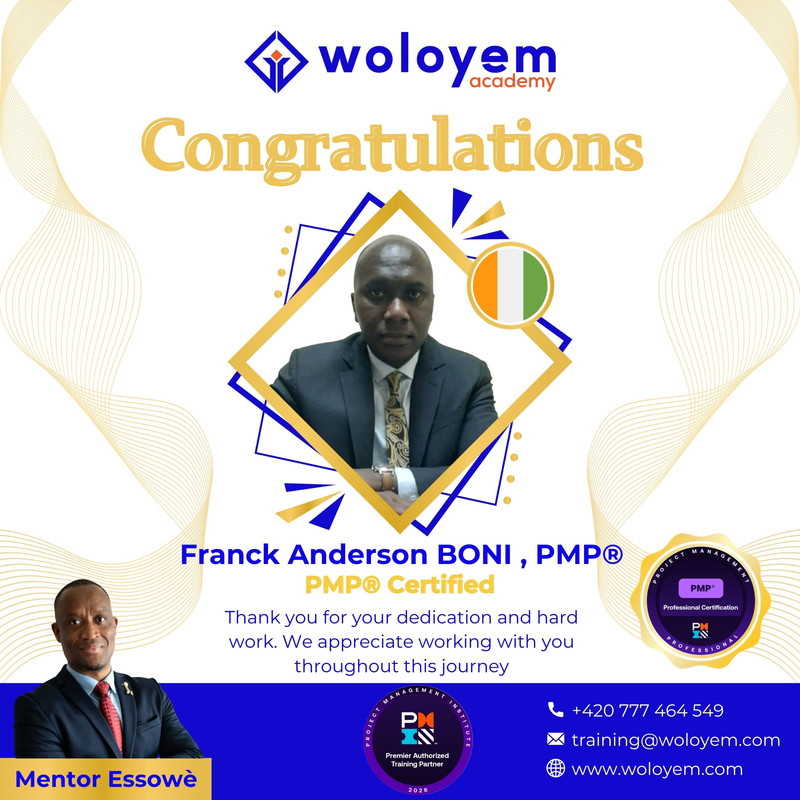
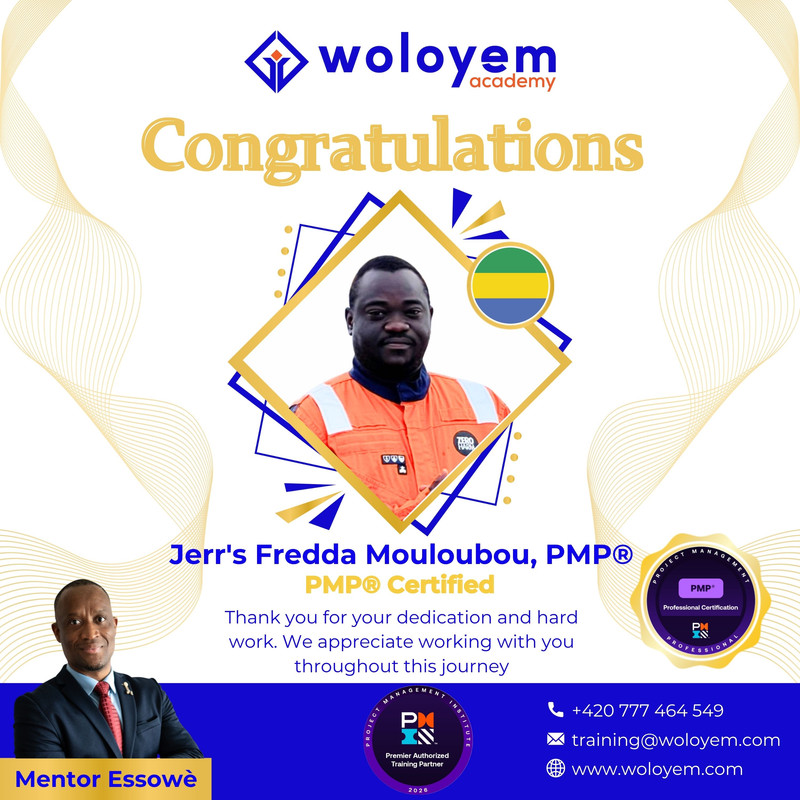
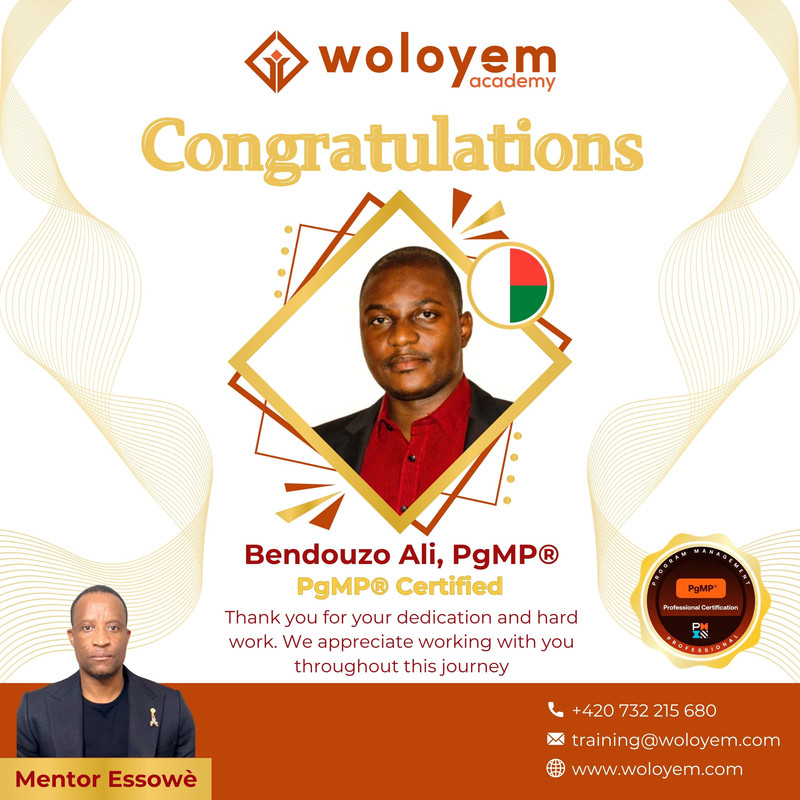
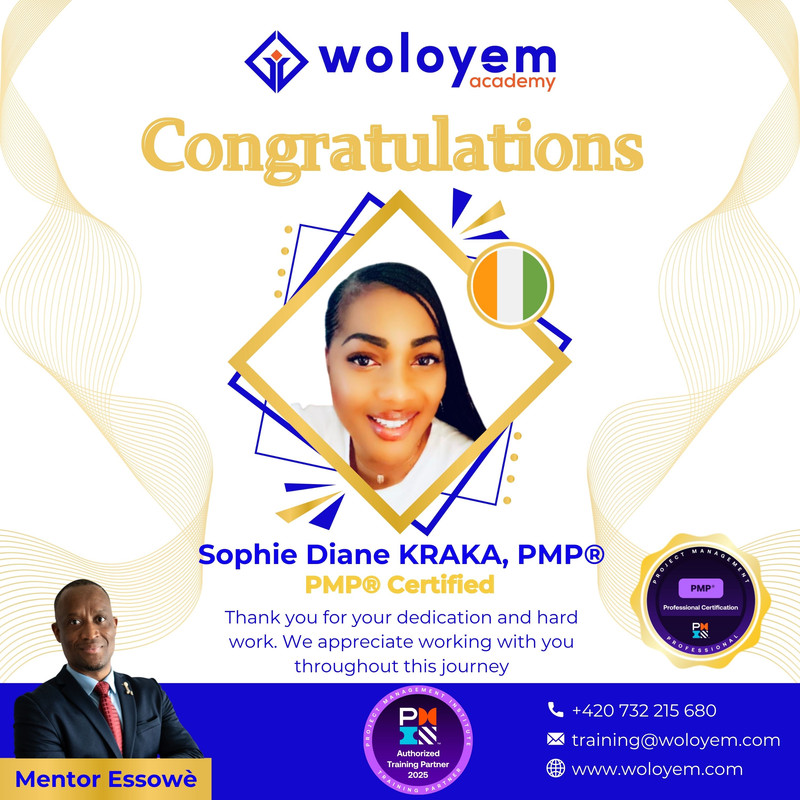
Our successes
.jpg)
.jpg)
.jpg)
.jpg)
.jpg)
.jpg)
.jpg)
.jpg)
.jpg)
.jpg)
.jpg)
.jpg)
.jpg)
.jpg)
Latest news from our blog
Courses
PREPARE EFFECTIVELY
Open PMP® Bootcamp
Pass your PMP certification in the upcoming session
ENROLL NOW