
Key Takeaways
Table of Contents
I. The Project Management Certification Dilemma: CAPM vs PMP
Choosing between CAPM vs PMP often feels like a career crossroads. We see many professionals paralyzed by the fear of choosing an undervalued certification or misinterpreting eligibility rules. In 2026, the stakes are higher. Organizations no longer just look for a certificate; they look for a specific level of strategic maturity. Whether you are seeking your first role or aiming for a senior leadership position, your choice must align with your documented experience rather than just your aspirations.
A.The Direct Answer: Quick Comparison for 2026
B. Why Certification Matters for Modern Leadership
II. CAPM: The Strategic Foundation for Entry-Level Leaders
We often encounter professionals who feel trapped in technical or administrative roles because they lack a formal leadership title. The Certified Associate in Project Management (CAPM) solves this dilemma by validating your expertise before you have the years of experience required for the PMP. It's a strategic move for anyone who wants to prove they understand global standards without waiting three to five years to qualify for higher-level credentials. Eligibility is straightforward: you only need a secondary degree and 23 contact hours of formal project management education.
The 2026 version of the exam is a rigorous three-hour test consisting of 150 questions. It reflects the modern reality of the field, moving far beyond simple terminology. As CAPM Vs. PMP comparisons often highlight, the CAPM is no longer just a "junior" certificate; it's a comprehensive assessment of a professional's ability to contribute to complex project teams. For a deeper dive into the specific steps to begin this journey, you can read our CAPM Ultimate Guide.
A. Who Should Choose CAPM First?
Recent university graduates and career changers find the CAPM particularly valuable. If you're moving from a non-PM background, this certification provides the vocabulary and framework needed to speak the language of leadership. Junior coordinators who have worked on projects but haven't officially "led" them use this to formalize their knowledge. It's also an excellent fit for technical specialists, such as software developers or engineers, who want to transition into management roles. By earning this credential, you demonstrate a proactive commitment to the discipline that sets you apart from peers who rely solely on on-the-job learning.
B. Mastering the CAPM Exam Content
The current syllabus focuses on four distinct domains that every entry-level leader must master. Business Analysis is a major component, accounting for 27% of the exam. This shift reflects the industry's need for project team members who can identify business needs and manage requirements effectively. Agile and Adaptive frameworks now represent 24% of the content, ensuring you're prepared for the fast-paced environments common in digital transformation projects.
To succeed, you should use the Project Management Triangle as a study anchor to understand how scope, time, and cost interact within different methodologies. While we don't handle exam administration, we provide the practical leadership techniques necessary to apply these theoretical concepts in real-world scenarios. If you're looking to sharpen your skills, we invite you to explore our project management blog for the latest industry updates and study tips.
III. PMP: The Gold Standard for Professional Project Managers
The Project Management Professional (PMP) credential is the ultimate goal for those who've moved beyond entry-level roles. While the CAPM validates your understanding of the framework, the PMP proves you've applied it successfully in the field. To qualify, you must document 36 months of unique project leadership if you hold a four-year degree, or 60 months if you have a secondary degree. This requirement is non-negotiable and forms the backbone of the credential's prestige.
Beyond experience, you need 35 contact hours of formal project management education. We recommend working with providers who focus on the practical application of these standards. The current exam structure is divided into three critical domains: People (42%), Process (50%), and Business Environment (8%). This distribution ensures that a PMP holder can manage not just the schedule, but the human and strategic elements of a project. As noted in various CAPM vs. PMP comparisons, the PMP is a significant investment that leads to a median salary of approximately $135,000 in the US.
A. Defining "Leading and Directing" for the PMP Application
Many applicants struggle to define their experience, especially in non-traditional environments like marketing or healthcare. "Leading and directing" doesn't require the job title of "Project Manager." It means you were responsible for the project's outcomes, managed the budget, or led the team through the lifecycle. One of the most effective ways to document this is by referencing a WBS (Work Breakdown Structure). This demonstrates to PMI that you used formal project management techniques to organize your work.
Common mistakes that trigger audits include overlapping project dates or using overly generic descriptions. You must show that you managed unique efforts with defined start and end dates. If you're unsure about your eligibility, our PMP Bootcamp options include guidance on how to frame your experience to meet PMI's strict standards.
B. The Complexity of the PMP Exam
The PMP exam is notoriously difficult because it moves beyond memorization. You won't just be asked to define a term; you'll be placed in a scenario where two stakeholders are in conflict and you must choose the best leadership response. It requires a "Manager mindset" rooted in leadership ethics and situational judgment. It's not about what you would do, but what the PMI framework dictates is the most effective path forward.
In 2026, the exam heavily emphasizes a hybrid reality, blending Agile and Waterfall methodologies. We design our masterclasses to reflect this complexity. We help you transition from thinking like a team member to thinking like a strategic leader who delivers value under pressure. This approach ensures you're prepared for the 180 questions you'll face during the 230-minute exam.
IV. Strategic Comparison: CAPM vs PMP Side-by-Side
Choosing between CAPM vs PMP is a financial and temporal calculation. While many guides focus only on the difficulty, they often miss the "Fast-Track" synergy between these two credentials. If you hold an active CAPM certification, PMI waives the 35-hour project management education requirement for the PMP. This allows you to jump straight into PMP preparation once you've gained the necessary leadership experience. It's a strategic way to build your resume while working toward the gold standard.
A. The Financial and Time Investment
The cost difference reflects the professional level of each credential. For PMI members, the CAPM exam fee is $225, while non-members pay $300. The PMP requires a larger investment; $405 for members and $555 for non-members. You should also factor in the annual membership fee of $139, which often pays for itself through reduced exam costs. We've found that candidates who join PMI early benefit from the community resources and lower retake fees if needed.
Study commitments also vary significantly. Most successful CAPM candidates spend 50 to 100 hours preparing for the 150-question exam. In contrast, PMP candidates often dedicate 150 to 300 hours to master the 180 questions and situational scenarios. Maintenance is another long-term factor. You must earn 15 PDUs every three years to keep your CAPM active, whereas the PMP requires 60 PDUs in the same timeframe.
B. Career Trajectory: Junior vs. Senior Roles
Your certification often dictates the job titles you can realistically target. CAPM holders typically find success in roles like Project Coordinator, Assistant Project Manager, or Junior Project Manager. These positions allow you to apply corporate project management frameworks in a supporting capacity. It's the perfect stage to build the documented hours you'll eventually need for the PMP.
PMP holders operate at a different level. They occupy roles such as Senior Project Manager, Program Manager, or PMO Director. At this stage, your technical knowledge must be paired with advanced leadership techniques to manage cross-functional teams and high-stakes budgets. The ROI is clear: CAPM holders often see a salary uplift of $12,000 to $18,000 within a year, while PMP holders command a median salary of $135,000 in the US market.
If you're ready to make the leap to senior leadership, we can help you navigate the transition. We invite you to enroll in our PMP bootcamp to master the high-impact techniques needed for 2026 success.
V. Your 2026 Roadmap to Project Management Excellence
A. Combining Frameworks for Maximum Impact
B. How Woloyem Elevates Your Preparation
VI. Securing Your Leadership Future in 2026
VII. Frequently Asked Questions
Is the CAPM certification worth it in 2026?
Can I take the PMP exam without having the CAPM first?
How much project management experience do I need for the PMP?
Does the CAPM count as the 35 hours of education required for the PMP?
What is the salary difference between CAPM and PMP holders?
Which certification is better for IT professionals, CAPM or ITIL?
How long is the CAPM vs PMP exam?
Can I take both the CAPM and PMP exams online in 2026?
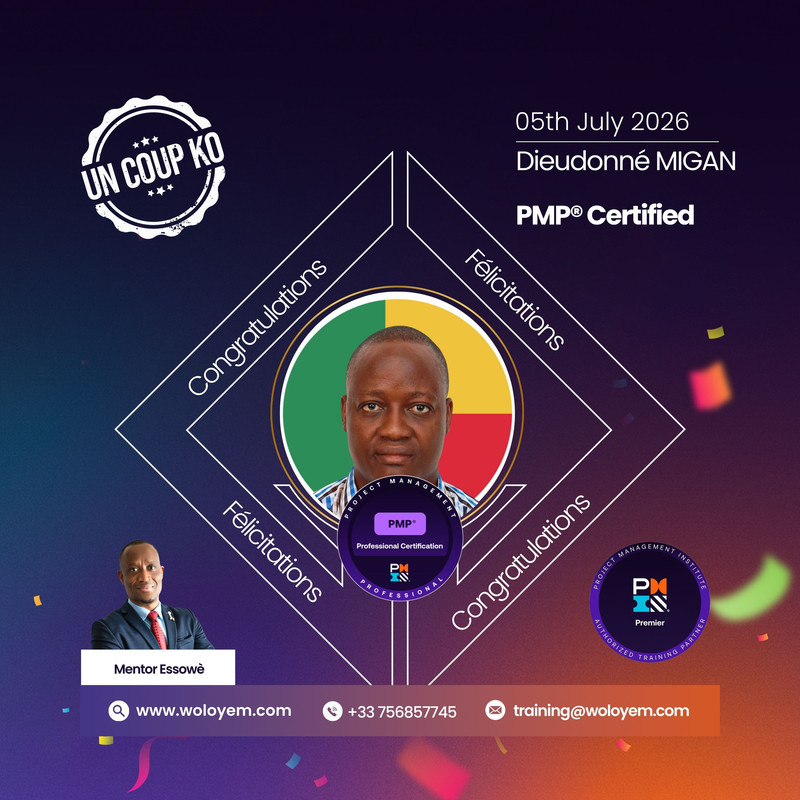
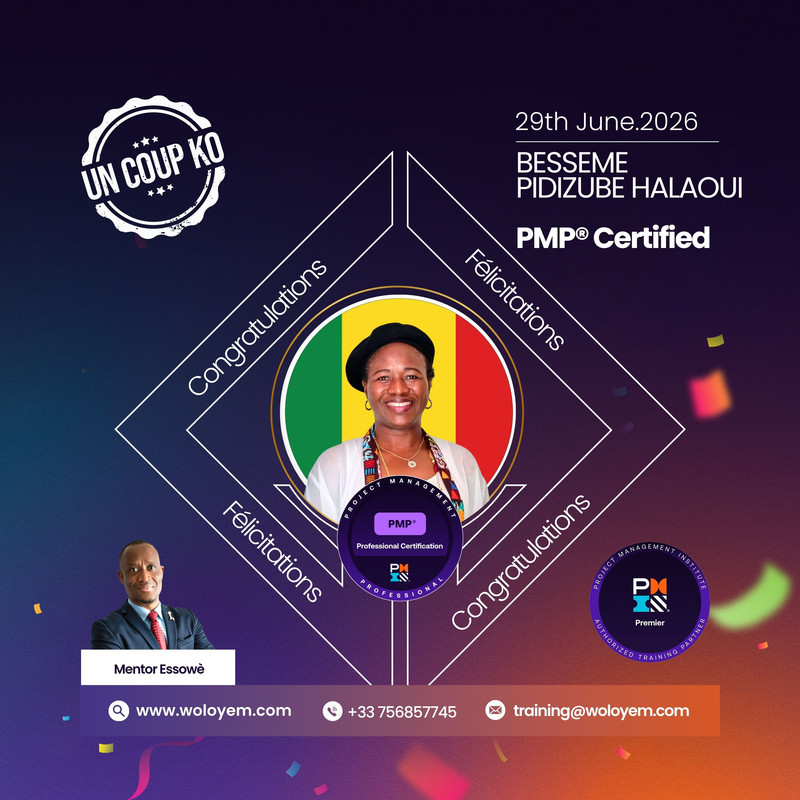
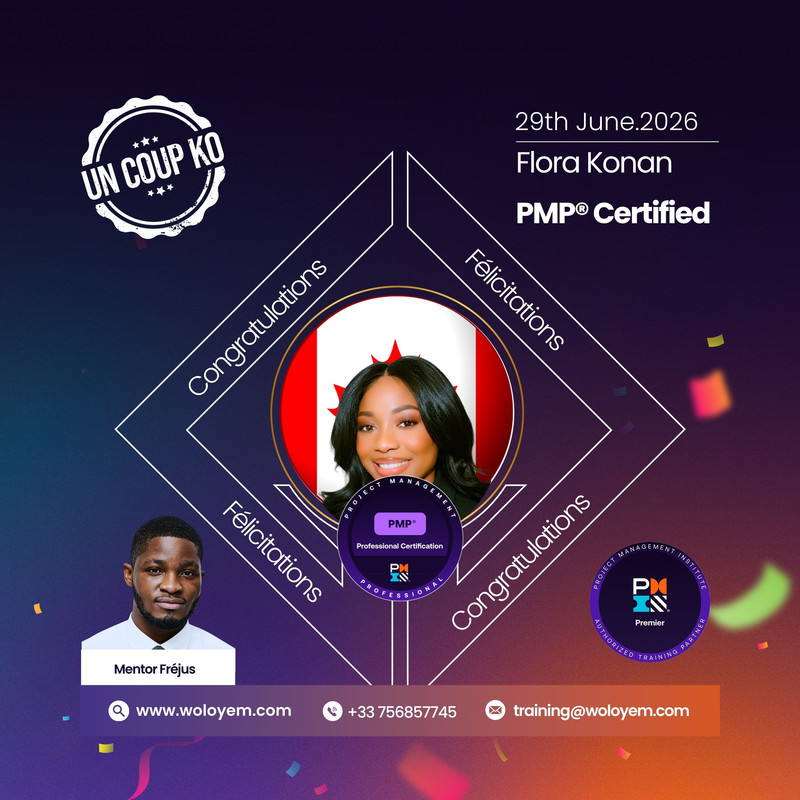
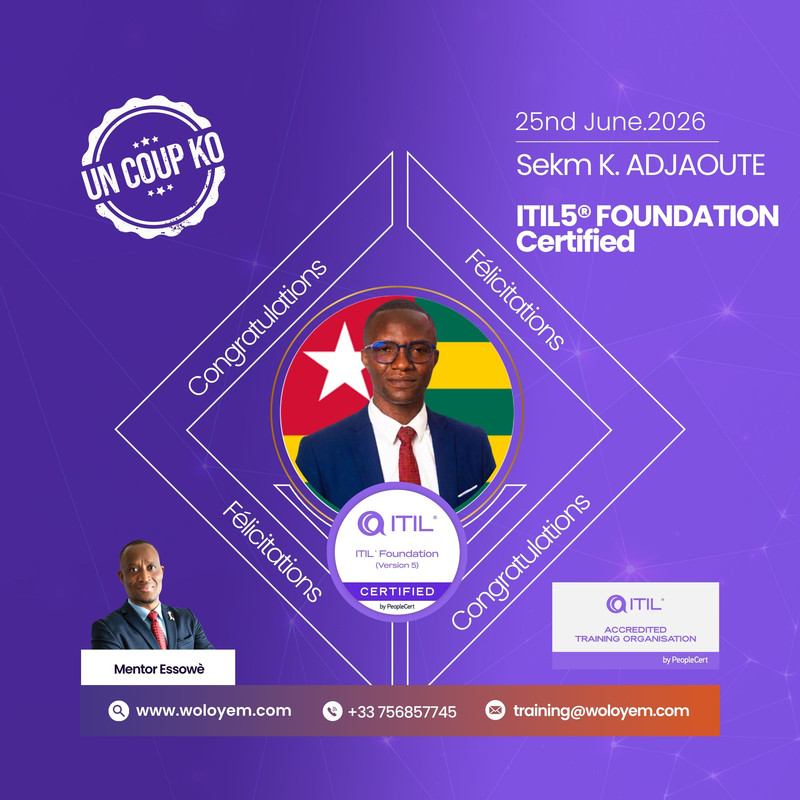
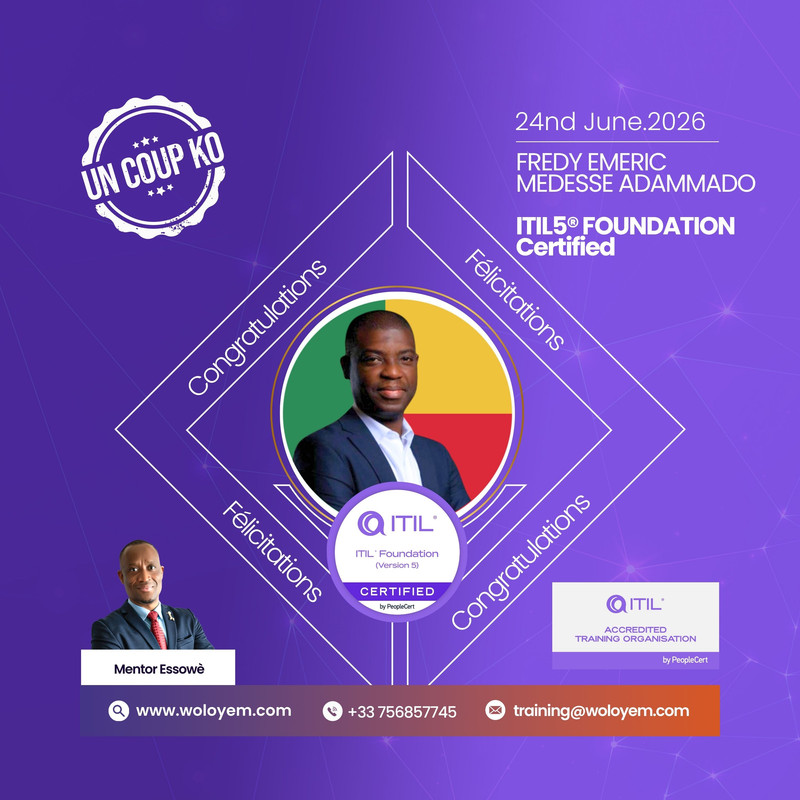
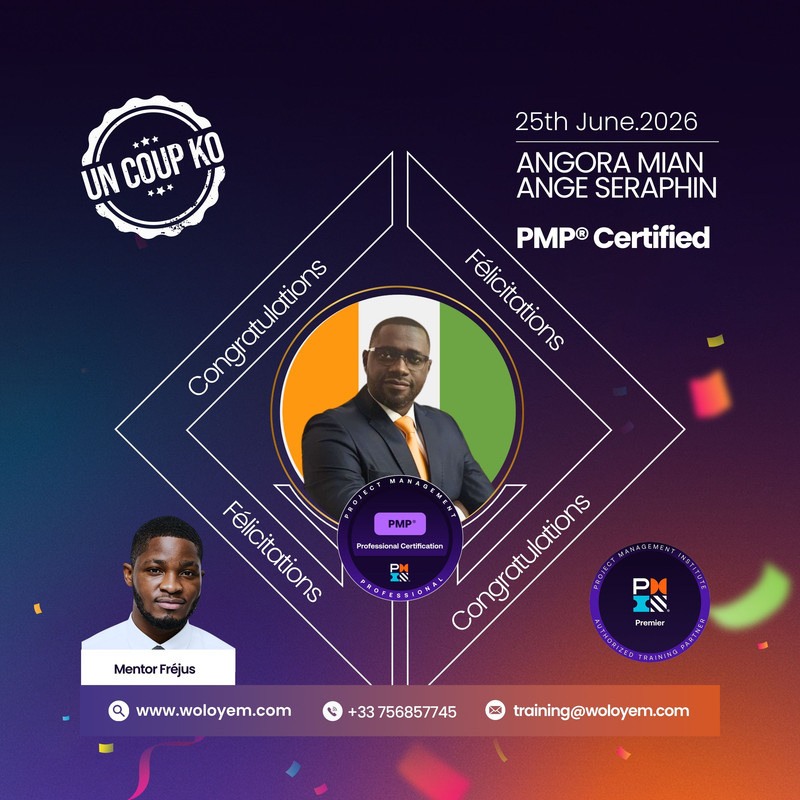
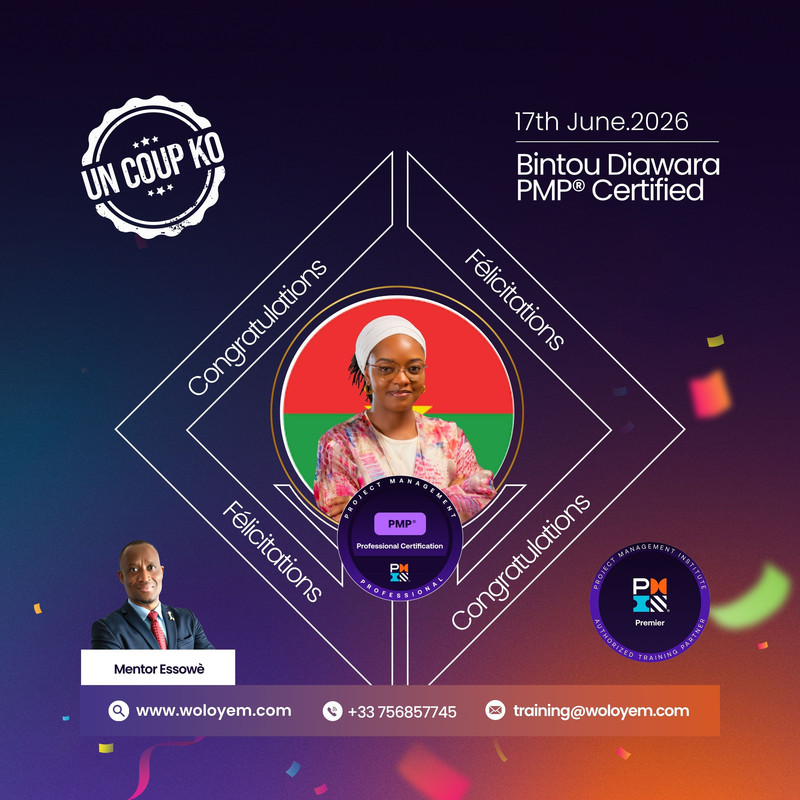
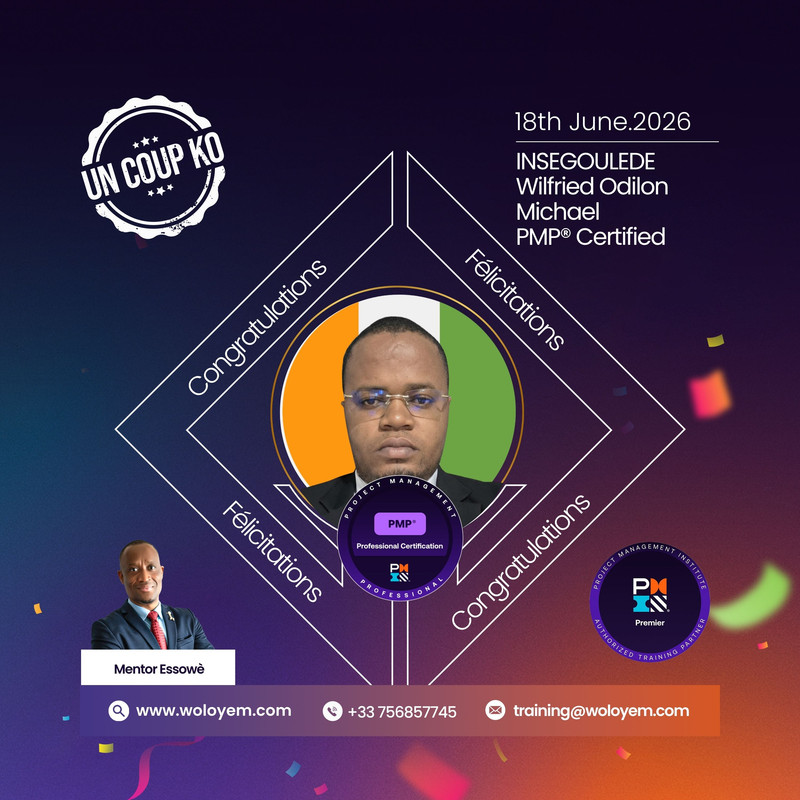
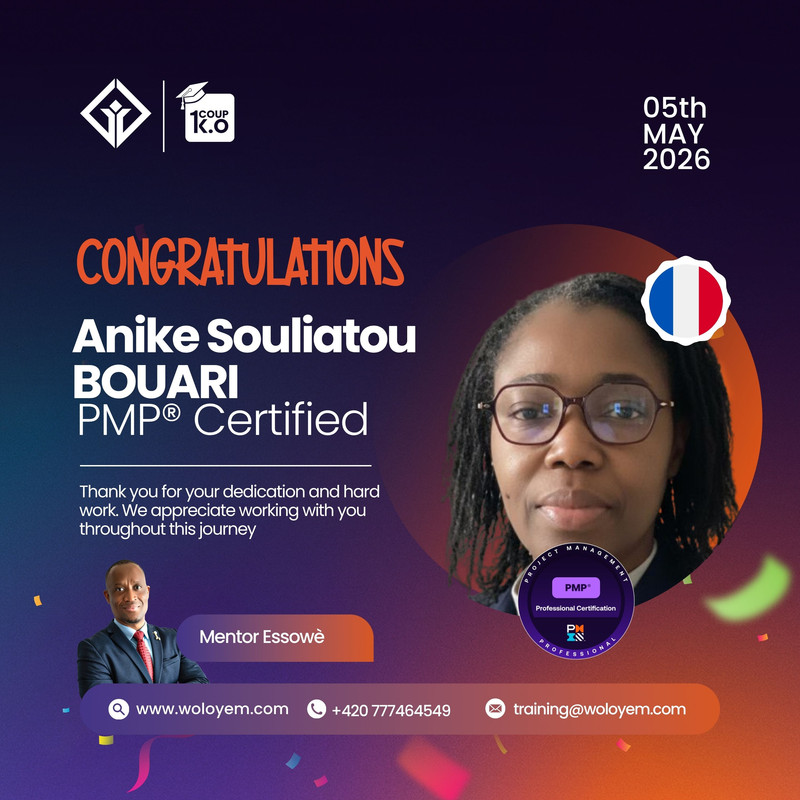
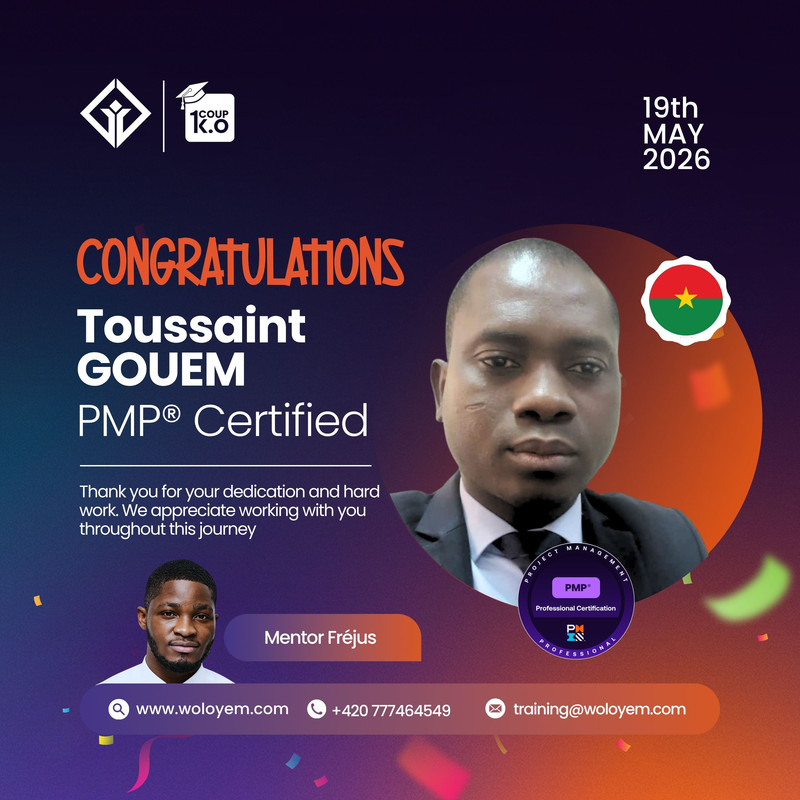
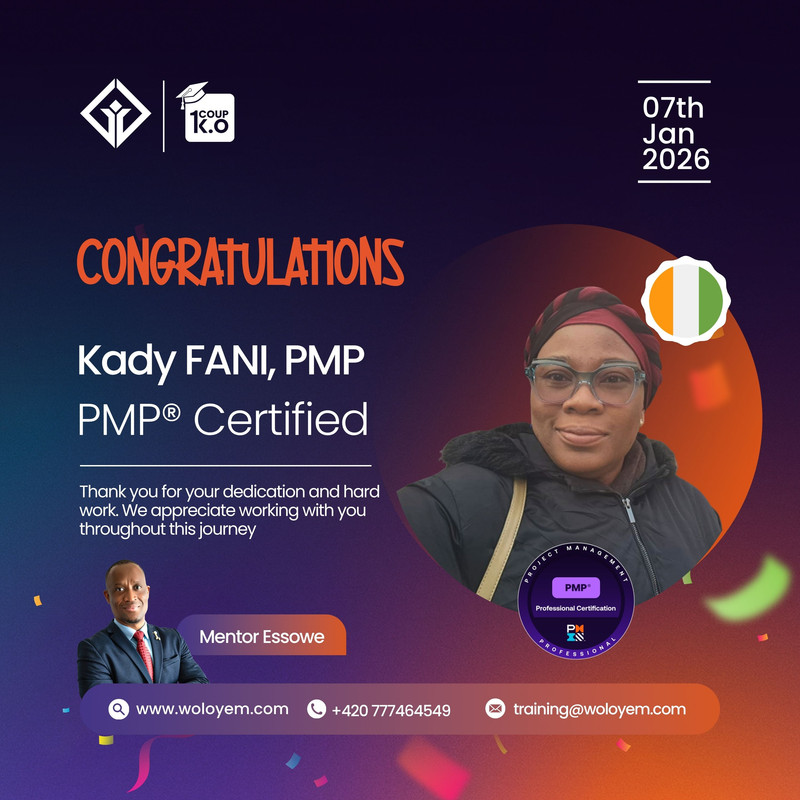
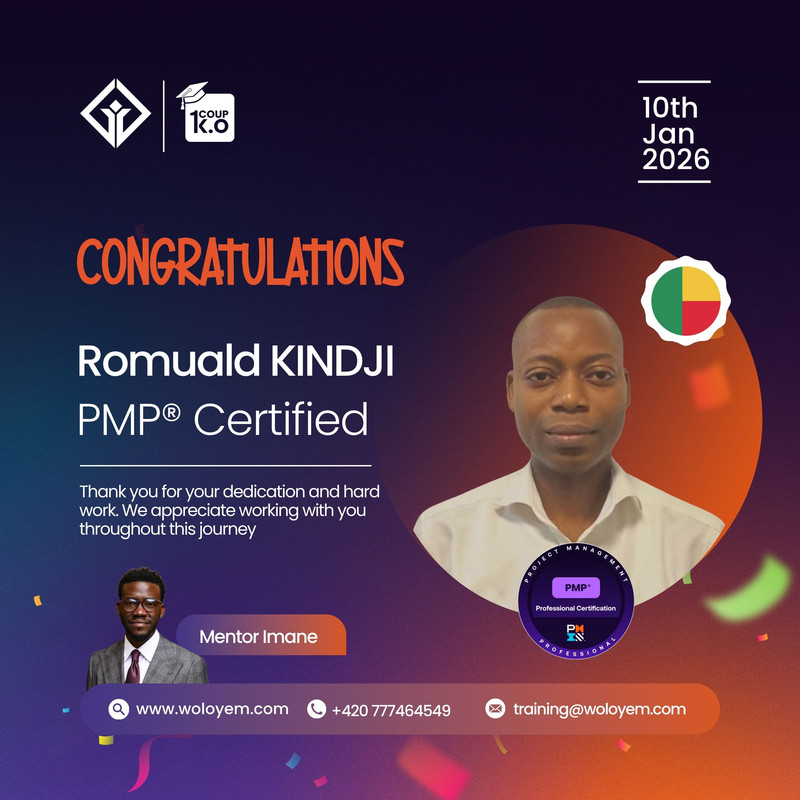
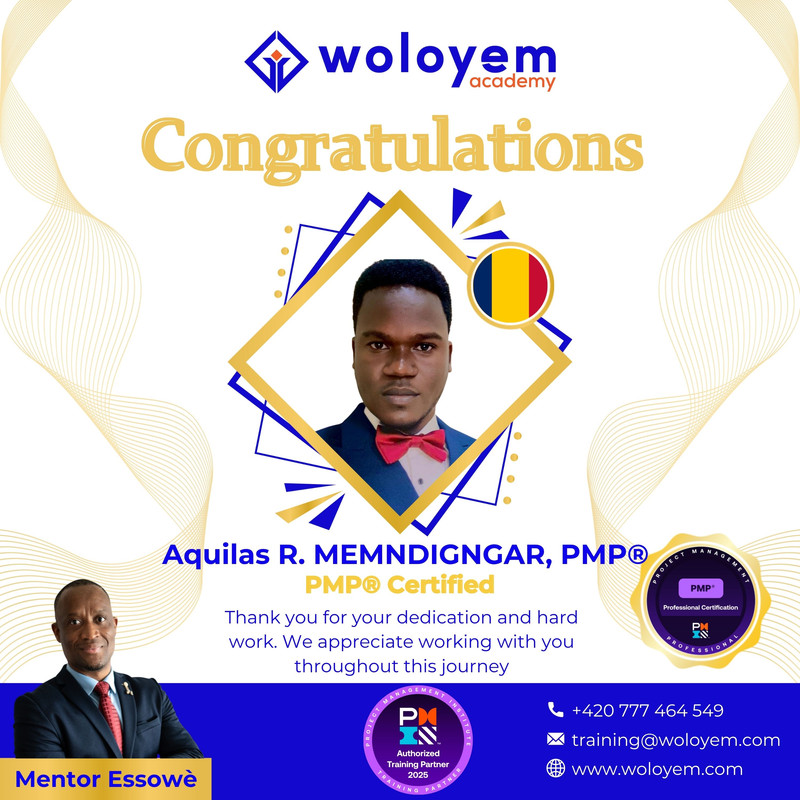
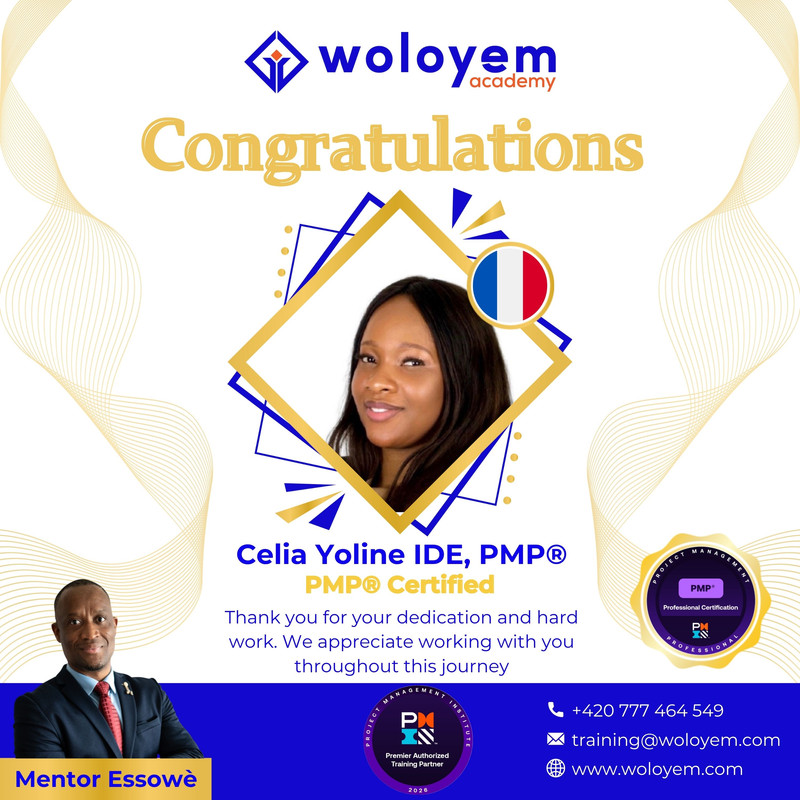
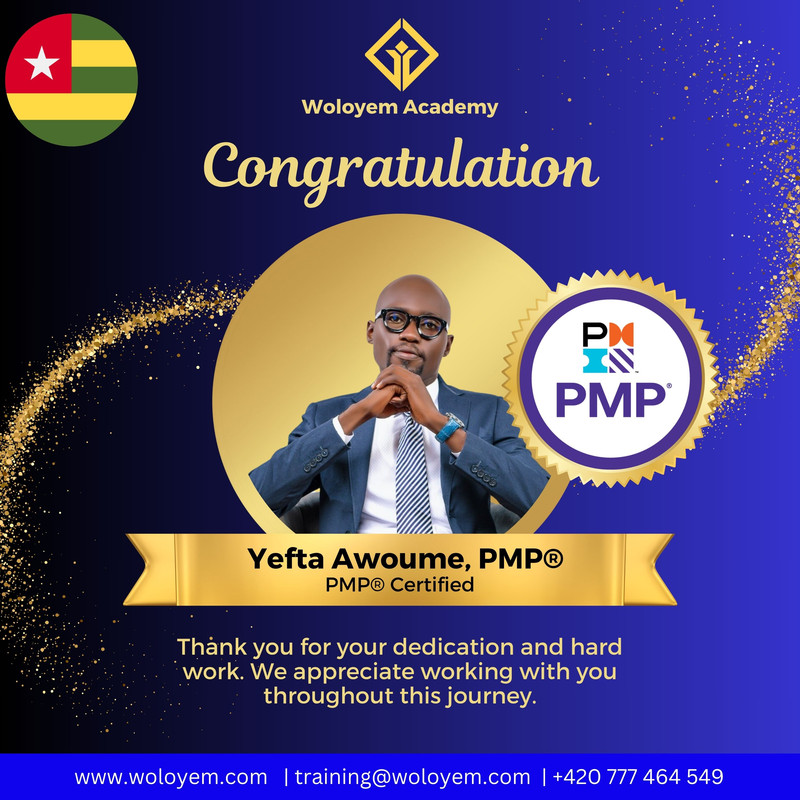
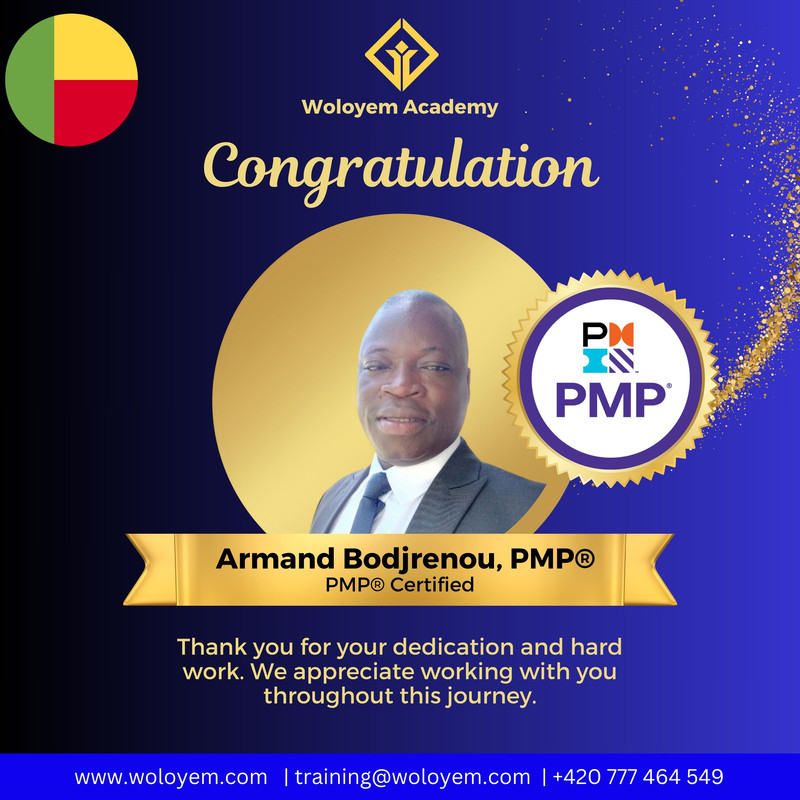
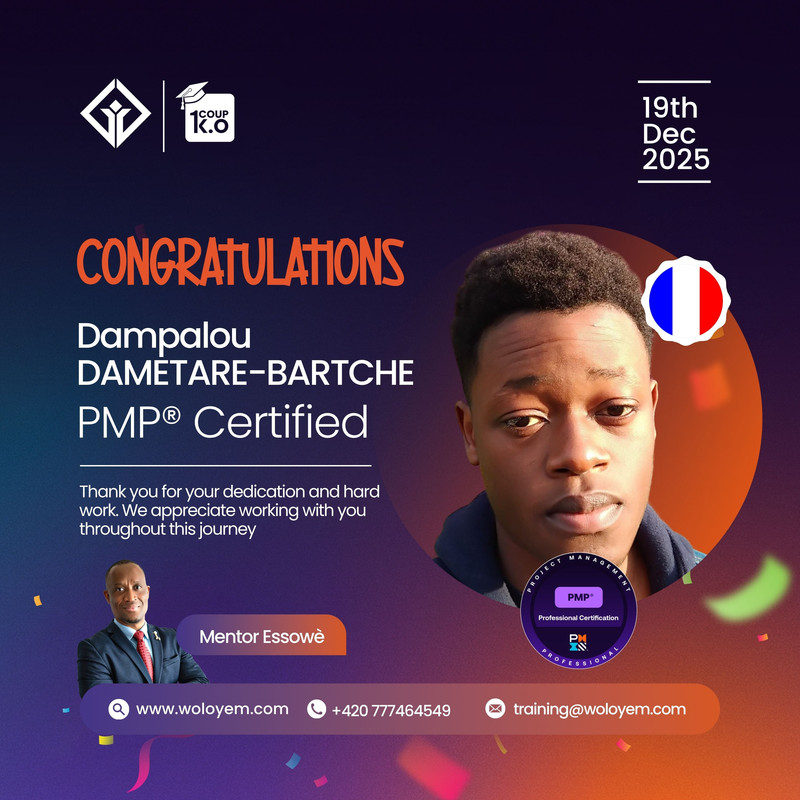
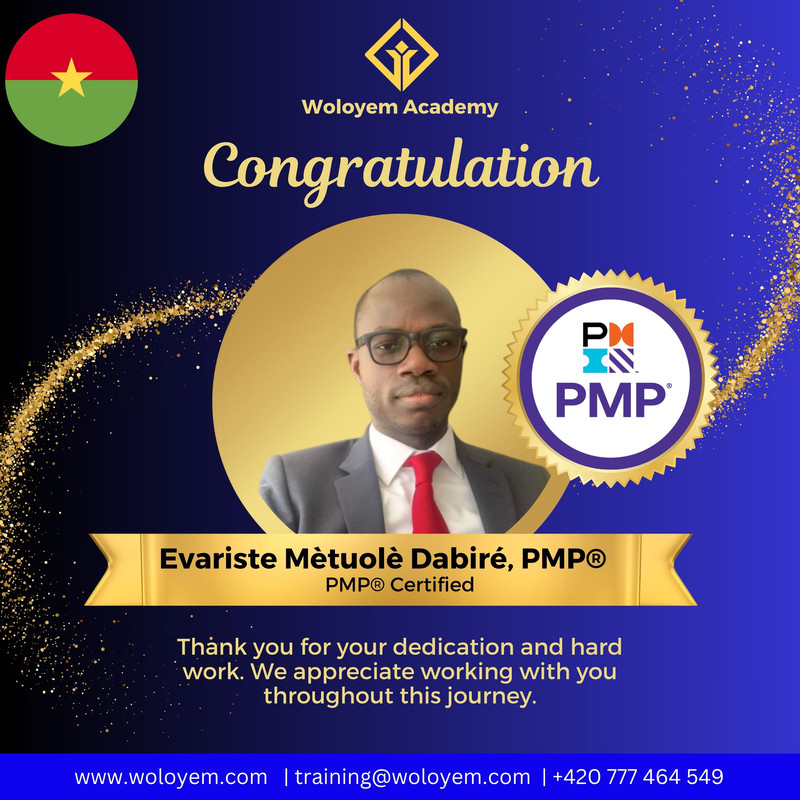
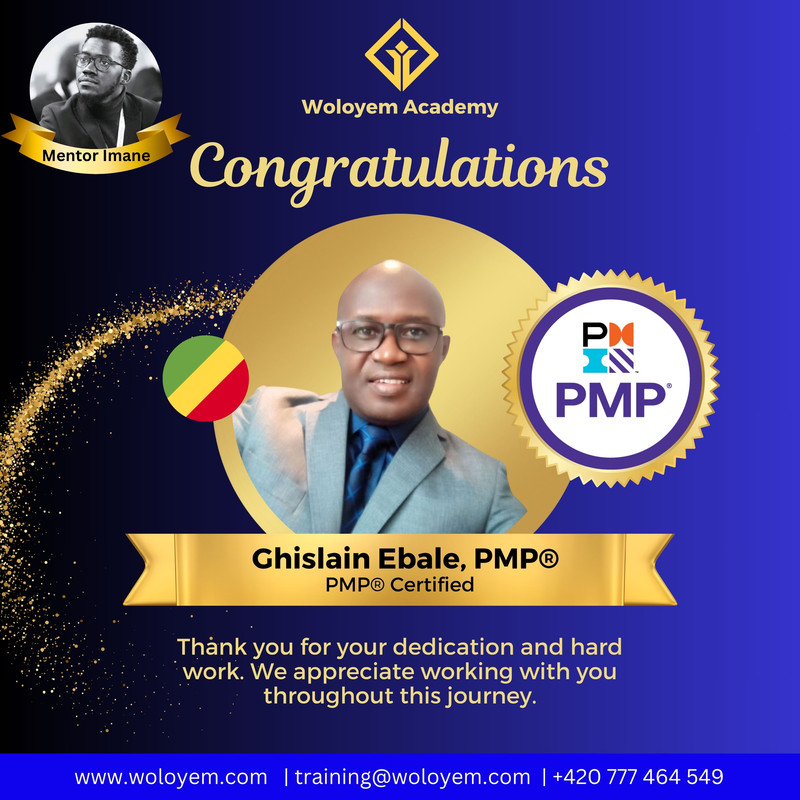
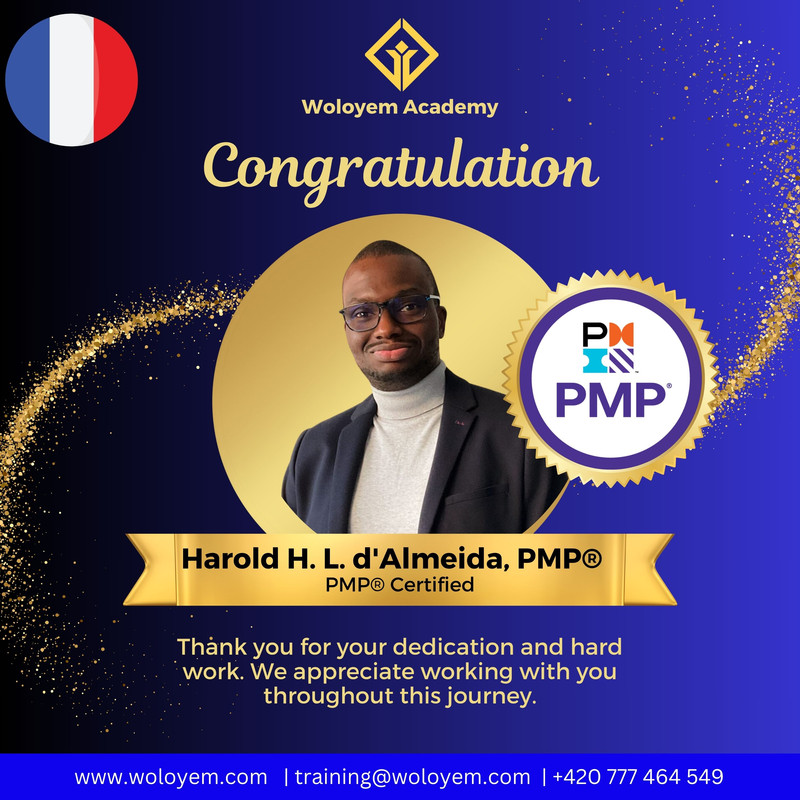
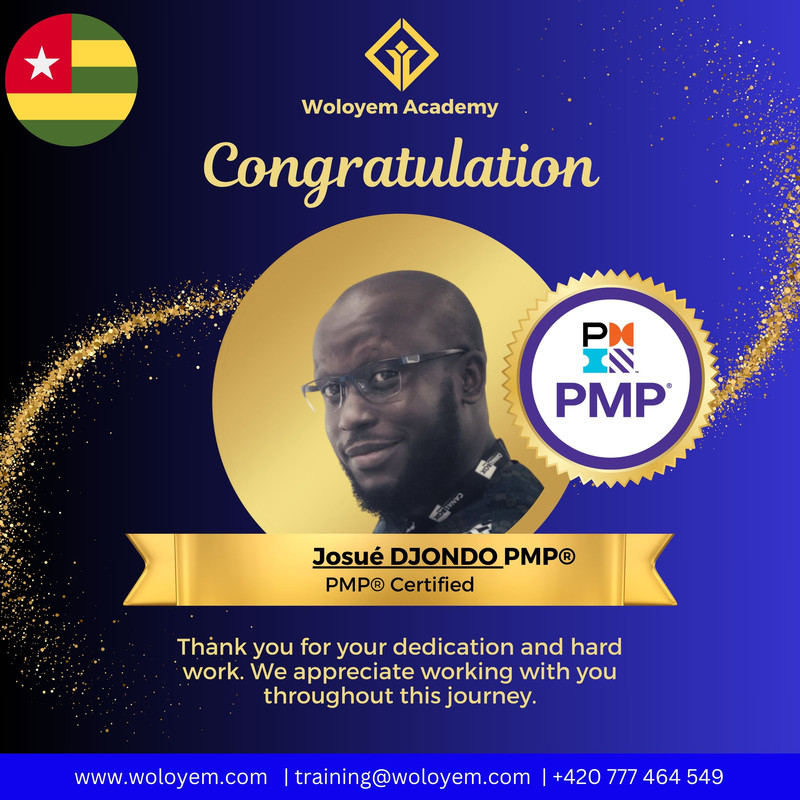
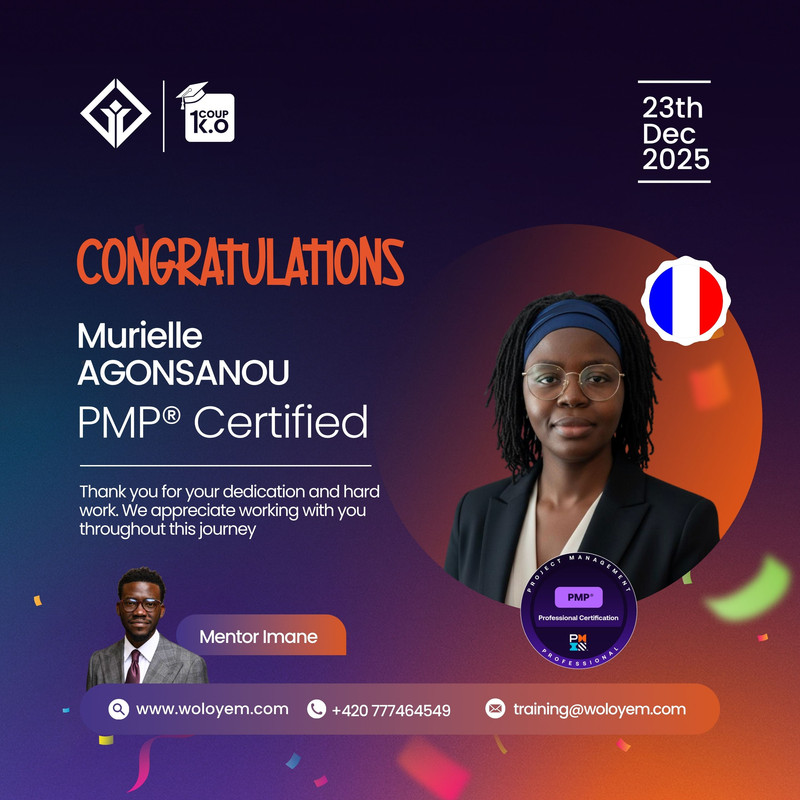
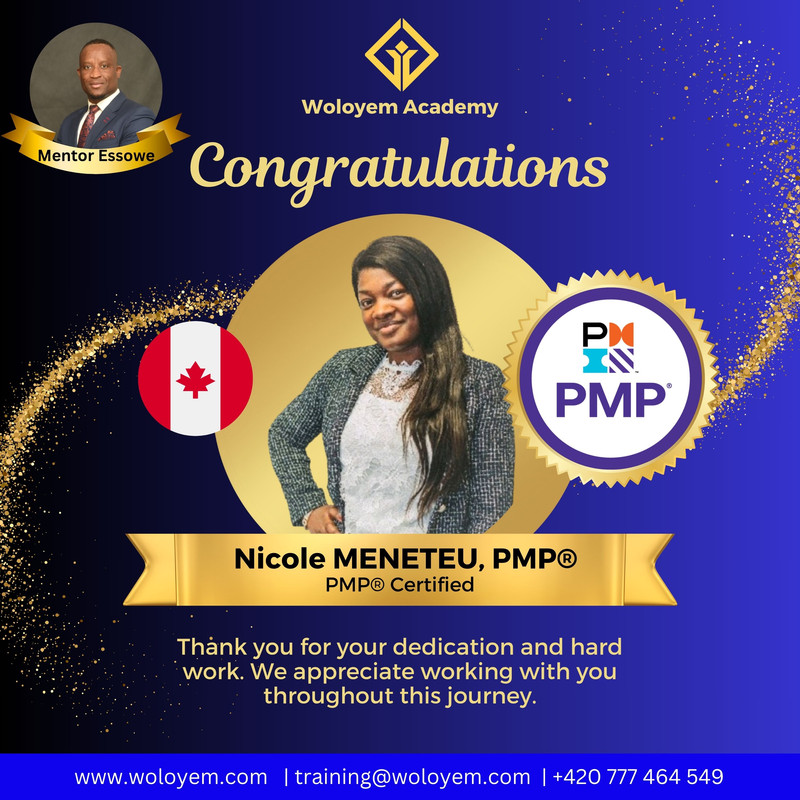
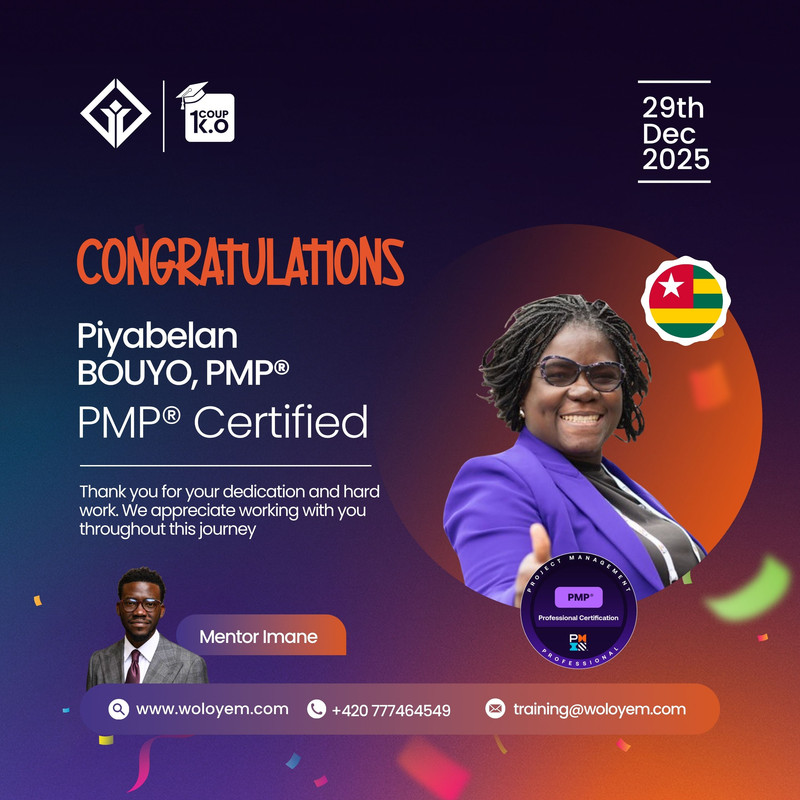
Our successes
.jpg)
.jpg)
.jpg)
.jpg)
.jpg)
.jpg)
.jpg)
.jpg)
.jpg)
.jpg)
.jpg)
.jpg)


.jpg)





.jpg)






Latest news from our blog
Courses
PREPARE EFFECTIVELY
Open PMP® Bootcamp
Pass your PMP certification in the upcoming session
ENROLL NOW