PMP Certification Requirements 2026: The Strategic Eligibility Guide

Essowè Abalo
What if the biggest hurdle to your PMP isn't the four-hour exam, but how you frame your professional past? Many high-performing managers hesitate to apply because they struggle to distinguish between "doing" the tasks and "leading" the project. It's a common anxiety, especially with the 2026 pmp certification requirements now emphasizing business strategy and AI integration over simple task management.

To qualify for the PMP in 2026, you need either a four-year degree with 36 months of unique project leadership or a high school diploma with 60 months. Additionally, all candidates must complete 35 contact hours of formal project management education. The 2026 Exam Content Outline (ECO) specifically weights People (33%), Process (41%), and Business Environment (26%), including new competencies in AI and sustainability.
I've designed this strategic eligibility guide to move you beyond simple checklists. You'll learn how to quantify non-traditional experience, navigate the latest ECO updates, and submit an application that demonstrates the strategic leadership PMI demands. Let's transform your career history into a credentialed future that survives the audit and accelerates your earning potential.

Key Takeaways

  • Identify the specific pmp certification requirements for your education level, including the 36 or 60 months of unique project leadership required in 2026.

  • Learn how to translate your daily tasks into the "leading and directing" language PMI expects to see from strategic project managers.

  • Differentiate between the 35 mandatory contact hours for new applicants and ongoing PDUs to ensure your initial training qualifies for the exam.

  • Use a proven 5-step documentation framework to write project descriptions that align with the PMBOK® Guide and reduce audit anxiety.

  • Understand why the 2026 focus on AI and business strategy means your application needs to show more than just basic process knowledge.

Table of Contents

I. The 2026 PMP Eligibility Framework: Education and Experience

Understanding the pmp certification requirementsbegins with a clear-eyed look at your educational background and professional history. The Project Management Institute (PMI) currently recognizes two distinct pathways to eligibility. Both require a combination of formal education and a specific duration of professional project leadership. It's not just about how long you've worked; it's about the nature of that work and how it aligns with the Project Management Professional (PMP) certification standards.


A critical factor many candidates overlook is the "non-overlapping" rule. PMI calculates your experience in months, not total hours across multiple projects. If you managed three different projects simultaneously between January and June 2025, you've earned six months of experience, not 18. This distinction is vital for accurately calculating your timeline and avoiding a common pitfall during the application audit process.

A. Path A: For University Graduates

If you hold a four-year university degree, your path requires 36 months of unique, non-overlapping project leadership. Many candidates still search for the old "4,500-hour" requirement, but PMI has shifted to a month-based system to simplify the process. Your degree doesn't need to be in project management or even a business-related field. A graduate in architecture, engineering, or fine arts meets the educational criteria as long as the degree is from an accredited institution.

You can document any leadership experience from the last eight years. This window allows you to pull from various roles, provided you were leading and directing tasks rather than just contributing. If you're unsure if your specific degree qualifies, our  PMP certification guidance can help you verify your status before you begin the formal application.

B. Path B: For Professionals without a Degree

For those with a high school diploma or an associate degree, the requirement increases to 60 months of unique project leadership. This pathway honors the "seasoned veteran" who has built a career through direct field experience rather than traditional university routes. While the five-year requirement sounds daunting, it's a strategic opportunity to showcase a deep, practical mastery of project lifecycles.

Documentation is often more complex for long-term professionals because project roles may have evolved over a decade. If you find the five-year requirement too high of a barrier today, consider the CAPM (Certified Associate in Project Management) as a bridge. It requires less experience and serves as a formal stepping stone, proving your commitment to the profession while you accumulate the necessary months for the PMP.

II. Decoding the "Leading and Directing" Requirement

"Leading and directing" is the specific phrase that causes the most friction during the application process. Many professionals assume they need the official title of "Project Manager" to qualify. This isn't true. PMI looks for evidence that you've been responsible for the project's success, regardless of your job title. A contributor simply follows instructions; a leader defines the path, manages stakeholders, and ensures the Project Management Triangle of scope, time, and cost remains balanced.


In agile or cross-functional environments, leadership often looks different. You might be a Scrum Master facilitating a sprint or a Business Analyst managing a product rollout. As noted in this Forbes guide to PMP certification, the value of the credential lies in your ability to drive business outcomes. Your documentation must reflect your role in managing people, optimizing processes, and aligning the project with organizational strategy.

A. Leadership Beyond the Title

Project coordinators, analysts, and team leads often perform project leadership without realizing it. To satisfy  pmp certification requirements, you must map your past tasks to the five standard project domains: Initiation, Planning, Executing, Monitoring and Controlling, and Closing. If you were responsible for risk assessment or resource allocation, you were leading.


For PMI, project leadership is the temporary and unique management of change, whereas operational leadership is the permanent and repetitive management of business-as-usual functions. Distinguishing between these two is vital for a successful application. If your work focused on "keeping the lights on," it won't count toward your months of experience.

B. Strategic Documentation of Project Hours

When you document project experience for PMP, your vocabulary choice is critical. Avoid words like "maintenance," "support," or "routine." These signal operational work rather than project work. Instead, focus on how you reduced risk, improved performance, or saved the organization money.


Quantify your impact with concrete examples. Did you reduce delivery time by 15%? Did you manage a budget of $200,000? These details prove you handled the responsibility of a project leader. If you're struggling to frame your history, joining one of our  PMP training bootcamps can provide the personalized feedback needed to refine your application descriptions.


III. The 35 Contact Hour Mandatory Training Requirement

Meeting the experience and education months is only half the battle. To satisfy the pmp certification requirements, every applicant must also complete 35 contact hours of formal project management education. Don't confuse these with Professional Development Units (PDUs). PDUs are for current certificate holders looking to renew; contact hours are the prerequisite for your first application. If you've already earned a CAPM certification, PMI waives this requirement, but most candidates will need to document fresh training hours.


Choosing a provider is a high-stakes decision. While independent trainers exist, Authorized Training Partners (ATPs) use PMI-approved materials, significantly reducing your risk of an application audit. Cheap or unverified "free" courses often lack the rigorous structure PMI demands. If your training can't be verified or doesn't cover the full project management lifecycle, your application will likely be rejected. Understanding these pmp certification requirements ensures you don't waste time or money on non-compliant programs.

A. Choosing Your Learning Velocity: Masterclasses vs. Bootcamps

The ROI of your training depends on interaction. Passive video courses often lead to rote memorization, which fails on the modern, situational exam. Our Woloyem PMP Masterclass prioritizes live, expert-led sessions where you can challenge concepts in real-time. This interactive environment helps you bridge the gap between theoretical knowledge and the complex leadership decisions required on the test.


We offer a unique bilingual advantage that few global providers match. Training is available in both English and French, allowing professionals in international project environments to master the terminology in the languages they actually use. This cultural and linguistic flexibility is essential for leaders operating across EMEA and North American markets. It's not just about passing the exam; it's about being effective in a global business context.

B. Content Requirements: What Your Training Must Cover

Your 35 hours must align perfectly with the July 2026 Exam Content Outline (ECO). This isn't just about the PMBOK® Guide anymore. The exam now demands a 60% focus on Agile and hybrid methodologies. If your training only covers traditional Waterfall (Predictive) methods, you're not prepared for the current exam reality. You need a curriculum that balances process-heavy tasks with the flexibility of modern delivery frameworks.


A strategic course also integrates  leadership techniques that go beyond scheduling and budgeting. The 2026 ECO dedicates 33% of the exam to the "People" domain. You'll need to demonstrate proficiency in conflict resolution, team motivation, and emotional intelligence. Treat these 35 hours as a career-building phase rather than a simple administrative hurdle. High-quality training prepares you to lead complex transformations, not just manage a spreadsheet.

Your Path to PMP® Certification in 2026

A Strategic Guide to Meeting PMI’s Eligibility Requirements

Core Eligibility Framework

Pathway 1 — For Graduates

Education Requirement

Four-Year Degree (or global equivalent)

Experience Requirement

36 Months of unique, non-overlapping project leadership experience.

Relative Experience Duration

Pathway 2 — For Professionals

Education Requirement

High School Diploma or Associate’s Degree

Experience Requirement

60 Months of unique, non-overlapping project leadership experience.

Relative Experience Duration

Universal Training Requirement

This is mandatory for all PMP® applicants, regardless of their educational path.

35 Contact Hours

of Formal Project Management Education

Decoding “Leading & Directing”

PMI values responsibility and impact over official job titles.

Project Leadership (Qualifies)

Temporary and unique initiatives that drive change and create value. Your role involves accountability for the project’s success.

Operational Work (Does Not Qualify)

Permanent, repetitive, and ongoing tasks that sustain business-as-usual functions. This is management, but not project management.

Key Leadership Activities to Document

Defining Scope & Path

Managing Stakeholders

Resource Allocation

Risk Assessment

Procurement & Contracts

Monitoring & Controlling

2026 Exam Content Outline

Process
41%
People
33%
Business Environment
26%

New Strategic Competencies:

AI Integration Sustainability Practices
WOLOYEM.COM

IV. Application Strategy: Documenting to Pre-empt the Audit

The final hurdle in satisfying the pmp certification requirements is the application itself. Many candidates treat this as a simple form, but it's actually a strategic document. PMI audits approximately 10% of applications to verify education and experience. While these audits are technically random, vague descriptions or overlapping dates often trigger manual reviews. I recommend a proactive approach that eliminates ambiguity before you hit the submit button.


To ensure an "audit-proof" submission, follow this five-step process:

  • Inventory your timeline: Map your projects to ensure no overlapping months are counted twice.

  • Align with the ECO: Ensure your tasks reflect the 2026 Domain weightings (People, Process, Business Environment).

  • Draft using ORRO: Use a structured framework for every project description.

  • Prep your references: Contact former supervisors to confirm they're willing to sign off on your hours.

  • Eliminate jargon: Remove company-specific acronyms that a PMI reviewer won't understand.

A. The Anatomy of a Perfect Project Description

The most effective way to document your experience is the ORRO framework: Objective, Role, Responsibilities, and Outcome. Start with a high-level summary of the project's purpose. Clearly state your role as the lead. Break down your responsibilities across the project lifecycle and conclude with the tangible business result. This structure provides the clarity reviewers need without overwhelming them with unnecessary detail.


Keep your descriptions within the 200 to 500-word sweet spot. If you go too short, you risk looking like a contributor rather than a leader. If you go too long, you might include operational tasks that don't qualify. Remember, you aren't writing to impress your current boss. You're writing to prove to a PMI evaluator that you managed the constraints of scope, time, and cost. If you need help refining your narrative, our  PMP application support can guide you through the drafting process.

B. What Happens During a PMI Audit?

If you're selected for an audit, the "audit clock" starts immediately. You'll have 90 days to provide your university diploma, training certificates, and signed experience verification forms from your references. In 2026, PMI typically resolves these audits within five to seven business days once they receive all your documentation. The process is straightforward if you've prepared your references in advance.


Adhering to corporate project management standards helps you standardize your descriptions and makes the verification process easier for your supervisors. When your internal documentation mirrors global standards, your references can quickly confirm your leadership role without confusion. Don't wait for the audit notification to gather your proof. Collect your certificates and confirm your contacts' email addresses before you submit your application to avoid unnecessary stress.

V. The "Soft" Requirements: Leadership and Agility for 2026

The modern project landscape demands more than just technical proficiency. While the technical pmp certification requirements regarding months and hours are clear, the "soft" competencies are what truly define a PMP in 2026. PMI has pivoted away from a pure focus on processes to prioritize people and the broader business environment. This means your eligibility isn't just about what you did; it's about how you led your team through complexity.

Emotional Intelligence (EQ) is no longer a "nice-to-have" trait. It's a core requirement for success on the situational questions that dominate the current exam. You'll need to demonstrate how you manage conflict, support diverse teams, and navigate organizational politics. If you've spent your career in traditional Waterfall environments, you must learn to frame that experience through an Agile lens. Even in rigid structures, showing how you utilized iterative feedback or prioritized value delivery is essential for meeting the 2026 standards.

A. Navigating the July 2026 ECO Changes

The July 2026 Exam Content Outline (ECO) maintains a significant weight for the Business Environment domain at 26%. This shift reflects a trend where project managers must act as strategic partners who understand organizational strategy, compliance, and even sustainability. To succeed, you must demonstrate "Servant Leadership." This involves removing blockers for your team and fostering a collaborative culture rather than just issuing top-down commands.

Preparing for these shifts requires more than reading a textbook. Participating in  leadership workshops  helps bridge the EQ gap by providing practical frameworks for real-world scenarios. These sessions prepare you to answer the 60% of exam questions that now cover Agile and hybrid methodologies. You aren't just learning to pass a test; you're learning to lead in a volatile business world where strategic awareness is mandatory.

B. Building Your Professional Equity with Woloyem

Our approach at Woloyem moves beyond rote memorization. We focus on transforming you from a tactical "Project Manager" into a "Strategic Leader." By aligning your training with the latest pmp certification requirements, we ensure your skills remain relevant as the industry evolves toward AI integration and operational excellence. You gain access to a bilingual network of experts who provide ongoing support long after you've passed the exam.

This professional equity is your greatest asset in a competitive market. The PMP is a milestone, but the leadership mindset you develop is what sustains a career. Don't settle for a basic certification prep course when you can invest in a comprehensive leadership transformation. Take the next step in your professional journey and get PMP certified with Woloyem today to secure your position at the forefront of digital transformation.

VI. Securing Your Career Transformation

Success in obtaining your PMP credential in 2026 depends on more than just counting months in a spreadsheet. You've learned that meeting the pmp certification requirements involves a strategic framing of your leadership experience and a deep commitment to the latest Agile and hybrid standards. By moving beyond a contributor mindset and documenting your history through the ORRO framework, you significantly reduce the risk of a PMI audit and position yourself as a high-value asset in the global market.

As a bilingual training expert and consulting authority, I've seen how the right preparation turns a standard manager into a strategic leader. Don't let the administrative complexity of the application process stall your professional growth. Whether you're navigating the July 2026 ECO updates or looking to master the mandatory 35 contact hours, the path to certification is a journey of operational excellence and leadership development.

I am ready to help you navigate this transition with transparency and expertise.  Join the Woloyem PMP Masterclass and Secure Your Leadership Future. Your path to global project management authority starts with a single, strategic step forward. I look forward to supporting your success.

VII. Frequently Asked Questions

What are the PMP certification requirements for 2026?

You must satisfy three main criteria: educational background, professional project experience, and formal training. Degree holders need 36 months of leadership, while those with a high school diploma need 60 months. All candidates must complete 35 contact hours of education. These pmp certification requirements ensure you've mastered the People, Process, and Business Environment domains before attempting the 180-question exam.

Can I apply for the PMP without a project manager title?

You don't need the official title of Project Manager to qualify for the certification. PMI focuses on your role and responsibilities rather than what's on your business card. If you led cross-functional teams, managed project budgets, or directed deliverables as a coordinator or team lead, your experience is valid. You must clearly document your leadership during the initiation, planning, and execution phases.

Do the 35 contact hours expire if I don’t take the exam immediately?

The 35 contact hours of project management education never expire once you've earned them. You can use a certificate from five years ago to meet the pmp certification requirements today. However, waiting too long is risky because the exam content evolves. Training from 2021 won't cover the AI and sustainability topics introduced in the July 2026 ECO, making additional study necessary to pass.

What counts as "project management experience" for PMI?

Qualifying experience must involve leading a temporary endeavor with a specific start and end date. This includes tasks like defining scope, managing risks, and coordinating team resources to achieve a unique objective. Routine operational tasks or permanent business-as-usual functions don't count. You should focus on how you managed constraints like time and budget while delivering value to your organization or client.

How does the July 2026 ECO change affect my eligibility?

The July 2026 update increases the weight of the Business Environment domain to 26 percent of the exam. This change requires you to show experience in strategic alignment, organizational culture, and compliance. While the basic months of experience remain the same, your application should reflect your ability to lead projects that deliver business value. It also confirms that Agile and hybrid methodologies now dominate the testing landscape.

Is the CAPM a requirement for the PMP certification?

The CAPM is not a mandatory prerequisite for anyone seeking the PMP. If you already meet the months of leadership experience required, you can bypass the associate level entirely. However, earning the CAPM first is a strategic move for junior managers because it automatically satisfies the 35 contact hour requirement. It demonstrates your commitment to the profession while you accumulate the necessary leadership months.

How do I document Agile experience on the PMP application?

Frame your Agile experience by using specific vocabulary like sprint planning, backlog refinement, and retrospective facilitation. Describe how you acted as a servant leader to remove team blockers and manage iterative delivery cycles. These pmp certification requirements reflect the reality that 60 percent of the current exam focuses on Agile or hybrid environments. Clear documentation proves you can lead projects in flexible, fast-paced industries.

What should I do if my PMP application is audited?

You should immediately gather your supporting documents, including your diploma and training certificates, if you are selected for an audit. You'll have 90 days to submit these along with signed experience verification forms from your supervisors. PMI usually resolves the audit within one week of receiving your package. Contacting your references before submitting your application ensures they're prepared to sign off on your hours quickly.

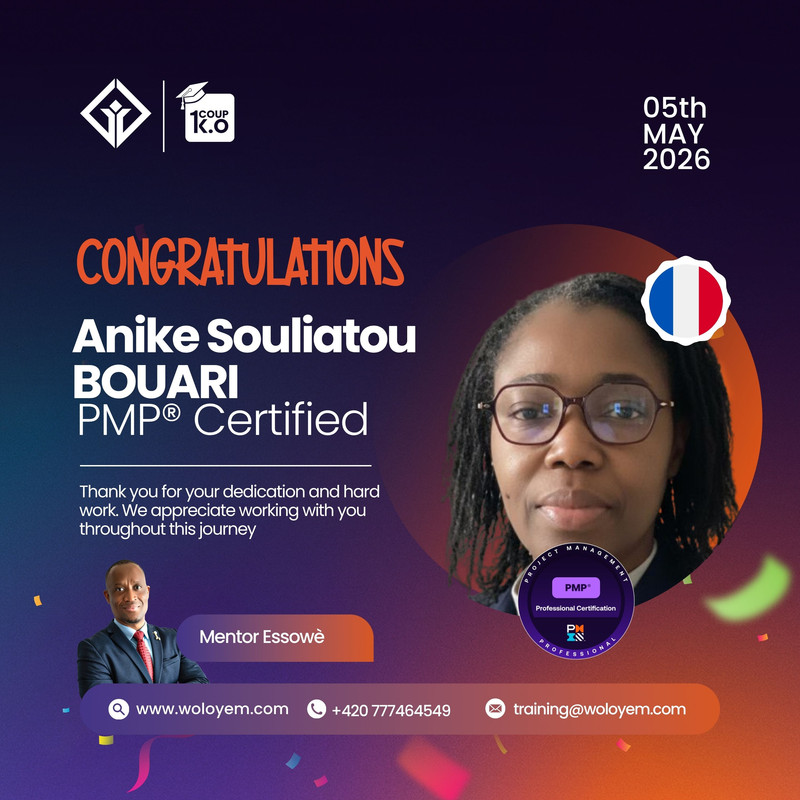
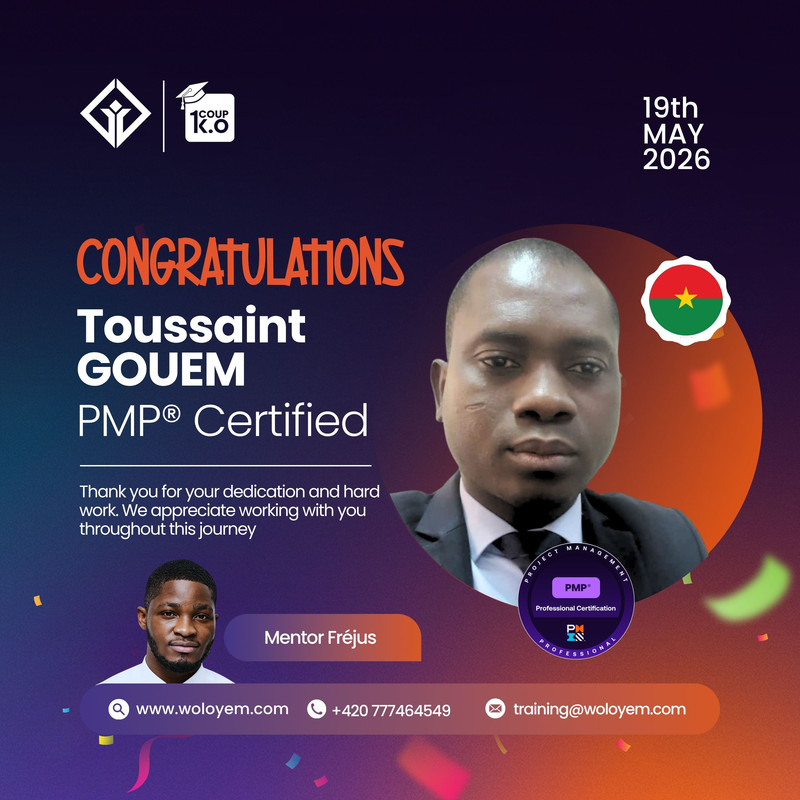
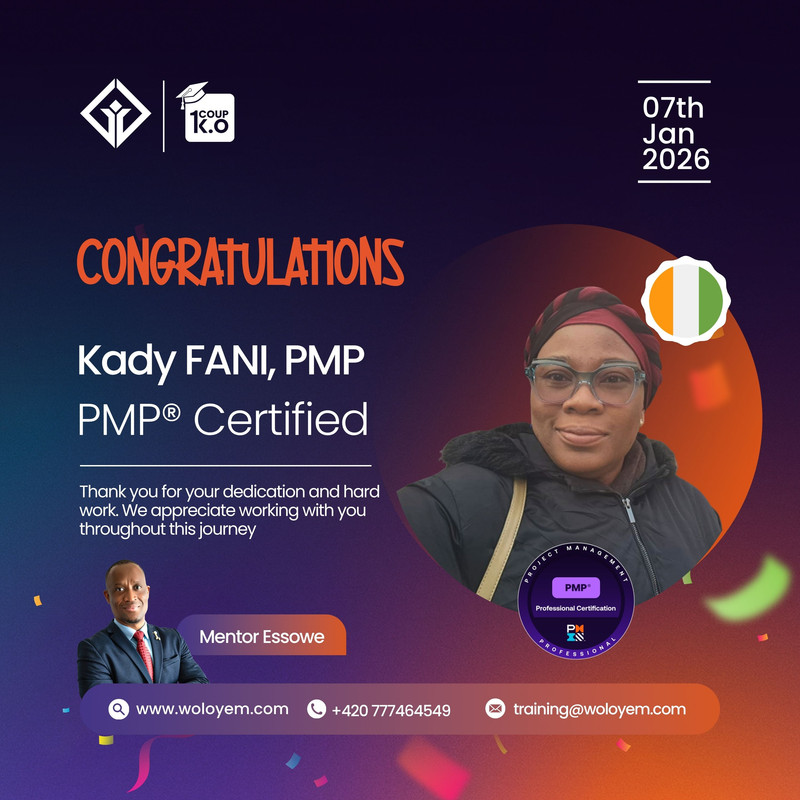
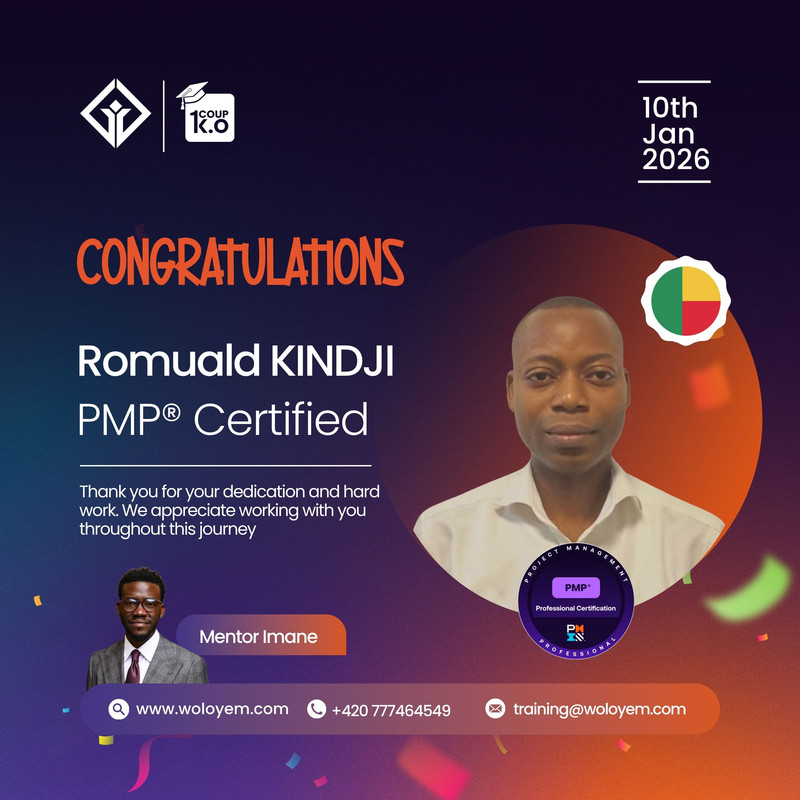
Our successes

Our successes with the "Un Coup K.O." method
Our successes

Courses

Privacy Policy Cookie Policy Terms and Conditions