Key Takeaways
Table of Contents
I. Understanding the PMP Certification Value in 2026
The Project Management Professional (PMP) certification is the world's leading project management credential, validating your ability to lead projects using predictive, agile, and hybrid methodologies. In 2026, it serves as a critical indicator of a manager's ability to drive business value and strategic alignment in complex, technology-driven environments.
The current market has evolved beyond simple technical execution. In 2026, organizations don't just need people who can manage a schedule; they need leaders who can navigate digital transformation and AI integration. A pmp certification proves you can bridge the gap between high-level business goals and ground-level project delivery. This credential isn't limited to a single sector. Whether you're in IT, energy, healthcare, or construction, the principles of risk management and stakeholder engagement remain universal and highly sought after by global firms.
Industry data consistently shows that certified professionals earn significantly more than their non-certified peers. In many regions, this salary gap exceeds 30%. This isn't just about a title on a business card. It's about the trust organizations place in your ability to prevent costly project failures and maximize resource efficiency. When budgets are tight and stakes are high, the PMP is the standard that decision-makers rely on.
A. The ROI of Project Management Professional Status
B. PMP vs. Other Certifications: Why It Remains the Gold Standard
II. PMP Eligibility and the Transition to PMBOK 8 Standards
Securing your pmp certificationn requires a clear understanding of the prerequisites set by the Project Management Institute (PMI). Eligibility isn't just about years on the job; it's about the nature of your leadership. Candidates with a four-year university degree must demonstrate 36 months of unique, non-overlapping professional project management experience. If you hold a high school diploma or an associate degree, this requirement increases to 60 months. Regardless of your academic background, you must also complete 35 contact hours of formal project management education.
A. Academic and Professional Requirements
The "leading and directing" requirement often causes anxiety for applicants. You don't necessarily need the official title of Project Manager to qualify. You simply need to prove you've led tasks, managed stakeholders, and directed resources toward a specific goal. This experience must be documented clearly in your application to avoid unnecessary audits. To satisfy the mandatory educational requirement, many professionals choose our Woloyem PMP Bootcamps, which provide the necessary hours while focusing on the strategic application of these concepts.
B. The PMBOK 8 Framework: Strategic Shifts
As we move into late 2026, the transition to PMBOK 8 standards shifts the focus from rigid process groups to flexible Value Delivery Systems. The exam evaluates you across three primary domains: People (42%), Process (50%), and Business Environment (8%). The Process domain has seen the most significant change, now explicitly integrating AI and digital transformation tools. You're expected to know how to leverage automation and data analytics to optimize project workflows. This isn't a minor update; it's a fundamental shift in how project efficiency is measured.
Leadership techniques now dominate the People domain. It's no longer enough to understand resource leveling; you must master conflict resolution, emotional intelligence, and virtual team management. With hybrid methodologies representing approximately 50% of the exam content, your ability to switch between predictive and adaptive frameworks is critical. If you're looking to streamline this process, our mentorship programs help you align your existing experience with these new standards, ensuring your preparation is both high-velocity and accurate. Our 3-month coaching program is particularly effective for those balancing these requirements with a full-time leadership role.
The Business Environment domain, though smaller in weight, requires you to demonstrate how projects support organizational strategy. This involves understanding compliance, delivering project benefits, and supporting environmental changes. Mastering these strategic shifts ensures that your pmp certification represents more than just a passing grade; it signifies your readiness to lead in the 2026 economy.
III. Analyzing the Career Impact: Is the PMP Worth the Investment?
The PMP certification is a high-yield investment, offering a median salary increase of up to 33% and serving as a mandatory prerequisite for senior PMO leadership roles. Beyond financial gains, it provides a standardized framework that reduces project failure rates and enhances stakeholder trust in complex industries like Tech, Healthcare, and Energy.
The decision to pursue this credential often comes down to a simple calculation of return on investment. While the initial commitment of time is high, the long-term career trajectory shifts significantly once you're certified. In high-stakes industries, the PMP isn't just a preference; it's a gatekeeper for high-budget projects. It signals that you possess the strategic vocabulary to align departmental outputs with corporate objectives.
Tech project managers use the credential to prove they can handle rapid deployment cycles without sacrificing quality. In Healthcare, it validates your ability to manage strict regulatory compliance and complex stakeholder maps. Energy sector professionals rely on these standards to mitigate massive financial risks. Certified leaders also handle the "Project Management Triangle" of time, cost, and scope with greater precision, leading to fewer "death march" projects and higher satisfaction scores. When you can quantifiably reduce project variance, your value to the executive suite doubles.
A. Salary and Promotion Benchmarks
According to the PMI Earning Power report, professionals with a pmp certification earn a median salary up to 33% higher than those without it across major global markets. This financial edge is accompanied by increased global mobility. Multinational firms prioritize PMP holders for international assignments because the methodology is a universal language. It's a global standard. To understand how these skills apply to daily operations, you can explore The Project Management Triangle guide.
B. Organizational Value: Why Companies Pay for PMP Training
Standardization is the primary reason corporations invest in training their staff. When an entire team speaks the same project language, reporting becomes transparent and bottlenecks are identified faster. This consistency builds immense confidence with external clients, who see the certification as a guarantee of professional rigor. Firms with high concentrations of certified staff report higher project management maturity levels, which directly correlates with their ability to execute digital transformations successfully.
IV. A Strategic 12-Week Roadmap to Passing the PMP Exam
Achieving your pmp certification requires more than just reading a textbook; it demands a projectized approach to your own schedule. A 12-week roadmap balances the rigor of the PMBOK 8 standards with the realities of a leadership role. This timeline allows for deep comprehension without the burnout associated with last-minute cramming.
The journey begins with Step 1: a meticulous experience audit and the submission of your PMI application. Step 2 involves selecting a strategic training partner to fulfill the mandatory 35-hour education requirement. During weeks 4 through 8 (Step 3), you'll perform a deep dive into the PMBOK Guide and the Agile Practice Guide. Step 4 shifts your focus to simulation, where you'll tackle 180-question mock exams to build the necessary mental stamina. Finally, Step 5 is your seven-day review and exam day execution strategy.
A. Mastering the Application and Audit Process
The PMI audit is a statistical reality, but you can minimize risk by using the STAR method (Situation, Task, Action, Result) in your project descriptions. Focus on your specific contributions to project outcomes rather than general team activities. For example, instead of stating you "managed a budget," explain how you "directed financial resources to ensure a 10% cost saving on a $1M project." Creating a clear work breakdown structure for your professional history helps PMI auditors see the logical flow of your experience and leadership authority.
B. The Study Plan: Balancing Work and Preparation
Treat your preparation as a "Study Project." Apply the same pmp certification techniques you're learning, like time-boxing and risk management, to your weekly routine. Dedicate at least 50% of your study time to Agile and Hybrid approaches, as these carry the most weight in the current 2026 exam format. It's not just about what you know, but how long you can focus. You'll have 230 minutes to answer 180 questions, which requires significant psychological readiness. Practice in 60-question blocks to mirror the actual exam breaks and build the pacing required for success.
If you're ready to compress this 12-week journey into a high-intensity format with expert guidance, join our PMP Bootcamp to secure your 35 contact hours and first-attempt success strategy.
V. Mastering the PMP with Woloyem: Beyond Exam Preparation
A. Our Mentorship and Bootcamp Ecosystem
B. Your Next Steps Toward Strategic Leadership
VI. Elevate Your Strategic Impact Through Professional Leadership
VII. Frequently Asked Questions
Is the PMP exam changing in 2026?
How much does the PMP certification cost in 2026?
What happens if my PMP application is audited by PMI?
Can I take the PMP exam online from home?
How do I maintain my PMP certification after passing?
Is the PMP certification worth it for Agile project managers?
What is the difference between PMP and CAPM?
How long does it take to get PMP certified with Woloyem?
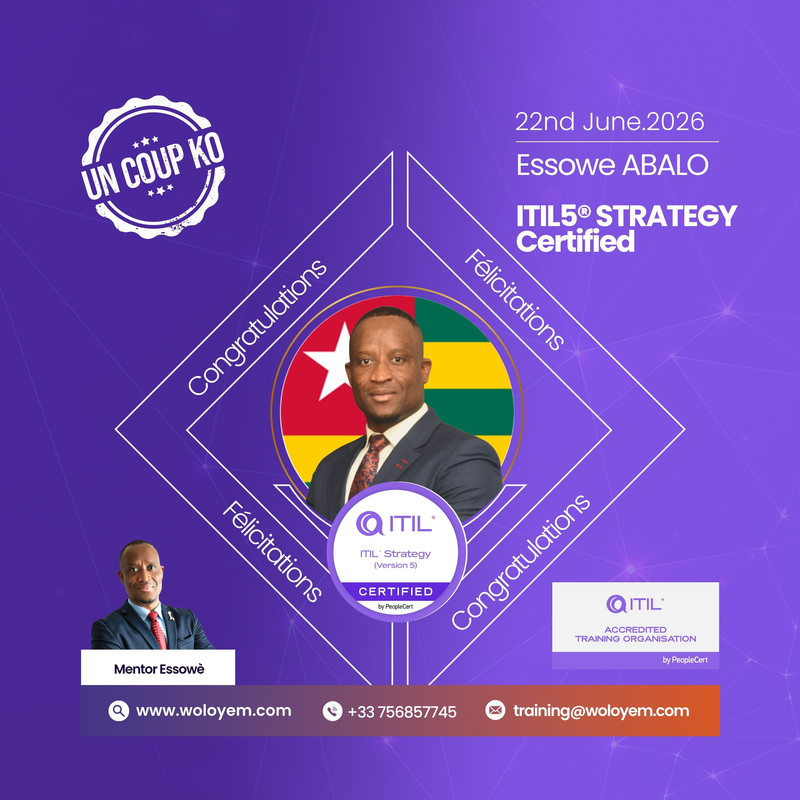
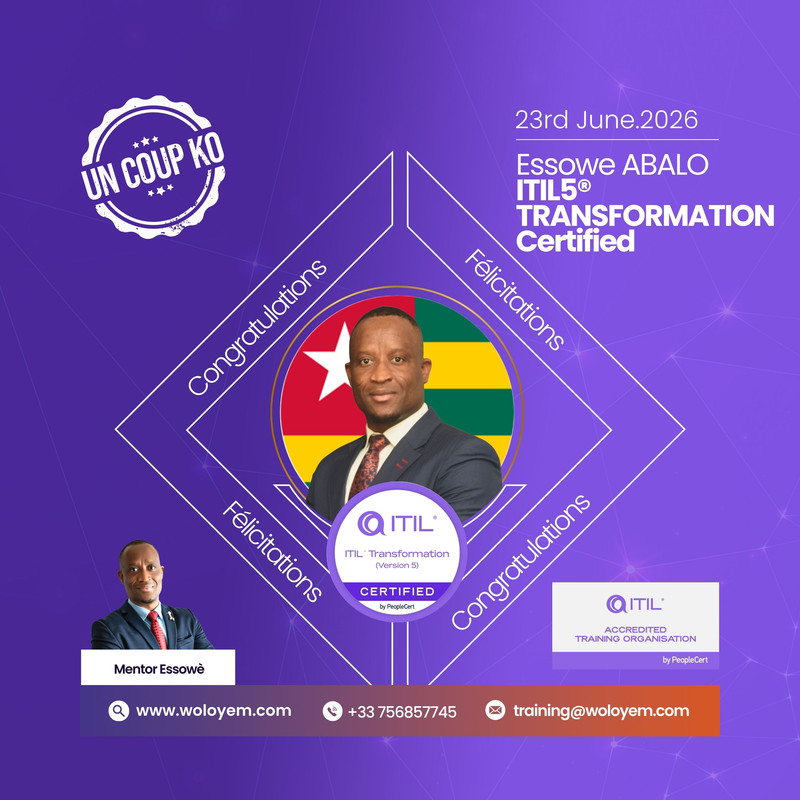
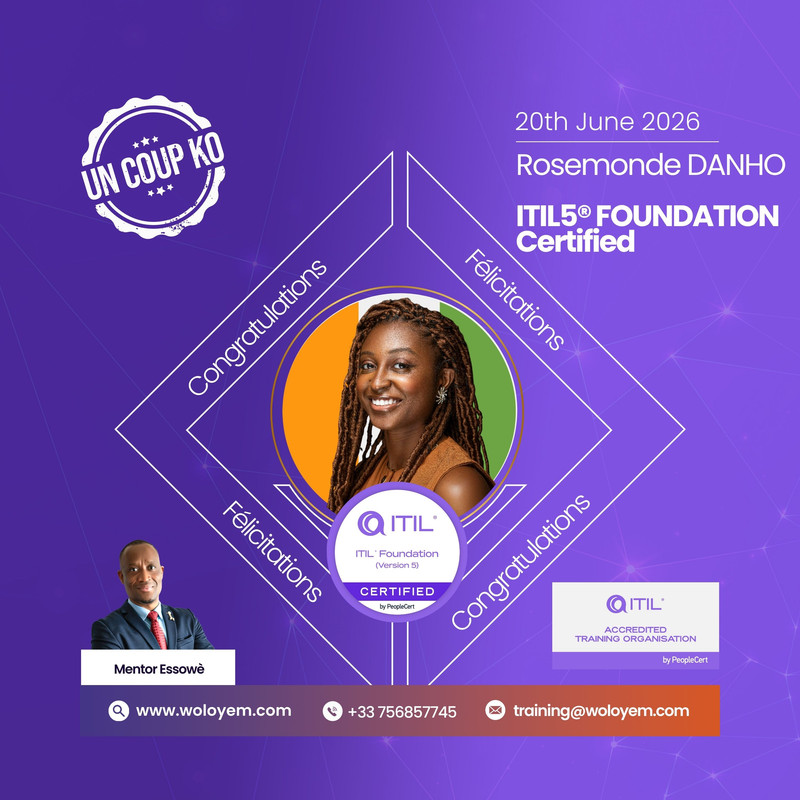
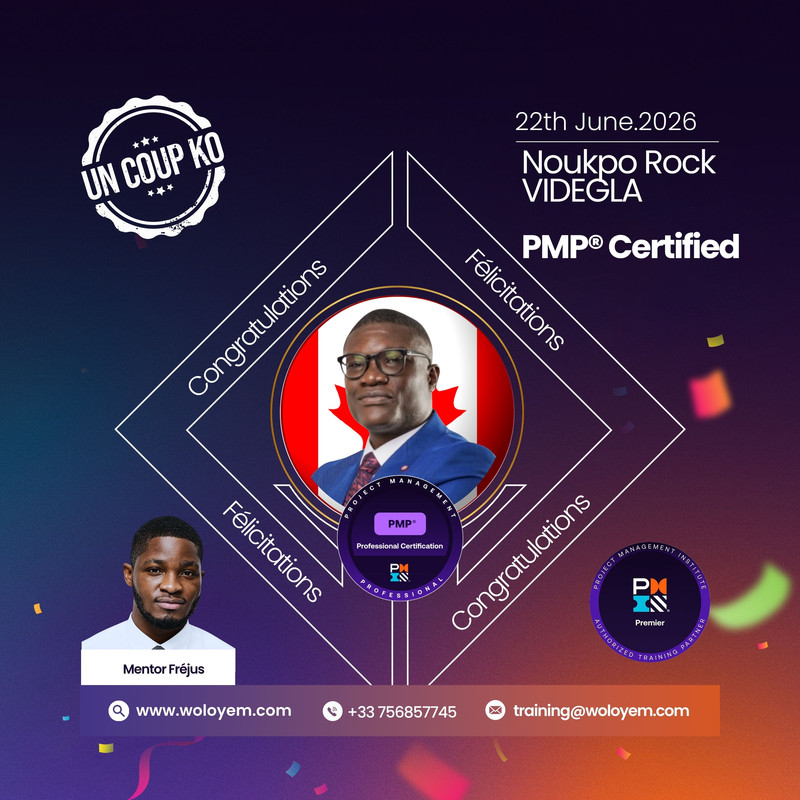
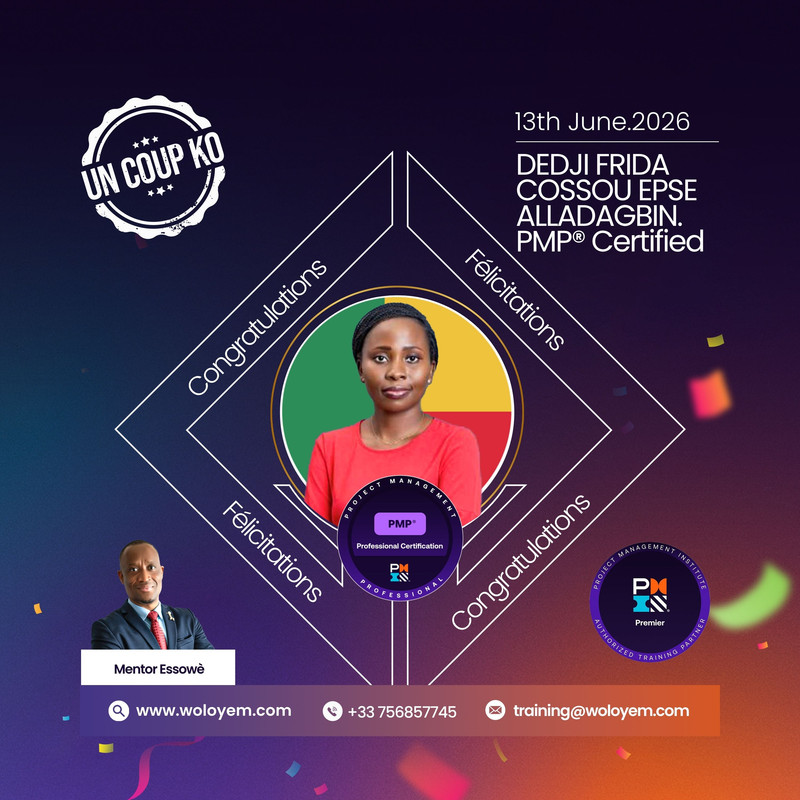
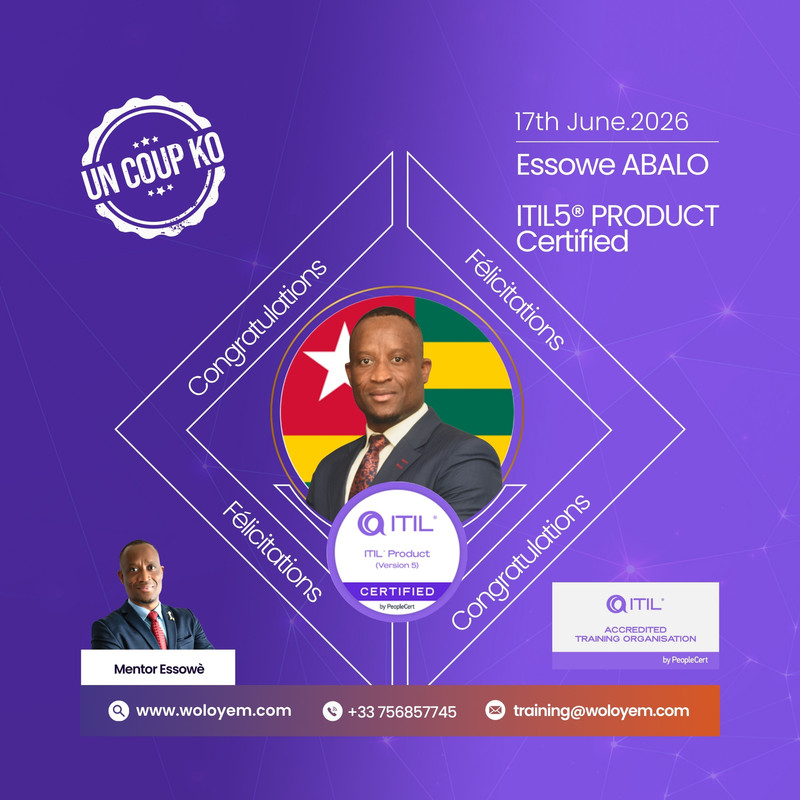
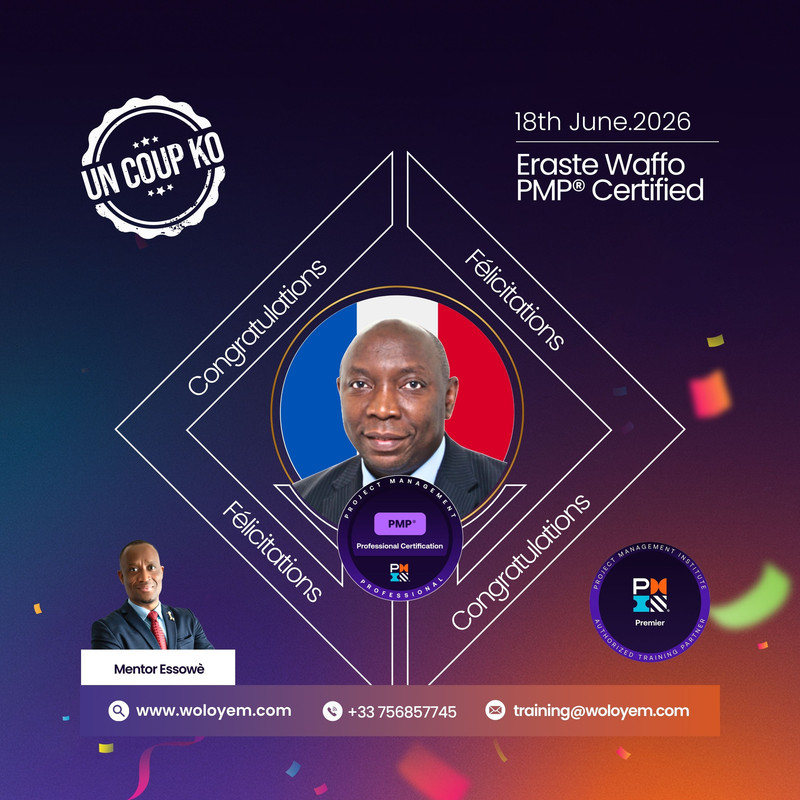
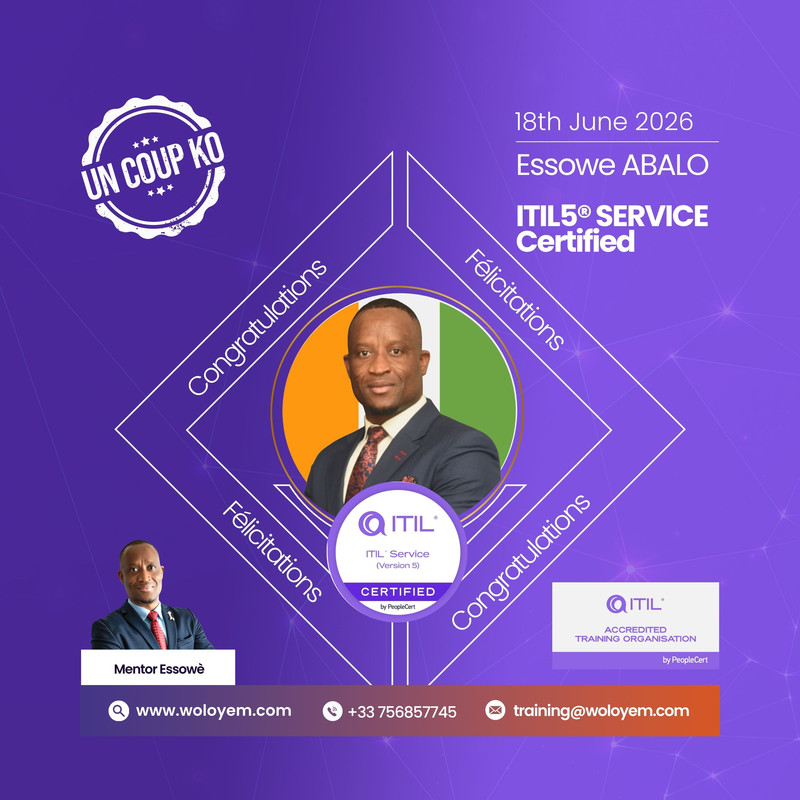
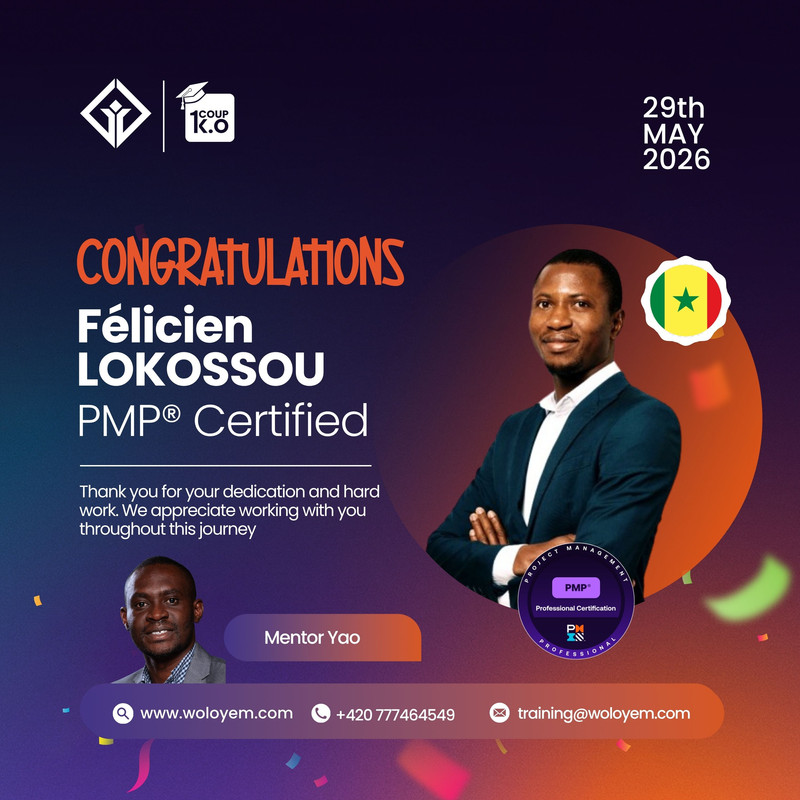
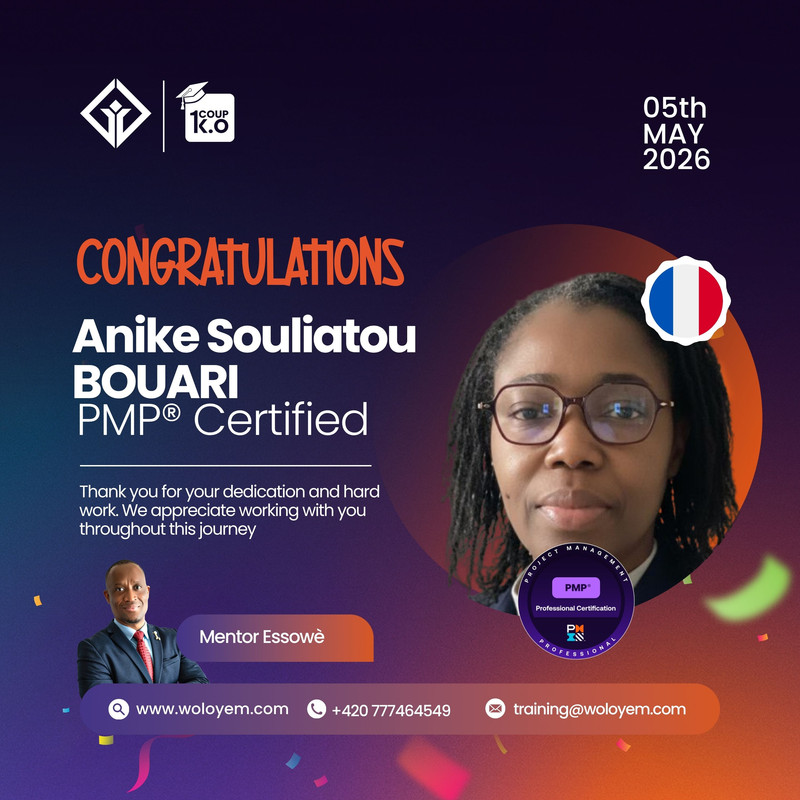
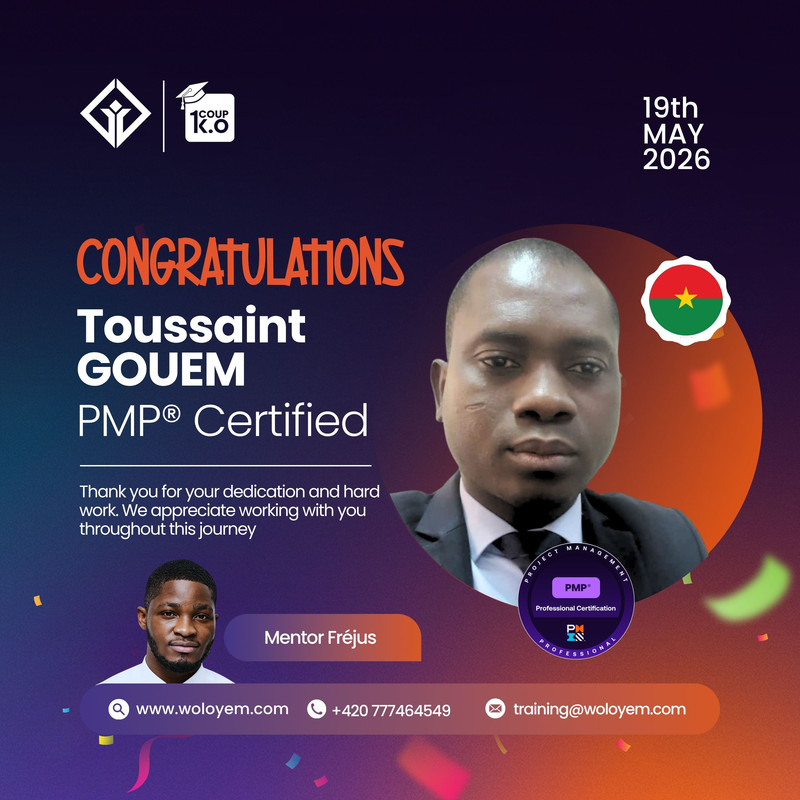
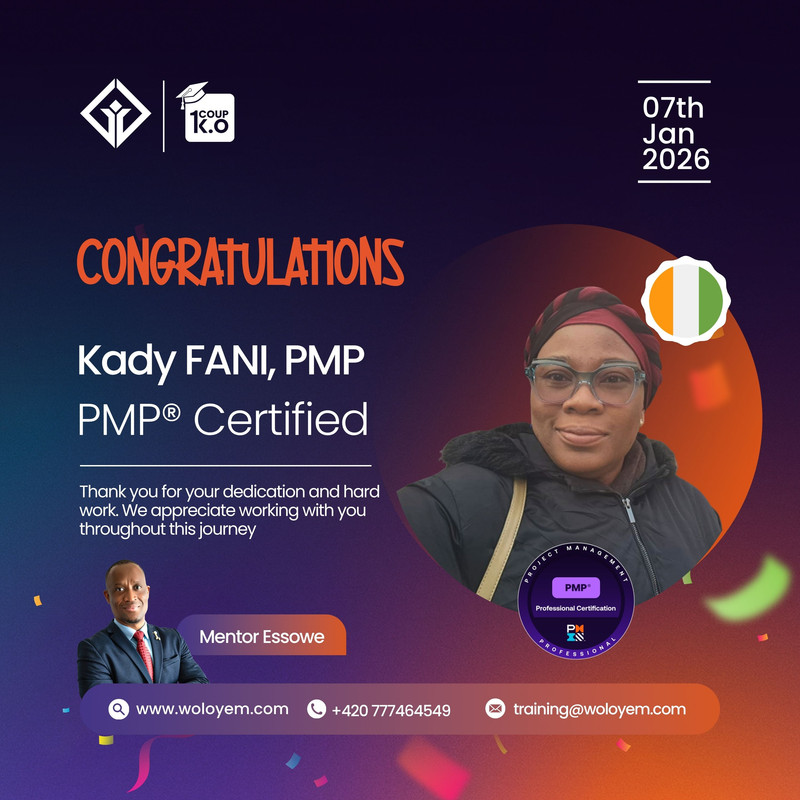
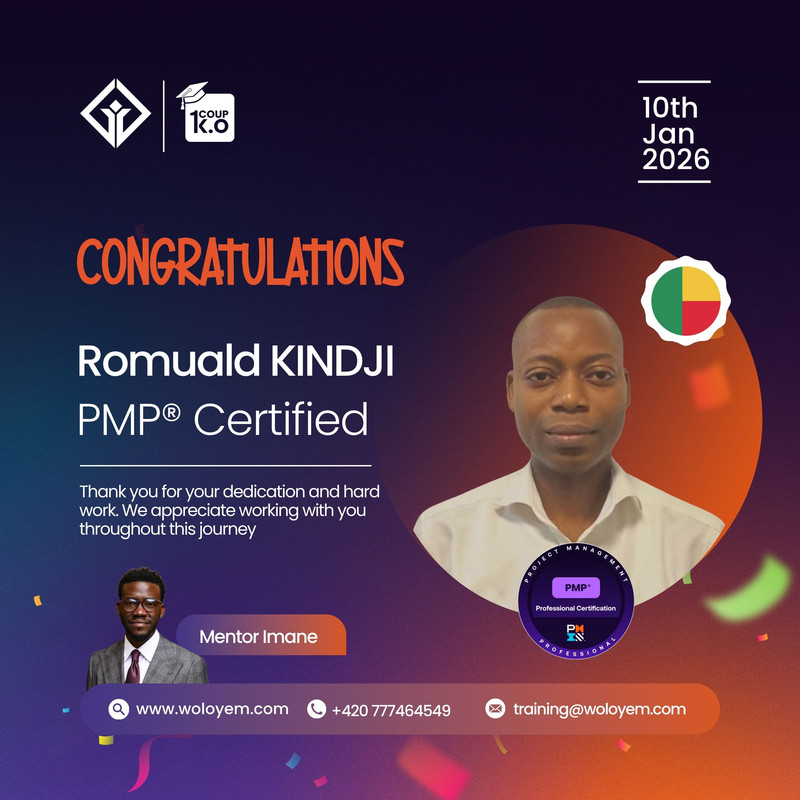
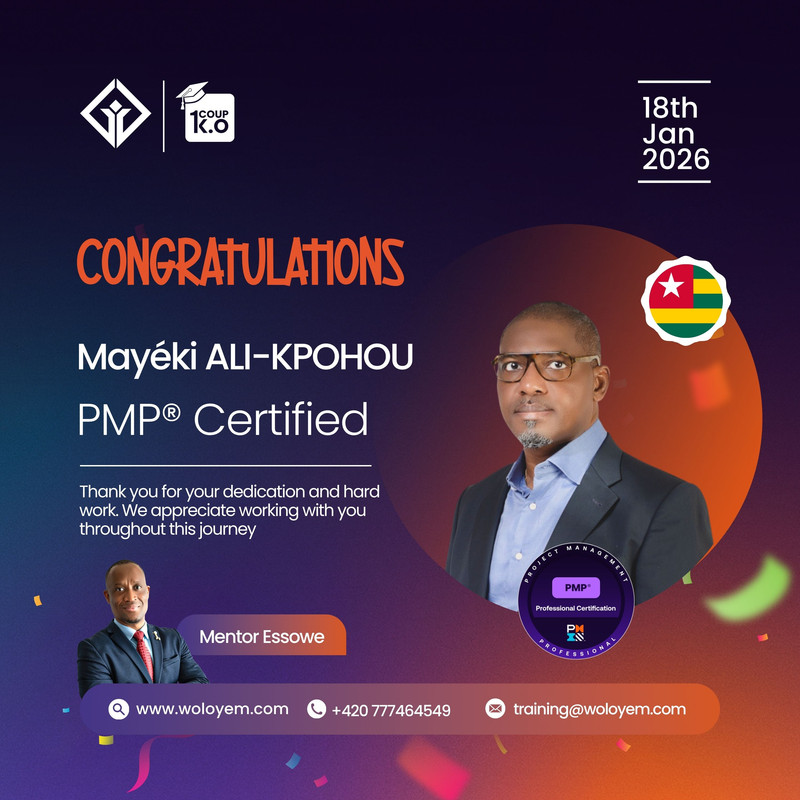
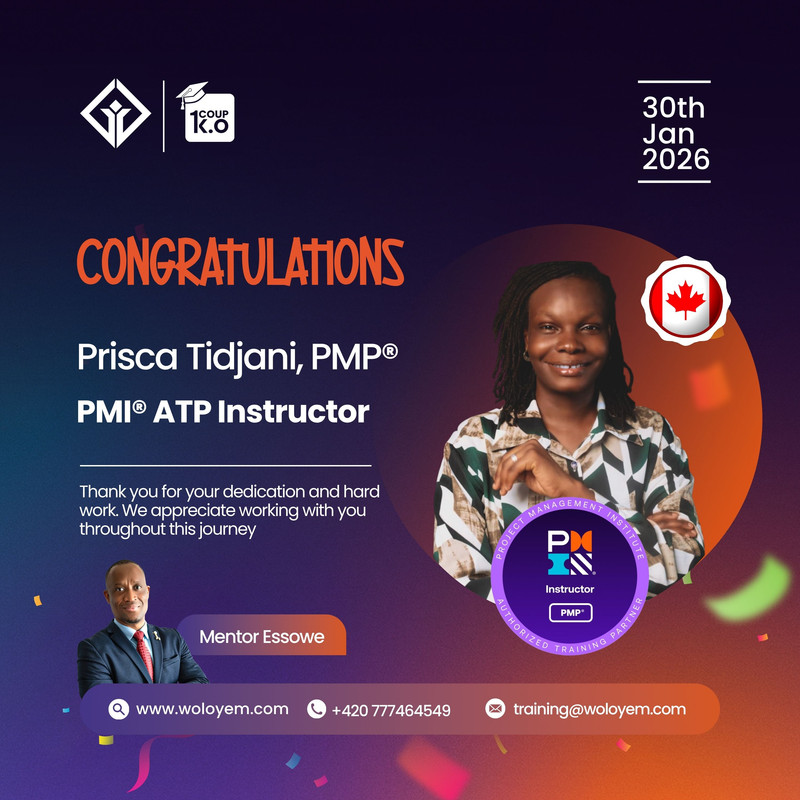
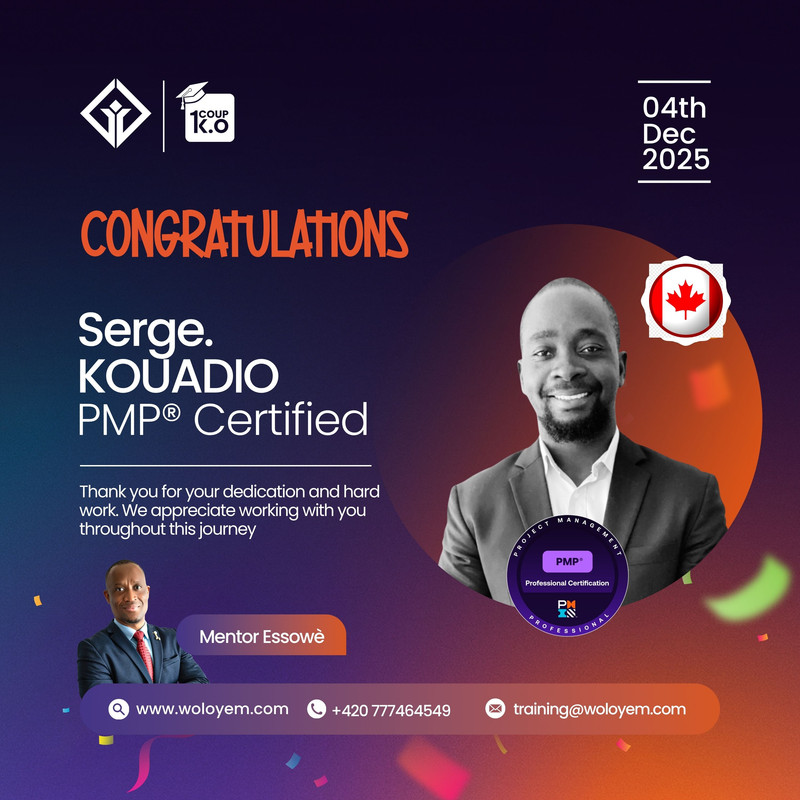
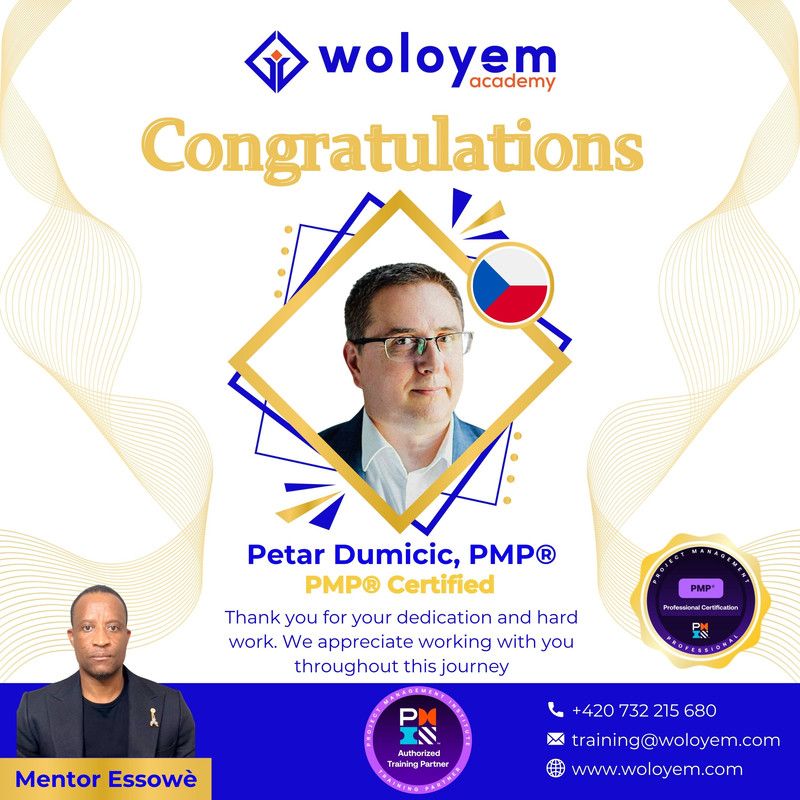
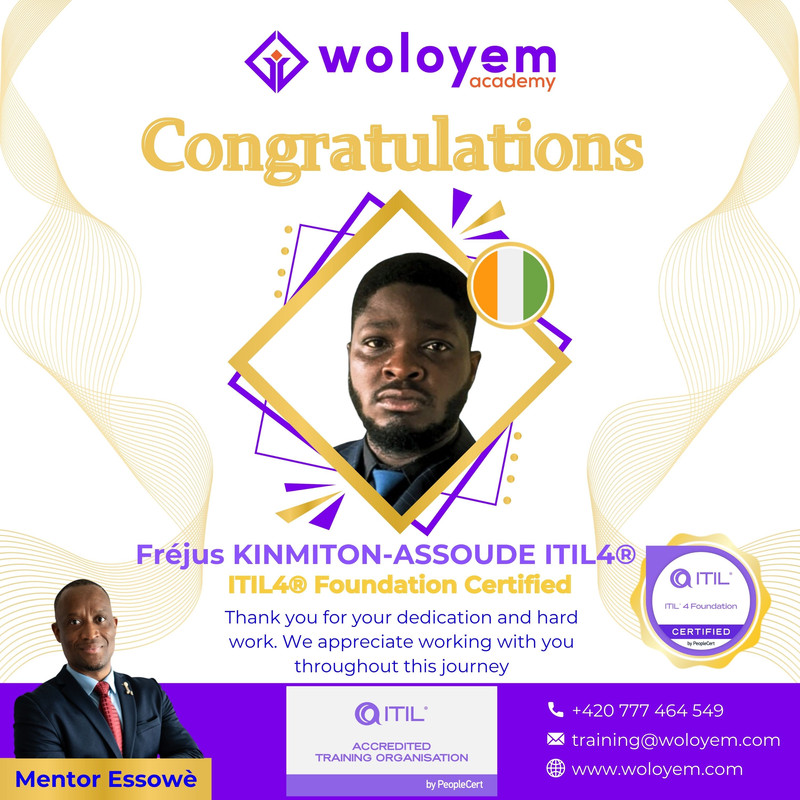
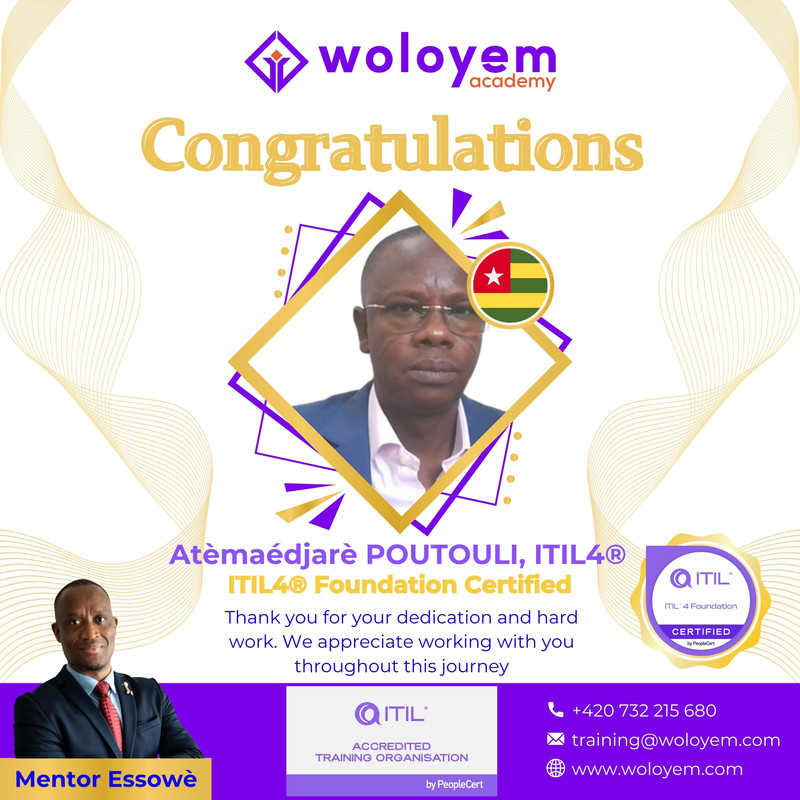
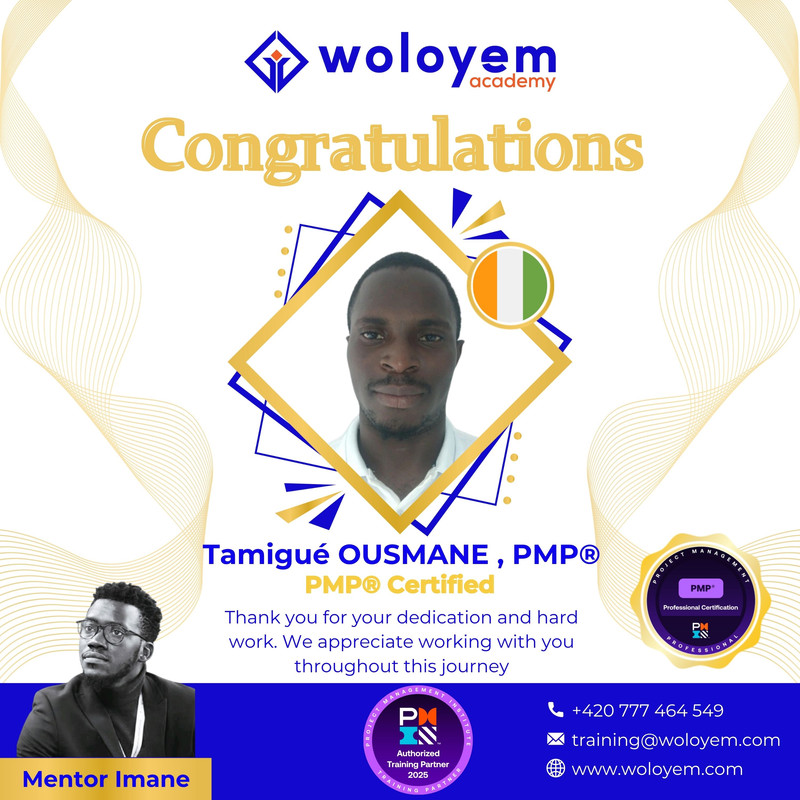
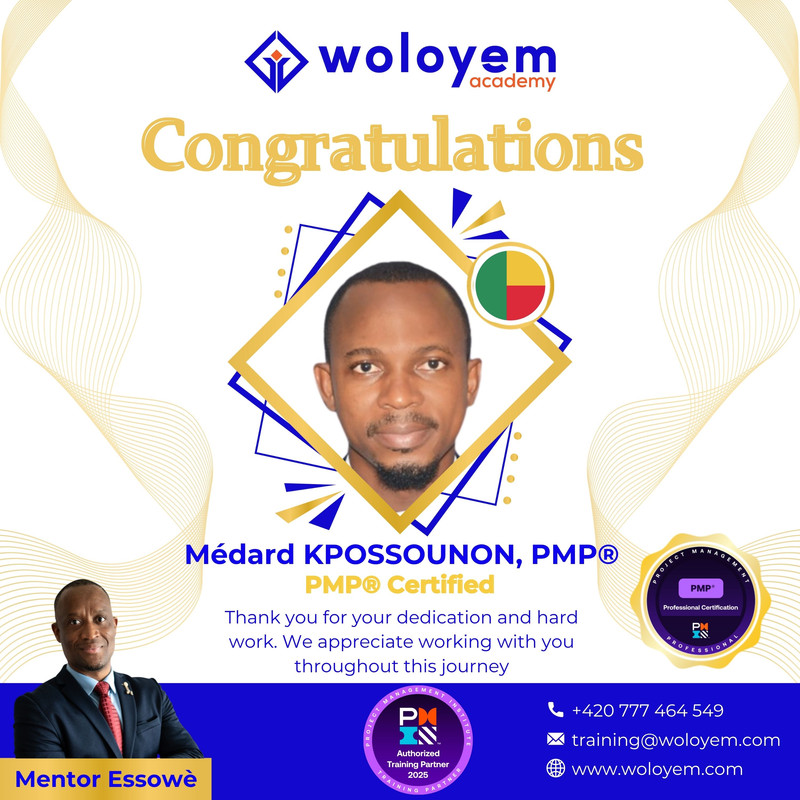
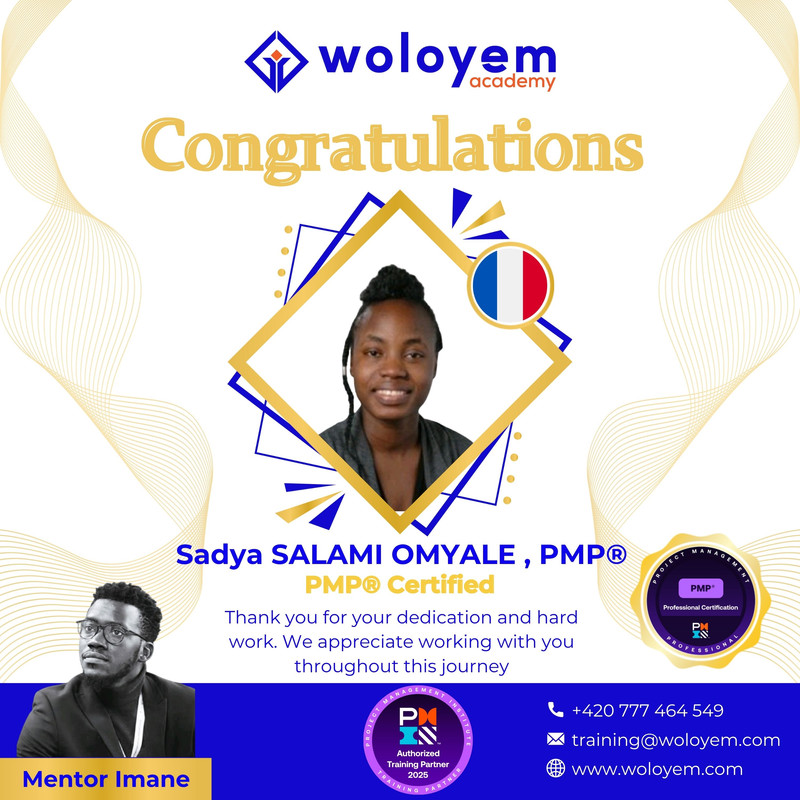
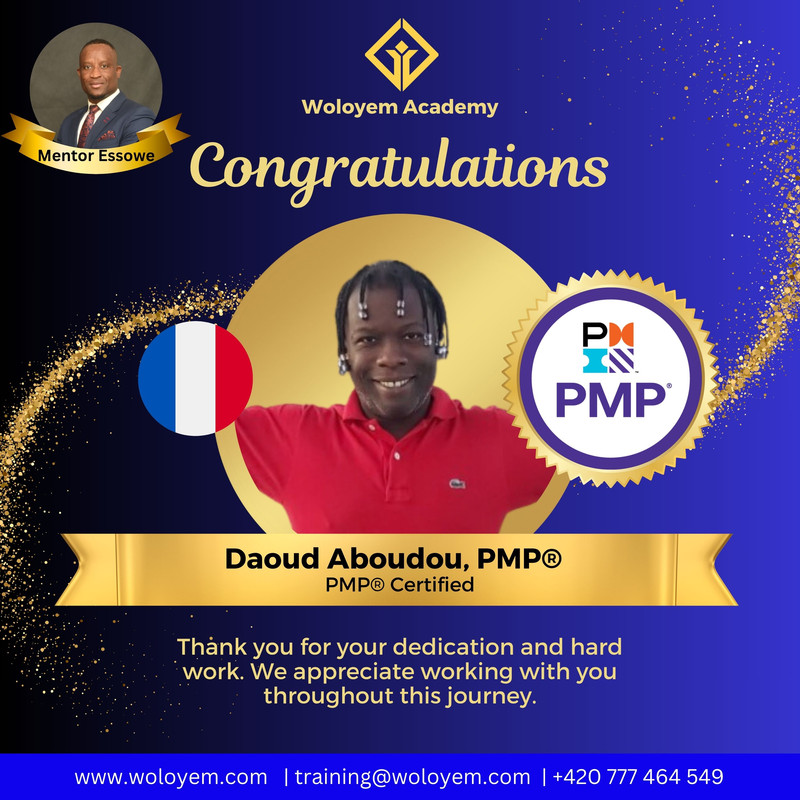
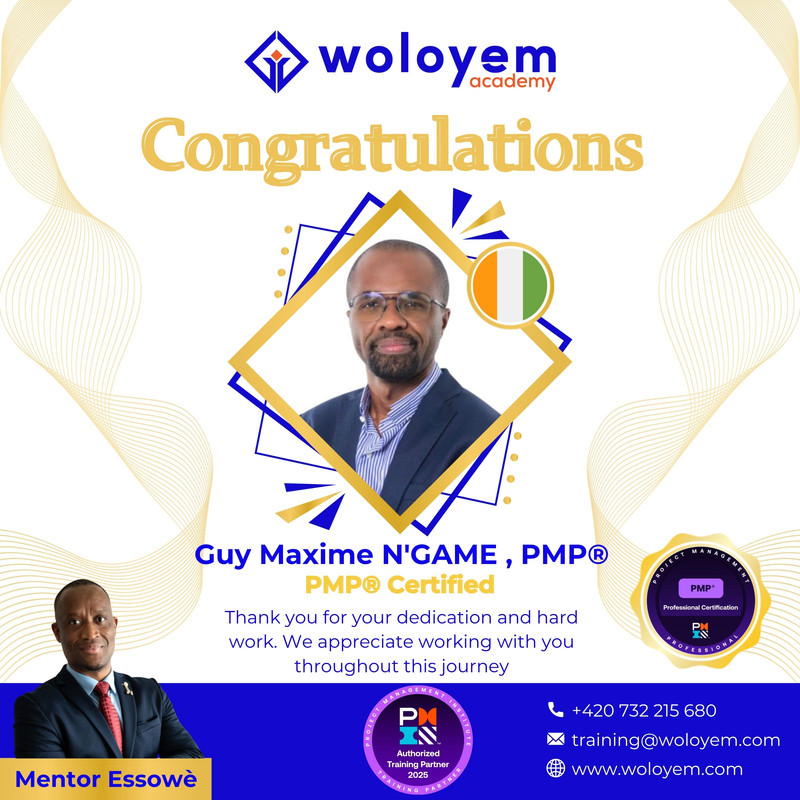
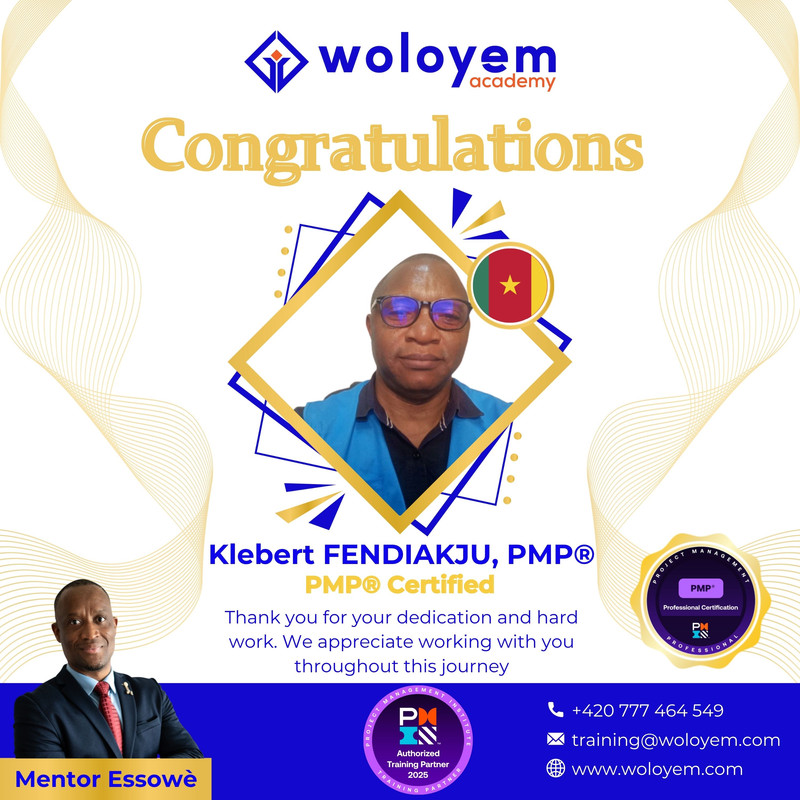
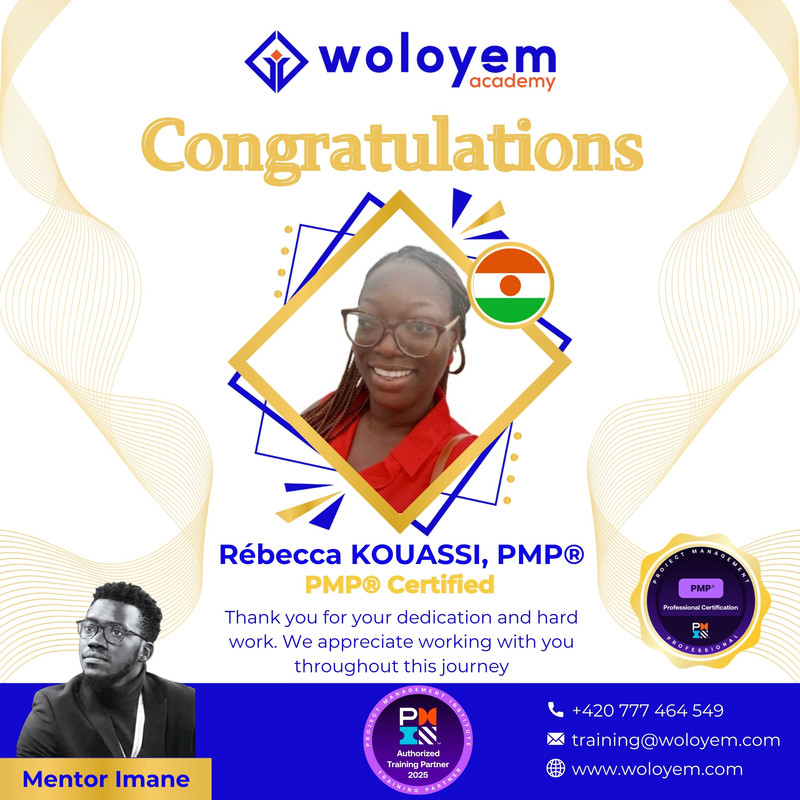
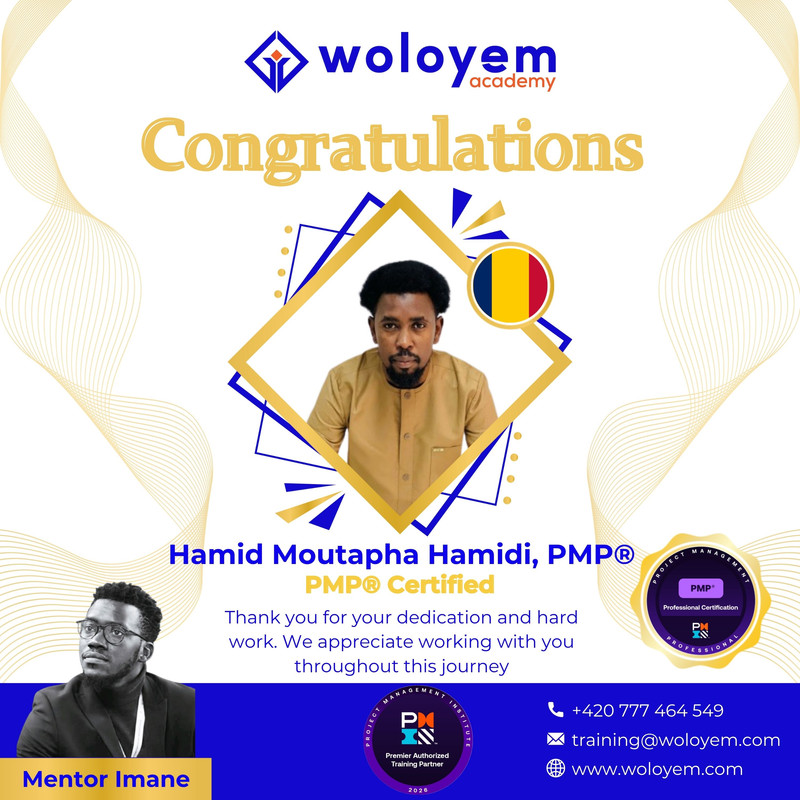
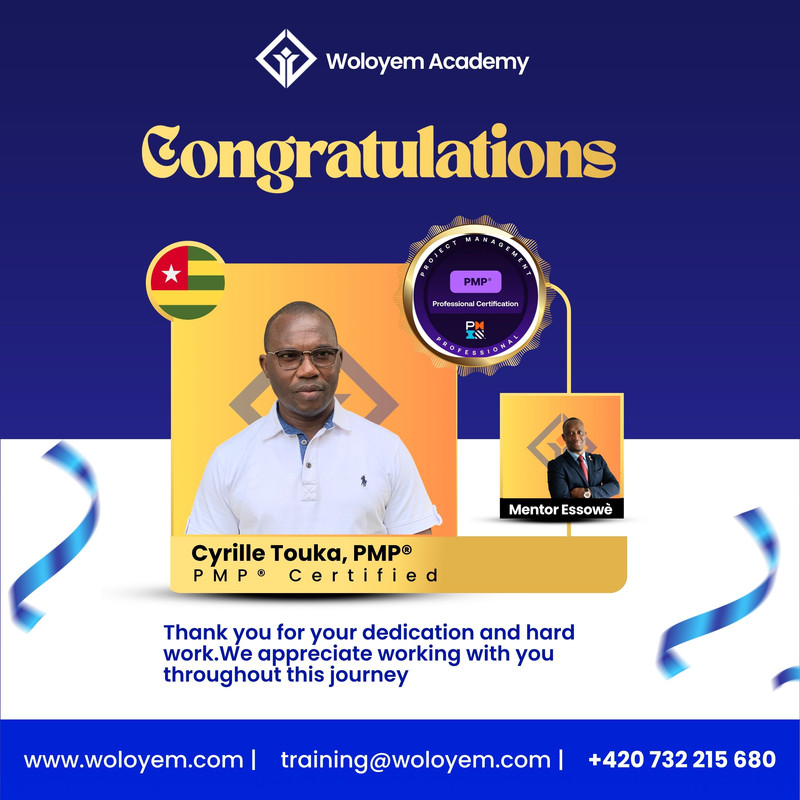
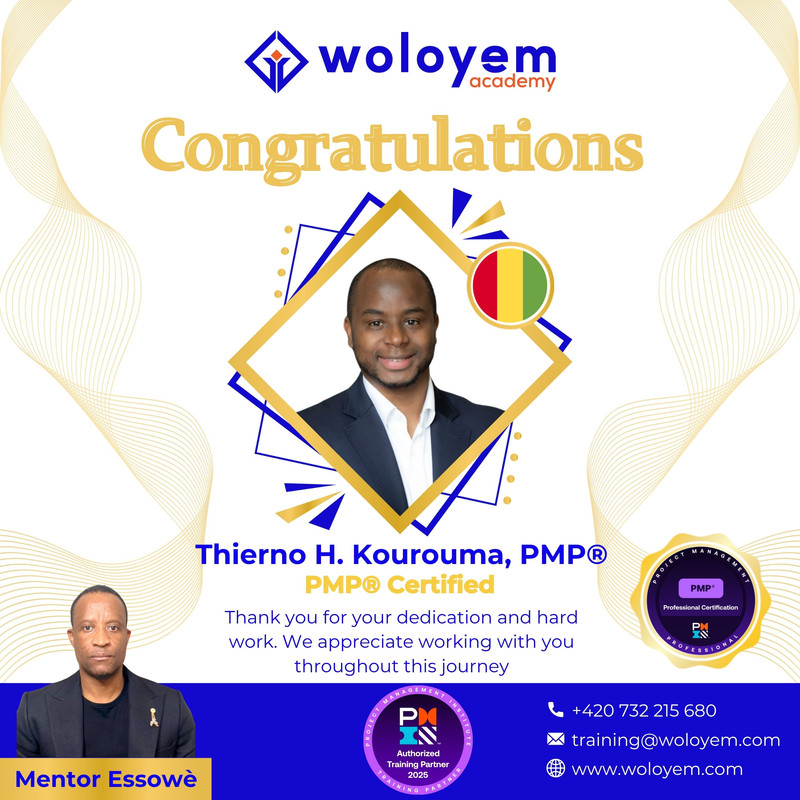
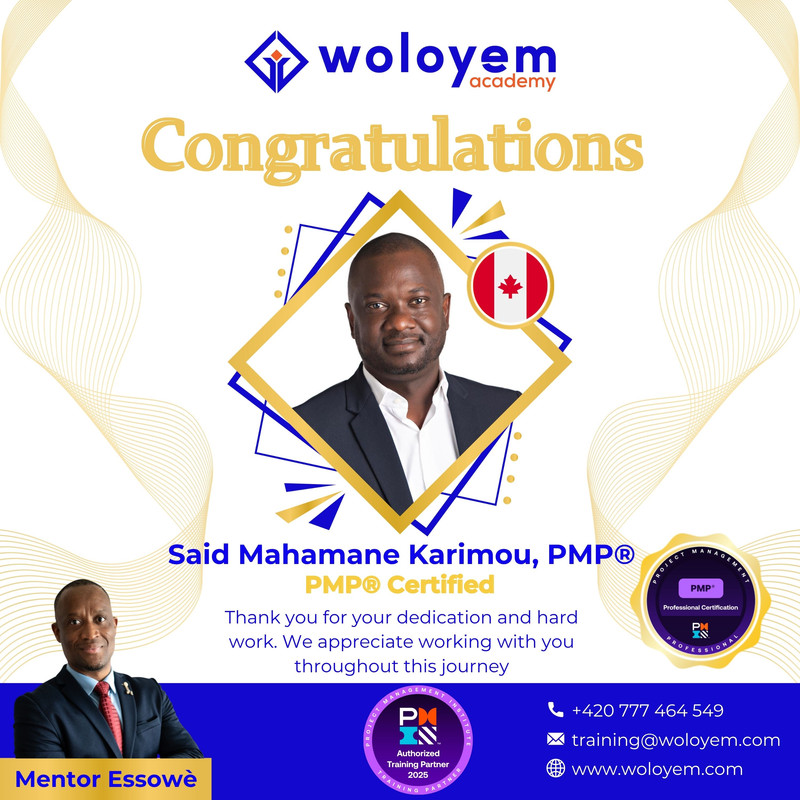
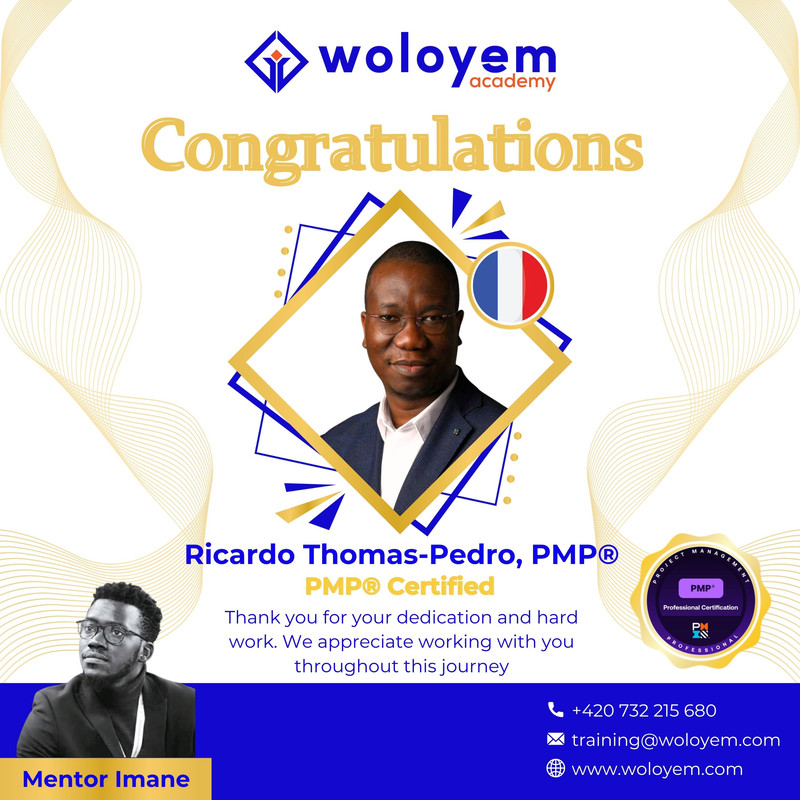
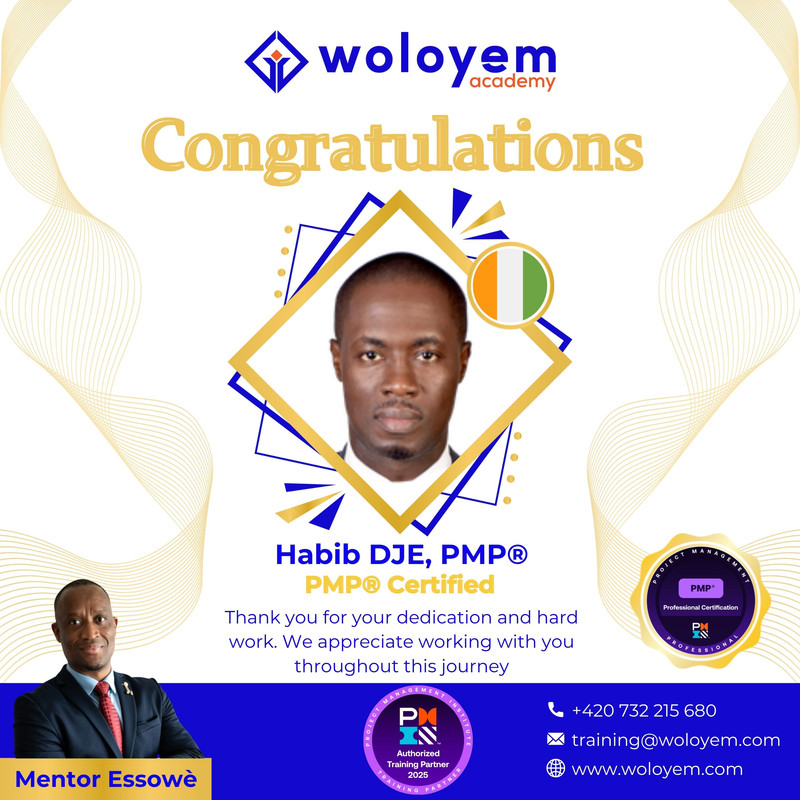
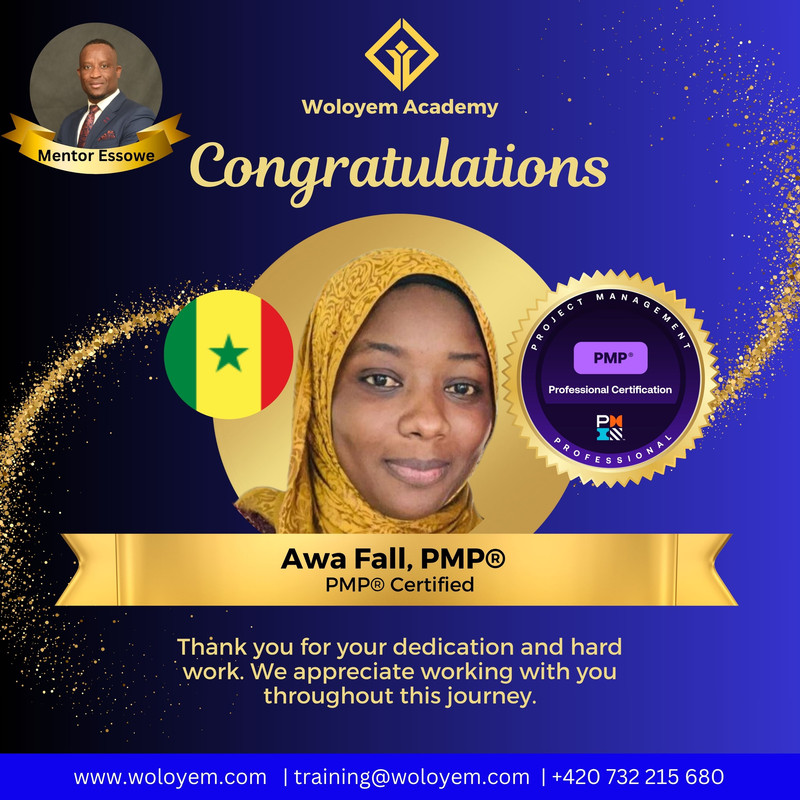
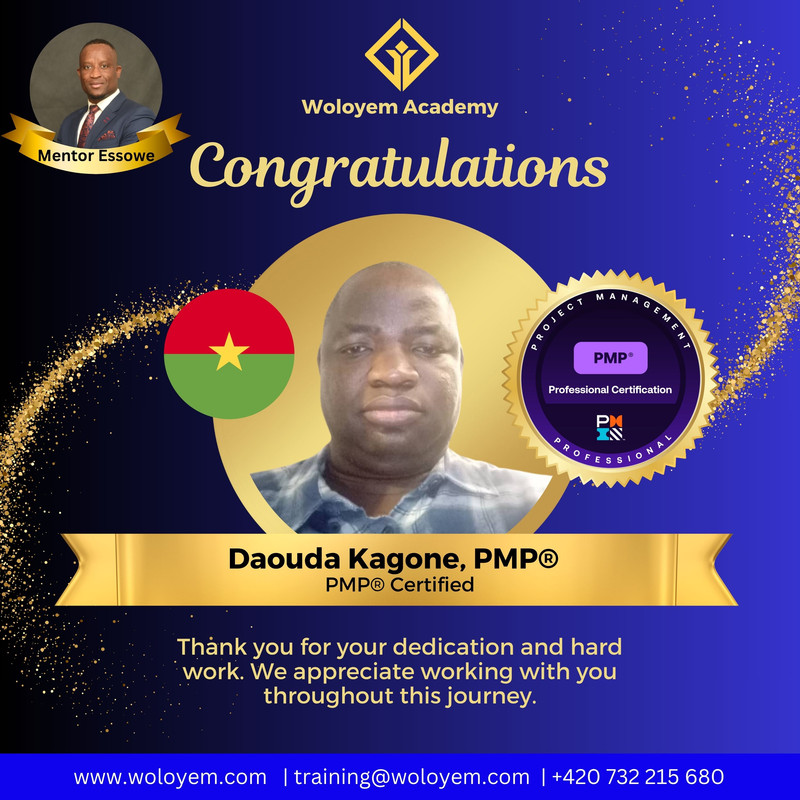
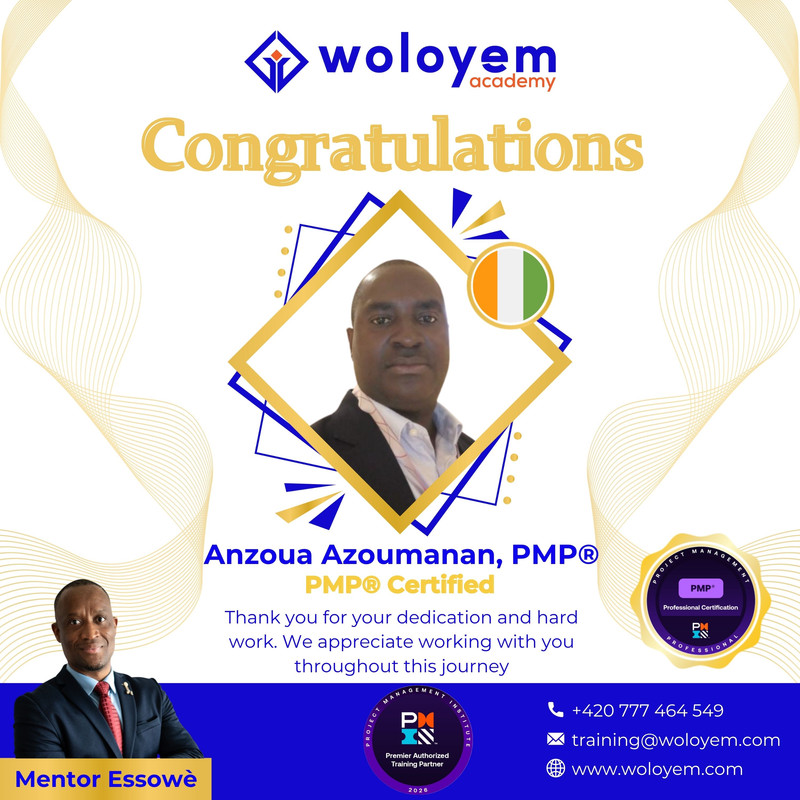
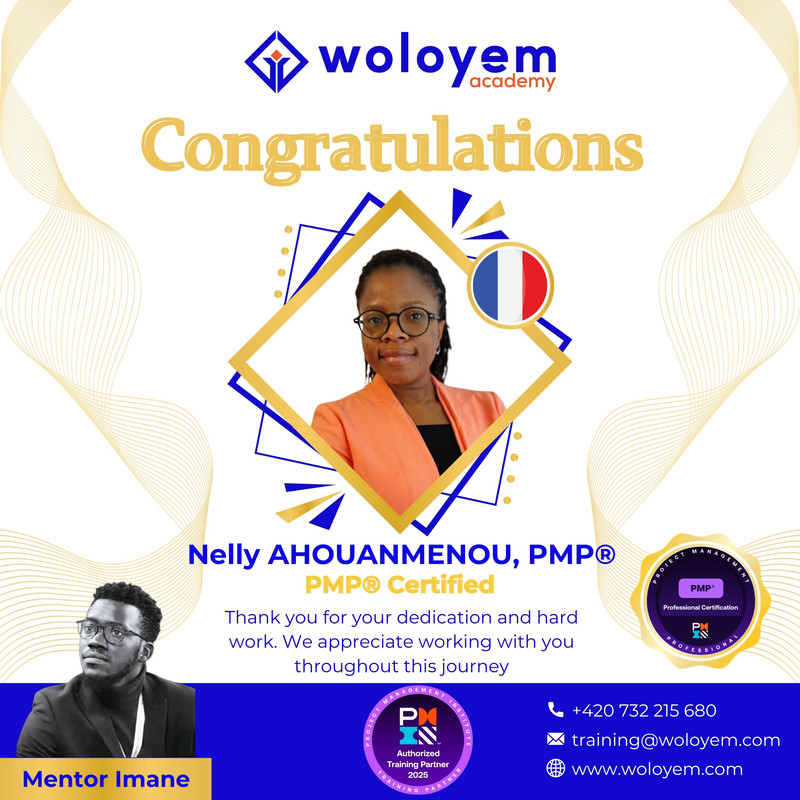
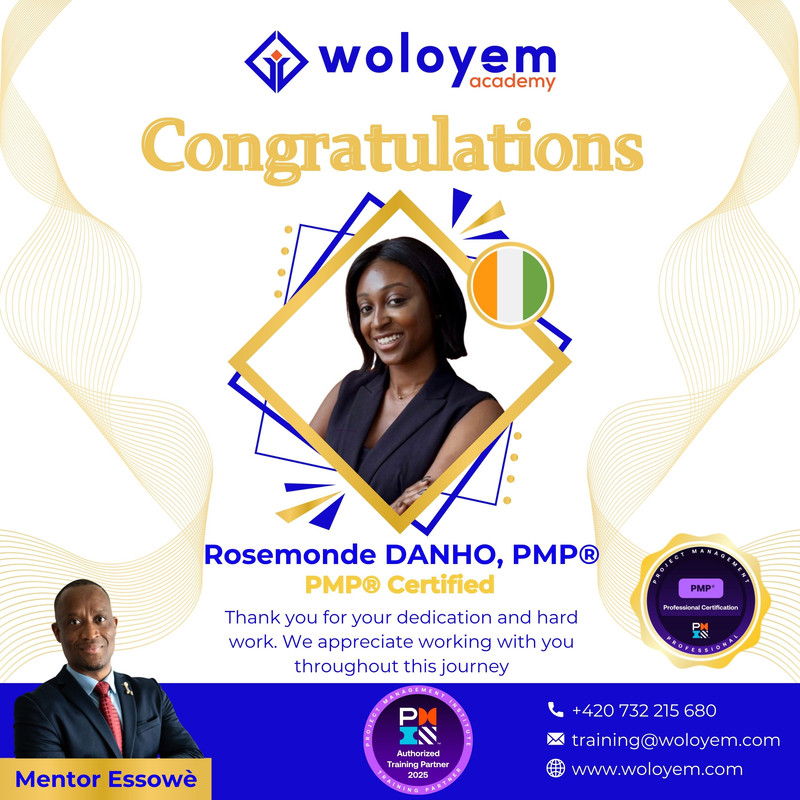
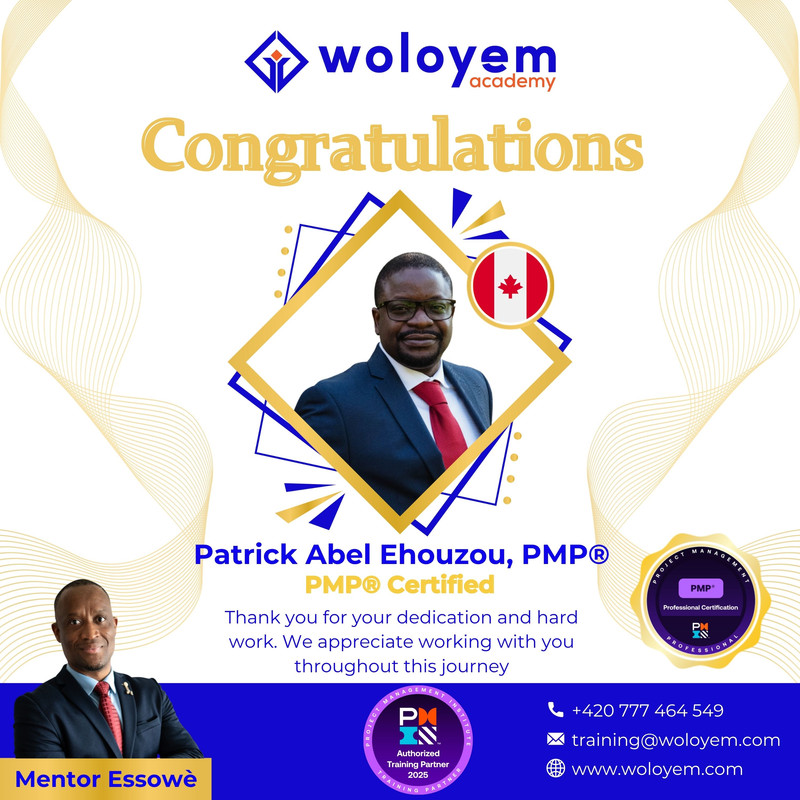
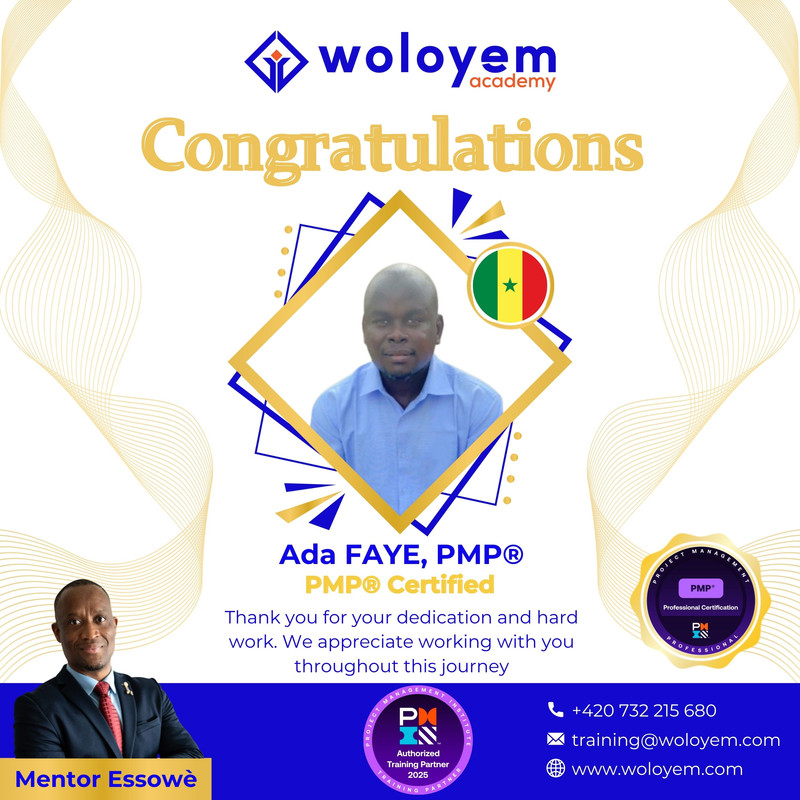
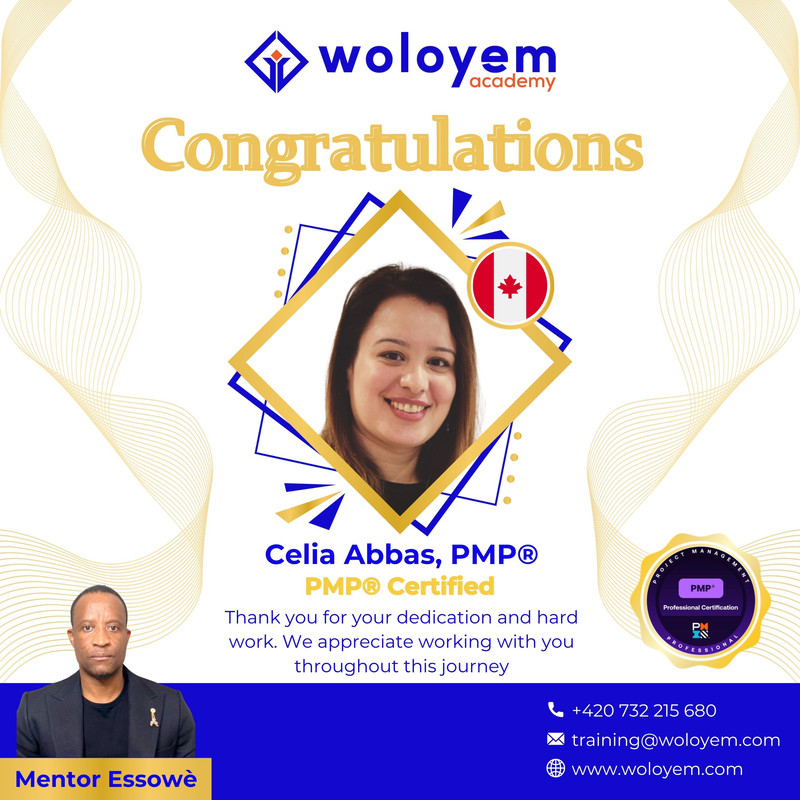
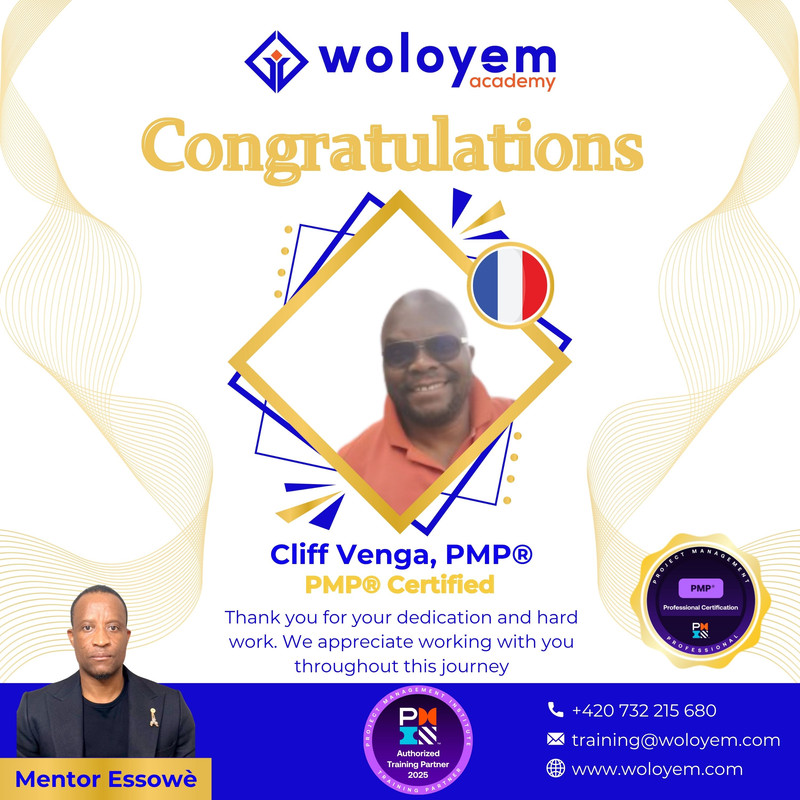
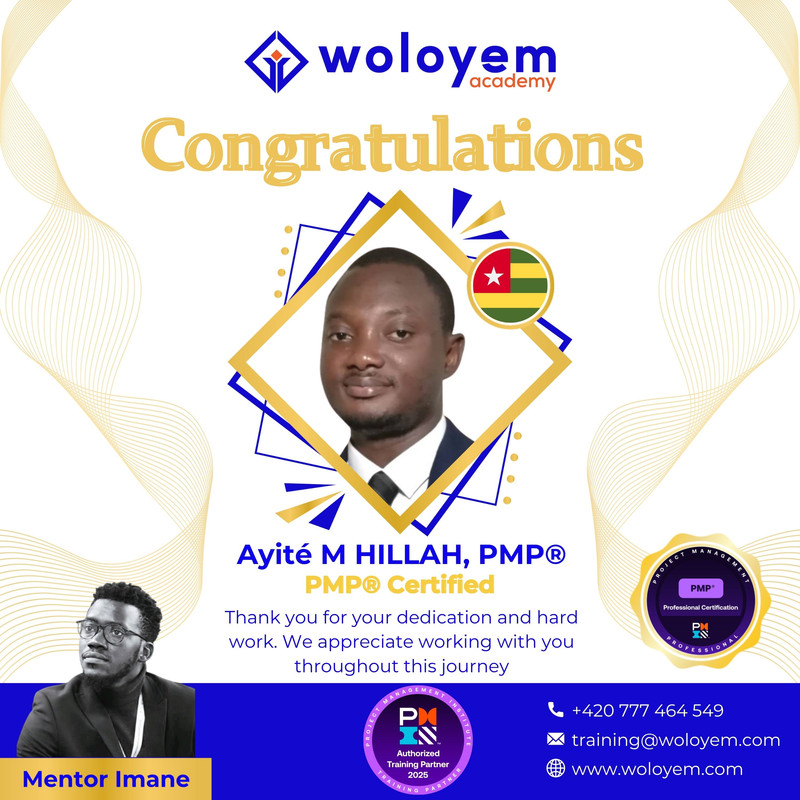
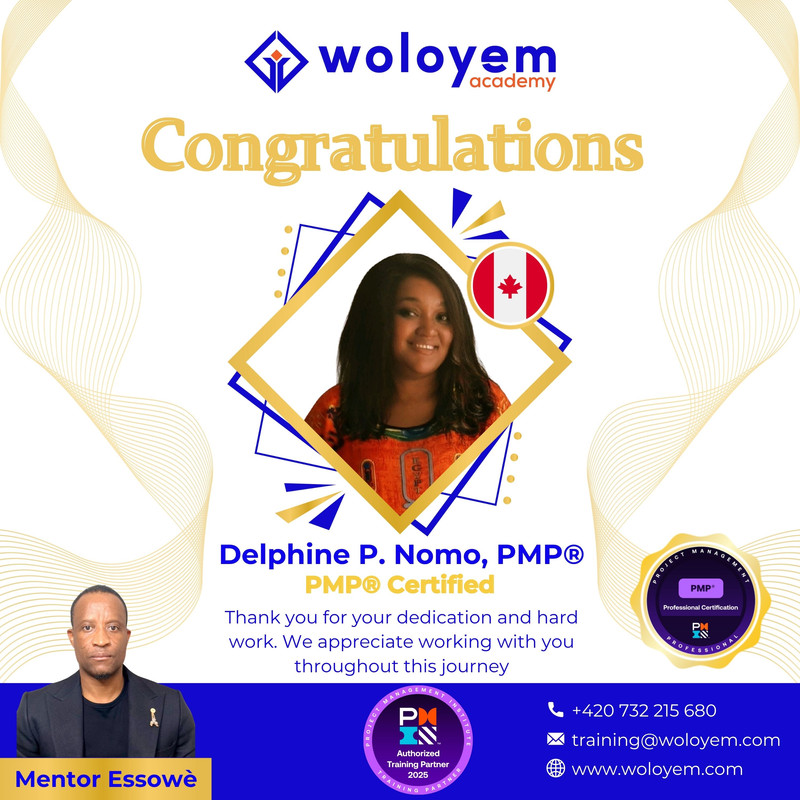
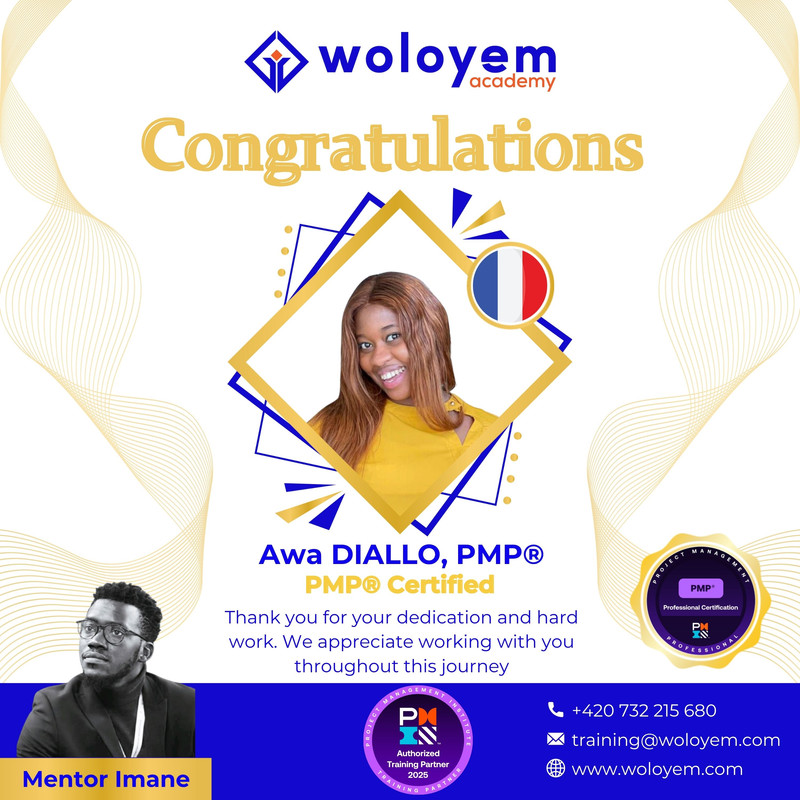
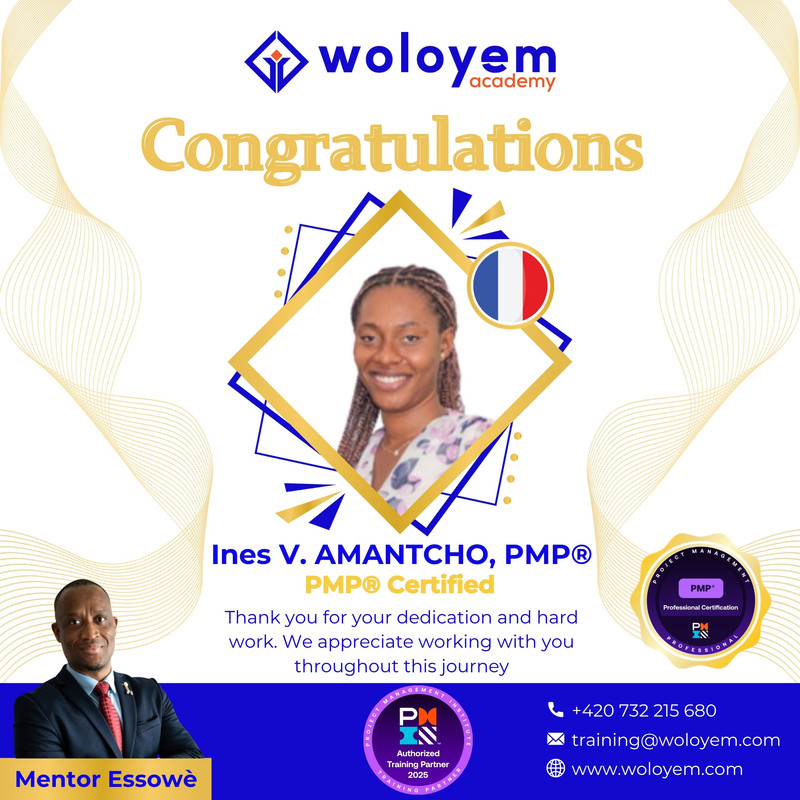
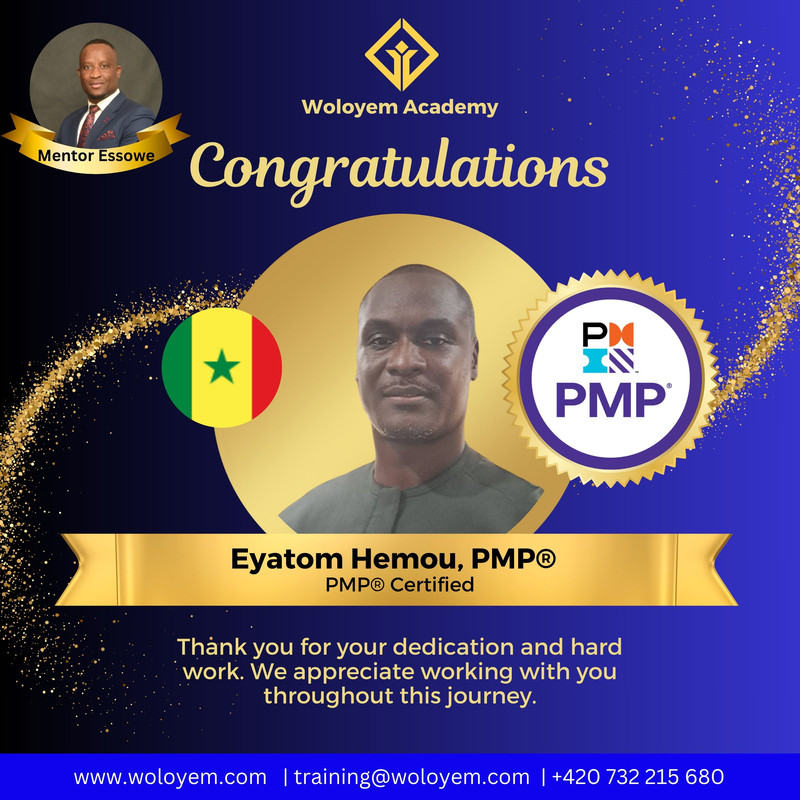
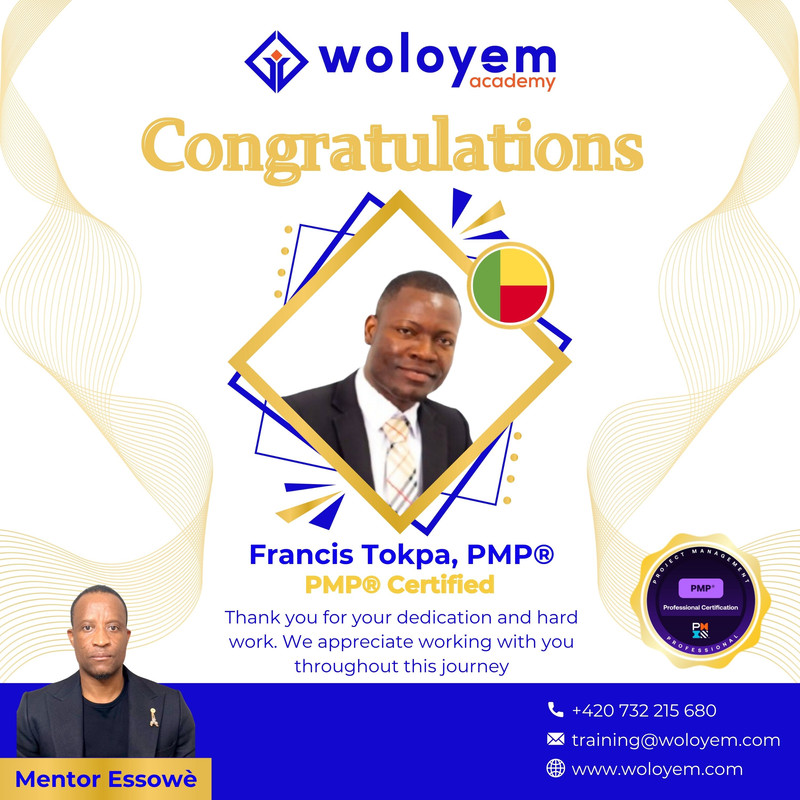
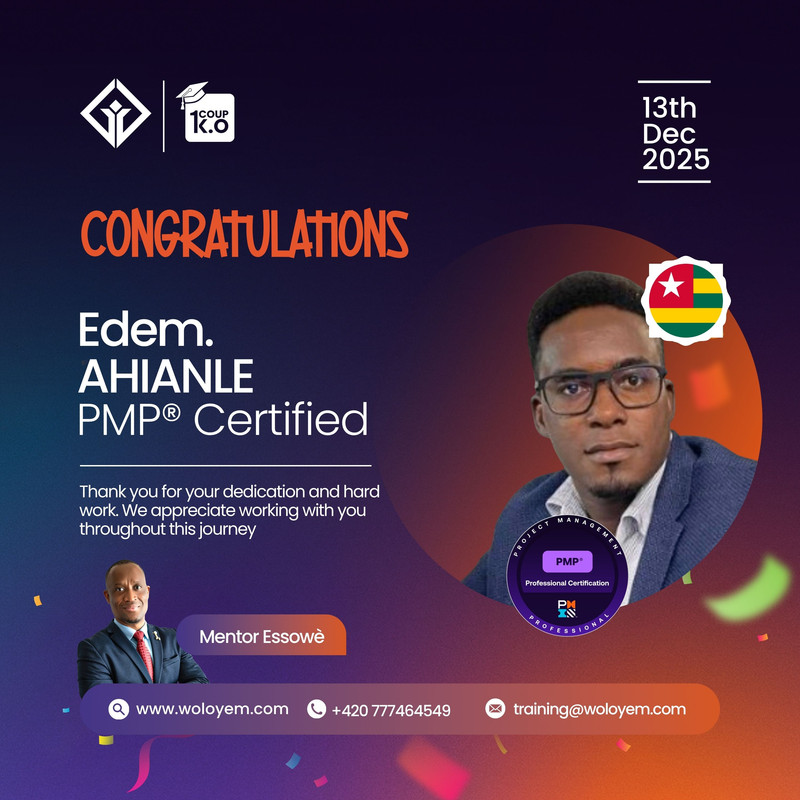
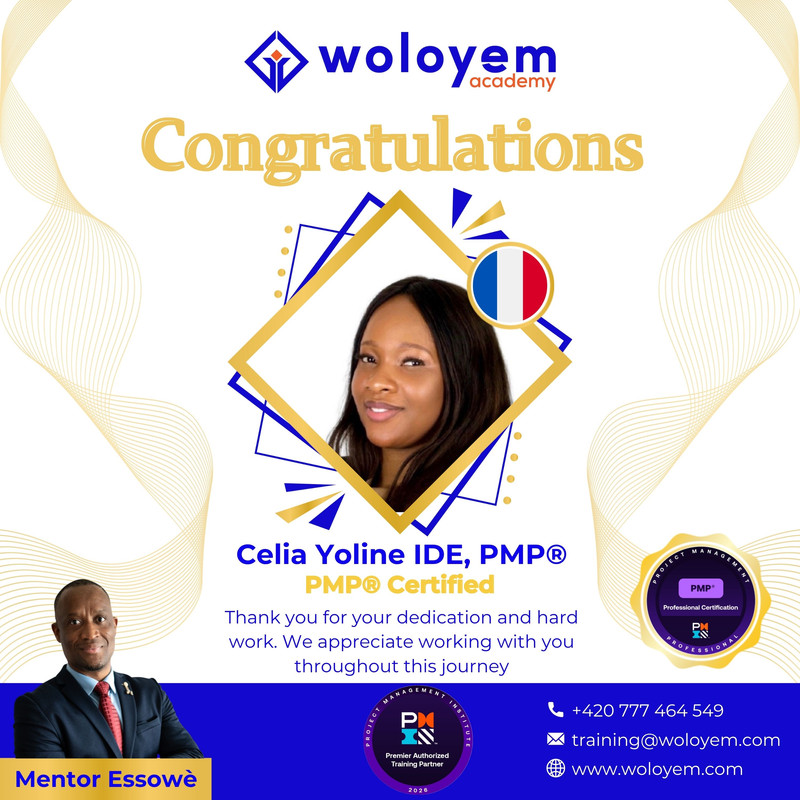
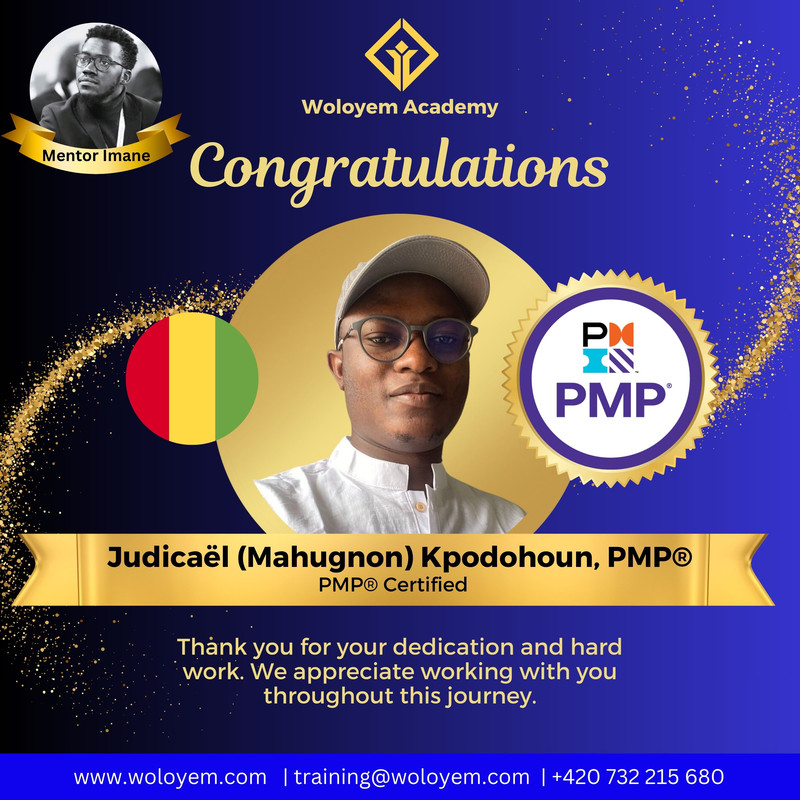
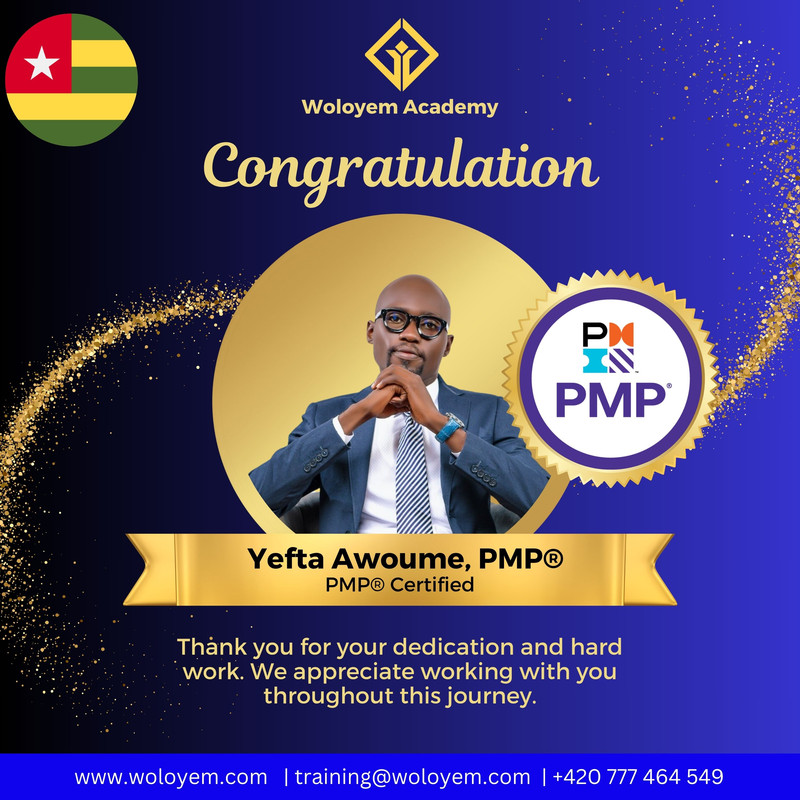
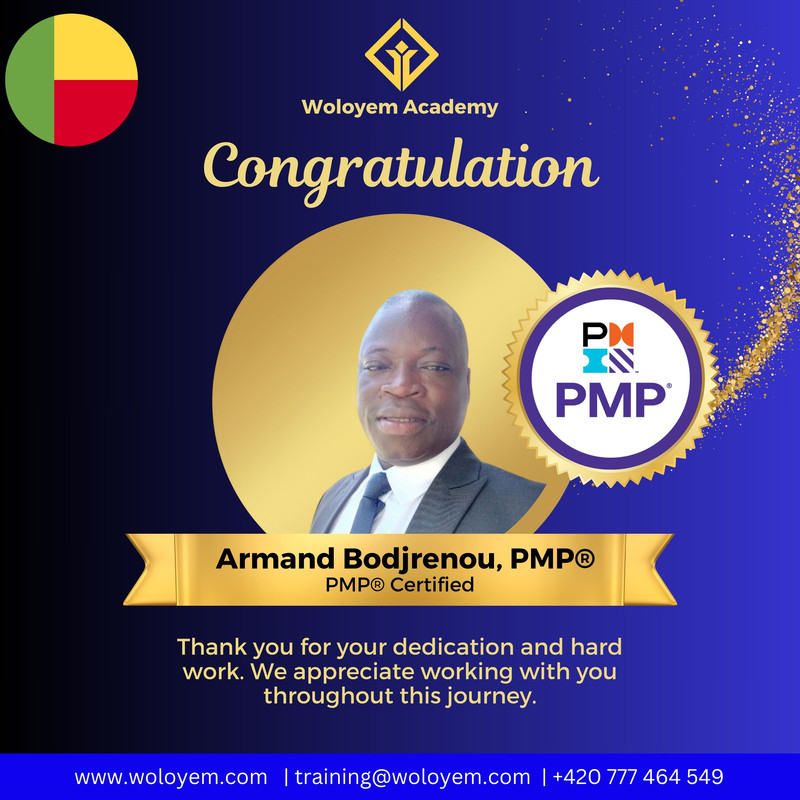
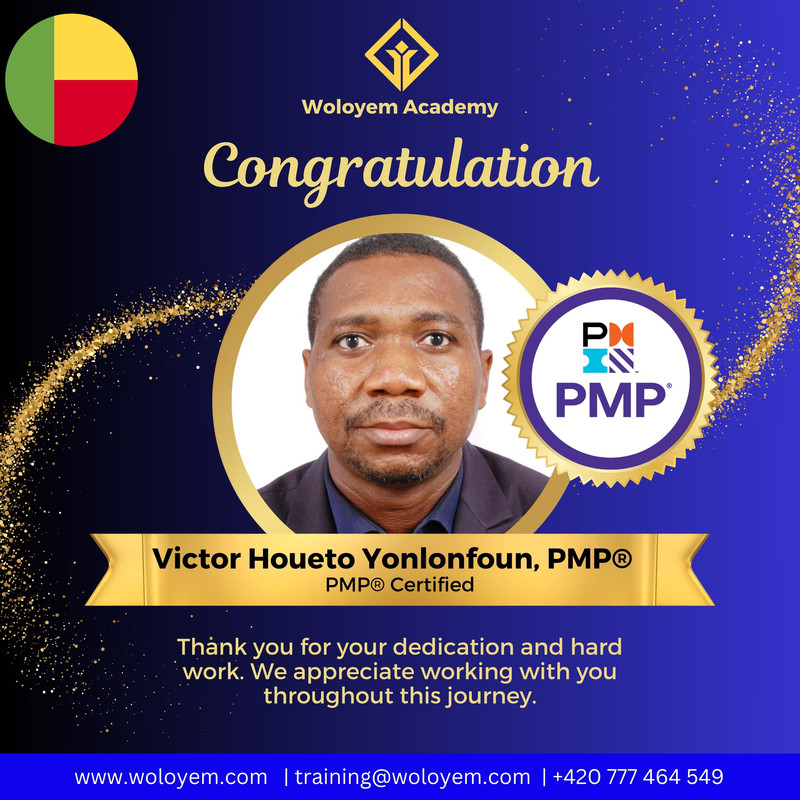
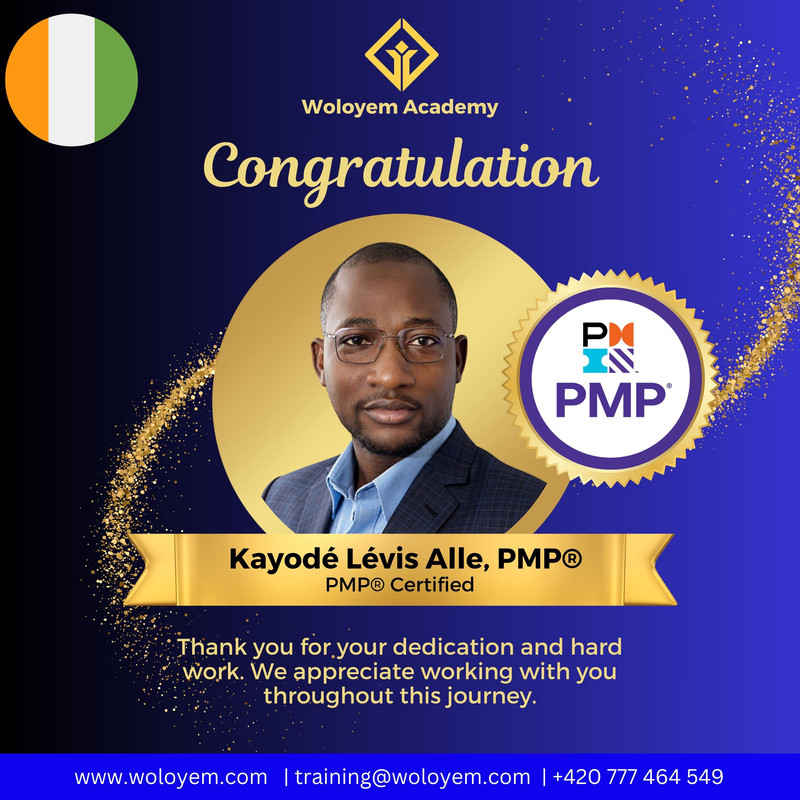
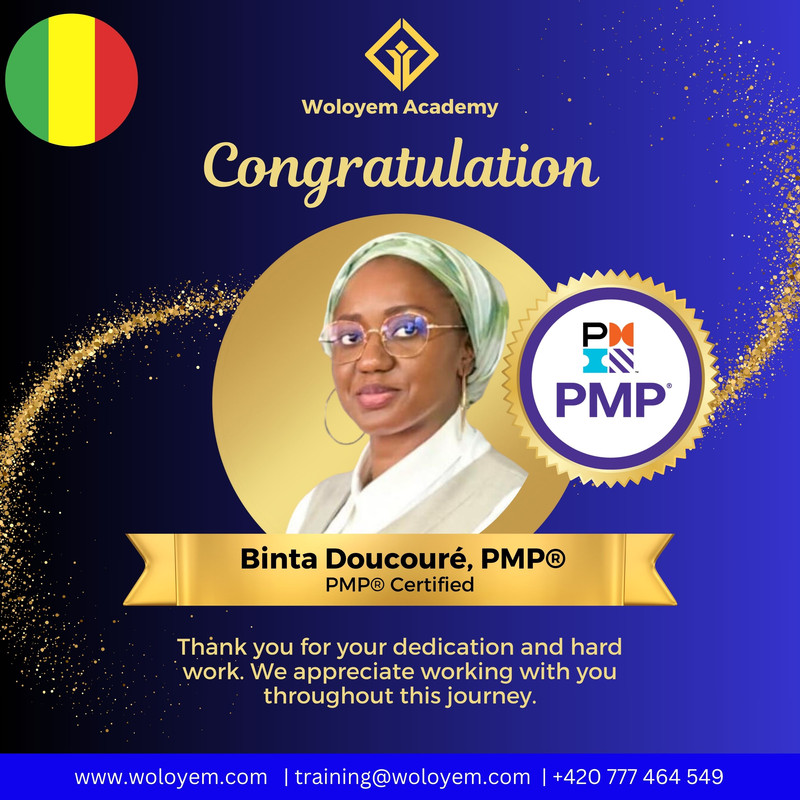
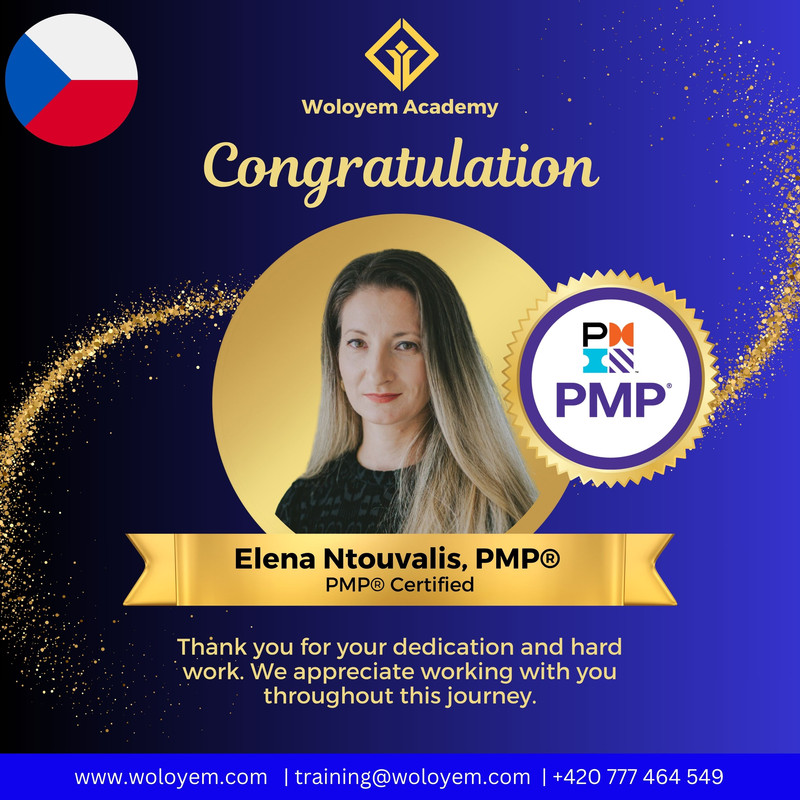
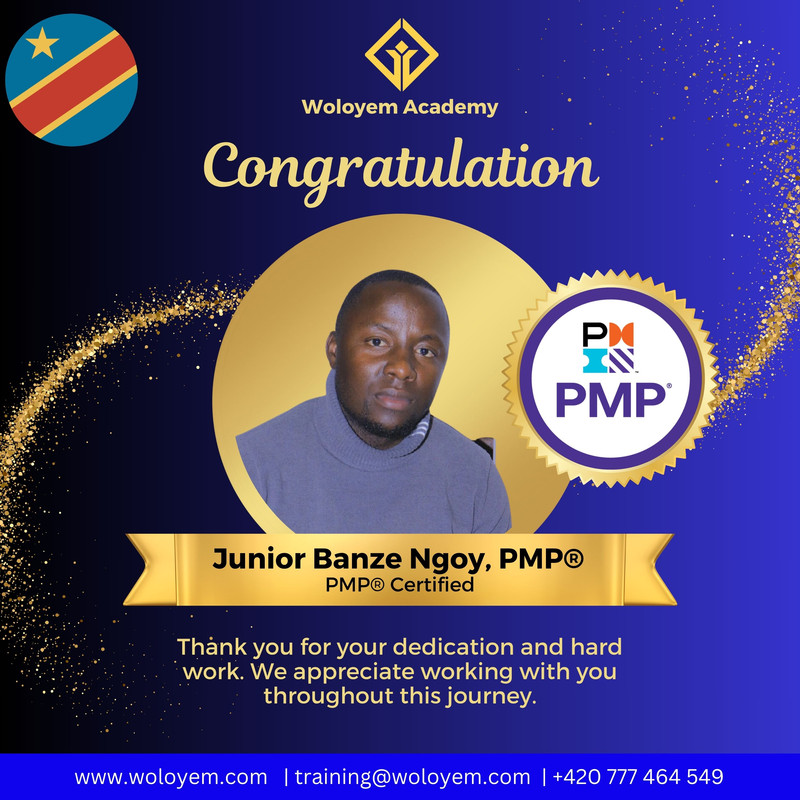
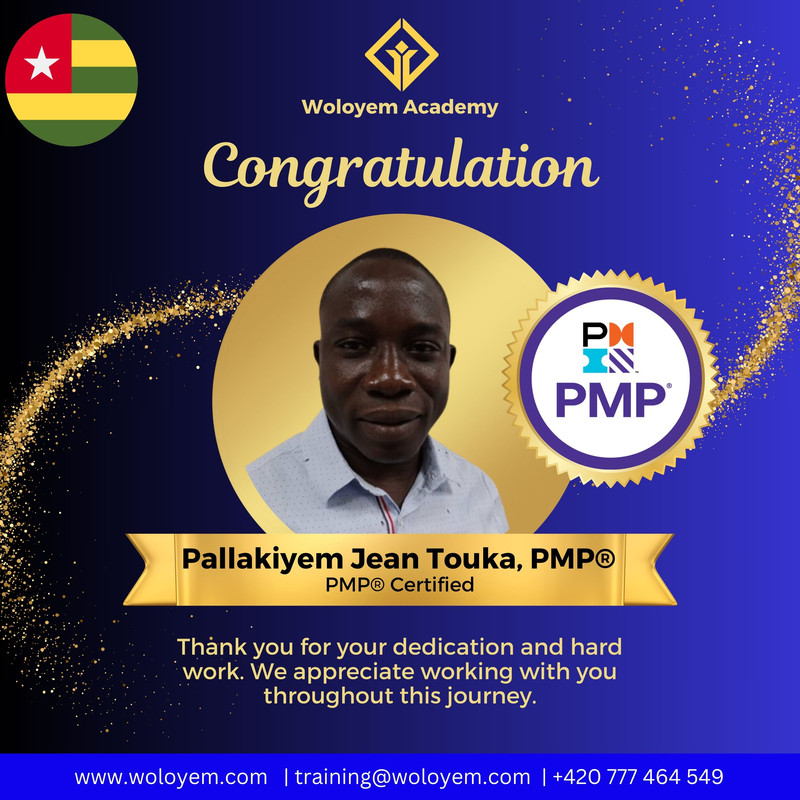
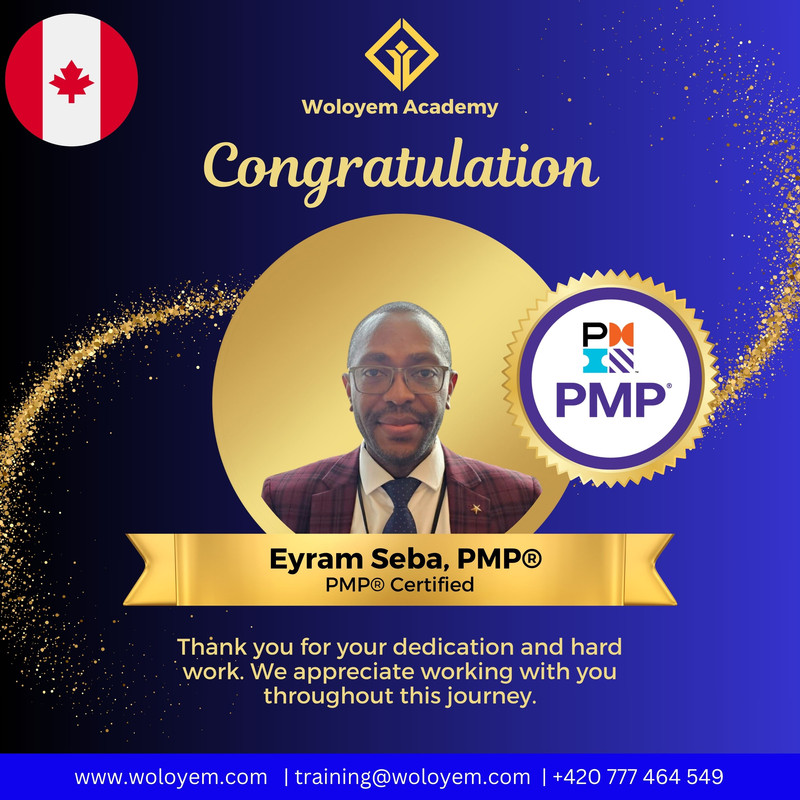
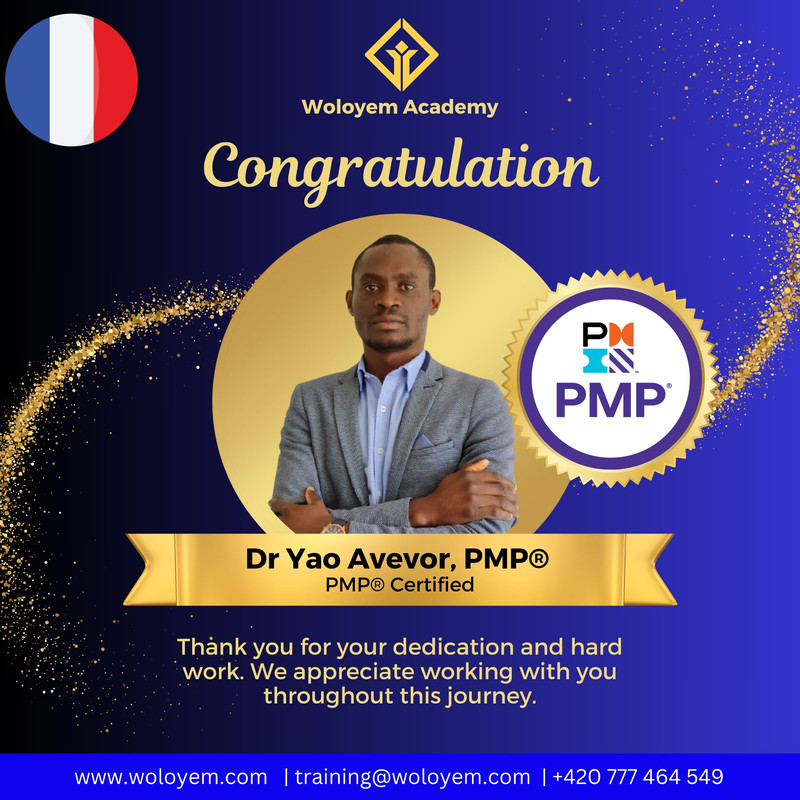
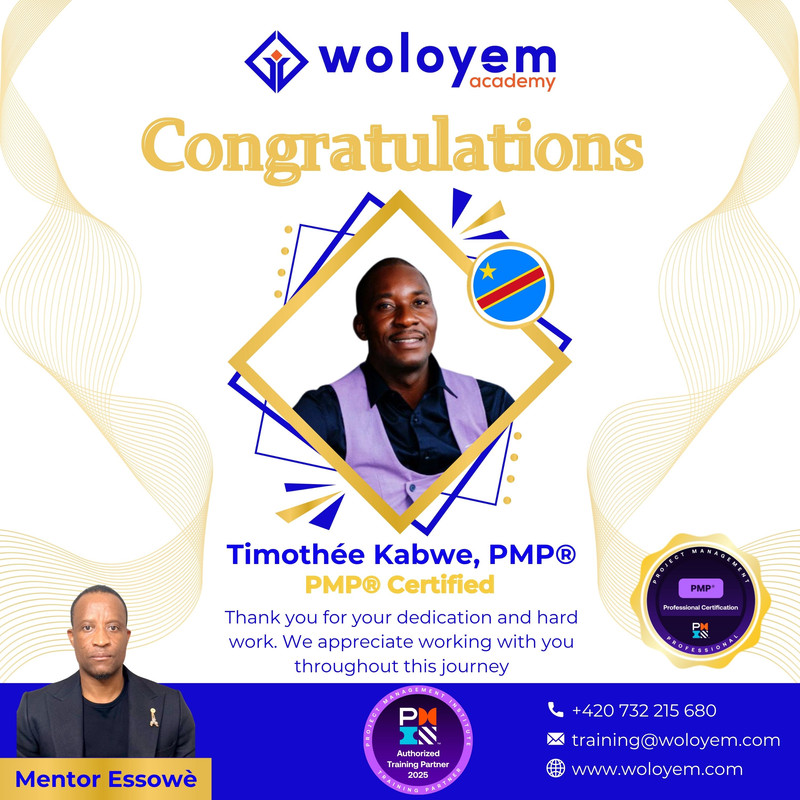
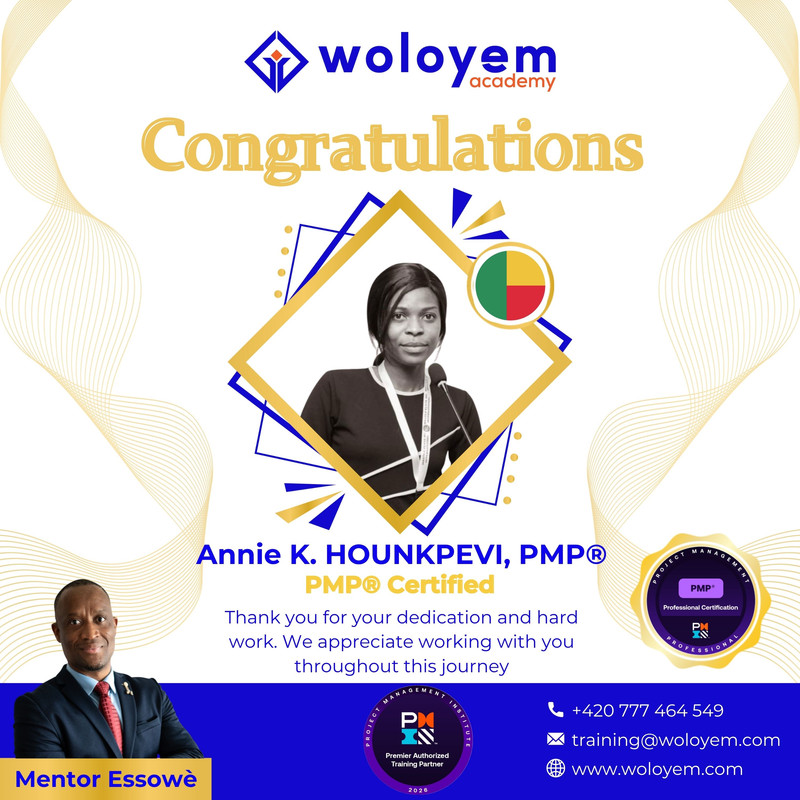
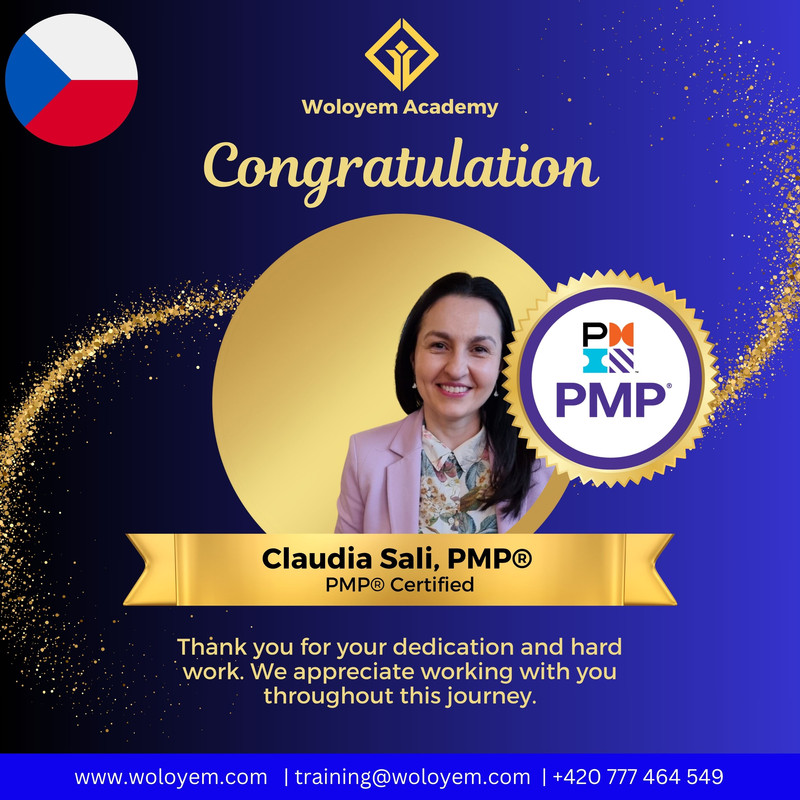
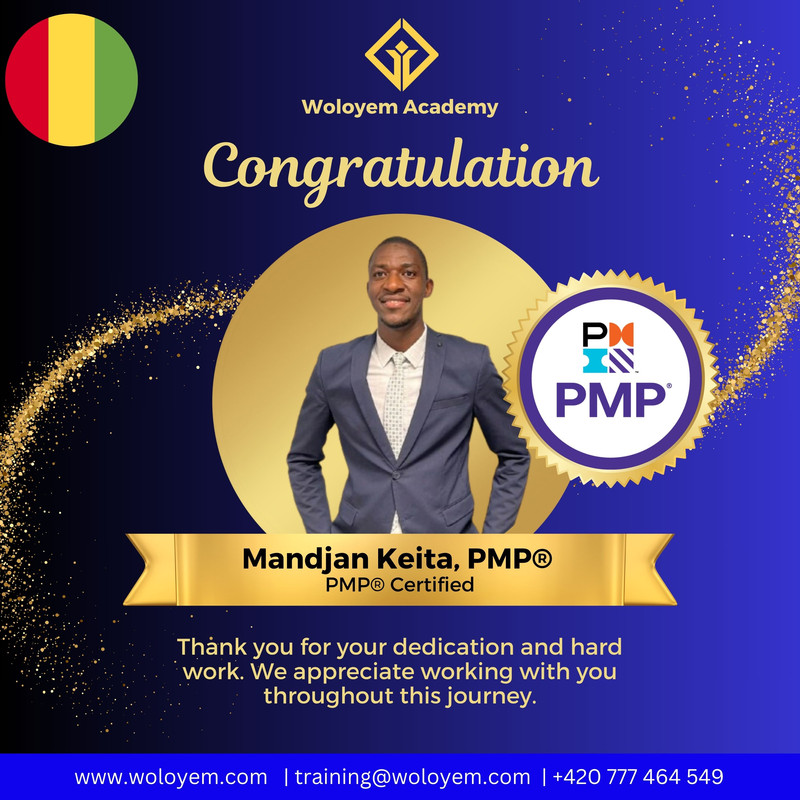
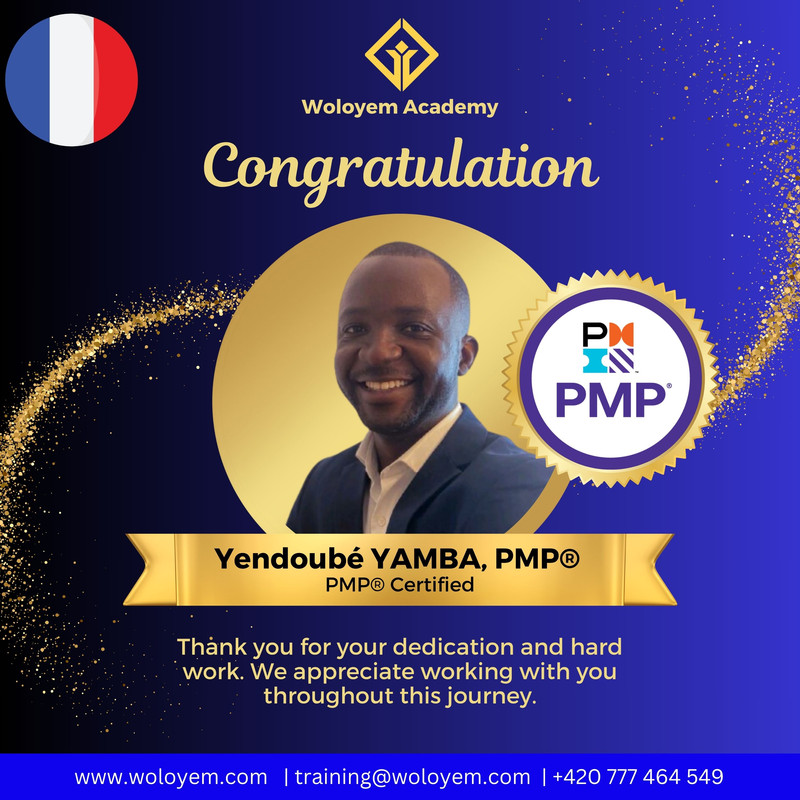
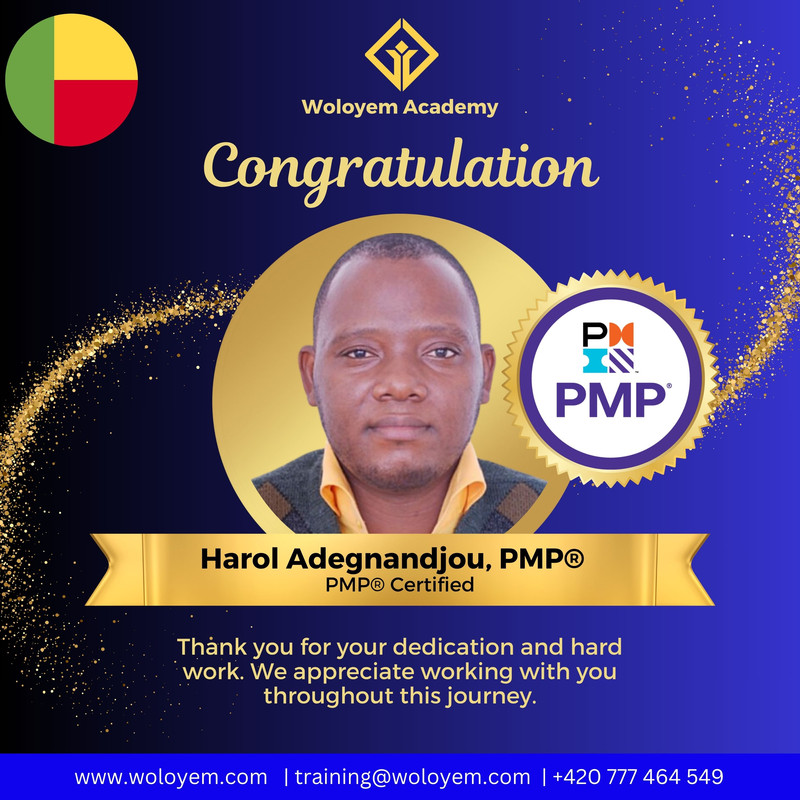
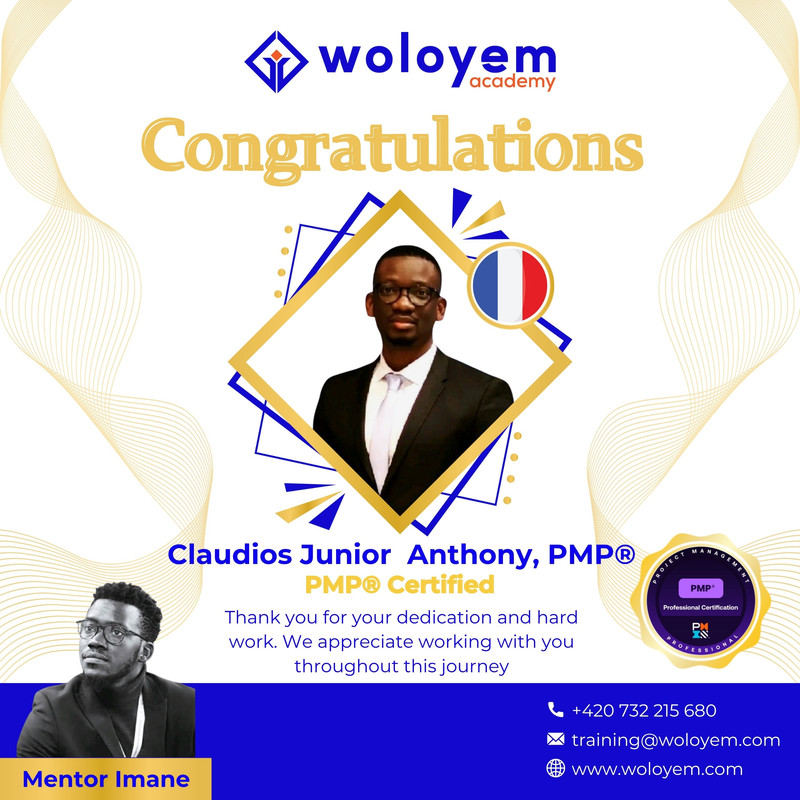
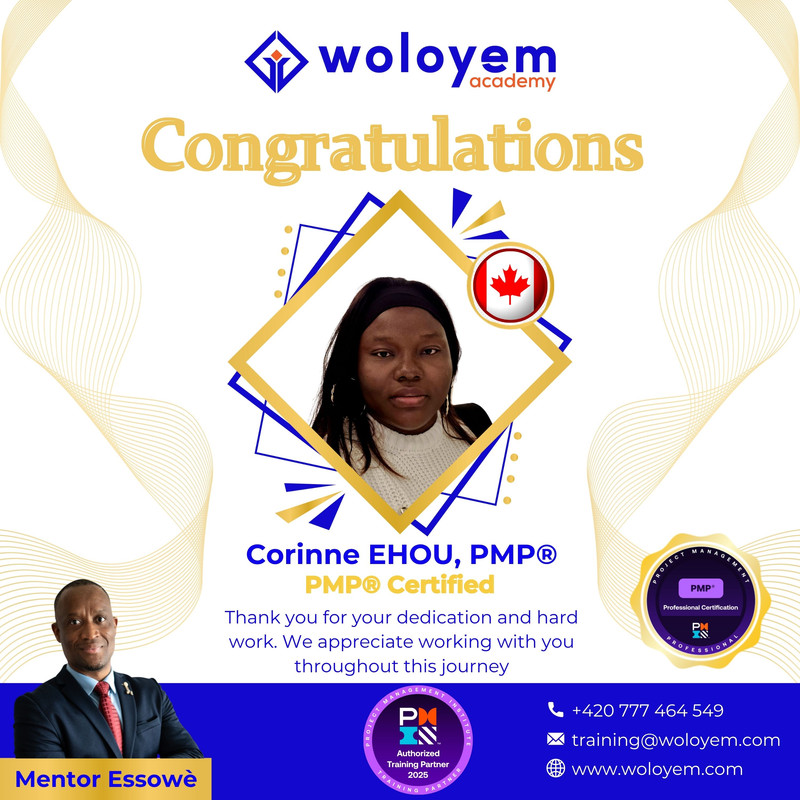
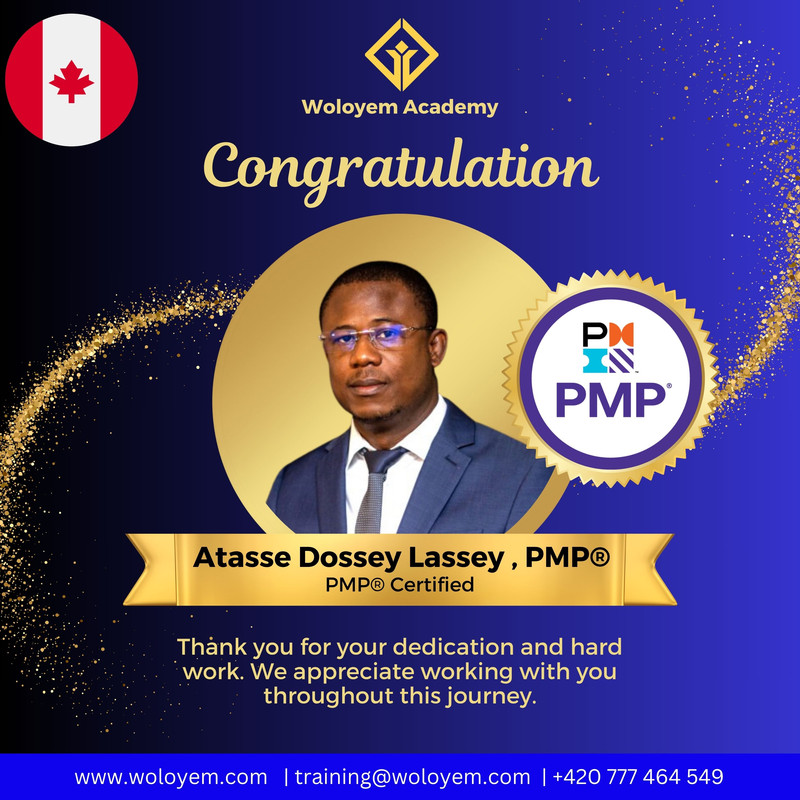
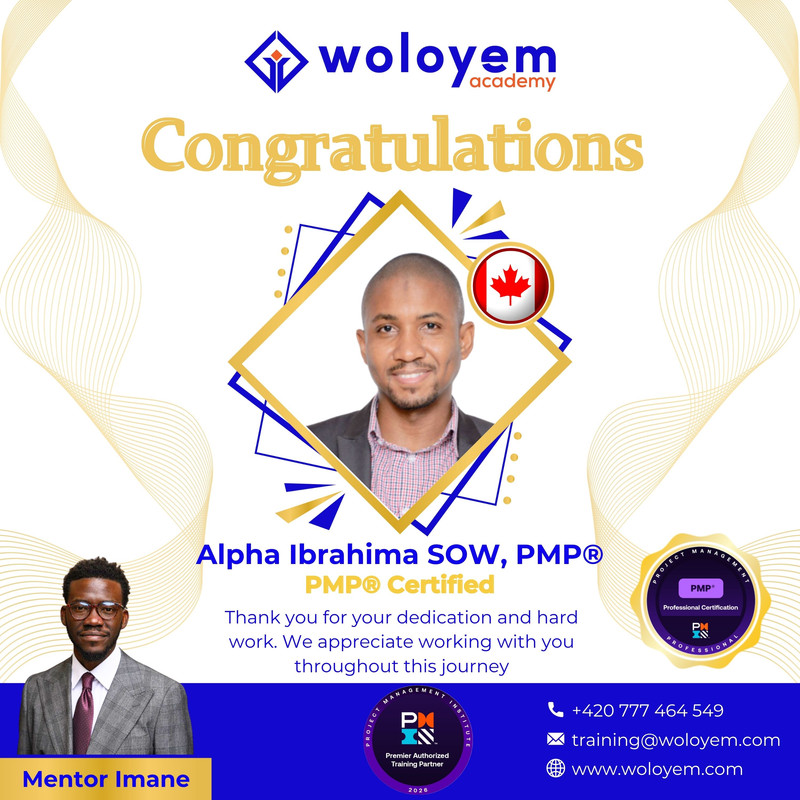
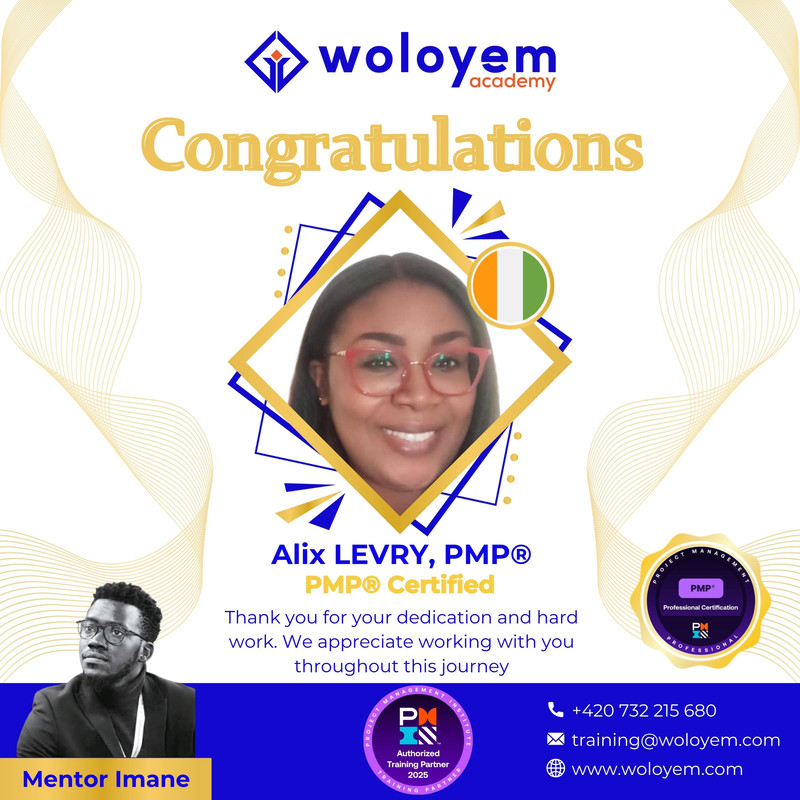
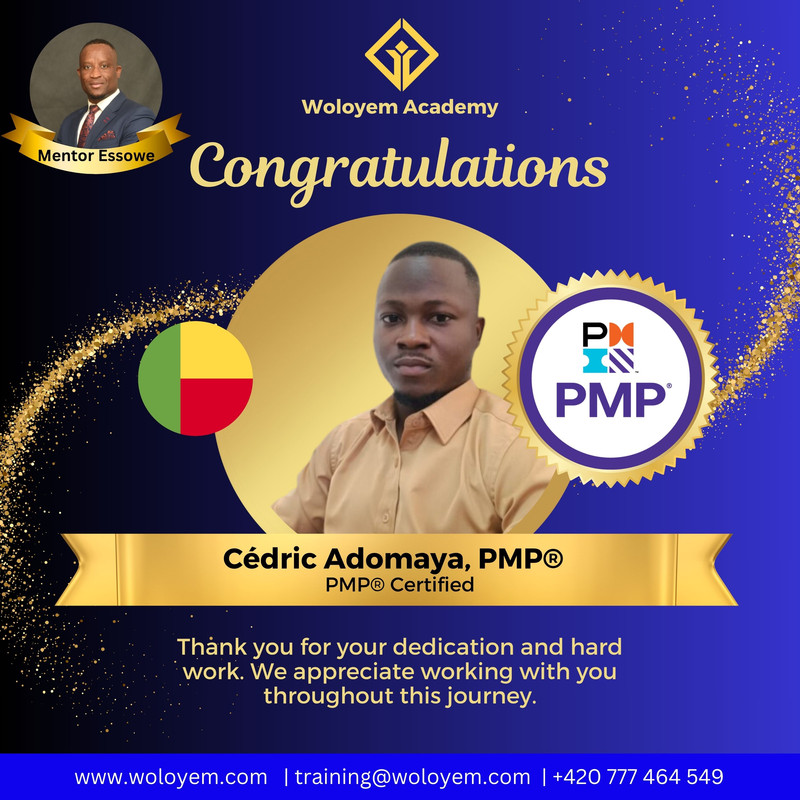
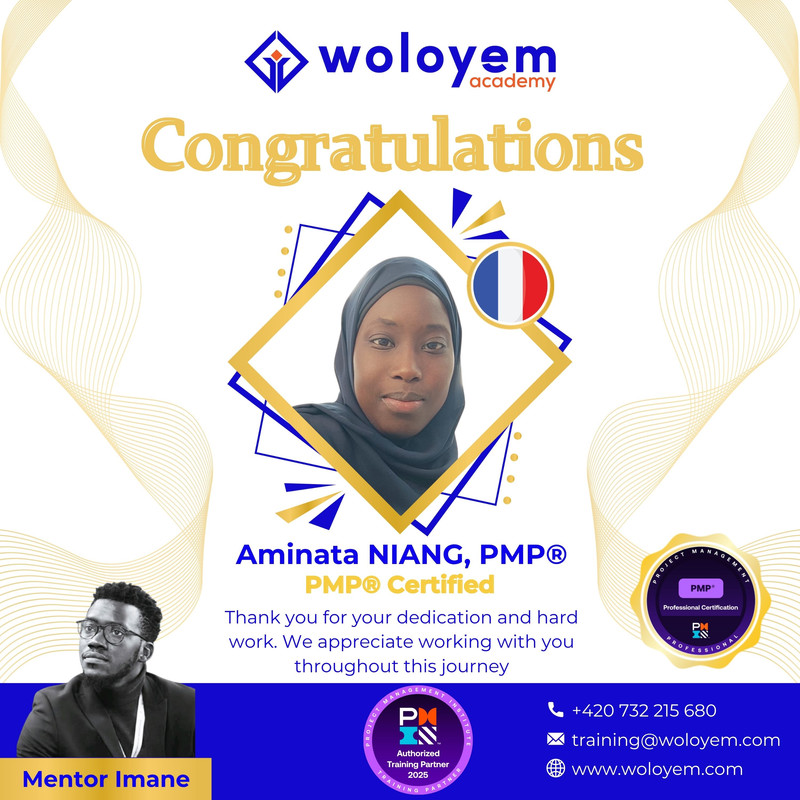
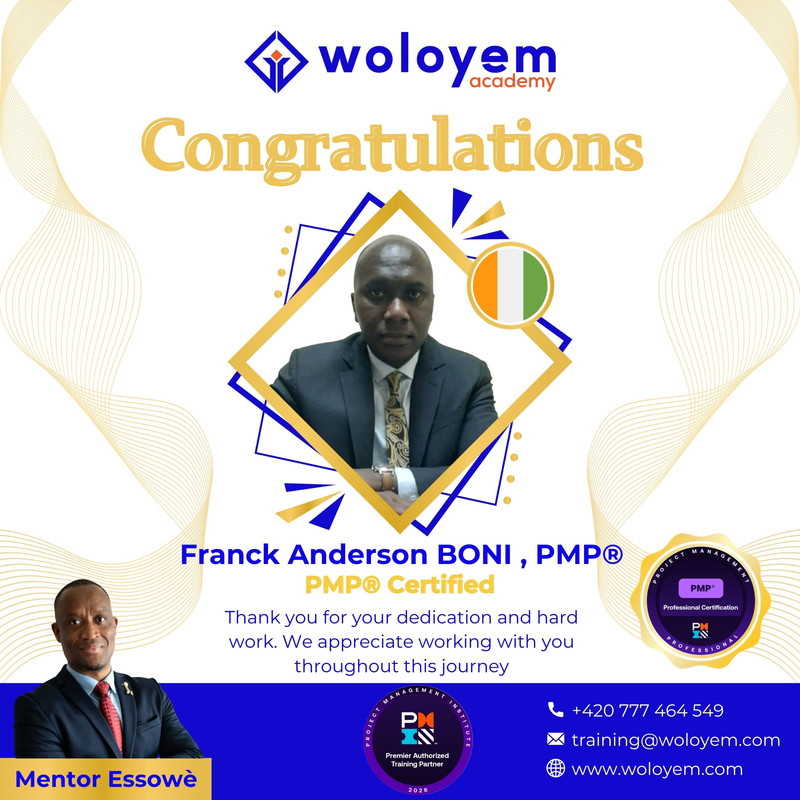
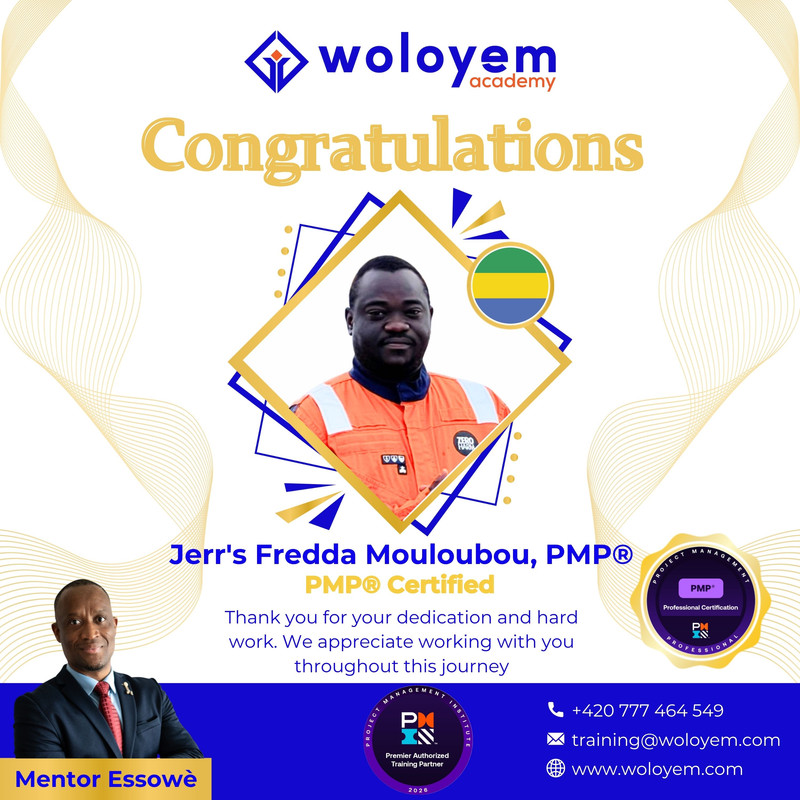
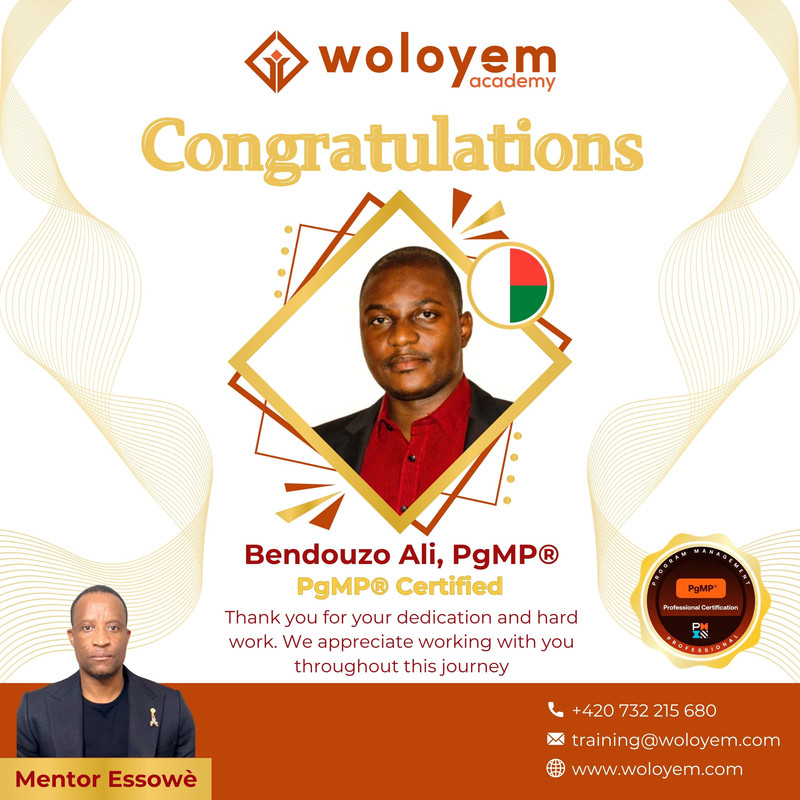
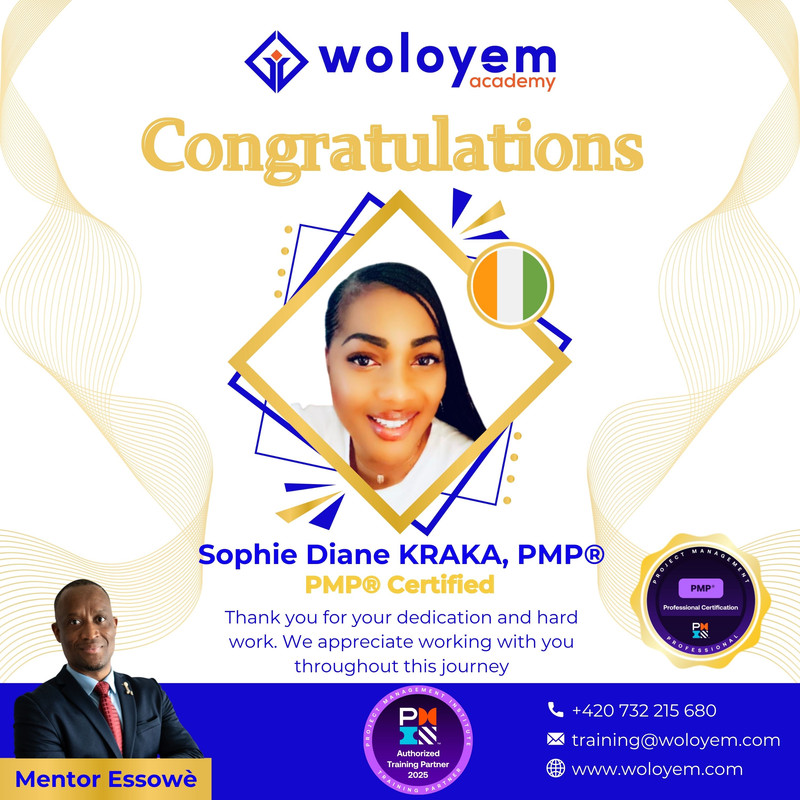
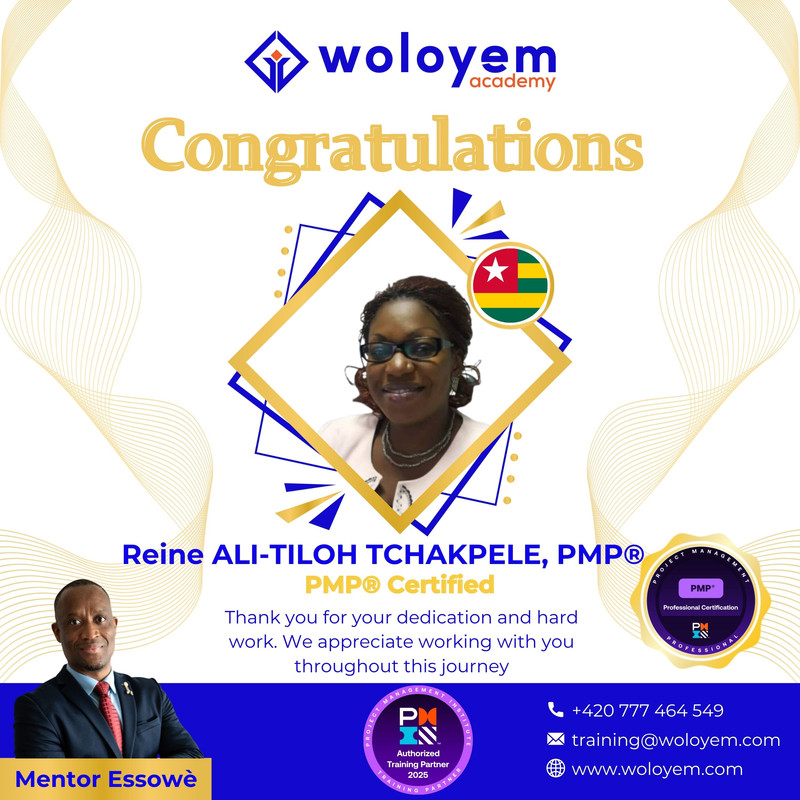
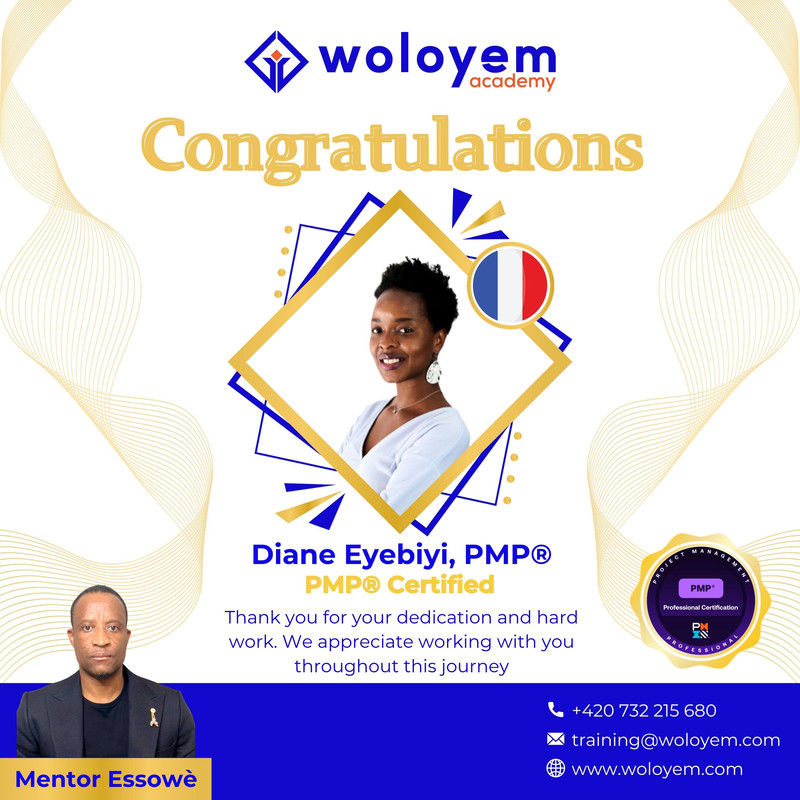
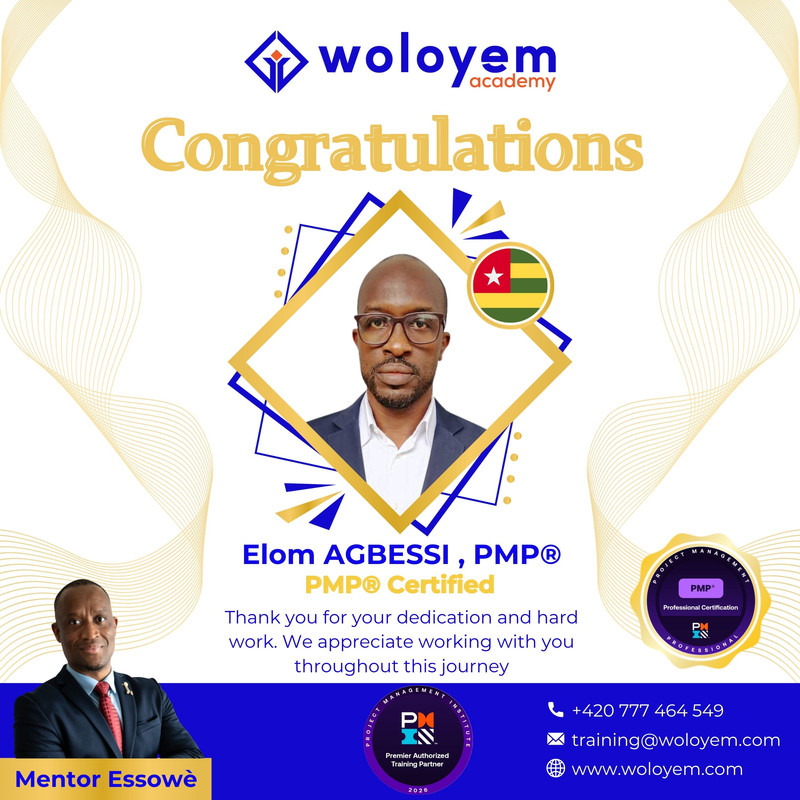
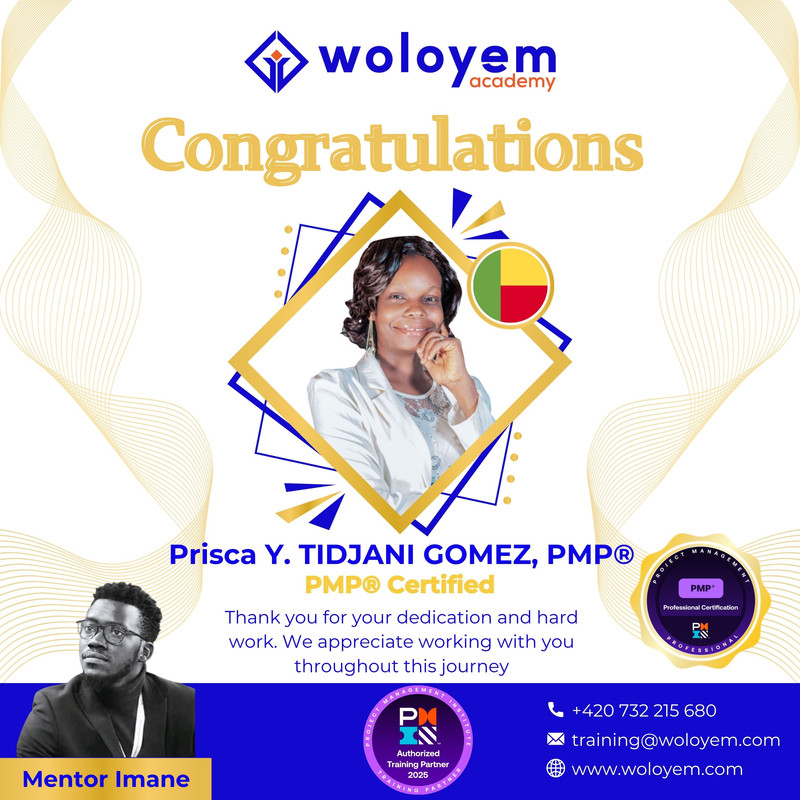
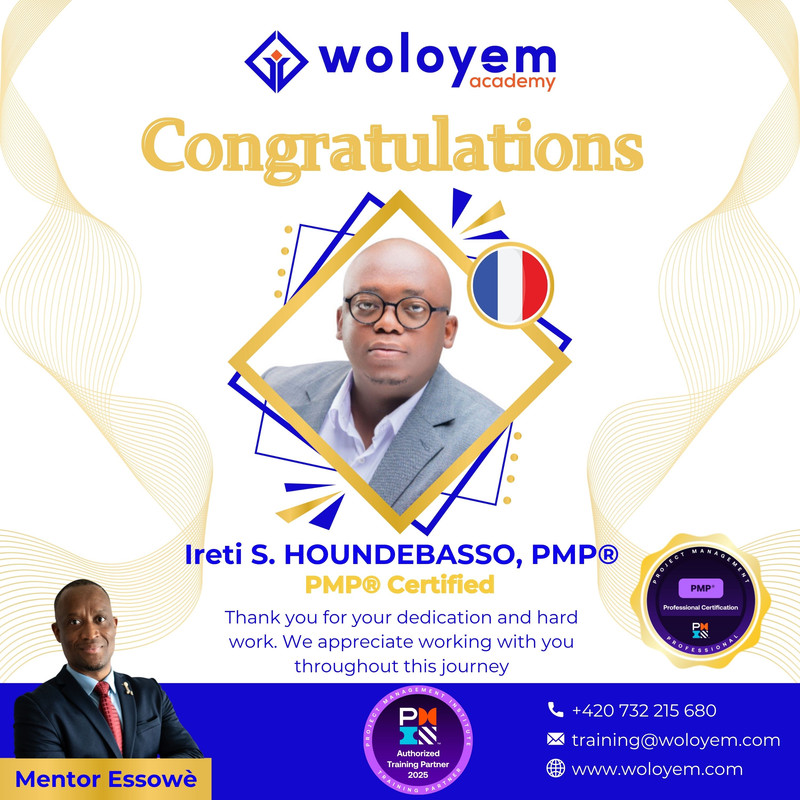
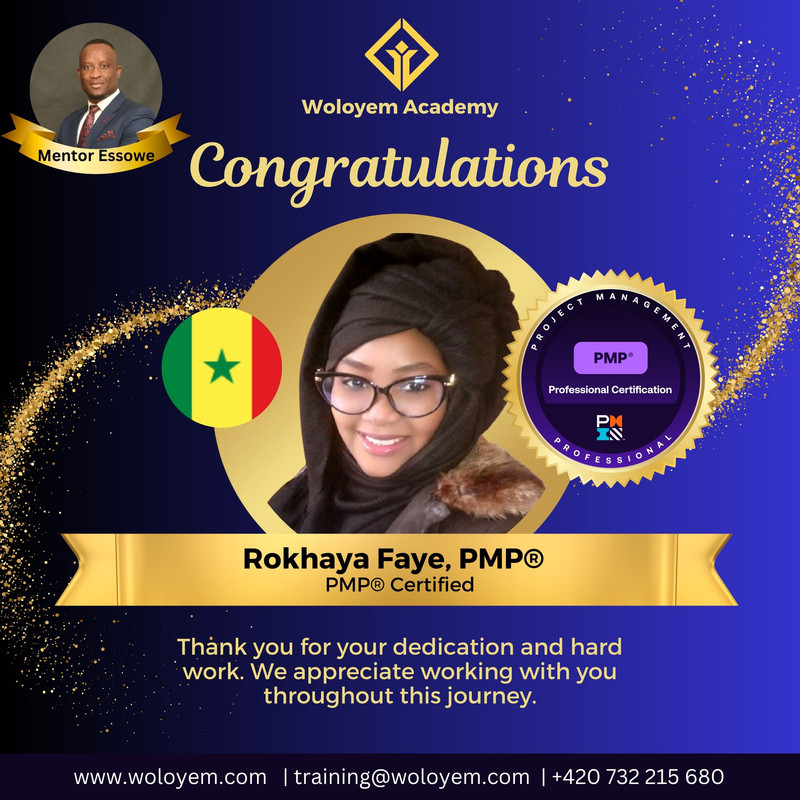
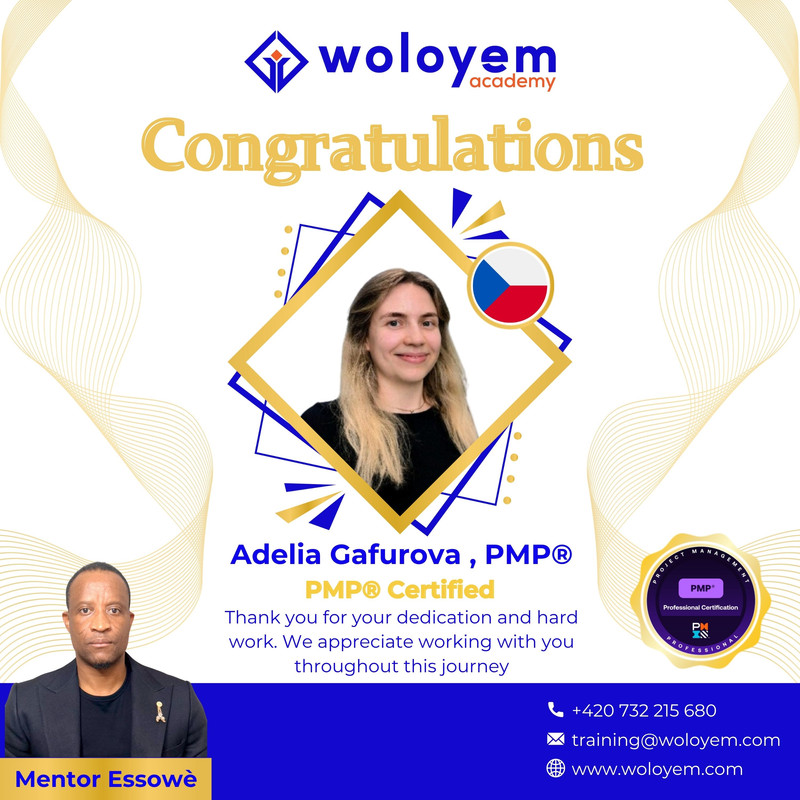
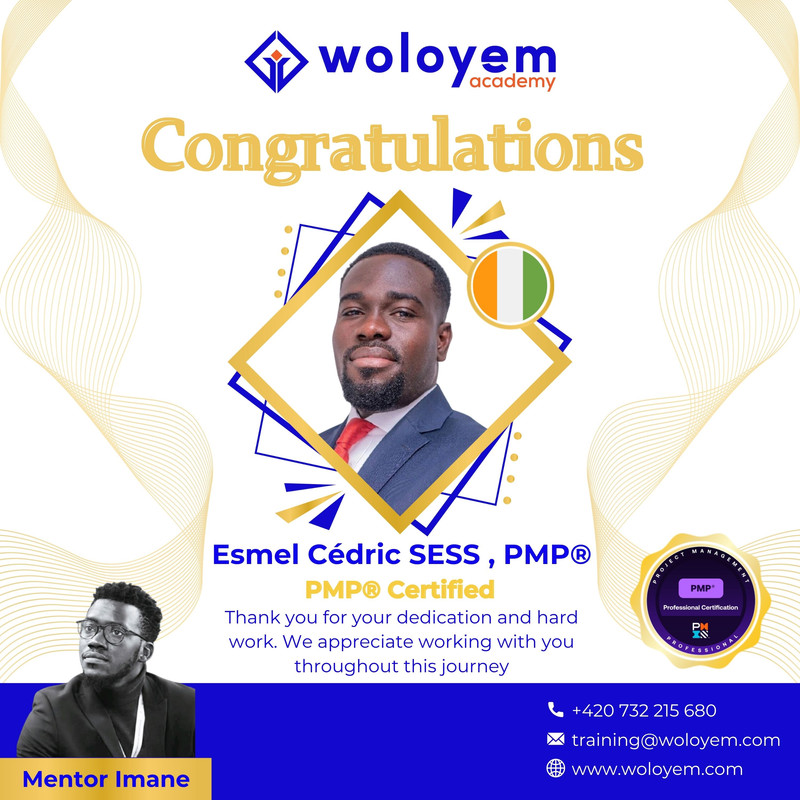
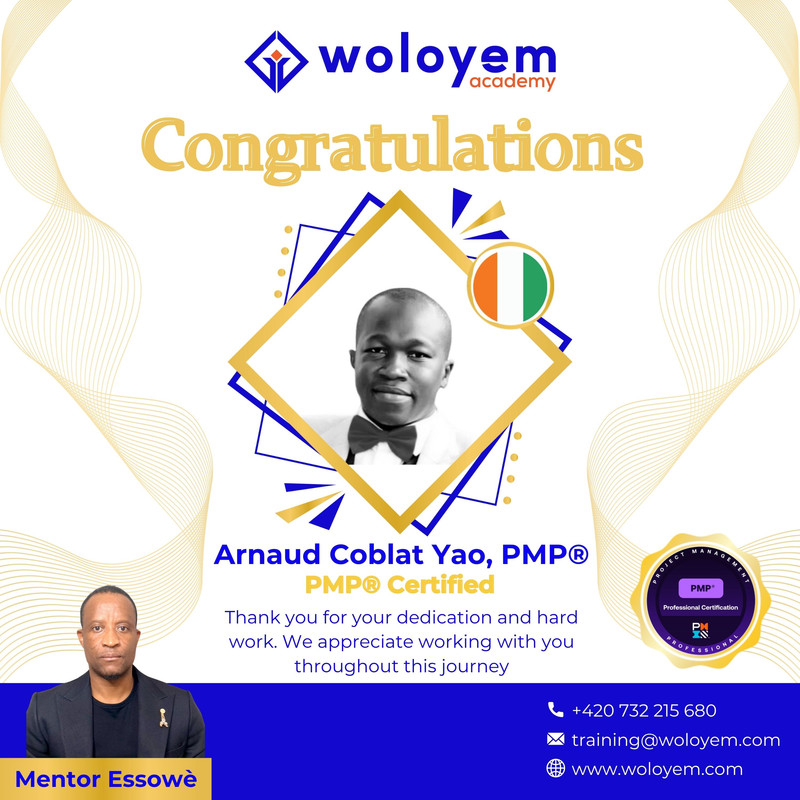
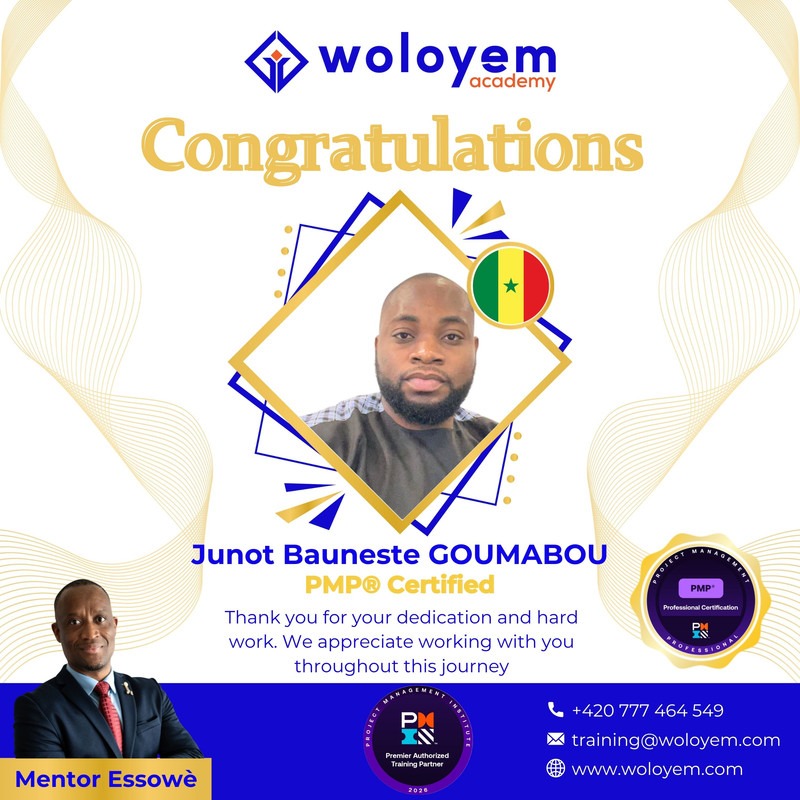
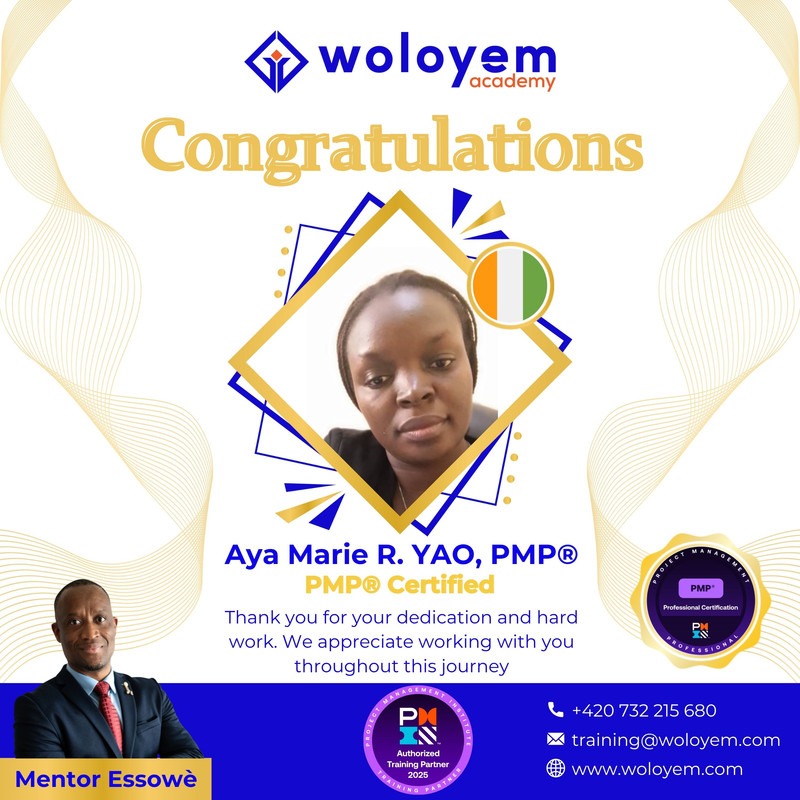
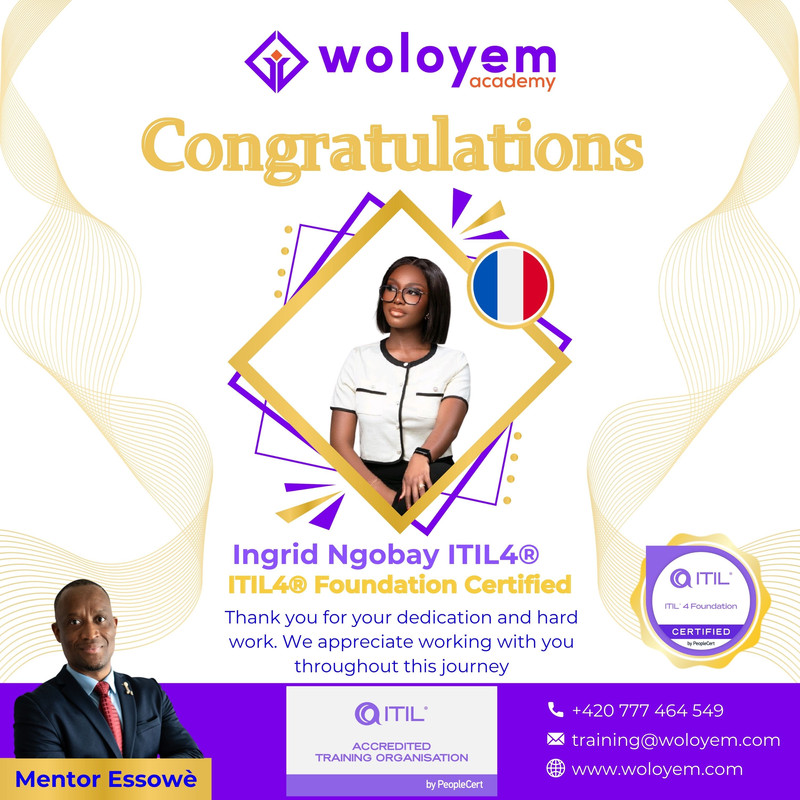
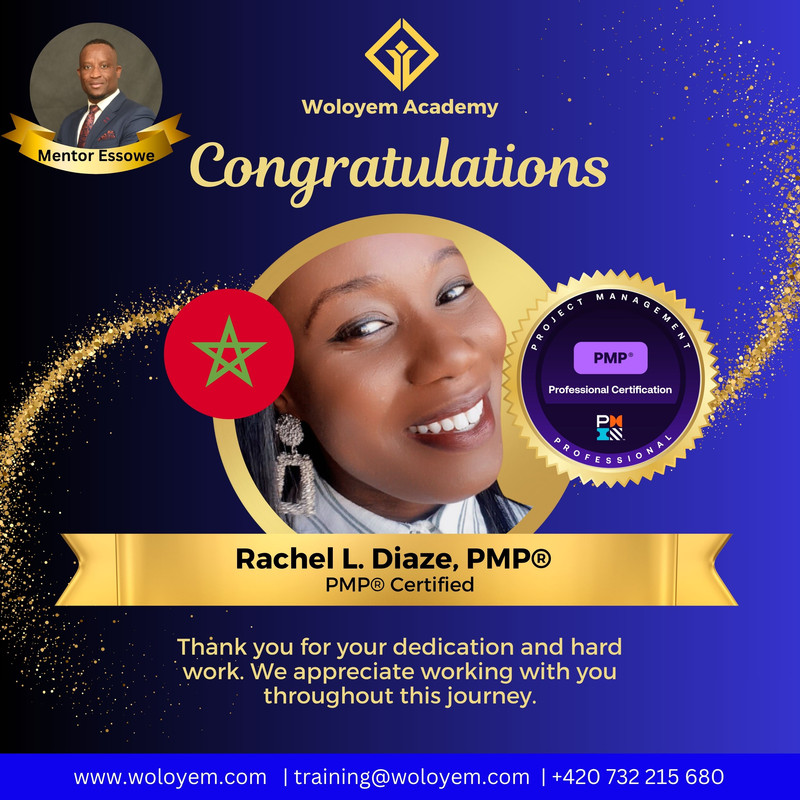
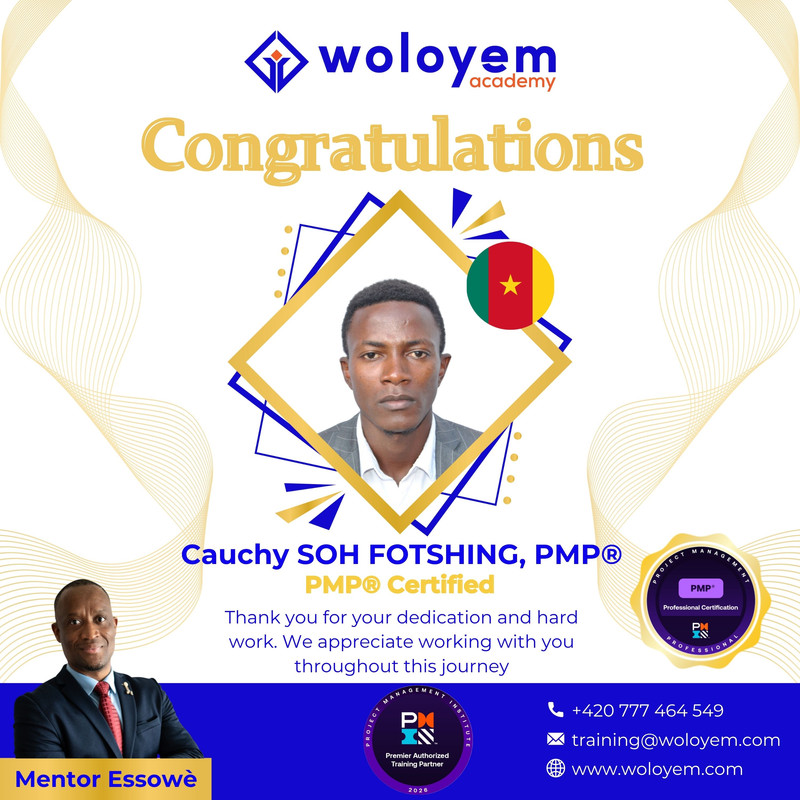
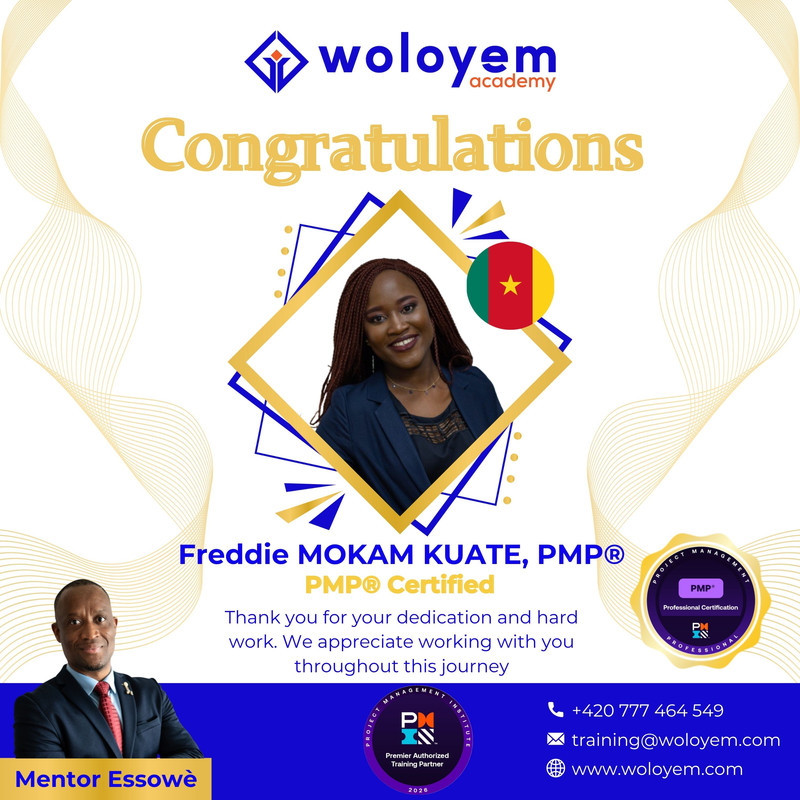
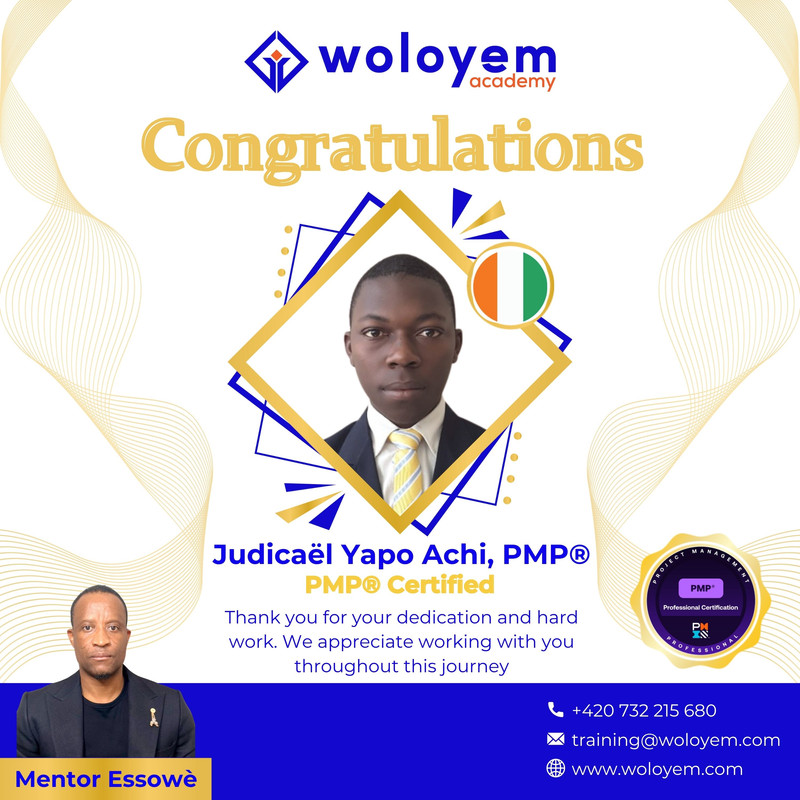
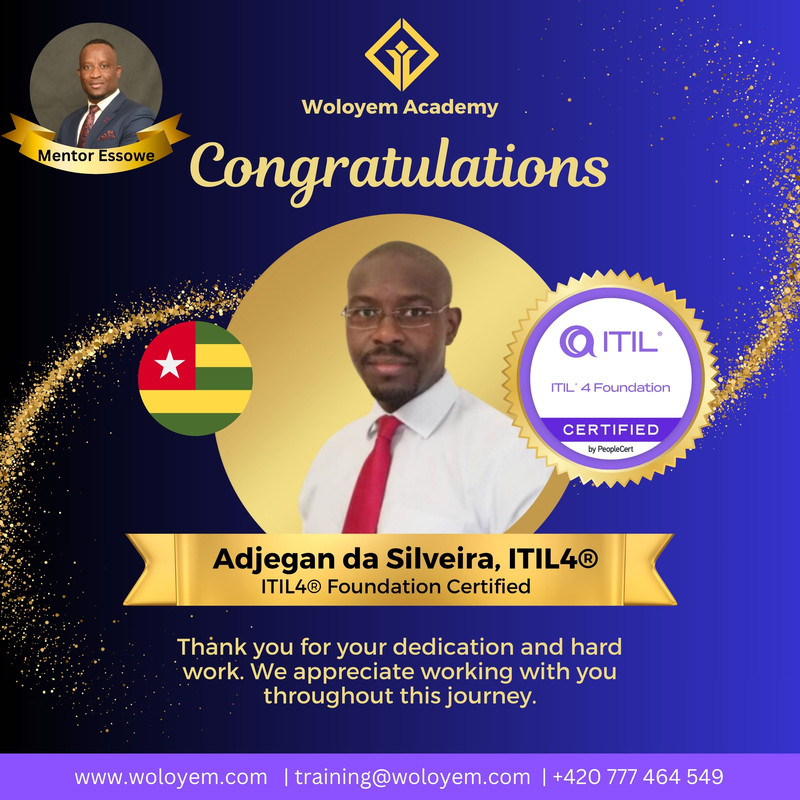
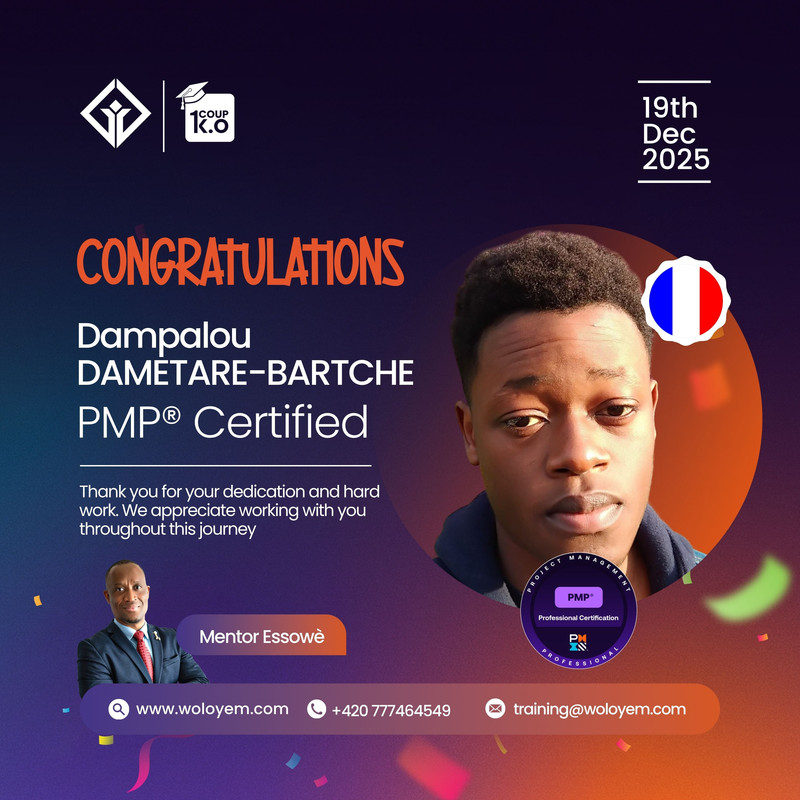
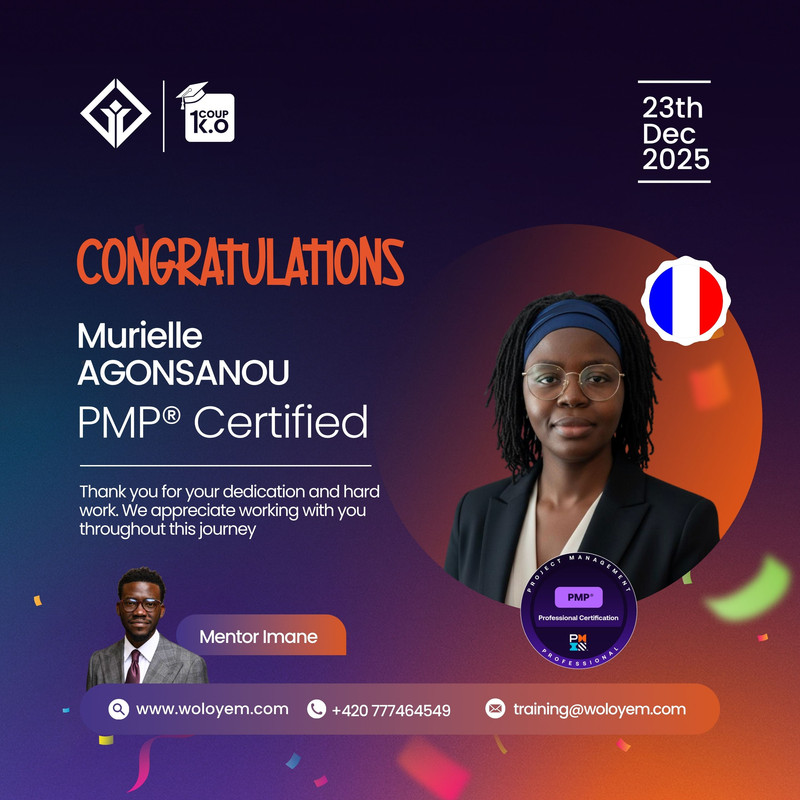
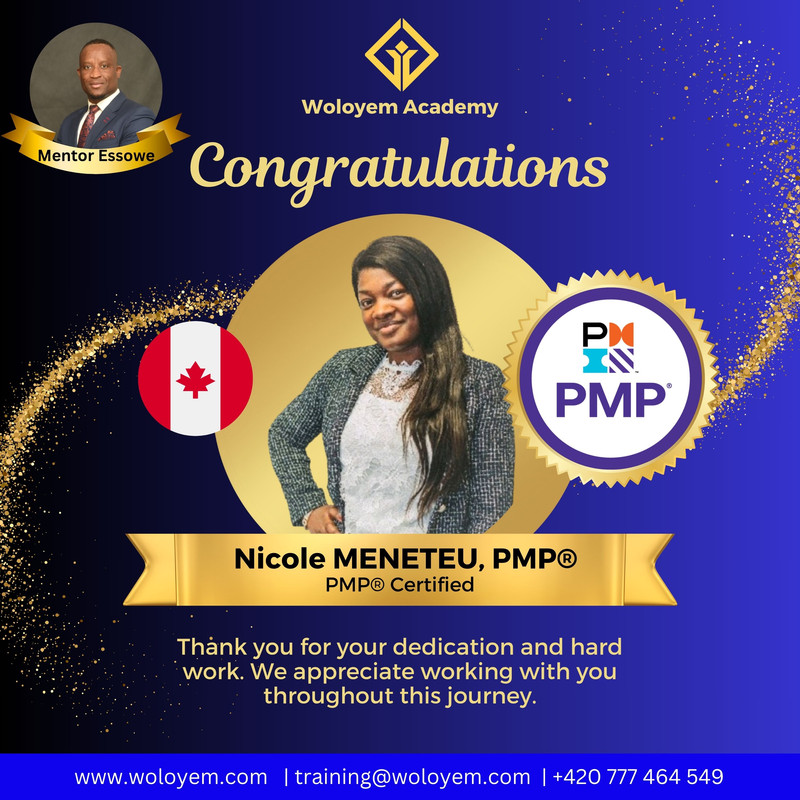
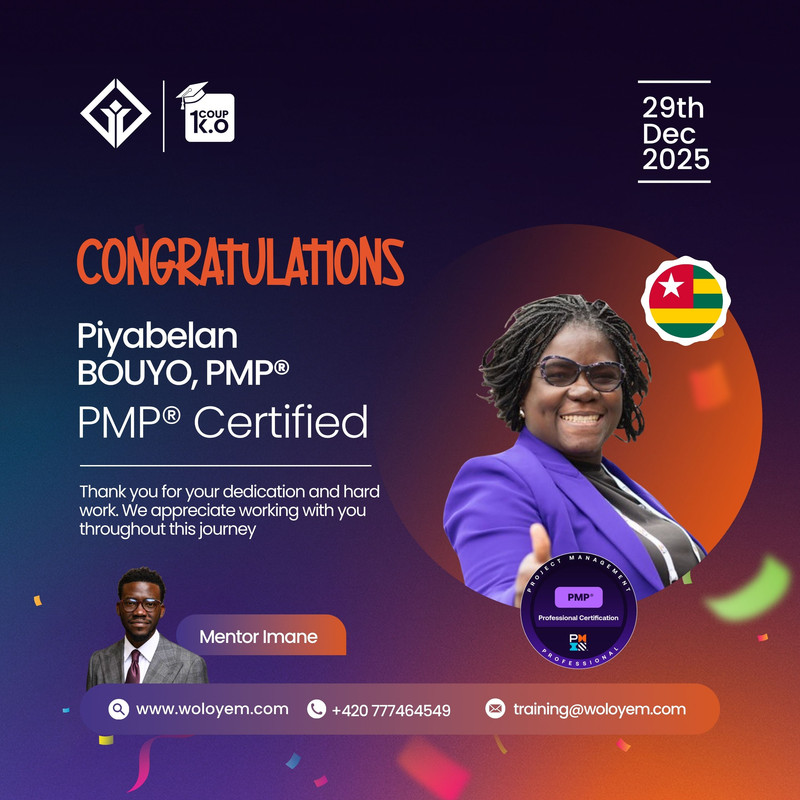
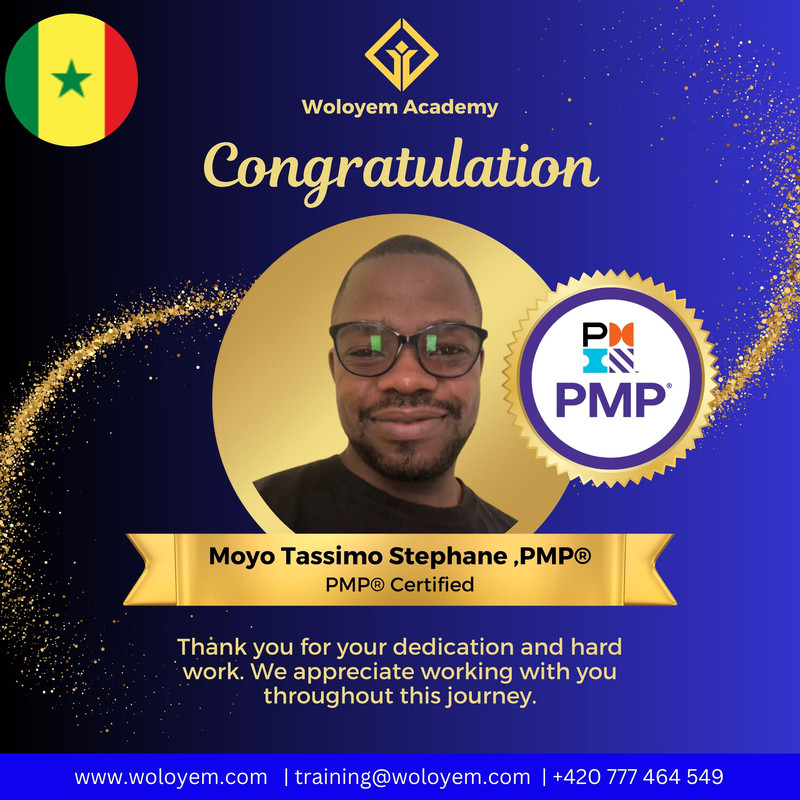
Our successes
.jpg)
.jpg)
.jpg)
.jpg)
.jpg)
.jpg)
.jpg)
.jpg)
.jpg)
.jpg)
.jpg)
.jpg)
.jpg)



.jpg)
Latest news from our blog
Courses
PREPARE EFFECTIVELY
Open PMP® Bootcamp
Pass your PMP certification in the upcoming session
ENROLL NOW