Key Takeaways
Table of Contents
I. Why PMP is the New Standard for Remote Project Leadership
In a remote setting, your output is often the only thing leadership sees. But without a gold-standard credential, you lack the professional "shorthand" that signals high-level competence to executives. The Project Management Professional (PMP) fills this void. It acts as an objective validator of your skills when you aren't physically in the room to defend your decisions. It effectively bridges the visibility gap that often stalls remote careers.
The financial ROI is impossible to ignore. Research indicates that PMP certified professionals in the US earn a median salary of $130,000, which is 33% higher than the $98,000 median for non-certified peers. This premium isn't reserved for traditional offices. For those pursuing a pmp certification for remote project managers, this credential is the key to commanding top-tier rates in a global talent market where high-autonomy leadership is in short supply.
To better understand the real-world value of these credentials, watch this helpful video:
The evolution of the PMBOK Guide from the 6th to the 7th edition marked a critical turning point for distributed teams. By moving from rigid "knowledge areas" to "performance domains," the certification now aligns perfectly with the remote manager's need for flexibility. It focuses on delivering value rather than just following a checklist. This shift empowers you to lead with autonomy, making it easier to manage complex deliverables without constant supervision from headquarters.
A. Overcoming the 'Out of Sight, Out of Mind' Career Plateau
B. The 2026 PMP: Built for Hybrid and Remote Realities
II. Mapping the PMP Domains to Virtual Team Excellence
Remote leadership isn't just about managing tasks; it's about managing energy and alignment. The pmp certification for remote project managers provides a rigorous framework for this by dividing the profession into three core domains: People, Process, and Business Environment. In a distributed setup, these domains aren't just exam categories. They're the survival kit for leading high-performing teams across borders. High Emotional Intelligence (EQ) is woven into these domains, helping you navigate the nuances of text-based communication where tone is often lost.
A. Domain 1: Leading People Without a Physical Room
Conflict doesn't disappear in a remote environment; it just goes underground. It manifests as silent Slack channels or passive-aggressive emails. The PMP curriculum teaches specific conflict management techniques, such as "Collaborating/Problem Solving," which are vital for virtual resolution. Instead of letting disputes fester, you learn to facilitate transparent discussions that build trust. This domain also emphasizes servant leadership. You aren't just a boss. You're a facilitator who empowers autonomous team members to make decisions, which is the only way to scale a remote project effectively.
While theoretical knowledge is helpful, mastering these domains requires practical application. You can explore our expert-led PMP training to see how these frameworks apply to real-world remote scenarios.
B. Domain 2: Process Optimization for Async Delivery
Asynchronous work fails without ironclad governance. The PMP's focus on "Project Artifacts" ensures your team has a single source of truth. Whether it's a well-maintained Risk Register or a clear Definition of Done, these documents replace the need for constant "status update" meetings. Managing changes in a virtual space is equally critical. Without a formal change control process, remote projects suffer from silent scope creep. The PMP framework provides the tools to evaluate, approve, and communicate changes without losing momentum or blowing the budget.
Domain 3, the Business Environment, is where strategic alignment happens. With its weight increasing to 26% in the July 9, 2026 update, this domain ensures your remote project outcomes actually support the global organizational strategy. It forces you to look beyond the immediate sprint and understand how your virtual team's work impacts the company's market position. By mastering these three domains, you transition from a coordinator to a high-value strategic asset who can deliver results from anywhere on the planet.
III. PMP Certification vs. Informal Experience for Remote PMs
Relying solely on "years of experience" is a risky strategy in a globalized job market. While you may have successfully delivered projects from your home office, recruiters for high-stakes remote roles often use the PMP as a primary vetting filter. They need objective proof that you can handle complex governance without physical supervision. The pmp certification for remote project managers provides this validation, signaling that you possess a standardized, world-class skill set that transcends local habits or "how we've always done it."
The financial impact of this distinction is measurable. While we've discussed the initial salary premium, the long-term ROI is even more significant. Data shows that project managers who've held the PMP certification for over five years earn 44% more than those certified within the last 12 months. This growth isn't just about tenure; it's about the ability to scale complex global projects using the theoretical frameworks provided by the PMI. If you're ready to make that leap, our corporate training experts can help you transition from a tactical worker to a strategic leader.
A. The Risk of 'Experience Only' in a Global Market
Informal experience is difficult to prove to an international employer who isn't familiar with your previous companies. Without a standardized credential, you're often limited by localized project habits that don't translate well to multi-million dollar global budgets. PMP training eliminates this "experience gap" by teaching you to manage decentralized risks proactively. In a remote environment, you can't afford to be reactive. You need to identify threats to the critical path before they become crises, a skill that the PMP's rigorous risk management domain covers in depth.
B. Comparison: Certified Strategic Leader vs. Tactical Project Coordinator
The difference between a certified leader and a tactical coordinator often comes down to how they handle the complexities of remote delivery. Non-certified managers frequently make the mistake of confusing "activity" with "progress," leading to meeting fatigue and burnout.
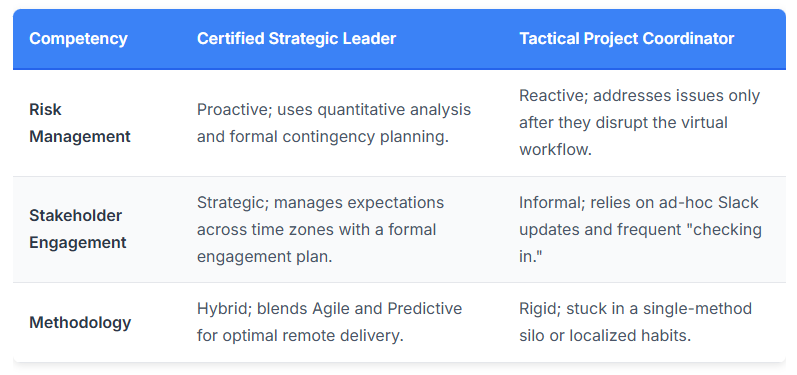
For remote consultants, the PMP credential serves as a high-yield investment that justifies premium hourly rates and reduces client acquisition friction. By adopting a global standard, you position yourself as a low-risk, high-reward hire for any organization, regardless of their physical location.
IV. Strategy for Documenting Remote Project Experience
Applying for your pmp certification for remote project managers requires more than just listing past jobs. You must prove you were "leading and directing" projects, not just coordinating tasks. For remote PMs, this distinction is critical. If your application sounds like administrative support, it will likely be rejected. You need a strategic approach to inventorying your virtual projects, focusing on your role in driving the project lifecycle from initiation to closing.
Use a specific formula for your project descriptions. Start with a clear objective. Define your role as the primary leader. Detail your responsibilities using PMP-aligned verbs like "facilitated," "managed," and "controlled." Finally, state the business outcome. When working in virtual environments, map your use of tools like Jira, Asana, or Monday.com to official PMP artifact management. A Jira backlog isn't just a to-do list; it's your scope baseline and requirement documentation. Highlighting hybrid and agile methodologies in your remote work history is also essential, as these are the preferred delivery models for distributed teams in 2026.
A. Framing Virtual Leadership for the PMI Audit
Stakeholder engagement looks different when you've never met your sponsors in person. You must describe how you managed expectations and maintained alignment through virtual communication channels. Securing a pmp certification for remote project managers requires a narrative that emphasizes autonomy and strategic oversight. Proving team management in a decentralized, contractor-heavy environment involves highlighting how you fostered collaboration and resolved conflicts across time zones. To ensure your application meets these rigorous standards, check out our guide on documenting project experience for PMP. It's designed to help you navigate the audit process with confidence.
B. Quantifying Impact in Digital-First Projects
Don't just list tasks. Focus on the business value you delivered. Use PMP terminology like Work Breakdown Structure (WBS), Sprints, and Risk Registers to validate your experience. For example, instead of saying you "held daily meetings," explain how you "facilitated daily stand-ups to identify and mitigate risks in a hybrid delivery model." This language proves you understand the underlying project management techniques. When choosing references for verification, prioritize those who can speak to your strategic leadership rather than just your attendance in virtual rooms.
Avoid the common pitfall of using "administrative" language. Words like "assisted," "helped," or "coordinated" often trigger audits because they don't demonstrate leadership. Instead, use authoritative terms that reflect your responsibility for the project's success. If you're struggling to translate your remote history into this professional dialect, you should join our practical project management masterclass to refine your leadership narrative.
V. Accelerate Your Remote Career with Woloyem’s PMP Training
A. Comprehensive PMP Bootcamps and Masterclasses
B. Your Path to Global Project Excellence
VI. Secure Your Future in the Global Talent Market
VII. Frequently Asked Questions
Is the PMP exam entirely online for remote candidates in 2026?
How many years of remote experience do I need to qualify for the PMP?
Does the PMP cover remote-specific tools like Slack, Jira, or Microsoft Teams?
Is the PMP better than PRINCE2 for remote project managers?
Can I take PMP training in French while working for an English-speaking company?
How much does a PMP certification increase a remote PM's salary?
What happens if my remote project experience is audited by PMI?
How do I maintain my PMP certification while working remotely?
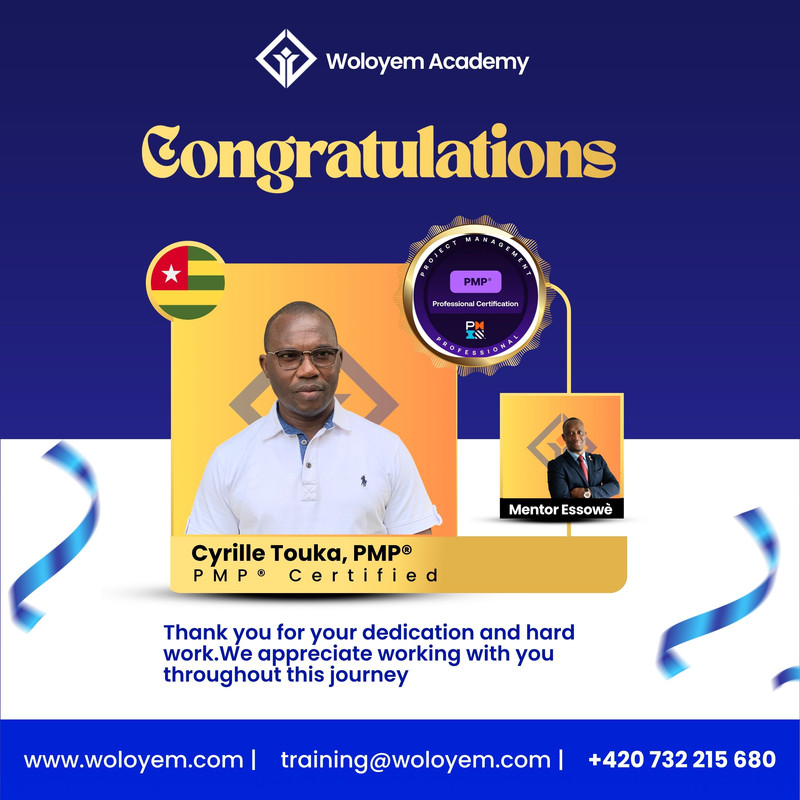
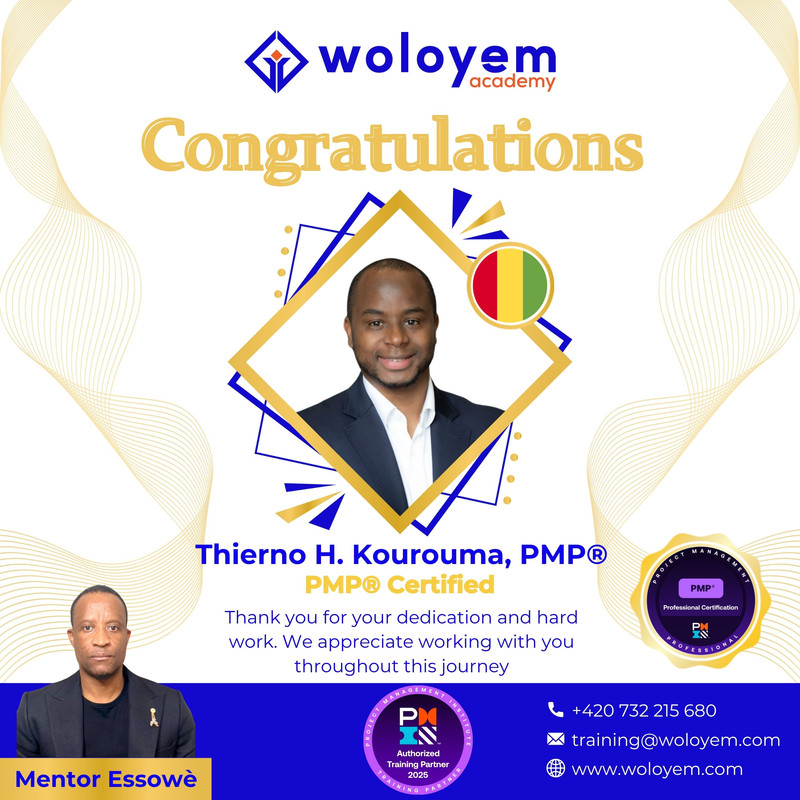
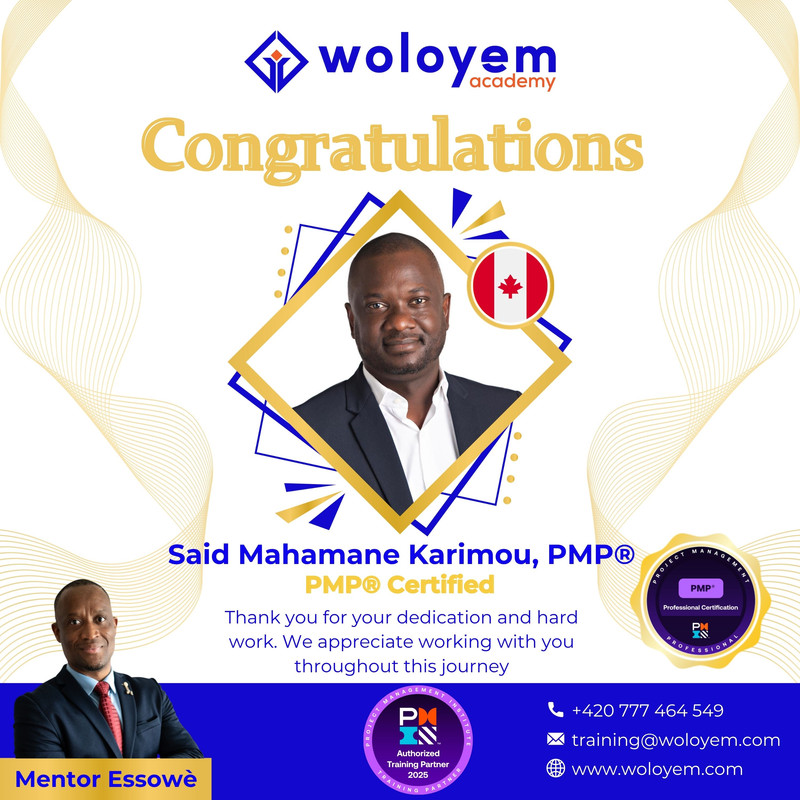
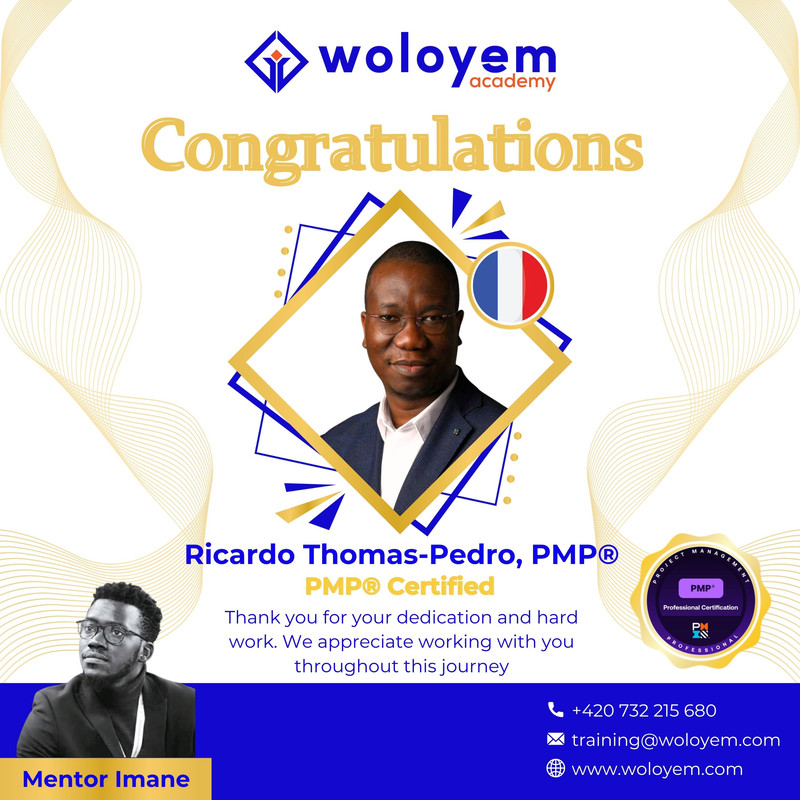
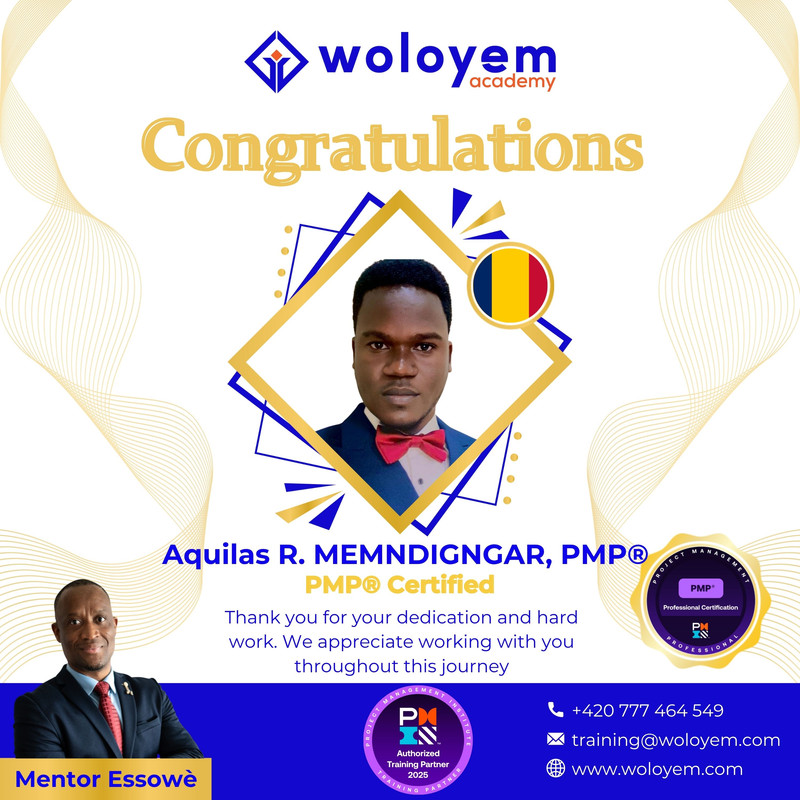
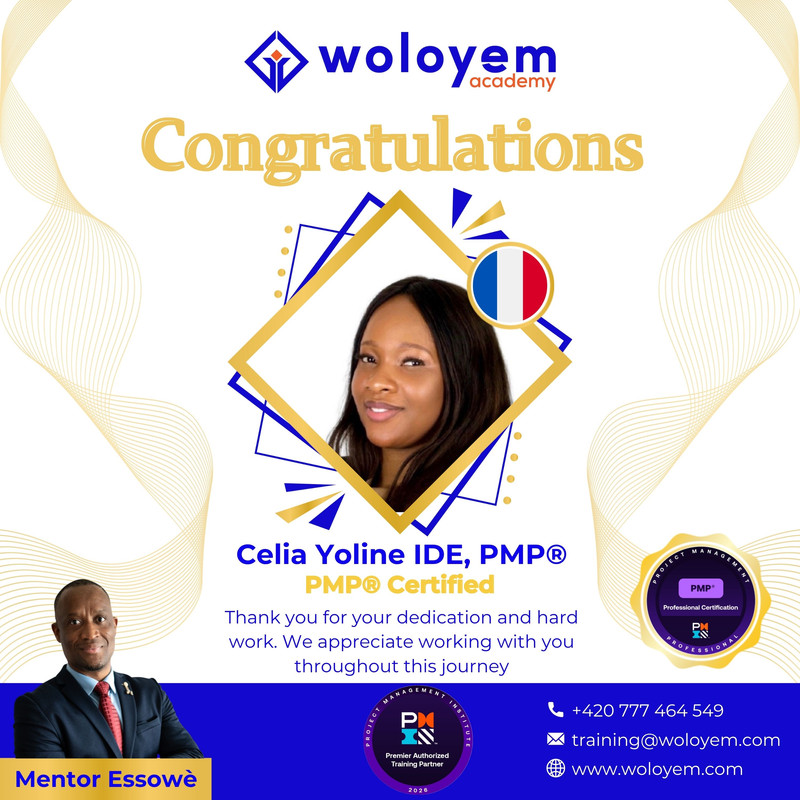
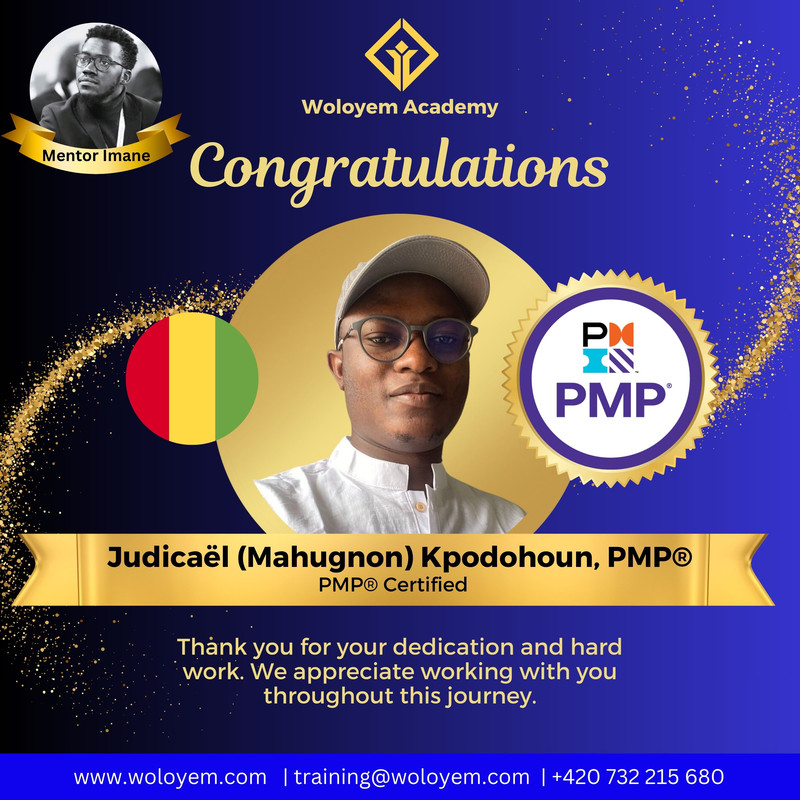
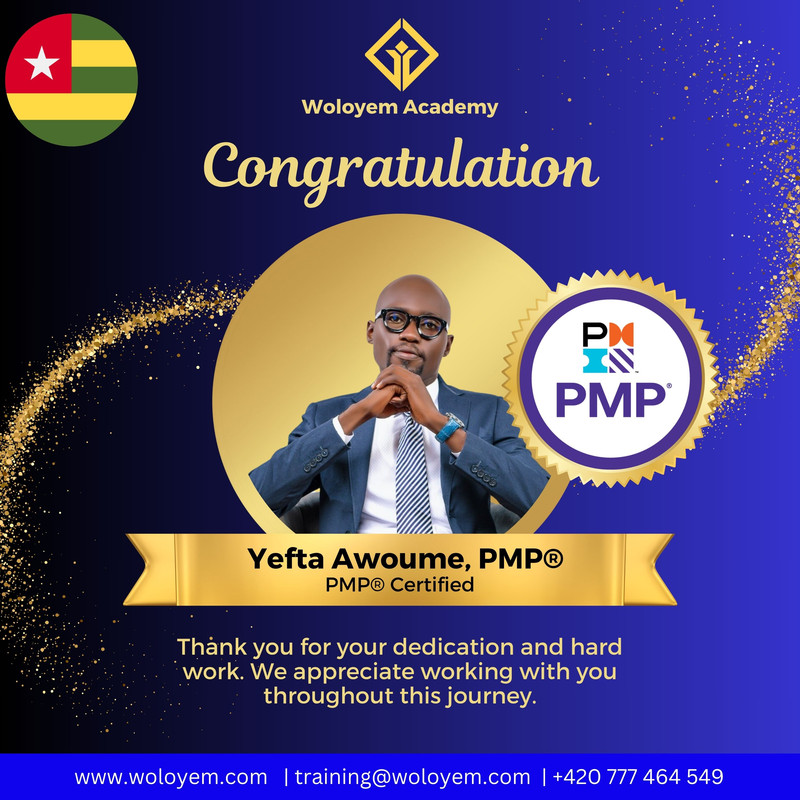
Our successes
.jpg)
.jpg)
.jpg)
.jpg)
.jpg)
.jpg)
.jpg)
.jpg)
.jpg)
.jpg)
.jpg)
.jpg)
.jpg)


.jpg)
Latest news from our blog
Courses
PREPARE EFFECTIVELY
Open PMP® Bootcamp
Pass your PMP certification in the upcoming session
ENROLL NOW