Key Takeaways
Table of Contents
I. Understanding the Modern Project Management Office (PMO)
A Project Management Office (PMO) is a centralized department that standardizes project governance and processes. It aligns individual initiatives with high-level organizational strategy to ensure every project delivers measurable business value. By establishing consistent methodologies and oversight, a PMO reduces resource waste and improves overall project success rates across the enterprise portfolio.
The role of the Project Management Office (PMO) has evolved significantly over the last decade. It's no longer just an administrative hub for tracking spreadsheets and meeting minutes. Modern PMOs act as strategic partners that bridge the gap between executive vision and operational execution. They ensure that leadership doesn't just launch projects, but launches the right projects that contribute to the bottom line.
At Woloyem, we've seen how a lack of structure leads to redundant work and budget overruns. When you implement a formal office, you gain the transparency needed to kill failing projects early and reinvest those resources into high-growth areas. If your organization is struggling with these inefficiencies, our corporate consulting can help you build a structure that actually delivers results.
A.The Core Mission of a PMO
B. Why Organizations Need a PMO in 2026
II. The Three Types of PMO: Choosing the Right Governance Model
Selecting the right Project Management Office model is a strategic decision that determines how much influence the office has over day-to-day operations. If you impose too much control on a low-maturity team, you'll likely face cultural resistance. Conversely, a light-touch approach in a complex, multi-national environment often leads to fragmentation and wasted resources. Your choice should reflect your organization's current maturity and its long-term growth objectives.
A. Supportive vs. Controlling vs. Directive Models
The PMI framework identifies three primary degrees of influence for a Project Management Office:
Choosing between these depends on your organizational maturity. We've noticed that companies often start with a supportive model and gradually move toward a controlling structure as their internal processes stabilize. If you're unsure where your team stands, our corporate consulting experts can help you assess your current state and design a roadmap for growth.
B. Strategic vs. Operational PMO Functions
An operational PMO focuses on the 'how' of project delivery. It's concerned with meeting deadlines, staying within budget, and managing immediate resource conflicts. In contrast, a strategic PMO, often called an Enterprise PMO (EPMO), focuses on the 'what' and 'why'. It ensures the project portfolio aligns with long-term business goals and executive vision.
Aligning these functions with ISO 21500 standards provides a global benchmark for governance. While operational offices manage resource capacity, strategic offices handle portfolio selection and risk appetite at the executive level. Global corporations often struggle with the choice between centralized and decentralized structures. A centralized Project Management Office offers superior consistency and data accuracy. However, a decentralized model allows for greater agility within specific business units. Many modern organizations now adopt a hybrid approach, using a central EPMO for strategy while allowing local offices to handle operational execution.
III. Core Functions and Governance: Integrating PMP and ITIL 5
The effectiveness of a Project Management Office depends on its ability to integrate global standards into local workflows. As we move toward the 2026 landscape, the shift toward PMBOK 8 and ITIL 5 reflects a transition from simple output to complex value creation. By blending these frameworks, the office ensures that project results don't just finish on time but actually integrate into the organization's broader service lifecycle. This integration reduces the friction between development and operations, ensuring that new initiatives deliver long-term value.
Governance fails when it's too rigid or too vague. A modern Project Management Office uses PRINCE2 principles to define clear roles and responsibilities while adopting the performance domains of PMBOK 8 to maintain flexibility. This dual approach allows for rigorous oversight without stifling the speed of delivery. To support this, a centralized Project Management Information System (PMIS) is essential. It provides a single source of truth for resource management and capacity planning, preventing the over-allocation that often leads to burnout and project delays.
A. Standardization and Methodology Governance
Establishing a common language is the first step toward operational maturity. Without it, your teams will waste time debating definitions rather than delivering results. A high-performing office creates and maintains a repository of project templates and standardized reporting. This allows for apples-to-apples comparisons across different departments. You can explore more on these Strategic Project Management Techniques to see how they apply at the enterprise level. By standardizing the "how" of project delivery, you free up your managers to focus on the "what" and "why".
B. Portfolio Management and Strategic Alignment
Strategic alignment means having the courage to say no to projects that don't serve the bottom line. The office acts as a strategic filter, prioritizing initiatives based on current resource availability and projected business value. By monitoring portfolio health through specific KPIs, you can pivot quickly when market conditions change. We recommend applying hybrid models that combine the structure of Waterfall with the flexibility of Agile. This allows you to manage traditional infrastructure projects alongside rapid software deployments within the same governance framework. To master these transitions, our ITIL 5 certification training provides the service-oriented mindset needed for modern portfolio management.
IV. Implementing a PMO: A 5-Step Roadmap for Success
Setting up a Project Management Office is a transformational change, not a one-time software installation. Many initiatives fail because they focus on tools before establishing a mandate. To build a resilient office, you must follow a structured path that secures buy-in and proves value early in the process. This roadmap ensures your office becomes an indispensable part of the leadership structure rather than a temporary administrative experiment.
If your leadership team is ready to bridge the gap between strategy and execution, our corporate consulting services provide the hands-on expertise needed to design and launch your Project Management Office with precision.
A. The PMO Charter: Setting the Foundation
The charter acts as the formal contract between the office and the rest of the organization. It clearly defines the scope, authority, and specific responsibilities of the team. Without this document, your staff will struggle with "scope creep" as departments try to offload unrelated administrative tasks onto the office. A strong charter identifies key stakeholders, outlines the communication plan, and establishes the initial budget and resource requirements. It ensures everyone knows exactly what the office is responsible for delivering.
B. Measuring Success and ROI
To maintain executive support, you must speak the language of business value. Tracking project success rates and budget adherence is the baseline. However, high-performing offices go further by measuring the reduction in project cycle times and the improvement in resource utilization. Reporting this value to leadership through concise dashboards turns the office from a cost center into a value driver. When you can demonstrate that standardized governance saved a specific percentage of the annual budget, your Project Management Office becomes a permanent fixture in the corporate strategy.
V. Career Impact: Succeeding within a PMO Environment
A. Essential Certifications for PMO Professionals
B. Advancing to PMO Leadership
VI. Future-Proofing Your Strategic Execution
VII. Frequently Asked Questions
What is the main difference between a PMO and a Project Manager?
How much does it cost to set up a Project Management Office?
Can a small business benefit from a PMO?
What is the role of AI in a modern PMO?
How do you measure the ROI of a PMO?
What certifications are best for someone working in a PMO?
Is a PMO compatible with Agile methodologies?
What is an Enterprise PMO (EPMO)?
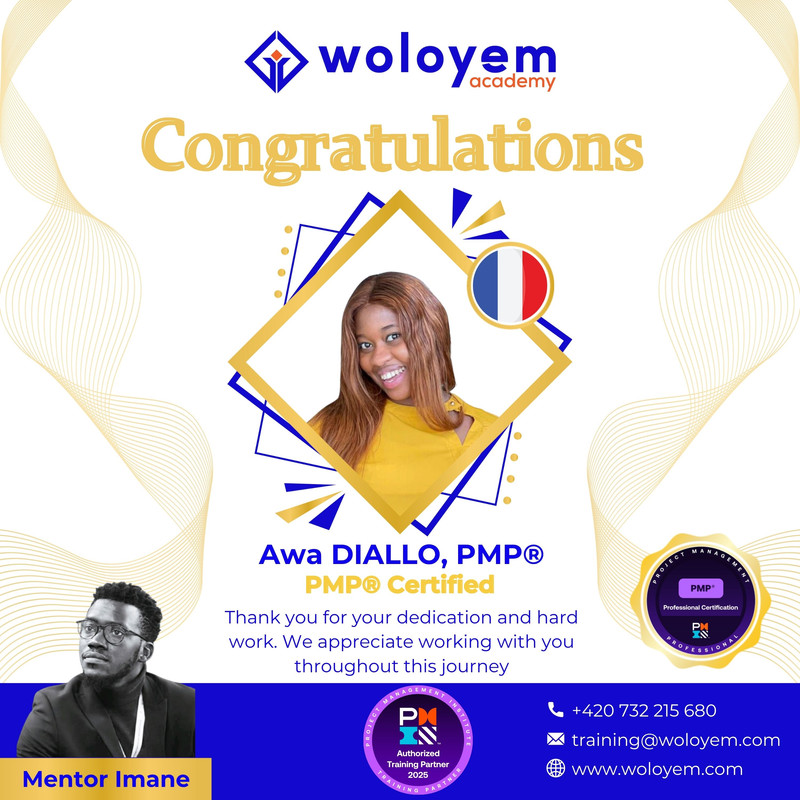
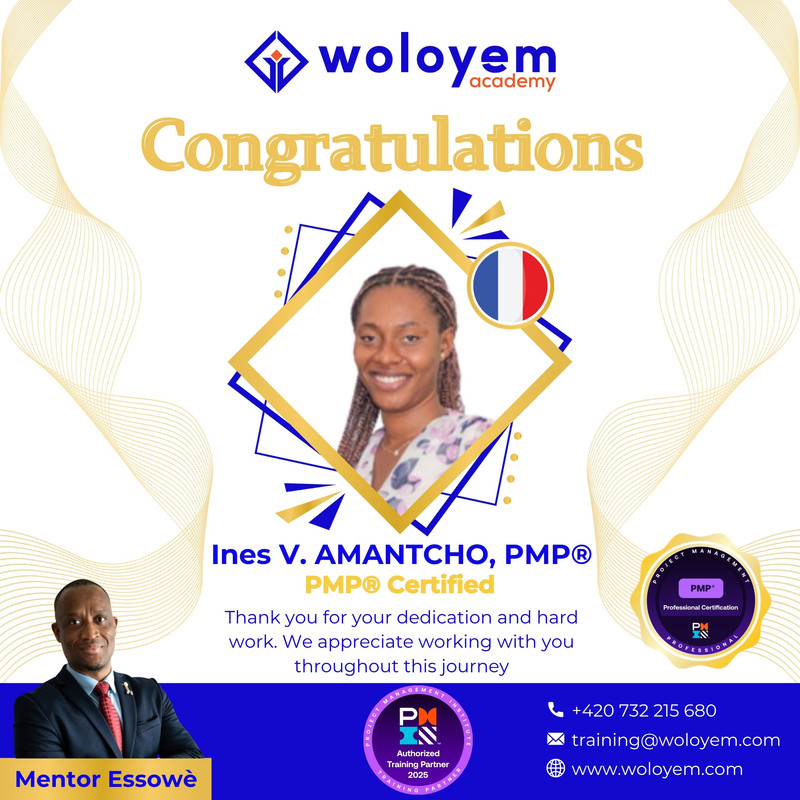
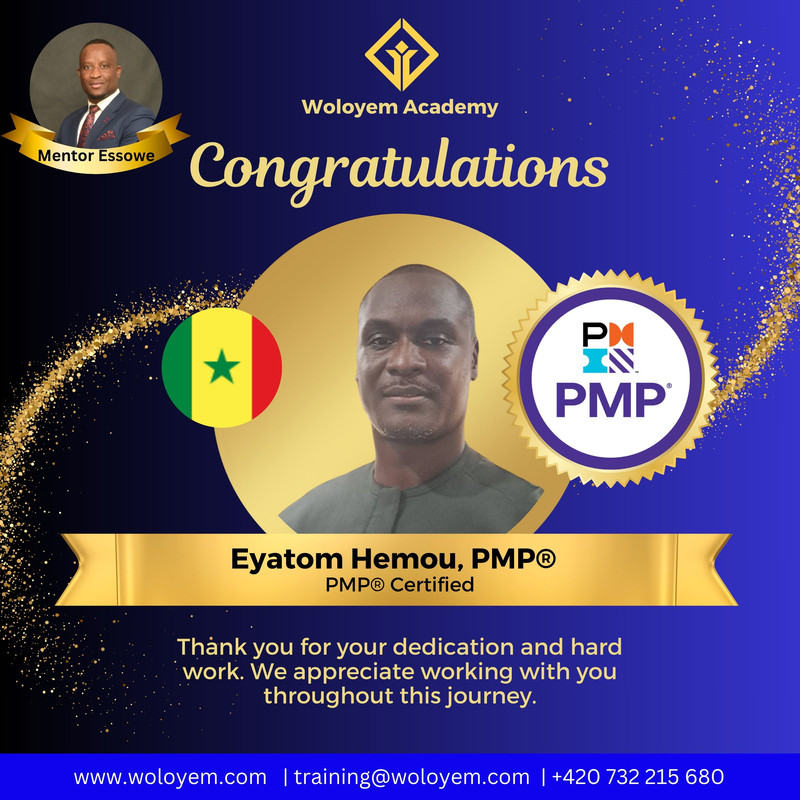
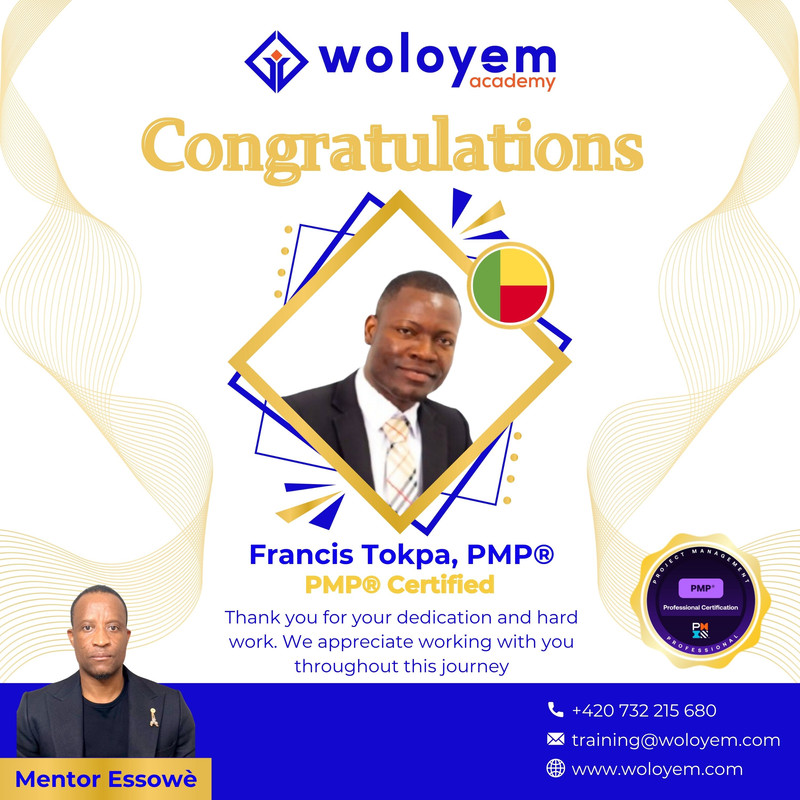
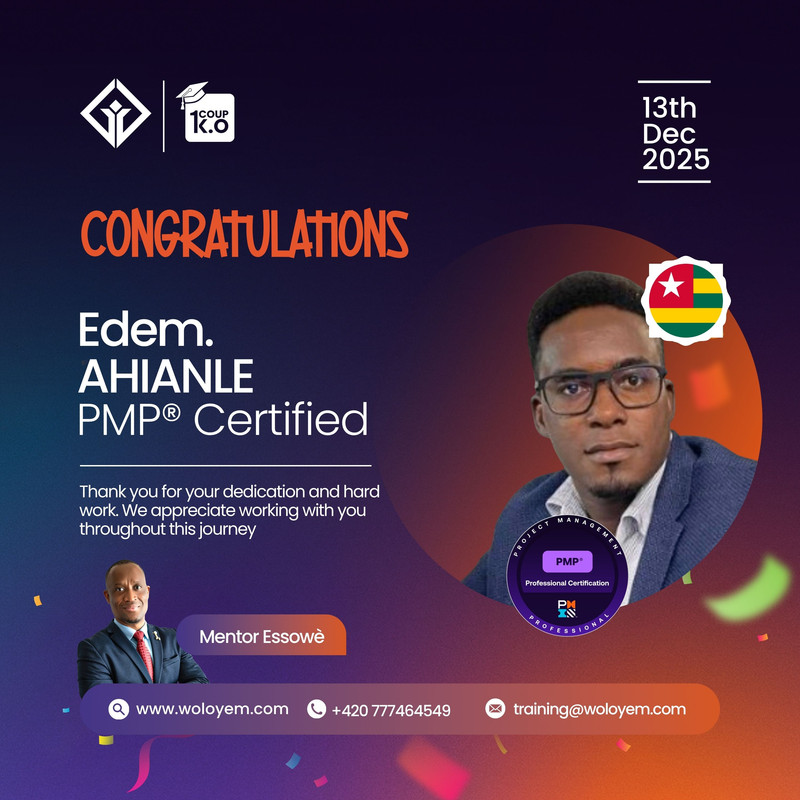
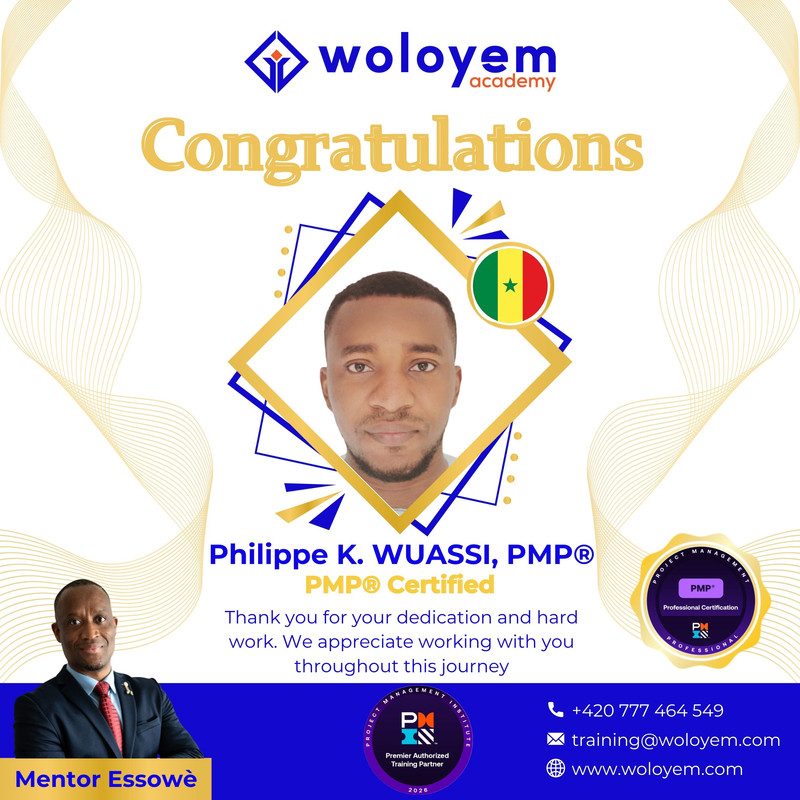
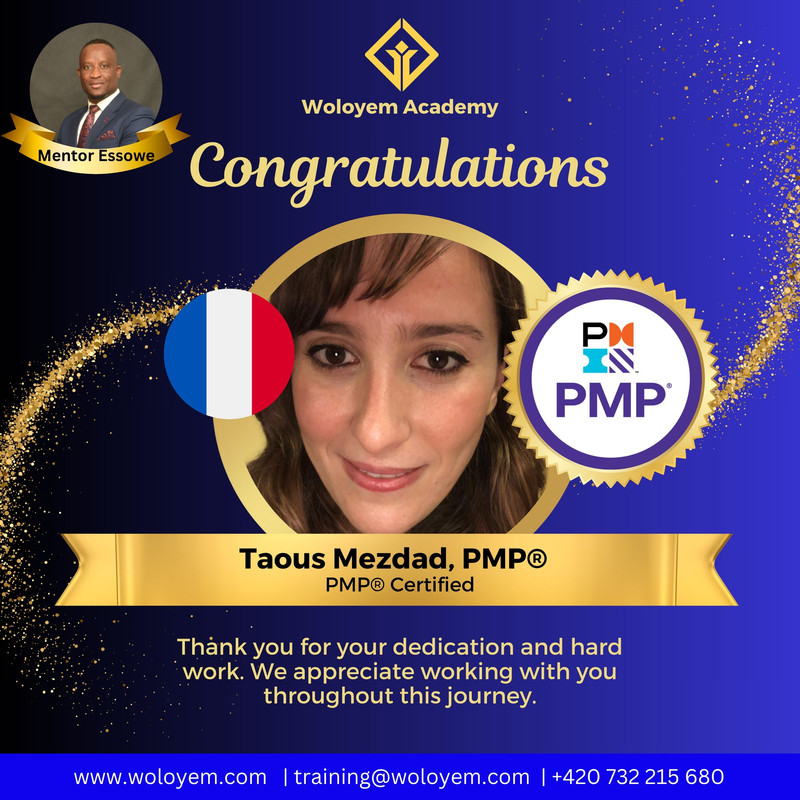
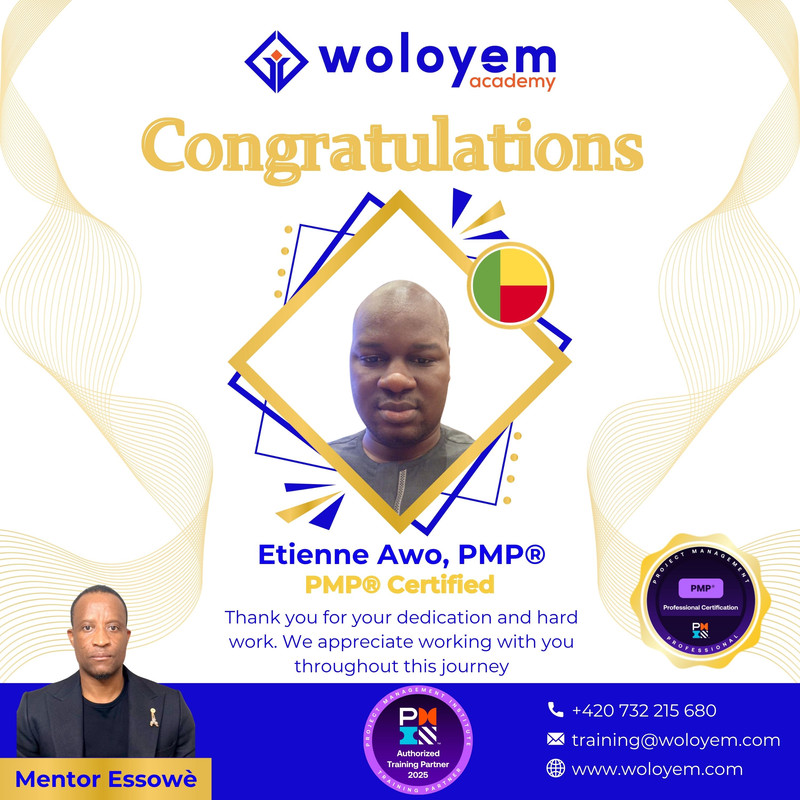
Our successes
.jpg)
.jpg)
.jpg)
.jpg)
.jpg)
.jpg)
.jpg)
.jpg)
.jpg)
.jpg)
.jpg)
.jpg)
.jpg)

.jpg)
Latest news from our blog
Courses
PREPARE EFFECTIVELY
Open PMP® Bootcamp
Pass your PMP certification in the upcoming session
ENROLL NOW