PMP Exam Lessons Learned: Strategic Insights for 2026 Success

Essowè Abalo
With industry estimates suggesting that nearly 40% of candidates fail their first attempt, passing the PMP in 2026 requires more than just memorizing the PMBOK® Guide. You've likely spent weeks drowning in technical manuals, yet your mock exam scores refuse to budge past 70%. It's frustrating to work hard without seeing the breakthrough needed to handle high-stakes situational questions in the People domain. Analyzing the pmp exam lessons learned from those who have already crossed the finish line is your most effective risk mitigation strategy.

I agree that the information overload from the Agile Practice Guide can feel overwhelming, especially when your professional credibility is on the line. This article promises to help you master the exam by leveraging collective intelligence and proven strategic preparation frameworks. We will preview the "PMI Mindset" shifts necessary for the 60% Agile focus and explain how to translate this certification into a significant increase in your market value.

Key Takeaways

  • Transition from rote memorization to internalizing the "PMI Mindset" to navigate the 60% Agile and hybrid content distribution effectively.

  • Optimize your study plan using the "Core Four" resource hierarchy, treating the PMBOK® Guide as a strategic reference rather than a primary textbook.

  • Avoid the common "Experience Trap" and manage your 240-minute clock by applying specific pmp exam lessons learned from high-performing candidates.

  • Execute a high-performance exam-day strategy, including establishing a consistent question rhythm and managing the first 60 questions with precision.

  • Translate your PMP certification into immediate career leverage by aligning your professional profile with the value delivery recruiters demand in 2026.

Table of Contents

I. What Are PMP Exam Lessons Learned and Why Do They Matter?

Most candidates treat the Project Management Professional (PMP) exam as a memory test. It isn't. In this context, pmp exam lessons learned represent a strategic synthesis of the behaviors that differentiate those who pass from those who fail. It's the difference between knowing a process exists and knowing how to apply it when a stakeholder is actively sabotaging a sprint. Memorization gets you through the definitions, but internalizing the "PMI Mindset" is what helps you navigate the situational complexity of the actual exam.

I view the Examination Content Outline (ECO) as your most critical project document. It's the contract between you and PMI, defining exactly what will be tested. Many professionals ignore the ECO and dive straight into textbooks, which is a tactical error. By leveraging peer data and documented experiences, you can identify high-probability question patterns. Industry professionals report that candidates who actively integrate these insights into their study plan can significantly reduce their risk of failure. This proactive approach allows you to focus your energy on the areas that actually drive scores.


To better understand this strategic approach, watch this helpful video:

A. The Evolution of the PMP Exam in 2026

The July 2026 update introduces a tighter structure: 185 questions across 240 minutes. The content distribution now shifts toward a heavy focus on value delivery across three domains: People (33%), Process (41%), and Business Environment (26%). While predictive methods still matter, approximately 60% of the exam now centers on agile and hybrid methodologies. We also see the explicit inclusion of AI tools and sustainability practices. You'll need to understand how AI-driven analytics can optimize resource leveling or risk assessment in real-time situational questions.

B. The Three Pillars of Exam Intelligence

Success rests on three distinct areas of preparation. First is technical knowledge, where you must understand the processes and artifacts without hesitation. Second is situational logic. This is where most fail because they rely on real-world "bad habits" instead of the "PMI-blessed" answer. You must learn to address the root cause before taking corrective action. Finally, there's psychological endurance. Managing your cognitive load over a 240-minute marathon is a skill. If you don't practice the rhythm of the exam, your performance will drop by the final 60 questions. You can find more strategic insights on our blog to help refine your approach.

II. The Strategic Resource Hierarchy: What Successful Candidates Use

Successful candidates don't just study hard; they study with a hierarchy of resources that prioritizes high-impact materials over generic textbooks. My analysis of pmp exam lessons learned shows that the "Core Four" resources for 2026 include the Examination Content Outline (ECO), a high-fidelity situational simulator, the Agile Practice Guide, and a comprehensive study guide that simplifies the Process domain. You must treat the PMBOK® Guide as a technical reference rather than a textbook. Reading it cover-to-cover is a common tactical error that leads to information burnout without improving your situational score.


When evaluating your career path, you might ask, Is PMP Certification Worth It?; the answer lies in your ability to master these strategic resources to pass on the first attempt. You also need to filter out the noise. With the July 2026 update introducing AI-driven situational questions and a revised question count of 185, using materials from 2023 or earlier is a significant risk. If your study guide doesn't address the specific weightings of the People and Business Environment domains, it's outdated and should be discarded.

A. Mastering the Agile Practice Guide

Agile and hybrid methodologies now account for roughly 60% of the exam, making the Agile Practice Guide your most important reading. Traditional project managers often struggle here because they try to apply "command and control" logic to adaptive environments. You must master concepts like backlog grooming, sprint retrospectives, and the specific role of the Scrum Master. Servant leadership for PMP success requires the project manager to act as a facilitator who removes impediments and provides the resources necessary for the team to deliver maximum value. If you need to refine your practical approach, our Masterclass in Practical Project Management provides the bridge between theory and execution.

B. Leveraging High-Quality Mock Exams

There's a vast difference between "knowledge checks" that test definitions and "situational simulators" that mirror the actual exam environment. High-quality simulators build the psychological endurance needed for the 240-minute marathon. When you review your results, don't just look at the correct answer. Analyze why your logic failed. Were you being too aggressive? Did you fail to follow the "assess before acting" rule? Identifying these cognitive biases is how you break through the 70% plateau. To test your current readiness, you can Practice with our Free PMP Questions and see where you stand against the 2026 standards.

III. Common Mistakes and "Hard Truths" from the PMP Frontlines

I often see senior project managers with 15 or 20 years of experience struggle the most with this certification. This is known as the "Experience Trap." These veterans rely on their real-world survival instincts rather than the structured, idealized frameworks PMI expects. In the real world, you might fire a disruptive team member immediately to save a project, but in the PMI world, you must coach, mentor, and follow formal conflict resolution steps first. Failing to separate your personal history from the exam's logic is one of the most painful pmp exam lessons learned by high-level professionals.


Time management is another critical failure point. With the July 2026 update setting the exam at 185 questions over 240 minutes, you have roughly 77 seconds per question. I recommend a strict 75-second-per-question rule to build a small buffer. If you spend three minutes debating a single situational question, you've effectively stolen time from two others. Don't ignore the scheduled 10-minute breaks. Your brain requires these intervals to reset its cognitive capacity. Candidates who skip breaks often see a sharp decline in accuracy during the final 60 questions due to sheer mental fatigue.

A. The "Real World" vs. The "PMI World"

You must learn to spot "distractor" answers that look like sound business decisions but violate PMI's servant leadership principles. For example, a distractor might suggest "escalating to the sponsor" as a first step. In the PMP environment, escalation is almost always a last resort. You are expected to analyze the situation, evaluate the impact, and attempt to resolve the issue within your own authority first. Conflict resolution follows a specific hierarchy where collaboration and problem-solving are prioritized over compromise or force. If the answer choice involves avoiding the problem, it's likely wrong.

B. Estimation and Formula Myths

Heavy math has largely vanished from the modern PMP exam. You don't need to be a statistician to pass, but you must understand what the numbers signify for project health. It's less about calculating a specific Variance at Completion (VAC) and more about knowing what a negative VAC tells you about your resource management. If your Schedule Performance Index (SPI) is 0.8, you shouldn't just know you're behind; you should know which agile or predictive techniques to apply to recover that time. To bridge the gap between these academic concepts and high-performance execution, you can Master Project Management Techniques with our Masterclass and learn to apply these insights in actual business scenarios.


PMP® EXAM 2026: The Strategic Success Blueprint

A data-driven roadmap to master the exam format, prioritize high-yield domains, and pass on your first attempt.

The 2026 PMP® Exam at a Glance

185 Total Questions
240 Total Minutes
~60% Agile & Hybrid Focus

Exam Content Domain Distribution

Process 41%
People 33%
Business Environment 26%

The Three Pillars of Exam Intelligence

Technical Knowledge

Master the frameworks, tools, and terminology across predictive, agile, and hybrid approaches.

Psychological Endurance

Build stamina for a 4-hour exam with scenario-heavy questions that demand sustained focus.

The “Core Four” Strategic Resource Hierarchy

  1. ECO (Exam Content Outline)

    Your single source of truth for what PMI will test—start here, not the PMBOK®.

  2. Simulator

    Full-length practice exams that replicate timing, question style, and difficulty.

  3. Agile Practice Guide

    Essential for the ~60% of questions rooted in agile and hybrid methodologies.

  4. Study Guide

    A curated companion that distills concepts into exam-ready explanations and drills.

Career-Limiting Mistakes to Avoid

The “Experience Trap”

Choosing answers based on “real-world” practice instead of PMI’s preferred approach is the #1 reason experienced PMs fail.

Rote Memorization Fallacy

Memorizing definitions without understanding how to apply concepts in situational scenarios will not get you to a passing score.

Translate Certification into Career Value

The PMP® is more than a credential—it signals strategic leadership capability. Let WOLOYEM help you earn it and leverage it.

Accelerate Your PMP Success at WOLOYEM.COM woloyem.com

IV.Exam Day Execution: A Project Manager’s Checklist

Think of exam day as the final deployment phase of your project. You've prepared the deliverables, and now it's time for execution. Based on current pmp exam lessons learned, your success depends on a structured four-phase approach during the 240-minute window. Phase 1 involves the pre-exam "brain dump." While many candidates used to write formulas during the tutorial, pmp exam lessons learned from recent test-takers suggest that as of 2026, many Pearson VUE centers strictly forbid writing on your scratchpad until the actual exam timer begins. Violating this rule can lead to immediate disqualification, so wait for question one before jotting down your critical frameworks.


Phase 2 is about establishing your rhythm during the first 60 questions. Don't let a difficult opening set of questions rattle your confidence. Phase 3 requires a mid-exam pivot. If you hit a block of complex situational questions in the People domain, take a 30-second "micro-break" at your desk to reset your focus. Finally, Phase 4 is the review. Only change an answer if you've identified a clear, objective error in your logic. Your first instinct is usually correct; second-guessing under fatigue often leads to mistakes.

A. Managing Testing Anxiety

It's common to hit a "question 50 slump" where cognitive load peaks and focus wavers. I recommend using box-breathing techniques to lower your heart rate and regain clarity. Visualizing the "Congratulations" screen is a powerful psychological tool used by high-performing leaders to maintain motivation. If you haven't selected your testing environment yet, you can Find Official PMP Exam Centers Worldwide to ensure you choose a location that minimizes your travel stress.

B. Online Proctored vs. In-Person Centers

The 2026 online testing environment offers convenience but comes with technical risks. You must ensure your home office meets the "Clear Desk" policy, meaning no books, electronics, or notes within reach. A simple technical glitch or someone entering the room can result in an automatic failure. In-person centers provide a more controlled environment where you don't have to worry about your internet stability or proctoring software. Before you commit to a date, you should get PMP certified with us to ensure your final preparation includes a full simulation of these testing conditions.

V. Beyond the Certification: Leveraging Success for Career Growth

Earning your certification is a significant milestone, but the true ROI lies in how you leverage that credential to accelerate your career. You shouldn't just add "PMP" to your LinkedIn headline and wait for offers. You need to articulate the pmp exam lessons learned through the lens of business impact. Recruiters aren't looking for someone who simply passed a test; they're looking for leaders who can mitigate risk and manage complex stakeholder environments. When you update your profile, focus on the "PMI Mindset" we established in previous sections. Describe your projects in terms of value delivery and strategic alignment rather than just tasks completed.

During interviews, your ability to translate technical terminology into executive language sets you apart. Instead of talking about "Monitor Stakeholder Engagement," explain how you optimized communication channels to ensure executive buy-in and project transparency. This shift demonstrates that you've moved beyond the mechanics of project management and into the sphere of high-performance leadership. I also encourage you to become a mentor within your organization. Teaching these frameworks to your junior colleagues is the most effective way to retain the knowledge you've worked so hard to gain while building your internal reputation as a subject matter expert.

A. Strategic Leadership Development

Bridging the gap between a project manager and a strategic leader requires a multi-framework approach. While the PMP provides a robust foundation, integrating ITIL or PRINCE2 methodologies gives you a distinct competitive advantage. This combination allows you to manage the service lifecycle and the project lifecycle simultaneously, providing a holistic view of organizational performance. You can Explore our Full Catalogue of Certification Training to see how these diverse frameworks complement your PMP status and increase your market value.

B. The Woloyem Consulting Path

Individual success is excellent, but true organizational transformation happens when entire teams speak the same language. Our approach at Woloyem focuses on transforming team performance through corporate consulting and advanced management techniques. We help organizations implement agile transformations that reduce waste and improve service quality. If you're ready to move beyond individual certification and drive systemic change, booking a consultation for your organization is the next logical step in your professional journey.

Your journey doesn't end with a passing score; it begins with the confidence to lead high-performing teams in a complex market. Get PMP Certified with Woloyem and Lead with Confidence to start your transformation today.

VI. Take Command of Your Professional Future

Mastering the 2026 PMP exam requires a strategic shift in how you approach leadership and situational problem-solving. By internalizing the pmp exam lessons learned shared by successful candidates, you move beyond the common "Experience Trap" and align your logic with PMI's global standards. You've seen how a structured resource hierarchy and a disciplined exam-day execution plan can turn anxiety into a decisive first-attempt success.

At Woloyem, we bridge the gap between certification and high-performance execution. Our expert-led training is available in both English and French, backed by years of global consulting experience across diverse industries. We focus on practical leadership that extends far beyond the exam room. We're committed to providing the tools you need to lead with Agility and strategic foresight in a competitive market.


Your path to becoming a premium industry leader starts with a single, strategic decision. I look forward to supporting your professional transformation.

VII. Frequently Asked Questions

How long does it typically take to prepare for the PMP exam in 2026?

Most successful candidates dedicate 8 to 12 weeks of consistent study to pass. This timeline includes the mandatory 35 contact hours of formal education and roughly 100 to 150 hours of individual review. Your actual duration will depend on your existing familiarity with the "PMI Mindset" and your ability to commit to daily practice sessions.

Is the PMBOK Guide 7th Edition enough to pass the exam?

No, the PMBOK® Guide is a reference standard rather than a comprehensive study textbook. To succeed in 2026, you must also master the Agile Practice Guide and the specific tasks outlined in the July 2026 Exam Content Outline. Relying solely on one book is a common mistake documented in many pmp exam lessons learned reports.

What should I do if I fail the PMP exam on my first attempt?

You should immediately analyze your Exam Analysis Report to identify which of the three domains (People, Process, or Business Environment) requires the most improvement. PMI allows up to three attempts within a one-year eligibility period. Use the feedback to pivot your study strategy toward your weakest areas before scheduling your retake.

Are PMP exam questions more Agile or Predictive now?

Approximately 60% of the current exam focuses on agile and hybrid methodologies. While predictive concepts still represent a significant portion of the Process domain, the 2026 update emphasizes value delivery in adaptive environments. You must be comfortable switching between these methodologies depending on the project scenario provided.

Do I really need to memorize all the PMP formulas?

No, you don't need to prioritize rote memorization of complex formulas for the modern exam. The current focus is on your ability to interpret data like SPI, CPI, and VAC to make leadership decisions. If you understand what the numbers indicate about project health, you'll be able to answer situational questions without performing heavy manual calculations.

What is the most difficult section of the PMP exam according to lessons learned?

Many candidates find the "People" domain the most challenging due to the subjective nature of situational questions. These questions test your ability to lead teams, manage conflict, and support virtual stakeholders. It's often harder to identify the "PMI-blessed" answer in these human-centric scenarios than in technical process questions.

Can I take the PMP exam in languages other than English?

Yes, PMI offers the PMP exam in multiple languages, including French, Spanish, and German. You can select your preferred language aid during the application process. This allows you to see the questions in your chosen language alongside the English version to ensure full comprehension of complex situational prompts.

How do I maintain my PMP certification after passing?

You must earn 60 Professional Development Units (PDUs) every three years to maintain your certification. These units must align with the PMI Talent Triangle: Ways of Working, Power Skills, and Business Acumen. There's also a renewal fee of $60 for PMI members and $150 for non-members to complete each three-year cycle.

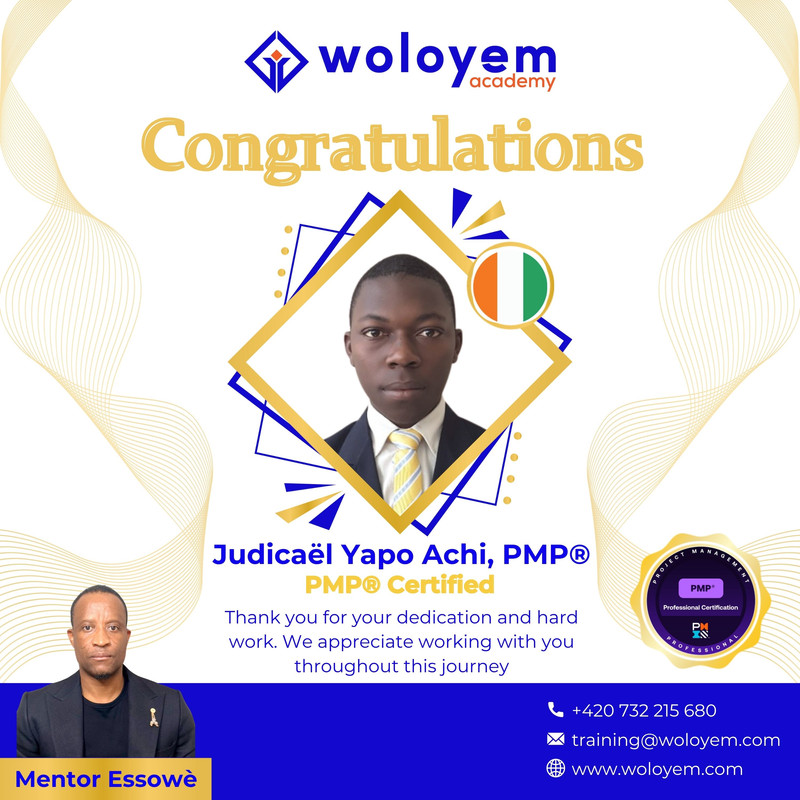
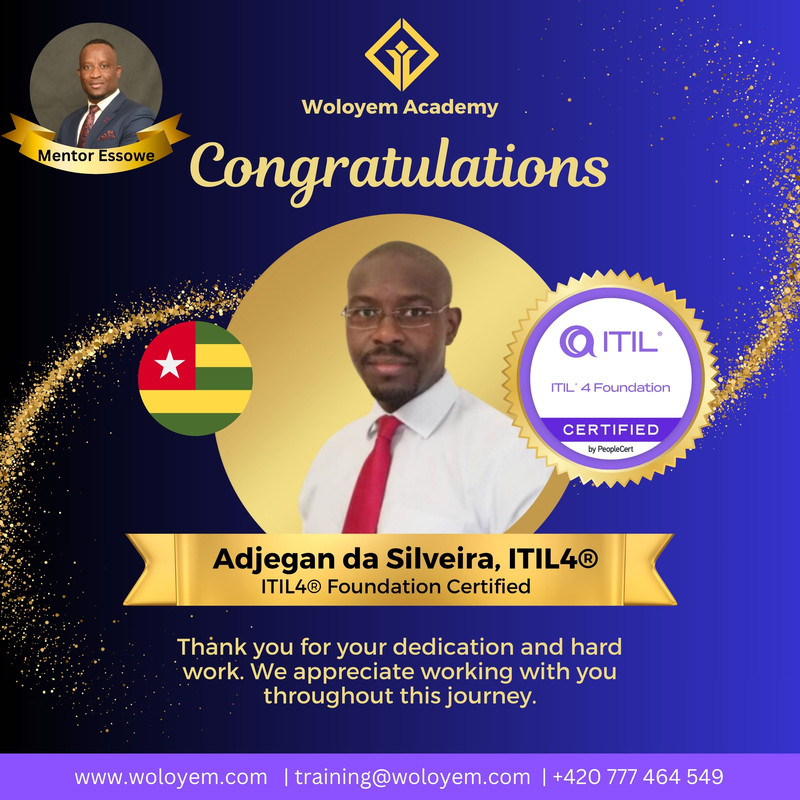
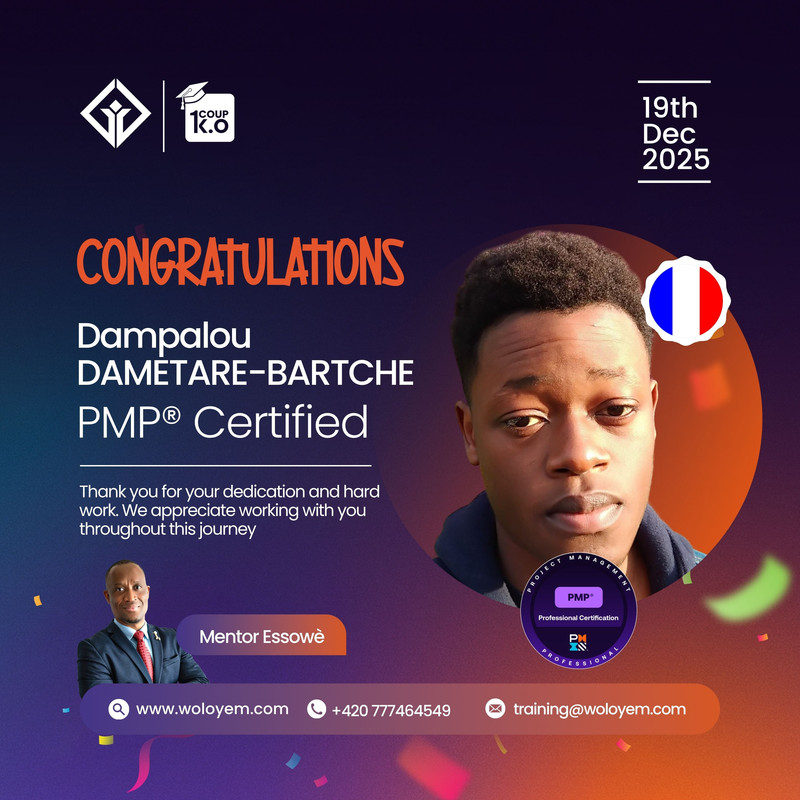
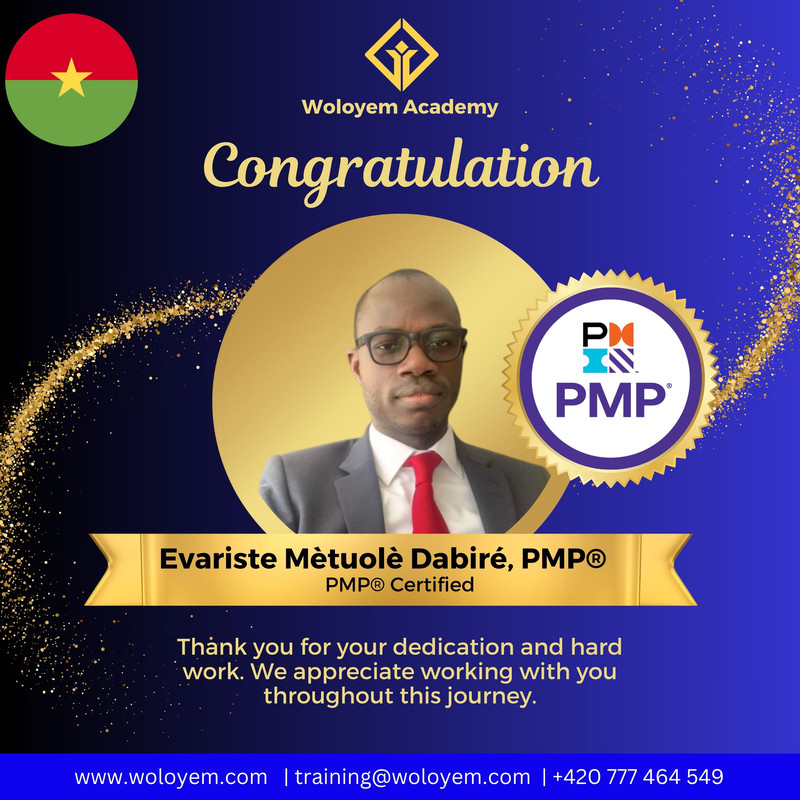
Our successes

Our successes
Featured

Courses

Privacy Policy Cookie Policy Terms and Conditions