
Key Takeaways
Table of Contents
I. Why Business Analysts are Pivoting to PMP Certification in 2026
We've observed a fundamental shift in how organizations perceive the Business Analyst role. It's no longer enough to be a bridge between IT and the business; you must be the engine of delivery. The traditional boundary between Business Analysts and Project Managers is dissolving. In 2026, the market no longer rewards specialists who only document requirements. It rewards leaders who deliver value. This is why the Project Management Professional (PMP) certification has become the essential pivot for BAs seeking to escape the "support function" trap. At Woloyem, we view project management as a core skill set rather than a restrictive job title.
To better understand how these roles intersect in today's market, watch this helpful video:
Many BAs face a "Requirement-to-Value" gap. You identify the business needs, but you lack the authority to manage the budget, timeline, or resource allocation required to fulfill them. By pursuing the pmp certification for business analysts, you gain the framework to move beyond the "what" and "why" into the execution phase where strategic decisions happen. This authority is what separates a requirements specialist from a business value driver.
A. The Evolution of the BA Role: From Note-Taker to Strategic Leader
B. The ROI of PMP for Business Analysts
II. Mapping the PMP Domains to the Business Analysis Lifecycle
The gap between identifying a business need and delivering a successful solution often stems from a lack of integrated frameworks. While many BAs focus on the technical details of requirements, the pmp certification for business analysts provides a strategic layer that ensures those requirements actually survive the execution phase. I see this most clearly when we map the three PMP domains, People, Process, and Business Environment, directly onto the standard BA lifecycle. This isn't just about learning new terms; it's about shifting your mindset from documentation to delivery.
In the People domain, which accounts for 33% of the exam, your skills in elicitation transform into high-level stakeholder engagement. You aren't just "gathering" information anymore. You're managing expectations and building the consensus necessary to keep a project moving. The Process domain (41%) is where your requirements traceability matrix meets scope management. By using PMP techniques, you ensure that every requirement is tied to a specific project milestone, preventing the scope creep that kills most initiatives. Finally, the Business Environment domain (26%) is your home turf, focusing on how project outcomes align with the broader organizational strategy.
A. Stakeholder Engagement: More Than Just Gathering Requirements
Most BAs struggle when a powerful sponsor changes their mind mid-project. PMP frameworks move you beyond simple management into active engagement. You'll learn specific conflict resolution techniques, such as collaborating and compromising, to handle difficult sponsors without stalling progress. In an Agile or Hybrid context, this means taking a leadership role in the team, ensuring that the developers understand the "why" behind the "what" while you shield the team from external distractions. If you want to see how these techniques apply in real-world scenarios, our practical project management masterclass offers a deep dive into execution strategies.
B. Hybrid Project Delivery: The BA as the Strategic Bridge
The 2026 PMP exam reflects a reality where 60% of projects use Agile or Hybrid methodologies. As a BA, you must be comfortable managing a Product Backlog alongside a traditional Work Breakdown Structure (WBS). This hybrid approach allows you to maintain the rigor of predictive planning for fixed constraints while utilizing the flexibility of Agile for evolving requirements. Your role is to ensure Benefit Realization. You're the one tracking whether the features being built actually deliver the value promised in the original business case. This strategic oversight is exactly what makes a PMP-certified BA indispensable to modern leadership teams.
III. PMP vs. PMI-PBA: Which Credential Should a BA Choose?
Choosing between the PMP and the PMI-PBA often feels like a fork in the road. While the PMI-PBA focuses on the technical mastery of requirements management, the pmp certification for business analysts is designed for those who want to lead the entire project lifecycle. The market recognition of the PMP remains significantly higher across all industries; it's often a mandatory requirement for senior management roles. In contrast, the PMI-PBA is a niche credential. It proves your depth in analysis but doesn't always grant you the authority to manage budgets or lead cross-functional teams.
The decision framework is simple. You should choose the PMP if your goal is to transition into leadership, manage larger teams, or move into PMO roles. It's the strategic choice for BAs who feel stuck in a support capacity. Choose the PMI-PBA if you prefer to remain a subject matter expert in requirements engineering and want to master the technical nuances of solution architecture. Both exams require 35 contact hours of training and 36 to 60 months of experience. However, the PMP is generally considered more difficult due to its situational nature and the broad scope of the updated 2026 exam content.
A. The Breadth vs. Depth Argument
Think of the PMI-PBA as a specialist tool. It's for the professional who wants to be the best in the room at modeling and elicitation. The PMP is the generalist leadership tool. It's for the professional who wants to lead organizational transformation. I often recommend the "Power Pair" approach. Start with the PMP to establish your leadership authority and increase your immediate market value. Once you've secured a leadership position, add the PBA to solidify your technical reputation as a requirements expert.
B. Career Path Implications
Your choice of certification dictates your future job title. A PMP opens doors to becoming a PMO Director, Program Manager, or Operations Lead. These roles focus on execution, risk management, and delivery. A PBA typically leads toward Principal BA, Product Owner, or Solution Architect roles, which focus on product integrity and technical alignment. To explore these career paths in detail and see which training fits your goals, I suggest reviewing Woloyem’s course catalogue. Mapping your five-year plan today ensures you don't waste time on a credential that doesn't serve your ultimate objective.
IV. How to Document Business Analysis Experience for the PMP Application
The biggest hurdle in obtaining the pmp certification for business analysts isn't the exam itself; it's the application process. I've seen countless qualified BAs get rejected because they described their experience as a series of technical tasks rather than project leadership. PMI requires you to demonstrate that you led and directed projects, regardless of whether your official job title was "Project Manager." If you focus on the "what" instead of the "how," your application will likely be flagged for audit.
To succeed, you must first distinguish between projects and operations. Projects have a defined start and end; operations are ongoing, repetitive business-as-usual (BAU) activities. If you spent six months implementing a new CRM, that's a project. If you spend every Monday maintaining that CRM, that's operations. Once you've identified your projects, map your history to the five process groups: Initiating, Planning, Executing, Monitoring and Controlling, and Closing. For degree holders, you must prove 36 months of unique, non-overlapping experience. If you worked on two projects simultaneously in January, you only count that month once toward your 36-month requirement.
A. Translating BA Tasks into PM Terminology
Your application must speak the language of the PMBOK® Guide to pass the initial screening. Instead of saying you "performed elicitation," state that you "led stakeholder identification and engagement." Rather than "writing a requirements document," describe it as "developing the scope statement and baseline." When you mention User Acceptance Testing (UAT), frame it as "validating scope and performing quality control."
Here is a sample 100-word description for a BA application: "I led the initiative to modernize the regional supply chain portal. During initiation, I identified key stakeholders and defined the project business case. In the planning phase, I facilitated workshops to establish the scope baseline and risk management plan. During execution, I managed stakeholder engagement to ensure technical alignment with business needs. In the monitoring and controlling phase, I led UAT to validate scope and maintain quality standards. Finally, I directed the transition to the support team and archived lessons learned during the project closing phase."
B. Avoiding Common Application Pitfalls
Don't include BAU work like routine maintenance or help desk support. If you didn't have a formal leadership title, focus on the specific actions you took to drive the project forward. You can learn more about how to document project experience for PMP to avoid these common traps. If you're struggling to frame your analysis background as leadership, our PMP training bootcamp includes personalized guidance on the application process to ensure your experience is accepted the first time.
V. Mastering the PMP with Woloyem: From BA to Certified Leader
Transitioning from a functional analyst to a strategic leader requires more than just reading the PMBOK® Guide. At Woloyem, we've developed a bilingual training methodology that addresses the specific hurdles BAs face during this transition. Whether you prefer learning in English or French, our instructors focus on the practical application of project management techniques rather than rote memorization. We recognize that while your background in requirements is a significant strength, you need a different set of leadership tools to ensure those requirements drive organizational performance. Our goal is to bridge that gap with transparency and professional rigor.
Our approach has successfully helped numerous analysts overcome the authority gap discussed in earlier sections. Many BAs who completed our Masterclasses reported that the ability to speak the language of project finance and procurement was the defining turning point in their career trajectory. They didn't just pass the exam; they returned to their organizations ready to lead cross-functional teams with a new level of confidence. We treat the pmp certification for business analysts as a strategic career expansion, ensuring you leave our program with actionable insights you can apply on day one to reduce risk and improve service quality.
A. Our Proven Bootcamp Framework
Our 35-hour PMP Bootcamp provides the mandatory contact hours in an interactive, online environment led by industry experts. We specifically target the knowledge gaps common among BAs, such as budget management and contract administration. You won't just learn theory; you'll engage in simulations that mimic the complexity of the 2026 exam format. If you're curious about your current standing, you can access our PMP exam practice questions to gauge your readiness and identify areas for improvement.
B. Take the Next Step in Your Professional Journey
Strategic career growth is a choice, not a chance. If you're tired of watching projects veer off course despite your perfect documentation, it's time to take control of the execution phase. We invite you to join our next PMP Masterclass to transform your professional identity from a support specialist to a recognized leader. Beyond individual training, we also provide corporate consulting for organizations looking to upskill their entire analysis team into high-performing project managers. The market for hybrid professionals is expanding, and the window to establish yourself as a leader is now. Get PMP Certified with Woloyem and secure your place at the strategic decision-making table.
VI. Secure Your Strategic Leadership Seat in 2026
The decision to pursue the pmp certification for business analysts marks your transition from a technical contributor to a driver of strategic business value. We've seen how mapping your analytical skills to the PMP domains creates a hybrid profile that modern organizations prioritize. By translating your requirements expertise into project leadership terminology, you dismantle the barriers to higher salary tiers and cross-functional authority. Your background in analysis isn't just a starting point; it's your competitive advantage when leading complex deliveries.
Woloyem provides globally recognized PMP training in both English and French. Our expert-led bootcamps are delivered by senior PM consultants who understand the specific challenges BAs face. We maintain a high success rate for professionals transitioning into formal leadership roles because we focus on execution, not just theory. Ready to lead? Join our next PMP Certification Masterclass. Don't leave your career progression to chance when you can command your market value today.
VII. Frequently Asked Questions
Can a Business Analyst apply for the PMP without a PM job title?
Is PMP better than IIBA-CBAP for Business Analysts?
The choice depends on your long-term career objectives. The CBAP is an excellent credential for those who want to remain technical experts in requirements engineering. However, the pmp certification for business analysts is generally superior for those seeking strategic leadership roles and higher global mobility. The PMP is recognized across more industries and often serves as a prerequisite for senior management positions that the CBAP does not typically cover.
How much does the PMP certification increase a Business Analyst’s salary?
Does the PMP exam cover Agile requirements gathering?
How long does it take for a BA to prepare for the PMP exam?
What is the difference between PMP and PMI-PBA for a BA career?
Can I use my BA experience to satisfy the 35 contact hours requirement?
What happens if my PMP application is audited as a Business Analyst?
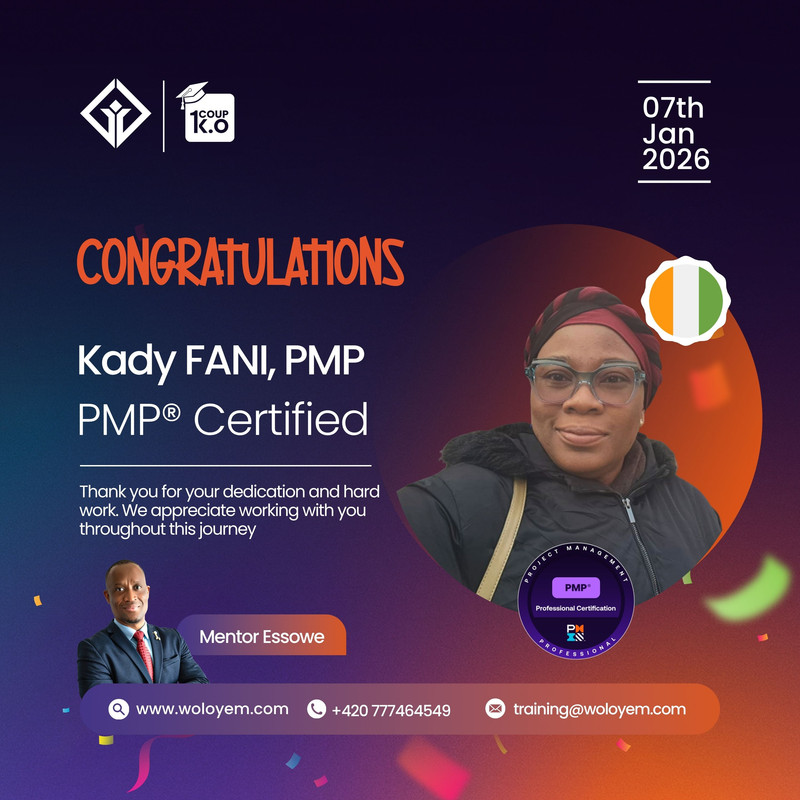
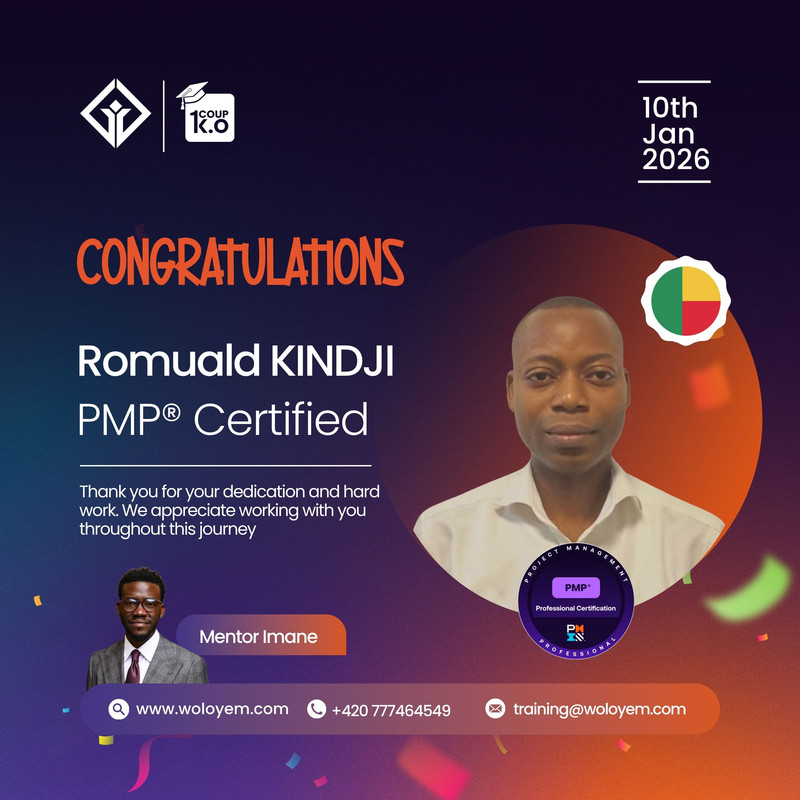
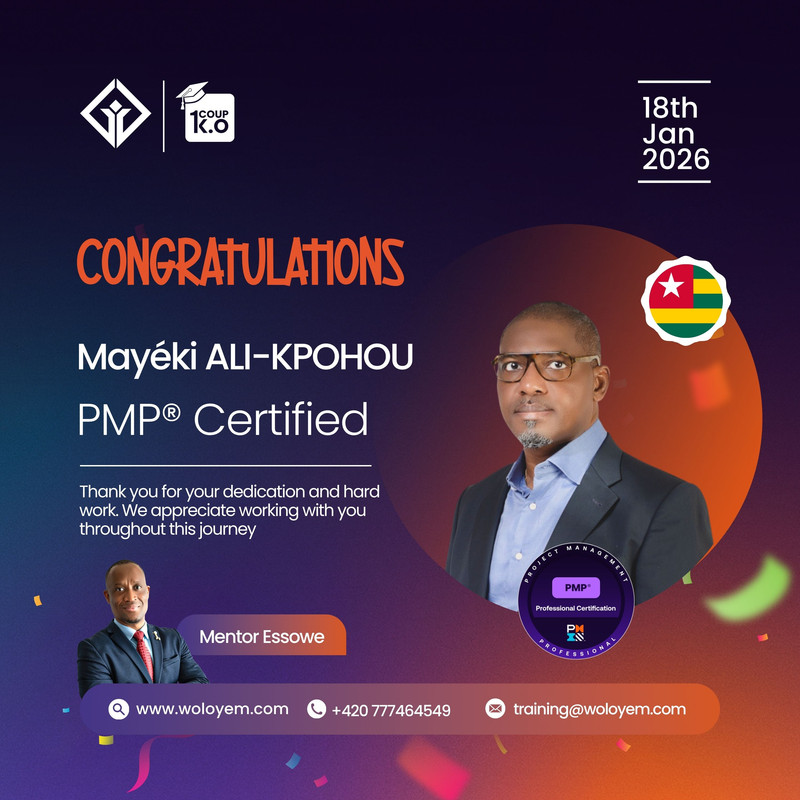
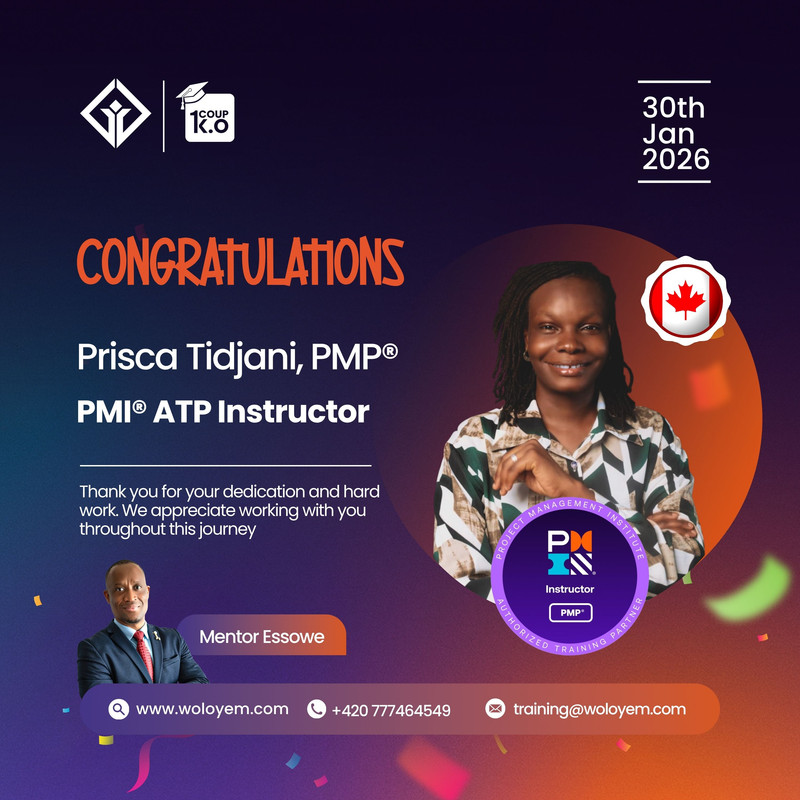
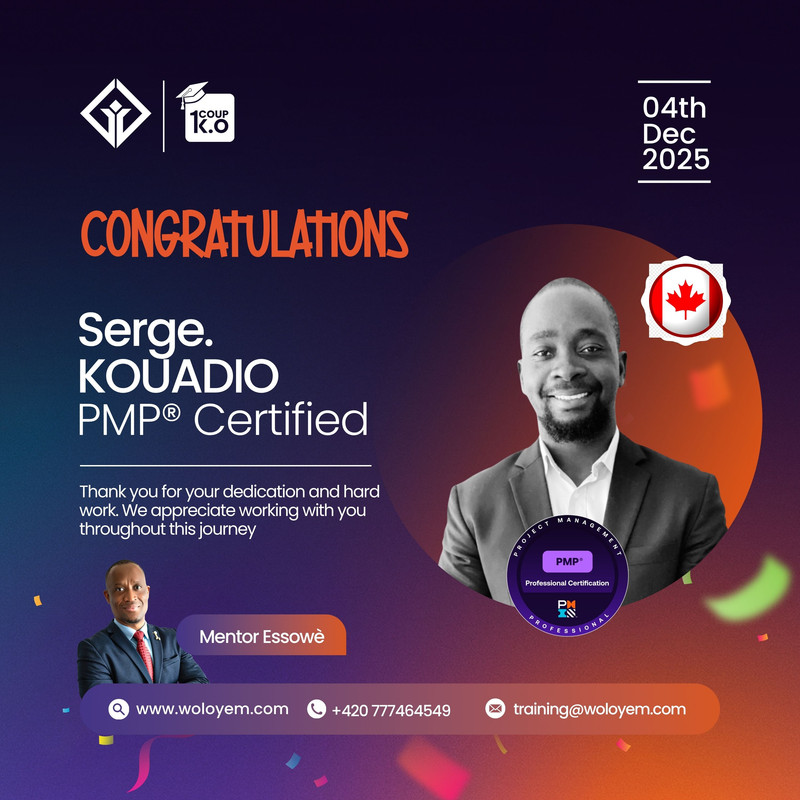
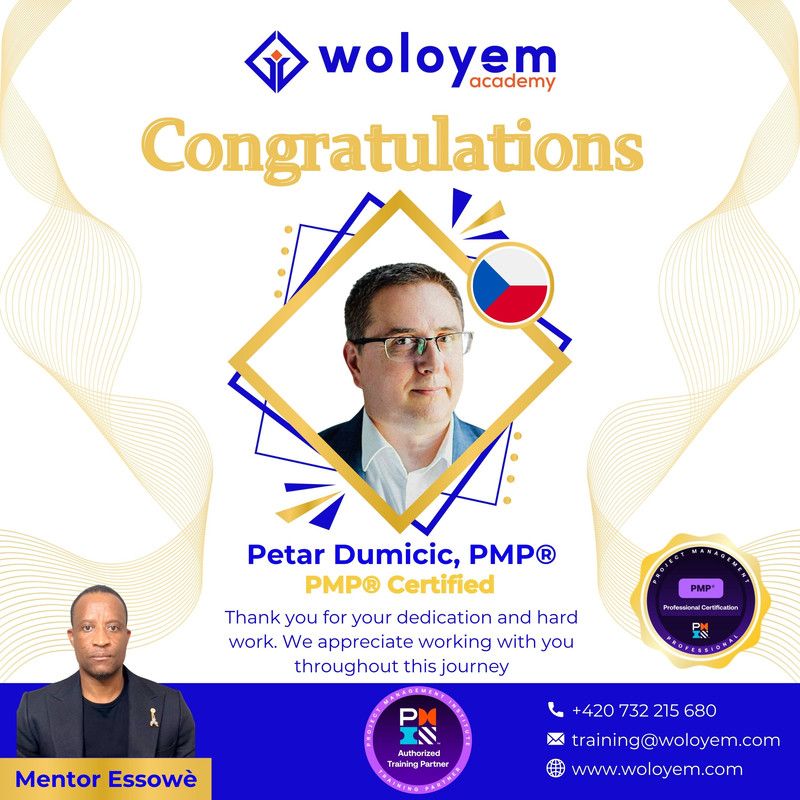
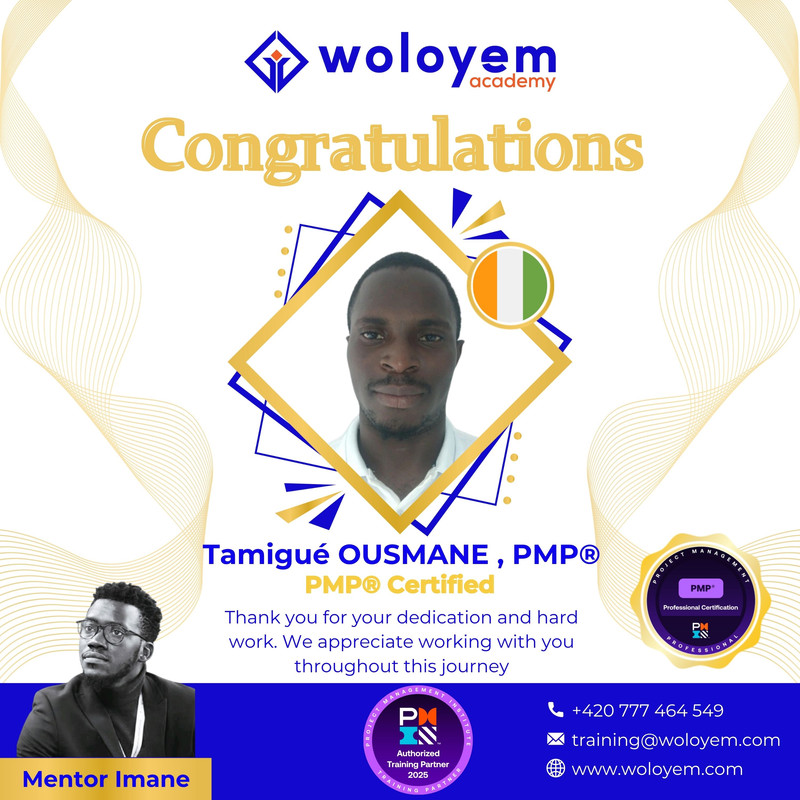
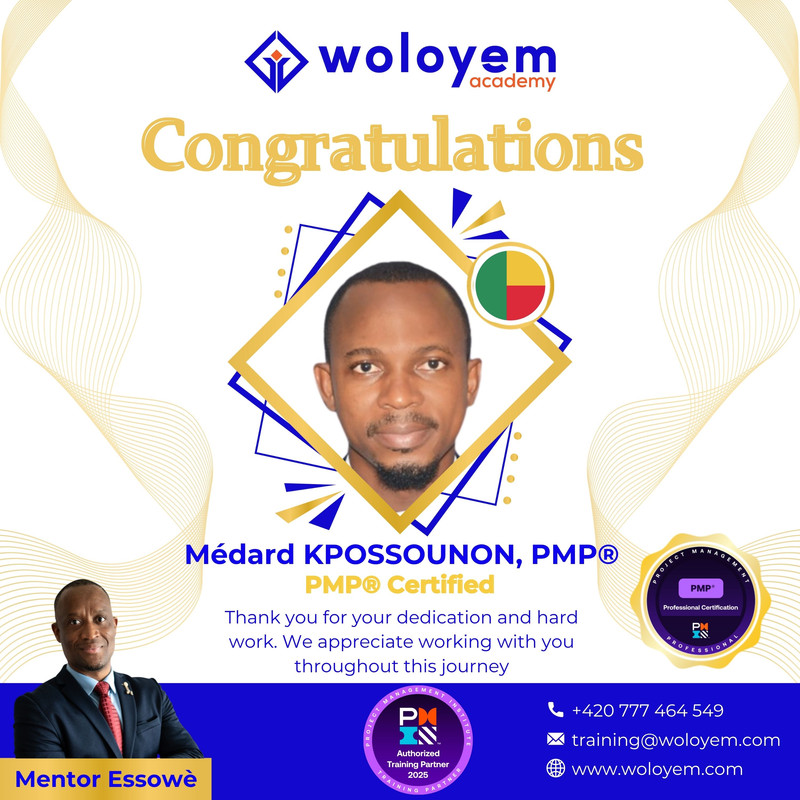
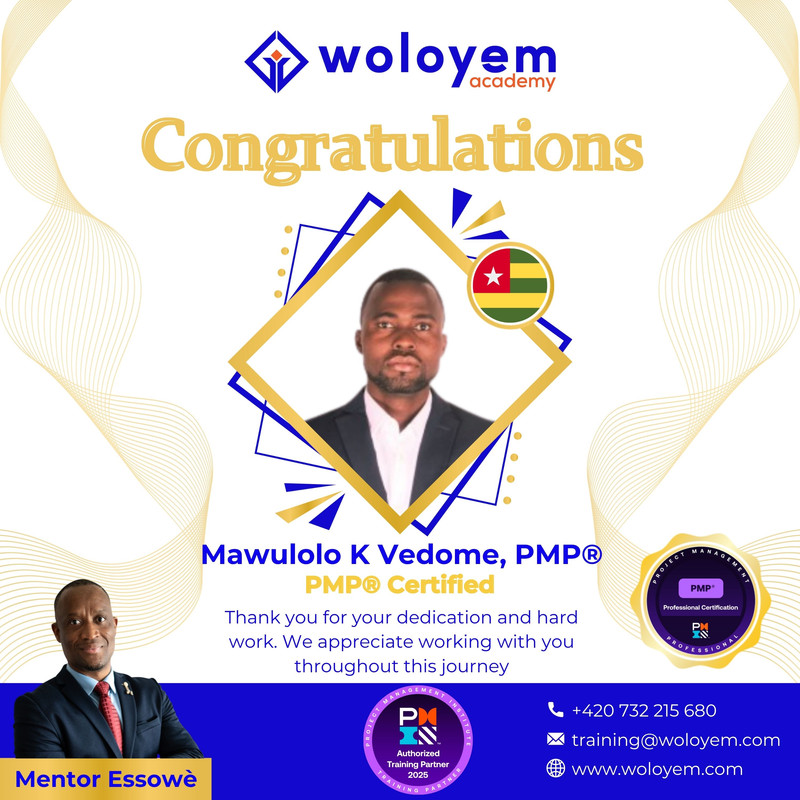
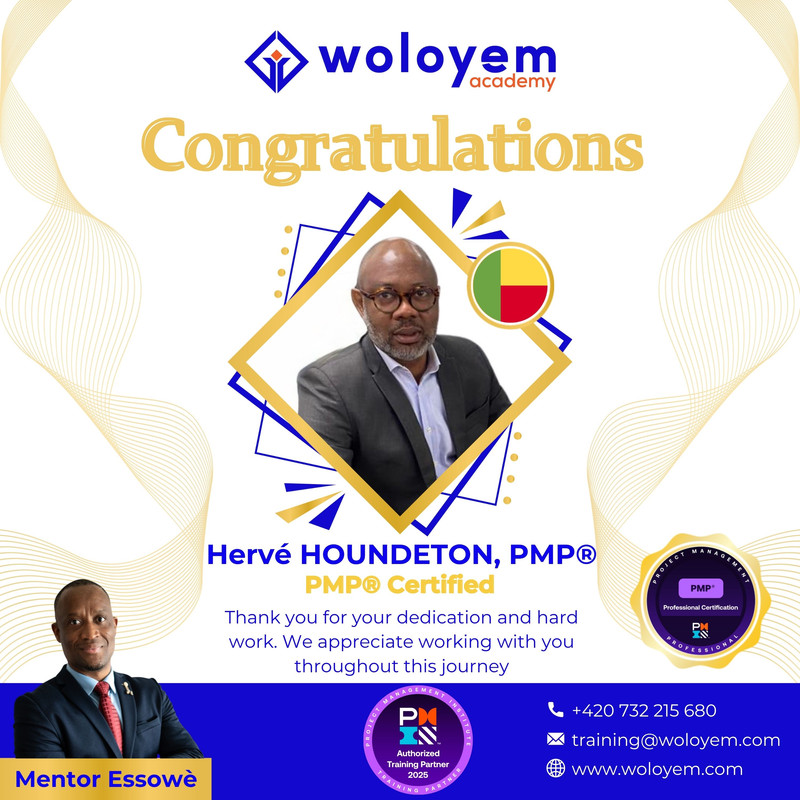
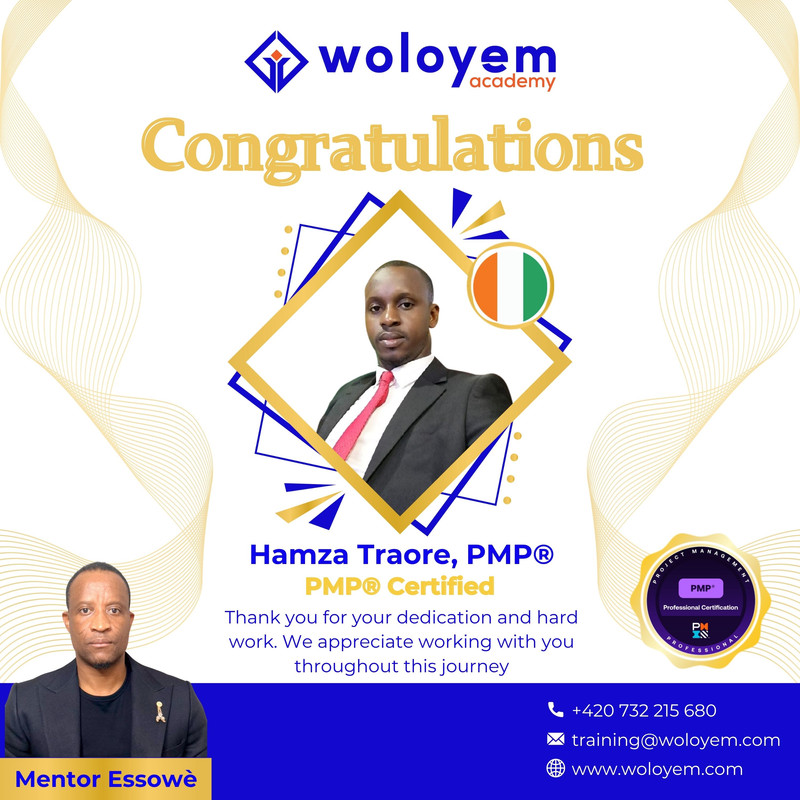
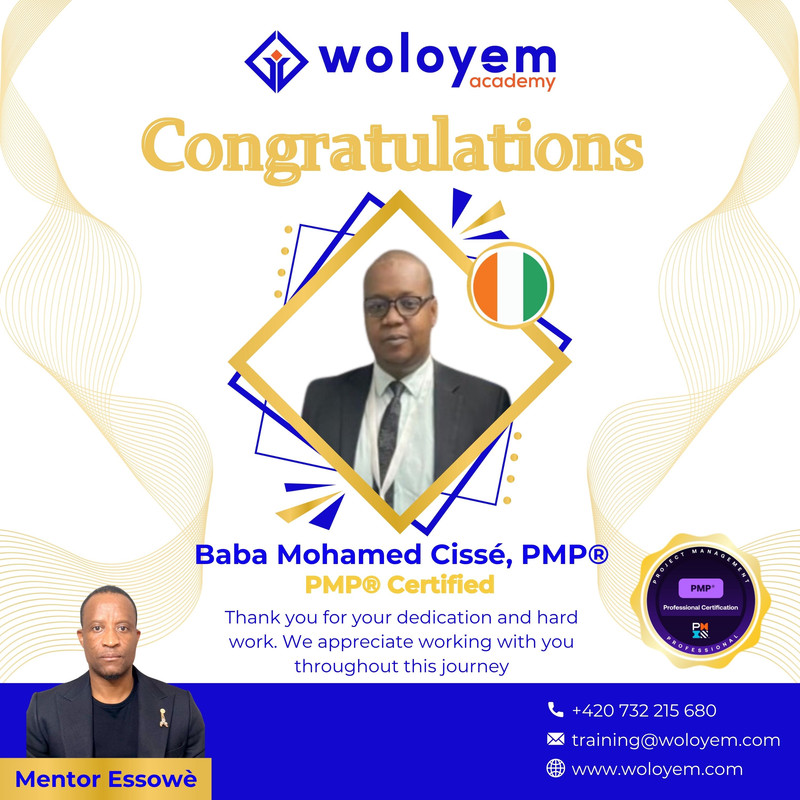
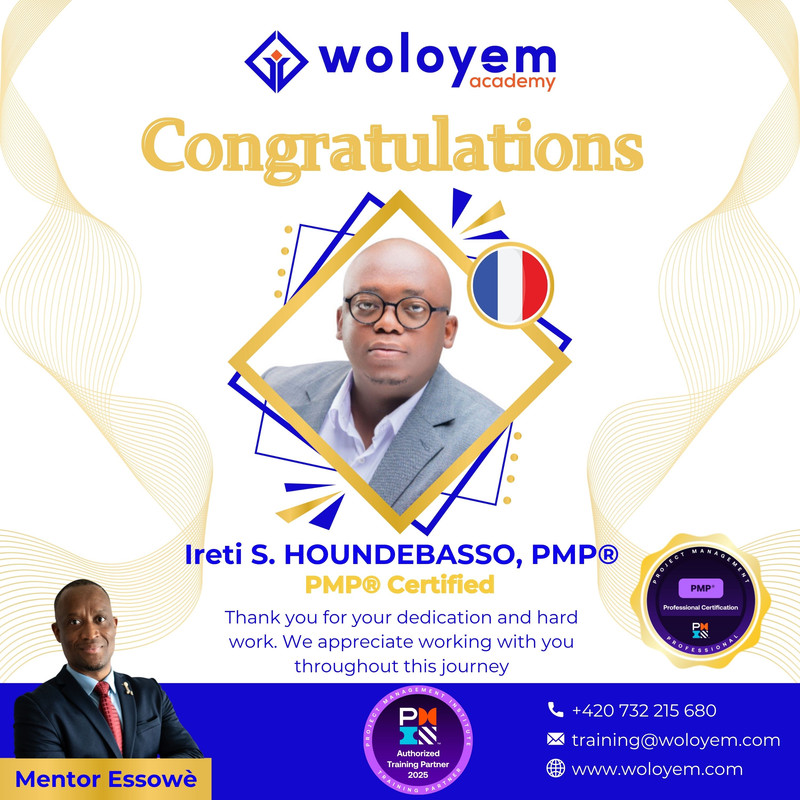
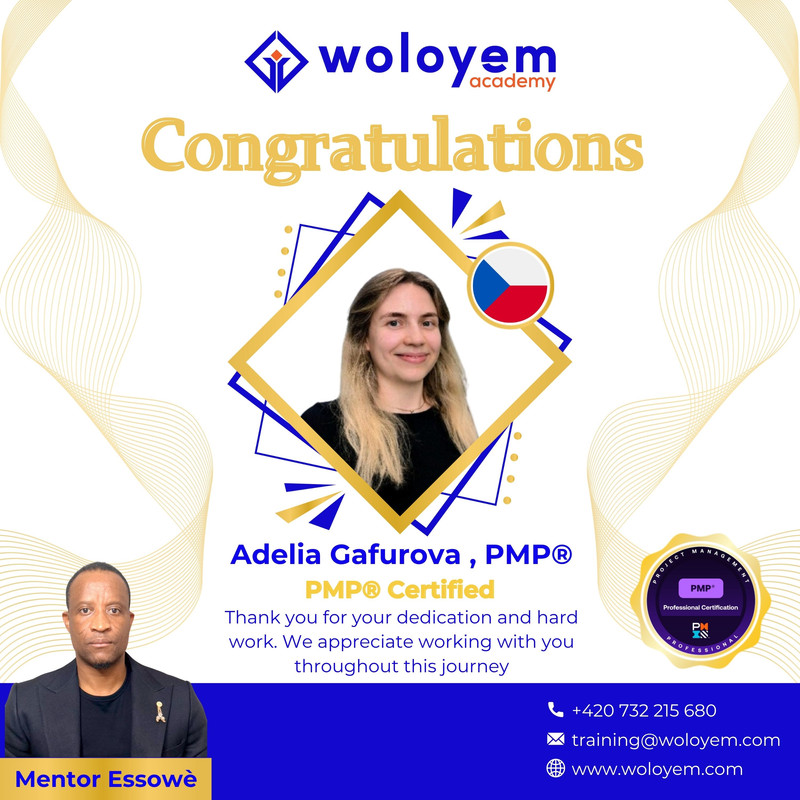
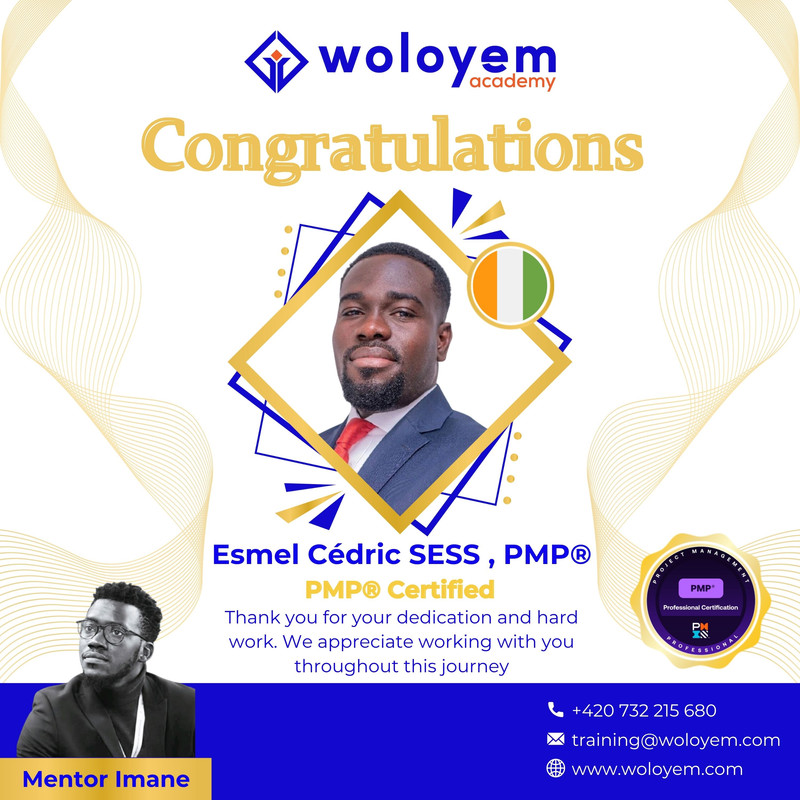
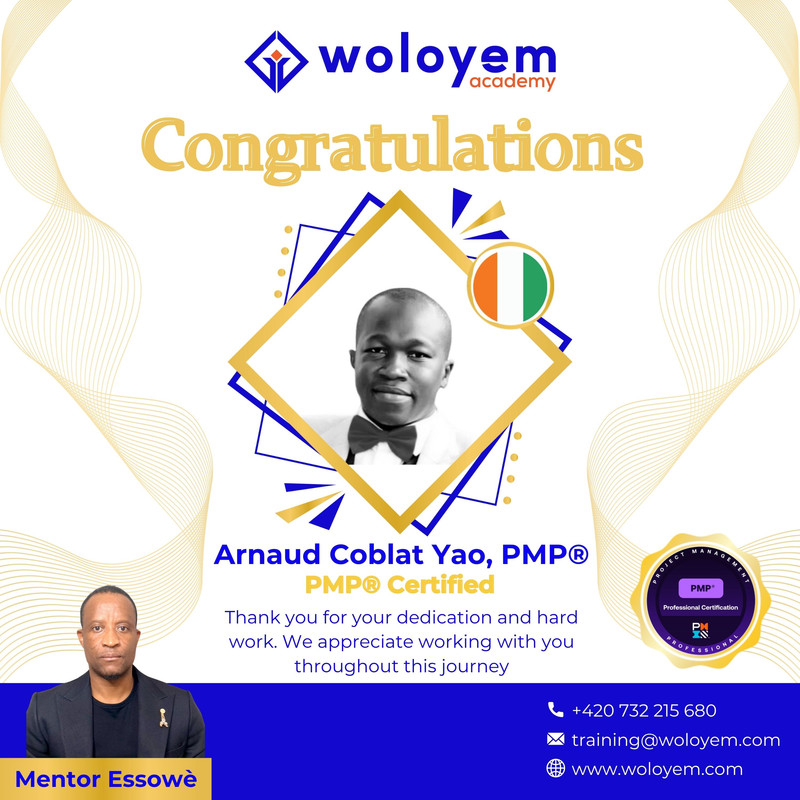
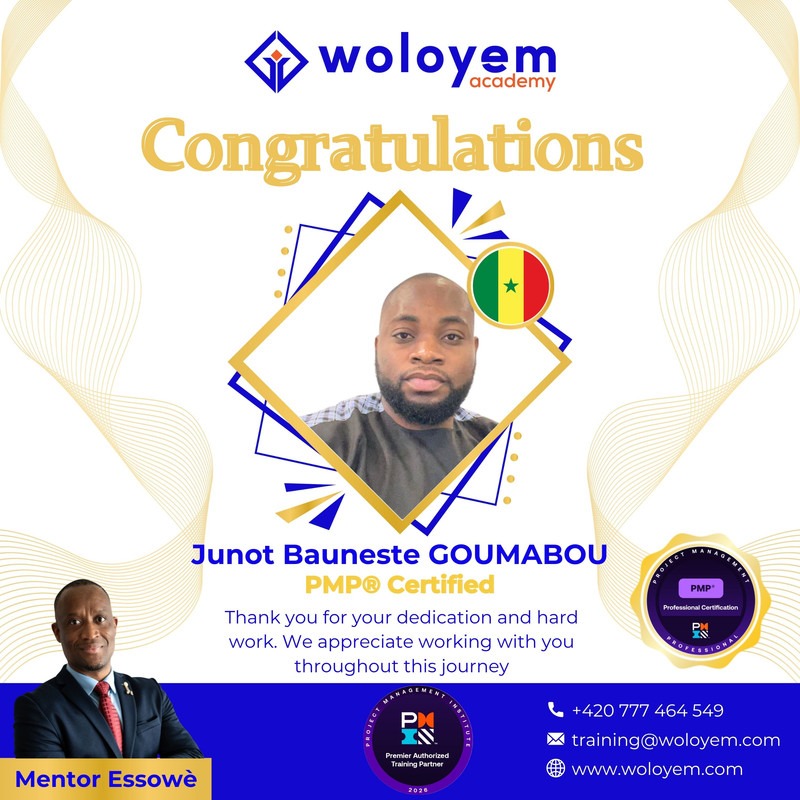
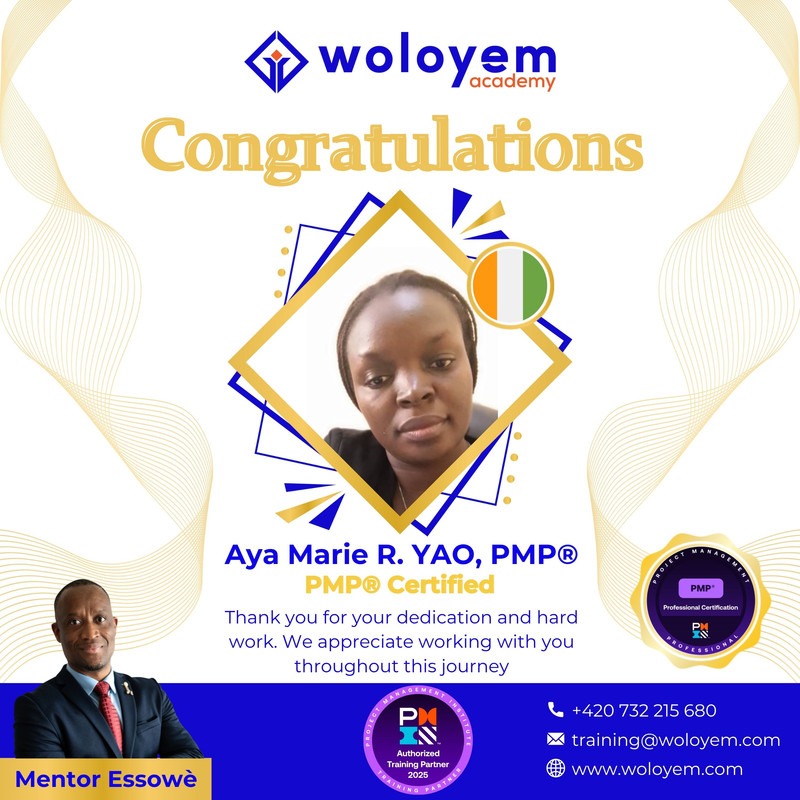
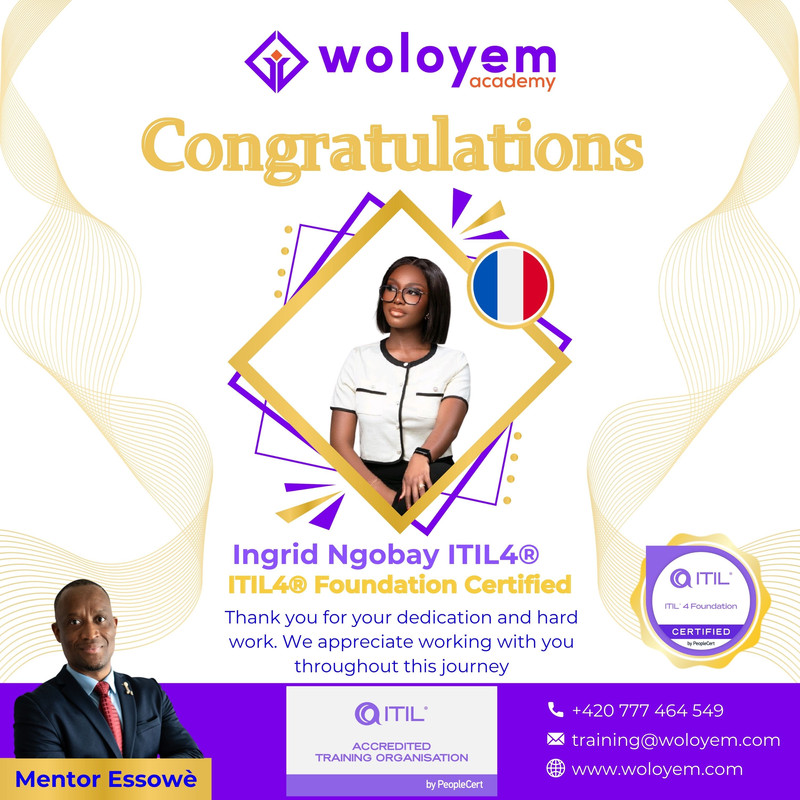
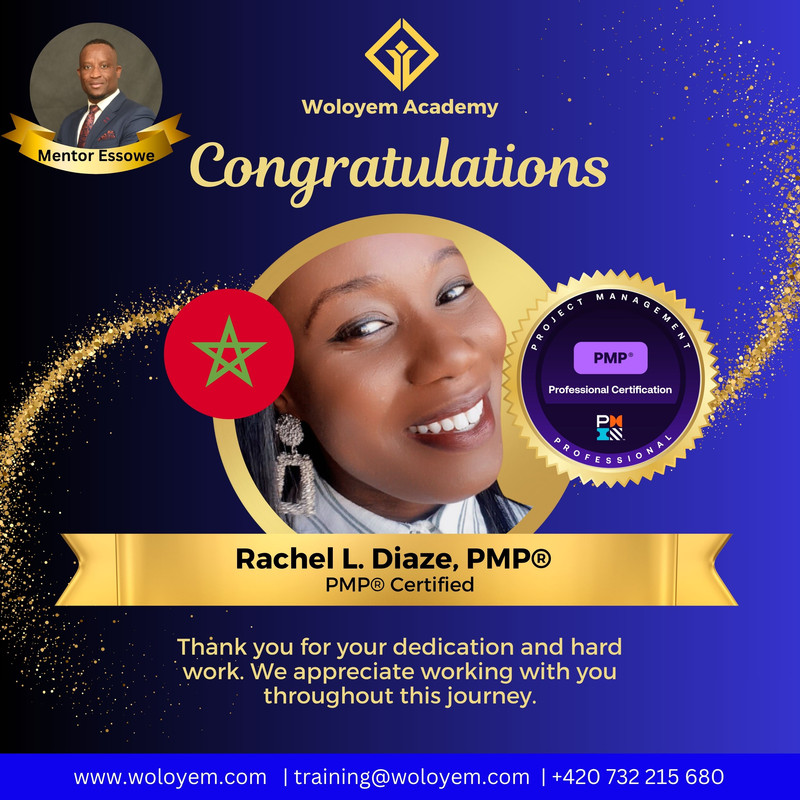
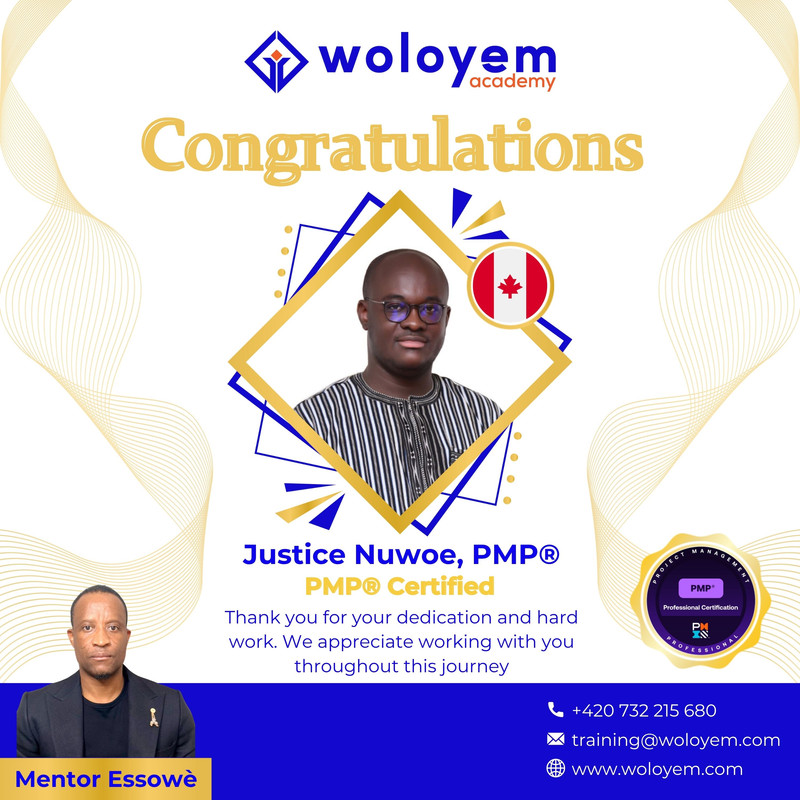
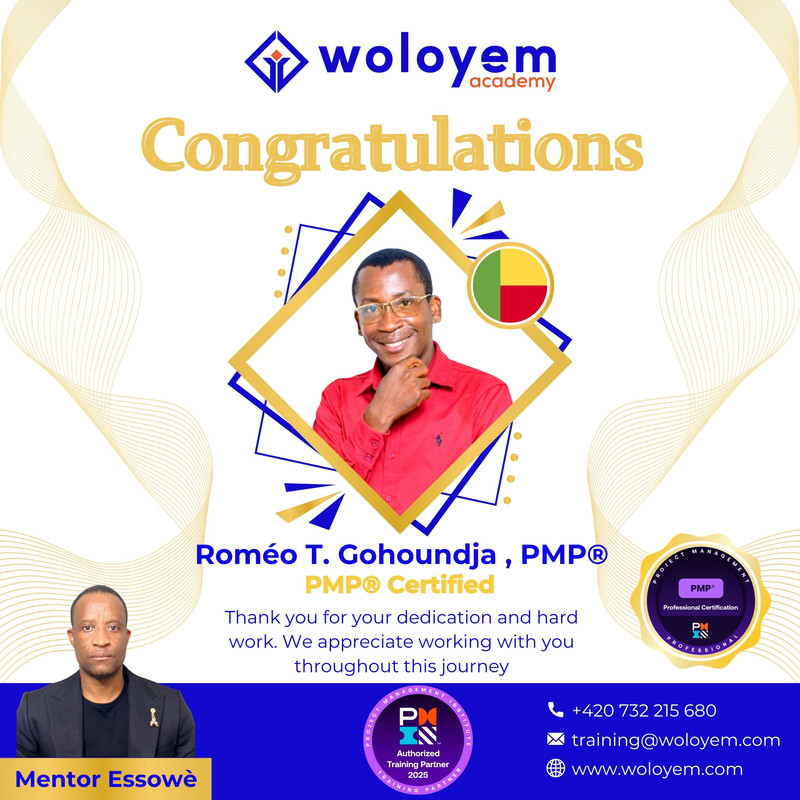
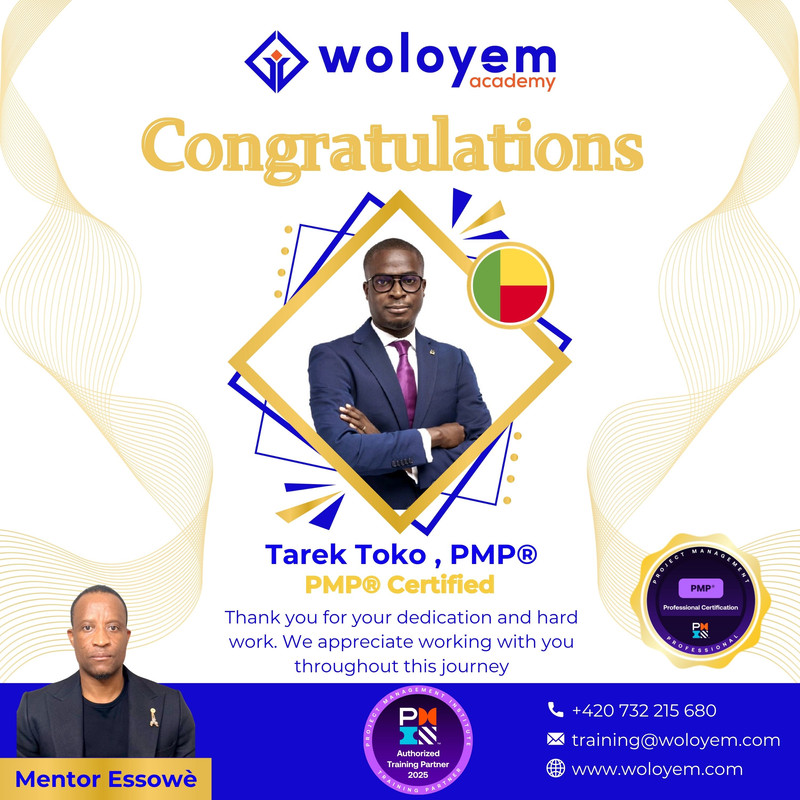
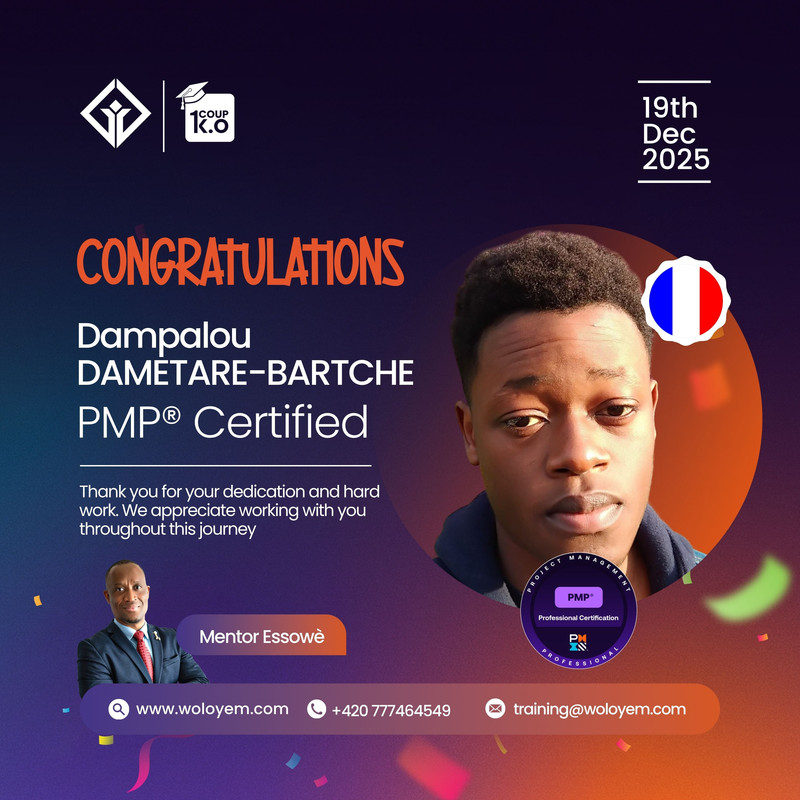
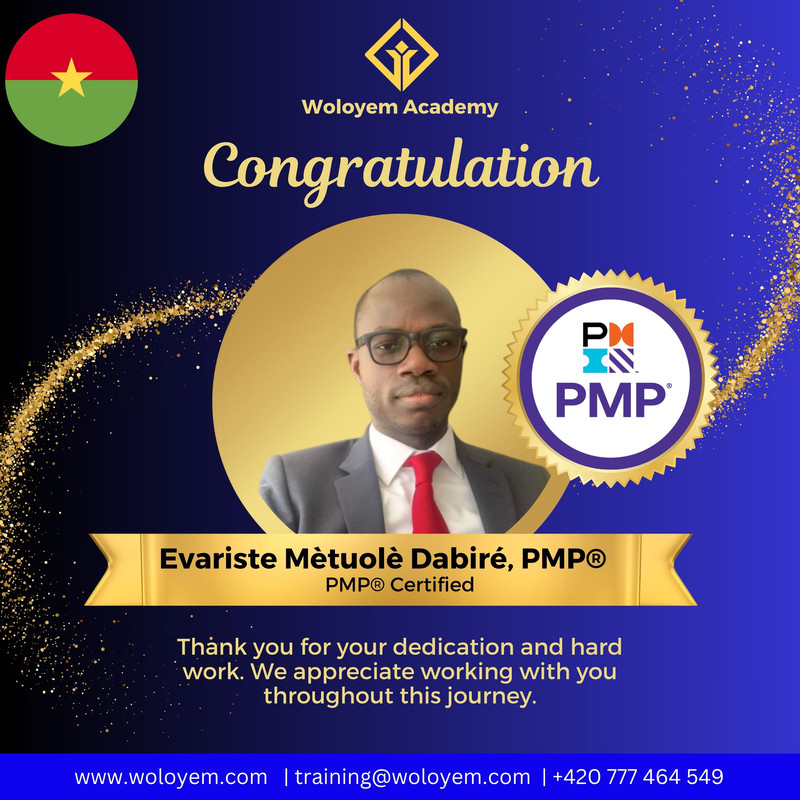
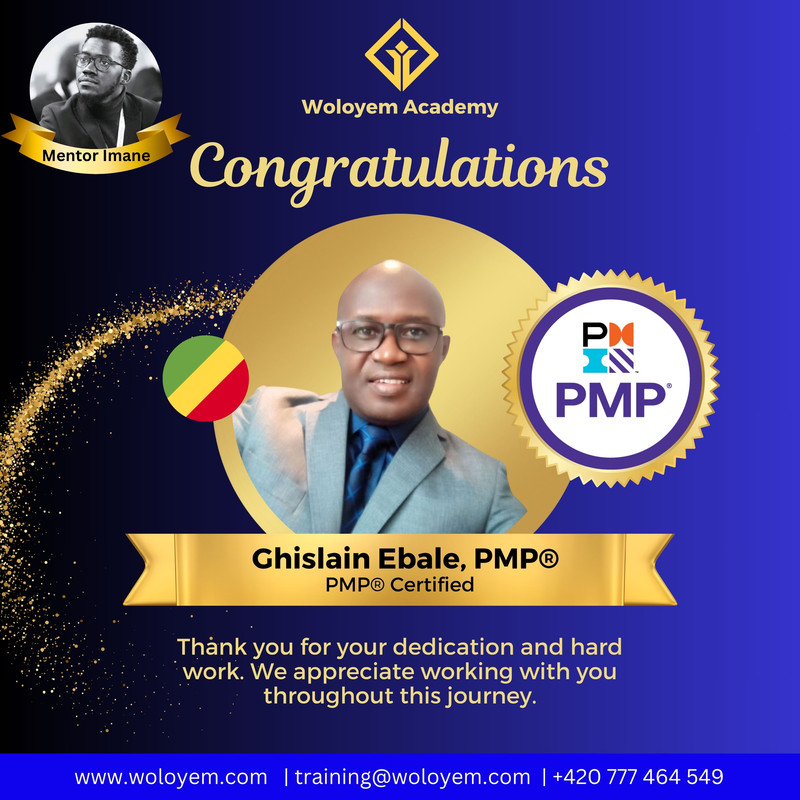
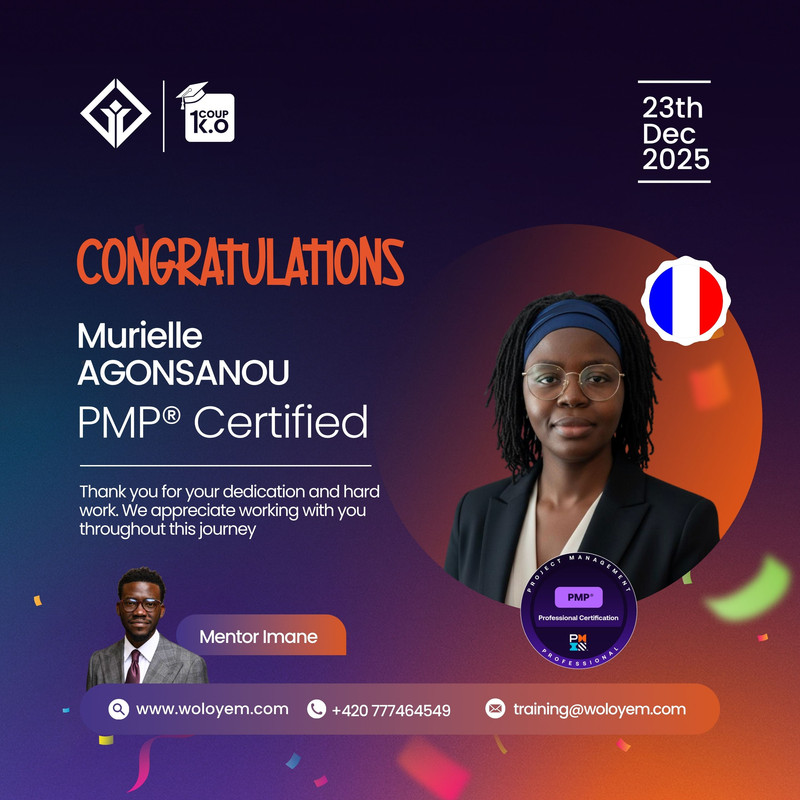
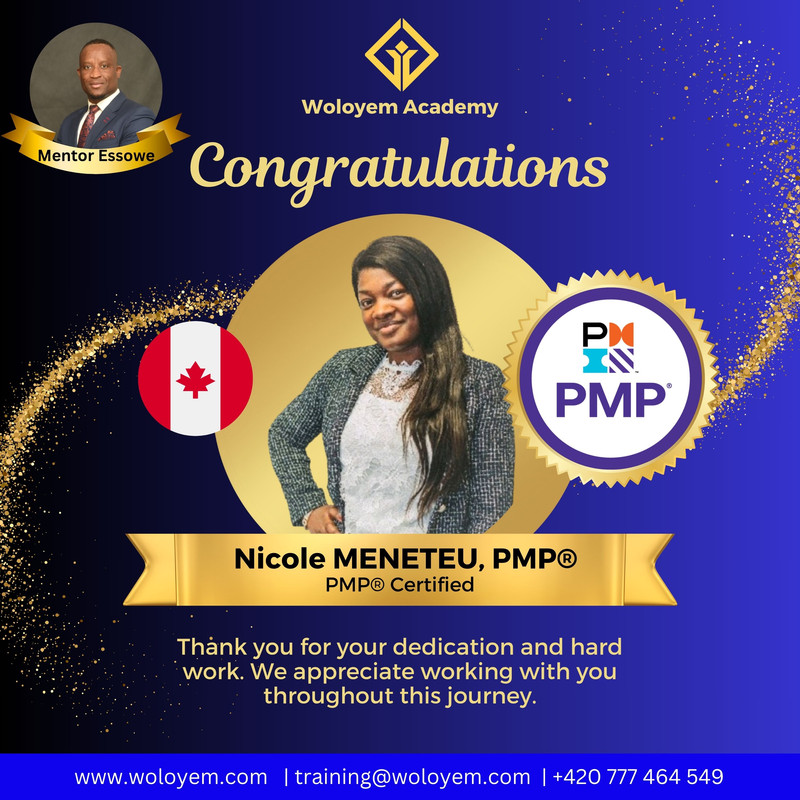
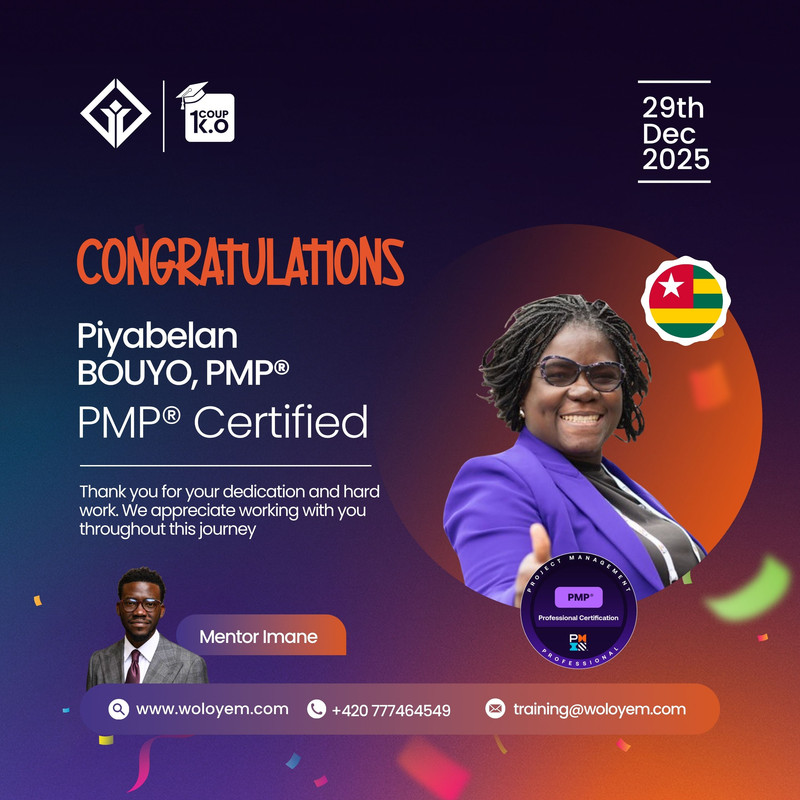
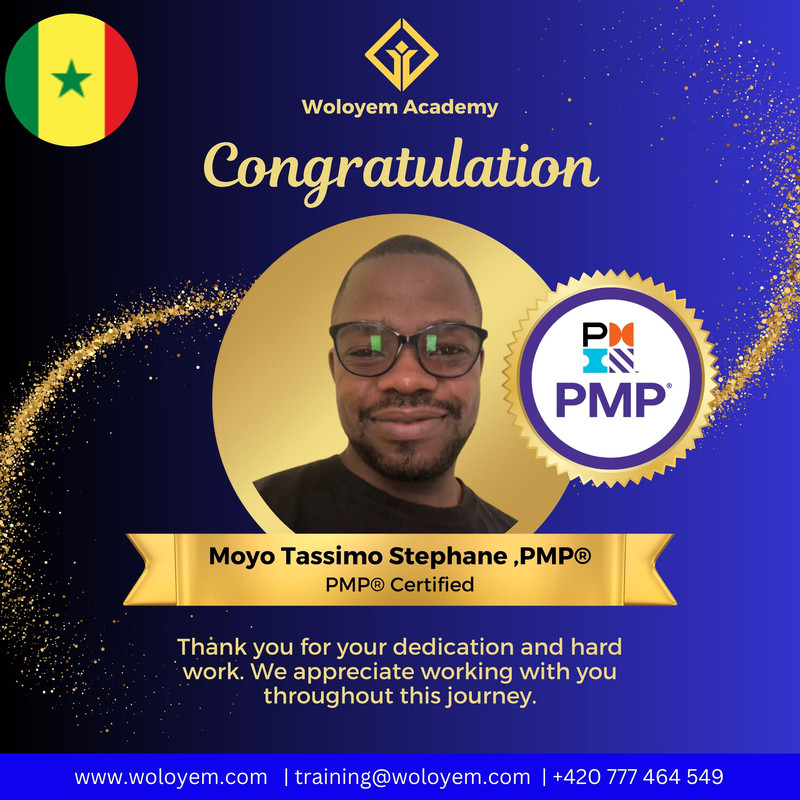
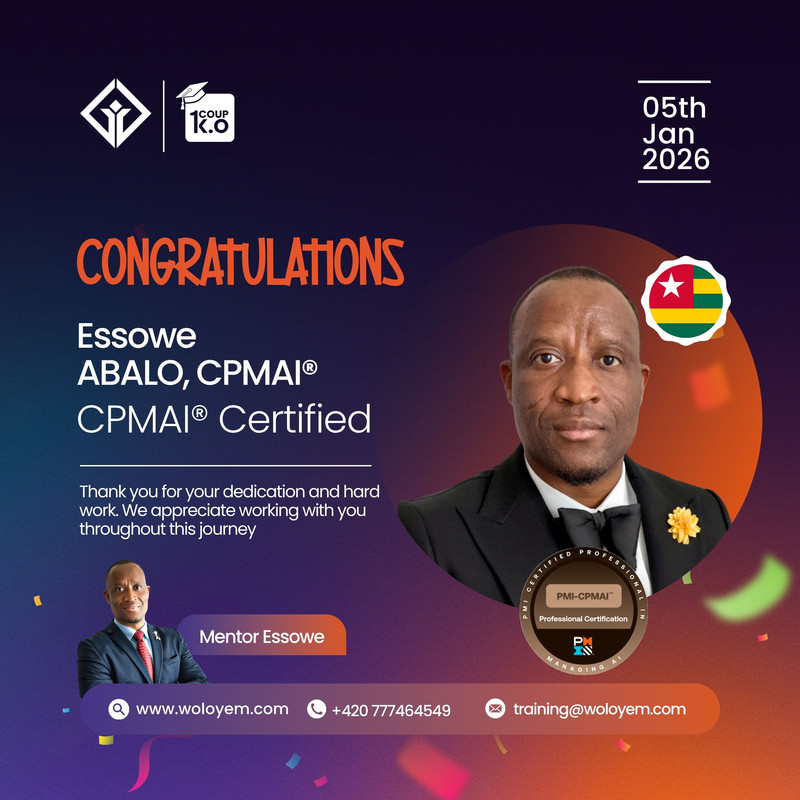
Our successes
.jpg)



.jpg)






























.jpg)








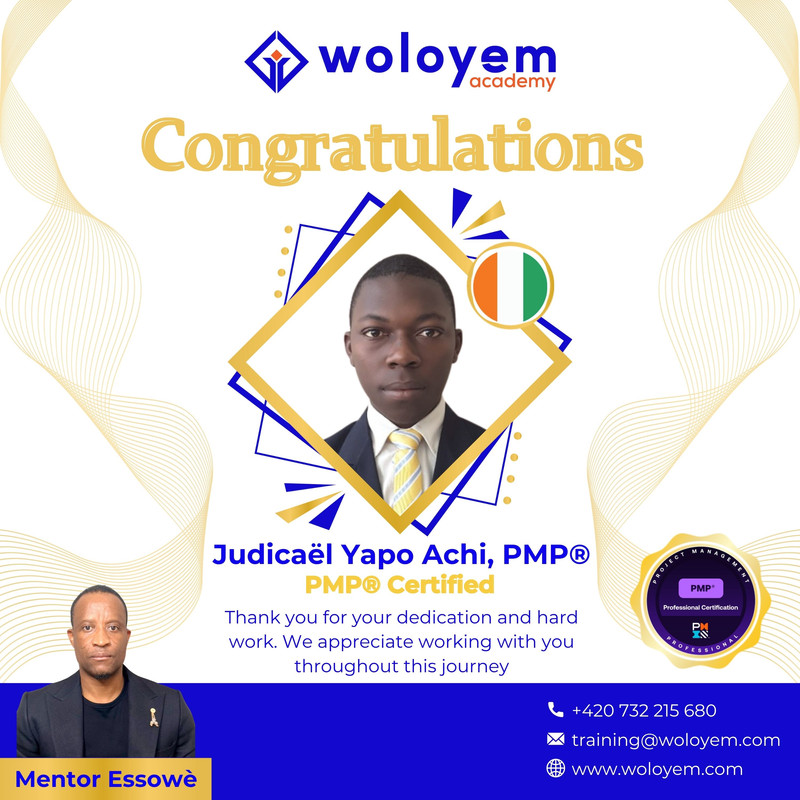




Latest news from our blog
Courses
PREPARE EFFECTIVELY
Open PMP® Bootcamp
Pass your PMP certification in the upcoming session
ENROLL NOW