Key Takeaways
Table of Contents
I. My ITIL Exam Journey: Why I Decided to Certify in 2026
I spent years focused on technical delivery, believing that uptime and ticket resolution were the ultimate metrics of success. However, I eventually hit a wall where my technical expertise didn't translate into business impact. I saw a growing gap between what the IT department delivered and what the executive team actually valued. This disconnect was the primary driver behind my decision to pursue certification. My experience with the itil exam began not as a quest for a digital badge, but as a strategic move to understand the language of value co-creation.
In 2026, the ITIL framework remains the undisputed global standard because it adapts to the complexity of modern digital ecosystems. While ITIL 4 introduced the Service Value System, the transition to ITIL 5 has solidified its role in governing AI and automated workflows. I realized that to move into a leadership position, I needed to shift my mindset from being a "ticket-fixer" to a "service-owner." This transition is essential for anyone looking to manage the lifecycle of digital products rather than just fixing broken hardware.
To better understand how professionals are navigating this certification today, watch this helpful breakdown:
This journey required a psychological pivot. Instead of looking at individual incidents, I started looking at the entire service lifecycle. I wanted to ensure that every technical action directly contributed to organizational outcomes. This shift in perspective is what separates a technician from a strategic leader.
A. Defining My Personal Certification ROI
II. The Strategic Study Blueprint: How I Prepared for Success
I didn't want to just pass. I wanted to master the framework. My experience with the itil exam taught me that a phased approach is the only way to retain the logic behind the questions. I started with a deep immersion into the Service Value System (SVS). Understanding how these components work together is more valuable than memorizing definitions. I focused heavily on the 7 Guiding Principles because they act as a compass for every scenario-based question you'll encounter in 2026.
During Phase 2, I made a conscious choice to avoid generic "exam dumps" found on forums. These resources often provide outdated or incorrect logic. Instead, I prioritized high-authority training that explained the "why" behind the practices. Phase 3 involved active recall. I used spaced repetition to drill into key terminology like "value co-creation" and "service relationship management." Finally, Phase 4 was the "Real-World Filter." I looked at my current projects, such as a recent AI-driven support desk rollout, and asked how Change Enablement actually applied. This made the concepts stick. My experience with the itil exam was shaped by this commitment to practical application over rote learning.
A. Selecting the Right Training Partner
Many professionals treat certification like a "cram school" session. This is a mistake. You need a strategic masterclass that connects service management with broader business goals. I found that Project Management Techniques provided a superior foundation for the ITIL framework. When you evaluate course quality, look for execution-focused content that avoids fluff. Your training partner should help you build professional credibility, not just help you check a box.
B. Essential Study Resources for 2026
The official PeopleCert manuals are dense. While they're the source of truth, they can be difficult to digest without expert guidance. I supplemented my reading with expert-led bootcamps and video case studies. Seeing a service flow visualized helps bridge the gap between theory and practice. If you're a visual learner, leveraging Woloyem’s video resources can significantly shorten your learning curve. These tools help you understand complex service flows in a modern, AI-integrated economy. If you're ready to move beyond the basics, you might consider booking a strategic consulting session to align your training with your specific career goals.
III. Decoding the Exam Logic: What the Questions Actually Test
My experience with the itil exam revealed that success hinges on understanding Bloom’s Taxonomy. While Foundation exams include Level 1 Recall questions, the weight shifts toward Level 2 Understanding as you progress. You aren't just reciting definitions. You're demonstrating how those definitions solve operational problems in a 2026 digital environment. This requires a shift from memorization to critical analysis.
The "Value" Trap is the most common reason for lost points. You'll encounter four options that all seem like reasonable business decisions. However, only one aligns perfectly with the ITIL framework. Watch for keywords like "Always" or "Must," which often indicate rigid, non-ITIL thinking. In contrast, terms like "Co-create" and "Iterative" usually signal the correct strategic path. Understanding these nuances is critical for navigating the 60-minute time limit effectively without second-guessing your logic.
Approaching the Service Value Chain with a process-flow mindset is vital. Instead of seeing the SVC as a static diagram, visualize it as a living system. When a question asks about the "Obtain/Build" activity, think about the specific inputs required from "Design and Transition." This holistic view is what the exam actually tests. It forces you to think about how information moves through an organization to create end-user results rather than focusing on isolated tasks.
A. The Anatomy of an ITIL Question
Consider a question regarding "Continuous Improvement." One distractor might suggest that all improvements require a formal business case. By applying the "Start where you are" principle, you can quickly eliminate options that ignore existing capabilities. The core logic for solving 80% of exam scenarios is identifying which option facilitates the most direct value co-creation between the provider and the consumer. This mindset shift is essential for passing.
B. Managing Exam-Day Pressure
Remote proctoring in 2026 is efficient but strict. Clear your desk and test your system 24 hours in advance to avoid technical anxiety. I recommend a "Three-Pass" approach to the 40 questions. First, answer the certainties. Second, tackle the complex scenarios. Finally, review flagged items. Don't change your answers in the last 10 minutes unless you've found a clear logical error. If you want to refine your approach, mastering ITIL 5 Techniques can provide the confidence needed to excel.
IV. Beyond the Certificate: Translating ITIL into Career Capital
Earning the certification is only the first milestone. My experience with the itil exam taught me that the real value lies in post-exam execution. You don't want to be another professional with a digital badge collecting dust on a LinkedIn profile. You need to translate the framework into strategic career capital. This starts by shifting how you present your expertise to the market and your internal stakeholders.
Instead of merely listing the certification, update your professional profile to highlight specific ITSM capabilities. Focus on your ability to manage value streams or govern AI-driven service desks. I found that initiating a Service Improvement Plan (SIP) within the first 30 days of certifying provided immediate proof of ROI to my employer. It demonstrated that I wasn't just a student of the framework, but a practitioner capable of driving operational excellence. Communicating in the language of ITIL also helps you secure better resource allocation from C-suite stakeholders who value risk reduction and service quality.
A. Increasing Your Market Value
In 2026, the demand for strategic service leaders has never been higher. High-demand roles like Service Architect, Value Stream Manager, and IT Operations Director now require a deep understanding of ITIL 5 techniques. While individual compensation varies by region, industry reports consistently show that certified professionals command a significant premium over their non-certified counterparts. If you want to leverage this expertise at a higher level, you might consider pivoting into Corporate Consulting to help other organizations optimize their service delivery models.
B. Impacting Organizational Performance
Strategic application of ITIL directly influences the bottom line. By refining Incident and Problem Management practices, I've seen teams significantly reduce their Mean Time to Repair (MTTR) by focusing on root cause analysis rather than quick fixes. Aligning IT spend with business outcomes through Service Financial Management is another high-impact move. It changes the conversation with the C-suite from "how much does IT cost" to "how much value does IT co-create."
A mid-sized tech firm recently utilized ITIL 5 techniques to integrate AI governance into their delivery pipeline. This move increased their delivery velocity while simultaneously reducing deployment risks. If you're ready to advance toward Managing Professional or Strategic Leader designations, you need a partner who understands these high-stakes environments. Explore our catalogue of certification programs to take your next strategic step.
V. Accelerate Your Success: Final Strategic Advice
A. Your Next Strategic Move
B. Continuous Professional Development
VI. Secure Your Strategic Advantage in the 2026 Economy
VII. Frequently Asked Questions
How difficult is the ITIL 4 Foundation exam compared to PMP?
Can I take the ITIL exam online in 2026?
What is the passing score for the ITIL Foundation exam?
How long does it take to prepare for the ITIL exam while working full-time?
Is the ITIL 4 certification still valid after the release of ITIL 5?
What happens if I fail the ITIL exam on my first attempt?
How much does the ITIL exam voucher cost in 2026?
What are the best ITIL practice exams for 2026?
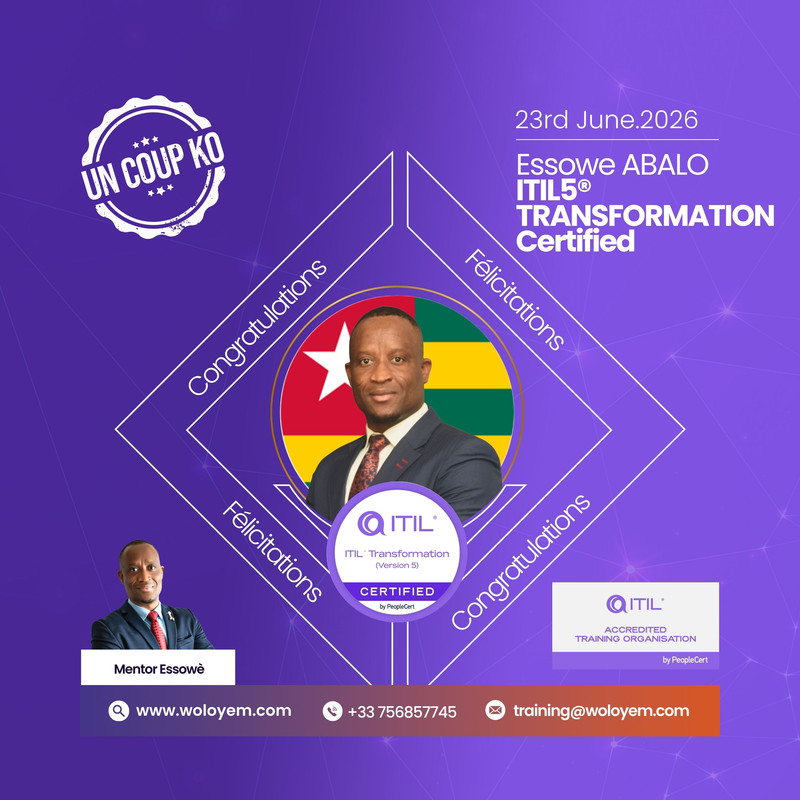
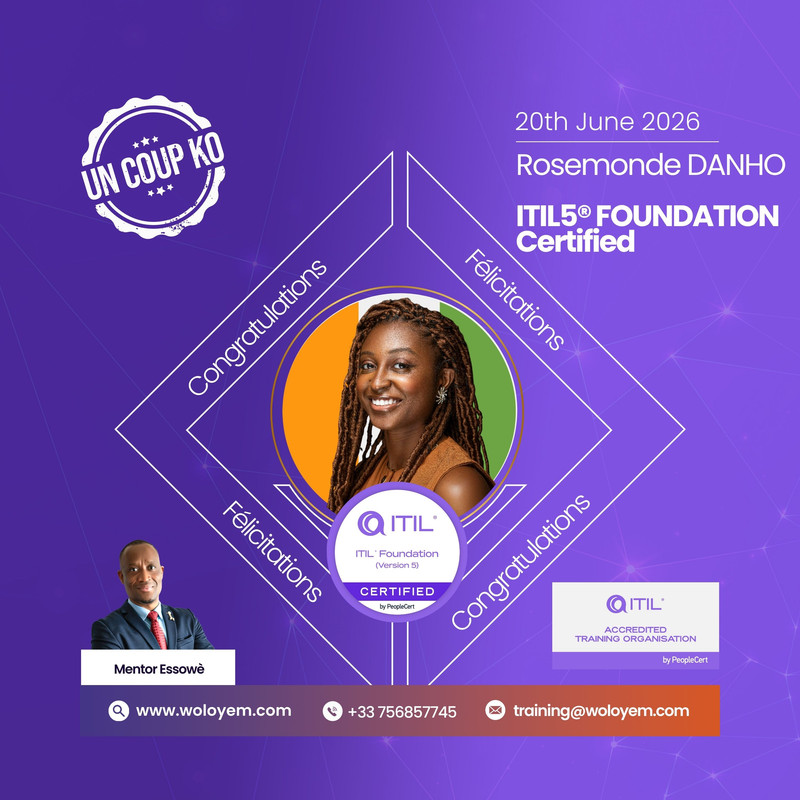
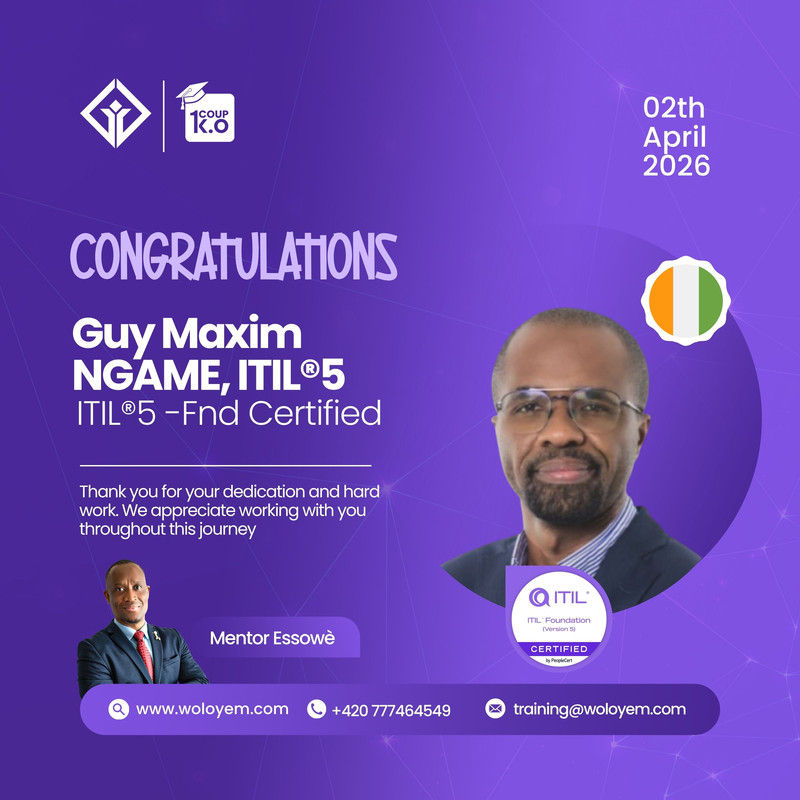
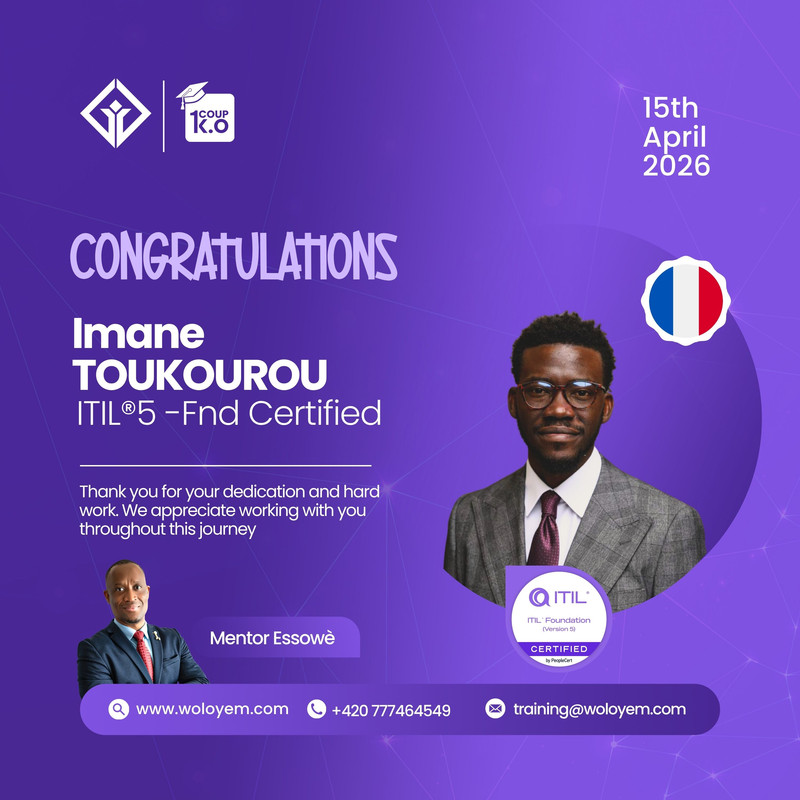
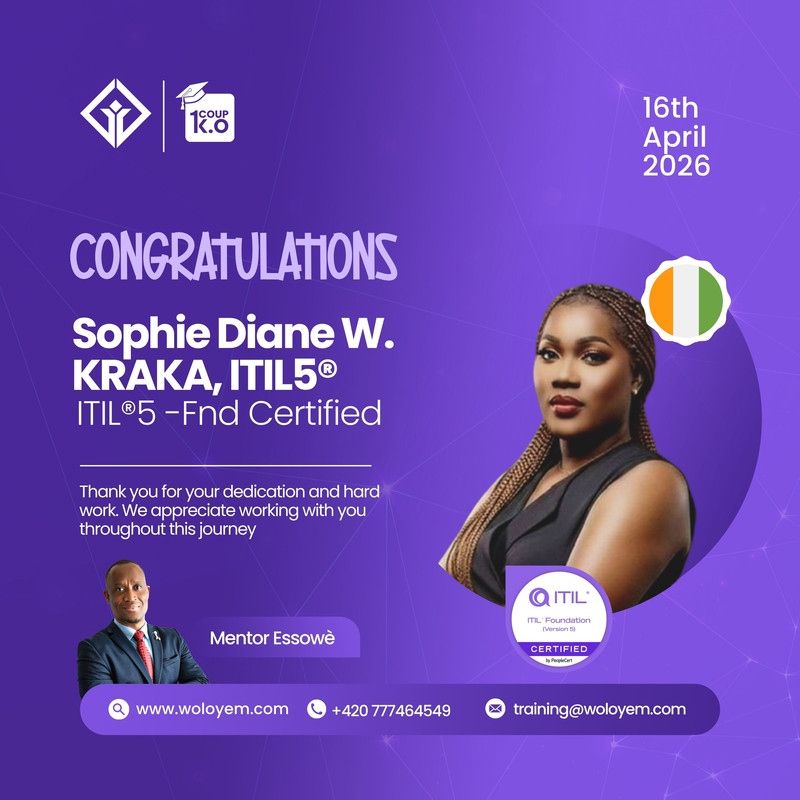
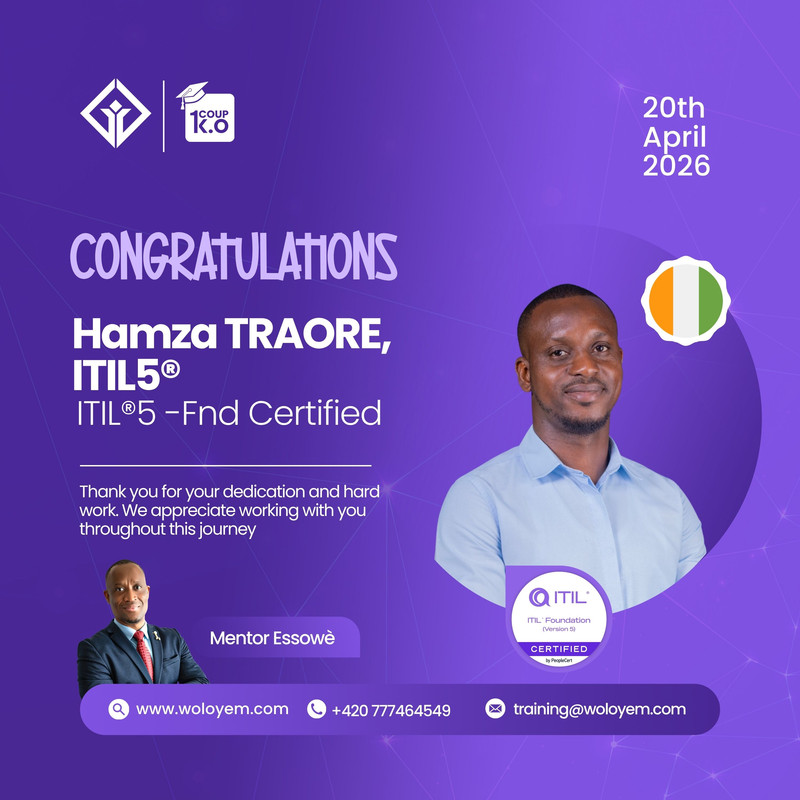
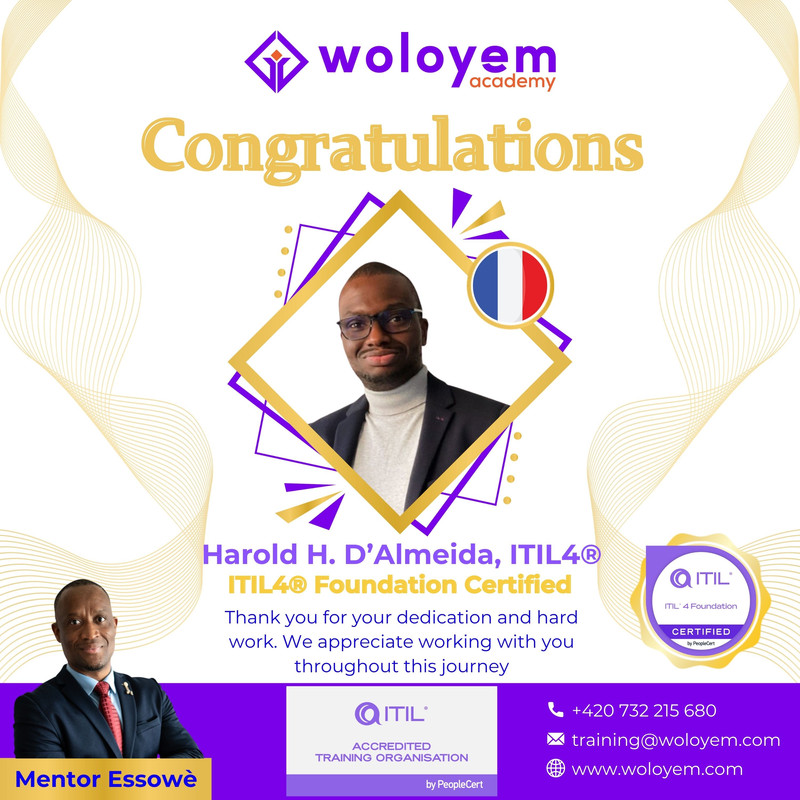
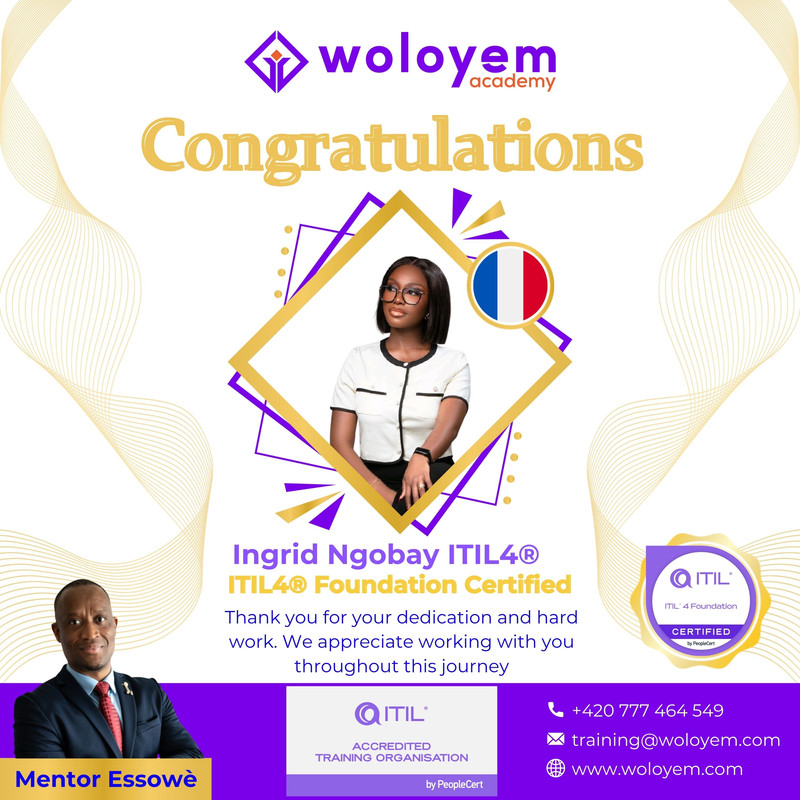
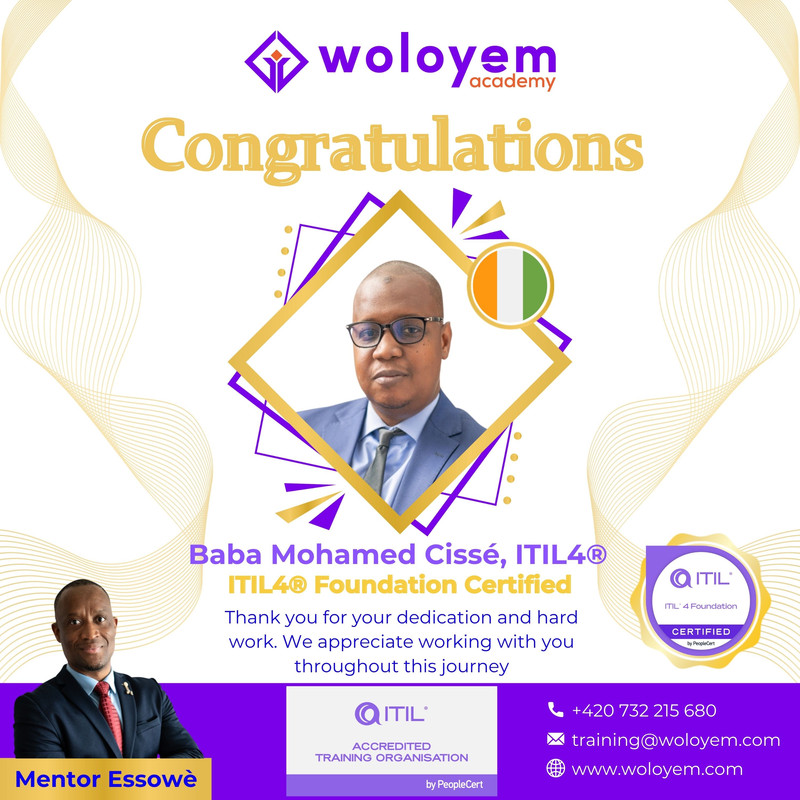
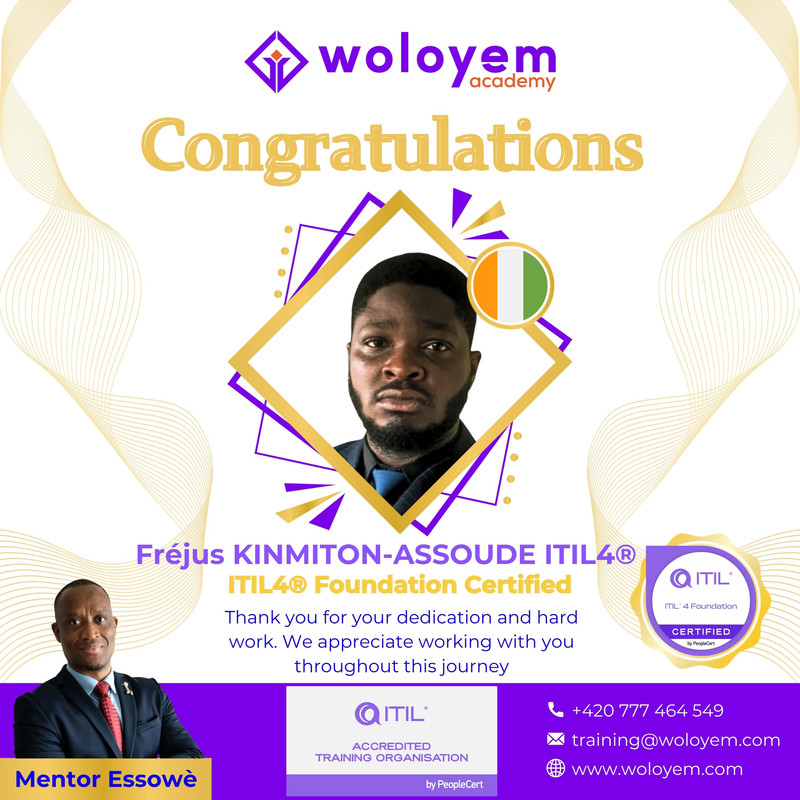
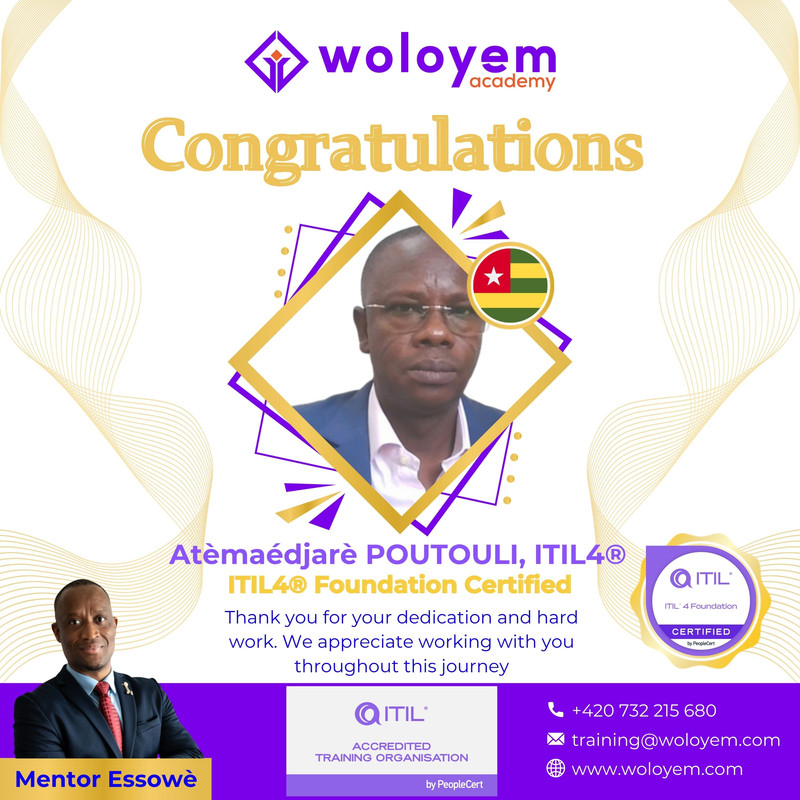
Our ITIL 5® successes
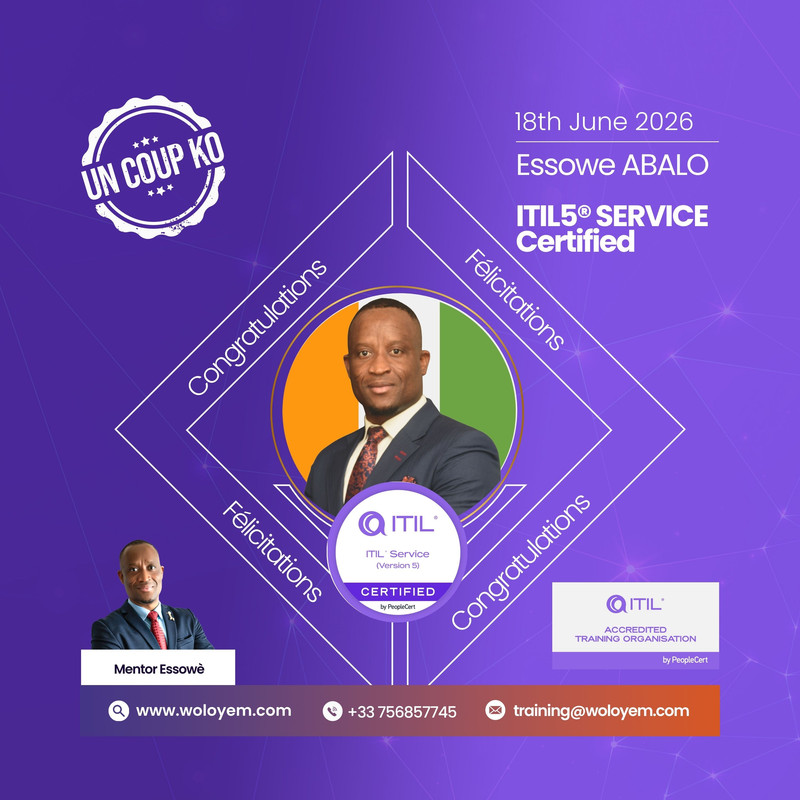
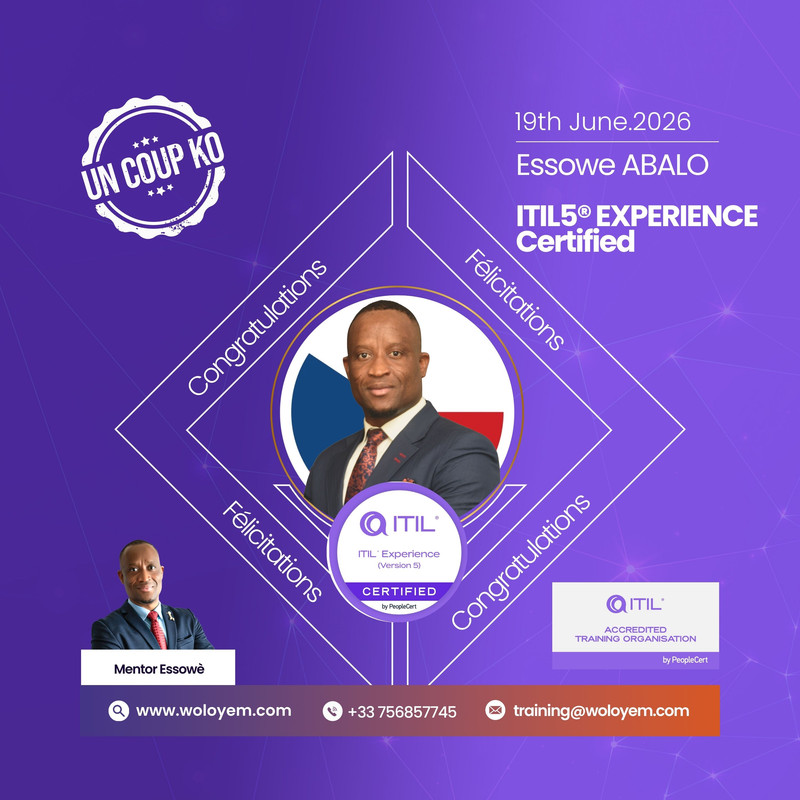
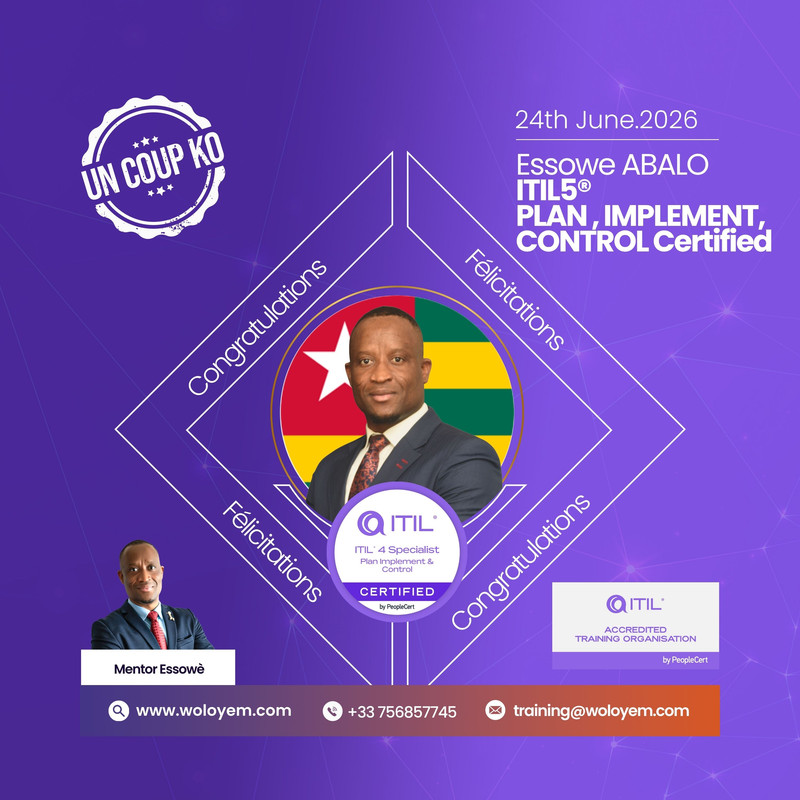
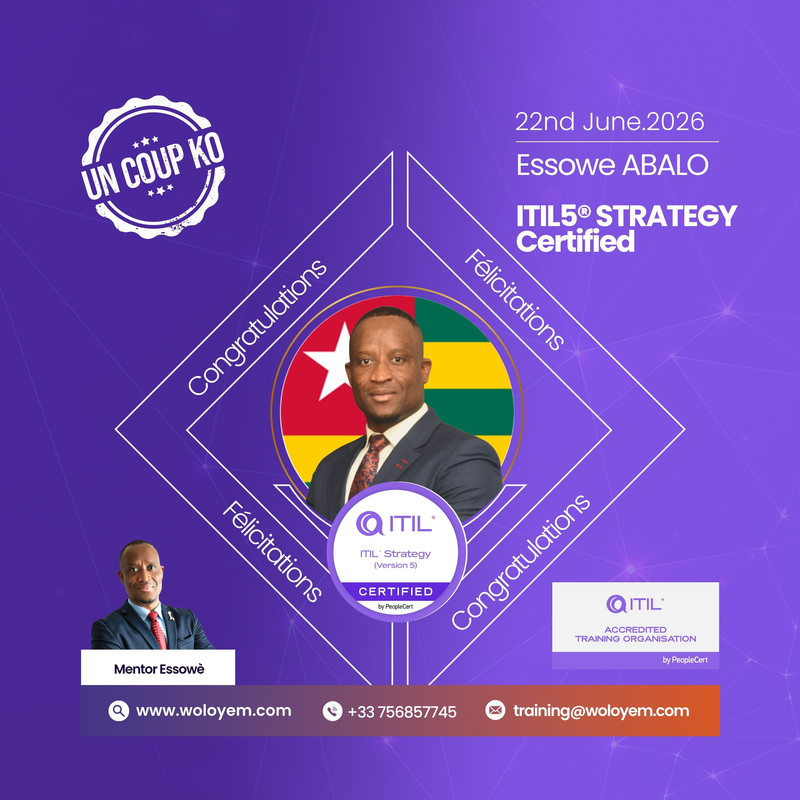
Latest news from our blog
Courses