
Key Takeaways
Table of Contents
I. What is a Project Plan? Defining the Strategic Blueprint
A project plan is a formal, living document that defines how a project is executed, monitored, and controlled. It integrates scope, schedule, and cost baselines while aligning stakeholder expectations. Unlike a simple schedule, a strategic project plan serves as the primary communication tool for leadership and risk management throughout the project lifecycle.
I often see professionals confuse a list of tasks with a comprehensive strategy. True project excellence requires more than a simple checklist or a calendar. According to the standards set by the Project Management Institute (PMI) in the PMBOK® Guide, this document acts as the master blueprint for the entire initiative. It doesn't just list what the team is doing; it explains exactly how you'll manage quality, resources, and changes. In PRINCE2® methodologies, this serves as the backbone of the Project Initiation Documentation, ensuring the business case remains viable from start to finish.
A. The Purpose of Strategic Planning
B. Project Plan vs. Project Schedule
II. Core Components of a High-Performance Project Plan
A high-performance project plan isn't a single document but a collection of integrated management strategies. Before you dive into the details, you must recognize the Project Charter as your foundation. This document authorizes the project and provides the high-level objectives that your detailed plan must satisfy. Without this initial alignment, your planning efforts lack the formal authority required to command resources and stakeholder attention.
A. The Triple Constraint and Baselines
Every professional project plan relies on three core baselines: scope, schedule, and cost. These form the "Triple Constraint." I recommend defining your Scope Baseline by creating a robust Work Breakdown Structure (WBS). This hierarchical decomposition of work ensures nothing is missed and, more importantly, prevents unauthorized work from creeping into the project. If it's not in the WBS, it's not in the project.
Next, establish your Schedule Baseline. Use the Critical Path Method to identify the sequence of tasks that determines the project's duration. Finally, set your Cost Baseline. This isn't just a total budget figure; it's a time-phased view of expected spending. It allows you to track financial performance and ensure the project remains a viable investment for the organization. For those looking to master these specific leadership techniques, understanding how these baselines interact is a critical skill.
B. Subsidiary Management Plans
Beyond the baselines, your plan must detail how you intend to manage the project's environment. I always include a Communication Plan to define who needs information, what they need, and how often they should receive it. This prevents stakeholder misalignment and reduces unnecessary meetings. A Risk Management Plan is equally vital. It involves identifying potential threats and scoring them based on impact and probability.
To keep these risks and issues organized, you should integrate a RAID Log into your daily operations. This tool ensures that Risks, Assumptions, Issues, and Dependencies are tracked continuously rather than being forgotten after the initial planning phase. Finally, a Quality Management Plan ensures that your deliverables meet the specific standards required by the client. By combining these subsidiary plans with your core baselines, you create a strategic framework that can withstand the pressures of execution.
III. 12 Steps to Developing a Realistic Project Plan
Developing a realistic project plan is a sequential process that transforms high-level vision into tactical reality. While many frameworks exist, I recommend a structured 12-step approach that prioritizes stakeholder alignment and resource feasibility. This process begins by identifying and engaging key stakeholders to define requirements. You can't build a reliable roadmap if you don't understand the underlying needs of those who will judge the project's success. Once requirements are clear, you must define the project scope and create a Work Breakdown Structure (WBS) to ensure every deliverable is accounted for.
The middle stages of the framework focus on the logistics of time and money. You'll develop the project schedule and identify the critical path to understand which tasks directly impact your finish date. This leads naturally into estimating resources and costs to establish a formal budget. The final step is to consolidate these elements into the master document and obtain formal stakeholder approval. This signature transforms your draft into a baseline that you'll use to measure all future progress.
A. Requirement Gathering and Scope Definition
I find that most planning failures stem from "gathering" requirements rather than "eliciting" them. Elicitation involves interviewing stakeholders to uncover the true business needs that they might not explicitly state. Once these needs are documented, you must create a robust Scope Statement. This document acts as a guardrail against "gold plating," where team members add features that weren't requested. Every scope decision should be linked back to the Project Management Triangle. If you increase the scope, you must be prepared to adjust your time or budget to maintain quality.
B. Scheduling and Resource Optimization
Reliable scheduling requires a mix of estimation techniques. I often use analogous estimation for early-stage projections based on similar past projects, but I switch to bottom-up estimation for the final project plan to ensure accuracy. It's also vital to build in contingencies for "unknown unknowns." These aren't guesses; they're calculated buffers based on historical risk data. To prevent team burnout and ensure the schedule is actually achievable, I apply Resource Leveling. This technique helps me balance the workload across the team, ensuring that no single person is over-allocated while others sit idle. This level of detail is what separates a professional leader from a simple coordinator.
Obtaining formal approval is the bridge between planning and execution. It's the moment where the organization commits its resources to your strategy. By following this disciplined approach, you ensure that your plan is not just a document on a shelf but a functional tool for leadership techniques that drive project excellence.
IV. Adapting Your Plan: Agile, Waterfall, and Hybrid Approaches
A project plan must adapt to the specific environment and delivery method of the initiative. I find that many organizations struggle because they try to force a Waterfall structure onto a volatile software project, or conversely, apply pure Agile to a fixed-price construction contract. Choosing the right approach is a strategic decision that determines how you'll manage changes and deliver value to your stakeholders. It's not about which method is better, but which one fits the level of uncertainty you're facing.
Waterfall planning remains the standard for predictive models. It works best when the scope is clearly defined from the start. You build a detailed upfront plan, and the focus is on following a strict sequence of stages. This is ideal for projects with high regulatory requirements or fixed physical assets where changes are costly. In contrast, Agile planning is adaptive. Instead of a rigid roadmap, you manage a Product Backlog. Planning happens in iterative cycles, often called rolling-wave planning. You plan in detail for the immediate future while keeping long-term goals high-level and flexible.
A. Predictive vs. Adaptive Planning
Deciding between these models depends on your level of uncertainty. If you can define the end product clearly, Waterfall's detailed upfront plan provides the best control over the triple constraint. However, if requirements are likely to evolve, managing the Product Backlog allows the team to pivot without rewriting the entire strategy. To maintain a Corporate Project Management standard, I recommend establishing governance that remains consistent across mixed teams. This ensures that even if one team uses Sprints and another uses Phases, the reporting remains transparent for senior leadership.
B. Integrating ITIL and PRINCE2 Standards
Modern project excellence often requires integrating different professional frameworks. In ITIL 4, planning focuses on the Service Value Chain. This means your project plan must account for how the final deliverable creates value within a service value stream. It's not just about building a technical tool; it's about the service it enables for the end user. This alignment ensures that IT projects don't just finish on time but actually solve business problems.
When using the PRINCE2 Certification approach, you utilize "Planning by Exception." This technique empowers the project manager to work within agreed tolerances for time, cost, and scope. If the project stays within these boundaries, the board doesn't need to intervene. This structure ensures the Business Case remains valid throughout the plan's lifecycle. If the business value disappears, the plan must be stopped or adjusted immediately. If you're ready to master these methodologies, you can join our practical project management masterclass to learn how to apply these standards in real-world scenarios.
V. Career Impact: Why Mastering Project Planning is Your Greatest Asset
A. The Path to PMP and PRINCE2 Mastery
B. Strategic Leadership and Communication
VI. Transforming Strategy into Execution Excellence
VII. Frequently Asked Questions
What is the difference between a project plan and a project charter?
How often should a project plan be updated?
What are the most common mistakes in project planning?
Can I create a project plan without specialized software?
How does a project plan help in risk management?
What is the "Critical Path" in a project plan?
How do I handle stakeholders who want to change the plan midway?
Is a project plan necessary for small projects?
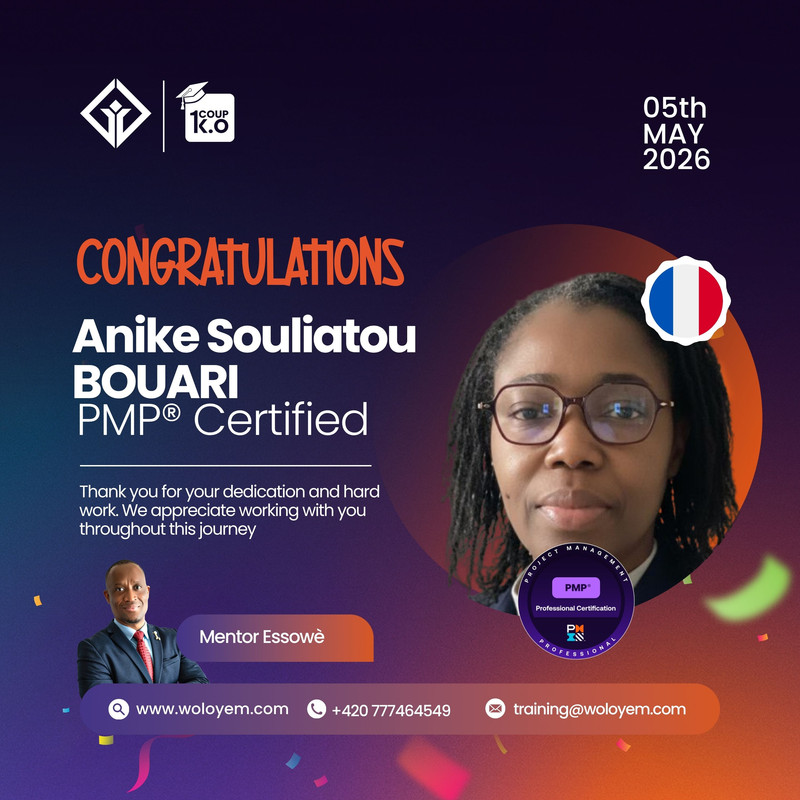
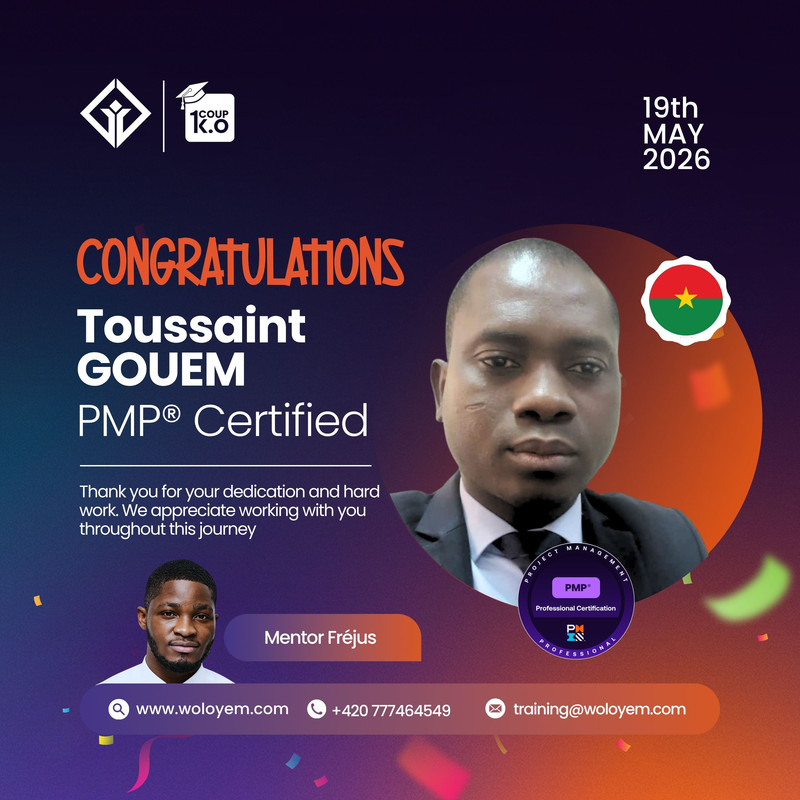
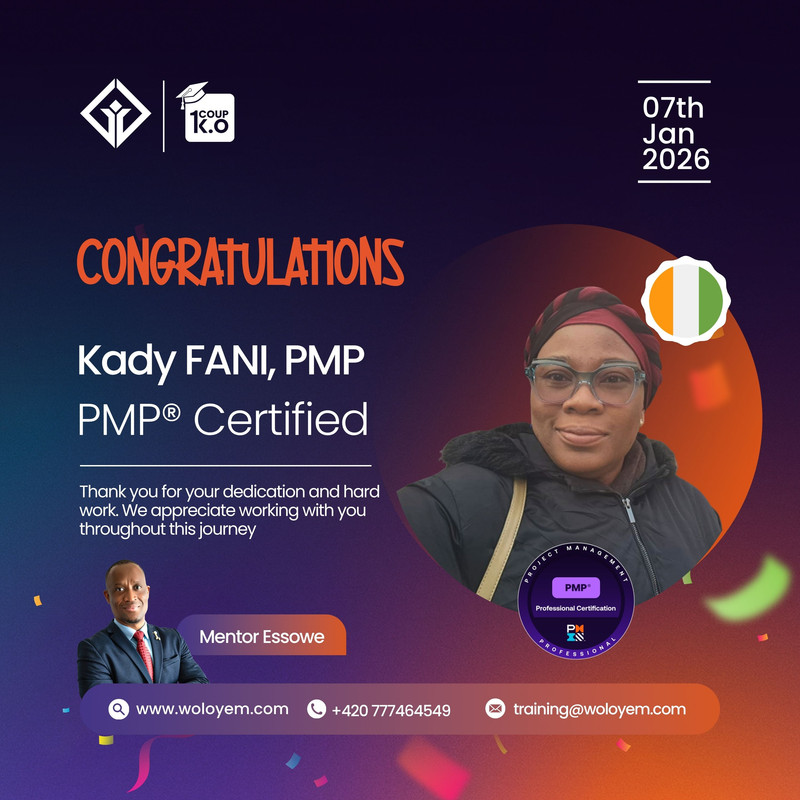
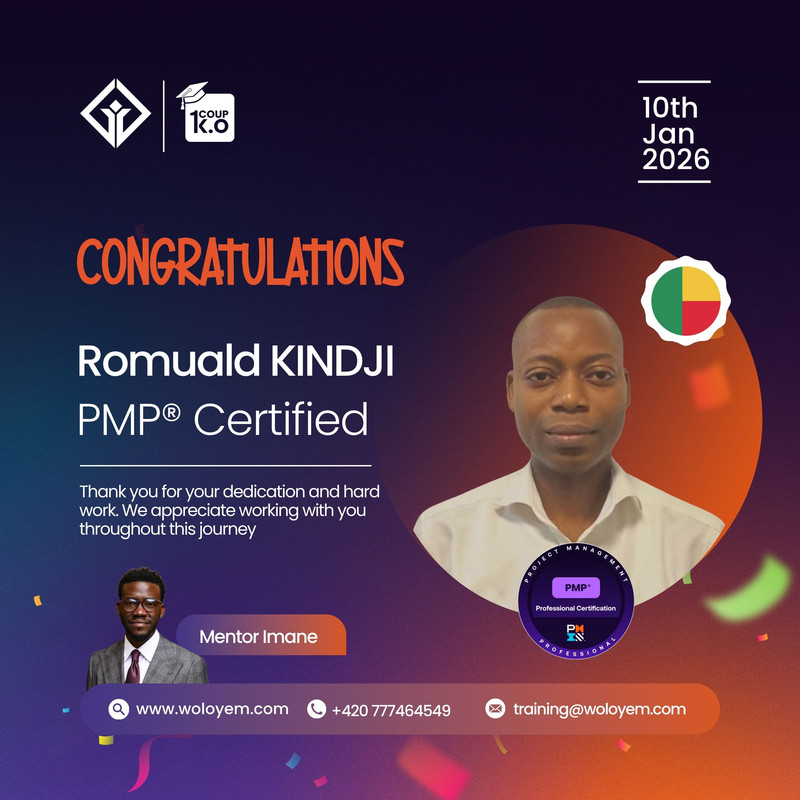
Our successes
.jpg)
.jpg)
.jpg)
.jpg)
.jpg)
.jpg)
.jpg)
.jpg)
.jpg)
.jpg)
.jpg)
.jpg)



.jpg)

















.jpg)











Latest news from our blog
Courses
PREPARE EFFECTIVELY
Open PMP® Bootcamp
Pass your PMP certification in the upcoming session
ENROLL NOW