Key Takeaways
Table of Contents
I. The Evolution of Agile within the PMP Certification Framework
Agile is no longer a peripheral topic for project leaders; it's the core of the profession. In the 2026 certification context, agile is defined as a mindset rather than a rigid set of tools or ceremonies. This shift reflects a global business environment characterized by volatility, uncertainty, complexity, and ambiguity (VUCA). To survive, organizations now demand leaders who can pivot quickly. Success in agile methodologies in pmp certification requires you to internalize the Agile Practice Guide as a primary study resource, acknowledging that 97% of organizations now use agile methods to some degree.
The global governing body for the certification integrated these concepts because traditional waterfall methods often struggle with rapidly shifting requirements. By applying Agile management principles, project managers focus on iterative delivery and customer value. This evolution ensures that certification holders aren't just "paper PMPs" but strategic executors capable of delivering results in high-pressure, tech-driven markets.
To better understand this concept, watch this helpful video:
A. The PMP Exam Content Outline (ECO) Breakdown
B. Agile vs. Predictive: The Strategic Shift
II. Key Agile Methodologies You Must Master for the PMP Exam
To pass the current exam, you must look beyond general concepts and master specific frameworks. While Scrum remains the dominant framework, used by 70% of practitioners, the exam frequently tests your ability to distinguish it from Kanban, Lean, and Extreme Programming (XP). XP focuses on engineering excellence through practices like Test-Driven Development (TDD) and pair programming. While you won't be tested on coding, you must recognize these as agile technical practices to avoid falling for distractor answers in situational questions. Lean methodology targets the elimination of the seven wastes, such as "Partial Work" and "Extra Features," to maximize throughput.
Understanding the nuances of these agile methodologies in pmp certification is what separates successful candidates from those who struggle with situational ambiguity. Woloyem helps you to learn and master projet and service management by providing high-authority resources and practical tools, such as our free PMP practice questions, which offer a realistic preview of how these frameworks appear on the exam.
A. Scrum Framework: Roles and Ceremonies
Scrum is the cornerstone of most agile exam questions. You'll encounter scenarios where the Product Owner (value maximizer), Scrum Master (obstacle remover), and Developers (execution experts) face specific conflicts. The Sprint cycle, usually lasting 1 to 4 weeks, includes Planning, the Daily Stand-up, Review, and Retrospective. A common trap is confusing the "Definition of Done" with "Acceptance Criteria." The Definition of Done is a global quality standard for every increment, while Acceptance Criteria are unique to a specific User Story. You must know who is responsible for each to answer correctly.
B. Kanban and Lean: Managing the Flow
Kanban focuses on continuous delivery rather than fixed-length sprints. For the exam, you must know how to interpret a Cumulative Flow Diagram (CFD). If the "Work in Progress" (WIP) band widens significantly, it indicates a bottleneck that requires immediate attention from the project leader. WIP limits are the primary tool here; they prevent the team from overcommitting and ensure a steady flow of value. This approach is a Game-Changer for Modern Projects, even in non-IT environments. For example, a legal department might use Kanban to manage contract reviews, setting a WIP limit of five active files to ensure no single lawyer is overwhelmed, thereby reducing lead time by 30% or more.
III. Comparing Predictive, Agile, and Hybrid Methodologies
Choosing the wrong approach is a primary driver behind project failure. To avoid this, you must master the Stacey Matrix, a tool that maps requirements uncertainty against technical uncertainty. If both are low, a predictive model works best. However, as uncertainty climbs, you enter the "complex" zone where agile methodologies in pmp certification are the only way to manage risk. The industry-standard suitability assessment tool further refines this by evaluating the project, the team, and the organization across nine distinct attributes. It generates a radar chart that visualizes whether your project leans toward a plan-driven or change-driven approach.
Most modern exam questions focus on the "Hybrid" middle ground. This isn't just a compromise; it's a strategic choice to combine the stability of waterfall with the speed of agile. You might use predictive planning for a fixed budget while employing agile execution for the development phases. Recognizing when to pivot is equally critical. If your team misses 20% or more of its Sprint goals consistently, or if stakeholders express dissatisfaction during two consecutive reviews, your current methodology is likely failing the project. For leaders looking to implement these strategies, Woloyem helps you to learn and master projet and service management through corporate consulting services that bridge the gap between theory and execution.
A. Methodology Selection Framework
Before committing to a path, follow this tactical assessment. First, evaluate the stakeholder risk appetite; if they demand a fixed price and timeline, start with a predictive foundation. Second, assess the organizational culture. A rigid hierarchy often resists the decentralized decision-making required for pure agile. Finally, look at team experience. Can they handle self-organization without constant supervision? Hybrid is the default for complex corporate projects. This allows you to satisfy executive reporting needs while giving the team room to iterate.
B. Real-World Scenarios: Choosing the Right Path
IV. How to Solve Agile Situational Questions on the PMP Exam
The most challenging part of the 2026 exam isn't memorizing definitions; it's choosing the "best" next step when four options all look correct. When you encounter situational questions regarding agile methodologies in pmp certification, your first task is to identify the project life cycle mentioned in the prompt. If the question uses terms like "Sprint," "Daily Stand-up," or "Product Backlog," you must immediately shift your logic from predictive to agile.
Use this four-step tactical framework to navigate these questions:
This approach ensures you don't fall for "distractor" answers that would be correct in a waterfall setting but are incorrect in an agile context. Woloyem helps you to learn and master projet and service management by training you to recognize these patterns through high-impact simulations. If you want to refine these instincts in a real-world setting, you can master practical project management with Woloyem helps you to learn and master projet and service management to see how these theories play out in actual business environments.
A. The Servant Leadership Mindset
In agile, the Project Manager's role is to be a "Coach," not a "Boss." Your primary responsibilities are removing impediments, shielding the team from outside interruptions, and ensuring they have the resources needed to succeed. If a stakeholder requests a scope change mid-sprint, the "boss" answer is to say "no" or "yes." The "servant leader" answer is to "consult the Product Owner" or "facilitate a meeting between the team and the stakeholder." Remember, the team owns the technical execution; the PM owns the environment that makes that execution possible.
B. Handling Conflict and Change in Agile
Conflict is often tested through the lens of the Agile Retrospective. This is the primary tool for process improvement and team health. When a process isn't working, the answer is rarely to change the process yourself; it's to "bring the issue to the next retrospective." For external stakeholders who are resistant to the agile "Black Box" approach, the solution is increasing transparency through information radiators like Kanban boards or Burndown charts. Ready to sharpen your exam-day instincts? Join our PMP Certification Training and master the logic behind every agile question.
V. Accelerating Your PMP Success with Woloyem’s Agile-First Training
A. Premium PMP Exam Prep and Beyond
B. Your Career Roadmap: From PMP to Industry Leader
VI. Future-Proof Your Leadership with Agile Mastery
VII. Frequently Asked Questions
What is the difference between Agile and Scrum in the PMP exam?
Is the PMP exam 100% Agile now?
Do I need specialized agile certifications if I already have a PMP?
How do I handle situational questions about Hybrid projects?
What are the most common Agile terms I need to understand?
Can I apply Agile methodologies to construction or engineering projects?
How does Servant Leadership differ from traditional project management?
What is the best way to study for the Agile portion of the PMP?
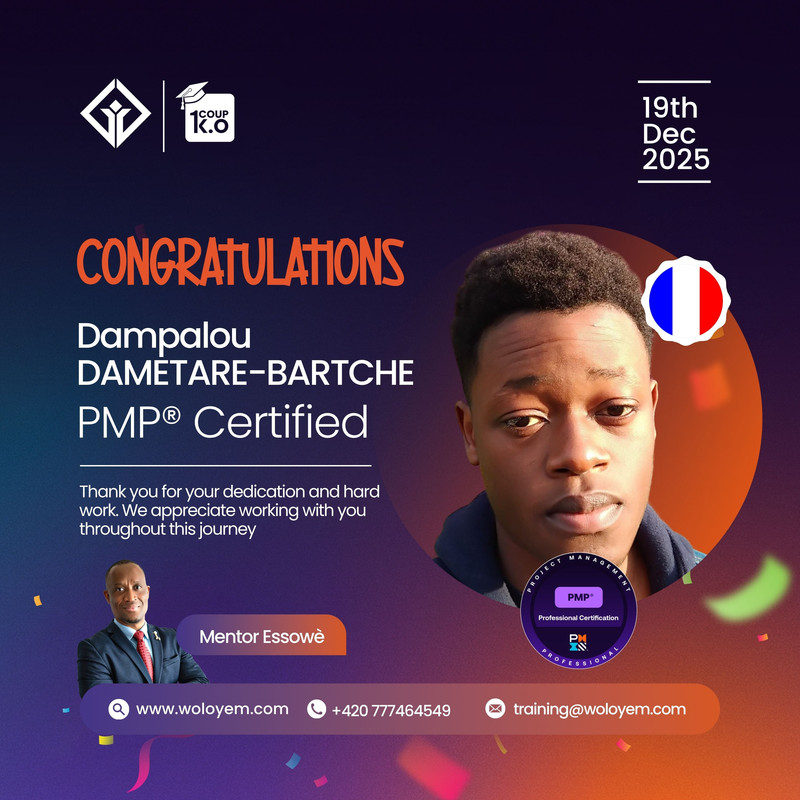
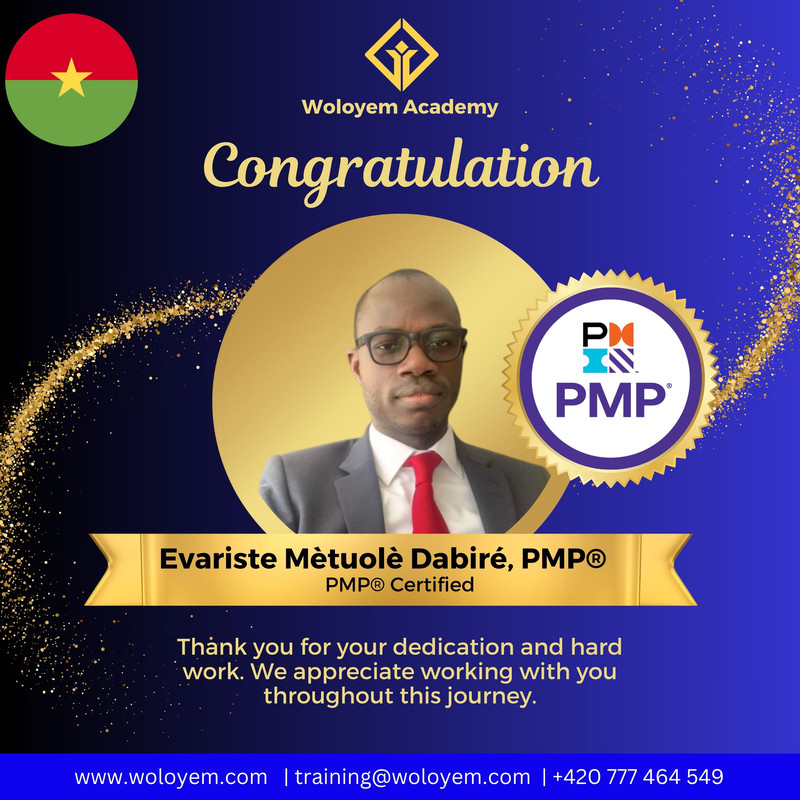
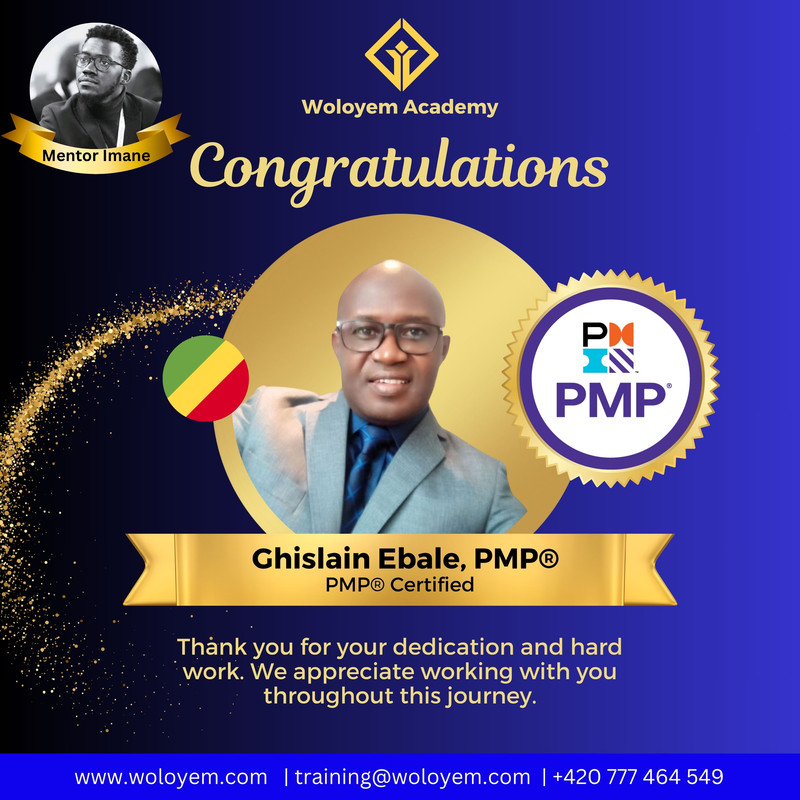
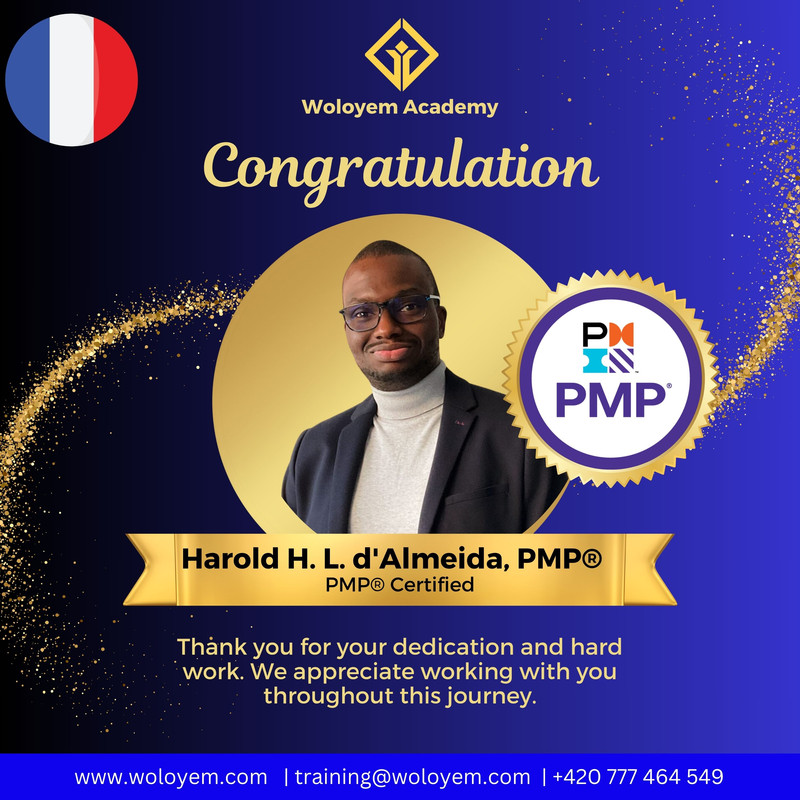
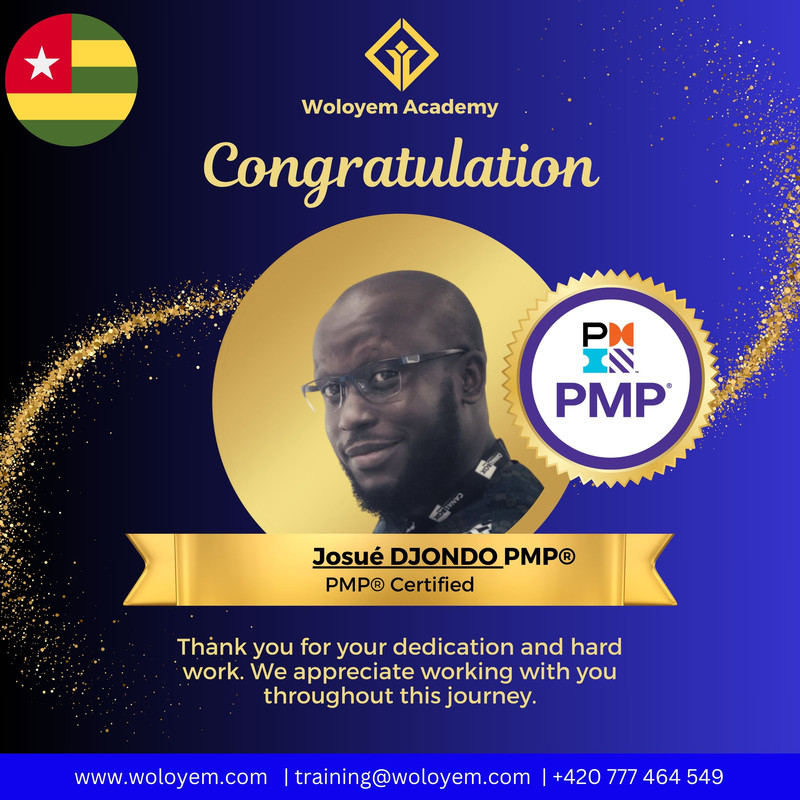
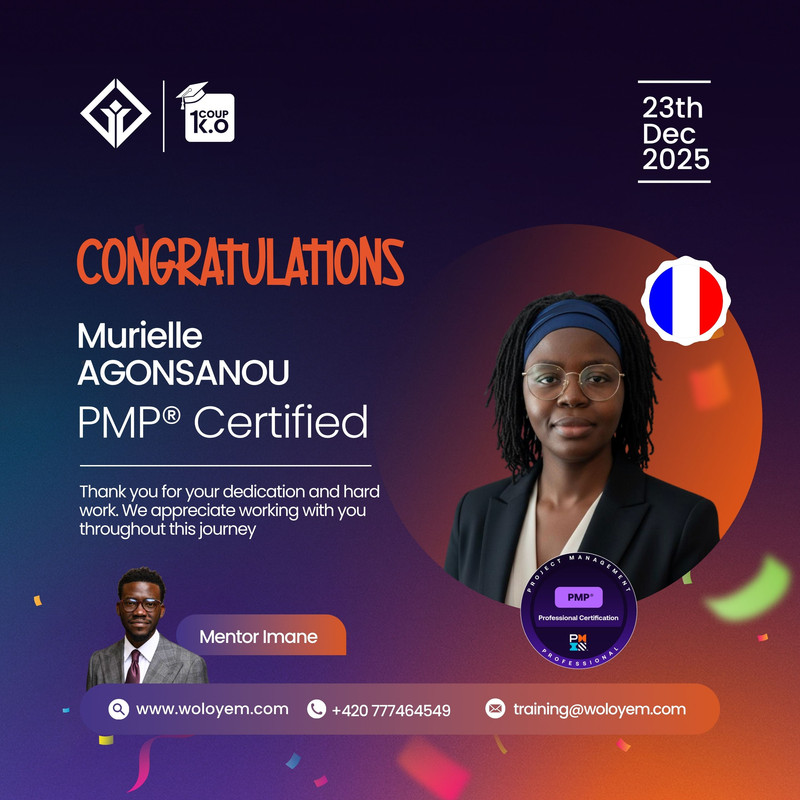
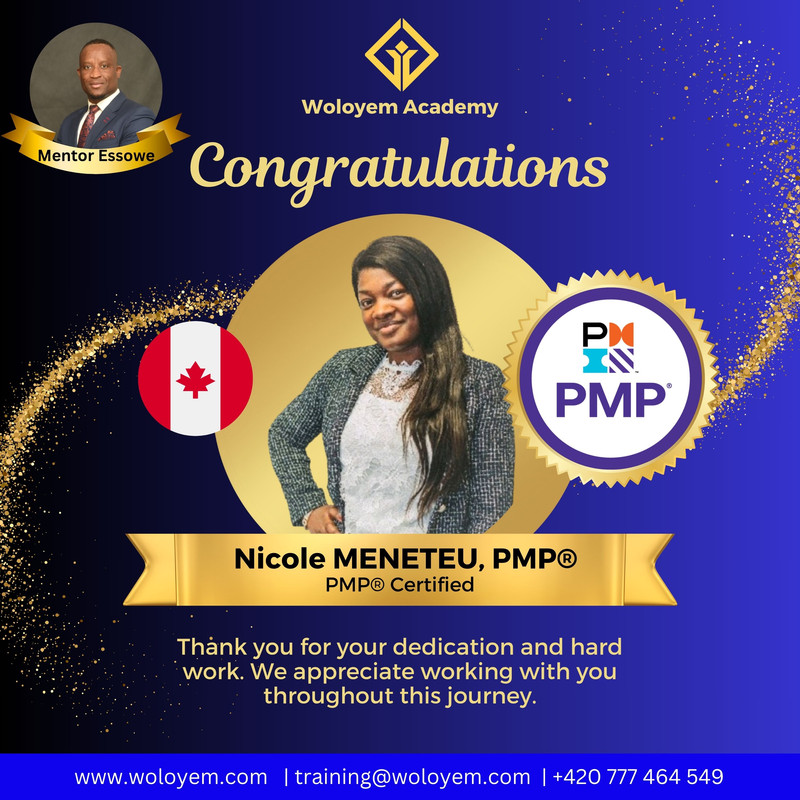
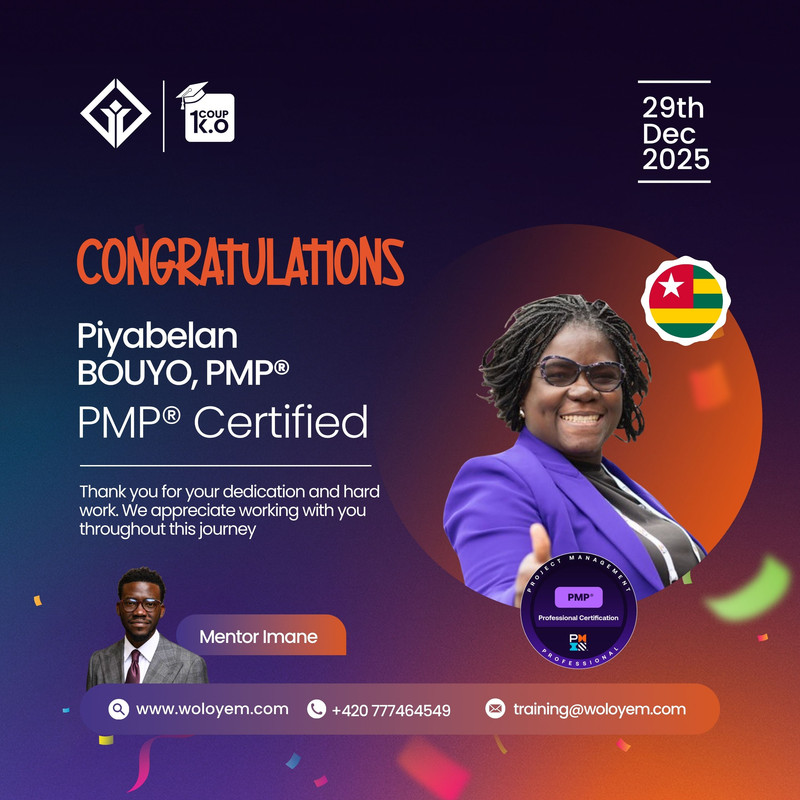
Our successes
.jpg)
.jpg)
.jpg)
Latest news from our blog
Courses
PREPARE EFFECTIVELY
Open PMP® Bootcamp
Pass your PMP certification in the upcoming session
ENROLL NOW