ITIL Certification Path 2026: The Strategic Roadmap to IT Service Excellence

Essowè Abalo
85% of Fortune 500 companies utilize the ITIL framework to maintain a competitive edge, yet the rapid pivot to automated services has left many professionals questioning theiritil certification path. You're likely feeling the pressure to navigate the transition between legacy standards and the new requirements of ITIL 5 while justifying the ROI of these certifications to your stakeholders. It's a common challenge to determine which stream actually aligns with your career leadership goals in a market now dominated by digital value co-creation.

This guide provides a comprehensive breakdown of the framework, offering a strategic roadmap from Foundation to the prestigious Master designation. You'll gain a clear understanding of how to bridge your existing knowledge into the latest standards while ensuring your skills remain relevant in an automated service environment. We'll explore the integration of AI governance, the synergy between service management and project frameworks, and the practical methods used by Woloyem helps you to learn and master projet and service management to ensure your success on the first attempt.

Key Takeaways

  • Map your professional journey through the updated 2026 itil certification path to achieve the prestigious ITIL Master designation.

  • Understand how ITIL 5 integrates AI Governance and digital value co-creation to address modern operational challenges.

  • Learn to strategically combine ITIL with PMP and PRINCE2 to manage both business-as-usual and transformational change.

  • Identify the specific certification streams that maximize your professional ROI and align with your leadership goals.

  • Master the Woloyem method for exam success by moving beyond passive learning to practical, strategic application.

Table of Contents

I. What is the ITIL Certification Path in 2026?

The 2026 itil certification path is the globally recognized roadmap for validating expertise in IT Service Management (ITSM) and digital value co-creation. It features a modular structure consisting of Foundation, Practice Manager, Managing Professional, Strategic Leader, and ITIL Master levels. This framework ensures that professionals can manage complex value streams and navigate the evolving governance requirements of AI-native service environments.


As digital transformation accelerates, the  ITIL Framework has shifted from a rigid, process-heavy approach to a flexible, value-stream-based management model. This evolution allows organizations to align IT operations directly with business outcomes. The governing bodies have designed this journey to be progressive, ensuring that each certification level builds upon the last to create a comprehensive understanding of modern service ecosystems. By following this roadmap, you're not just learning technical tasks; you're mastering the strategic orchestration of people, technology, and partners.


To better understand the current certification landscape, watch this helpful video:

A. The Core Philosophy of ITIL 4 and ITIL 5

The core philosophy of the framework rests on the Four Dimensions of Service Management: Organizations and People, Information and Technology, Partners and Suppliers, and Value Streams and Processes. These dimensions provide a holistic view that prevents siloed thinking during service delivery. The Service Value System (SVS) acts as the central engine, converting demand into tangible value through a series of interconnected activities. With the 2026 release of ITIL 5, this philosophy expands to include intelligent automation and machine learning integration, ensuring that service management stays ahead of the technological curve.

B. Why ITIL Certification Matters for Your 2026 Career

Earning these credentials provides a significant competitive advantage. Data from 2026 shows that certified practitioners command a 15% to 25% salary premium over their peers, with the average salary for an IT Service Manager in the U.S. reaching $131,274. Organizations are increasingly seeking "T-shaped" professionals who possess deep technical expertise in ITSM alongside broad strategic leadership skills. Woloyem helps you to learn and master projet and service management by providing the practical training needed to translate these frameworks into measurable organizational resilience and high ROI. Mastering the itil certification path ensures you're prepared for the high-level governance roles that define the modern digital economy.

II. The 5 Levels of the ITIL Certification Journey

The itil certification path is structured to evolve alongside your professional growth. It isn't a simple linear climb but a strategic framework that allows you to tailor your expertise to specific organizational needs. Understanding ITIL Framework principles is the first step toward mastering this roadmap. In 2026, the journey is divided into five distinct tiers, each serving a specific role in the IT service management ecosystem.


  • Step 1: ITIL Foundation. This is the mandatory entry point for all candidates. It provides the common language and core concepts, such as the Service Value Chain, required for all advanced modules.

  • Step 2: ITIL Practice Manager (PM). This level focuses on operational excellence. It validates your ability to apply specific practices to ensure day-to-day service stability and performance.

  • Step 3: ITIL Managing Professional (MP). This stream is for those running technical and operational teams. It provides a deep dive into the practical aspects of service delivery.

  • Step 4: ITIL Strategic Leader (SL). This level shifts the focus to the relationship between IT and business strategy, emphasizing digital transformation and governance.

  • Step 5: ITIL Master. This is the pinnacle of the itil certification path. It's awarded to professionals who have successfully achieved both the Managing Professional and Strategic Leader designations.

A. ITIL Managing Professional (MP) Stream

The Managing Professional stream is designed for IT Managers, Operations Leads, and practitioners who need to manage successful tech teams. To earn the MP designation, you've got to pass four specific modules: Create, Deliver and Support (CDS), Drive Stakeholder Value (DSV), High-velocity IT (HVIT), and Direct, Plan and Improve (DPI). Passing all four is mandatory to achieve the designation. This path proves you can handle complex, high-pressure service environments while maintaining quality. If you're looking to accelerate this process, you can get ITIL 5 certified through our expert-led bootcamps that focus on real-world application.

B. ITIL Strategic Leader (SL) Stream

The Strategic Leader path focuses on high-level governance and business alignment. It consists of two core modules: Direct, Plan and Improve (DPI) and Digital and IT Strategy (DITS). Professionals often find it efficient to pursue this after the MP stream because the DPI module is common to both. This means you only need to complete the DITS module to secure your SL designation if you've already finished the MP track. This stream is ideal for aspiring CIOs and digital transformation leaders. It teaches you to manage risk and justify IT investments through a clear business lens, ensuring every service contributes to the bottom line.

III. Strategic Evolution: ITIL 5 and AI Governance

The itil certification path reached a pivotal milestone with the launch of ITIL 5 on February 12, 2026. This version represents a fundamental shift from human-led processes to AI-native service management. It addresses the complexity of managing autonomous systems where the "service provider" is often an algorithm rather than a person. Organizations now require a new breed of leader capable of governing these intelligent agents within a broader service ecosystem.


Woloyem helps you to learn and master projet and service management by acting as the strategic bridge for this transition. Our bootcamps focus on the ethical adoption of AI and the practical application of the CPMAI (Certified Professional in AI Management) framework. This synergy ensures that leaders can manage the entire lifecycle of intelligent agents while maintaining operational transparency and business value co-creation.

A. Managing AI as a Service

In 2026, core practices like Incident and Problem Management have moved toward predictive automation. Instead of reacting to outages, AI-augmented systems identify patterns to prevent downtime before it occurs. This evolution changes the service desk role from manual troubleshooting to the oversight of automated governance systems, ensuring that machine-led decisions align with human intent.


AI Service Governance in 2026 is the systematic framework for ensuring that autonomous service agents and predictive algorithms operate within ethical, legal, and operational boundaries to co-create business value.


Service management has become the primary vehicle for ensuring data privacy in automated environments. By embedding ethical requirements into the service design phase, organizations mitigate the risks associated with algorithmic bias and non-compliance.

B. ITIL 5: What to Expect in the New Standard

The new standard prioritizes Sustainability and Digital Ethics as core service requirements. As AI systems consume significant energy and process massive datasets, the framework provides the necessary guardrails for responsible adoption. Modular updates now cater to complex, multi-cloud environments where data privacy and transparency are non-negotiable. If you're ready to master these advanced techniques, visit our ITIL 5 Certification training page to join an upcoming session. This path ensures you're equipped to lead the digital transformation of your organization with confidence.


woloyem.com

The 2026 ITIL® Certification Path

A Strategic Roadmap from Foundation to Master for IT Leaders

85%

of Fortune 500 companies utilize the ITIL framework to maintain a competitive edge and drive digital value co-creation.

15–25% Salary Premium

Commanded by certified ITIL practitioners over non-certified peers.

$131,274 Average U.S. Salary

For an IT Service Manager, reflecting the high demand for certified expertise.

The 5 Levels of the ITIL Certification Journey

LEVEL 1

ITIL Foundation

The mandatory entry point providing the core concepts, common language, and an understanding of the Service Value System (SVS). Essential for all professionals in IT service management.

LEVEL 2

ITIL Practice Manager (PM)

Focuses on operational excellence and validates the ability to apply specific practices to ensure day-to-day service stability, performance, and successful outcomes.

LEVEL 3

ITIL Managing Professional (MP)

Designed for leaders of technical and operational teams. This stream provides a deep dive into the practical aspects of running successful IT projects, teams, and workflows.

LEVEL 4

ITIL Strategic Leader (SL)

Shifts focus to the crucial link between IT and business strategy. This level is for leaders steering their organization through digital transformation and complex governance landscapes.

LEVEL 5

ITIL Master

The pinnacle of the ITIL certification path, awarded to professionals who achieve both the Managing Professional (MP) and Strategic Leader (SL) designations, demonstrating unparalleled expertise.

Strategic Integration for Holistic Value

ITIL®

Manages and optimizes ongoing service delivery and ‘business-as-usual’ operations.

PMP® & PRINCE2®

Manage discrete, transformational projects with defined start and end points to introduce change.

The Four Dimensions of Service Management

Organizations and People

Ensuring roles, responsibilities, and culture support service value.

Information and Technology

Managing the data and infrastructure required for service delivery.

Partners and Suppliers

Integrating external vendors and partners into the value stream.

Value Streams and Processes

Defining the workflows that convert demand into tangible value.

IV. Comparing ITIL with PMP and PRINCE2

Professionals often view the itil certification path in isolation, but the most effective leaders in 2026 operate at the intersection of service stability and project agility. While ITIL provides the framework for "Business as Usual" (BAU) by ensuring services remain stable and valuable, PMP and PRINCE2 are designed to manage "Change." Stacking these certifications creates a strategic advantage, allowing you to oversee the entire lifecycle of a digital product from its initial project phase to ongoing operational excellence.
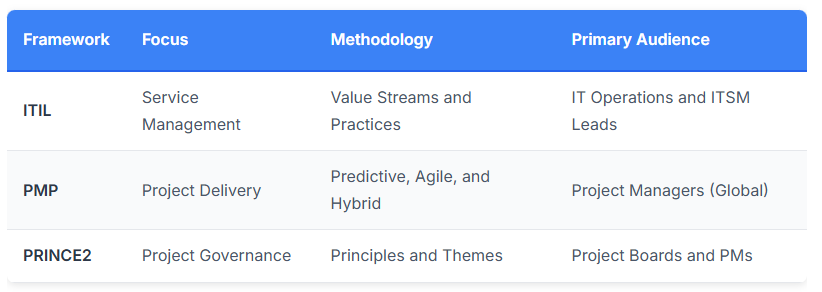
A Senior Project Manager doesn't just collect certificates; they build a "semantic cocoon" of expertise. This means your knowledge in one area, like  ITIL and PRINCE2, reinforces your authority in others. By mastering both, you understand how to govern a project's risks while ensuring the resulting service fits perfectly into the organization's existing service value system.

A. The Project-to-Service Lifecycle

Projects governed by PRINCE2 or PMP eventually transition into live service operations managed via ITIL. If you don't understand this handoff, you risk delivering a project that the operations team can't support. In 2026, organizations prioritize "T-shaped" professionals who can bridge this gap. Having both credentials proves you can handle the high-pressure delivery of a project and the long-term governance of the service it creates. You can start this journey by exploring  PMP Certification with Woloyem to master the delivery side of the equation.

B. Choosing Your Starting Point

Your current job role should dictate whether you begin with ITIL Foundation or PMP. If you're responsible for maintaining uptime and user satisfaction, start with the itil certification path. If your daily work involves managing budgets, schedules, and stakeholders for temporary initiatives, PMP is your priority. A common mistake is rushing to the Master level without sufficient field experience. The "Certification Stack" strategy works best when you apply each level of learning to real-world problems before moving to the next tier. This ensures you're building genuine leadership capability rather than just a resume of acronyms.


If you're ready to align your operational skills with global project standards,  contact our consultants to design a personalized certification roadmap for your team.

V. How to Prepare for ITIL Certification Success

Success on the itil certification path in 2026 isn't achieved through passive reading of outdated manuals. Professionals who excel are those who bridge the gap between theoretical frameworks and operational reality. At Woloyem, we've developed a strategic approach that prioritizes high-level governance and practical application over rote memorization. This ensures that your team isn't just passing an exam but actually improving service delivery performance and ROI.

Our method leverages the latest 2026 exam patterns and official PeopleCert reports to ensure candidates are prepared for the specific nuances of the ITIL 5 transition. We also provide bilingual resources in English and French, a critical advantage for international organizations standardizing their ITSM practices across global borders. Corporate consulting plays a major role here, as we help entire IT departments upskill simultaneously, creating a unified culture of service excellence.

A. Woloyem Masterclasses and Bootcamps

An immersive Woloyem ITIL bootcamp is designed for the busy professional who needs results, not fluff. We replace generic lectures with expert-led Q&A sessions and real-world case studies that mirror the challenges you face in AI-driven environments. You'll engage with practitioners who've implemented these frameworks in Fortune 500 companies, providing insights you won't find in a standard syllabus. This high-intensity environment is the fastest way to master the material and secure your credentials. You can explore our Full Course Catalogue to find the right session for your career level.

B. Exam Day Strategy and Next Steps

Tackling the ITIL Foundation multiple-choice exam requires a specific mindset. You've got to focus on the "Service Value System" logic rather than technical specifics. Read every question twice; PeopleCert often uses distractors that look correct but don't align with ITIL terminology. Once you've secured your certification, the journey doesn't end. Maintaining your status through PeopleCert Plus is essential to stay current with modular updates as the itil certification path continues to evolve.

If you're ready to transform your organization's service capabilities through strategic training, Contact Woloyem for Corporate Training . We'll help you design a roadmap that delivers measurable business value and positions your team at the forefront of digital transformation.

VI. Secure Your Strategic Position in the 2026 Digital Economy

The itil certification path is no longer a simple checkbox for IT staff; it's a strategic requirement for leaders navigating the complexities of AI governance and digital value co-creation. You've seen how the framework has evolved to integrate autonomous service agents and ethical data practices. By choosing the right stream, whether Managing Professional or Strategic Leader, you position yourself as a high-value asset capable of aligning technical stability with aggressive business growth.

We provide PeopleCert Accredited Training Content and bilingual English/French expert guidance to ensure you master these concepts. Our practitioners achieved a 98% first-time pass rate in 2025, proving that our practical, bootcamp-style approach delivers results for busy professionals. Don't let the shift to ITIL 5 leave your career behind.

Advance your career with Woloyem’s ITIL 5 Masterclasses  and start your journey toward ITIL Master status today. We look forward to helping you reach the pinnacle of service management excellence.

VII. Frequently Asked Questions

What is the best ITIL certification path for a beginner in 2026?

Beginners should start with the ITIL 5 Foundation course. This module establishes the core terminology and the Service Value System logic required for all advanced certifications. In 2026, this is the most strategic entry point because it incorporates the latest AI-native practices. Once Foundation is secured, you can choose between the operational Managing Professional stream or the governance-focused Strategic Leader stream based on your specific career goals.

How long does it take to complete the ITIL Managing Professional path?

Completing the ITIL Managing Professional designation typically requires six to twelve months of dedicated study. This timeline depends on your existing experience and the frequency of your training sessions. You must pass four advanced modules: CDS, DSV, HVIT, and DPI. Busy professionals often find that immersive bootcamps accelerate this process, allowing them to master complex value streams and pass exams more efficiently than through self-study alone.

Is ITIL 4 still relevant with the introduction of ITIL 5?

ITIL 4 remains highly relevant as it serves as the foundational architecture for the updated ITIL 5 standard. PeopleCert has confirmed that both versions will run in parallel for at least 12 months from the February 2026 release of ITIL 5. Your existing ITIL 4 credentials are still valid and act as a recognized prerequisite for bridging into the advanced ITIL 5 modules, protecting your previous training investments while you advance.

Can I take the ITIL Strategic Leader exam without being a Managing Professional?

You can absolutely pursue the ITIL Strategic Leader (SL) designation without becoming a Managing Professional (MP). While both streams require the ITIL Foundation certificate, they focus on different professional outcomes. The SL track is designed for leaders who want to master digital strategy and business alignment. However, completing the MP stream first is often more efficient because the Direct, Plan and Improve (DPI) module is shared between both paths.

How much does the ITIL certification path cost on average?

The total investment for an itil certification path varies based on the number of modules and the chosen training provider. As of June 2026, official PeopleCert exam fees for ITIL 5 Foundation are approximately US$690, while advanced modules start at US$865 each. Candidates should also factor in the cost of accredited training. PeopleCert requires candidates to purchase training from an Accredited Training Organization to be eligible to sit for these exams.

What is the difference between ITIL and PMP for an IT Manager?

ITIL focuses on the ongoing management and stability of IT services, while PMP centers on the delivery of specific, temporary projects. For an IT Manager, ITIL is the framework for "Business as Usual" operations and service value co-creation. PMP provides the techniques needed to manage "Change" and project lifecycles. Combining both allows you to lead a project through its transition into a live, stable service environment with documented ROI.

Are there bilingual ITIL training options available for global teams?

Woloyem provides comprehensive bilingual training in English and French for global organizations. This capability is essential for international teams that need to standardize their itil certification path across different regions. Our expert-led sessions ensure that all team members, regardless of their primary language, master the same high-level governance and AI-native service management standards. This facilitates smoother collaboration and consistent service delivery across your global footprint.

How does ITIL 4 integrate with AI and Machine Learning?

ITIL 4 integrates with AI by providing the structural governance needed for automated service delivery. It introduces concepts like high-velocity IT and value streams that are essential for machine learning adoption. This integration has been fully realized in the 2026 ITIL 5 update, which includes specific AI Governance modules. These modules ensure that AI-driven automation remains ethical, transparent, and aligned with organizational risk management and data privacy policies.

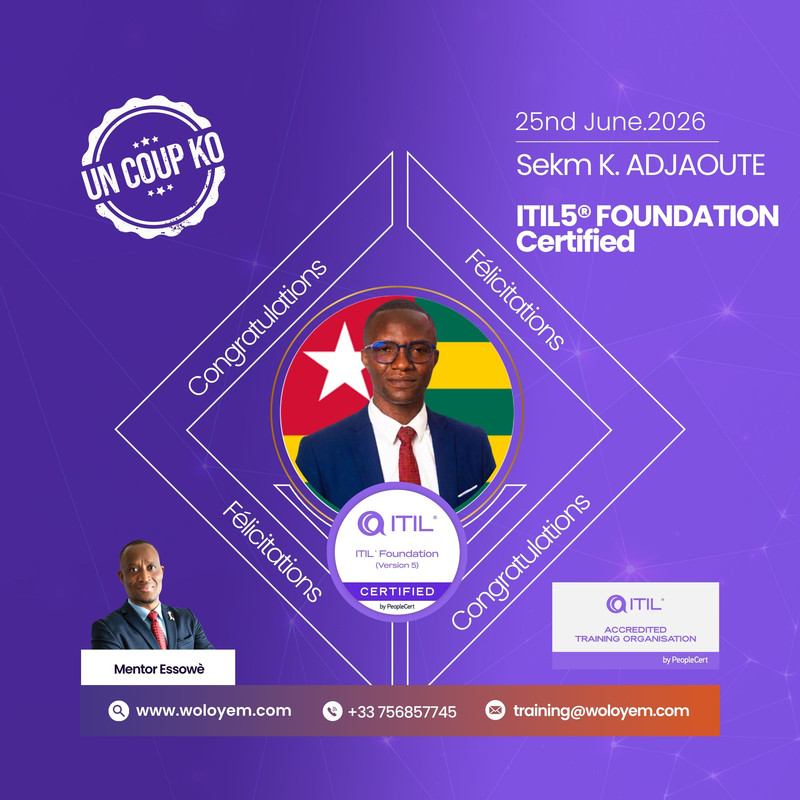
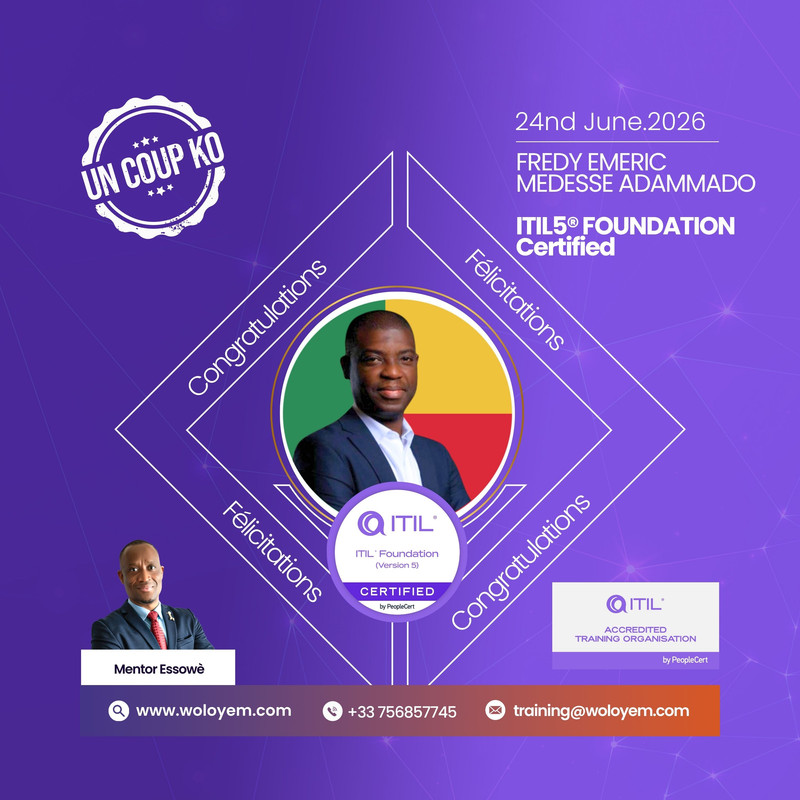
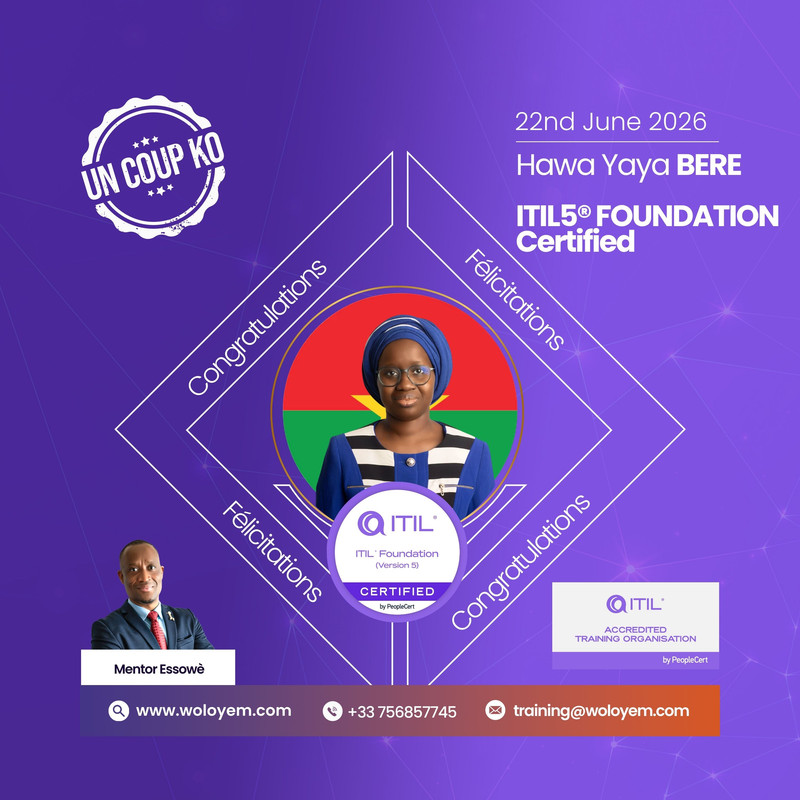
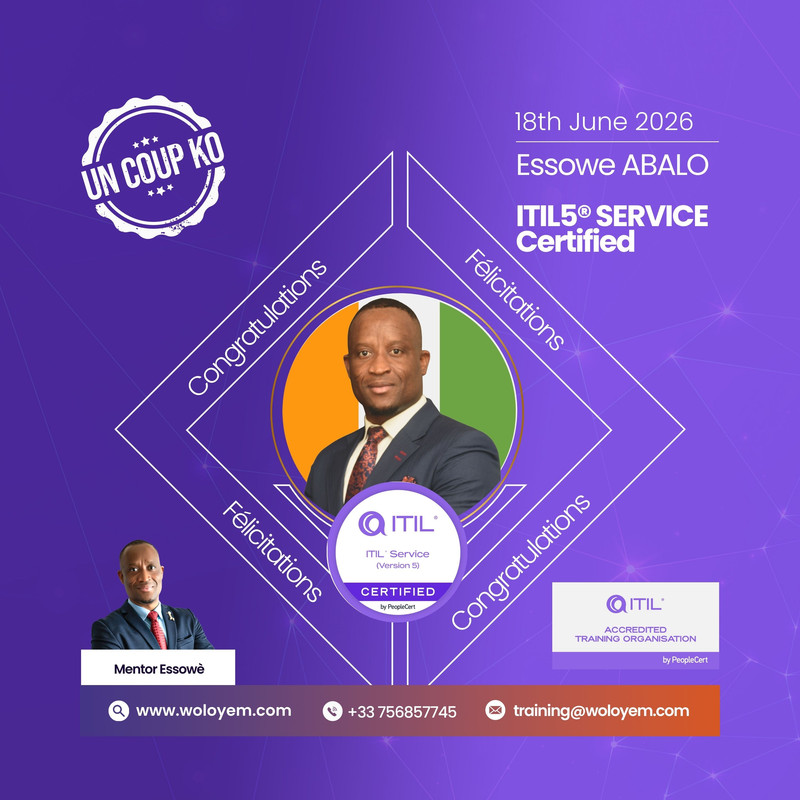
Our ITIL 5® successes
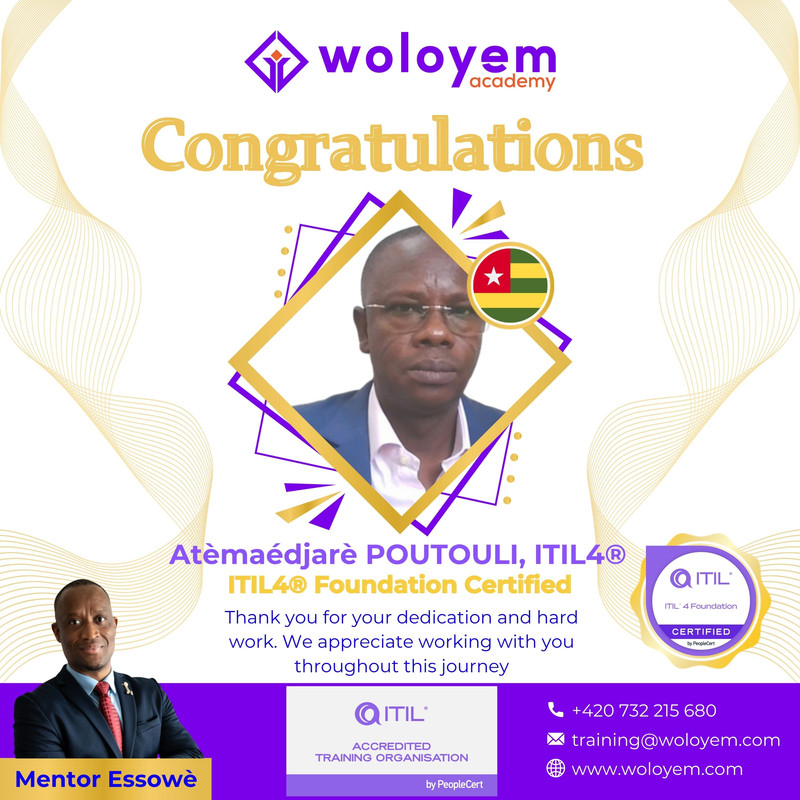
Our successes with ITIL 5®
ITIL 5®

Courses

Privacy Policy Cookie Policy Terms and Conditions